Munchkin Cat Colors and Types: Coats, Patterns and Mixes
Munchkin cat colors cover the full spectrum, from solid black and white to calico, tortoiseshell, tabby, and pointed. Here is every coat and pattern, short vs long hair, the rarest shades, and the short-legged mixes like the Napoleon and Minskin.
Petful is reader supported. As an affiliate of platforms like Amazon and Chewy, we may earn a commission when you buy through links on this page. There is no extra cost to you.
Munchkin cat colors span the entire feline rainbow, because The International Cat Association (TICA), the only major registry to recognize the breed, places no restriction on coat color or pattern. That means a single litter can produce solid white, jet black, orange tabby, blue (grey), calico, tortoiseshell, and tuxedo kittens, often all at once. The short legs come from one dominant genetic mutation, but everything above the ankles, color, pattern, and even coat length, is wide open. Below you will find every color and pattern you are likely to meet, the difference between short and long hair, and the short-legged mixes like the Napoleon and Minskin that share Munchkin genes.
- 1TICA recognizes Munchkins in every color and pattern, with no breed-standard color restriction
- 2The most common patterns are tabby, calico, bicolor (tuxedo), tortoiseshell, and pointed
- 3Munchkins come in short, medium, and long-haired coats, and long-haired kittens are rarer
- 4Solid colors like white and black, plus dilute shades like silver and lilac, command the highest breeder prices
- 5Short-legged mixes such as the Napoleon, Minskin, and Bambino carry Munchkin genes but are separate designer breeds

Sign up for expert-backed reviews and safety alerts all in one place.
Do Munchkin Cats Come in Every Color?
In a word, yes. Munchkin cats can display any color, any pattern, or any combination of the two. This is unusual: many pedigreed breeds, such as the Russian Blue (only blue) or the Bombay (only black), are defined partly by a fixed color. The Munchkin is defined by structure (its short legs) rather than coat, so breeders are free to outcross to almost any domestic cat. That open gene pool is exactly why color variety in the breed keeps expanding with each generation.
Eye color is just as varied. Because there is no link between the leg-length gene and eye pigment, Munchkins turn up with gold, copper, green, hazel, and blue eyes. Blue eyes most often appear in pointed (colorpoint) and white cats.
- TICA's Munchkin standard judges body type and leg length, not color. A judge will not penalize a calico, a tuxedo, or a solid white cat for its coat. This is why no single color is the official or correct Munchkin color.
For a full picture of the breed beyond its coat, including temperament, health, and care, see our complete Munchkin cat breed profile.
The Most Common Munchkin Cat Colors and Patterns
While anything is possible, a handful of colors and patterns turn up again and again in Munchkin litters. Here is what each one looks like.

Never Scoop Again® with the Whisker Litter-Robot, the smart self-cleaning automatic litter box. Monitor visits and track weights for better overall care in the Whisker® app. Multi-cat friendly.
Petful may earn a commission when you click through to Whisker, at no extra cost to you.
Solid Colors (Black, White, Blue, Red, Cream)
A solid (or self) coat is one even color from nose to tail with no stripes, spots, or white patches. Solid black and solid white are the showstoppers buyers ask for most, while blue (a soft blue-grey), red (warm orange), and cream (pale buff) round out the common solids. Solid kittens can appear in any Munchkin litter, even when neither parent is solid, depending on the genes each carries.
Tabby
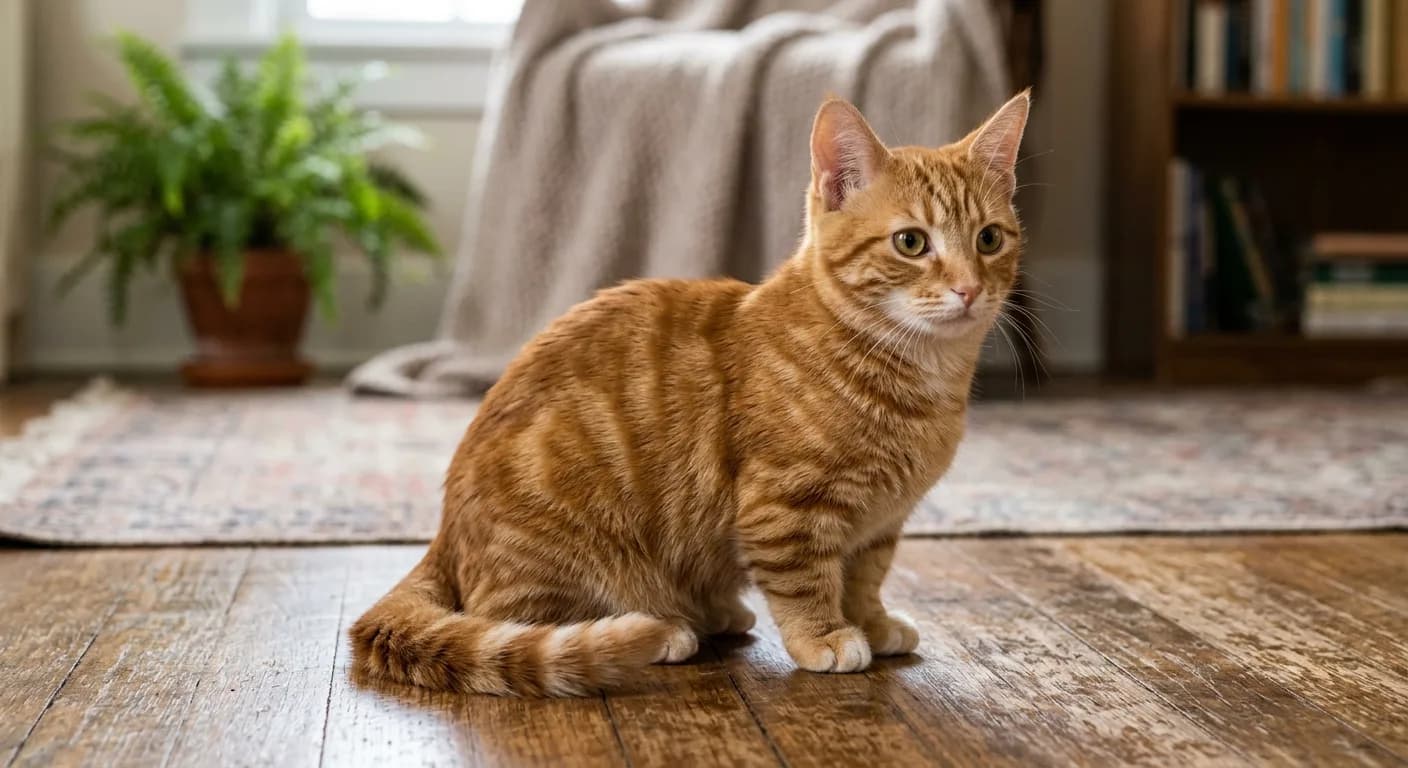
The tabby is the most recognizable pattern in any cat, and Munchkins wear it well. Tabbies show stripes or swirls, pencil lines on the cheeks, and the signature M marking on the forehead. The pattern comes in several forms: mackerel (narrow vertical stripes), classic (bold swirls or a bullseye on the flank), ticked (each hair banded with color, giving a salt-and-pepper look), and spotted. Brown, silver, and red tabbies are all common.
Bicolor and Tuxedo
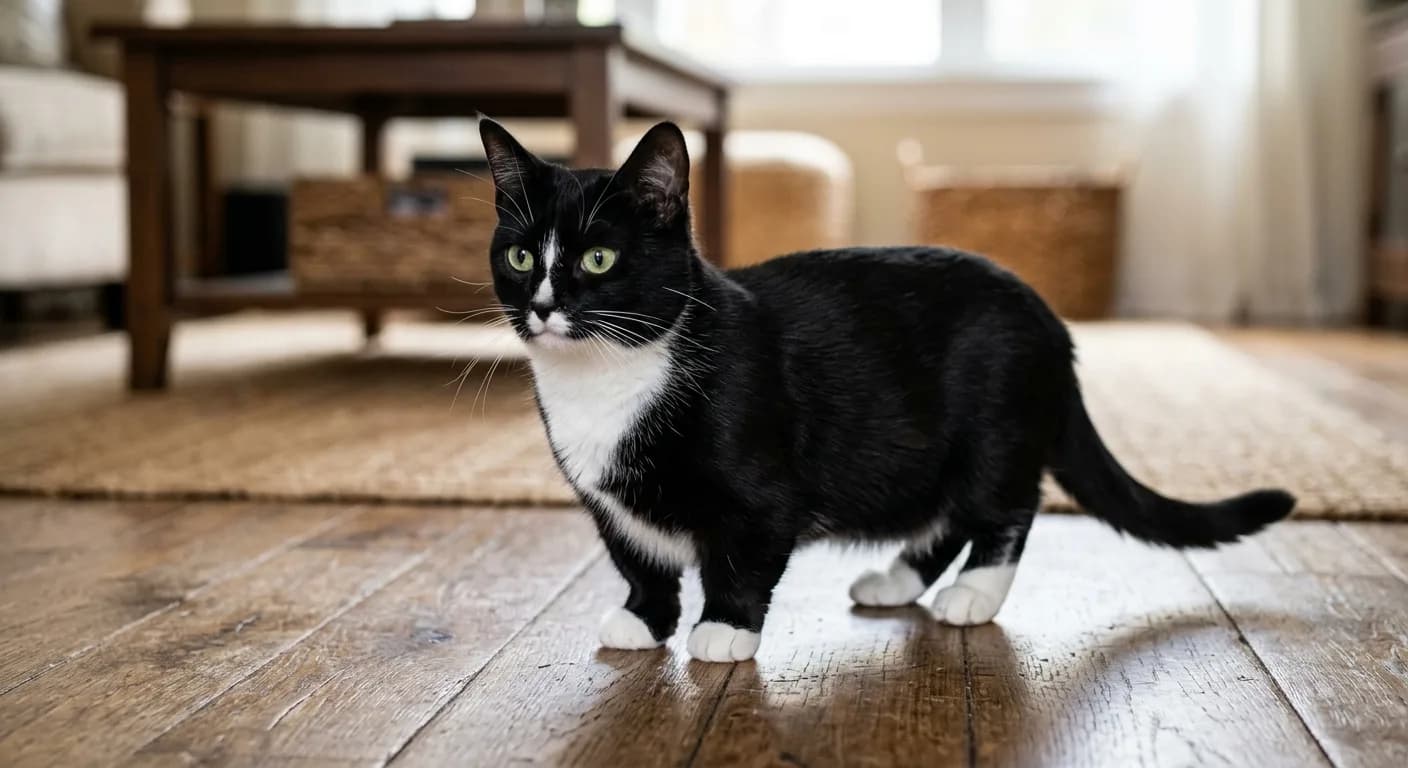
A bicolor coat combines white with one other color, usually as white feet, chest, belly, and sometimes a white blaze on the face. When the second color is black and the white is limited to the chest, paws, and face, the cat earns the nickname tuxedo, because it looks like it is dressed for a black-tie event. Bicolor patterns range from a few white toes to a coat that is mostly white with colored patches.
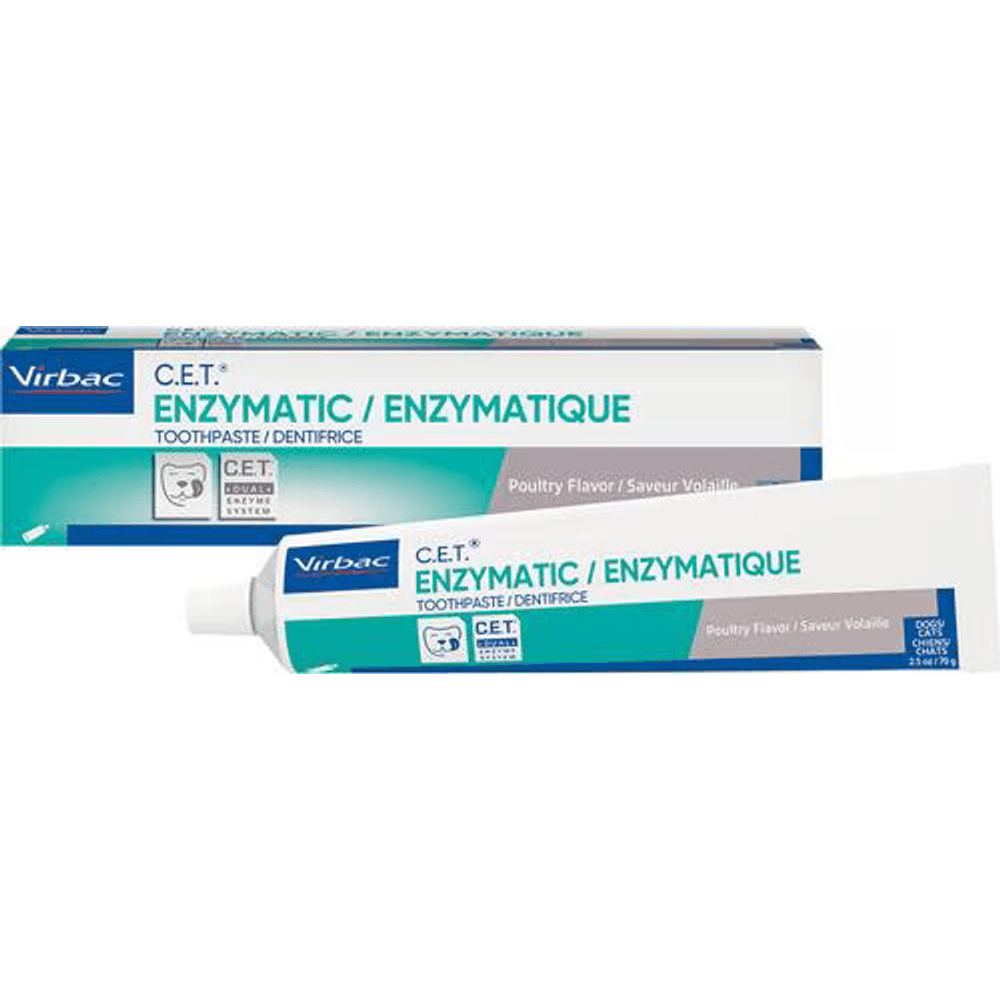
The vet-favorite enzymatic toothpaste. Its dual-enzyme system keeps working between brushings to control plaque and freshen breath, and the poultry flavor makes daily brushing easy.
Petful may earn a commission when you click through to Chewy, at no extra cost to you.
Calico
Calico is one of the most popular Munchkin coats. A calico carries three colors, white, black, and red (orange), in distinct patches rather than blended together. Because the genetics that produce calico patterning are tied to the X chromosome, the overwhelming majority of calico Munchkins are female. A true calico is not a single color you breed for so much as a pattern that appears when the right genes line up.
Tortoiseshell
Often confused with calico, a tortoiseshell (or tortie) blends black and red (and their dilute versions, blue and cream) in a marbled, brindled coat, typically with little or no white. Where a calico shows clear patches, a tortie looks mottled or swirled. Like calicos, torties are almost always female for the same X-linked reason.
Pointed (Colorpoint)
A pointed coat is pale on the body with darker color concentrated at the extremities: the ears, face (mask), legs, paws, and tail. This is the same Siamese-style pattern produced by a temperature-sensitive gene, and pointed Munchkins very often have striking blue eyes. Seal point, blue point, and lilac point are all seen.
- If you see clear, separate blocks of white, black, and orange, it is a calico. If the colors are swirled or brindled together with little white, it is a tortoiseshell. Both patterns appear almost exclusively in female cats.
| Color or Pattern | What It Looks Like | How Common | Typical Eye Color |
|---|---|---|---|
| Solid black or white | One even color, no markings | Common, highly requested | Gold, copper, green (blue in white cats) |
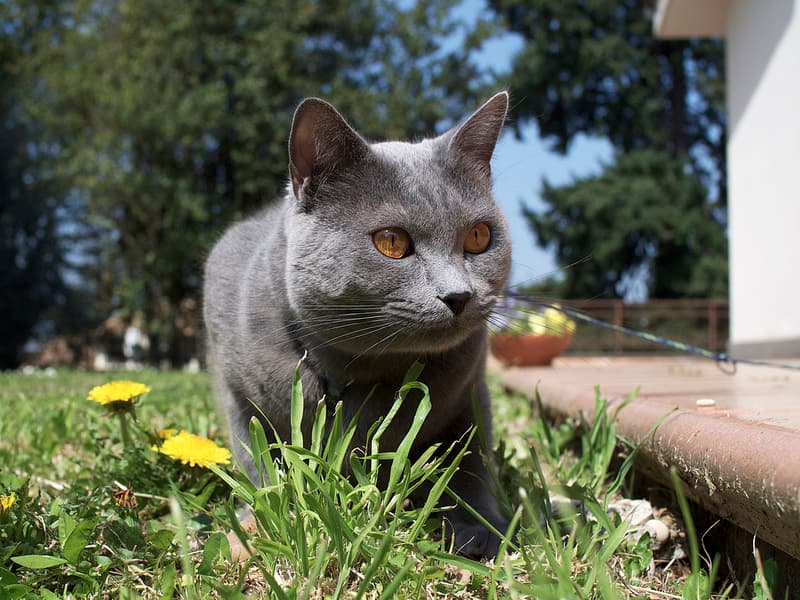
| Blue (grey) | Soft slate-grey solid | Common | Gold to green |
| Tabby | Stripes or swirls with forehead M | Very common | Gold, green, hazel |
| Calico | White, black and red in distinct patches | Common (almost all female) | Gold to copper |
| Tortoiseshell | Black and red marbled together | Common (almost all female) | Gold to copper |
| Pointed | Pale body, dark ears, face, legs, tail | Less common | Usually blue |
| Silver, chocolate, lilac | Rare dilute and refined shades | Rare, premium-priced | Varies |
Short-Haired vs. Long-Haired Munchkin Cats
Munchkins come in three coat lengths: short, medium, and long. The short-haired Munchkin has a plush, easy-care coat with a soft undercoat, while the long-haired Munchkin carries a silky, semi-long coat that can include a fuller ruff around the neck and tufts of fur, sometimes called lynx tips, sprouting from the ear tips.
Are there long-haired Munchkin cats? Absolutely. They are simply less common than short-haired ones, which is part of why long-haired and Persian-influenced Munchkins often carry a higher price tag. The trade-off is grooming: short-haired Munchkins do fine with a weekly brush, while long-haired cats need brushing several times a week (often daily) to prevent mats and tangles. Petful’s guide to Munchkin cat price has the full breakdown.

63-inch multi-level cat tree with scratch posts, hammock, plush perches, and dangling toys. Vertical territory is non-negotiable for high-energy climbing breeds like the Bengal.
Petful may earn a commission when you click through to Chewy, at no extra cost to you.
- Whether short or long-haired, every Munchkin shares the same dwarfism gene affecting the legs. Coat type has no bearing on the breed's potential for spinal or joint issues. Choose a breeder who screens their cats, regardless of how glamorous the coat looks.
Coat color will not bring a lost cat home, but a free MyPetID profile will, pairing a scannable QR tag with your Munchkin's microchip number and vet records so a finder can reach you fast.
The Rarest and Most Expensive Munchkin Colors
Because TICA accepts every color, rarity is driven by genetics and demand rather than by any official scarcity. The coats that fetch the most from breeders tend to be:
- Solid white with blue eyes, prized for its dramatic, almost porcelain look.
- Solid black, for its sleek uniformity.
- Dilute and refined shades such as silver, chocolate, and lilac, which require specific recessive genes to appear.
- Long-haired pointed cats, which combine two less-common traits at once.
A pet-quality Munchkin from a responsible breeder generally runs from roughly $1,000 to $3,000, with rare colors, long coats, and show-quality bloodlines pushing prices toward the higher end and occasionally beyond. Treat any unusually cheap kitten or any seller promising a specific guaranteed color with caution.

108-oz stainless steel pet fountain with quiet pump and water-level window. Bengals are notoriously water-obsessed; a flowing fountain encourages hydration and pulls them away from sinks and toilets.
Petful may earn a commission when you click through to Chewy, at no extra cost to you.
- A reputable breeder prioritizes health screening, socialization, and the queen's wellbeing over producing a trendy coat. If a listing leads with color and price but says nothing about health testing or the parents, walk away. The right cat is the healthy one, not the rarest shade.
What Is a Munchkin Cat Mixed With? Short-Legged Designer Breeds
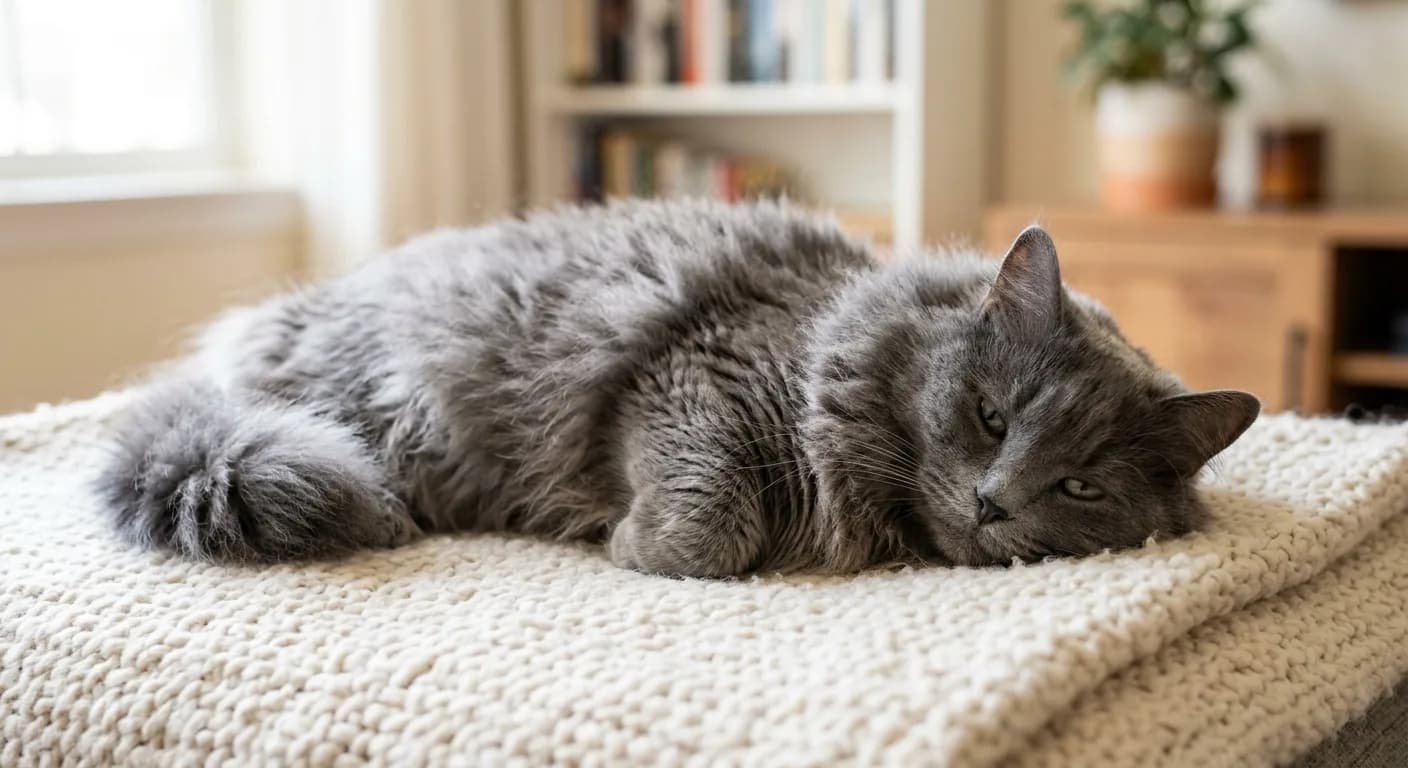
The Munchkin's short legs are the foundation for an entire family of so-called dwarf or designer cat breeds. Breeders crossed Munchkins with other breeds to combine the short legs with a new trait, such as curly ears, a hairless body, or a wool-like coat. None of these are simply a colored Munchkin; each is a distinct (and mostly experimental, not yet championship-recognized) breed.
| Breed | Munchkin Crossed With | Signature Trait |
|---|---|---|
| Napoleon (Minuet) | Persian or Exotic | Round face, short snout, long or short coat |
| Minskin | Sphynx, Devon Rex, Burmese | Near-hairless body with fur points on face, ears, legs, tail |
| Bambino | Sphynx | Fully hairless, short legs |
| Skookum | LaPerm | Soft curly coat |
| Lambkin | Selkirk Rex | Dense wool-like curly coat |
| Genetta | Bengal, Savannah | Spotted or marbled wild-look coat |
| Dwelf | Sphynx and American Curl | Hairless body with curled-back ears |
| Kinkalow | American Curl | Short legs with gently curled ears |
If you are drawn to the near-hairless look, our Minskin breed guide covers that short-legged, fur-pointed cat in depth. And if the folded or curled ears on some mixes catch your eye, the Scottish Fold breed profile explains where that distinctive ear trait comes from in a related short-statured cat.
What Is a Napoleon Cat?
The Napoleon, now formally called the Minuet, is the best known Munchkin mix. It was created in 1995 by crossing Munchkins with Persians (and Persian-related breeds like the Exotic Shorthair). The result is a short-legged cat with the Persian's round face, large round eyes, and short snout, available in both short and long-haired versions and in any color domestic cats come in. TICA recognizes the Minuet as its own breed, separate from the Munchkin. Because of the Persian influence, long-haired Minuets need regular grooming, and the breed can inherit Persian-linked concerns such as polycystic kidney disease, so health testing matters.
Read our Minuet (Napoleon) cat guide for a fuller discussion of breed identity, care and household fit.
How to Tell a Munchkin's Color From a Kitten
Kitten color can shift as a cat matures. Pointed kittens are often born nearly white and develop their darker points over the first weeks. Tabby markings can look faint at birth and sharpen with age, and some silver and smoke coats only reveal their full effect once the adult coat grows in. If you are choosing a kitten for a specific look, ask the breeder what the parents and previous litters matured into rather than judging by the newborn coat alone.
- Like most cats, Munchkin kittens start with blue eyes that gradually change to their adult color over the first several months. Permanent blue eyes are most reliable in pointed and white cats. If eye color matters to you, wait until a kitten is at least 8 to 12 weeks old before assuming it is final.
Why Munchkin Colors Vary So Much
The reason a Munchkin litter can look like a box of assorted candy comes down to how the breed was built. The short-leg trait is caused by a single autosomal dominant gene, so a kitten only needs one copy from one parent to inherit the look. Everything else, color and pattern included, rides on separate genes inherited independently. Because breeders are encouraged to outcross Munchkins to unrelated domestic cats to keep the gene pool healthy (two copies of the dwarfism gene are believed to be lethal before birth), each new generation can fold in whatever colors those outcross cats carry.
That genetic freedom is a feature, not a flaw. It keeps the breed diverse and lowers the risk of stacking up harmful recessive traits the way tightly color-bred lines sometimes do. The practical upshot for a buyer is simple: you cannot reliably order a Munchkin by color the way you might pick a fixed-color breed. Two solid black parents can still throw a tabby or a bicolor kitten if both carry the hidden genes for it. If a specific coat is important to you, work with a breeder who can show you what their lines have actually produced rather than promising a guaranteed result.
It also explains why the pointed, silver, chocolate, and lilac coats sit at the rare end of the scale. Those colors depend on recessive genes that both parents must carry and pass on, so they surface less often than dominant patterns like tabby. Rarity here is a matter of probability, not of any official breed ranking.
Caring for a Munchkin of Any Color
Coat color has no effect on care, but coat length does. Short-haired Munchkins need a weekly brush to remove loose hair, while long-haired and Persian-influenced cats (like long-coated Minuets) need brushing several times a week to stay tangle-free. All Munchkins benefit from routine nail trims, dental care, and a vet who understands the breed's dwarfism and watches for spinal or joint issues. Because their short legs make high jumps and steep climbs harder, ramps or low-rise cat furniture help them reach their favorite perches comfortably.
Munchkin cats come in every color and pattern recognized in domestic cats, because TICA places no color restriction on the breed. Common options include solid black, white, blue (grey), red, and cream, plus tabby, calico, tortoiseshell, bicolor, tuxedo, and pointed patterns.
Yes. Munchkins come in short, medium, and long coats. Long-haired Munchkins have a silky semi-long coat and sometimes tufted lynx-tip ears. They are less common than short-haired Munchkins and usually cost more, and they need brushing several times a week to prevent mats.
Munchkins are crossed with several breeds to create short-legged designer cats. Examples include the Napoleon or Minuet (Persian), Minskin and Bambino (Sphynx), Skookum (LaPerm), Lambkin (Selkirk Rex), Genetta (Bengal and Savannah), and Dwelf (Sphynx and American Curl). Each is a separate breed, not just a differently colored Munchkin.
The Napoleon, now called the Minuet, is a Munchkin crossed with a Persian or Exotic Shorthair, created in 1995. It has the Munchkin's short legs and the Persian's round face and short snout, comes in short and long coats and any color, and is recognized by TICA as its own breed.
There is no officially rare color since TICA accepts them all, but solid white with blue eyes, solid black, and dilute or refined shades like silver, chocolate, and lilac are the least common and most expensive. Long-haired pointed cats are also uncommon.
A pet-quality Munchkin from a responsible breeder typically costs about $1,000 to $3,000. Rare colors, long coats, blue eyes, and show-quality bloodlines push prices toward the top of that range and sometimes higher.
Calico and tortoiseshell coloring is linked to the X chromosome. Females carry two X chromosomes, which is what allows both black and red pigment to appear in the same coat, so these patterns are almost always female in Munchkins and in cats generally.

Coreen Saito is a pet writer and longtime shelter volunteer with more than a decade in animal rescue. She covers cat behavior, breed care, and the small, ordinary science of sharing a life with companion animals, with a particular focus on honest takes about the products and decisions that actually matter. At home in Arizona, she's outranked by Mac (a dog with the loudest opinion in the house), Rebel (a cat who governs by quiet authority), and Meri (an orange tabby who runs the late shift and the laundry basket). She writes about all three, plus the rescues that keep coming through her life, at LifeWithMinty.com.
Sign up for expert-backed reviews and safety alerts all in one place.