Cornish Rex Price: What Kittens and Adults Really Cost in 2026
The Cornish Rex price ranges from $75 at rescue to over $2,500 from a show-quality breeder. This guide breaks down acquisition tiers, monthly costs, lifetime totals, and the breed-specific expenses (heated beds, ear care) most buyers overlook.
Petful is reader supported. As an affiliate of platforms like Amazon and Chewy, we may earn a commission when you buy through links on this page. There is no extra cost to you.
The Cornish Rex price from a CFA-registered breeder typically runs $800 to $2,500 depending on quality, bloodline, and region, making this curly-coated charmer one of the pricier domestic breeds on the market. If that range surprises you, keep reading: the upfront cost is only one chapter of the story. Between ongoing food, vet care, insurance, and the breed's unique cold-weather needs (yes, sweaters are sometimes a real budget line), a Cornish Rex costs between $15,000 and $30,000 over a lifetime.
- 1Pet-quality kittens from registered breeders average $800-$1,500; show-quality kittens run $1,500-$2,500+
- 2Rescue/adoption fees are $75-$300 and include vetting that saves hundreds up front
- 3The Cornish Rex's single-layer down coat means it chills easily and may need heated beds or sweaters
- 4Monthly ongoing costs average $100-$200, with vet savings possible from early insurance
- 5Low sticker prices from unregistered sellers are the #1 red flag for genetic health problems

Sign up for expert-backed reviews and safety alerts all in one place.
What Makes the Cornish Rex Expensive?
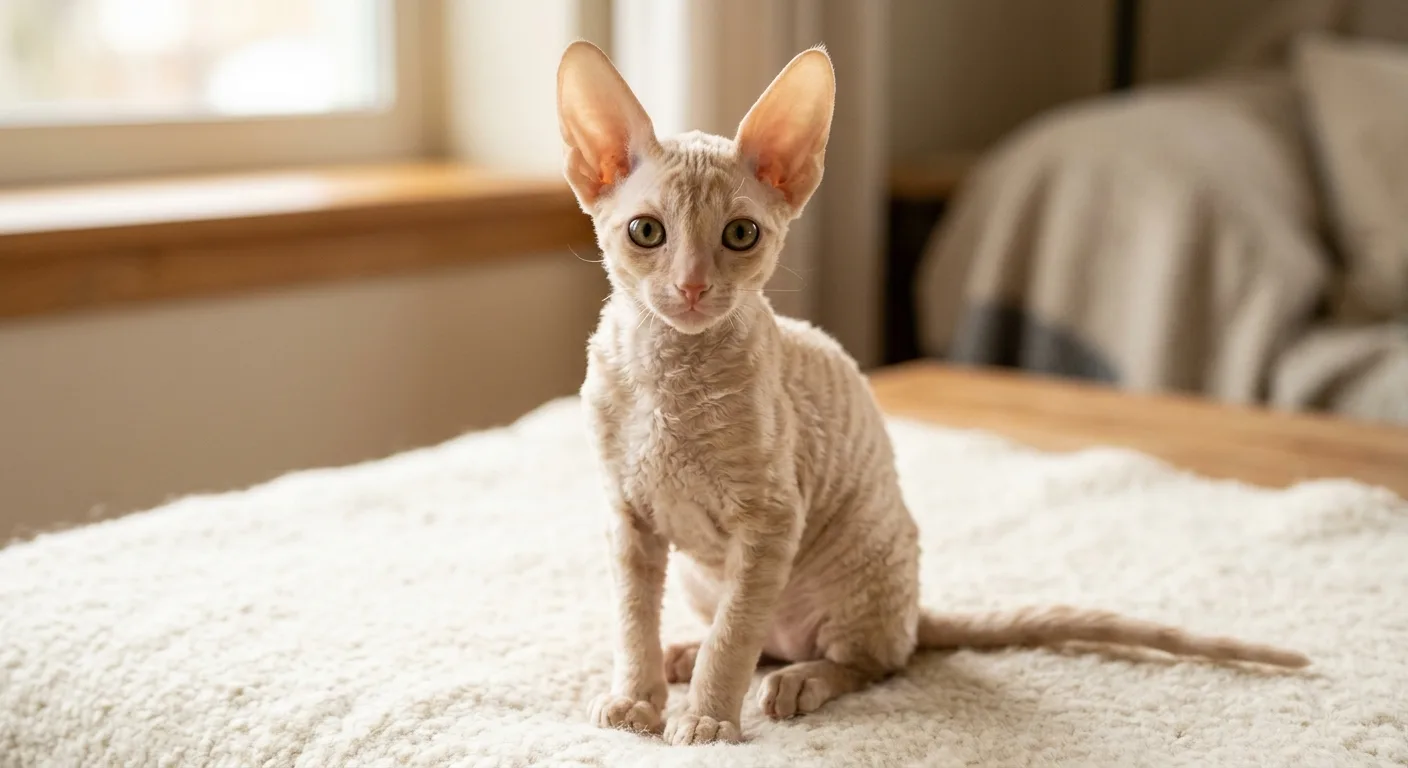
Before diving into numbers, it helps to understand why this breed commands a premium. The Cornish Rex is one of the rarest registered cat breeds in North America. According to the Cat Fanciers' Association (CFA), which granted the breed championship status in 1964, the Cornish Rex carries no guard hairs, only a short, dense undercoat with tight "marcel" waves. That unique double-down texture is the result of a natural recessive mutation first documented in Cornwall, England in 1950.
Producing healthy kittens with correct type requires breeders to maintain closed gene pools, conduct genetic screening (for conditions like hypertrophic cardiomyopathy and progressive retinal atrophy), and often wait months between litters. CFA- or TICA-registered breeding programs have overhead that unregistered "backyard" sellers simply skip, which is the primary reason for the price gap.
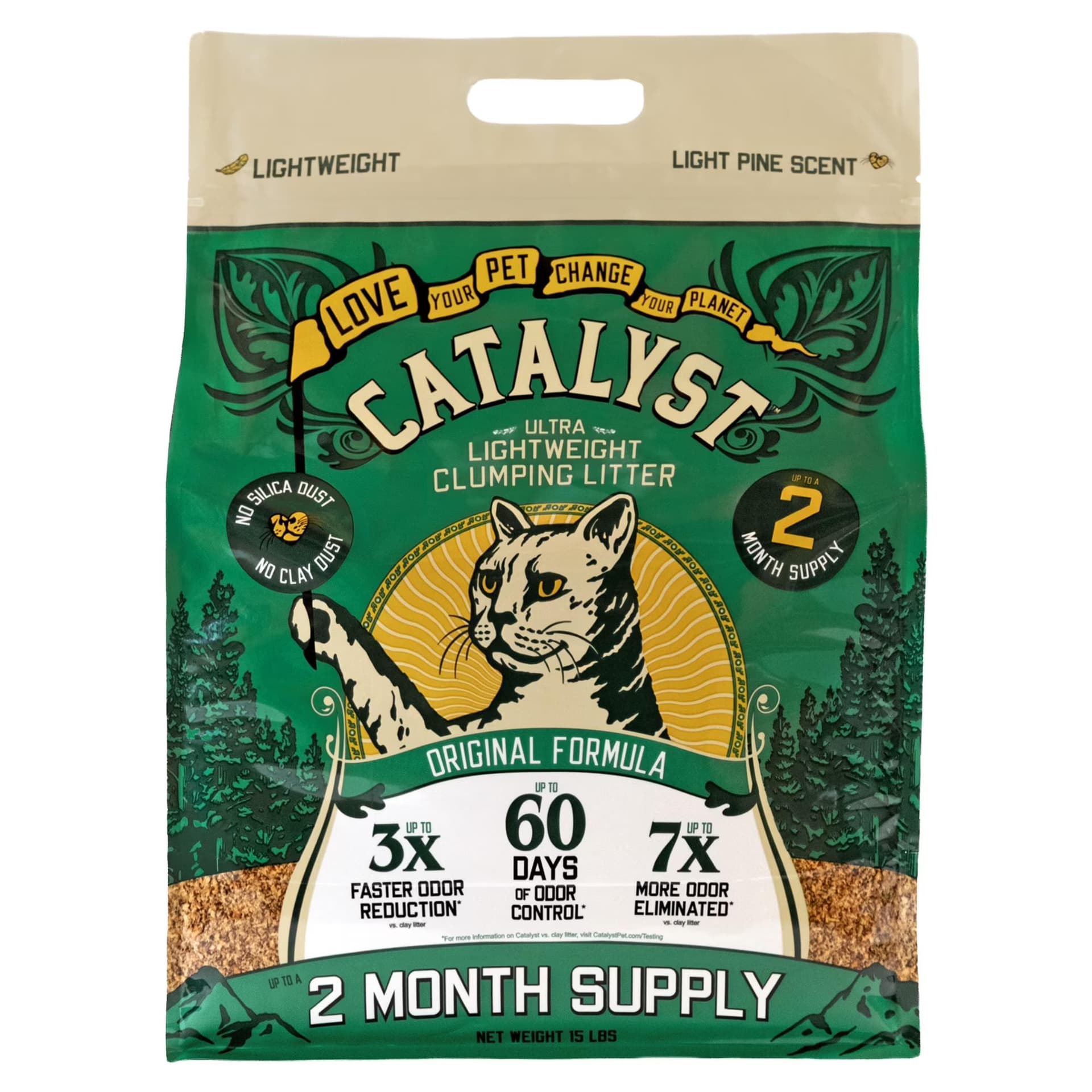
Lightweight softwood clumping cat litter that delivers up to a 2-month supply per 15-lb bag. Up to 7x more odor reduction and 3x faster odor elimination than clay, with up to 95% less airborne dust. No clay, no silica, light pine scent.
Petful may earn a commission when you click through to Walmart, at no extra cost to you.
- If a seller advertises Cornish Rex kittens for $200-$500 with no registration papers, walk away. That price point cannot cover genetic health testing, vaccines, deworming, and initial vet workups. You are almost certainly looking at a kitten from a kitten mill or an unregistered breeding operation with unknown health history.
Cornish Rex Price Tiers: Adoption vs. Breeder
| Acquisition Path | Typical Price Range | What's Usually Included | Best For |
|---|---|---|---|
| Rescue / Shelter | $75-$300 | Spay/neuter, age-appropriate vaccines, microchip, basic vet check | Budget-conscious adopters; open to adult cats |
| Rehoming / Owner Surrender | Free-$200 | Varies widely; may or may not include vet records | Flexible adopters willing to do own vet intake |
| Pet-Quality Registered Breeder | $800-$1,500 | Full CFA/TICA registration, age-appropriate vaccines, health guarantee, spay/neuter agreement, microchip | Most buyers; best balance of health and cost |
| Show-Quality Registered Breeder | $1,500-$2,500+ | Full breeding rights OR show-quality papers, genetic testing documentation, show-prep socialization | Exhibitors; breeders; buyers wanting documented bloodlines |
| Retired Breeding Adult | $300-$700 | Spayed/neutered, all health records, fully socialized | Buyers who want a mature, calm companion without kitten energy |
Pet-Quality vs. Show-Quality: What the Labels Actually Mean
"Pet quality" does not mean poor health. It means the kitten has a trait or traits that would reduce its score in a CFA show ring: perhaps the tail is slightly thicker than standard, the ear set is marginally off, or the wave pattern is less uniform. For the vast majority of owners who want a healthy, affectionate companion, pet-quality kittens from ethical breeders are the right choice.
Show-quality kittens meet or exceed the breed standard on every point. They are often kept by the breeder for their own show program or sold with full breeding rights at a significant premium. Unless you plan to exhibit or breed, show quality is rarely necessary.
Never Scoop Again® with the Whisker Litter-Robot, the smart self-cleaning automatic litter box. Monitor visits and track weights for better overall care in the Whisker® app. Multi-cat friendly.
Petful may earn a commission when you click through to Whisker, at no extra cost to you.
Adopting a Cornish Rex
Adoption is the fastest route to a lower acquisition cost. Organizations like Cornish Rex Friends and regional Rex rescue networks occasionally have adults and even young cats available. Fees ($75-$300) typically include spay/neuter surgery, vaccines, microchip, and a vet exam, services that would cost $400-$700 out of pocket at a private vet. The tradeoff: availability is unpredictable, and kittens are rare through rescue channels.
- Use the CFA Breeder Referral List or TICA's Breeder List as your starting point, not Facebook Marketplace or Craigslist. Ethical breeders ask YOU questions, show you genetic health test results, and will not ship a kitten under 12 weeks of age. Expect a waitlist of 3-12 months for a quality kitten.
Regional Price Variation
Location matters. Breeders on the coasts (California, New York, Massachusetts) and in major metro areas typically charge 10-20% more than breeders in the Midwest or South, simply due to higher overhead. Shipping or flying a kitten from an out-of-state breeder adds $200-$500 in transport costs, which can negate the savings from a lower-priced distant breeder.
Initial Setup Costs for a New Cornish Rex
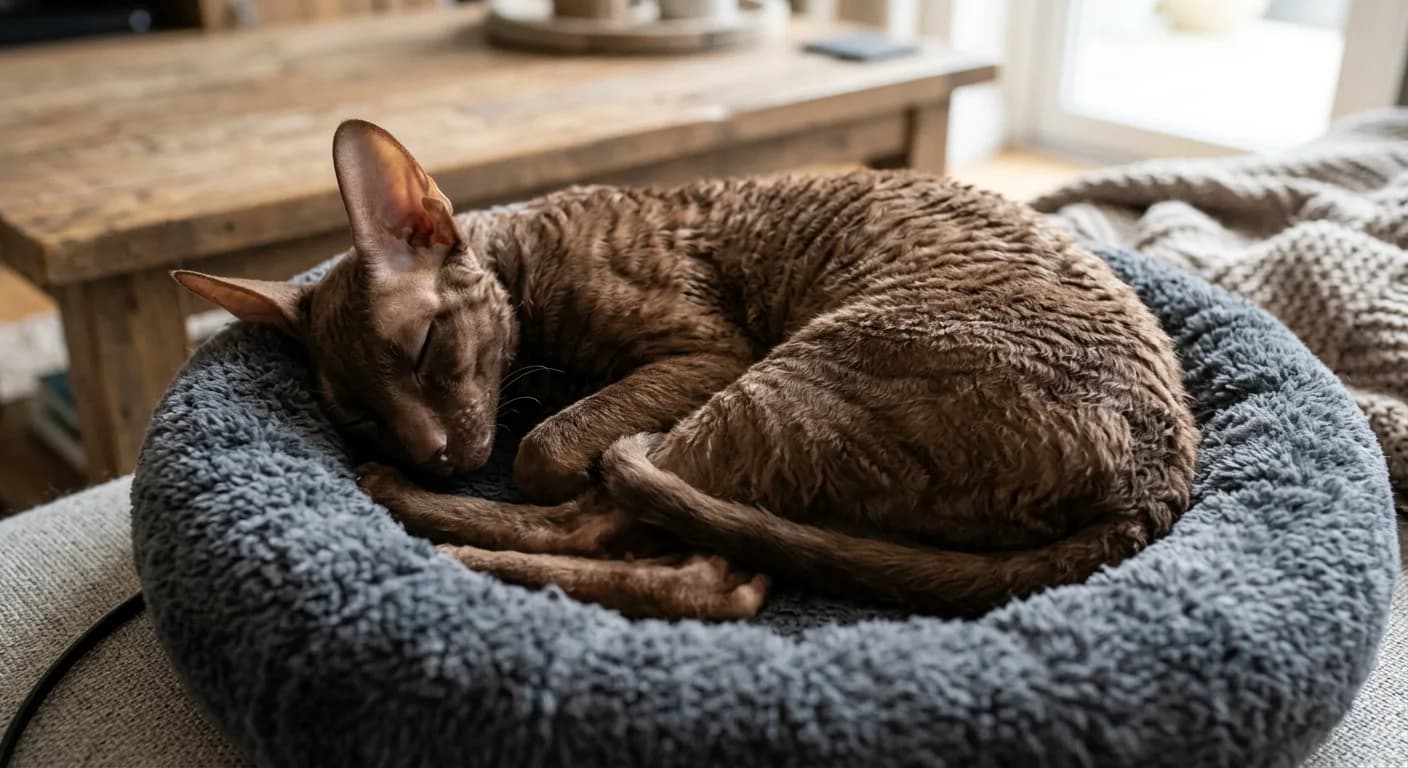
One-time supplies represent a real chunk of your first-year spend. The Cornish Rex's thin coat creates two breed-specific costs many buyers overlook: heated beds (this cat chills easily in any room under 68°F) and potentially cat sweaters for winter. Neither is dramatic, but both are genuine line items, not marketing fluff.
| Item | Budget Option | Mid-Range | Notes |
|---|---|---|---|
| Carrier (airline-approved) | $30 | $80 | One-time; needed for vet trips and travel |
| Litter box + litter scoop | $20 | $60 | Self-cleaning units run $80-$250 |
| Initial litter supply (1 month) | $15 | $35 | Clumping preferred by most Rex owners |
| Stainless food and water bowls | $15 | $40 | Avoid plastic; can cause chin acne |
| Kitten or adult food (first month) | $25 | $60 | High-protein wet/dry mix recommended |
| Scratching post + cat tree | $30 | $150 | Cornish Rex are active climbers |
| Interactive toys | $20 | $50 | Puzzle feeders + wand toys; this breed needs mental stimulation |
| Heated bed or warming pad | $30 | $80 | Near-essential for cold climates; Cornish Rex chill easily |
| Cat sweater (optional but practical) | $10 | $30 | Useful in homes under 65°F |
| Spay/Neuter (if not done by breeder) | $200 | $500 | Often included by registered breeders |
| Microchip (if not included) | $45 | $75 | One-time; often done at first vet visit |
| Initial vet exam + vaccines | $150 | $350 | Budget for FVRCP, rabies, FeLV baseline |
| Total Estimated Setup | $590 | $1,510 | Excluding acquisition cost |
Monthly and Annual Ongoing Costs
Food: $25-$70/Month
The Cornish Rex has a famously high metabolism. Owners and breeders consistently report this breed eats more per pound of body weight than most cats and is highly food-motivated. A quality high-protein diet (wet food plus limited dry kibble) typically runs $25-$70/month for an adult cat, depending on brand and whether you use prescription food for any health condition.
Budget tip: buying wet food in 24-count cases from Chewy or Amazon shaves roughly 15-20% versus single-can retail pricing.
Litter: $15-$40/Month
Standard clumping clay litter works fine for the Cornish Rex. Premium options (crystal, pine pellet, or walnut shell) run on the higher end. If you have a covered box in a small space, odor-control formulas are worth the extra cost.
Routine Vet Care: $300-$600/Year
Budget one annual wellness exam ($60-$120) plus boosters, dental check, and any routine bloodwork your vet recommends. Because of the Cornish Rex's genetic predispositions to hypertrophic cardiomyopathy (HCM) and progressive retinal atrophy (PRA), many vets recommend an echocardiogram every 2-3 years after age 4. That adds roughly $150-$350 per test.
Pet Insurance: $25-$60/Month
Given the HCM risk, pet insurance is worth serious consideration for this breed. Policies that cover hereditary conditions typically run $30-$60/month for a Cornish Rex, versus $15-$25/month for a basic accident-only policy. Enroll while your cat is young and healthy to avoid pre-existing condition exclusions.

63-inch multi-level cat tree with scratch posts, hammock, plush perches, and dangling toys. Vertical territory is non-negotiable for high-energy climbing breeds like the Bengal.
Petful may earn a commission when you click through to Chewy, at no extra cost to you.
- The Cornish Rex produces more ear wax than most breeds because the lack of guard hair means wax isn't intercepted before reaching the canal. Budget $5-$10/month for vet-approved ear cleaning solution and cotton balls, and plan for a professional ear flush ($25-$60) at each annual vet visit.
Grooming: Nearly $0
This is the Cornish Rex's single biggest cost advantage over long-haired breeds like Persians. No professional grooming is needed. The down coat does not mat. You may want to do an occasional bath (the breed is low-shedding but skin oils can build up on the coat), which costs nothing at home with cat-safe shampoo.
Environment Maintenance and Enrichment: $20-$50/Month
Toys, scratching pad replacements, litter, and cleaning supplies. The Cornish Rex is a highly active, intelligent cat that needs interactive play daily. Budget for at least one new interactive toy or puzzle feeder per month to prevent boredom behaviors.
Monthly Cost Summary
| Expense Category | Low End | High End | Notes |
|---|---|---|---|
| Food (wet + dry) | $25 | $70 | High-protein premium brands on the higher end |
| Litter | $15 | $40 | Premium litters at top of range |
| Pet Insurance | $25 | $60 | Hereditary-condition coverage recommended |
| Routine Vet (amortized monthly) | $25 | $50 | Annual wellness + dental divided by 12 |
| Ear Cleaning Supplies | $5 | $10 | Breed-specific need; oily ears |
| Toys + Enrichment | $10 | $30 | This breed needs daily interactive play |
| Heated Bed Electricity | $3 | $8 | Low wattage; minimal impact |
| TOTAL MONTHLY | $108 | $268 | Avg. ~$150-$180/month for most owners |
Lifetime Cost of Owning a Cornish Rex
The Cornish Rex has a documented lifespan of 11-16 years, with many healthy individuals reaching 15+. Using the monthly average and accounting for one-time setup costs, acquisition, and periodic larger vet bills:
| Cost Category | 11-Year Estimate | 16-Year Estimate | Notes |
|---|---|---|---|
| Acquisition (mid-range breeder) | $1,200 | $1,200 | One-time; rescue reduces to $150-$300 |
| Setup Costs (first year) | $800 | $800 | One-time; amortized in year 1 |
| Food (avg. $45/month) | $5,940 | $8,640 | |
| Litter (avg. $25/month) | $3,300 | $4,800 | |
| Pet Insurance (avg. $40/month) | $5,280 | $7,680 | |
| Routine Vet Care ($450/year) | $4,950 | $7,200 | Includes HCM echo every 3 years from age 4 |
| Emergency / Illness (lifetime avg.) | $2,000 | $3,500 | One major illness or injury over lifetime is typical |
| Enrichment + Supplies ($30/month) | $3,960 | $5,760 | |
| LIFETIME TOTAL | $27,430 | $39,580 | Rescue adoption reduces by ~$1,000-$1,500 |
These figures assume no major hereditary illness requiring surgery or specialist care. A cat diagnosed with HCM requiring cardiac medication ($50-$200/month) or surgery would push lifetime costs meaningfully higher, which is precisely why insurance enrolled at kitten age is the best hedge.
Unique Cost Factors for the Cornish Rex
Cold-Weather Needs
The Cornish Rex has no guard hairs and only a thin down coat. In a home kept below 65-68°F, this cat will seek heat aggressively: pressing against you, burrowing under blankets, or shivering visibly. A heated cat bed ($30-$80 one-time) is a practical necessity in colder climates, not a luxury. Some owners in northern states also keep a few inexpensive cat sweaters ($10-$25 each) for particularly cold stretches.

108-oz stainless steel pet fountain with quiet pump and water-level window. Bengals are notoriously water-obsessed; a flowing fountain encourages hydration and pulls them away from sinks and toilets.
Petful may earn a commission when you click through to Chewy, at no extra cost to you.
- The Cornish Rex's thin coat offers almost no UV protection. Outdoor exposure risks sunburn on the ears and nose, and the cat's low cold tolerance makes outdoor life in most US climates genuinely dangerous. This is a 100% indoor breed. Factor in enrichment investment accordingly.
Ear Cleaning
As noted in the CFA breed standard, the Cornish Rex's lack of hair in and around the ear canal means wax accumulates faster than in most breeds. Skipping regular cleaning (every 1-2 weeks) can lead to ear infections requiring vet treatment ($75-$200 per visit). The supply cost is minimal; the time investment is 5-10 minutes per session.
Higher Food Intake
Breeders and the CFA both note the Cornish Rex's elevated metabolic rate. Expect this cat to eat 10-20% more than a comparably sized domestic shorthair. For most owners, this adds $5-$15/month. Use measured portions to prevent overfeeding, as this food-motivated breed will eat past satiety if allowed free-choice feeding.
- Hereditary conditions like HCM are excluded as pre-existing conditions once diagnosed. Enroll your Cornish Rex in a comprehensive insurance plan before age 2, ideally before your first cardiac screening. Waiting until a murmur is detected means HCM treatment costs come entirely out of pocket.
Is the Cornish Rex Worth the Cost?
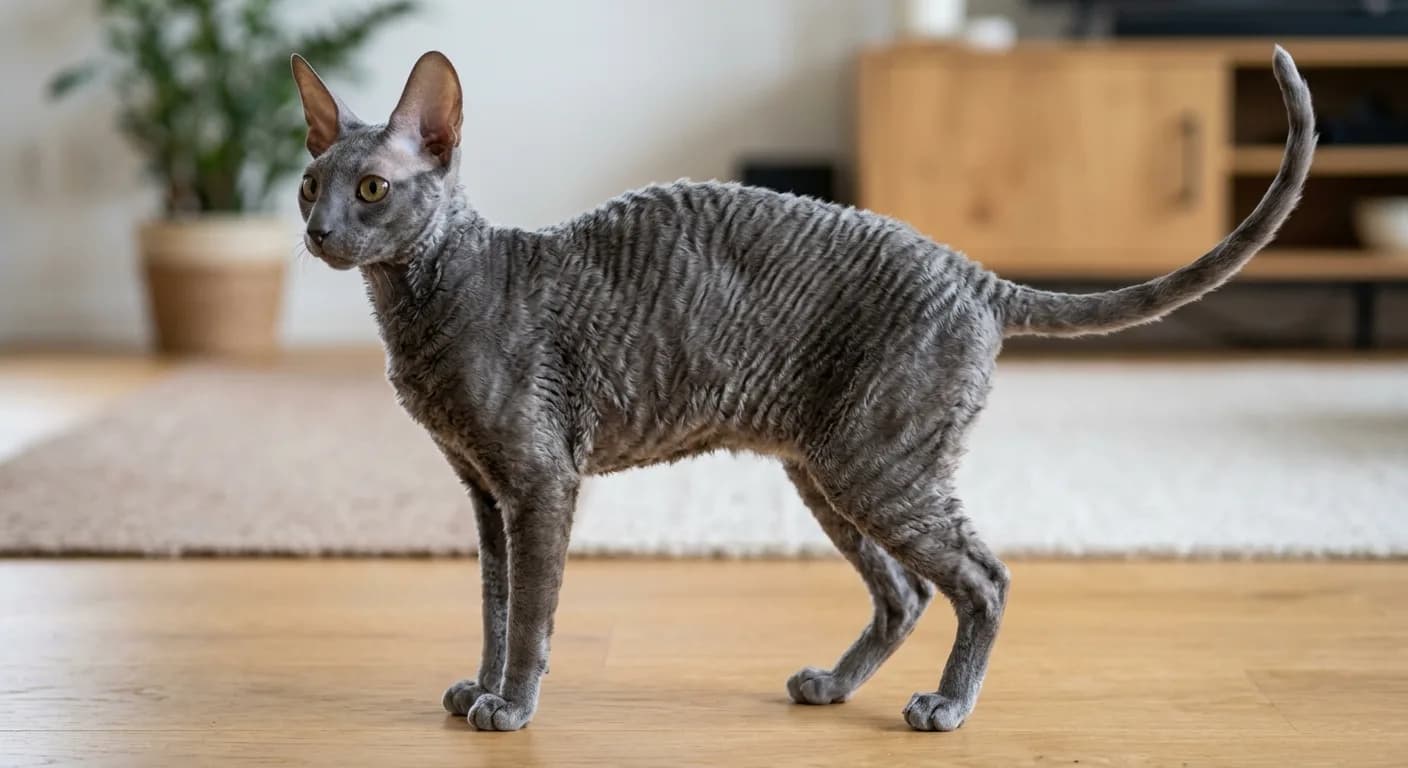
For the right owner, yes. This is not a passive couch ornament. The Cornish Rex is an intensely social, athletic, intelligent cat that bonds deeply with its people, follows you from room to room, learns fetch and agility-style games, and demands interactive engagement every day. Owners who want a low-maintenance cat that ignores them will find the Rex exhausting. Owners who want a dog-like companion in a cat's body will find the price absolutely justified.
Compared to similar exotic breeds like the Sphynx ($1,500-$3,000 acquisition, plus high grooming costs from oil buildup on bare skin) or the Persian ($1,000-$3,000, plus $600-$1,200/year in professional grooming), the Cornish Rex is a relative bargain over its lifetime. No professional grooming, no daily brushing, and a robust lifespan when properly vetted.
See our full Cornish Rex breed profile for temperament, history, and care details. If you are choosing between Rex varieties, our Cornish Rex vs. Devon Rex comparison covers the price, personality, and coat differences side by side. For allergy concerns, read our dedicated guide on Cornish Rex hypoallergenic status.
How to Save Money on a Cornish Rex
- Adopt instead of buying. Rescue fees of $75-$300 include spay/neuter and vaccines that a breeder-purchased kitten may need separately, saving $500+ upfront.
- Buy insurance as a kitten. Enrolling before any diagnosis locks in the lowest rates and preserves HCM coverage.
- Buy wet food in bulk. Case pricing on Chewy, Amazon, or Costco cuts per-meal costs 15-25%.
- Learn ear cleaning at home. A vet demonstration + $15 in supplies replaces $75 office visits every 2-3 months.
- Keep your cat indoors. Outdoor cats have 2-5x higher lifetime vet bills from injuries, parasites, and illness. The Rex is indoor-only anyway.
- Find a Rex-savvy vet. A vet experienced with the breed knows which tests are worth doing (cardiac echo) and which are unnecessary, avoiding over-testing.
Explore all cat breed cost guides and profiles to compare the Cornish Rex against other breeds before deciding.
Cornish Rex cats cost $800-$1,500 from a registered pet-quality breeder, $1,500-$2,500+ for show quality, and $75-$300 through rescue organizations. First-year total cost including setup typically runs $2,500-$4,000.
The Cornish Rex has a lifespan of 11-16 years, with many healthy individuals reaching 15 or older when kept indoors, properly fed, and given regular cardiac monitoring after age 4.
Grooming is very low maintenance since the single-layer down coat does not mat and rarely needs professional attention. The high-maintenance aspects are social and environmental: this breed demands daily interactive play, dislikes being alone for long periods, and needs a warm indoor environment (ideally above 65-68°F) due to its thin coat.
The breed's rarity (small registered breeding population), recessive gene pool requirements, high health testing costs (genetic screening for HCM and PRA), and CFA/TICA registration overhead all contribute. Ethical breeders typically spend $500-$1,000 per litter on health testing alone before a single kitten is sold.
The 3-3-3 rule is a rescue guideline: a new cat typically needs 3 days to decompress from the stress of rehoming, 3 weeks to learn its new home's routines, and 3 months to feel fully settled and show its true personality. This applies to Cornish Rex cats adopted from shelters or rescues.
Occasionally through rescue networks, yes. Retired breeding adults are sometimes available for $300-$700 from ethical breeders who are transitioning cats out of their program. A healthy kitten under $500 from an unregistered source is a significant red flag for undisclosed health problems or mill origins.
Budget $108-$268/month for an adult Cornish Rex, with the average falling around $150-$180/month. This covers food, litter, pet insurance, routine vet costs (amortized), ear care supplies, and enrichment toys.
Yes, two breed-specific needs stand out. First, they get cold easily and need a heated bed or warm sleeping area in any home kept below 68°F. Second, the lack of hair in the ear canal means wax accumulates faster, requiring ear cleaning every 1-2 weeks with a vet-approved solution to prevent infections.

Coreen Saito is a pet writer and longtime shelter volunteer with more than a decade in animal rescue. She covers cat behavior, breed care, and the small, ordinary science of sharing a life with companion animals, with a particular focus on honest takes about the products and decisions that actually matter. At home in Arizona, she's outranked by Mac (a dog with the loudest opinion in the house), Rebel (a cat who governs by quiet authority), and Meri (an orange tabby who runs the late shift and the laundry basket). She writes about all three, plus the rescues that keep coming through her life, at LifeWithMinty.com.
Sign up for expert-backed reviews and safety alerts all in one place.