Abyssinian vs Somali Cat: Key Differences
Abyssinian and Somali cats are closely related, but coat length and grooming are the clearest differences. Compare appearance, care, activity and records.
Petful is reader supported. As an affiliate of platforms like Amazon and Chewy, we may earn a commission when you buy through links on this page. There is no extra cost to you.
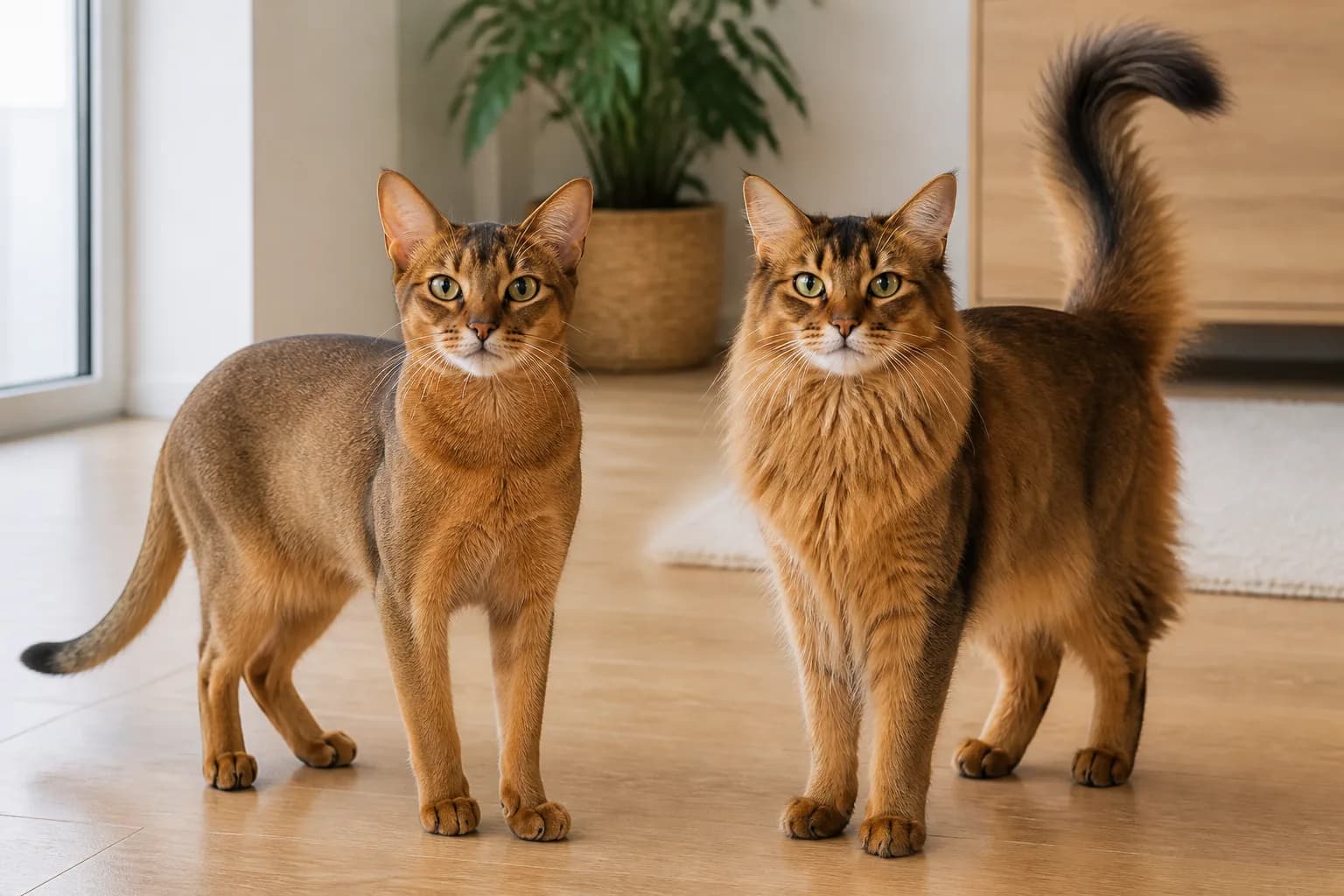
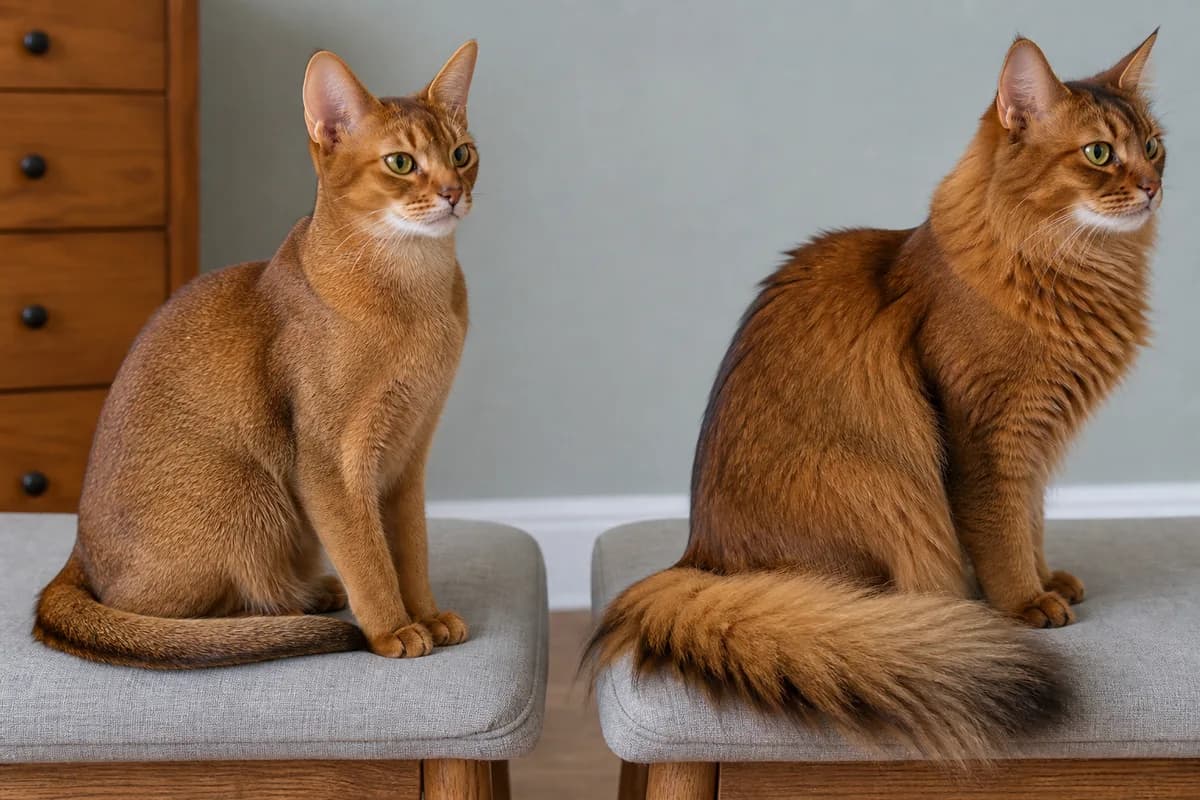
The clearest difference in an Abyssinian vs Somali cat comparison is the coat. The Abyssinian has a short, close-lying ticked coat, while the closely related Somali has a longer coat, fuller ruff and breeches, and a plume-like tail. Their underlying athletic build and many broad behavior tendencies can be similar, so coat care and documented breed identity are more dependable comparison points than claims that one is always friendlier, smarter, or calmer.
Use this guide to compare the daily decisions that actually change: grooming, shedding management, coat inspection, household setup, and the records needed to confirm ancestry. Individual temperament, health, size, and activity still vary within both breeds.

Sign up for expert-backed reviews and safety alerts all in one place.
Abyssinian vs Somali Cat at a glance
- 1Answer-first breed guidance starts with the coat: the Somali is the longhaired relative of the Abyssinian
- 2Coat length, tail fullness, ruff, breeches, and grooming needs are the strongest practical differences
- 3Individual cats can vary in personality, size, activity, health, and handling preference
- 4Pedigree and registry records establish identity more reliably than appearance
Abyssinian vs Somali at a glance
If you like the lithe outline, alert expression, and ticked coat associated with this breed family, either cat may appeal. The practical choice is usually whether you prefer the Abyssinian's short coat or are prepared to maintain the Somali's longer furnishings and inspect them for tangles and debris. Temperament is important, but it should be evaluated in the individual rather than assigned from the coat.
The table uses clear decision labels and source-aware breed distinctions so visible traits do not get mistaken for documentary proof.
For a first-pass decision, compare the time needed for a comfortable coat check, the visibility of loose hair, the cat's handling tolerance, and the household's ability to provide climbing and quiet retreat space. Then assess the individual cat's health, behavior, and records. The Abyssinian vs Somali comparison is useful only when it improves those real decisions rather than turning tendencies into promises.
| Decision | Abyssinian | Somali |
|---|---|---|
| Coat | Short, close-lying, resilient, and visibly ticked | Medium-long, soft, ticked, with fuller ruff, breeches, and plume tail |
| Grooming | Brief regular combing and coat checks may be sufficient for many individuals | More deliberate combing, especially through furnishings and friction areas |
| Visual silhouette | Sleek outline with body structure easy to see | Similar athletic foundation softened by a fuller coat and tail |
| Activity | Often curious, climbing-oriented, and engaged with the household | Often similarly curious and active, with individual variation |
| Identity evidence | Pedigree and registry records matched to the cat | Pedigree and registry records matched to the cat |
| Home setup | Separate perches and escape routes | Both breeds using separate perches in a calm multi-cat home |
| Best decision question | Do you want the shortest, simplest coat routine? | Are you ready to maintain a longer coat without overgrooming it? |
Petful may earn a commission when you click through to Chewy, at no extra cost to you.
Coat length, texture and grooming
Coat is where the comparison becomes tangible. An Abyssinian's short coat lets the body's outline remain visible and usually requires a compact grooming routine. A Somali's longer coat creates a softer silhouette, fuller neck and leg furnishings, and a prominent tail. That additional length can collect loose hair and debris and may tangle in friction areas. Readers need a practical grooming and identification comparison because appearance affects care, while documentary evidence establishes ancestry.
The phrase long haired Abyssinian cat commonly points searchers toward the Somali, but the label is descriptive until records confirm ancestry. Compare the short, close Abyssinian coat with the Somali cat coat by checking the ruff, breeches, tail plume, texture, and friction areas that may need extra combing. Coat clues can guide care without acting as pedigree proof.
How the Abyssinian and Somali are related
The Somali is commonly described as the longhaired relative of the Abyssinian. The relationship is visible in the shared ticked-coat effect, alert expression, balanced athletic build, and overlapping color vocabulary. The Petful Somali cat breed guide provides deeper Somali history and daily-care context, while the main Abyssinian cat guide owns the shorthaired breed profile.
The relationship between breeds
The relationship between breeds explains why the comparison has many similarities as well as one obvious coat difference. The Somali developed within the broader Abyssinian breed story and is recognized as the longhaired relative, but current identity still depends on the applicable registry and the individual cat's documentation. Shared ancestry does not make every shorthaired or longhaired ticked cat a member of either breed.
Official registry descriptions are more useful than folklore. The CFA Abyssinian profile and TICA Abyssinian profile describe the short, ticked coat, balanced body, and active breed character. The detailed CFA breed standards PDF supplies the formal vocabulary used in exhibition, but a show standard is not a home identification quiz.
The longhair gene and descriptive labels
The term "long haired Abyssinian cat" is often used by searchers who see a Somali without knowing the breed name. It is a useful visual bridge, but it should not replace the actual breed label when ancestry is documented. Conversely, a shorthaired ticked cat is not automatically an Abyssinian, and a fluffy ticked cat is not automatically a Somali.
The longhair gene helps explain coat inheritance, but the presence of a longer coat is not a standalone ancestry test. Registry rules, breeding history, and genetic context are more specific than appearance. A pet without papers can be described accurately by coat length and ticking without presenting a visual guess as a verified breed identity.
What the relationship does not prove
Close breed relationship does not make two individual cats interchangeable. Early social experience, current environment, health, handling history, and personal preference shape behavior. One Somali may be more active than one Abyssinian, while another pair may show the opposite.
It also does not establish parentage for a cat with no records. A shelter or owner may use the nearest visual description in good faith. Treat that label as a description unless pedigree or registry documents support the ancestry.
Learn more about Somali cats
A Somali cat deserves its own breed-level reading rather than being reduced to "a fluffy Abyssinian." The Petful Somali cat breed guide covers history, temperament, grooming, activity, and everyday care in more depth. Use this comparison to decide which differences matter, then use the dedicated profile for the fuller Somali picture without forcing that separate search intent into one comparison page.
Grooming routines by breed
Abyssinian grooming
Start with a brief weekly coat check and gentle combing, then adjust to the individual. Look for unusual shedding, bald areas, flakes, sores, sensitivity, or excessive licking. A short coat is easier to scan, but it does not make skin and dental care optional.
A secure vertical scratching and climbing surface can fit either breed's active routine. The Yaheetech 63-inch cat tree combines stable climbing and scratching choices for an active Abyssinian or Somali. Confirm secure assembly and place it on a stable surface.
The multi-level Yaheetech cat tree can also provide separate perches in a two-cat home. One structure does not guarantee resource harmony, so add resting and escape options in more than one location.
Somali grooming
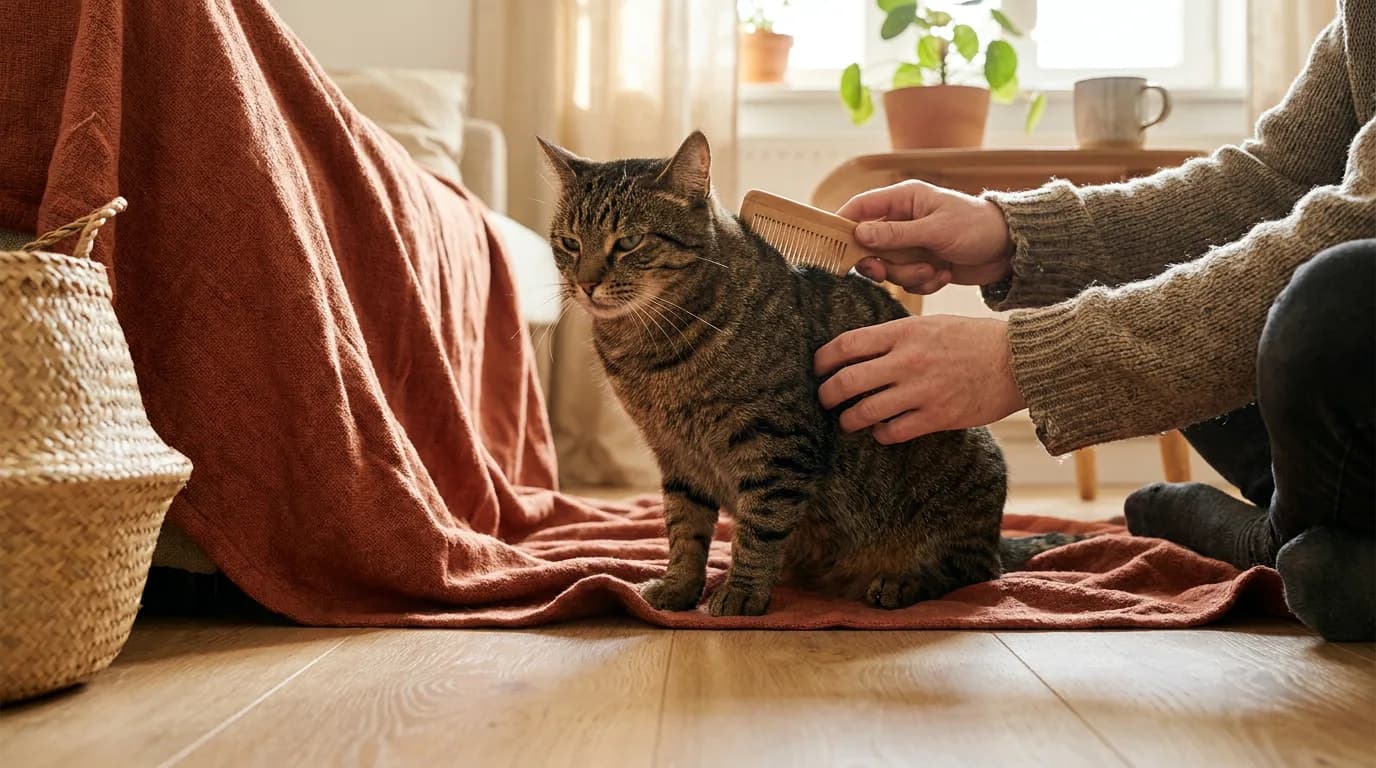
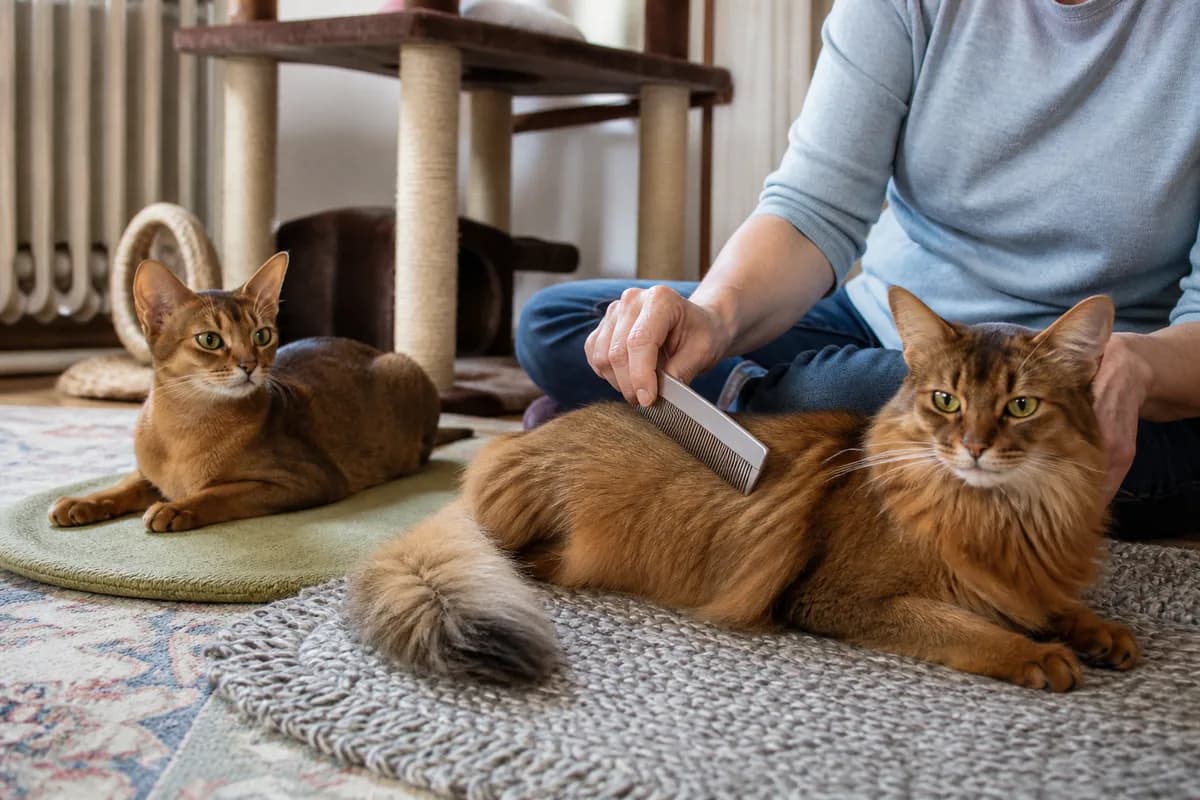
Comb a Somali methodically but gently, paying attention behind the ears, under the front legs, around the breeches, and anywhere a harness or body movement creates friction. Work in short sessions and stop before the cat becomes tense. Pulling through a mat can hurt and teach the cat to avoid future grooming.
The goal is a comfortable coat, not maximum fluff. Bathing schedules, coat products, and professional grooming should be based on actual need. New mats, skin odor, pain, sudden coat neglect, or a major grooming-behavior change can signal a health problem and deserves veterinary guidance.
Petful may earn a commission when you click through to Chewy, at no extra cost to you.
Which breed sheds more?
Both breeds shed. Coat length changes what loose hair looks like and how easily it becomes visible on textiles. A Somali's longer hairs may be more noticeable, while an Abyssinian still releases short hairs even when the coat appears sleek.
Before choosing, test the routine rather than imagining it. Set aside several short grooming sessions during a week, clean the comb after each session, and note how much time you can sustain without rushing. Add laundry, furniture cleaning, nail checks, and cooperative handling practice. The Somali's longer coat may ask for more frequent attention, while an Abyssinian's shorter coat can make the same session quicker. Neither routine should depend on holding a struggling cat until the job is finished.
When shedding or coat texture changes
Season, indoor climate, health, age, and diet can change shedding and coat texture. A sudden increase in hair loss, bald areas, broken hair, sores, odor, dandruff, or persistent licking needs veterinary guidance. It should not be dismissed as the expected difference between a Somali and an Abyssinian.
Do not choose solely on the promise of "low shedding." Allergens come from proteins in saliva and skin secretions as well as dander, so neither breed is reliably hypoallergenic. Anyone with allergies should spend time around the individual cat and discuss personal risk with a medical professional.
Body, size and activity
Beneath the coat, both breeds are generally described as balanced, lithe, and muscular rather than heavy or extreme. The Somali's longer fur can make the body look larger, especially around the neck, tail, and hindquarters. Compare actual body condition with veterinary guidance rather than judging size through coat volume.
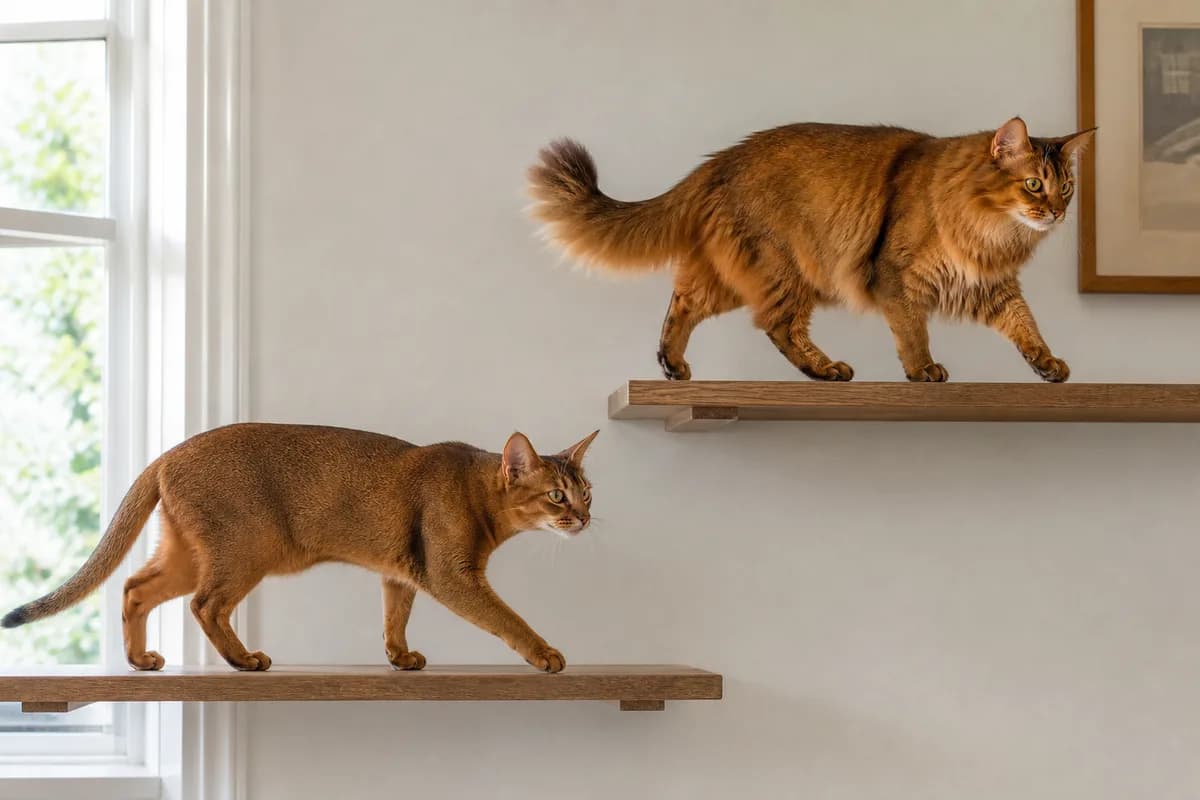
Both breeds are commonly associated with curiosity, climbing, play, and household participation. That does not mean every individual needs the same intensity or duration of exercise. Build a menu of short interactive play, food puzzles, observation perches, scratchers, and rest, then follow the cat's response.
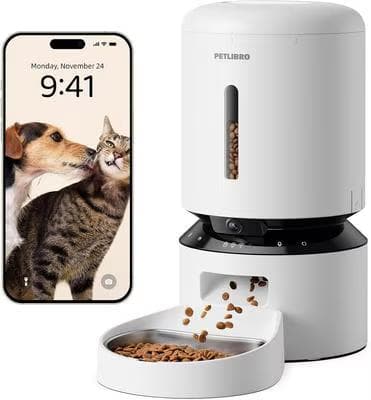
Measured feeding can be useful in an active home because it makes the planned portion clear. The Petlibro Granary WIFI automatic feeder with camera can dispense scheduled dry-food portions, but it cannot confirm which cat ate in a multi-cat household or explain appetite change.
If household schedules vary, the Petlibro automatic feeder can support consistency. The portion still needs to match the individual cat's diet and veterinary guidance, and the bowl and cat should be checked directly.

63-inch multi-level cat tree with scratch posts, hammock, plush perches, and dangling toys. Vertical territory is non-negotiable for high-energy climbing breeds like the Bengal.
Petful may earn a commission when you click through to Chewy, at no extra cost to you.
Design for movement without competition
In a two-cat home, duplicate essential resources. Each cat should be able to reach food, water, litter, scratchers, beds, and elevated or sheltered resting spots without passing through a bottleneck guarded by the other cat.
Observe how each cat uses vertical space. An active young adult may choose high shelves, while a cautious, injured, or older cat may need low steps. Breed reputation should not override current mobility.
Personality and household fit
Ranking pages often overstate personality differences because definitive claims are easier to scan than nuanced ones. A more accurate comparison starts with the individual cat and observed behavior. Both breeds are often described as engaged, curious, intelligent, active, and interested in people, but none of those labels promises lap sitting, handling tolerance, child friendliness, or compatibility with another pet. Health, age, early experience, and the current home also shape behavior.
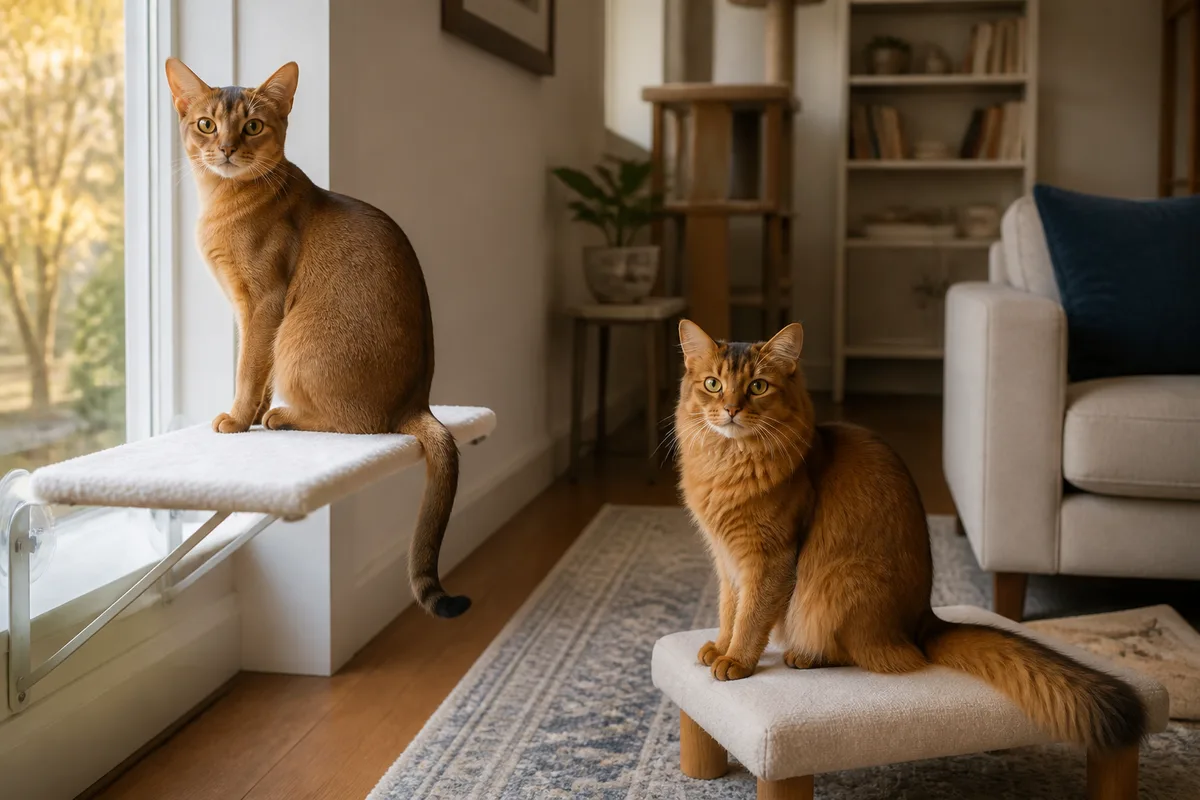
Ask behavior questions with observable answers:
- Does the cat approach unfamiliar people voluntarily?
- How does the cat respond when touched, lifted, brushed, or redirected?
- Can the cat settle after play?
- Does the cat guard doorways, food, litter, or elevated space?
- How does the cat communicate a wish to leave?
- What is known about experience with children, dogs, or other cats?
Activity and temperament variation
Activity and temperament variation can be substantial within both breeds. Compare the cat's current play pattern, recovery after excitement, confidence around novelty, response to touch, and ability to settle. A young, healthy individual may use more vertical space than a senior or a cat managing pain. Those differences are more useful for household planning than a claim that every Somali or every Abyssinian behaves the same way.
A quiet covered bed can provide a low-traffic retreat. The Best Friends by Sheri Meow Hut covered cat bed gives one sheltered option, but it should be placed where the cat can enter and exit without being cornered.
The Meow Hut covered bed may suit a cat that actively chooses enclosed resting spaces. Keep open beds and elevated perches available too, because preference can change with temperature, age, and household activity.
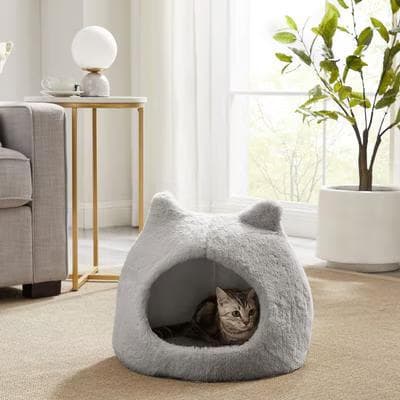
Covered, igloo-style cat bed in soft plush with a water-resistant bottom, giving cats a cozy enclosed spot to curl up. Grey.
Petful may earn a commission when you click through to Chewy, at no extra cost to you.
Children and other pets
Teach children to let the cat initiate contact, keep all four feet supported when lifting is appropriate, and stop when the cat moves away. Supervision matters more than a breed's friendly reputation.
Introduce pets gradually. Start with separate spaces, scent exchange, and controlled visual access. Progress according to relaxed behavior rather than a calendar. A Somali and Abyssinian can live together successfully, but breed relationship does not guarantee compatibility.
Color and ticking in both breeds
Both breeds are known for ticking, meaning individual hairs carry alternating bands that create a warm, luminous effect rather than bold body striping. Coat length changes how those bands read visually. The short Abyssinian coat shows a crisp, close effect, while the Somali's longer coat creates softer shading and a dramatic tail.
Color names and accepted divisions depend on the registry. The dedicated Abyssinian cat colors guide explains ruddy, sorrel, blue, and fawn, while the Somali cat colors guide owns the longhaired palette.
Abyssinian and Somali colors
Abyssinian and Somali colors should be compared with the same registry vocabulary and suitable lighting. Coat length can make the Somali's shading look softer, while the Abyssinian's short coat can make ticking appear crisper. Neither visual effect changes the documented color name. The linked color guides handle the deeper palette and inheritance questions so this page can keep the practical comparison focused.
Color cannot establish pedigree. Lighting, camera processing, age, undercoat, and terminology can make two images look more or less alike. Use accurate descriptions, then verify identity through records.
Health context
Because the breeds are closely related, health conversations may overlap, but a general comparison should not be used to diagnose either cat. Ask for breed-appropriate parent testing, veterinary records, and family history when buying. Then build care around the individual cat's findings.
Meaningful changes in appetite, weight, thirst, urination, vision, balance, breathing, activity, coat care, or behavior warrant veterinary advice. A healthy-looking coat and high activity level do not clear inherited risk.
Carrier planning
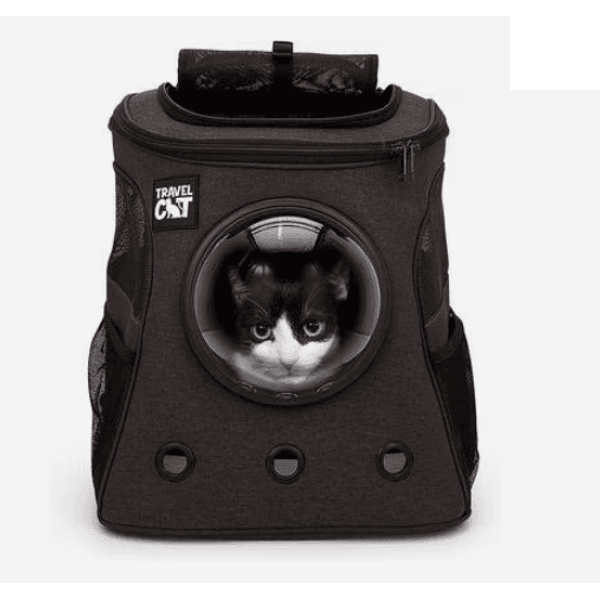
For routine or urgent transport, the Travel Cat Fat Cat bubble backpack carrier is one ventilated option. Confirm dimensions, airflow, closures, and comfort for the individual cat, and acclimate it gradually at home.
The Travel Cat carrier should not be left in heat or used as an all-day enclosure. Some veterinary situations are better served by a rigid carrier, so ask the clinic what format it prefers.
What to verify before you decide
Appearance is the lowest-confidence evidence. It can help describe the cat, but it cannot prove ancestry. Documentation becomes stronger when each record is tied to the same individual through consistent names, registration details, breeder information, and a microchip number where available. Build confidence in layers:
- Visible description: Record coat length, ticking, tail fullness, body shape, color, and markings without assigning certainty.
- Known history: Ask who bred or previously owned the cat and whether names, dates, and locations are consistent.
- Pedigree: Review a traceable pedigree tied to the same individual.
- Registration: Match registry information, registered names, microchip details, and seller identity where applicable.
- Independent verification: Use contact information found independently and ask the relevant registry or veterinarian what can be confirmed.
Use these as clear decision labels, not as a points system. The confidence ladder creates source-aware breed distinctions by separating what the eye can describe from what a registry, pedigree, or independently confirmed record can support. No single photo, seller statement, or coat clue should be promoted above documentary evidence, and uncertainty can be stated honestly when records do not exist.
- Verify documentary records because a short ticked coat may resemble an Abyssinian and a longer ticked coat with a plume tail may resemble a Somali. Those observations support a visual description only. Confirm breed identity with traceable pedigree and registry records tied to the individual cat. Population estimates are not guarantees, and neither popularity nor rarity claims establish identity.
Do not let documentation replace welfare observation. A registered cat can still be a poor match or have health needs. Observe natural breathing, movement, handling response, grooming tolerance, and the living environment before deciding.
Is this the right choice for your household?
Choose the Abyssinian if the short coat better matches your grooming capacity and the individual cat's behavior fits your home. Choose the Somali if you enjoy regular cooperative coat care and want the fuller longhaired look. Choose neither on appearance alone if the household cannot provide safe activity, social attention, preventive care, and an emergency budget.
Write down the household's nonnegotiables before meeting a cat: maximum grooming time, tolerance for visible shedding, available vertical space, daily play schedule, other animals, child interactions, travel needs, and veterinary budget. Then compare those limits with the individual cat's known routine. This keeps an attractive coat or friendly first meeting from overruling the practical fit.
- Household fit factors can favor the Abyssinian's usually brief coat care
- Somali coat offers a distinctive full ruff, breeches, and plume tail
- Both breeds can suit households that enjoy active interactive cats
- Their shared build and behavior tendencies make the coat decision easy to understand
- Individual behavior can vary, so neither breed guarantees a specific personality or handling preference
- Somali furnishings can tangle and need closer inspection
- Both breeds need climbing, play, social contact, and veterinary care
- Appearance without records cannot confirm either identity
Abyssinian vs Somali Cat FAQs
These answers resolve the captured grooming question and the two core comparison decisions.
Somali cats can be high maintenance for households that are not prepared for their longer coat, which usually needs more deliberate combing and inspection than an Abyssinian's short coat. Pay particular attention to the ruff, breeches, behind the ears, under the front legs, and other friction areas. The actual workload depends on the individual coat, health, age, lifestyle, and tolerance for handling. Short, cooperative sessions are safer and more sustainable than forcing a complete grooming session.
Coat length is the clearest practical difference. The Abyssinian has a short, close-lying ticked coat, while the closely related Somali has a longer ticked coat, fuller ruff and breeches, and a plume-like tail. Their athletic body type and many broad activity tendencies can overlap. Grooming needs therefore separate the daily routines more reliably than claims that one breed is always friendlier, smarter, calmer, or more active.
An Abyssinian usually has a sleek short coat that leaves the body's outline easy to see. A Somali has a longer coat, fuller neck and leg furnishings, and a prominent plume tail. Those visible clues help describe a cat, but they do not prove ancestry. When breed identity matters, confirm it with pedigree and registry records tied to the individual, including consistent names and microchip information where available.

Coreen Saito is a pet writer and longtime shelter volunteer with more than a decade in animal rescue. She covers cat behavior, breed care, and the small, ordinary science of sharing a life with companion animals, with a particular focus on honest takes about the products and decisions that actually matter. At home in Arizona, she's outranked by Mac (a dog with the loudest opinion in the house), Rebel (a cat who governs by quiet authority), and Meri (an orange tabby who runs the late shift and the laundry basket). She writes about all three, plus the rescues that keep coming through her life, at LifeWithMinty.com.
Sign up for expert-backed reviews and safety alerts all in one place.