Somali Cat Colors: Every Shade of the Fox Cat Explained
Somali cat colors range from the classic ruddy and sorrel to rare silver variants. The CFA recognizes 4 standard shades; TICA accepts more. Covers ticking genetics, a color chart, rarity rankings, and eye color standards.
Petful is reader supported. As an affiliate of platforms like Amazon and Chewy, we may earn a commission when you buy through links on this page. There is no extra cost to you.
Somali cat colors are built around one of the most visually striking coat mechanics in the entire cat fancy: the ticked, agouti coat that makes each hair shimmer like hammered copper in sunlight. The CFA recognizes four main Somali colors (ruddy, red/sorrel, blue, and fawn), while TICA extends that palette to six base colors plus a full set of silver variants, giving breeders and enthusiasts well over a dozen distinct looks to explore. Whether you are trying to identify your cat's exact shade or researching this rare breed before adopting, understanding how Somali cat colors work from the hair shaft outward will completely change how you see them.
- 1CFA recognizes 4 Somali colors; TICA accepts 6 base colors plus silver variants
- 2Every Somali hair shaft carries multiple alternating dark and light bands (agouti ticking) that create the shimmering effect
- 3Ruddy is the most common Somali color; fawn is the rarest standard color
- 4Eye color ranges from rich gold to deep green, always outlined by a dark eyeliner ring
- 5Kittens are born with muted ticking that intensifies over the first 18 months

Sign up for expert-backed reviews and safety alerts all in one place.
How Ticking Makes Somali Cat Colors Unlike Any Other Breed
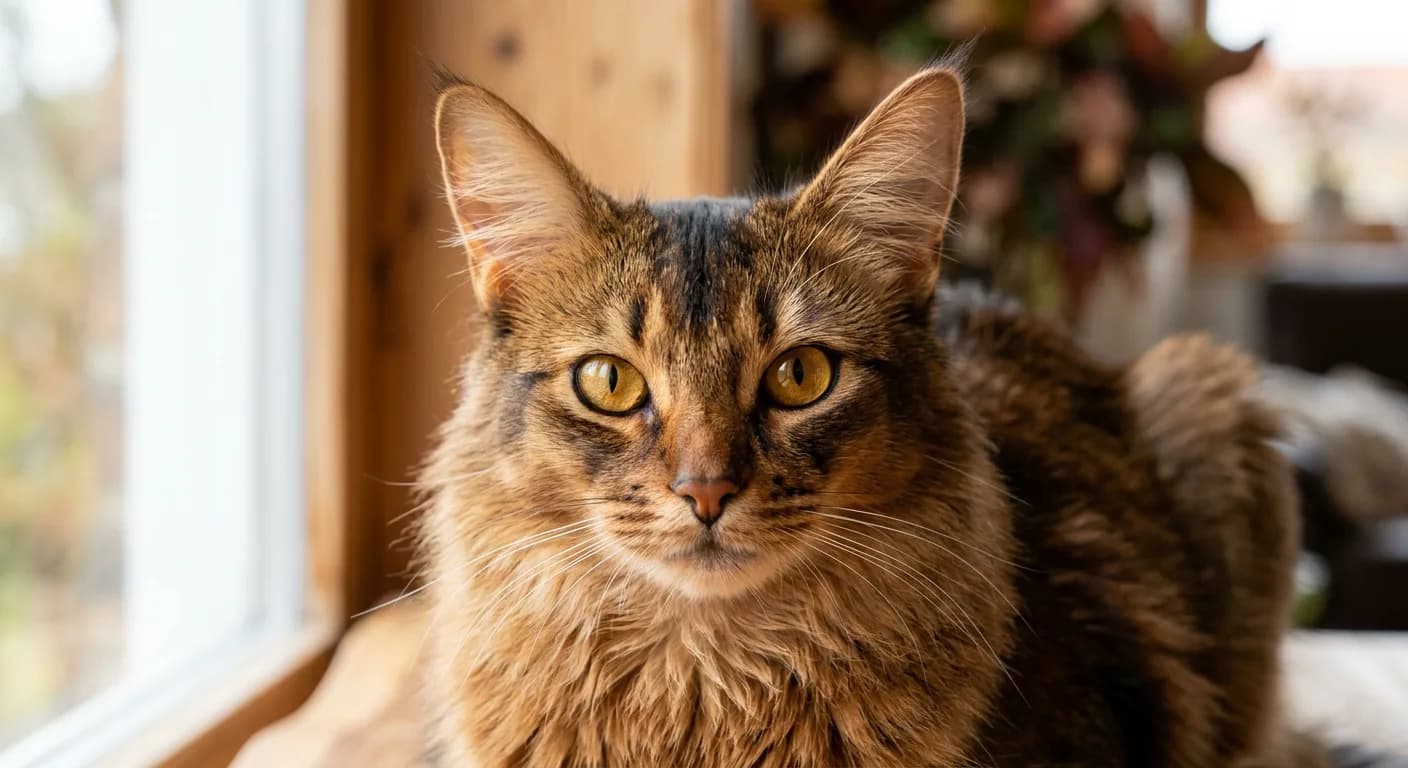
Before diving into individual colors, it helps to understand the genetic engine behind all of them. Somalis carry the agouti gene, which causes each individual hair to grow in alternating bands of dark pigment and lighter pigment rather than a single solid color. The CFA breed standard calls for "distinct and even ticking, with dark colored bands contrasting with lighter colored bands on the hair shafts," and specifies that "undercoat color [must be] clear and bright to the skin."
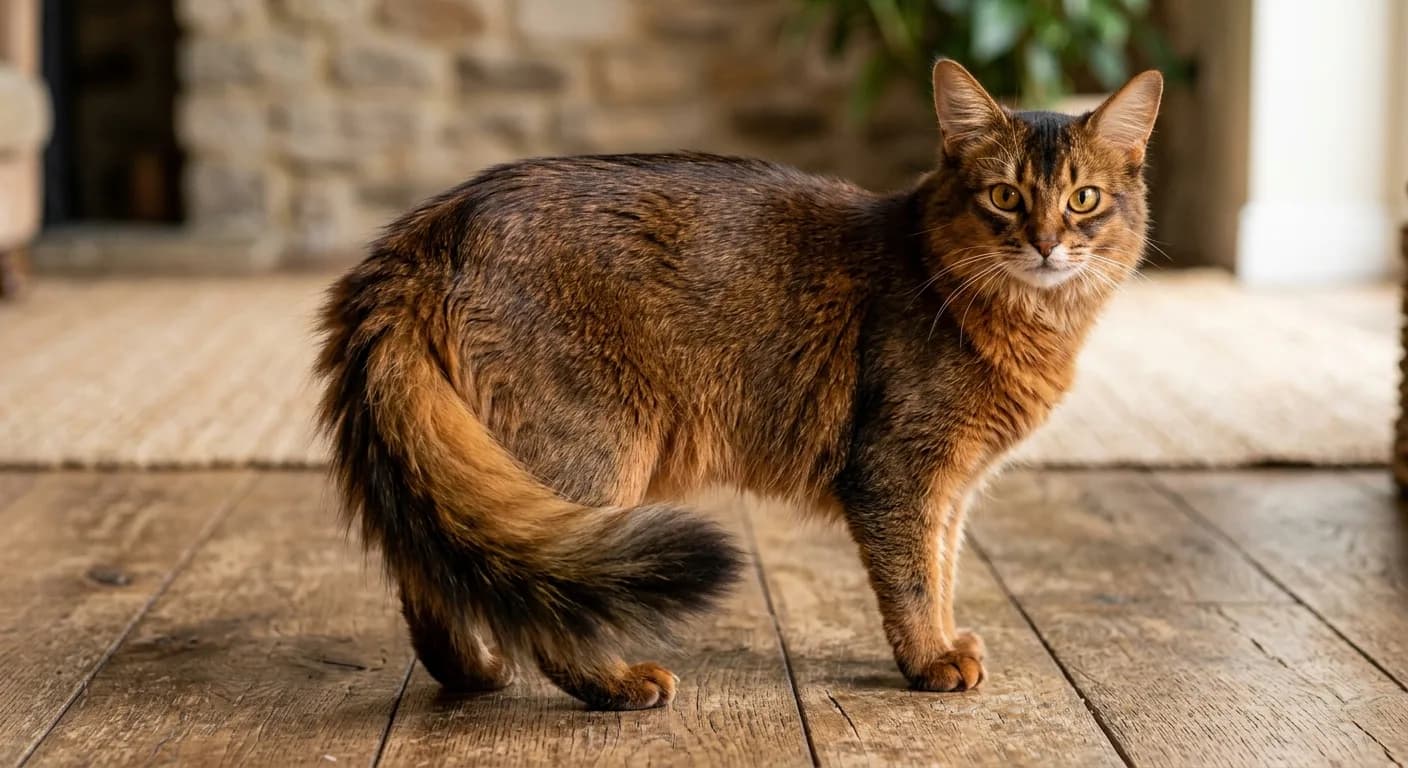
In practice, each hair on a Somali typically carries two to three bands of color. Hold a single hair up to light and you can see it shift from a pale, warm base near the root, through a mid-tone, to a darker tip. When thousands of these hairs lie together on the body, they catch light at different angles simultaneously, producing the iridescent, almost metallic shimmer that breeders describe as the breed's signature "wild look."
- The agouti gene (symbol A) suppresses solid pigment on individual hairs. Somalis that lack a working copy of this gene produce a solid coat instead. This is why a ticked pattern is considered the defining coat feature of the breed, not merely a style preference.
The Somali is, genetically, the semi-longhaired version of the Abyssinian cat, sharing the same ticking gene and the same base color options. The longer guard hairs and dense undercoat of the Somali make the individual bands more visible and the overall shimmer more dramatic than on its shorthaired sibling. For more, see Petful’s guide to Abyssinian cat colors.
Ticking also means there are no tabby stripes, spots, or patches on a correctly colored Somali body. The breed standard penalizes obvious barring on the legs and rings on the tail beyond the expected darker tip, though pale lines on the inside of the legs are acceptable.
The Color Chart: All Standard Somali Colors at a Glance
| Color | Ticking (dark bands) | Base/undercoat | CFA recognized | TICA recognized | Rarity |
|---|---|---|---|---|---|
| Ruddy | Black/brown | Warm burnt orange | Yes | Yes | Common |
| Red/Sorrel | Cinnamon/chocolate | Copper-apricot | Yes | Yes | Common |
| Blue | Slate blue | Warm cream-beige | Yes | Yes | Moderate |
| Fawn | Cocoa-tan | Warm rose-buff | Yes | Yes | Rare |
| Silver Ruddy | Black/brown | Sparkling white | No | Yes | Uncommon |
| Silver Red/Sorrel | Cinnamon | Icy white | No | Yes | Uncommon |
| Silver Blue | Slate blue | White | No | Yes | Uncommon |
| Silver Fawn | Cocoa-tan | White | No | Yes | Uncommon |
Ruddy: The Classic Somali Color
Ruddy is the color most people picture when they imagine a Somali cat, and with good reason: it is the most common Somali color and the one that appears in virtually every photograph used to introduce the breed to new admirers.
The CFA standard describes ruddy as a coat where the base color is "burnt-sienna," with each hair tipped and banded in black or dark brown. The effect on the body is a warm, reddish-brown surface tone that deepens toward the spine and lightens on the belly, chest, and inner legs, where ticking is less dense. Tail tip is black or very dark brown. Nose leather is dark brick-red. Paw pads are black or dark brown.

Never Scoop Again® with the Whisker Litter-Robot, the smart self-cleaning automatic litter box. Monitor visits and track weights for better overall care in the Whisker® app. Multi-cat friendly.
Petful may earn a commission when you click through to Whisker, at no extra cost to you.
In certain lighting, ruddy Somalis appear almost orange-gold. In shade or low light, they deepen to a rich reddish-brown. The variation is not inconsistency in color but the agouti shimmer responding to the angle of light.
- British registries, including the GCCF, call this color "usual" rather than "ruddy." If you are reading a UK breeder's website, usual = what American breeders call ruddy. The genetics and appearance are identical.
Red/Sorrel: Copper and Cinnamon
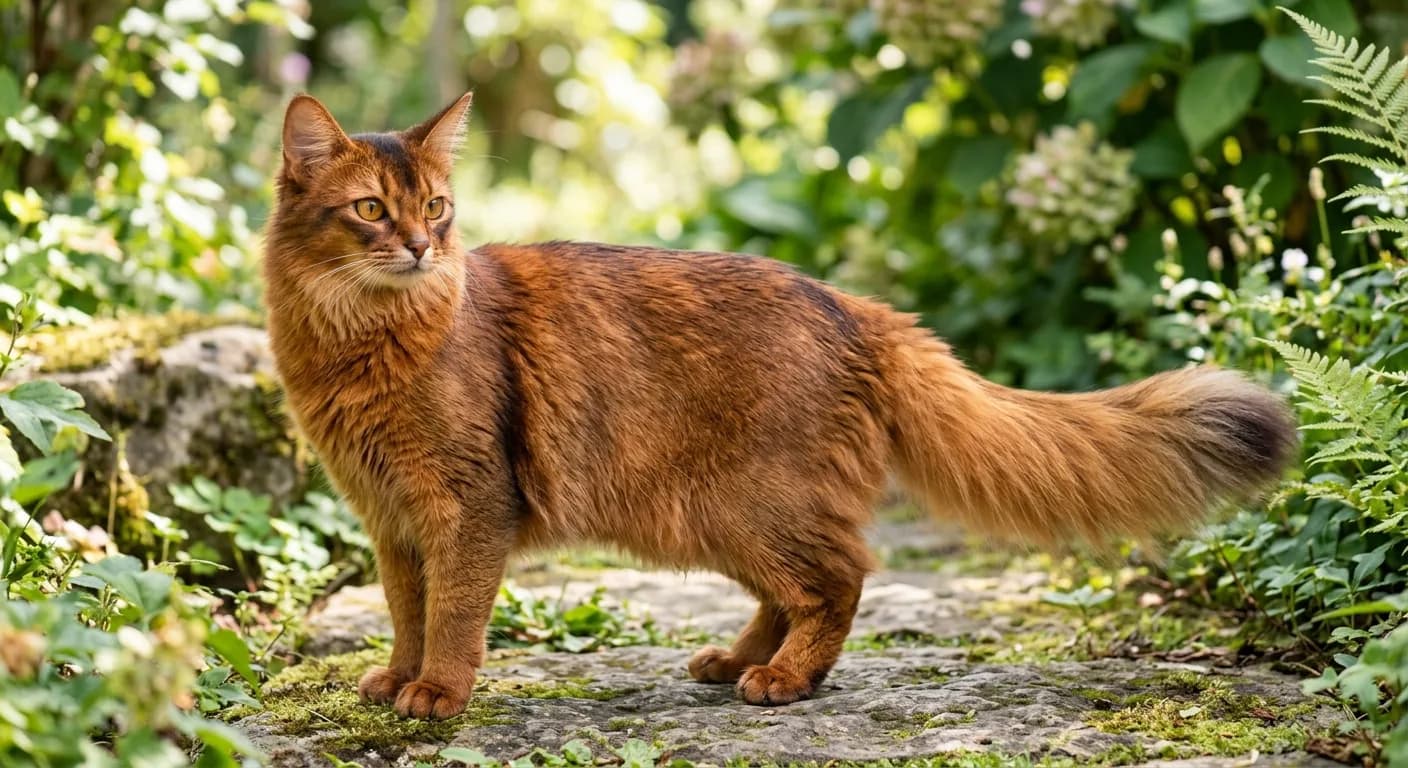
The second most common Somali color is called red by the CFA and sorrel by TICA and many international registries. The difference is purely terminological: the same coat, two names.
Where ruddy uses black as its dark ticking band, red/sorrel uses chocolate-brown or cinnamon as the ticking color. The base (undercoat) is a warmer copper-apricot. The resulting surface tone on the body is a vivid, coppery reddish-orange that reads lighter and warmer than ruddy under most lighting conditions.
Tail tip in this color is cinnamon or chocolate-brown (never black, which would indicate ruddy). Nose leather is pink or rosy-pink. Paw pads are pink.
New owners sometimes confuse red/sorrel with ruddy because both are warm reddish-orange cats at a glance. The reliable tells: sorrel/red cats have pink nose leather and pink paw pads; ruddy cats have dark brick-red or black nose leather and dark paw pads. Look at the extremities, not the body.
- Neither is wrong. CFA uses "red," TICA uses "sorrel," and UK registries also use "sorrel." When buying or registering, match the terminology to whichever registry issued the cat's papers. Both terms describe the same cinnamon-ticked, copper-based coat.
Blue: Slate and Cream
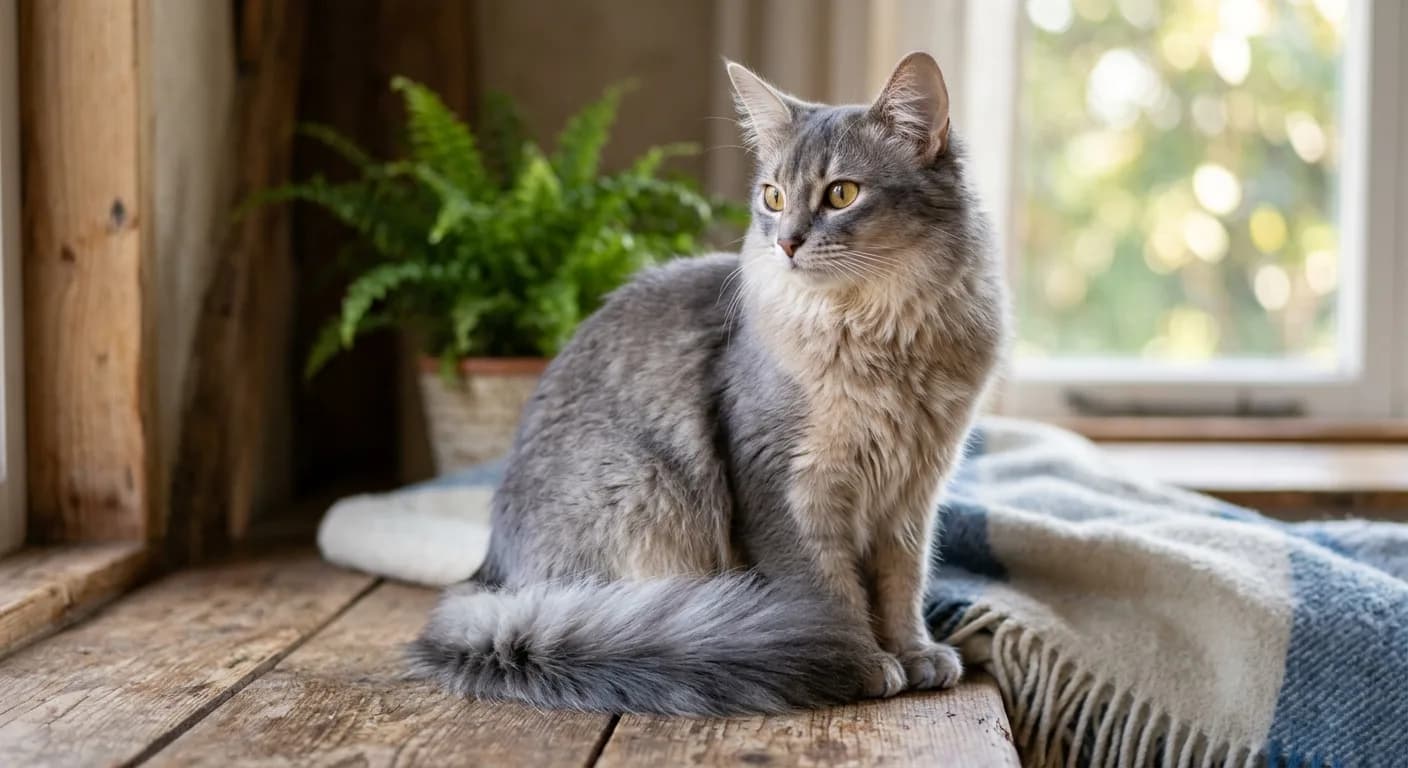
Blue is the dilute form of ruddy. The black ticking pigment is diluted genetically (via the recessive dilute gene) to a warm slate-blue, and the burnt-orange base lightens to a warm cream or beige. The result is a soft, silvery-cool cat that still carries the agouti shimmer but in a much more muted, pastel register.
The CFA standard calls for "warm beige" as the base, with slate-blue ticking. The overall body tone reads as a cool blue-gray that warms toward the belly. Tail tip is dark blue. Nose leather is dark mauve-pink. Paw pads are mauve.
Blue Somalis are less common than ruddy or red/sorrel because the dilute gene must be inherited from both parents. Many breeders working primarily with ruddy lines may carry the dilute gene without producing blue kittens unless both parents contribute it.
- Blue is ruddy with two copies of the dilute gene (genotype dd). Fawn is red/sorrel with the same dilution. This means blue and fawn can only appear in litters where both parents carry at least one copy of the dilute allele.
Fawn: The Rarest Standard Color
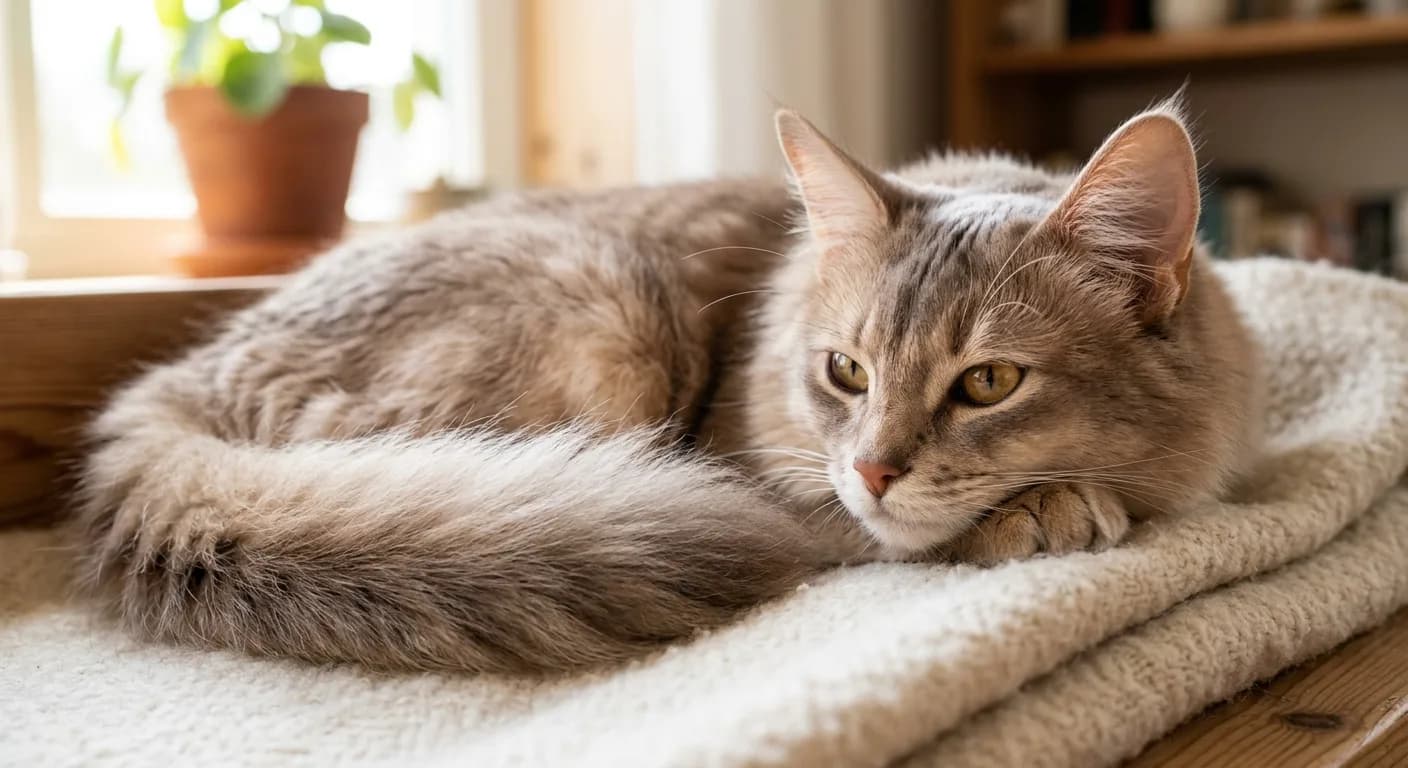
Fawn is the dilute form of red/sorrel, and it is the rarest of the four CFA-recognized standard Somali colors. The cinnamon ticking of red/sorrel is diluted to a warm cocoa-tan or pinkish-buff, and the base shifts to a warm rose-cream or pale buff. The overall body reads as a soft, warm beige-pink cat, quite unlike the vivid warmth of ruddy or sorrel.
Tail tip is light cocoa or pinkish-fawn. Nose leather is salmon or light pinkish. Paw pads are pink.
Fawn Somalis require both the recessive red gene AND two copies of the dilute gene to express fully, making them statistically uncommon even in breeding programs that intentionally produce them. If you are searching for a fawn Somali, expect to wait: reputable breeders with this color may have waitlists of a year or more.
- Fawn and blue Somalis are no more or less healthy than ruddy or sorrel cats. Rarity reflects genetics, not quality or temperament. Do not pay a significant premium for fawn or blue color alone; evaluate the breeder and health testing first.
Silver Variants: When the Undercoat Goes White
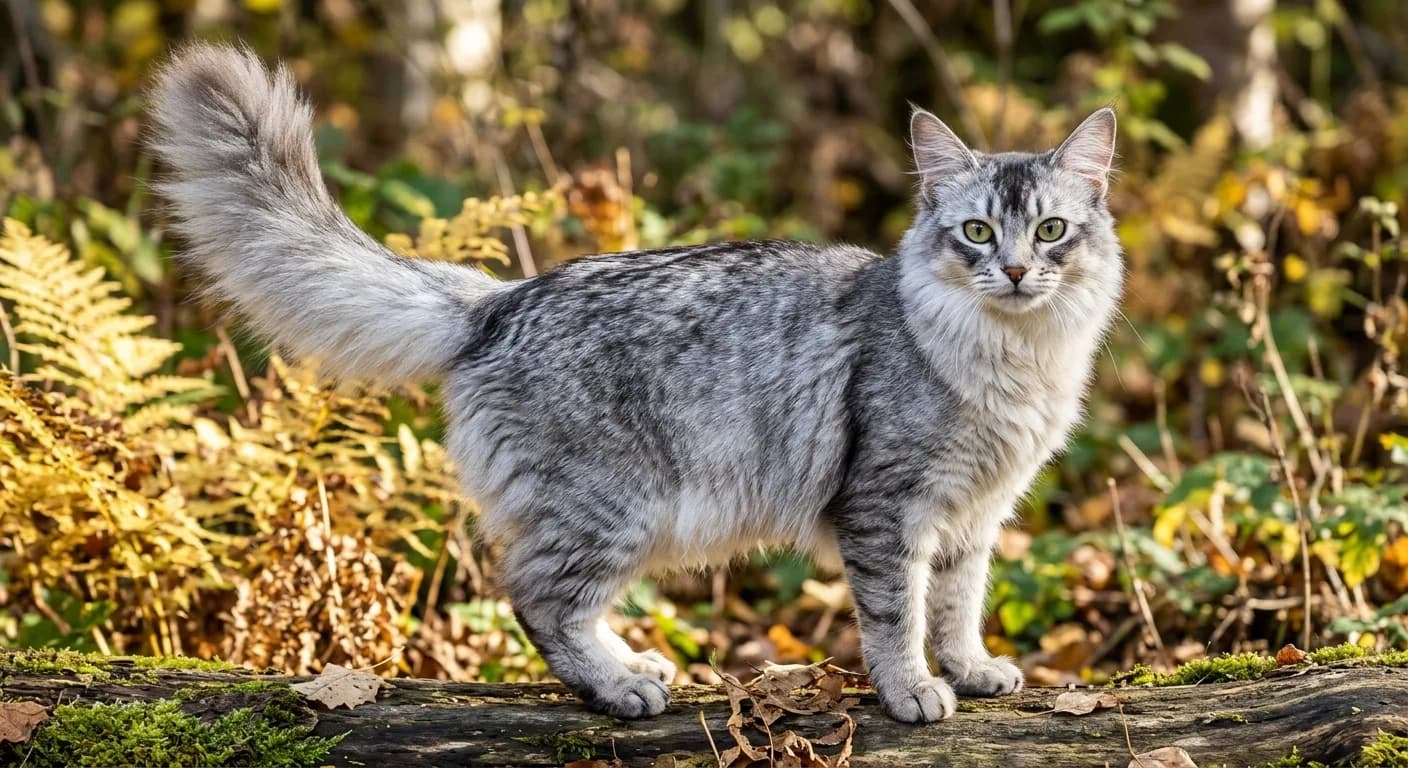
TICA recognizes a complete set of silver versions of each base color. In silver Somalis, the gene responsible for the warm undercoat color (phaeomelanin) is suppressed near the root, producing an icy-white or sparkling white base beneath the normal ticking. The result is a dramatically higher-contrast coat: the ticking stands out sharply against the white undercoat rather than blending into a warm base tone.
Silver Ruddy (sometimes called "silver" or "usual silver"): black/dark brown ticking over a white undercoat. The body reads as a cool, silvery-gray with iridescent highlights.

63-inch multi-level cat tree with scratch posts, hammock, plush perches, and dangling toys. Vertical territory is non-negotiable for high-energy climbing breeds like the Bengal.
Petful may earn a commission when you click through to Chewy, at no extra cost to you.
Silver Sorrel/Red: cinnamon ticking over a white undercoat. Body reads as a pale champagne with pinkish-silver highlights.
Silver Blue: slate-blue ticking over a white undercoat. The softest-looking of all silver variants.
Silver Fawn: cocoa-tan ticking over a white undercoat. Extremely rare.
- As of 2026, silver Somali colors are accepted by TICA and several international registries but are NOT part of the CFA breed standard. If you plan to show with CFA, a silver Somali is ineligible in the championship ring. For TICA showing, all silver variants compete in a separate color class.
The silver gene in cats is sometimes called the "inhibitor gene" (I). It is dominant, meaning a single copy suppresses undercoat pigment. Breeders sometimes describe silvers as having "icy roots" or a "sparkling" coat in bright light.
Eye Color in Somali Cats
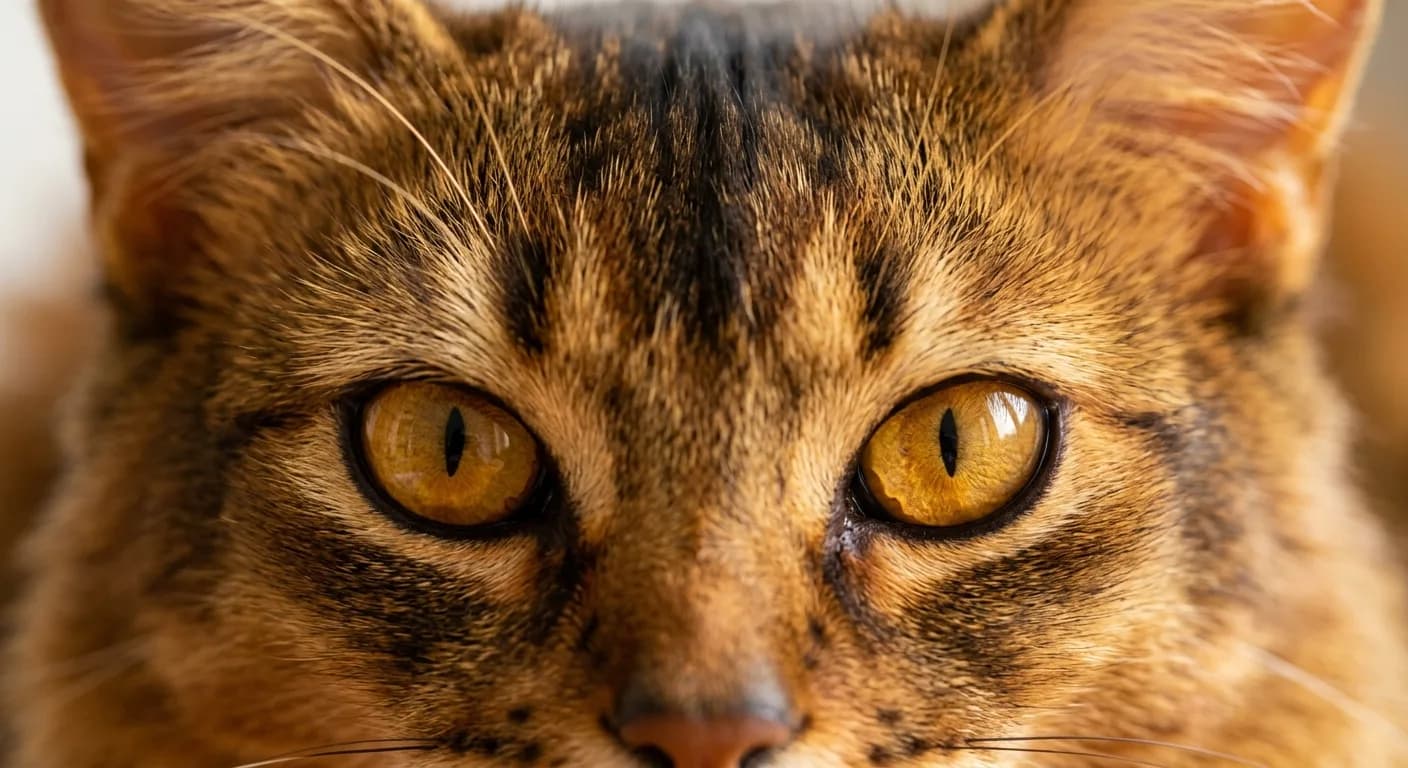
Eye color is a required component of the Somali color standard, not an afterthought. TICA calls for "large, almond-shaped jewels, expressively and richly colored gold, amber or green, surrounded by a ring of dark color (eyeliner) that is then surrounded by a lighter color." The CFA standard specifies "gold or green, the more richness and depth of color the better."
In practice, Somali eye color spans a range from deep, rich amber-gold through yellow-green to a clear emerald green. The dark "eyeliner" ring of pigmented skin around the iris is a distinctive Somali trait that makes the eyes appear larger and more expressive than in most other breeds. Outside the liner, a lighter, ochre-toned ring of skin completes the effect.
Eye color is independent of coat color. Ruddy and sorrel Somalis can have gold or green eyes. Blue and fawn Somalis are the same. Eye color is not a reliable indicator of body color.
How to Identify Your Somali's Color
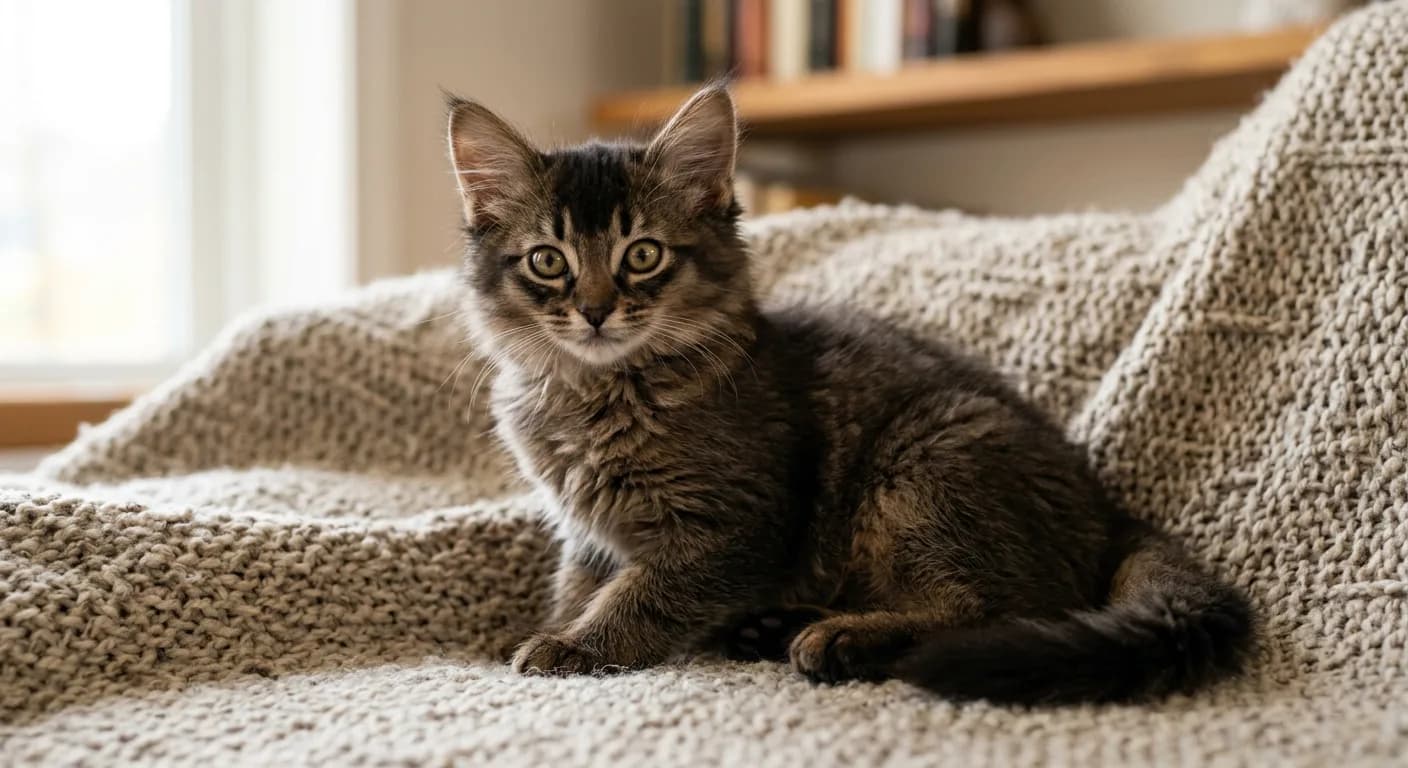
Identifying a Somali's color comes down to two observations: the tip color (the darkest band on the hair) and the nose leather and paw pad color (the most reliable physical indicator).
Use this approach:

108-oz stainless steel pet fountain with quiet pump and water-level window. Bengals are notoriously water-obsessed; a flowing fountain encourages hydration and pulls them away from sinks and toilets.
Petful may earn a commission when you click through to Chewy, at no extra cost to you.
- Check the tip of a plucked or shed body hair. Is it black/dark brown (ruddy or blue) or cinnamon/chocolate (red/sorrel or fawn)?
- Check the nose leather. Black or dark brick-red = ruddy. Pink = red/sorrel. Mauve = blue. Salmon-pink = fawn.
- If the base of the fur looks sparkling white rather than warm, the cat is likely a silver variant.
Kittens are notoriously hard to color-call accurately. TICA notes that Somalis are "extremely slow in showing mature ticking," and many kittens appear darker or more uniform in color during the first few months. Full adult color does not set until around 18 months of age.
- Reputable Somali breeders record color at registration and can tell you definitively whether your cat is ruddy vs. sorrel, or blue vs. fawn. If you adopted a Somali without papers, a vet familiar with purebred cats or a feline genetics DNA test (such as Basepaws) can help confirm color genetics.
Rarity Ranking: From Most Common to Least Common
Based on breeding frequency reported by CFA and TICA registered breeders:
1. Ruddy (most common; the default Somali color in most breeding programs)
2. Red/Sorrel (second most common; popular in North America and Europe)
3. Blue (moderate; requires dilute gene from both parents)
4. Fawn (rarest standard color; requires both the sex-linked red gene and dilute from both parents)
5. Silver variants (production varies widely by breeder; silver ruddy and silver sorrel are the most seen among silvers)
For full background on the Somali's personality, care needs, and history, see the Somali cat breed profile. If you are comparing this breed to its longhaired cousin, the Persian cat colors guide covers a very different set of coat genetics. The Abyssinian cat page is the place to start for anyone wanting to understand the short-haired parent breed that shares the same ticking gene.
You can browse the full cat breeds directory for more breed color and care guides.
What Makes the Somali Coat Different From Other Ticked Cats
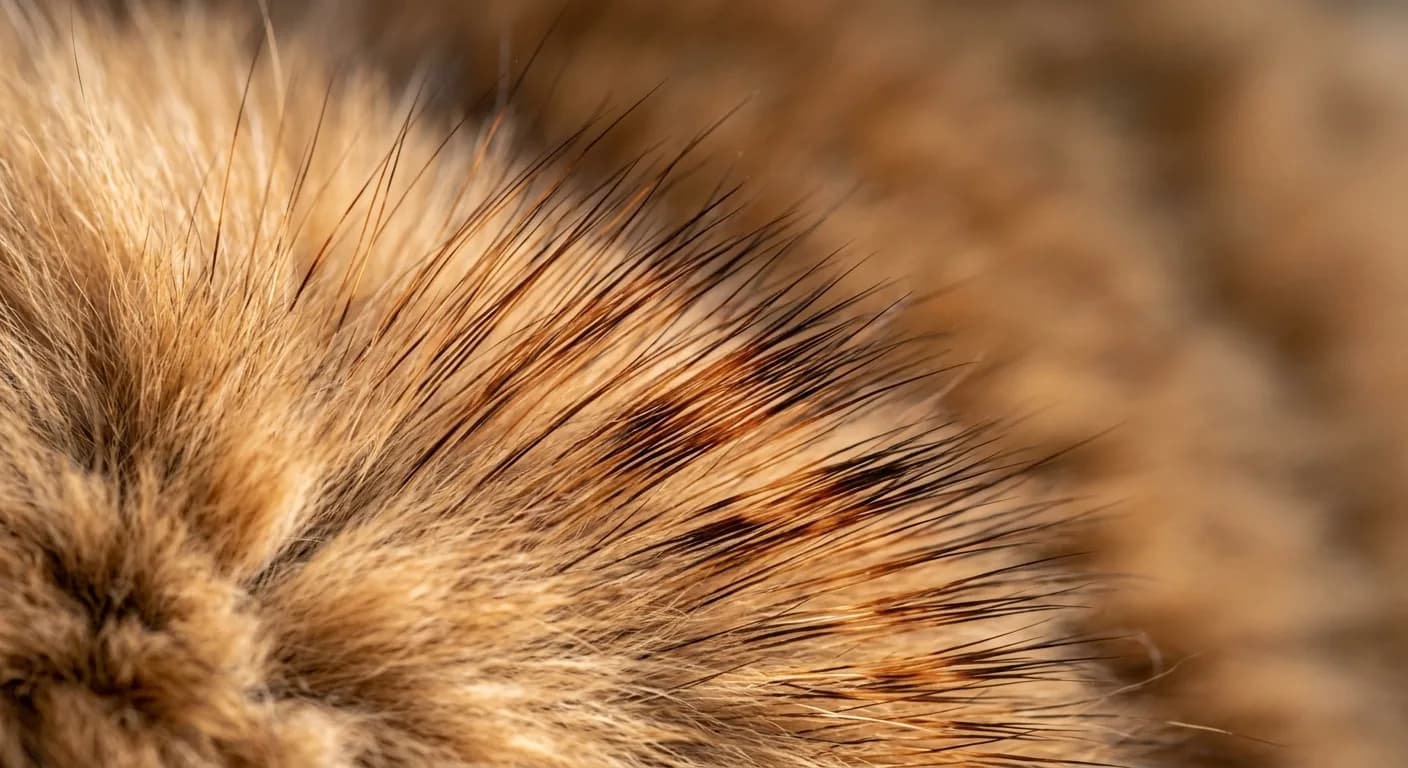
The Somali shares the ticked pattern with the Abyssinian and a handful of other breeds (Singapura, Ocicat). What sets the Somali apart visually is the semi-long coat length combined with the density of the undercoat. The longer guard hairs mean each hair shaft is visible over a greater length, making the banding more apparent and the iridescent shimmer more pronounced.
The CFA standard calls for a "fine double coat with ample density," with the medium-length coat lying flat. Fluffy Persian volume or Maine Coon length would obscure the ticking pattern. The Somali's coat length is calibrated to show the ticking while still producing the full fox-plume tail that gave the breed its nickname.
- Somalis earned the nickname "Fox Cat" for three reasons: the bushy, plumed tail that resembles a fox's brush, the large erect ears with tufts at the tips, and the warm reddish-brown (ruddy) coat color in the most common color variant. The comparison is apt: in dim light, a ruddy Somali photographed from the side can look remarkably fox-like.
Colors Not Recognized by CFA or TICA
Beyond the four CFA colors and six TICA base colors, Somalis can carry genes for chocolate, lilac, and cream. These colors do appear in some breeding programs, particularly in Europe where some registries accept a wider palette. The cats.com source notes up to 28 Somali color variations are recognized across all registries worldwide.
However, in North American show competition with CFA or TICA, chocolate, lilac, cream, and tortoiseshell Somalis do not compete in championship classes. They may be shown in a miscellaneous or exhibition class depending on the registry.
- If you plan to show your Somali, verify the color class rules with your specific registry before entering. A color that wins in a European registry may be ineligible in a CFA show. Always request the current breed standard document directly from the registry.
The CFA recognizes four Somali colors: ruddy, red (also called sorrel), blue, and fawn. TICA also accepts chocolate, cinnamon (sorrel), lilac, and a full set of silver variants of each base color, putting the total above a dozen recognized combinations across all registries worldwide.
Fawn is the rarest of the four CFA-recognized standard Somali colors. It requires the cat to carry both the sex-linked red gene and two copies of the recessive dilute gene, making the statistical combination uncommon. Among silver variants, silver fawn is even rarer.
Ruddy is by far the most common Somali color. It is the classic burnt-sienna and black-ticked coat most associated with the breed in photographs and at shows. Most Somali breeding programs start with ruddy lines.
A ruddy Somali has a warm burnt-sienna or burnt-orange base coat with distinct black or dark brown ticking bands on each hair, giving the body a rich reddish-brown shimmer. The nose leather is dark brick-red and the paw pads are black or dark brown. It is the same color called "usual" in British registries.
In a ruddy Somali, the dark ticking bands are black, the nose leather is dark brick-red, and the paw pads are black or brown. In a sorrel (also called red) Somali, the ticking bands are cinnamon or chocolate-brown, the nose leather is pink, and the paw pads are pink. Sorrel reads as warmer and lighter; ruddy reads as deeper and more reddish-brown.
A silver Somali carries the dominant inhibitor gene, which suppresses warm (phaeomelanin) pigment near the root of each hair, producing a sparkling icy-white undercoat beneath the normal ticking. The contrast between the white base and the ticking is much higher than in non-silver cats. Silver variants are accepted by TICA but not by the CFA as of 2026.
Somali cats have large, almond-shaped eyes in rich gold, amber, or green. Both CFA and TICA require a dark eyeliner ring of pigmented skin around the iris, which makes the eyes look especially large and expressive. Eye color does not correlate with body color.
Yes. TICA notes that Somali kittens are extremely slow to show mature ticking and often look darker, more uniform, or murkier in color during the first several months of life. Full adult coat color and ticking clarity typically set by around 18 months of age.

Coreen Saito is a pet writer and longtime shelter volunteer with more than a decade in animal rescue. She covers cat behavior, breed care, and the small, ordinary science of sharing a life with companion animals, with a particular focus on honest takes about the products and decisions that actually matter. At home in Arizona, she's outranked by Mac (a dog with the loudest opinion in the house), Rebel (a cat who governs by quiet authority), and Meri (an orange tabby who runs the late shift and the laundry basket). She writes about all three, plus the rescues that keep coming through her life, at LifeWithMinty.com.
Sign up for expert-backed reviews and safety alerts all in one place.