Abyssinian Cat Colors: Ruddy, Sorrel, Blue and Fawn
Learn the four CFA Abyssinian colors, how ticking creates the coat's warm depth, and why a ruddy, blue, fawn, or black-looking coat cannot prove ancestry.
Petful is reader supported. As an affiliate of platforms like Amazon and Chewy, we may earn a commission when you buy through links on this page. There is no extra cost to you.
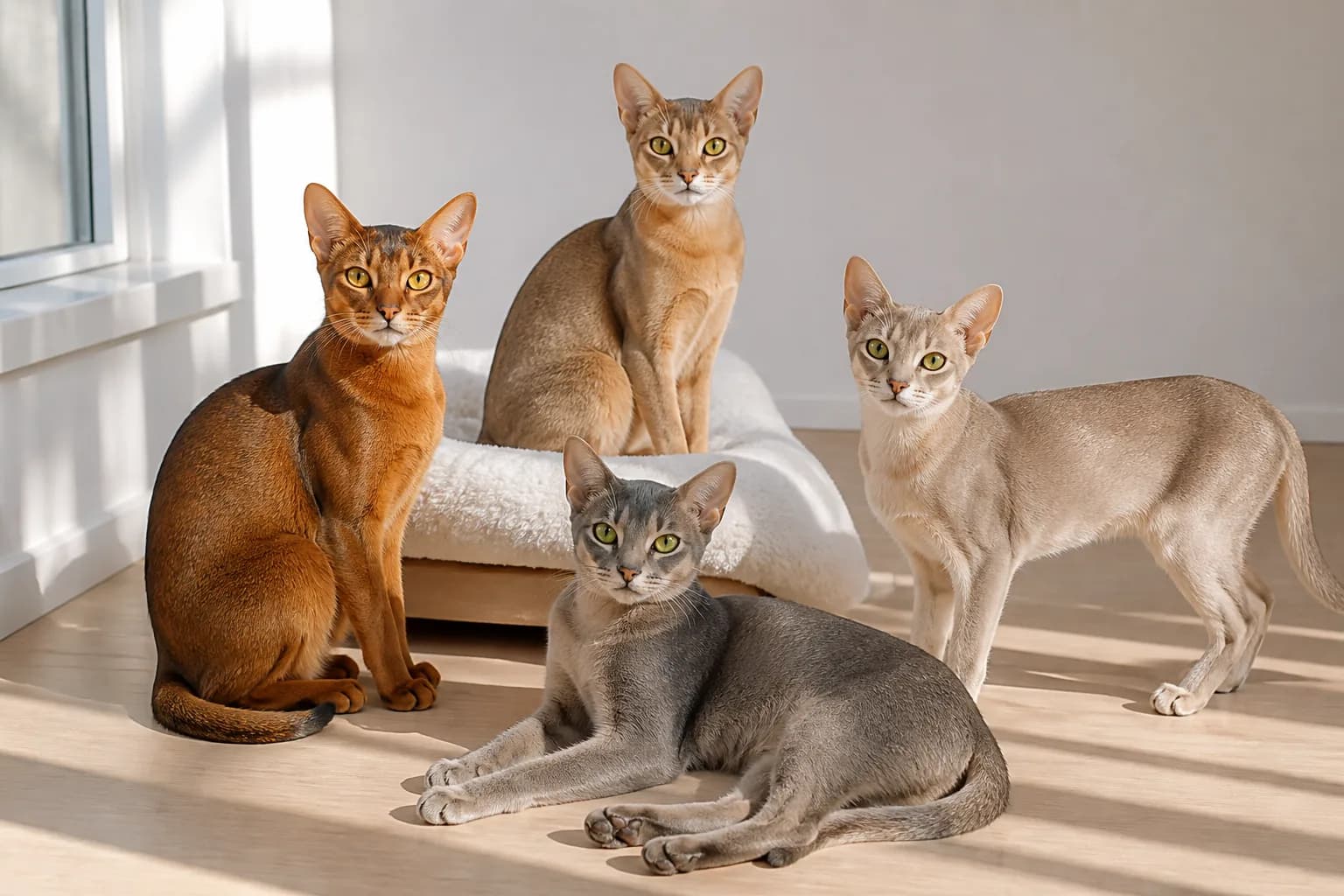
Abyssinian cat colors recognized by the Cat Fanciers' Association are ruddy, sorrel, blue, and fawn. Each color is created by a specific relationship between the lighter ground color and darker bands, called ticking, on individual hairs. The resulting coat appears warm and softly shaded instead of clearly striped across the torso.
Color describes appearance. It cannot establish that a cat is an Abyssinian. A black, brown, gray, or ticked shorthaired cat may resemble the breed, but pedigree and registry records are the meaningful evidence of ancestry.

Sign up for expert-backed reviews and safety alerts all in one place.
Abyssinian Cat Colors at a glance
The official CFA breed standard PDF defines the accepted color descriptions and the coat qualities judges consider. The CFA Abyssinian profile and TICA Abyssinian profile add breed context, although registry terminology and accepted divisions can differ. Use the standard that applies to the registry or record being discussed.
The color of Abyssinian cat coats is best read through answer-first breed guidance, not a gallery label. Individual cats can vary in shade and contrast. Use a visual coat-reading sequence that separates undercoat, ticking bands, tail tip and registry color, then compare the whole cat under neutral light instead of starting with a social-media filter or seller claim.
Petful may earn a commission when you click through to Chewy, at no extra cost to you.
- 1Answer-first breed guidance: CFA recognizes ruddy, sorrel, blue, and fawn Abyssinian colors
- 2Ticking means alternating bands of lighter and darker pigment on each agouti hair
- 3Blue and fawn are dilute colors, not signs of a faded or unhealthy coat, and individual cats can vary
- 4Coat color can describe a documented Abyssinian, but it cannot prove breed ancestry
| CFA color | Ground color and ticking |
|---|---|
| Ruddy | Warm ruddy ground with black or dark-brown ticking and a dark tail tip |
| Sorrel | Rich copper or cinnamon-red ground with chocolate-brown ticking |
| Blue | Warm beige ground with slate-blue ticking and a blue-gray tail tip |
| Fawn | Rose-beige ground with cocoa-brown ticking and a matching darker tail tip |
| Identity limit | All visual labels remain appearance descriptions unless pedigree and registry records establish the breed |
How Abyssinian ticking works
Ticking is the breed's defining coat effect. Instead of one uniform pigment from root to tip, each visible agouti hair can show alternating light and dark bands. Across thousands of hairs, those bands produce depth and a glowing, finely shaded surface. Most ranking pages list colors without teaching readers how to see ticking, so this guide separates the lighter undercoat, darker bands, back and tail shading, tail tip, and registry label. That sequence turns a color name into a repeatable observation.
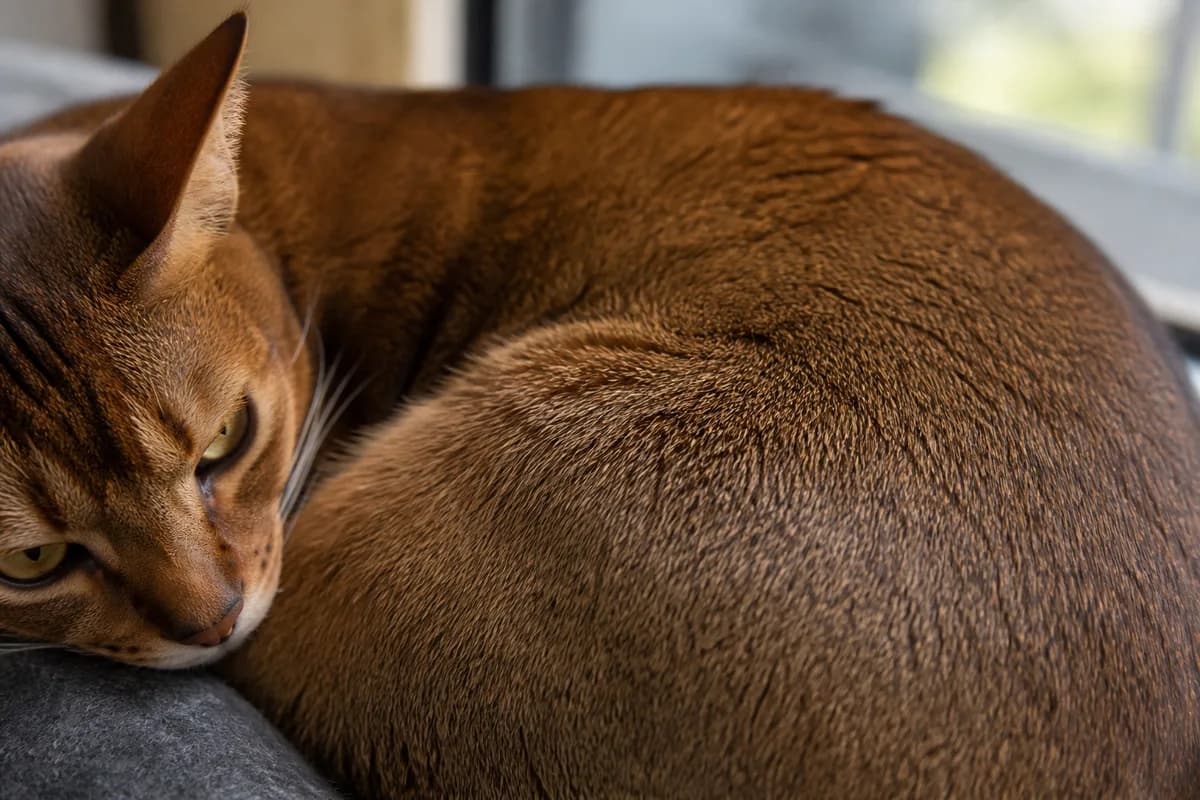
Use these clear decision labels in a source-aware visual sequence:
- Look at the ground color near the hair base and in areas where ticking is lighter.
- Observe the darker bands on the middle and end of representative hairs.
- Check whether the back, tail, and tail tip carry the expected deeper tone.
- Look for a warm, even overall effect rather than strong torso stripes.
- Compare the observation with the exact registry standard connected to the cat's documents.
Lighting can shift a photograph toward orange, gray, or cream. View the cat in indirect daylight when possible and compare more than one unedited image. Phone processing, warm indoor bulbs, reflected wall color, and deep shadow can change the apparent label.
A stable Yaheetech multi-level cat tree beside indirect daylight can provide a voluntary observation perch for routine coat checks. The perch is for safe positioning, not restraint. Let the cat choose whether to remain while you look for changes in skin, coat, posture, and comfort.
Ruddy and sorrel Abyssinian cats
A ruddy Abyssinian cat is the color presentation many people associate with the breed. A sorrel Abyssinian cat is warmer and more copper-toned, while a red Abyssinian cat may be the registry or search term used for that sorrel presentation. These exact labels belong to documented cats and should not be assigned from one photo alone.
Ruddy has a warm ruddy-brown ground, sometimes described visually as burnt sienna or orange-brown, with dark ticking. The overall effect should be rich and warm rather than cool gray or uniformly black.
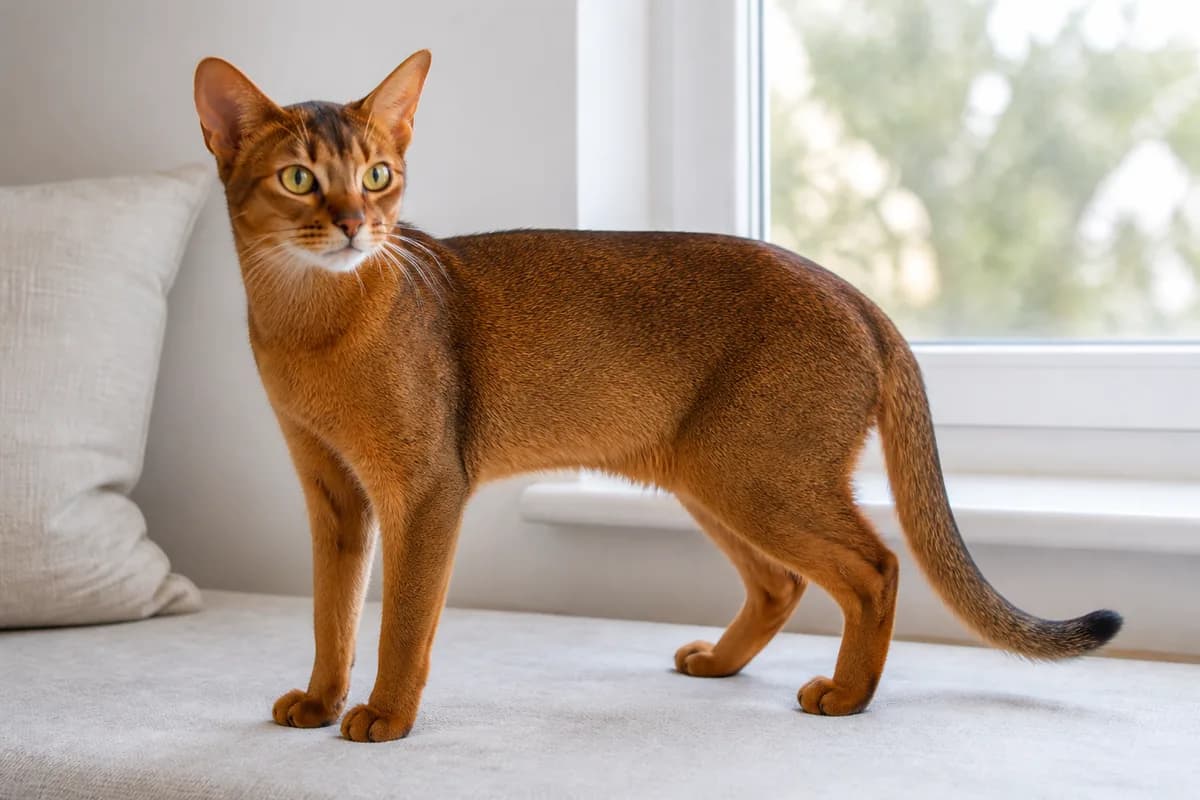
Dark shading along the spine and a dark tail tip can be part of the color presentation. The coat should still read as ticked over the body. A photo that makes the back appear almost black may be underexposed, highly processed, or showing only one angle.
Ruddy is not the same as a conventional brown tabby pattern. Both involve agouti pigment, but the Abyssinian presentation minimizes distinct body bars and swirls. Facial marks, leg accents, or tail details do not turn the whole coat into a striped tabby pattern.
A second Yaheetech cat tree link is relevant when comparing photos over time: use the same stable daylight perch, camera setting, and distance. Consistency makes it easier to tell a true coat change from a lighting change.

63-inch multi-level cat tree with scratch posts, hammock, plush perches, and dangling toys. Vertical territory is non-negotiable for high-energy climbing breeds like the Bengal.
Petful may earn a commission when you click through to Chewy, at no extra cost to you.
Sorrel is a warm copper or cinnamon-red presentation with chocolate-brown ticking. CFA uses the term red in its standard while Abyssinian owners and other registry contexts often use sorrel. The practical point is to check which terminology belongs to the specific record rather than assuming every registry uses identical labels.
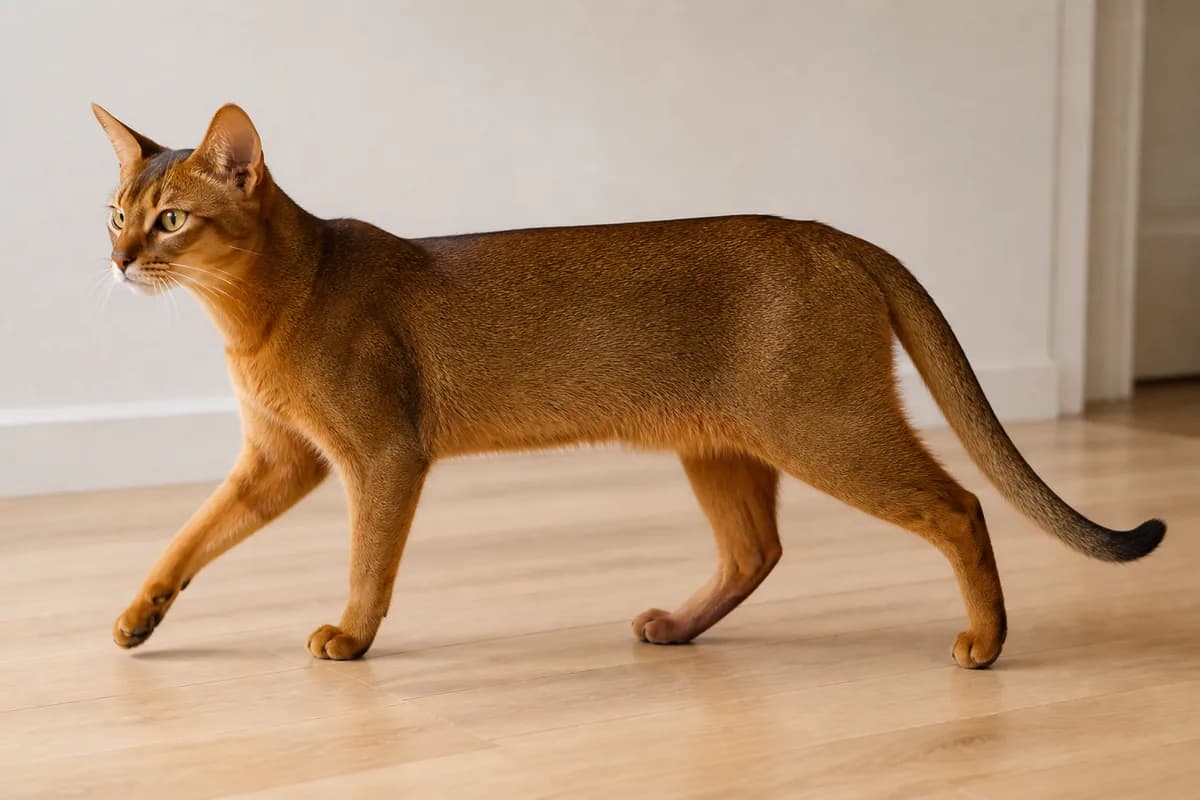
Sorrel should not be reduced to “orange cat.” It has a breed-standard relationship between ground color, ticking, facial details, legs, and tail. At the same time, seeing a copper ticked coat does not establish pedigree. Domestic cats can have visually similar warm pigment and agouti effects.
A Necoichi wall scratcher can add a legal vertical scratching surface near an observation area. Coat color does not affect scratching needs. Mount and maintain the product as directed, ensure it remains stable, and provide more than one scratch texture or orientation when possible.
Blue Abyssinian cats and gray search terms
A blue Abyssinian cat is a dilute color. The phrase Abyssinian blue cat describes the same formal color in a different word order. The darker ticking appears slate blue, while the ground remains warm beige rather than icy white. The combination can look gray in casual language, so a gray Abyssinian cat search often leads to blue.
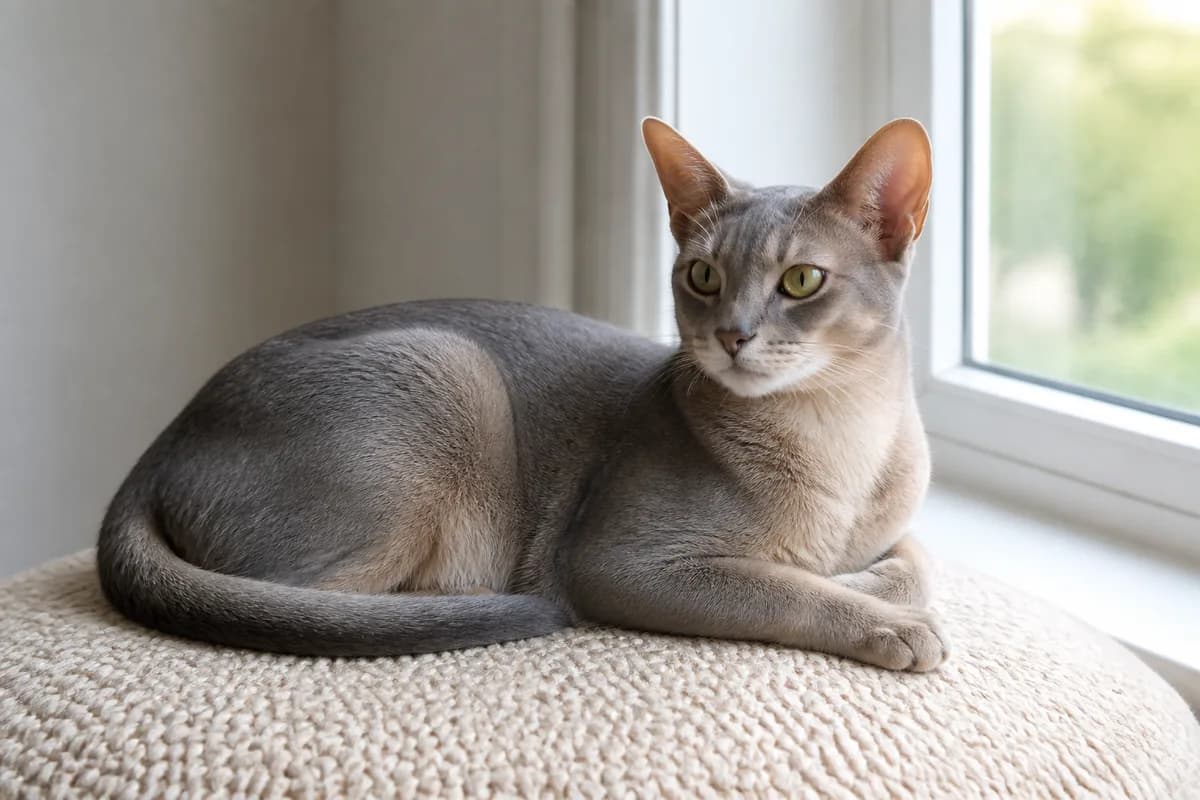
Blue does not mean the cat has blue dye, blue skin, or a cold metallic coat. It is the traditional cat-fancy term for diluted black pigment. The warm base helps distinguish the expected Abyssinian effect from a uniformly blue-gray solid coat.
Do not diagnose coat health from the color label. New thinning, broken hair, redness, scaling, odor, sores, excessive licking, or discomfort requires direct observation and veterinary advice. A healthy blue coat can look lighter or darker across seasons and lighting, while an unhealthy skin condition can occur in any color.
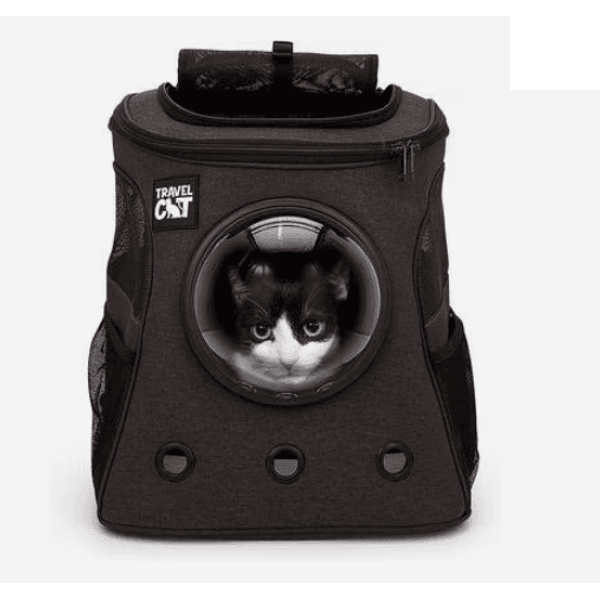
A secure Travel Cat Fat Cat backpack carrier can support transport for a veterinary coat or skin concern when its dimensions, ventilation, closures, and weight rating fit the individual cat. Practice voluntary entry before a problem arises so color inspection does not become an emergency struggle.
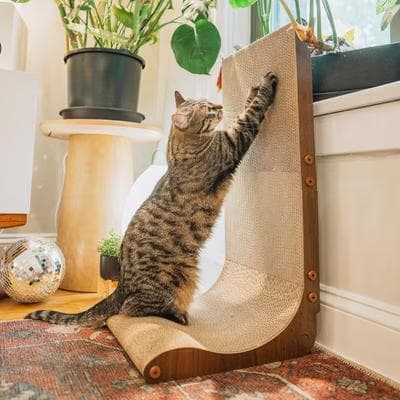
Curved cardboard wall scratcher with a wood frame that protects walls and gives cats a satisfying vertical scratch surface.
Petful may earn a commission when you click through to Chewy, at no extra cost to you.
Fawn Abyssinian cats
A fawn Abyssinian cat is another dilute color. Its ground appears rose beige, with cocoa-brown ticking that is softer than the darker contrast of ruddy. The result is pale and warm, not washed out.
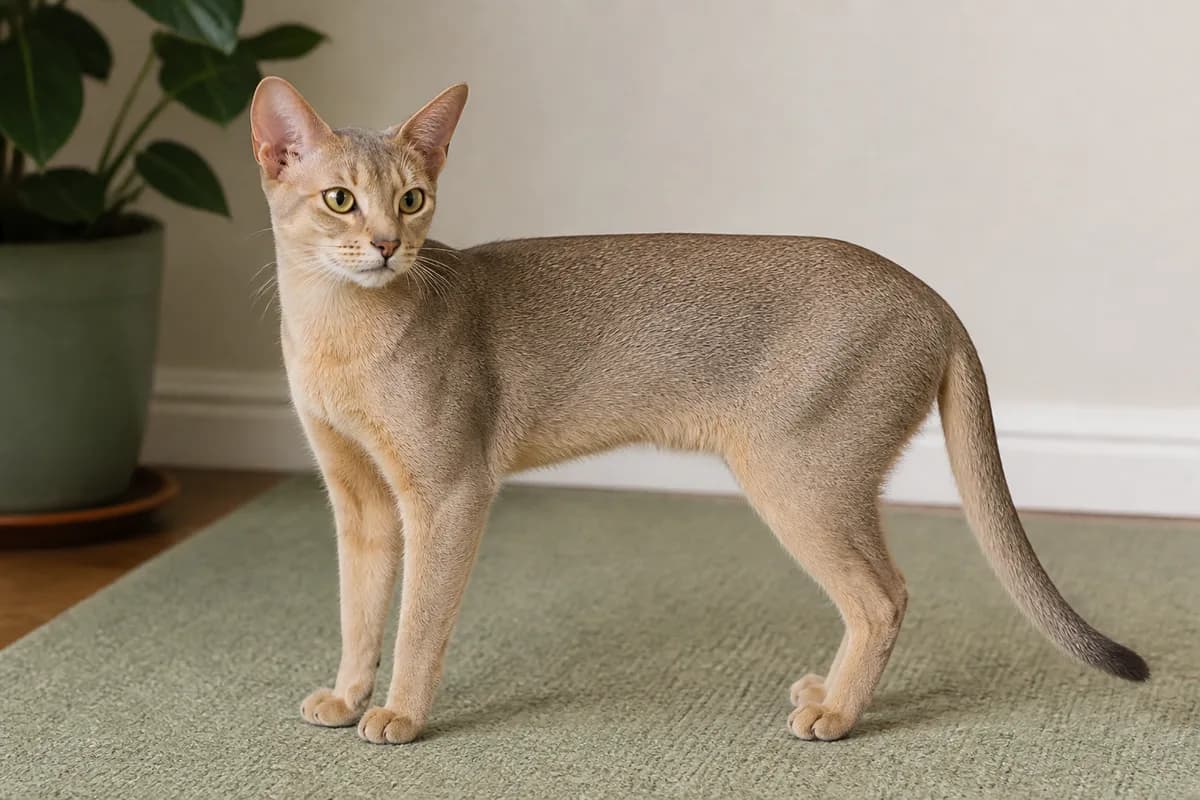
Fawn and blue can be difficult to separate in poor photographs. Compare the warmth of the ground color and the tone of the ticking under the same neutral conditions. Ask for registry documentation when the formal color matters. A seller's rare-color label is not enough.
Perceived rarity should not become a shortcut to value. Current local availability can vary, but a less frequently seen color is not automatically healthier, better socialized, more correct, or more suitable for a household. Evaluate records, the individual cat, seller practices, care, and fit separately.
A Best Friends by Sheri covered cat bed can provide one protected rest option while a new cat decompresses. The neutral interior may also make loose hair easier to notice during routine cleaning, but bedding cannot verify a color or diagnose a skin problem. Offer open and covered choices.
Can an Abyssinian cat be black or tabby?
A black Abyssinian cat claim requires careful language. The four CFA colors do not include solid black. A very dark ruddy coat, heavy shadow, camera processing, or casual listing language may produce the label. A solid-black shorthaired cat with no documents should be described by what is visible, not assigned Abyssinian ancestry.
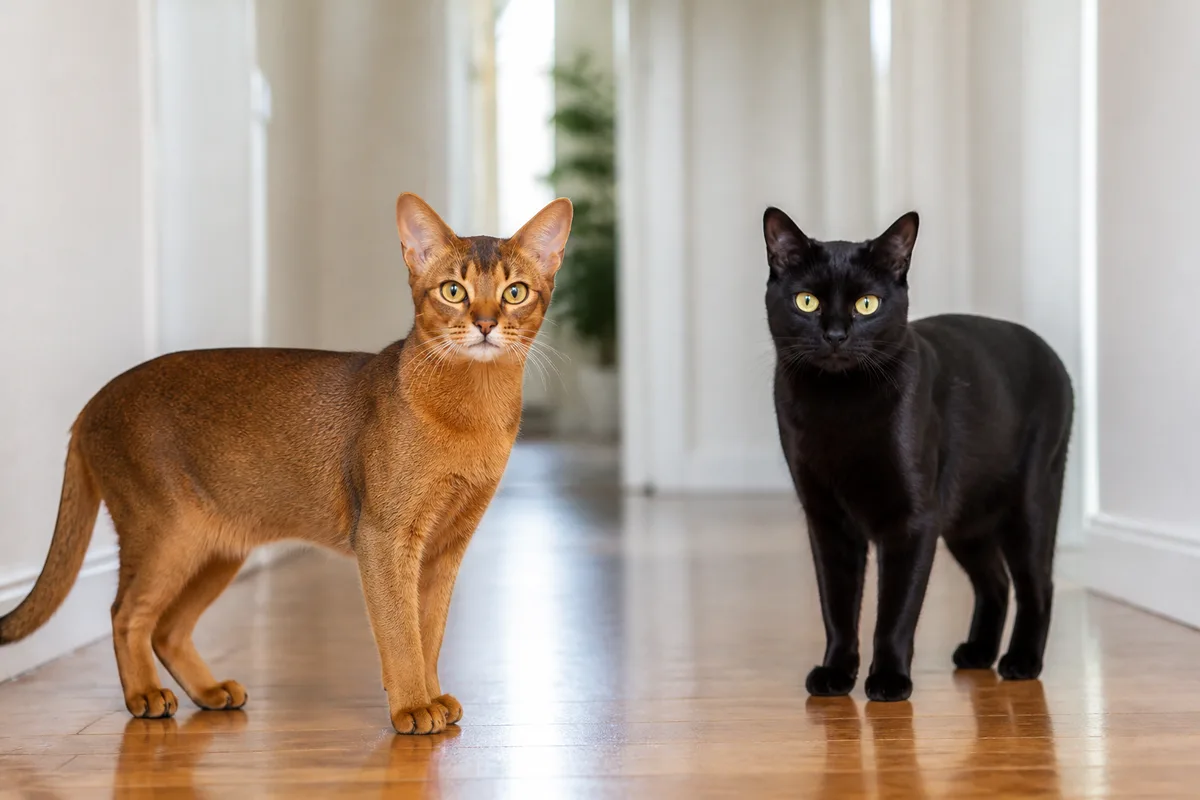
An Abyssinian tabby cat search creates a different kind of confusion. Ticking is an agouti pattern mechanism, so Abyssinians have a genetic relationship to tabby patterning. In everyday visual description, however, the breed's ideal torso does not show the bold mackerel stripes or classic swirls people expect when they hear tabby.
High-demand black and gray queries need careful terminology rather than invented accepted colors. A black Abyssinian cat query may describe dark ruddy ticking, while a gray Abyssinian cat query may point toward blue, lighting, or an unknown-ancestry cat. Say what the coat visibly resembles, then name the registry and documentary limit. Do not convert a searcher's informal color word into a formal accepted-color claim.
Use three separate statements:
- Visible coat: The cat has a ticked warm-brown, gray, solid-black, or striped coat.
- Standard consistency: Some observed features are or are not consistent with an Abyssinian standard.
- Ancestry confidence: Records do or do not connect the cat to the registered breed population.
The first statement is observation. The second is comparison. Only the third addresses breed identity.
What to verify before you decide
- Ruddy ticking, a warm copper coat, a blue-gray appearance, or a dark tail tip cannot establish Abyssinian ancestry. Verify documentary records tied to the individual cat when identity matters. Population estimates are not guarantees that one color is rare, valuable, healthier, or connected to a particular pedigree.
Why color cannot prove ancestry
Searches for Abyssinian mix colors often combine a visible coat description with an ancestry guess. A mixed-ancestry or unknown-ancestry cat can have warm ticking, dark accents, large ears, or an athletic body without being a documented Abyssinian. Describe the visible color accurately, but delegate breed identity to pedigree and registry evidence. Color consistency is one observation, not a substitute for records.
What about silver Abyssinians?
Silver Abyssinians appear in some registry systems and breeding communities, but CFA's four-color presentation for the breed is ruddy, red or sorrel, blue, and fawn. These silver registry differences mean a search can produce apparently conflicting answers without either page explaining which rules it follows. Verify the issuing registry, its current standard, and the individual record before presenting silver as formally recognized in a particular system.
Name the governing registry before describing a color as recognized or accepted. A silver ground modifies the appearance beneath the ticking and can create stronger contrast. It should not be collapsed into blue, which is a dilute pigment expression over a warm beige ground.
When reviewing a silver claim:
- Ask which registry issued the cat's record.
- Read that registry's current color terminology and standard.
- Match the individual cat to the record rather than comparing an unlabeled photo.
- Separate show eligibility from ancestry, health, value, or household fit.
Standards can change. Use the current document connected to the actual decision instead of relying on an old graphic or a copied color chart.
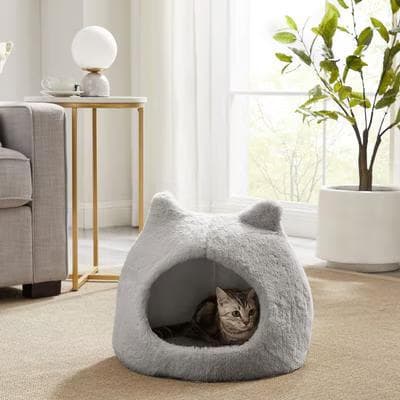
Covered, igloo-style cat bed in soft plush with a water-resistant bottom, giving cats a cozy enclosed spot to curl up. Grey.
Petful may earn a commission when you click through to Chewy, at no extra cost to you.
Photographing an Abyssinian coat accurately
A useful coat photograph supports observation without pretending to be proof. Use indirect daylight, avoid a strongly colored wall, disable filters and portrait effects, and include more than one body angle. Photograph a side view, the back and tail, the face, and a closer view of representative hairs.
A second link to the Travel Cat backpack carrier fits coat documentation because a familiar carrier can help the cat travel safely if a veterinarian needs to examine a skin or coat change. It should never be used as a light box or restraint for photographs.
Preserve an unedited reference
The Necoichi wall scratcher may help keep a cat stationary by choice for one quick image if it is already part of the cat's normal environment. Do not interrupt scratching, pull the cat into position, or sacrifice safety for a perfect color reference.
Keep original files. Automatic enhancement can cool shadows, warm highlights, or increase saturation enough to shift a blue coat toward gray or a sorrel coat toward orange. A dated sequence made in consistent conditions is more informative for monitoring change.
Coat care is the same across colors
Ruddy, sorrel, blue, and fawn coats share the same basic grooming needs. Weekly gentle brushing is a practical starting point for many short-coated cats, with frequency adjusted for shedding, age, mobility, skin condition, and the cat's tolerance.
The second Best Friends by Sheri covered bed reference is relevant as a rest choice, not a coat treatment. Wash bedding according to directions and observe the amount of loose hair, debris, or staining during routine care. A sudden change deserves investigation regardless of color.
Check the skin beneath the coat. New bald areas, scabs, redness, flakes, odor, pain, parasites, or excessive grooming can be easier or harder to see against different pigments, but visibility does not determine severity. Ask a veterinarian about a new or persistent finding.
Abyssinian kitten color and coat development
A kitten's coat can look softer, less evenly ticked, or differently shaded than the mature coat shown in a polished adult portrait. Growth, shedding, hair length, light, and camera processing all affect the comparison. Do not treat a single kitten photo as a final color guarantee.
Ask a seller or organization to connect the written color to the kitten's actual registration or transfer record when a formal label matters. Then request recent, unedited photographs in neutral light. Images should show the whole kitten, back and tail, side of the body, face, and enough environment to judge color cast.
Useful questions include:
- Which registry terminology appears on the record?
- Was the color changed or clarified as the kitten developed?
- Are the current photographs dated and unfiltered?
- Can the kitten be shown live under ordinary room and window light?
- Do the pedigree, litter information, microchip, veterinary record, and contract identify the same individual?
These checks support consistency. They do not turn the color into evidence of seller responsibility, health, or future show results.
Eyes, nose leather and paw details
Official standards may describe eye color, nose leather, and paw-pad details alongside the coat. These features help judges evaluate a documented breed cat against a standard, but they should not be isolated from the whole cat.
Eye color is especially sensitive to lighting, pupil size, reflection, and camera processing. A photograph can make gold appear green or deepen a hazel tone. Do not use flash close to a cat's face to force a color reading. Observe from a comfortable distance in soft light.
Health observations are a separate decision
Nose and paw pigment can also be hidden by shadow, dirt, minor injury, or the angle of the image. If a new spot, crack, swelling, discharge, or sore is the concern, the decision is medical rather than cosmetic. A standard chart cannot diagnose it.
For a pet household, exact show-standard detail is usually less important than healthy skin, comfortable movement, normal grooming, and a good behavioral fit. For a registry or show decision, use the current standard and an appropriately qualified registry contact rather than crowd-sourced photo judgments.
A color-evidence ladder
Color questions become clearer when evidence is graded by what it can support.
- Low confidence: A color word in a social post, marketplace filter, shelter card, or search result.
- Useful observation: Several current unedited images and a live view under neutral light.
- Documented label: A registry record tied to the individual and using the governing registry's terminology.
- Standard comparison: The documented cat is evaluated as a whole against the current official standard for a defined purpose.
Even the strongest color evidence does not prove seller ethics, lifetime health, personality, or suitability for a particular home. Those require different observations and records.
When two sources disagree, check whether they use different registries, publication dates, countries, or everyday versus formal terminology. “Red” and “sorrel” are a common example of a naming difference that can sound like a biological disagreement when it may be a vocabulary issue.
Common Abyssinian color mistakes
Several shortcuts create avoidable confusion:
- Calling every warm ticked cat ruddy. Similar coloring appears outside the breed, and documentation still controls ancestry.
- Calling blue a cold solid gray. The Abyssinian blue description includes a warmer ground with slate-colored ticking.
- Treating fawn as an unhealthy faded coat. Fawn is a defined dilute color, while coat illness requires separate signs and veterinary evaluation.
- Using black as a formal CFA Abyssinian color. Very dark ruddy photography and informal listing labels can create this description.
- Assuming silver and blue are interchangeable. They involve different visual relationships and may be handled differently across registries.
- Paying more because a listing says rare. Availability language is not proof of ancestry, quality, health, or value.
- Letting filters make the decision. Automatic white balance, saturation, and contrast can change the apparent coat.
The safest correction is simple: name what is visible, name the registry when using a formal label, and state the documentation boundary.
Is this the right choice for your household?
Color preference can be one small part of choosing a documented Abyssinian, but household fit factors should come first: health, behavior, records, seller or organization practices, care capacity, and the needs of resident animals.
- Household fit factors matter more than a preferred coat color
- Color terminology can help owners describe a documented coat accurately
- Neutral-light photos can make routine coat changes easier to compare
- The four-color CFA framework is simple and visually useful
- Individual behavior can vary and a preferred color cannot guarantee personality, health, sex, quality, or compatibility
- Rare-color language can be used to create payment pressure
- Registry terminology may differ, so unlabeled charts can mislead
- Appearance cannot replace pedigree and registry documentation
Petful's Abyssinian breed guide owns personality, size, activity, and care. The Abyssinian vs Somali guide explains why coat length and records matter when the two related breeds are compared, while the Somali cat colors guide covers color in the longhaired relative.
Use color as a preference, not a promise
Use a color preference as a tiebreaker only after the important evidence is strong. The cat's individual behavior, current health information, care needs, living conditions, records, transfer terms, and fit with the household deserve more weight than whether the coat is ruddy, sorrel, blue, or fawn.
If no records exist, accurate descriptive language is still valuable. “Shorthaired ticked cat with a warm brown ground and dark tail tip” communicates what someone can observe without converting resemblance into a pedigree claim. A veterinarian, shelter, adopter, or pet sitter can use that description without needing to solve ancestry.
Color should also remain separate from personality. Ruddy cats are not inherently bolder, blue cats are not calmer, fawn cats are not more delicate, and sorrel cats are not more affectionate because of pigment. Observe the individual cat across time and contexts.
Abyssinian Cat Colors FAQs
These answers resolve color-specific follow-ups without treating appearance as documentary ancestry.
The rarest Abyssinian color varies by location, registry, and the cats currently available from responsible placement sources, so there is no universal winner. Fawn or blue may appear less often than ruddy in some areas, but no reliable worldwide live count proves one color is always rarest. Scarcity also does not establish ancestry, health, quality, or value, so verify records and seller practices instead of paying more for an unsupported rarity claim.
The recognized Abyssinian cat colors in the Cat Fanciers' Association are ruddy, red, blue, and fawn, with red commonly called sorrel in Abyssinian discussions. When reading the coat, compare the undercoat, ticking bands, tail tip, and registry color rather than relying on one photograph. Other registries may use different terminology or additional divisions, so identify the governing registry and check its current standard.
No. A warm ticked coat, dark tail tip, large ears, or other familiar visual traits can appear in cats without documented Abyssinian ancestry. Pedigree and registration records tied to the individual provide stronger breed evidence. Color can help describe a documented cat accurately, but a photograph, seller label, or resemblance alone cannot confirm breed identity, health, or responsible placement.

Coreen Saito is a pet writer and longtime shelter volunteer with more than a decade in animal rescue. She covers cat behavior, breed care, and the small, ordinary science of sharing a life with companion animals, with a particular focus on honest takes about the products and decisions that actually matter. At home in Arizona, she's outranked by Mac (a dog with the loudest opinion in the house), Rebel (a cat who governs by quiet authority), and Meri (an orange tabby who runs the late shift and the laundry basket). She writes about all three, plus the rescues that keep coming through her life, at LifeWithMinty.com.
Sign up for expert-backed reviews and safety alerts all in one place.