Best Automatic Litter Box 2026: Why Litter-Robot Leads
Our best automatic litter box guide compares the Litter-Robot family with leading alternatives, then explains why the premium Litter-Robot 5 Pro stands out for easy setup, camera monitoring, waste insights, and multi-cat visibility.
Petful is reader supported. As an affiliate of platforms like Amazon and Chewy, we may earn a commission when you buy through links on this page. There is no extra cost to you.
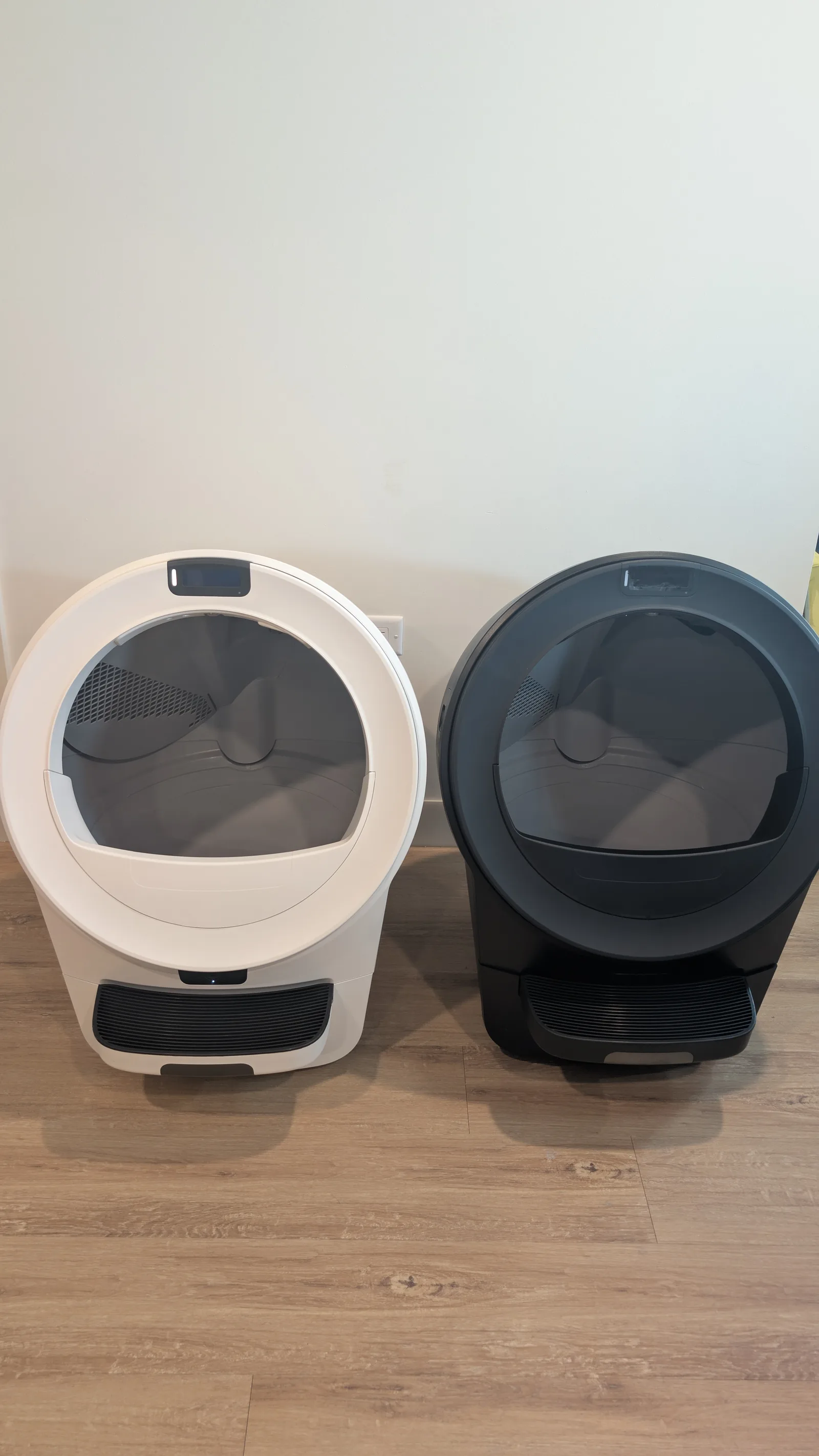
The best automatic litter box in 2026 for buyers who want the most complete premium experience is the Litter-Robot 5 Pro. Its high-end hardware combines automatic sifting with dual cameras, recorded events, waste and litter status, SmartScale profiles, and a polished app. Petful evaluated the white 5 Pro during setup in a real multi-cat home, and the first impression was unusually strong: the guided process, Wi-Fi connection, and addition of a second robot were all exceptionally smooth.
That firsthand setup does not turn one day into a long-term durability test. Our recommendation combines the observed onboarding and app experience with current Whisker specifications and a category comparison. Litter-Robot 5 Pro is the premium top pick; the Litter-Robot 5, Litter-Robot 4, and Litter-Robot EVO remain useful alternatives when a buyer wants less monitoring, a lower price, or a smaller footprint. This client-sponsored guide retains Petful's editorial control and states those evidence limits directly.
- 1Best premium automatic litter box: Litter-Robot 5 Pro pairs an exceptionally easy observed setup with dual 1080p night-vision cameras, event recording, WasteID, SmartScale profiles, and multi-cat visibility.
- 2Best without cameras: Litter-Robot 5 keeps the newer WasteID and weight-tracking platform while removing the Pro camera hardware.
- 3Best established value in the Whisker line: Litter-Robot 4 focuses on hands-off sifting, app control, and weight tracking at a lower entry price.
- 4Best compact Whisker option: Litter-Robot EVO is designed for smaller spaces and lighter-use households.
- 5The right choice still depends on cat size, box acceptance, household capacity, litter compatibility, available floor space, and whether you will use paid Whisker+ features.

Sign up for expert-backed reviews and safety alerts all in one place.
The best automatic litter box for 2026
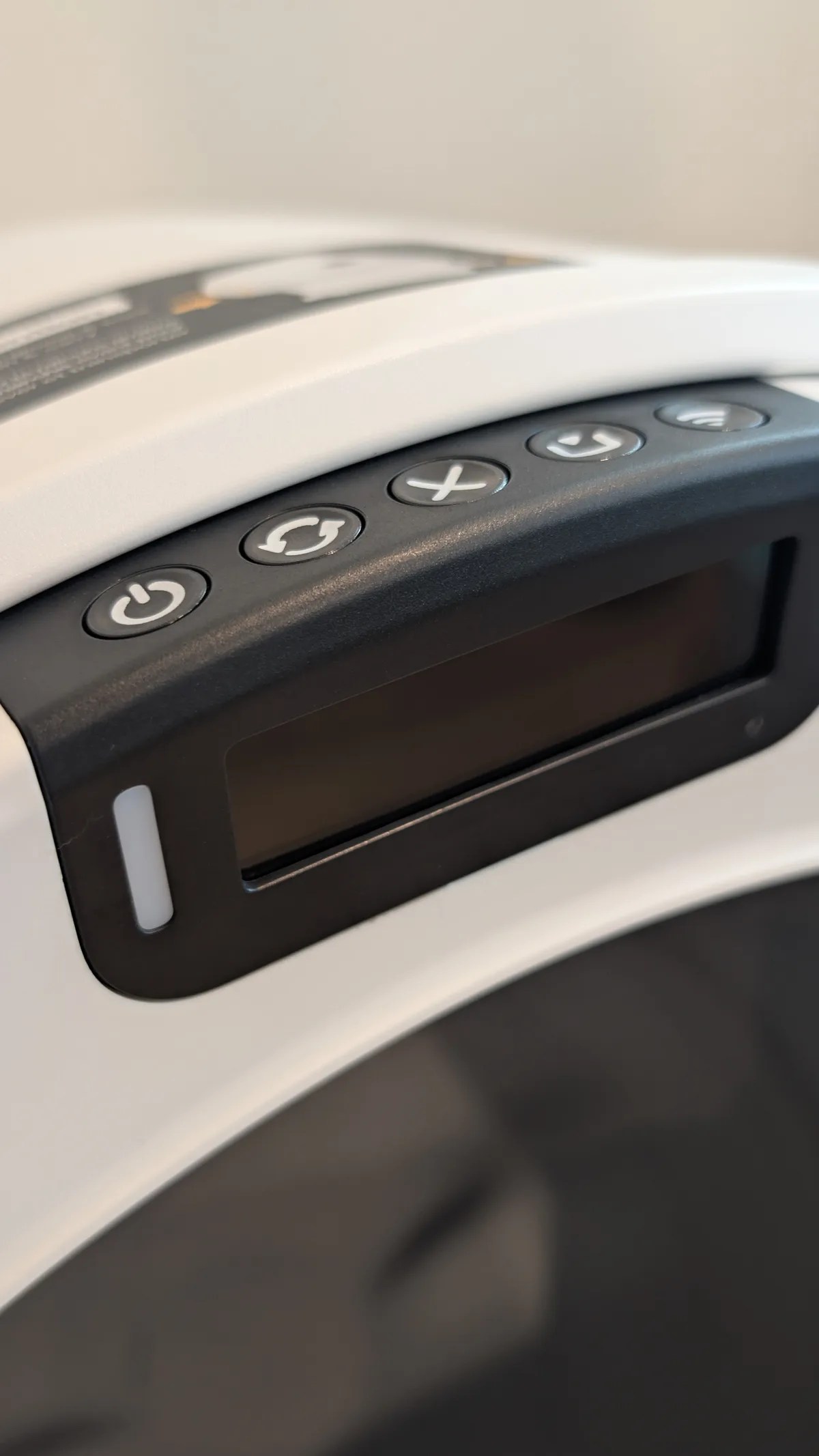
Our best-rated automatic self-cleaning litter box overall is the Litter-Robot 5 Pro. It is a serious premium appliance, and it feels that way from the first interaction. The guided display made the sequence easy to follow, the Wi-Fi connection completed without drama, and adding the white 5 Pro beside another Litter-Robot in the same Whisker account was straightforward. For a buyer paying flagship money, that friction-free start matters because smart features only create value when the hardware, network, and app feel like one coherent product.
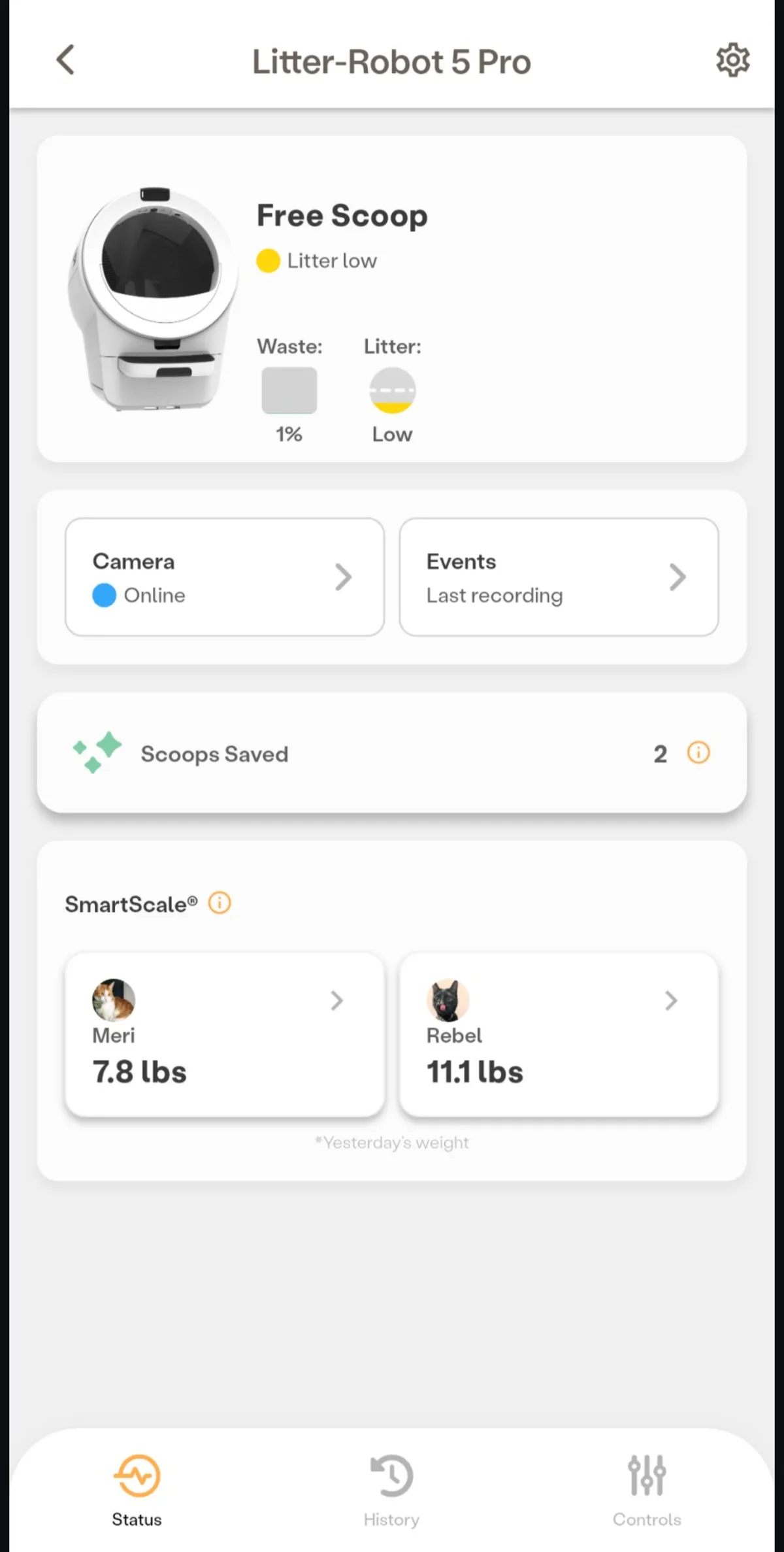
The 5 Pro is especially compelling for a multi-cat home because the app does more than report that the box ran. In the observed dashboard, the camera was online, a recent recording was available, the waste level read 1%, litter status was visible, two scoops had been saved, and cat profiles with SmartScale weights were present. That is a far more useful ownership view than a generic cycle counter. These are setup-day observations, not proof of mature long-term trends, but they show how much information the platform can organize in one place.
Whisker says the dual 1080p night-vision cameras support real-time streaming and recorded events. With the optional Whisker+ membership, visual cat identification can attach activity to a specific animal, which is particularly useful when two cats have similar weights. The standard SmartScale profile and weight features remain useful without pretending the box diagnoses disease. Treat a sustained change as a reason to look more closely and speak with a veterinarian, not as a medical conclusion from an appliance.
- Pick the 5 Pro when cameras, recorded animal events, and the deepest multi-cat visibility matter. Pick the standard 5 when you want the newer sensing platform without cameras, the 4 when reliable automation and app basics are enough, and the EVO when compact placement matters most.
Automation can reduce the daily scoop, but it does not settle every cat's preference or resource needs. In a multi-cat home, keep another acceptable box available during the transition and watch for queuing, avoidance, or accidents. Petful's separate guide to whether automatic litter boxes are safe for cats owns the broader safety and veterinary context.
What Makes a Great Automatic Litter Box
A great automatic litter box cleans consistently, keeps waste contained, fits the cats who will use it, and makes maintenance easier without hiding important activity. Premium buyers should add one more criterion: whether the setup and software are as polished as the hardware. Litter-Robot 5 Pro cleared that observed usability test immediately, while long-term reliability, odor performance, and cat acceptance still need time.
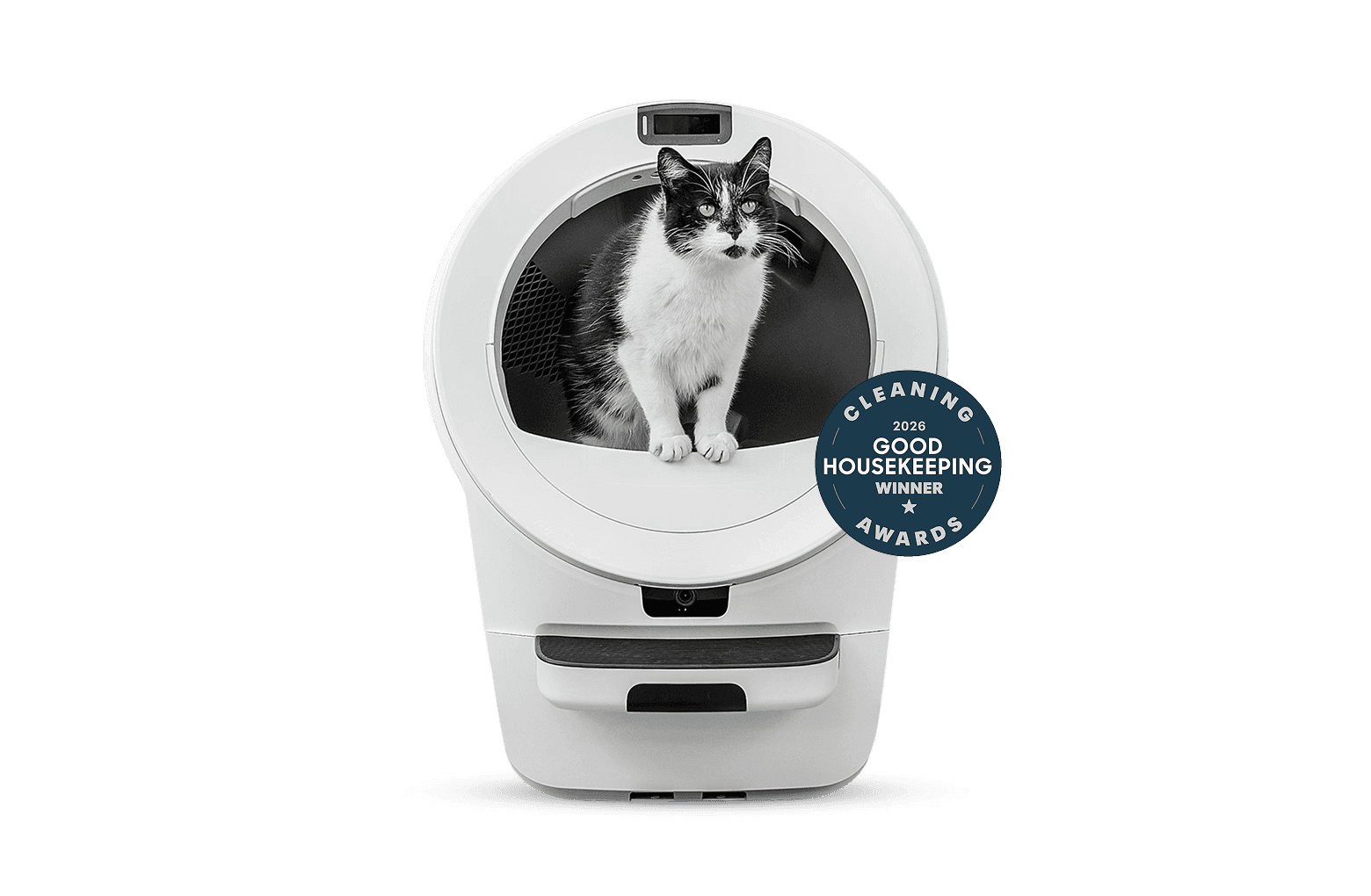
The flagship AI-powered Litter-Robot with dual cameras, WasteID, SmartScale weight tracking, and low-light monitoring. Backed by a 90-day in-home trial and WhiskerCare warranty.
Petful may earn a commission when you click through to Whisker, at no extra cost to you.
Cleaning mechanism
The mechanism is the heart of the box, and there are three common designs. Rotating-globe systems (the Litter-Robot approach) tumble the litter, sift clumps through a screen, and drop them into a drawer below, which is quiet, thorough, and gentle on the cat. Rake-style boxes drag a comb across a flat bed and are cheaper, but they smear soft stool and leave more residue, so they need more hands-on intervention. Self-washing systems like CatGenie flush waste and wash granules with water, which removes the drawer entirely but ties you to a plumbing connection. The mechanism also dictates litter compatibility: sifting globes need hard-clumping clay, while crystal-tray and self-washing designs use their own media. Match the mechanism to the litter you are willing to keep buying, because fighting the machine on litter is the fastest route to jams. For cats that dislike an enclosed globe, a top-entry litter box is another route.
Capacity and drawer size
Check two numbers before anything else: the maximum cat weight and the number of cats supported. Under-buying capacity is the multi-cat mistake that quietly ruins the experience, because a full drawer means missed cycles and a box your cats start avoiding. Per litter-robot.com, Litter-Robot 5 and 5 Pro lead the line at up to 5 cats and 2 to 30 pounds, Litter-Robot 4 handles up to 4 cats and 3 to 25 pounds, and the compact EVO tops out at 2 cats and 3 to 19 pounds. Drawer size matters just as much as the cat count: a larger sealed drawer means fewer trips to empty it, which is the daily-life difference between a box that feels automatic and one that feels like a chore. For a household with a large breed like a Maine Coon or Ragdoll, that upper weight ceiling is the spec that matters most, and it is exactly why the Litter-Robot 5 line exists.
Odor control
Sealed waste drawers with carbon filters contain odor best, because waste drops out of the air within minutes of the cat leaving and the filter traps what is left. Open-top boxes seal less but win acceptance from cats that hate enclosures, and crystal-tray systems sit in the middle. The Litter-Robot drops each clump into a closed, carbon-filtered drawer; Whisker recommends replacing that filter every two to four weeks for best results. For most homes fighting smell, a sealed drawer is the deciding feature, and it gets more important the more cats you have. If you want to pair the box with the right litter for odor, our guide to the best cat litter for odor control covers the formulas that help most. On the litter itself, our eco-friendly cat litter guide weighs the greener options that still clump well.
- 1The three specs to lock first: capacity (max cats and weight range), a sealed carbon-filtered drawer for odor, and per-cat weight tracking for health.
- 2The Litter-Robot line covers all three: up to 5 cats and 2 to 30 lb on the 5 line, a closed carbon-filtered drawer, and SmartScale per-cat tracking on every model.
- 3Match the spec to your home before you compare brands, because a box that fits your cat count and weight range is the box your cats will actually use.
Multi-cat handling and useful tracking
In a multi-cat home, anonymous visit totals are less helpful than individual context. SmartScale uses weight data to organize profiles, while the 5 Pro cameras can add visual confirmation and, with Whisker+, visual cat identification. The practical value is awareness: an owner can notice that one cat's normal pattern appears different and decide whether closer observation or veterinary advice is appropriate. The system supports attention; it does not replace a diagnosis.
App controls, camera access, and recorded events
The Whisker app is where the flagship hardware becomes understandable. During setup, it brought camera status, event recording, waste percentage, litter status, saved scoops, and cat profiles into one dashboard. Whisker documents limited daily real-time streaming and recorded events on the free experience, while Whisker+ adds unlimited streaming, visual cat identification on the 5 Pro, longer history, and deeper trends. Buyers should value the free functions first and treat the membership as a recurring upgrade.
- Whisker says the free experience includes core controls, recorded events, limited daily live streaming, and a 7-day look at visits and individual weights. Whisker+ is currently $7.99 monthly or $79.90 yearly after a trial and adds unlimited streaming, visual cat identification on the 5 Pro, longer video and activity history, and expanded insights. Confirm current terms before buying.
Safety sensors and cat size
Every reputable automatic box uses weight or motion sensors to pause cycling the instant a cat steps in or approaches. Confirm the unit has redundant sensors, especially in homes with kittens or curious cats, since this is the feature that makes a machine safe to leave running unattended. Cat size cuts both ways: a kitten under the box's weight minimum may not trip the sensor reliably, and a very large cat needs both the weight headroom and a wide entry. The Litter-Robot 4 uses a 15.75 by 15.75 inch entry sized for big breeds. If you want to dig into the safety question before choosing, start with our guide on whether automatic litter boxes are safe for cats.
Litter compatibility
Using the wrong litter is the top cause of cycling jams, and it is the number-one reason people wrongly conclude an automatic box does not work. Sifting globes require hard-clumping clay; crystal-tray and self-washing systems use their own media and will jam on clay. Lightweight, biodegradable, and non-clumping litters tend to crumble through the sifting screen instead of clumping, which fouls the cycle. Check the manual before you switch litters, and if you run a Litter-Robot, stick with a firm-clumping clay so the box can lift each clump out cleanly.
Noise
An automatic box runs on its own schedule, including overnight, so cycle noise is a real comfort factor, especially if the box lives near a bedroom or in a studio apartment. Globe systems are generally quieter than rake systems because they tumble rather than scrape. Whisker addresses this directly with QuietSift technology on the Litter-Robot 5 line and the EVO, which is designed to soften the sound of the cleaning cycle. If your box has to share space with where you sleep, noise belongs near the top of your criteria list, not the bottom.
Footprint
Premium globe boxes are tall, and they need real floor space plus clearance above for the lid or globe to move. Per litter-robot.com, the Litter-Robot 4 is about 22 inches wide, 29.5 inches tall, and 27 inches deep; the Litter-Robot 5 line stands about 29.9 inches tall on a 22 by 27 inch footprint; and the EVO is the smallest at roughly 27.6 inches tall on a 20.6 by 24.3 inch footprint. Measure the spot you have in mind, including vertical clearance, before you buy. In a tight bathroom or apartment, the EVO's smaller footprint is often the deciding factor over the larger models.
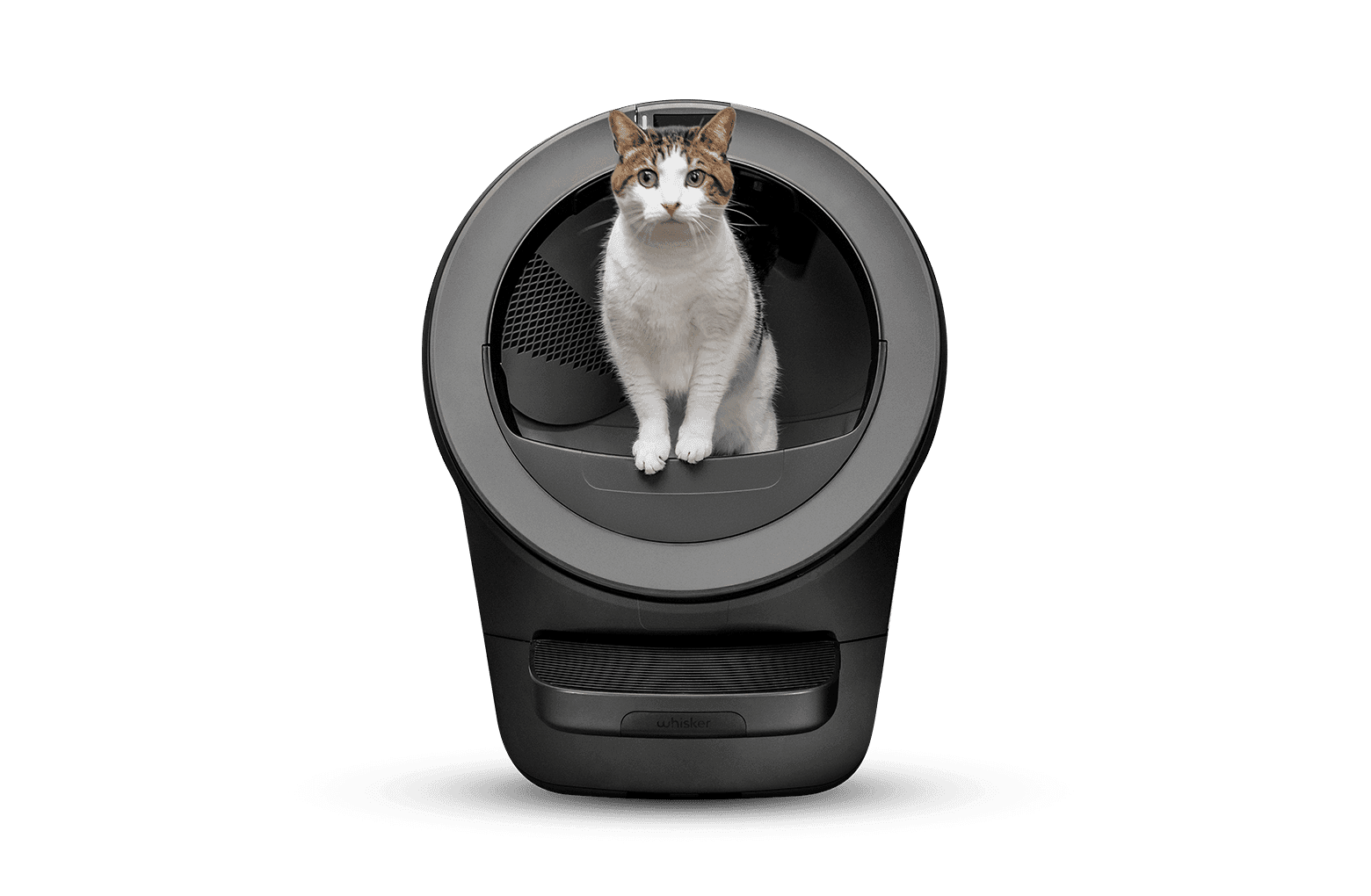
Next-generation Litter-Robot with WasteID, upgraded sensing, and support for up to 5 cats, without the Pro's cameras. Includes the 90-day in-home trial and WhiskerCare warranty.
Petful may earn a commission when you click through to Whisker, at no extra cost to you.
Price, warranty, and trial period
Expect roughly $500 to $900 for a premium globe box and less for budget tray systems. Per litter-robot.com, the EVO starts around $599, the Litter-Robot 4 around $699, the Litter-Robot 5 around $799, and the 5 Pro around $899 (check current price). Every Litter-Robot includes a one-year warranty, with an optional three-year WhiskerCare extension for about $100. The decisive feature, though, is the documented 90-day in-home trial: it de-risks the one thing specs cannot predict, which is whether your specific cat will accept the box. Favor a real trial window over a hard return policy, because acceptance is the variable you cannot read off a spec sheet.
How Automatic Litter Boxes Work
An automatic litter box works by sensing when a cat has used it and then mechanically separating clumped waste from clean litter into a sealed container, so you are not scooping by hand. On a rotating-globe box like the Litter-Robot, the cat enters, a weight sensor logs the visit and pauses any cycle, and a set time after the cat leaves the globe slowly rotates, sifting clumps through a screen while clean litter falls back into place. The waste drops into a carbon-filtered drawer below, and the app records the visit. The whole cycle is automatic, quiet, and built around not disturbing the cat.
Sensors are the safety foundation. A compatible unit should detect entry, pause or prevent a cycle while a cat is present, and wait until the cat has left before sifting. Follow the manufacturer's minimum-weight guidance, supervise kittens and new users, and keep a standard box available until the cat accepts the new setup. Those precautions matter more than cycle speed.
After separation, two systems do the quiet work that owners actually feel day to day. The sealed, carbon-filtered drawer keeps waste out of the air between empties, and the app turns each visit into data, logging weight and frequency per cat and alerting you when the drawer is full. On the Litter-Robot 5 line, WasteID adds a layer that distinguishes urine from feces, and the 5 Pro's cameras add visual confirmation. Understanding this flow, sense, wait, sift, seal, and log is the fastest way to diagnose problems later: almost every complaint about an automatic box traces back to one of these stages, usually the litter feeding the sift step or the cat refusing the enclosure at the sense step.
Why Litter-Robot 5 Pro is our premium top pick
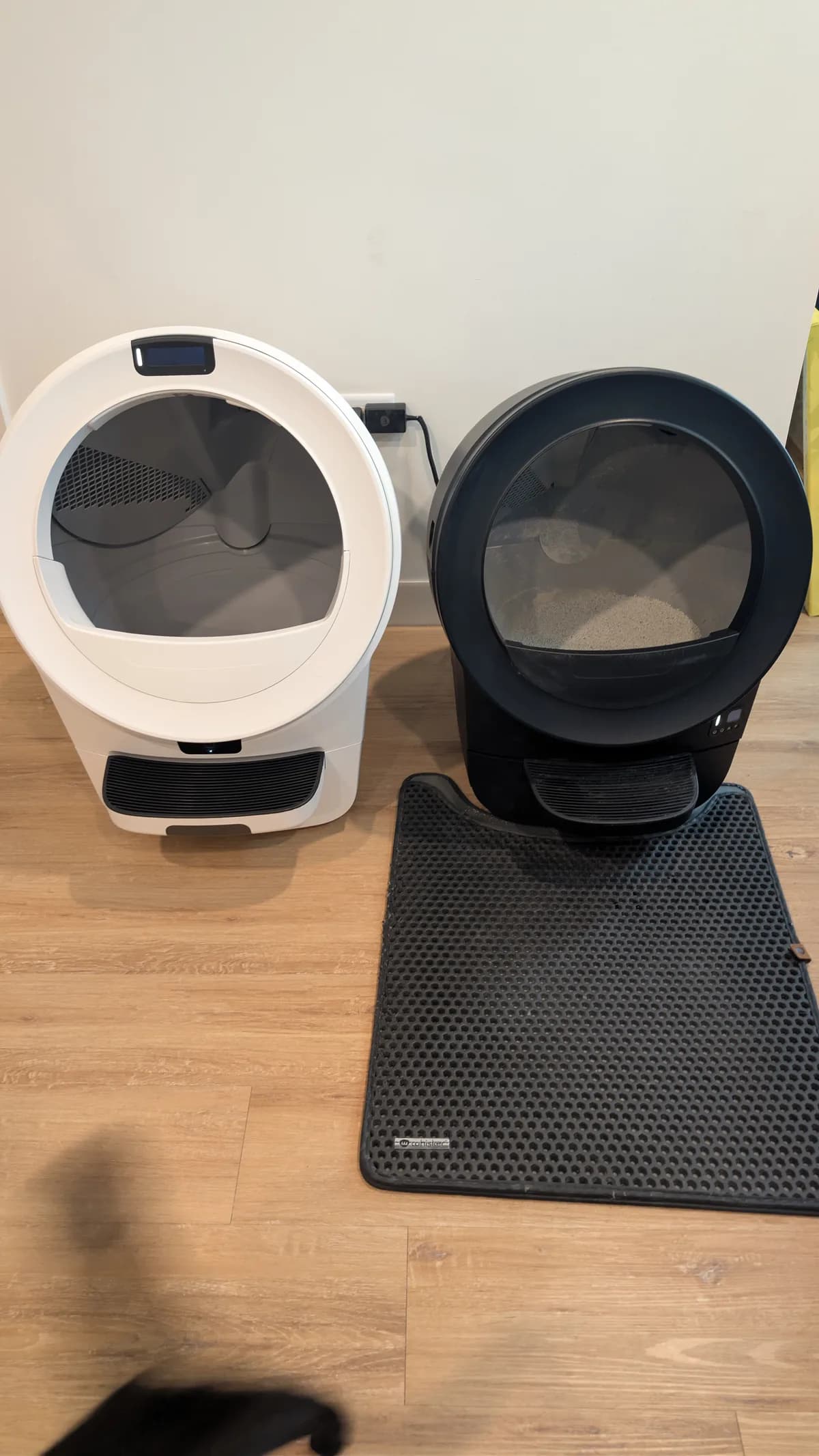
The Litter-Robot 5 Pro leads this guide because the premium promise is visible in the whole experience, not just a spec sheet. The white unit looks and feels high-end, the on-device guidance is clear, the Wi-Fi connection was immaculately smooth, and adding it as another robot in an existing account was simple. Once online, the app exposed camera status, recordings, waste percentage, litter status, saved scoops, and cat profiles in a layout that was easy to understand. That combination of hardware polish and software clarity is the information gain most comparison pages cannot provide.
| Model | Best for | Monitoring level | Current price guidance |
|---|---|---|---|
| Litter-Robot 5 Pro | Premium multi-cat monitoring | Dual 1080p night-vision cameras, recordings, WasteID, SmartScale, and optional Whisker+ visual cat ID | As low as $899 |
| Litter-Robot 5 | Newer sensing without cameras | WasteID and SmartScale without the Pro camera hardware | As low as $799 |
| Litter-Robot 4 | Established hands-off cleaning | App control and SmartScale on the proven globe platform | Check current price |
| Litter-Robot EVO | Smaller spaces and lighter-use homes | Compact automatic sifting and app connectivity | Check current price |
Litter-Robot 5 Pro: the premium top pick
The Litter-Robot 5 Pro is the model we would choose when the goal is the fullest premium experience rather than the lowest entry price. Whisker lists it as low as $899 and equips it with dual 1080p night-vision cameras, WasteID, SmartScale, real-time streaming, and recorded events. The firsthand advantage is equally important: setup was extremely easy, Wi-Fi connected smoothly, and adding the new unit beside another robot in the app felt polished from start to finish. Read our full Litter-Robot 5 Pro review for the evidence-bounded walkthrough.
- Exceptional observed setup flow and Wi-Fi onboarding
- Dual 1080p night-vision cameras with streaming and recorded events
- Waste, litter, saved-scoops, weight, and profile visibility in one app
- Premium hardware with up-to-five-cat positioning from Whisker
- 90-day in-home trial and one-year warranty
- Flagship price starts as low as $899
- Visual cat identification and the deepest history require Whisker+
- Large 22 by 27 inch footprint needs a measured location
- This evaluation has not yet established long-term reliability, odor performance, or cat acceptance
Litter-Robot 5: newer sensing without the cameras
The standard Litter-Robot 5 is the logical step down when you want WasteID and SmartScale on the newer platform but do not need camera streaming or recorded animal events. Whisker lists it as low as $799. That makes the choice straightforward: the Pro premium buys the dual-camera hardware and the option for visual cat identification, while the standard 5 preserves the core automatic sifting and data features. Our Litter-Robot model comparison owns the complete spec-by-spec decision.
- Choose the 5 Pro for cameras and recorded animal events, the standard 5 for newer sensing without cameras, the 4 for the established core experience, and the EVO for compact placement. The right model is the one whose monitoring, capacity, and footprint you will actually use.
Litter-Robot 4: the established core experience
The Litter-Robot 4 remains a strong fit for buyers who want automatic sifting, app control, and weight tracking without paying for the 5 Pro camera system. It is also the model with the longest established public track record in the current family. The trade is simple: you give up the Pro's video layer and the 5 series WasteID features in exchange for a lower-cost, mature platform. Petful's Litter-Robot 4 review covers that narrower buying decision.
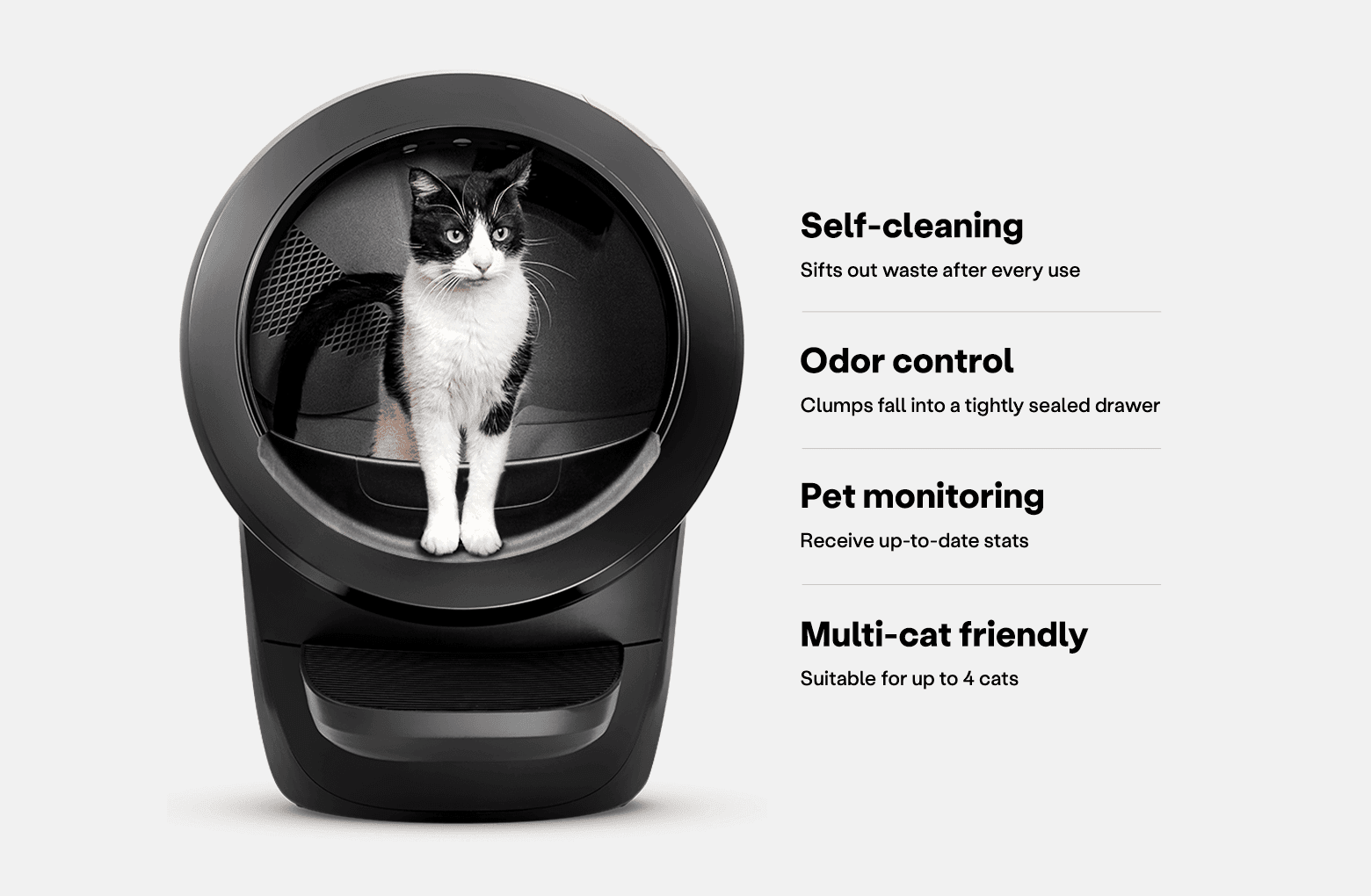
The proven Litter-Robot trusted by 1.8M+ households, with real-time litter and waste tracking in the Whisker app. The established pick if you want Litter-Robot reliability for less.
Petful may earn a commission when you click through to Whisker, at no extra cost to you.
The Litter-Robot EVO: the compact Litter-Robot
For apartments and tight bathrooms, the Litter-Robot EVO (around $599, check current price) keeps the sealed-drawer odor control and app connectivity of the bigger units in a smaller footprint, with QuietSift cycling for lower noise. Per litter-robot.com it stands about 27.6 inches tall on a 20.6 by 24.3 inch footprint and supports cats from 3 to 19 pounds and up to two cats, with the same SmartScale per-cat weight tracking and a 7-day free visit history. The trade-offs are a lower weight ceiling and a two-cat limit, which rarely bite for one or two average-size cats in a studio, and they are precisely the trade you want when space is your constraint. Our Litter-Robot EVO review digs into noise, capacity, and how it holds up against the LR4 day to day.
How Litter-Robot compares with other automatic litter box designs
Automatic litter boxes solve the same chore in different ways. A rotating globe sifts clumps into a drawer, a rake moves waste across a flat bed, an open-top design prioritizes access, and a self-washing system trades the drawer for plumbing and proprietary granules. The Litter-Robot advantage is breadth: a sealed waste path, smart sensing, multiple model sizes, and a premium camera option within one family.
| Design | Best fit | Important tradeoff |
|---|---|---|
| Litter-Robot rotating globe | Buyers who want sealed sifting, app controls, and model choice | Requires compatible clumping litter and an enclosed globe your cat accepts |
| Open-top automatic box | Cats that resist enclosed spaces | Less physical odor containment and more exposed litter |
| Rake and tray system | Lower entry price and simple replacement trays | Ongoing proprietary tray cost and possible residue on the rake |
| Self-washing system | Owners who want no waste drawer | Requires a suitable water and drain connection plus proprietary granules |
The Litter-Robot 5 Pro does not have to be the cheapest machine to be the best premium choice. Its argument is integration: the unit, display, Wi-Fi setup, app, camera, recordings, and household data worked together cleanly during the observed setup. Buyers who prioritize open access, plumbing-based washing, or a smaller initial spend may prefer another mechanism, but those are different priorities rather than a failure of the flagship.
How we compared automatic litter boxes
- Cleaning mechanism: how the box separates clean litter from waste and what maintenance remains.
- Cat fit: supported weight, entry size, interior room, and the practical transition for an enclosed globe.
- Household capacity: how the system handles multiple cats, visit context, and drawer attention.
- Monitoring value: whether cameras, WasteID, SmartScale, alerts, and recordings lead to clearer decisions.
- Setup quality: on-device guidance, Wi-Fi onboarding, account pairing, and second-robot management.
- Ownership cost: purchase price, optional membership, compatible litter, warranty, and trial terms.
- Evidence quality: firsthand observations are separated from manufacturer specifications and untested long-term outcomes.
- Buyer fit: the final recommendation accounts for floor space, budget, monitoring needs, and the individual cat's acceptance.
This automatic litter box review uses a decision-first method. We compared the cleaning mechanism, supported cat size, practical household capacity, waste containment, sensor design, litter requirements, app usefulness, footprint, warranty, trial, and the amount of evidence behind each claim. We gave extra weight to the parts an owner has to live with after the product page is closed: setup friction, the clarity of alerts, the ability to understand a multi-cat household, and how much maintenance remains.
The method separates specifications from observations. A manufacturer can document camera resolution, dimensions, trial length, or supported weight. Petful can directly report that the white 5 Pro connected to Wi-Fi easily and joined an existing account without trouble. Neither source alone proves years of reliability, universal cat acceptance, or a particular odor result. Keeping those evidence types separate makes the recommendation stronger, not weaker.
We also resisted treating every feature as equally useful. A colorful dashboard is not automatically valuable, but a clear waste percentage can change when an owner empties the drawer. A camera is not automatically useful, but a recorded event can provide context for a specific animal. A premium price should buy lower friction and better decisions, which is the standard the 5 Pro met during setup.
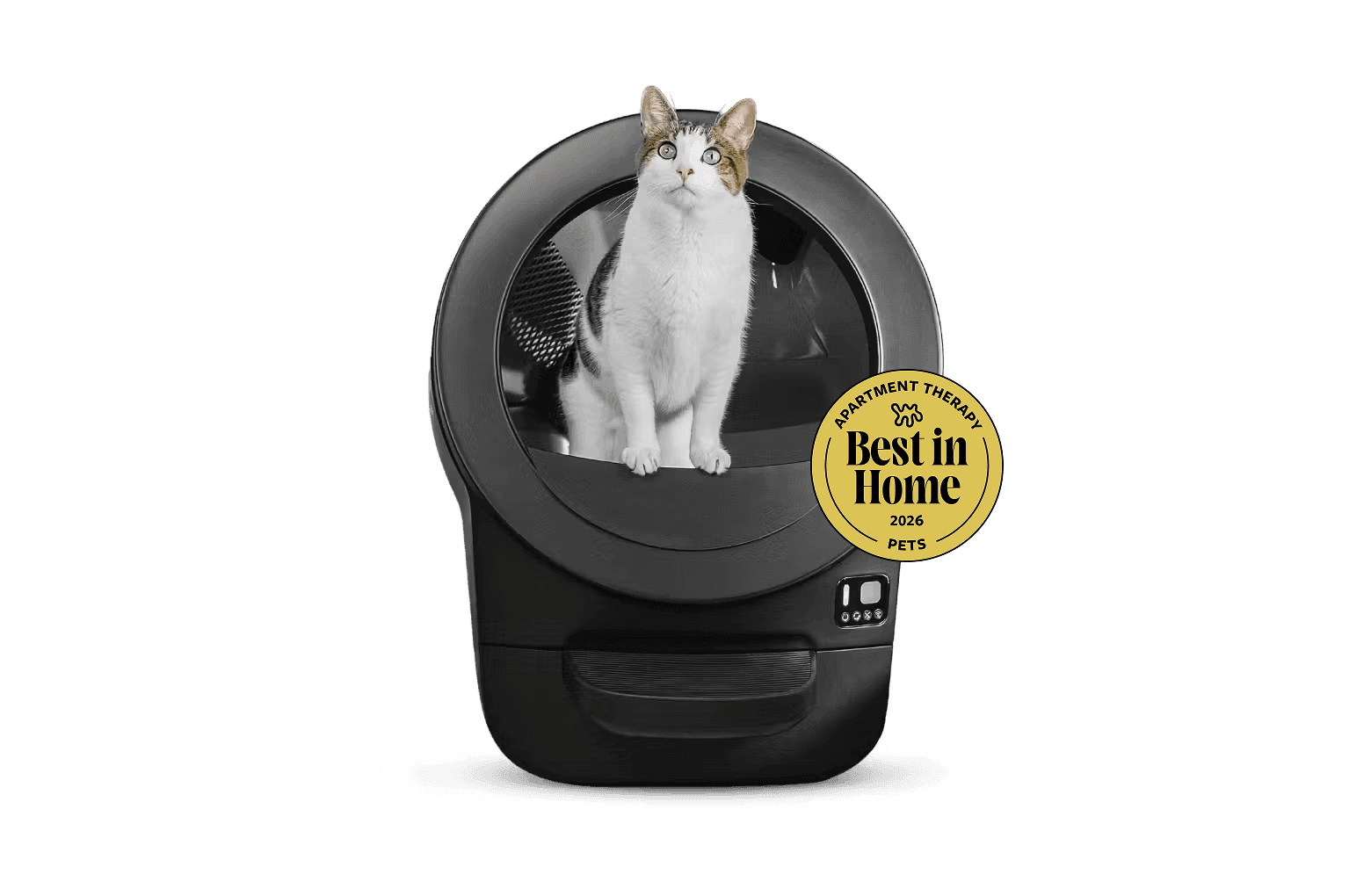
The most compact Litter-Robot, built for smaller spaces and single-cat homes while keeping automatic sifting and app connectivity at the lowest Litter-Robot price.
Petful may earn a commission when you click through to Whisker, at no extra cost to you.
Best automatic litter box for large cats
The best automatic litter box for large cats needs more than a high weight maximum. Entry dimensions, interior headroom, turning room, and the cat's willingness to use an enclosed globe matter too. Whisker lists the Litter-Robot 5 Pro for cats from 2 to 30 pounds, with a 15.75 by 15.75 inch entry and about 17.5 inches of interior headroom. Those measurements give the 5 series a strong paper fit for bigger cats, but the 90-day trial is what lets the individual cat settle the question.
If you are searching for the best automatic cat litter box for large cats, measure the cat as well as the available room. A product can support the weight and still feel too enclosed to a particular animal. Keep the old box available during the transition, place the robot where the cat can approach without feeling cornered, and watch posture and willingness rather than judging success from one curious visit.
Best automatic cat litter box for multiple cats
The best automatic cat litter box for multiple cats should make shared use more visible, not merely claim a high capacity. The 5 Pro combines Whisker's up-to-five-cat positioning with SmartScale profiles, recorded camera events, and optional visual cat identification. In the observed app, the waste, litter, saved-scoops, camera, events, and profile views were already organized together. That is the practical advantage of a premium multi-cat system.
A multi cat automatic litter box still needs a household plan. Several cats fill the drawer more quickly, similar weights may complicate profile attribution, and one enclosed globe may not satisfy every cat's preferred access. Treat the robot as one well-instrumented resource in the home, then add another acceptable box when traffic, avoidance, or territorial behavior says the household needs it.
What a premium automatic self-cleaning litter box should buy
A premium automatic self-cleaning litter box should buy more than removal of the daily scoop. It should reduce setup confusion, contain waste, make status easy to understand, provide useful support and trial terms, and turn smart hardware into information an owner can act on. The 5 Pro's flagship case is strongest because those layers appeared coherent from the first setup rather than feeling like separate accessories.
That is why our top-rated decision differs from a lowest-price decision. A best rated automatic litter box for one buyer may be the simplest model that runs a reliable cycle. For a buyer who wants the most complete system, the 5 Pro earns the lead through the combination of automatic cleaning, video, recordings, WasteID, SmartScale, and a smooth multi-device app experience.
Odor and waste handling: what the hardware can do
A rotating globe moves clumped waste out of the open litter bed and into a drawer after the programmed delay. That design should reduce the time waste remains exposed, while the drawer liner makes disposal more contained. Our original photograph shows the 5 Pro drawer and liner arrangement clearly. Because this was a setup-day evaluation, Petful is not assigning a long-term odor score yet; litter choice, filter condition, drawer frequency, and cat count all influence the result.
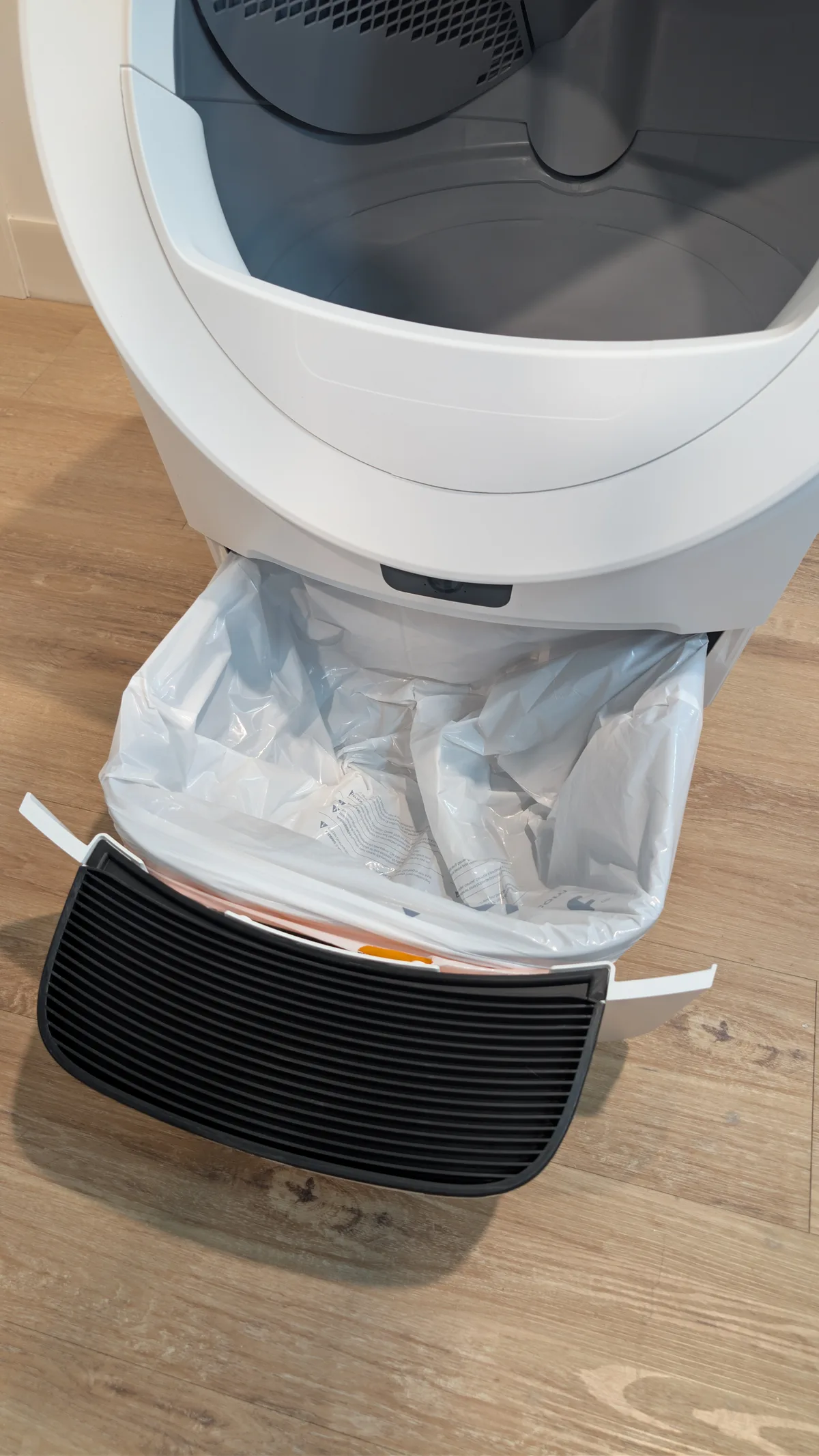
Tracking and cleanup also depend on the surrounding setup. A litter that forms tight clumps is easier for the globe to separate, a mat can catch granules at the entry, and a level hard floor supports consistent sensing. Buyers should evaluate the entire station rather than expecting one appliance to eliminate every piece of litter maintenance.
Odor control is also a maintenance habit, not just hardware. A sealed drawer still has to be emptied (roughly weekly per cat) and the carbon filter still has to be swapped on schedule, or the system loses its edge. The advantage of the Litter-Robot here is that the app removes the guesswork: a drawer-full alert tells you when to empty, so the seal is doing its job instead of overflowing. The right litter helps too, since a firm-clumping clay locks moisture into a clump the box can lift out cleanly, and pairing the box with a cat litter built for odor control keeps both odor and clumping at their best.
Setup, first impressions, and ongoing maintenance
Setup was one of the strongest parts of the Litter-Robot 5 Pro experience. The on-device display guided the sequence, the scan completed successfully, the unit joined Wi-Fi smoothly, and the Whisker app accepted it as an additional robot without confusion. Nothing about the process felt like wrestling with a first-generation smart appliance. For a high-end product, that seamless onboarding is exactly what buyers should expect, and here it delivered.
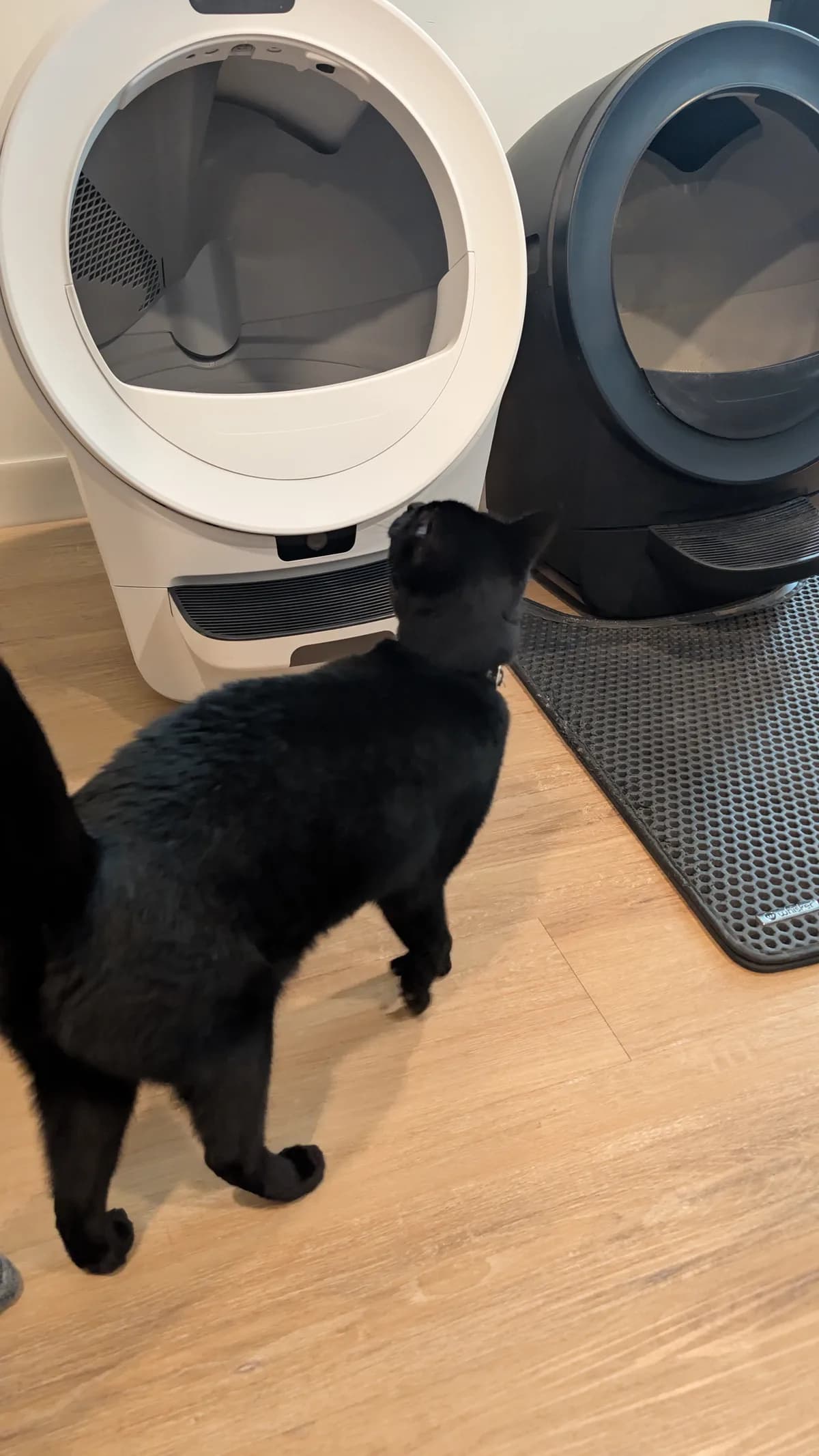
Adding another robot to the Whisker app
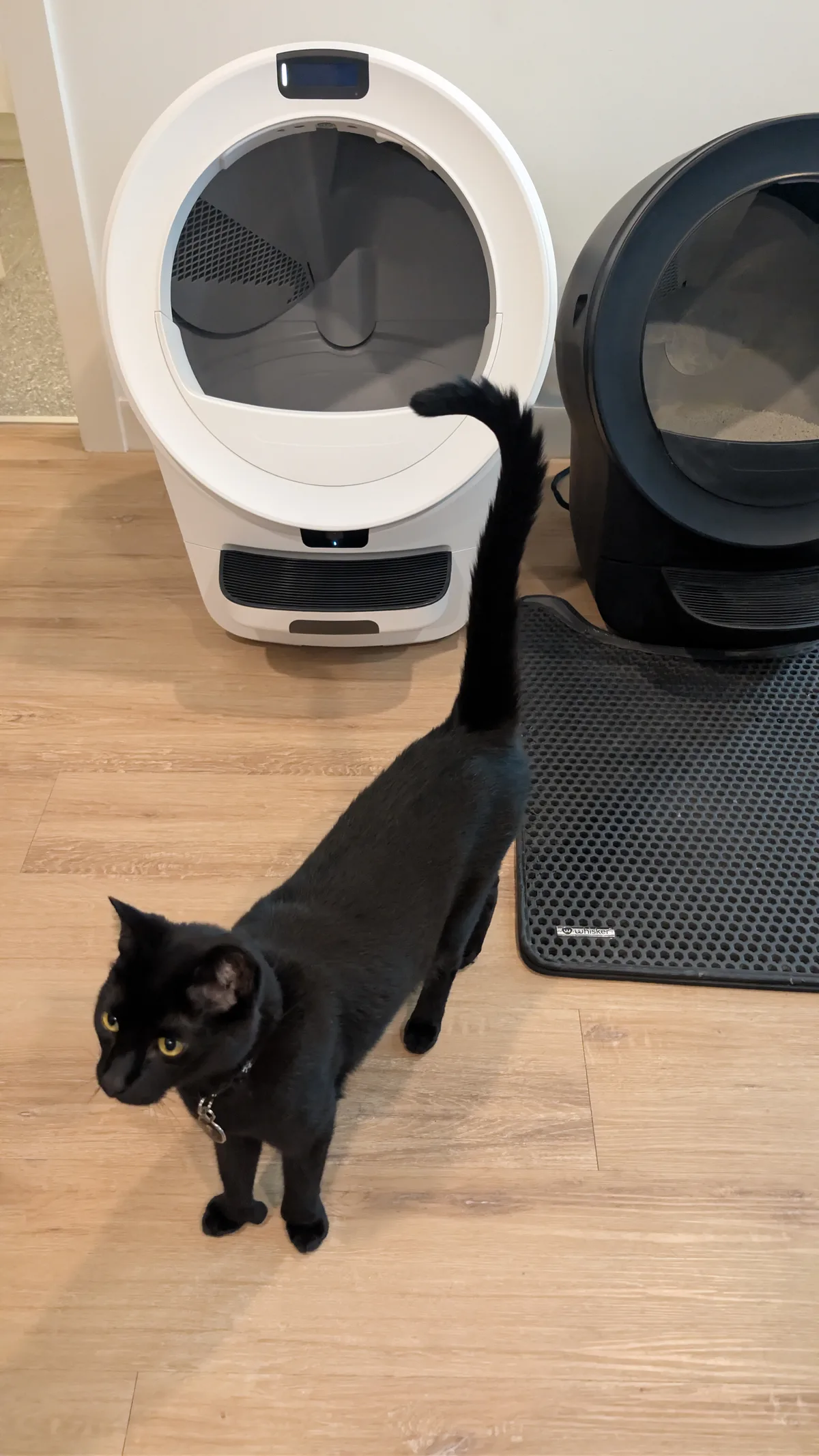
The existing account already contained another Litter-Robot, which made the test more demanding than a first-device setup. The new white 5 Pro still joined cleanly and appeared alongside the existing robot. That matters for multi-cat or multi-floor homes because a second device should expand the system without creating a second account or an unclear dashboard. Cat acclimation is a separate process: keep a familiar box available and let each cat approach on its own timeline.
Maintenance after setup
Ongoing care is lighter than daily hand scooping but not zero. Use compatible clumping litter at or just below the fill line, empty the drawer when the app indicates it is filling, replace liners and filters as needed, and wipe litter dust from the globe, entry, and sensor areas. The companion best litter for Litter-Robot guide covers the compatibility rules in depth.
What to check if the experience changes
If cycles become messy, first confirm the litter forms firm clumps and the globe is not overfilled. If readings look inconsistent, confirm the unit is level and sensor areas are clean. If a cat avoids the globe, pause the transition and keep an accepted box nearby. These checks protect the strongest part of the purchase, a system that felt easy at setup, without pretending every later issue has the same cause.
Living with a smart automatic litter box
The ownership routine is best understood as a series of small checks rather than a promise that litter care disappears. The app can tell you the camera is online, surface a recording, report waste percentage, show litter status, count saved scoops, and organize profiles. The owner still responds to that information by topping off litter, emptying the drawer, cleaning the globe, checking sensors, and watching whether the cat is comfortable.
Camera privacy and placement
A camera inside a litter box is valuable only when the household wants that visibility. Place the unit where it can connect reliably and monitor the intended animal without unnecessarily capturing unrelated private space. Review account security, device sharing, recording history, and membership retention settings. Buyers who do not want an internet-connected camera can choose the standard Litter-Robot 5, the 4, or EVO instead.
Waste amount, litter level, and saved scoops
Waste amount is one of the simplest and most useful app signals. A percentage can tell an owner whether the drawer is nearly empty or approaching attention without opening it. Litter status provides a separate reminder about the bed in the globe, while Scoops Saved translates completed cycles into a concrete convenience metric. In the setup-day dashboard, all three were visible at once, which made the system immediately legible.
These values still need common sense. A drawer percentage should be checked against the physical drawer until the household trusts its normal pattern. A low-litter alert should prompt a check of the molded fill line, not an automatic overfill. Saved scoops measure cycles completed, not necessarily hours of work or perfect waste removal. Useful data is more valuable when it stays connected to the physical box.
What to evaluate during the first 90 days
Use the in-home trial to record the questions that matter in your actual home: Does each cat enter comfortably? Does the chosen litter form clean clumps? How frequently does the drawer need attention? Are recorded events useful? Does the camera angle show what you expected? Do waste and litter alerts match physical checks? Is Whisker+ valuable enough to keep? A short log turns a general return window into a real buying test.
The same period is the right time to evaluate noise, placement, cleaning access, and whether another box remains necessary. A premium product can make the routine dramatically easier while still needing a location, supplies, and cat-first resource planning. Buyers who define success in advance are more likely to choose the right model and get full value from it.
Short-term convenience versus long-term value
Short-term value appears when the machine removes a daily task and makes status easy to see. Long-term value depends on whether the cat keeps using it, the chosen litter cycles cleanly, the drawer and globe remain easy to maintain, and the software continues to provide information the owner actually checks. Those are different time horizons, and a complete automatic litter box review should name both.
The setup-day evidence puts the 5 Pro in a strong starting position because the initial friction was so low. The longer-term verdict should be built from the trial period: consistent use, understandable alerts, useful recordings, stable network behavior, and maintenance that still feels lighter than the manual routine. That is the difference between an impressive demo and an appliance that earns its space.
Price, warranty, trial, and Whisker+
Whisker currently lists the Litter-Robot 5 Pro as low as $899. It includes a 90-day in-home trial and a one-year warranty. The optional Whisker+ membership is currently $7.99 per month or $79.90 per year after a trial and expands streaming, visual identification, video history, and activity history. Prices and terms can change, so confirm them at Whisker before purchase.
The value calculation is not only scoops avoided. The premium pays for a polished setup, remote status, camera access, recordings, waste and litter visibility, SmartScale profiles, and a family of models that can grow with a household. A buyer who will not use those features may be happier with a simpler model. A buyer who wants a high-end pet appliance with meaningful data can justify the flagship more easily.
- The 90-day in-home trial is the right window to evaluate cat acceptance, noise tolerance, placement, cleaning quality, odor, drawer frequency, and whether the app data changes your routine. Those are household outcomes that a setup-day review cannot honestly settle.
Are automatic cleaning litter boxes worth it?
Automatic cleaning litter boxes are worth it when the reduced scooping and contained waste meaningfully improve the household routine. The Litter-Robot 5 Pro adds a second kind of value: the camera and app make the box observable. During the real setup, the combination of a live camera state, recordings, waste percentage, litter status, saved scoops, and cat profiles made the premium positioning feel concrete rather than decorative.
The honest tradeoffs are price, size, compatible litter requirements, a paid membership for the deepest camera intelligence, and the fact that no automatic box can guarantee cat acceptance. Those are substantial considerations, but they do not erase the quality of the experience. For the buyer who wants the most advanced Whisker system and will use its monitoring features, the 5 Pro is an exceptionally strong choice.
- Place the automatic box where the cat can approach comfortably, keep a familiar backup available, preserve the litter type during the first transition, and supervise kittens or hesitant cats. Premium automation works best when the cat controls the pace.
Automatic litter box FAQs
Yes, automatic litter boxes can actually work well with compatible clumping litter and a cat that accepts the design. A well-designed automatic litter box separates clumped waste after a cat leaves, but it must suit the cat's size, placement, and transition. The Litter-Robot 5 Pro stood out in our firsthand setup because the guided display, Wi-Fi connection, additional-robot setup, and app dashboard all worked smoothly. Long-term performance still depends on maintenance and cat acceptance.
Automatic cleaning litter boxes are worth it for buyers who value reduced daily scooping, contained waste, and useful status data. The premium case is strongest in a multi-cat home or for an owner who will use camera recordings, waste and litter levels, and weight profiles. They are less compelling if you do not mind scooping or if your cat strongly prefers an open manual box. Value depends on whether those conveniences change the owner's daily routine.
Our premium top pick is the Litter-Robot 5 Pro. It combines automatic globe sifting with dual 1080p night-vision cameras, event recording, WasteID, SmartScale profiles, and an unusually smooth observed setup. The standard Litter-Robot 5, Litter-Robot 4, and EVO can be better values when cameras, the newest sensing, or maximum monitoring are not priorities. The best choice still depends on budget, available space, and what the household will actually use.
The downsides are the premium purchase price, a large footprint, the need for compatible clumping litter, continued drawer and cleaning maintenance, and the possibility that a cat needs a slow transition or rejects an enclosed globe. On the 5 Pro, visual cat identification and the deepest history also require Whisker+. The 90-day trial is the best way to test those household-specific risks before deciding whether the flagship experience fits the home.
Our number one premium automatic litter box is the Litter-Robot 5 Pro. The recommendation combines an exceptionally smooth firsthand setup with Whisker's dual 1080p night-vision cameras, recorded events, WasteID, SmartScale, and a 90-day in-home trial. Buyers who do not need cameras can step down to the standard Litter-Robot 5, Litter-Robot 4, or compact EVO. Households should still measure the space and let the cat's comfort determine whether an enclosed globe is suitable.
The best automatic litter box for a premium buyer is the Litter-Robot 5 Pro. Its hardware is high-end, but the decisive advantage is how easily the pieces worked together: guided setup, Wi-Fi, another robot in the account, camera status, recordings, waste and litter data, and cat profiles. Choose the 5, 4, or EVO when your needs are simpler; choose the 5 Pro when you want the flagship experience and will use the visibility it provides.

Coreen Saito is a pet writer and longtime shelter volunteer with more than a decade in animal rescue. She covers cat behavior, breed care, and the small, ordinary science of sharing a life with companion animals, with a particular focus on honest takes about the products and decisions that actually matter. At home in Arizona, she's outranked by Mac (a dog with the loudest opinion in the house), Rebel (a cat who governs by quiet authority), and Meri (an orange tabby who runs the late shift and the laundry basket). She writes about all three, plus the rescues that keep coming through her life, at LifeWithMinty.com.
Sign up for expert-backed reviews and safety alerts all in one place.

A Final Word (Disclaimer)
At Petful, our review integrity is paramount; we never exchange special treatment in our reviews for monetary or material rewards.
Nonetheless, when our readers click through to online merchants (including Chewy or Amazon), we receive a referral commission. This supports the running of our free blog, and we appreciate your backing.