Fourth of July Pet Safety: A Vet's Guide to Keeping Dogs and Cats Calm and Safe
For many dogs and cats, the Fourth of July is the scariest night of the year. This vet guide covers fireworks anxiety, cookout and heat hazards, current ID, and how to keep your pet calm, safe, and from bolting.

BVMS, MRCVS
Petful is reader supported. As an affiliate of platforms like Amazon and Chewy, we may earn a commission when you buy through links on this page. There is no extra cost to you.
For a lot of dogs and cats, the Fourth of July is the most frightening night of the year. The booms, flashes, and crowds that make the holiday fun for us read as danger to them, and every summer veterinary teams and animal shelters brace for the fallout. Good Fourth of July pet safety is mostly about preparation done in advance: a quiet, secure space set up before dark, current identification, and a calm plan you have practiced.
I am a veterinarian, and the good news is that with a little planning, the holiday can pass quietly for your pet. This guide walks you through exactly how to keep your dog or cat calm and comfortable, plus the cookout and heat hazards that send pets to the emergency room.
- 1The days around July 4 are among the busiest of the year for lost pets, so confirm ID tags and microchip details now, not on the night itself.
- 2Set up a quiet indoor safe room before the fireworks start, with windows and curtains closed and background noise to mask the booms.
- 3You cannot reinforce fear by comforting a scared pet, so stay home, stay calm, and offer reassurance.
- 4For pets with true noise phobia, ask your veterinarian about anti-anxiety medication well before the holiday.
- 5Keep grills, alcohol, toxic foods, sparklers, and glow sticks out of reach, and watch for heat and hot pavement.

Sign up for expert-backed reviews and safety alerts all in one place.
Why the Fourth of July Is So Hard on Pets
Dogs and cats experience fireworks as sudden, unpredictable explosions they cannot understand or escape. Their hearing is far more sensitive than ours, so the noise is louder and more startling, and the flashes, vibrations, and smell of smoke add to the panic. That fear triggers a flight response, which is why the days around July 4 are consistently among the busiest of the year for animal shelters taking in lost pets.
Petful may earn a commission when you click through to Chewy, at no extra cost to you.
Why Are Dogs Scared of Fireworks?
Dogs are scared of fireworks because their hearing is far more sensitive than ours, so each boom lands louder and more startling, and the random timing means they cannot predict it or get away. The bright flashes, ground vibrations, and smell of smoke pile on. Fireworks are not directly harmful to a pet kept well back from them, but the panic they trigger is the real danger, since a terrified dog or cat may bolt, injure itself, or run into traffic.
Noise phobia is a real, diagnosable condition, not a pet "being dramatic." Common signs of fear and stress include trembling, pacing, panting, drooling, hiding, clinging to you, refusing food, and trying to bolt. Even a confident, well-trained dog can panic and run, so a fence or a closed door is not always enough on its own.
 Sponsored
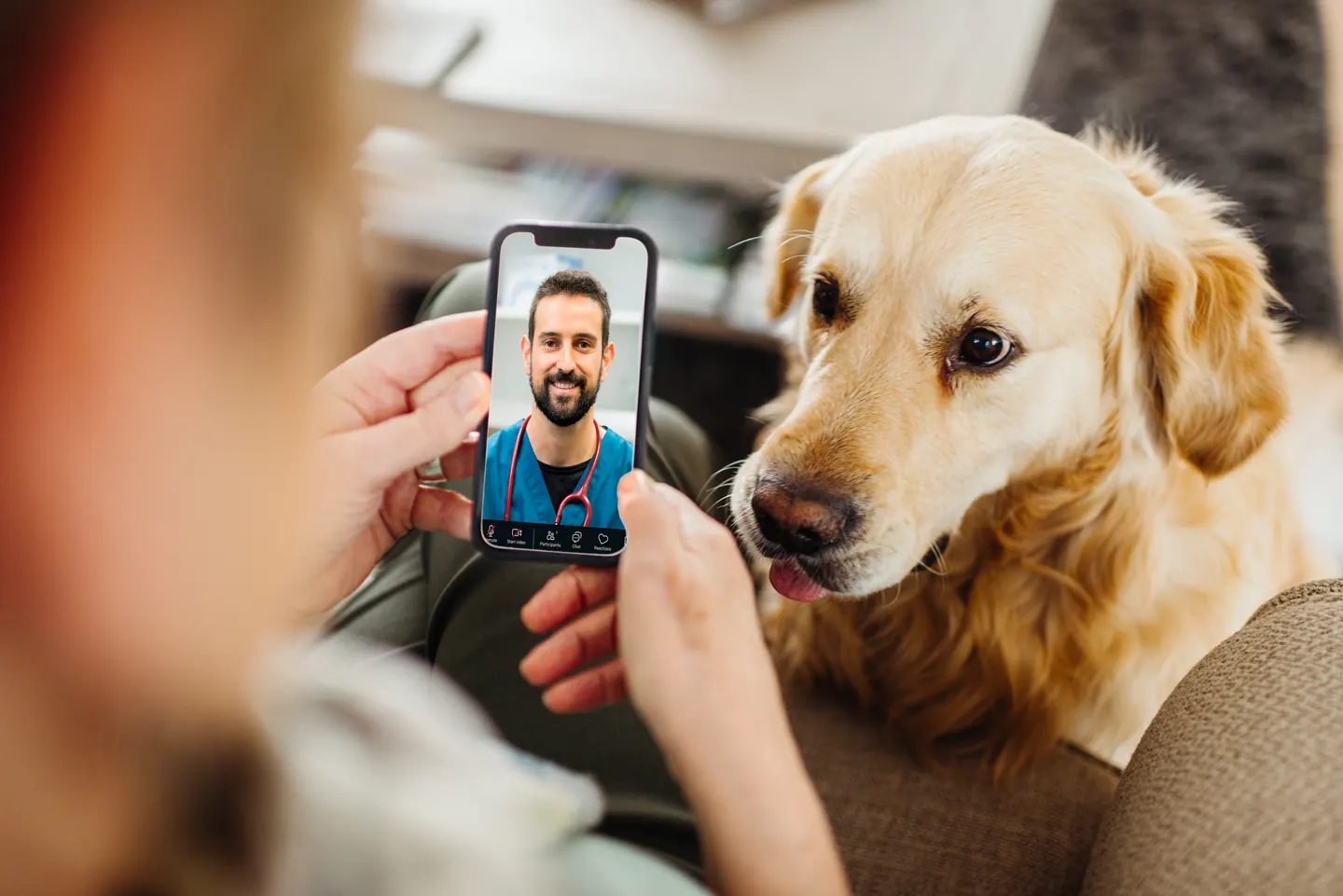
Want a vet's help with your pet's anxiety or behavior?
Talk to a licensed vet at Dutch over video, often the same day. They can recommend treatment and prescribe it when it's appropriate.
Use code Pets60
Plans start at $12/month · covers up to 5 pets
- Licensed vets in most states
- Rx for 150+ conditions
- 4.7 on Trustpilot
Before the Fireworks: Fourth of July Pet Safety Prep
The most important Fourth of July pet safety steps happen before a single firework goes off. Spend the days ahead on three things: identification, a safe space, and a calm routine.
Update ID Tags and Microchip Details
Because a panicked pet can slip a collar or dash through an open gate, current identification is the difference between a scare and a heartbreak. The American Veterinary Medical Association recommends that every cat and dog wear an ID tag with up-to-date information, and that microchipped pets have current contact details in the registry. If your pet is not microchipped yet, ask your vet; it is a quick procedure that greatly improves your odds of a reunion. Here is what it costs to microchip a dog.
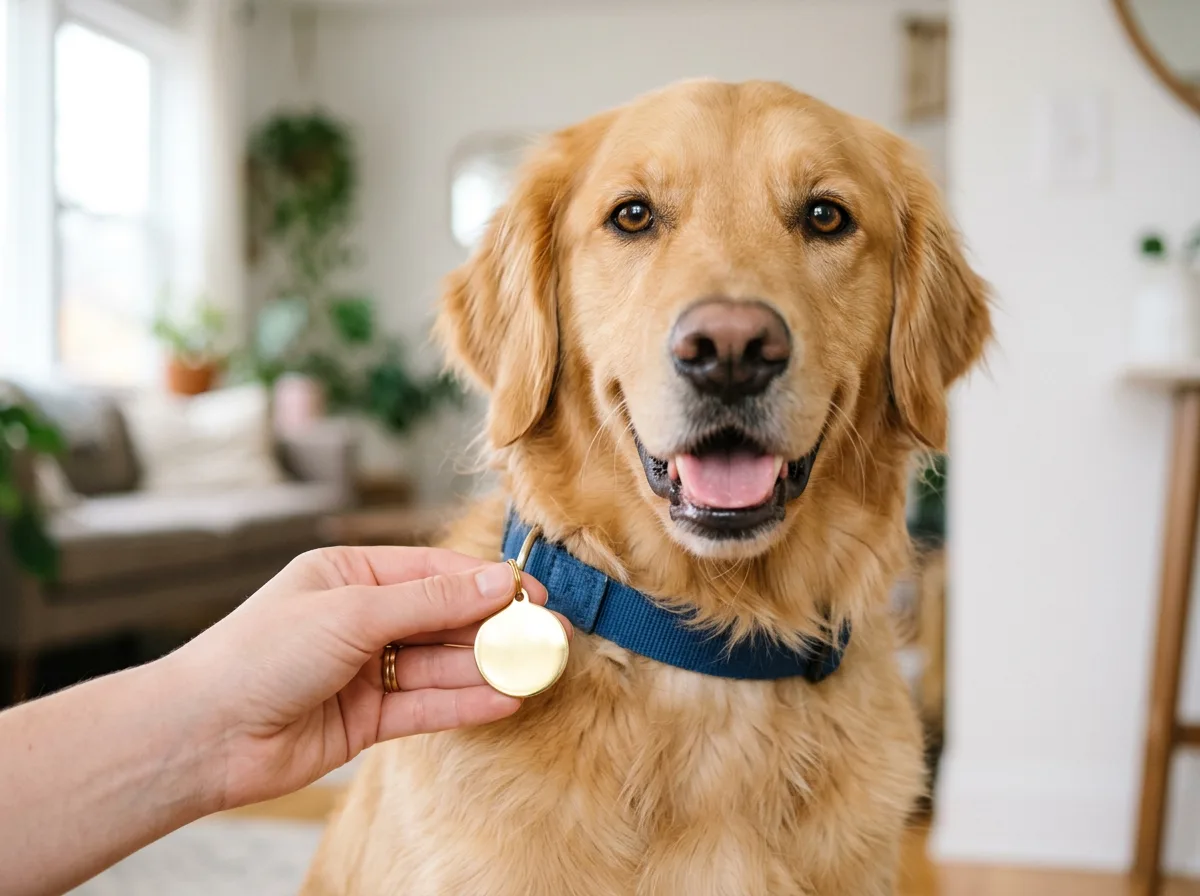
Store your pet's microchip number, ID details, vaccine records, and a recent photo in a single pet record, so if your pet ever bolts you can act fast and prove ownership.
Create a free pet recordSet Up a Quiet Safe Room
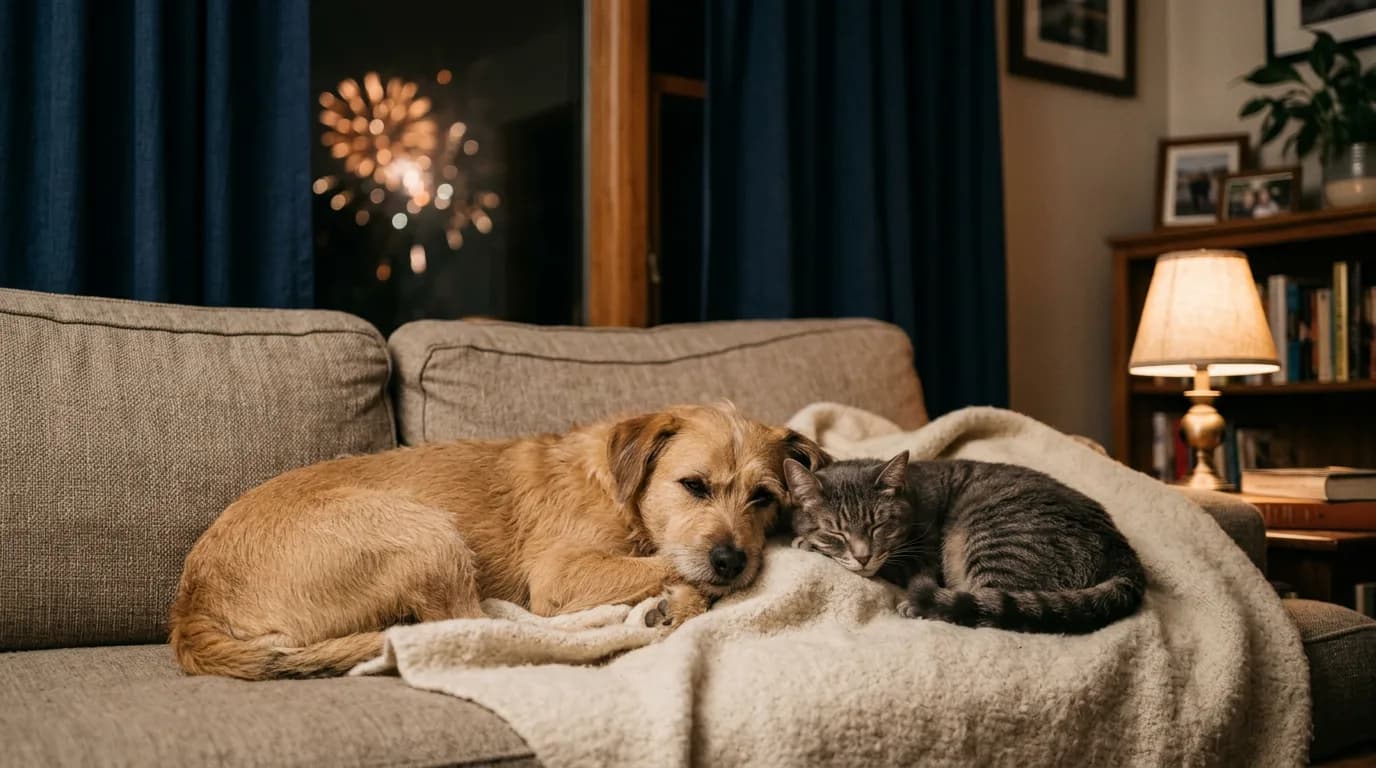
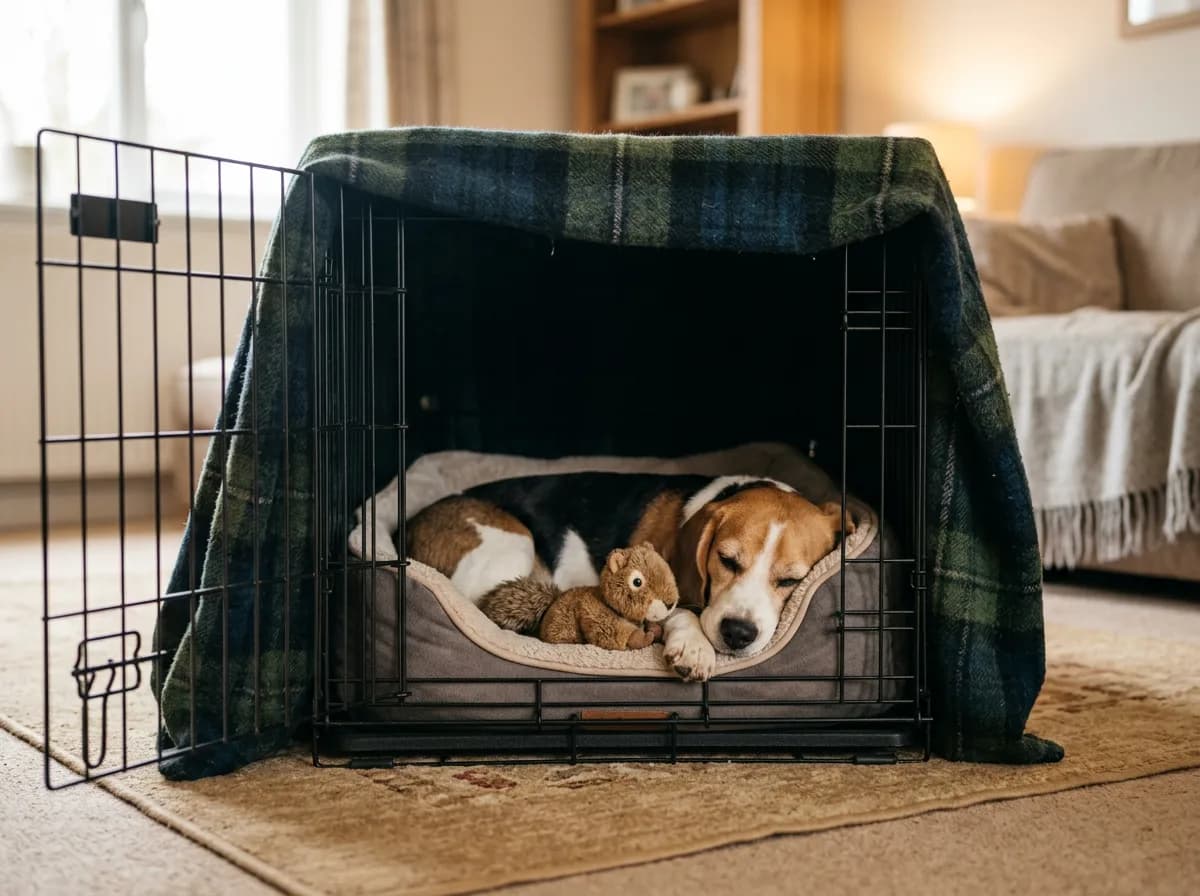
Pick an interior room with few or no windows, then make it cozy and escape-proof. Close the windows, blinds, and curtains to block flashes and muffle sound, and add steady background noise from a TV, a fan, or a white noise machine. Include your pet's bed, favorite toys, and an unwashed shirt that smells like you. An open crate draped with a heavy blanket makes a perfect den. The same calm-space approach works for storms, and our guide to calming a dog during a thunderstorm goes deeper on the den setup.
- Set the safe room up a few days early and let your pet relax there with treats and meals. A space that already feels normal is far more soothing than one introduced for the first time on a chaotic night.
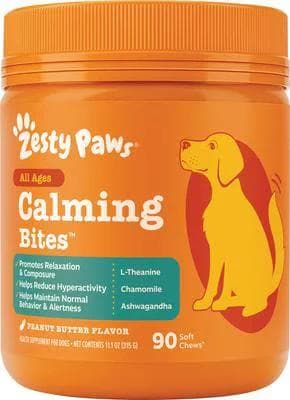
Peanut butter soft chews with L-theanine, chamomile, and ashwagandha to ease hyperactivity and support calm, relaxed behavior.
Petful may earn a commission when you click through to Chewy, at no extra cost to you.
Exercise and Feed Earlier in the Day
A long walk or play session earlier in the day burns off nervous energy, and a tired pet settles more easily once the noise starts. For high-energy dogs, our tips on calming an energetic dog help. Feed dinner before the fireworks begin too, since an anxious pet may be too stressed to eat later.
How to Keep Your Dog Calm During Fireworks
To keep your dog calm during fireworks, create a secure indoor safe haven, mask the noise, give a long-lasting distraction, and stay nearby acting relaxed yourself. Work through these steps as the fireworks start:
- Soundproof and block light by closing every window, blind, and curtain.
- Mask the noise with a TV, a fan, or white noise, and try dog calming music. Cornell University's veterinarians note that calming classical or reggae music can measurably lower canine stress, and there are streaming playlists made specifically for anxious dogs.
- Distract with a high-value treat, such as a stuffed frozen Kong, a lick mat, or a puzzle feeder, to redirect focus and create a positive association.
- Stay calm yourself. Dogs read your body language, so moving slowly and speaking gently tells them there is no real threat.
If your dog struggles every year, it is worth building a longer-term plan for managing anxiety in dogs with desensitization training during the calmer months.
Calming Aids and Anxiety Products That Can Help
Several over-the-counter aids can take the edge off a stressful night. They work best for mild to moderate anxiety and when introduced before the holiday so your pet is already used to them:
- Pressure wraps and anxiety vests, which apply gentle, constant pressure that works like a calming swaddle.
- Pheromone diffusers and sprays that release a calming, dog-appeasing scent. We put one to the test in our dog calming diffuser case study.
- Calming chews and treats with ingredients like L-theanine, tryptophan, or melatonin. They can take the edge off mild anxiety, but they do not work for every dog and will not stop severe panic, so pick a vet-formulated option and set realistic expectations.
- Noise-canceling bands or snug calming hoods that muffle loud sounds.
- A wrap, diffuser, or supplement works far better when your pet has worn or used it on calm days first. Trying a brand new product for the first time during fireworks rarely helps.
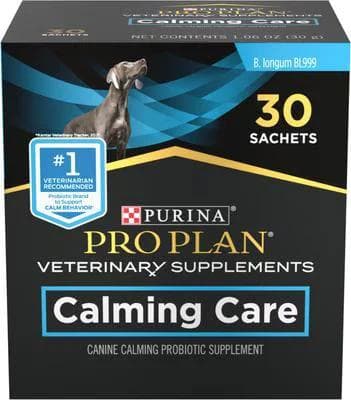
A vet-recommended probiotic supplement that helps dogs manage anxious behaviors and stay calm during stressful events like fireworks.
Petful may earn a commission when you click through to Chewy, at no extra cost to you.
When to Talk to Your Vet About Medication
For pets with severe noise phobia, the AVMA advises that some pets may need medication and that you should consult your veterinarian or a veterinary behaviorist. Vets often prescribe situational anti-anxiety medications such as trazodone or gabapentin, sometimes alongside a behavior plan. These are prescription only, so reach out a week or two ahead and do a trial dose so you know how your pet responds before the holiday.
One common myth is worth clearing up: over-the-counter Benadryl is not an anti-anxiety medication. It is an antihistamine that may make some dogs drowsy, but it does not reduce the underlying fear, and a truly panicked dog can push right through it. Most vets do not recommend it for fireworks.
- Many medications and doses that are safe for people are useless or dangerous for pets. Always confirm the drug and the dose with your veterinarian first.
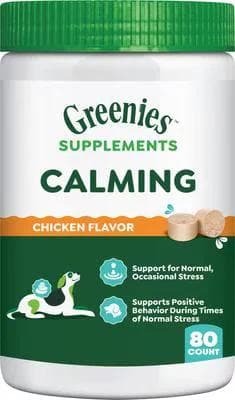
Chicken flavored soft chews that support calm, positive behavior during times of occasional stress like fireworks and storms.
Petful may earn a commission when you click through to Chewy, at no extra cost to you.
How to Keep Your Cat Calm During Fireworks
Cats get scared of fireworks too, they just hide instead of bolting, which is why they are so easy to overlook on the Fourth of July. The best thing you can do is give them safe places to retreat and then leave them be. Keep all cats indoors for the holiday, even ones that usually go outside, and close the windows and blinds. Offer several hiding spots, like a covered bed, a cardboard box, a spot under furniture, or a high perch, and let your cat choose. A pheromone diffuser and familiar background noise help too. Do not pull a hiding cat into the open, since that hiding spot is exactly how it copes. If your cat shows ongoing stress, our guide to cat anxiety can help.
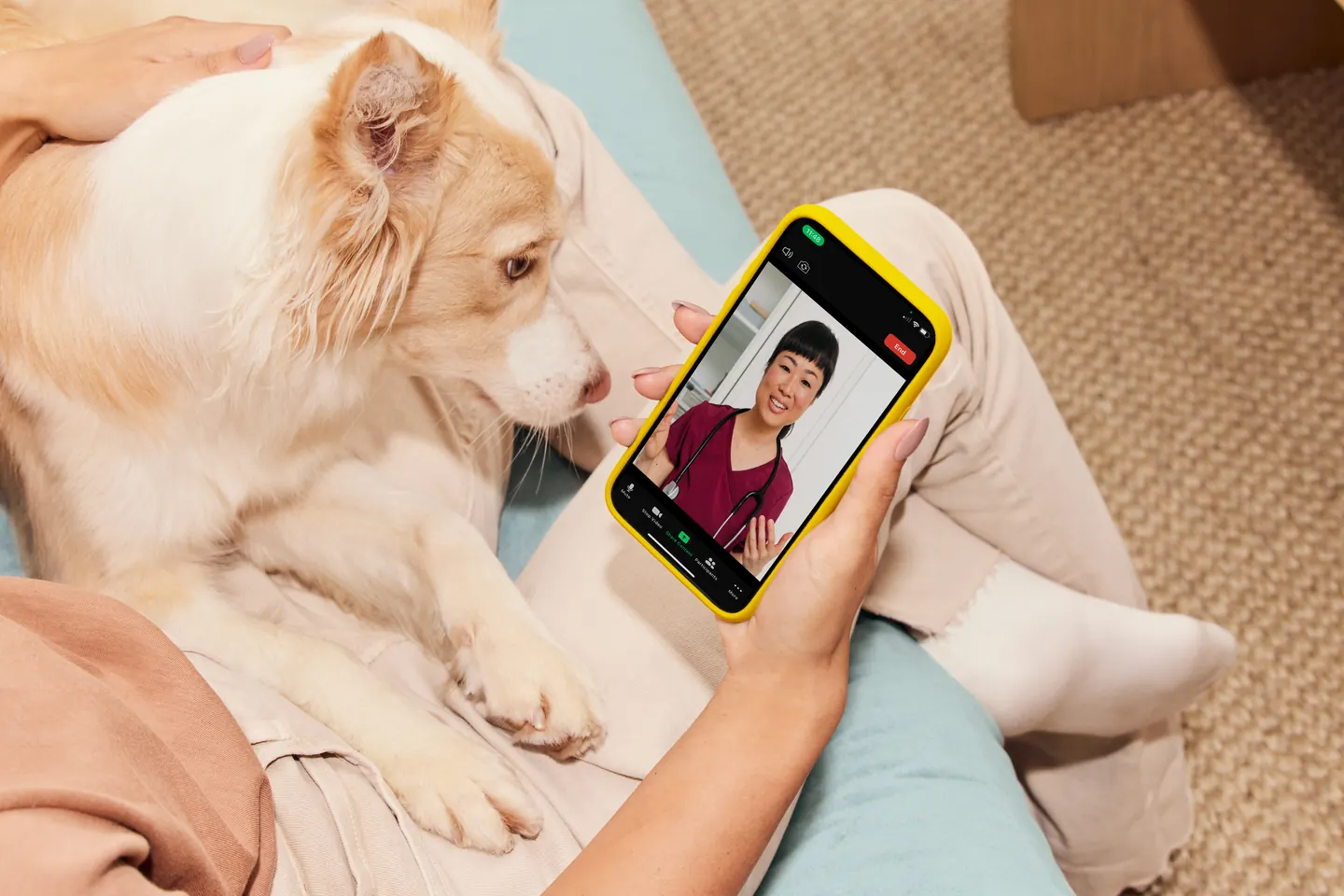 Sponsored
Vet care that's always there
Unlimited video calls and messaging with licensed vets for less than a typical vet visit. One membership covers up to five pets.
Use code Pets60
Plans start at $12/month · covers up to 5 pets
- Licensed vets in most states
- Rx for 150+ conditions
- 4.7 on Trustpilot
Cookout and Backyard Hazards to Avoid
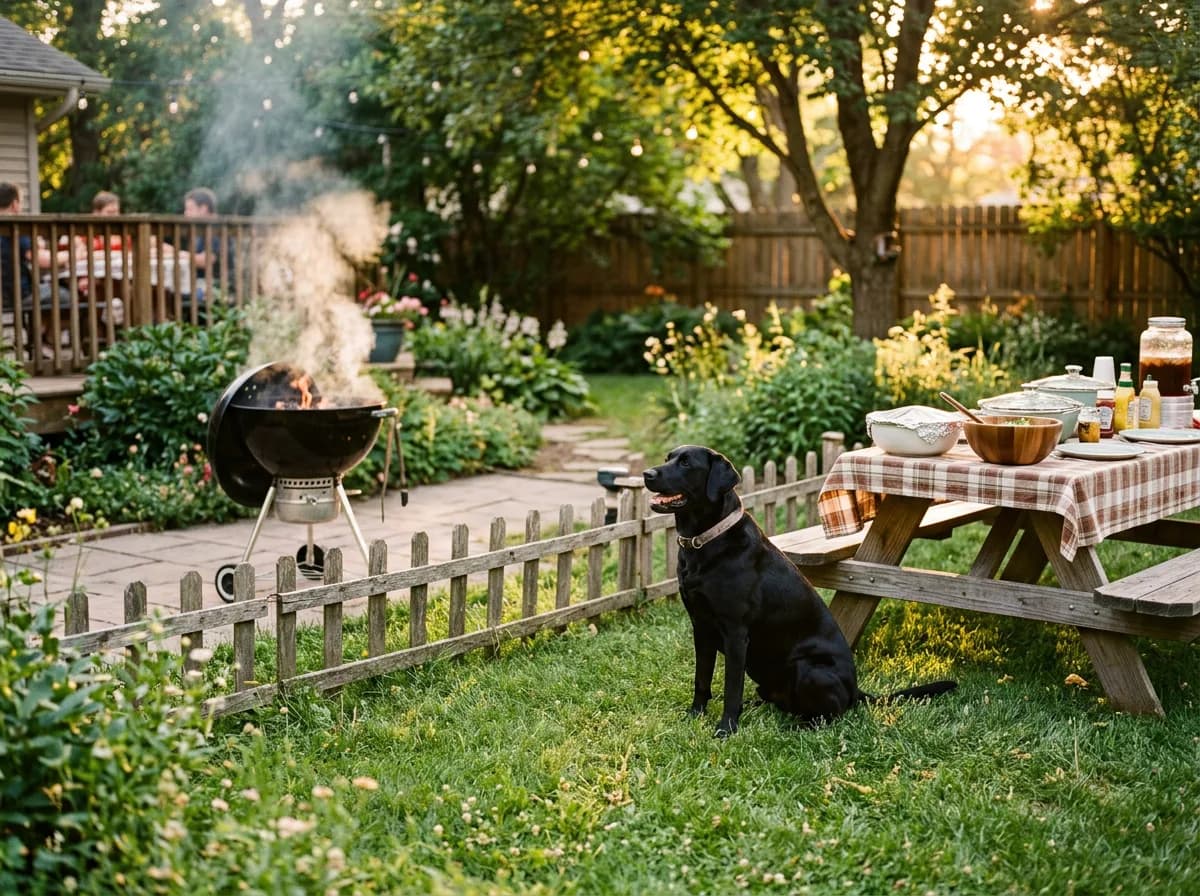
The grill and the picnic table can be as risky as the fireworks. Keep pets a few feet from open flames and out of reach of holiday food and drinks, and never leave alcoholic drinks unattended where a curious nose can find them.
Watch for these common backyard dangers:
- Toxic foods, including chocolate, alcohol, onions and garlic, grapes and raisins, and xylitol found in sugar-free gum and desserts.
- Bones, corn cobs, and kabob skewers, which can cause choking or a dangerous intestinal blockage.
- The grill and open flames. Keep pets at least three feet back from heat, hot grease, lighter fluid, and charcoal.
- Fireworks, sparklers, and glow sticks, which should never be near pets. Sparklers burn at roughly 1,200 to 2,000 degrees Fahrenheit, and unlit fireworks contain toxic chemicals.
- Citronella candles, tiki torch fuel, and insect coils, which are toxic or irritating to pets.
- Human sunscreen and bug spray. Do not apply products made for people to your pet, especially anything containing DEET.
Heat and Water Safety
July 4 is often one of the hottest days of summer, and heat is an underrated danger. A few simple habits prevent most warm-weather emergencies:
- Hot pavement: use the seven-second rule. Press the back of your hand to the pavement for seven seconds, and if it is too hot for you, it is too hot for their paws.
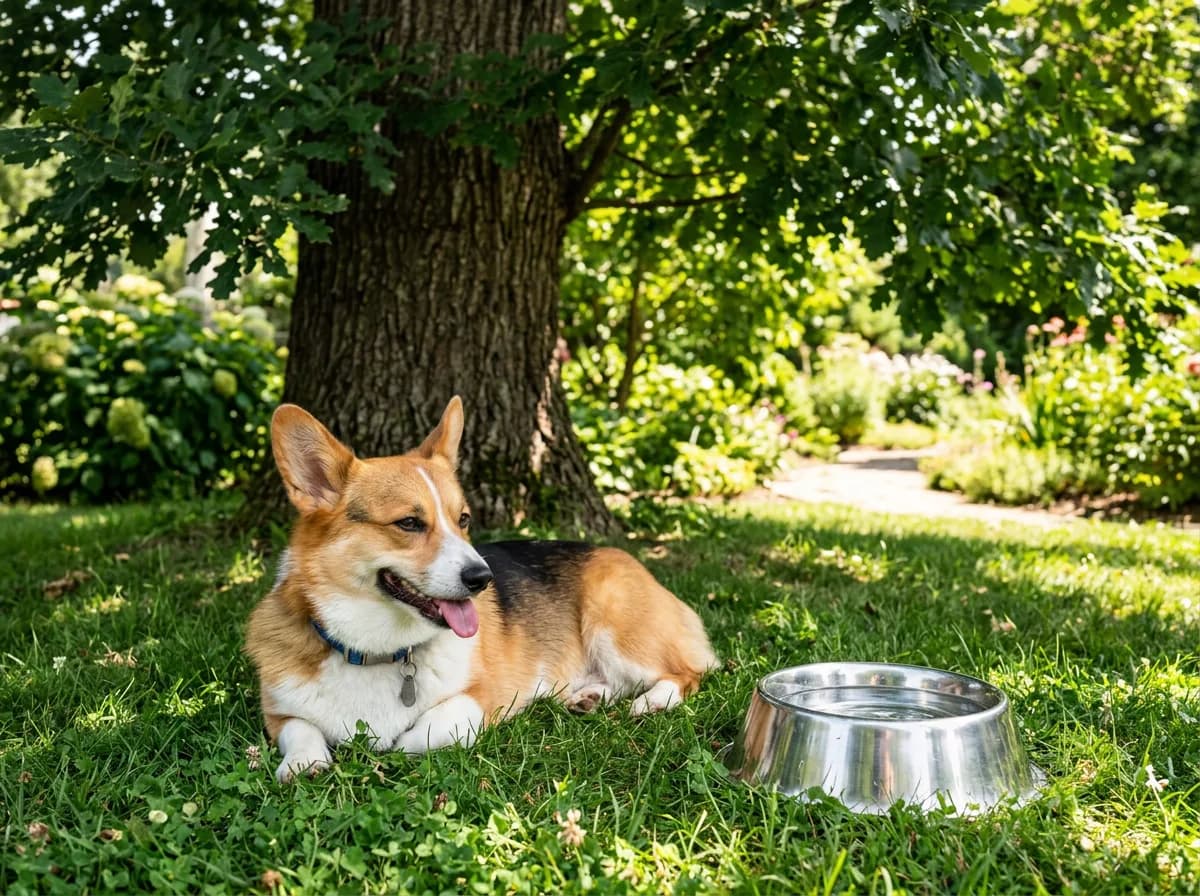
- Heatstroke: watch for heavy panting, drooling, bright red gums, weakness, or vomiting, never leave a pet in a parked car, and always offer shade and water. See more summer dangers to pets.
- Water: not every dog can swim, so supervise around pools, and keep pets away from lakes or ponds that may contain toxic blue-green algae.
What to Do If Your Pet Gets Lost
If your pet does bolt, act fast, because the first few hours matter most. Search your home and immediate area first, since many frightened pets hide close by, then widen out. Our guide on what to do when a pet goes missing has a full action plan.
- Call local shelters, veterinary clinics, and animal control, and file a lost-pet report with each.
- Post a recent, clear photo on social media and in local lost-pet groups.
- Contact your microchip registry to confirm your details are current and flag your pet as missing.
Your Fourth of July Night-Of Checklist
- ID tags on, microchip details current.
- Pets indoors before dusk, safe room set up.
- Windows and curtains closed, white noise or music playing.
- A long-lasting chew or calming aid ready.
- Grill, alcohol, toxic foods, sparklers, and glow sticks out of reach.
- Shade and fresh water available, and skip the hot midday walk.
- Calm, reassuring energy from you.
Frequently Asked Questions
Yes. You cannot reinforce fear with affection the way you would reward a behavior. If sitting close, petting gently, and speaking calmly helps your dog settle, do it. Staying home and acting relaxed yourself is one of the most effective things you can do, because dogs take their emotional cues from their people.
There is no single best option, because it depends on the dog. For true noise phobia, veterinarians often prescribe situational anti-anxiety medications such as trazodone or gabapentin, sometimes alongside a behavior plan. These are prescription only, so talk to your vet a week or two ahead and do a trial dose so you know how your dog responds before the holiday.
Not really. Benadryl, or diphenhydramine, is an antihistamine, not an anti-anxiety drug. It may make some dogs drowsy, but it does not reduce the underlying fear, and a truly panicked dog can push right through the sedation. Most veterinarians do not recommend it for fireworks. Ask your vet about medications made for noise anxiety instead.
The 3-3-3 rule describes how a newly adopted dog usually settles in: about 3 days to decompress, 3 weeks to learn your routine, and 3 months to feel at home. It is an adjustment guideline rather than a fireworks remedy, but a dog still in that early window may be extra sensitive to a loud holiday, so give it more calm and structure.
Any dog can develop noise phobia, but herding breeds such as Border Collies and German Shepherds, along with many rescue dogs and dogs that were not exposed to varied sounds as puppies, tend to be more sensitive. Fear of fireworks comes down to the individual dog and its history more than the breed alone.
Trembling is a classic fear response to loud, unpredictable noise, and it usually comes with panting, pacing, hiding, or clinging. Shaking by itself is not dangerous, but if it is severe or your dog cannot settle at all, that points to a noise phobia worth addressing with your veterinarian.
Keep your cat indoors, close the windows and blinds, and offer safe hiding spots like a covered bed, a high perch, or a cardboard box, then let it choose where to settle. A pheromone diffuser and familiar background noise can help. Do not pull a hiding cat out into the open, since the hiding spot is how it copes.
No. The AVMA recommends leaving pets at home during fireworks displays, parades, and crowded gatherings. The noise, crowds, heat, and dropped food are overwhelming and risky. Your dog is far safer in a quiet room at home.
With a little preparation, the Fourth of July can be calm and uneventful for your pets, which is exactly what you want. If your dog or cat has severe anxiety, build a plan with your veterinarian before the holiday so everyone can relax and enjoy the celebration.
BVMS, MRCVS
Dr. Pippa Elliott, BVMS, MRCVS, is a veterinarian with nearly 30 years of experience in companion animal practice. Dr. Elliott earned her Bachelor of Veterinary Medicine and Surgery from the University of Glasgow. She was also designated a Member of the Royal College of Veterinary Surgeons. Married with 2 grown-up kids, Dr. Elliott has a naughty Puggle named Poggle, 3 cats and a bearded dragon.
Sign up for expert-backed reviews and safety alerts all in one place.