Best Dog Leashes: 6 Picks by Walking Style and Dog Size
The best dog leash is the one that fits your dog and your walk. Compare six Chewy picks for everyday walks, training, running, pullers, large dogs and small dogs, plus why we skip retractables.
Petful is reader supported. As an affiliate of platforms like Amazon and Chewy, we may earn a commission when you buy through links on this page. There is no extra cost to you.
The best dog leash is the one that suits your dog's size, your dog's habits and the way you actually walk. A 12-pound terrier on a quiet street and an 80-pound shepherd mix on a busy crosswalk need very different tools.
This guide compares six leashes sold at Chewy, each chosen for a specific job: everyday walks, recall training, running, dogs that pull, large dogs and small dogs. After the picks you will find a guide to length, material, width and hardware, plus why retractable leashes did not make the list.

Sign up for expert-backed reviews and safety alerts all in one place.
Compare the dog leashes
The short answer is that the best dog leash depends on your dog and your walk, not on one winning brand. For most dogs on most days, a fixed-length leash of 4 to 6 feet with a padded handle and a sturdy clip is the right starting point, and the six picks below build on that baseline.
Here is the quick version, by use:
- Everyday walking: Frisco Comfort Padded Dog Leash, a low-cost leash with a padded handle and a D-ring for waste bags.
- Recall and training: Frisco Training Leash, a 15-foot line for practicing recall in open space.
- Running and active walks: Kurgo Reflect & Protect Quantum Hands-Free Leash, which switches between a 6-foot lead and a waist leash.
- Dogs that pull: Kurgo Springback Running Leash, with an internal bungee section that adds a little give when a dog lunges.
- Large dogs: Ruffwear Crag Traffic-Handle Leash, with one-inch reflective webbing and a padded traffic handle.
- Small dogs: PetSafe Nylon Dog Leash, a soft 4-foot nylon leash and the lowest-priced pick here.
| Exact model and variant | Best for | Length and width | Material and handle | Hands-free option | Catalog price |
|---|---|---|---|---|---|
| Frisco Comfort Padded Dog Leash, Faded Rose, Medium | Everyday walks | Sold in small, medium and large; check the size chart for exact length and width | Padded handle, Frisco-branded hardware, D-ring for waste bags | No | $9.99 (medium) |
| Frisco Training Leash, Black, 15-ft | Recall practice and outdoor training | 15 ft (also offered in longer lengths, up to 50 ft) | Polyester long line | No | $9.99 |
| Kurgo Reflect & Protect Quantum Nylon Hands-Free Running Dog Leash, Blue, 6-ft long, 1-in wide | Running, hiking and active walks | 6 ft long, 1 in wide | Nylon, floating padded handle, reflective strip | Yes: waist or over-the-shoulder wear (six configurations) | $29.95 |
| Kurgo Springback Polyester Bungee Running Dog Leash, 4.5-ft long, 1-in wide | Dogs that pull, runners | 4.5 ft long, 1 in wide | Polyester tubular webbing with internal bungee (about 6 in of extra stretch), padded training handle | Yes, with a compatible running belt (sold separately) | $25.99 |
| Ruffwear Crag Polyester Reflective Traffic-Handle Dog Leash, Alpine Dusk, 6-ft long, 1-in wide | Large and strong dogs, low-light walks | 6 ft long, 1 in wide | Reflective polyester webbing, padded traffic handle, aluminum-reinforced buckle, Talon Clip | Yes: can be worn around the waist | $39.99 |
| PetSafe Nylon Dog Leash, Black, 4-ft long, 3/4-in wide | Small dogs | 4 ft long, 3/4 in wide | Soft nylon, hand loop, twisting snap bolt clip | No | $5.15 |
- 1The best dog leash is a fixed-length leash of 4 to 6 feet that matches your dog's size and walking style.
- 2Run a quick leash fit check before you compare brands: pull strength, activity and handler hands decide which leash type fits.
- 3Hands-free and bungee leashes help runners and pullers, but a leash cannot train a dog not to pull, and retractable leashes are skipped because they give less control and carry documented injury risks.
Read the table from the Best for column outward. Length and width show how much control and strength you get, material and handle show how the leash feels in your hand, and the hands-free column shows which leashes can be worn on the body: the Quantum and the Crag can be worn at the waist, and the Springback can pair with a running belt that is sold separately. Catalog price reflects the size and color listed at Chewy at the time of writing, so confirm your dog's size on the product page.
Most roundups crown a single winner, but a leash that suits a beagle in a park can fail a Rottweiler at a busy curb. At any price, a good leash shares a few traits: a stitched handle, metal hardware that closes firmly and webbing wide enough for the dog's weight. The "How to choose a dog leash" section turns those details into a three-question check you can finish in a minute.
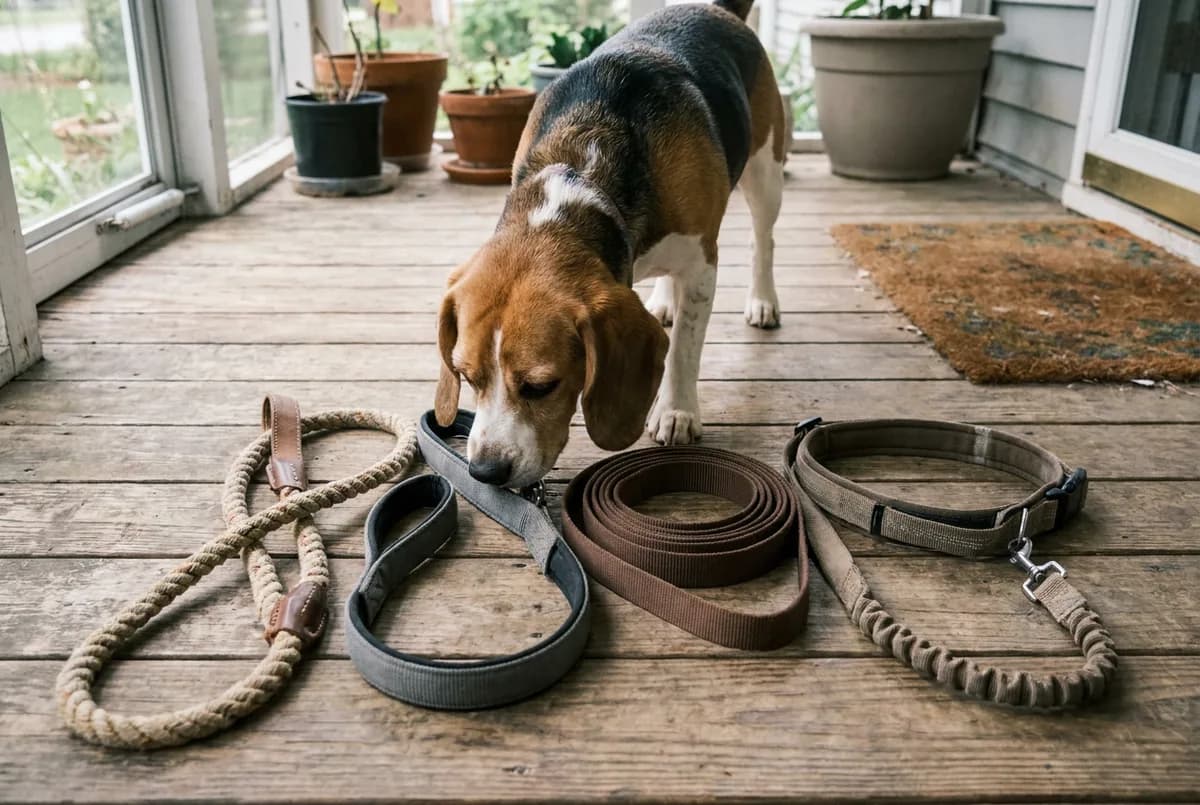
Our dog leash picks
All six picks are non-retractable leashes sold at Chewy. A few features repeat across the group:
- Padded handle: easier on your hand and wrist when a dog lunges, and listed on the Frisco Comfort, Quantum, Springback and Crag
- Traffic handle: a second, short grip near the clip that lets you shorten the leash quickly when you cross a street
- Reflective trim: makes you and your dog easier to see at dusk, and listed on the Quantum and the Crag
- Short length: about 4 feet keeps a small dog close and keeps the leash off the ground, and the PetSafe and the Springback are the shortest picks
Every pick below ends with a "Who it is for" line and a "Watch for" line, so the trade-offs are easy to compare.
Best everyday leash: Frisco Comfort Padded Dog Leash
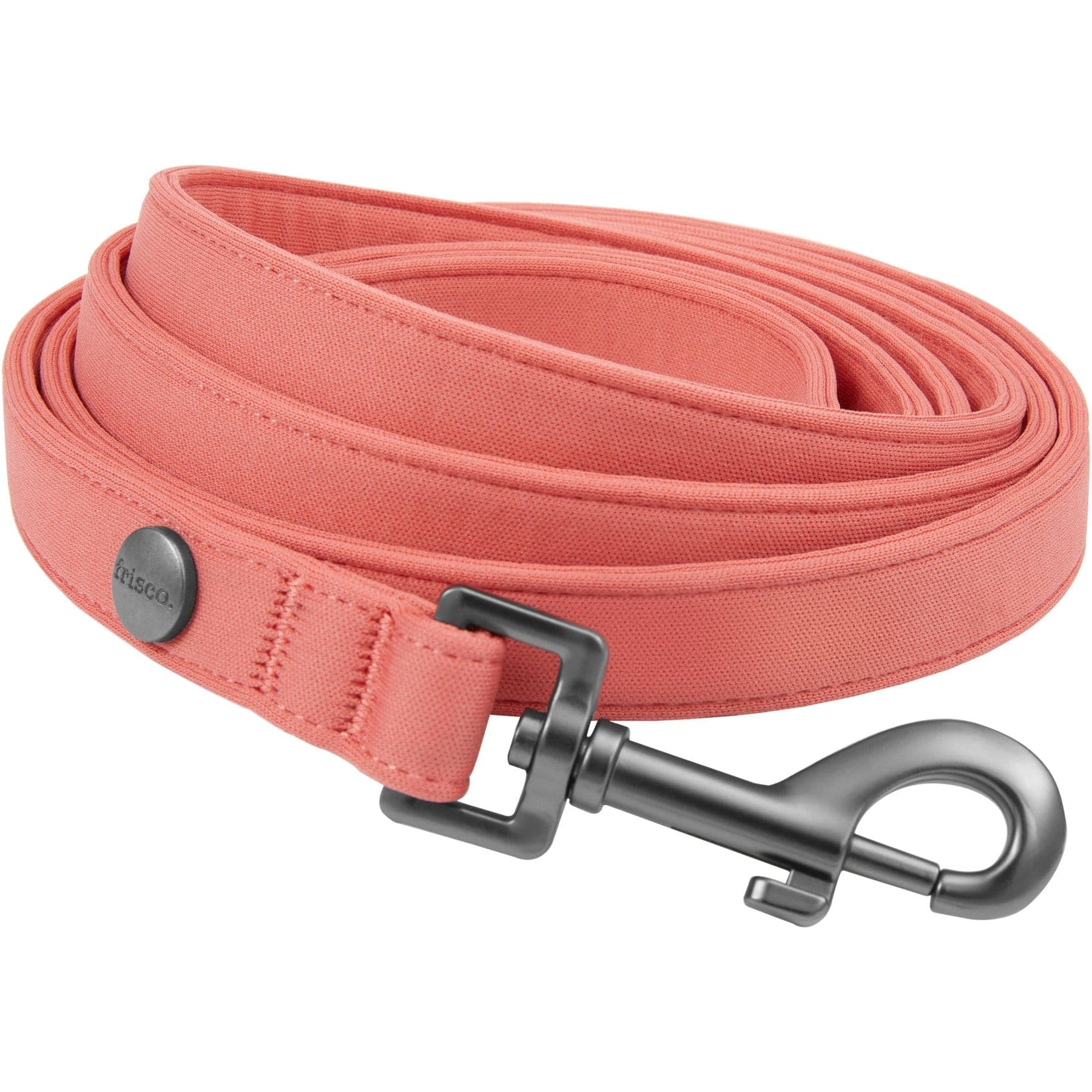
A padded handle and a D-ring for waste bags make it a low-cost daily walking leash; sold in small, medium and large.
Petful may earn a commission when you click through to Chewy, at no extra cost to you.
Frisco Comfort Padded Dog Leash is a low-cost everyday option in this group. It comes from Chewy's Frisco house brand, and the medium size listed here costs about $9.99 at Chewy at the time of writing. Chewy describes the padded handle as comfortable on the wrist and in the hand, and a D-ring accepts a waste-bag holder.
It is sold in small, medium and large. Match the size to your dog's weight and read the dimensions on the product page, because the listing names the size rather than the exact length. A quick look at the size chart before you order avoids returning a leash that turns out too thin for a strong dog. No breaking strength is given, so treat it as an everyday walking leash rather than one for a dog that hits the end of the line at full speed.
- Format: fixed-length, handheld, padded handle
- Sizes: small, medium and large
- Extras: D-ring for waste bags, and the monochrome color look of the Comfort Walk line
- Who it is for: dogs that walk reasonably well on a loose leash, and owners who want comfort without a big spend
- Watch for: no reflective trim is listed, so add a light or reflective collar for dusk and dawn walks
Best training long line: Frisco Training Leash, 15-ft
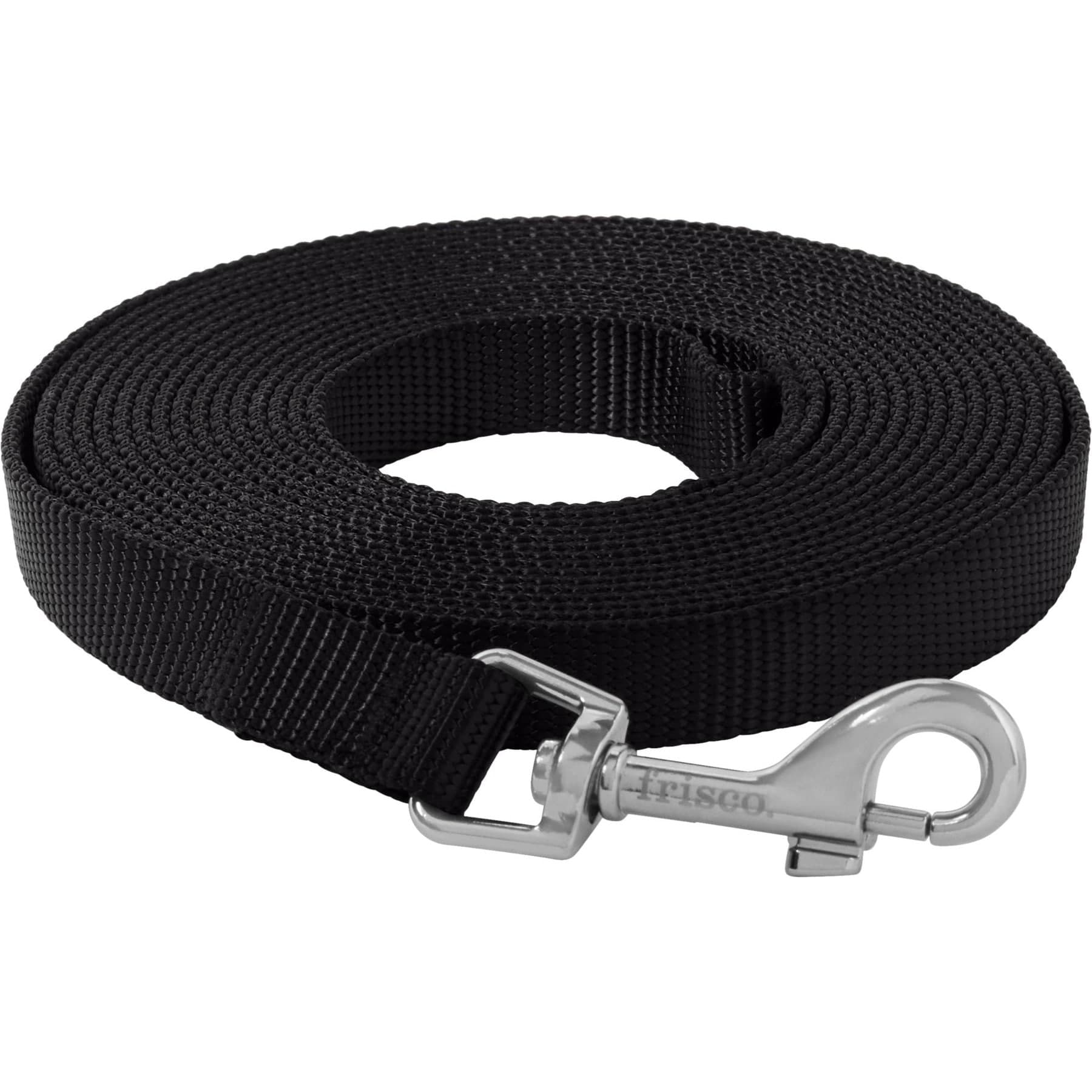
Polyester long line made for outdoor recall practice, offered in three lengths up to 50 feet.
Petful may earn a commission when you click through to Chewy, at no extra cost to you.
Training can mean two different things on a leash. A short leash suits heel practice, while a long line is the tool for recall. The Frisco Training Leash is the second kind: 15 feet of polyester made for outdoor recall training, offered in three lengths up to 50 feet, for about $9.99 at Chewy at the time of writing.
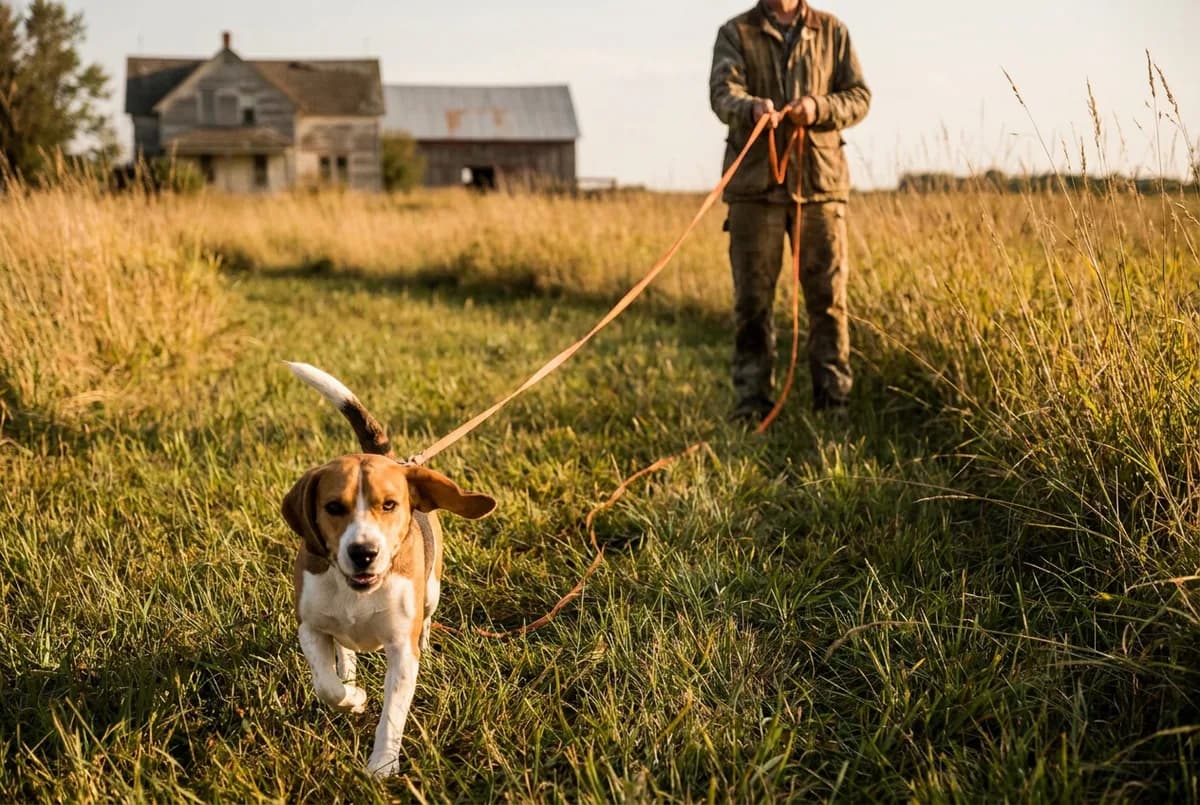
A long line changes how you handle the dog. You stand still or stroll slowly while the dog explores at the far end, call the dog back, and reward the return with a treat or a toy. Practiced a few minutes at a time in a fenced field or an empty park, it lets a dog experience freedom while you keep a physical connection, which is why many trainers treat it as a middle step between a short leash and off-leash reliability.
Handle a long line carefully. Wear gloves or keep the line low so a sudden dash does not burn your palm, and clip it to a well-fitted back-attachment harness rather than a collar alone, because a dog that hits the end of 15 feet at speed puts a hard jolt on the neck. Keep it for open spaces only, since 15 feet of loose line is a tripping hazard on a sidewalk and a tangle waiting to happen around people and other dogs.
A short session plan keeps it simple. Practice in a fenced space, call the dog's name in a cheerful voice before the line can go tight, reward every arrival, and end while the dog is still interested. If the dog ignores the call, shorten the line and make the exercise easier instead of reeling the dog in, so coming when called always feels like a good result.
- Format: 15-ft long line (also sold in two longer lengths, up to 50 ft)
- Material: polyester, which the catalog describes as holding up during training sessions
- Best use: outdoor recall and distance training in fields and open parks
- Who it is for: puppies and adolescent dogs learning to come when called, and dogs that are not yet reliable off leash
- Watch for: far too long for everyday walks, and you need to check local leash laws before using any long line in public
Best hands-free leash for running: Kurgo Reflect & Protect Quantum Hands-Free Leash
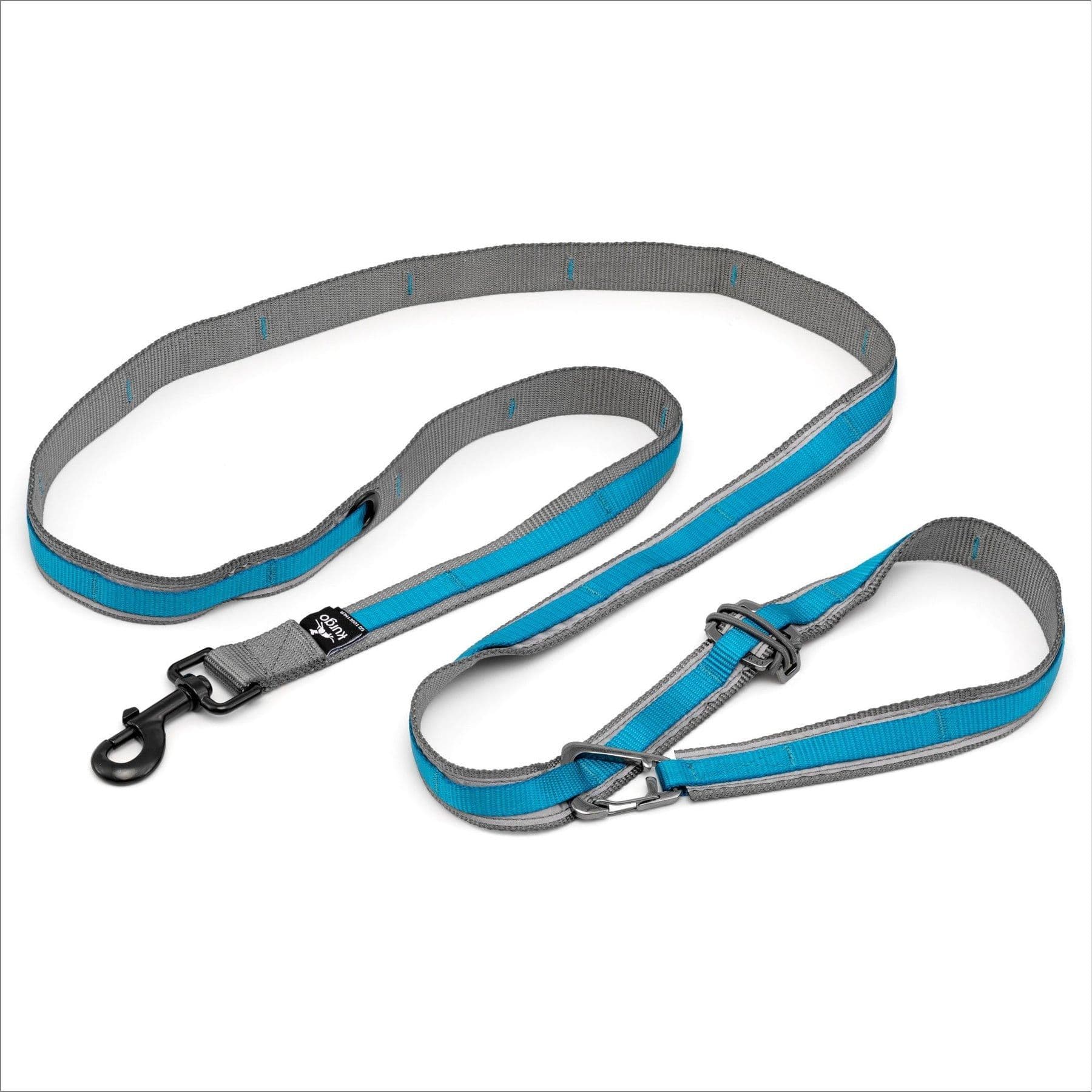
Configures six ways, from a 6-ft lead to waist or over-the-shoulder wear, with a floating padded handle and reflective strip.
Petful may earn a commission when you click through to Chewy, at no extra cost to you.
A hands-free leash earns its place when it can do more than one job, and the Kurgo Reflect & Protect Quantum Hands-Free Leash is built around that idea. Chewy's description says it can be configured six different ways by moving a carabiner: as a plain 6-foot lead, as an over-the-shoulder leash, as an around-the-waist leash, and even as a double dog walker. It is 6 feet long and 1 inch wide in the listed blue, and it costs about $29.95 at Chewy at the time of writing.
For jogging, the useful feature is that both hands stay free. With the leash worn at the waist or over the shoulder, your arms can swing naturally, and a free hand can hold a water bottle, a phone or a treat. The Quantum has a floating padded handle, so you can still take a firm grip when you need to slow the dog down, and a reflective strip that Chewy says keeps you visible day or night.
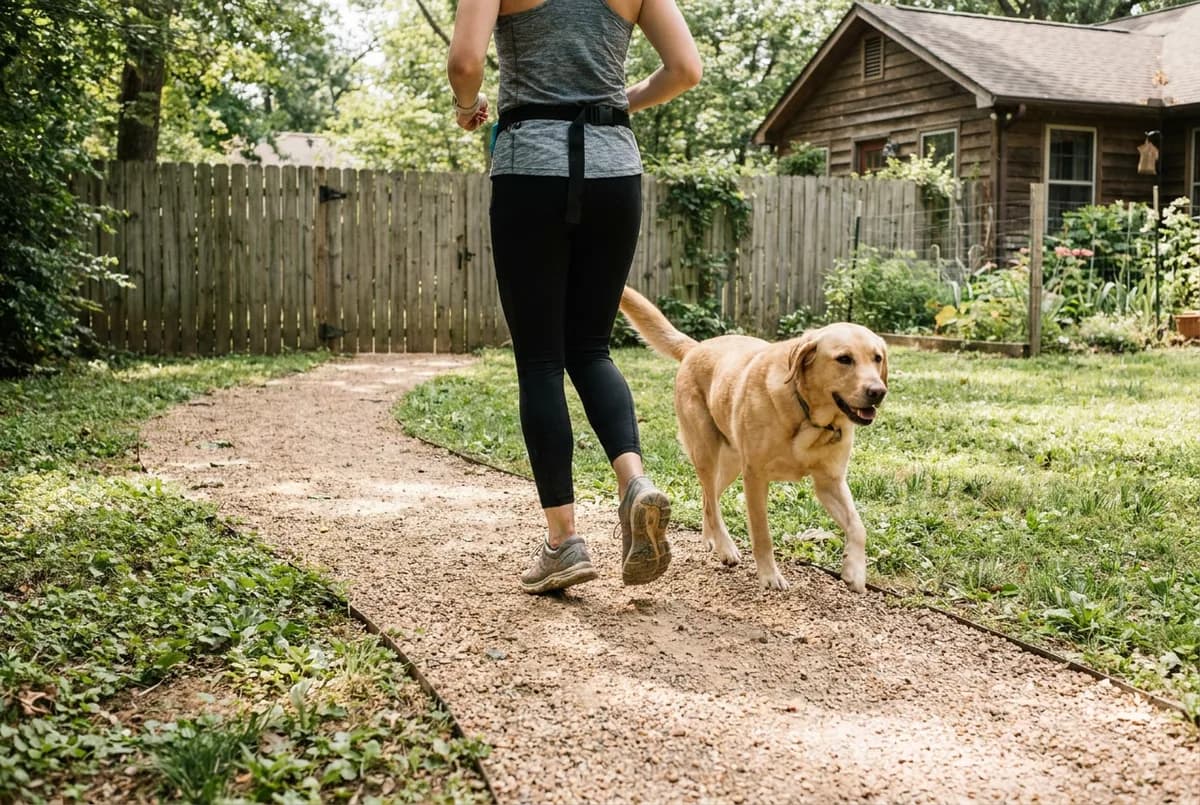
The same flexibility is useful off the pavement. On a hike you can wear it at the waist on easy stretches and switch to a handheld lead on steep or crowded sections. It is a comfortable setup for a dog that already trots politely at your side, and before you rely on it, walk a few minutes in a quiet place with the carabiner set the way you plan to use it. For a dog that lunges at squirrels or other dogs, the safety limits below matter more than the convenience.
- A strong lunge on a waist leash lands on your hips and lower back, not on your hand, and it can pull a runner off balance or onto the pavement. Start with a calm dog, practice walking with the leash before you jog, and skip hands-free use with a dog that bolts at squirrels, bikes or other dogs. Keep the handle within reach so you can take control quickly.
- Format: six configurations, from a 6-ft lead to waist or over-the-shoulder wear
- Length and width: 6 ft long, 1 in wide
- Handle and visibility: floating padded handle and a reflective strip
- Who it is for: joggers and hikers with a dog that trots at their side and responds to voice cues
- Watch for: the description lists no stretch section, so a hard lunge reaches your waist with little cushioning; heavy pullers are better served by the bungee pick below
Best bungee leash for pullers: Kurgo Springback Running Leash
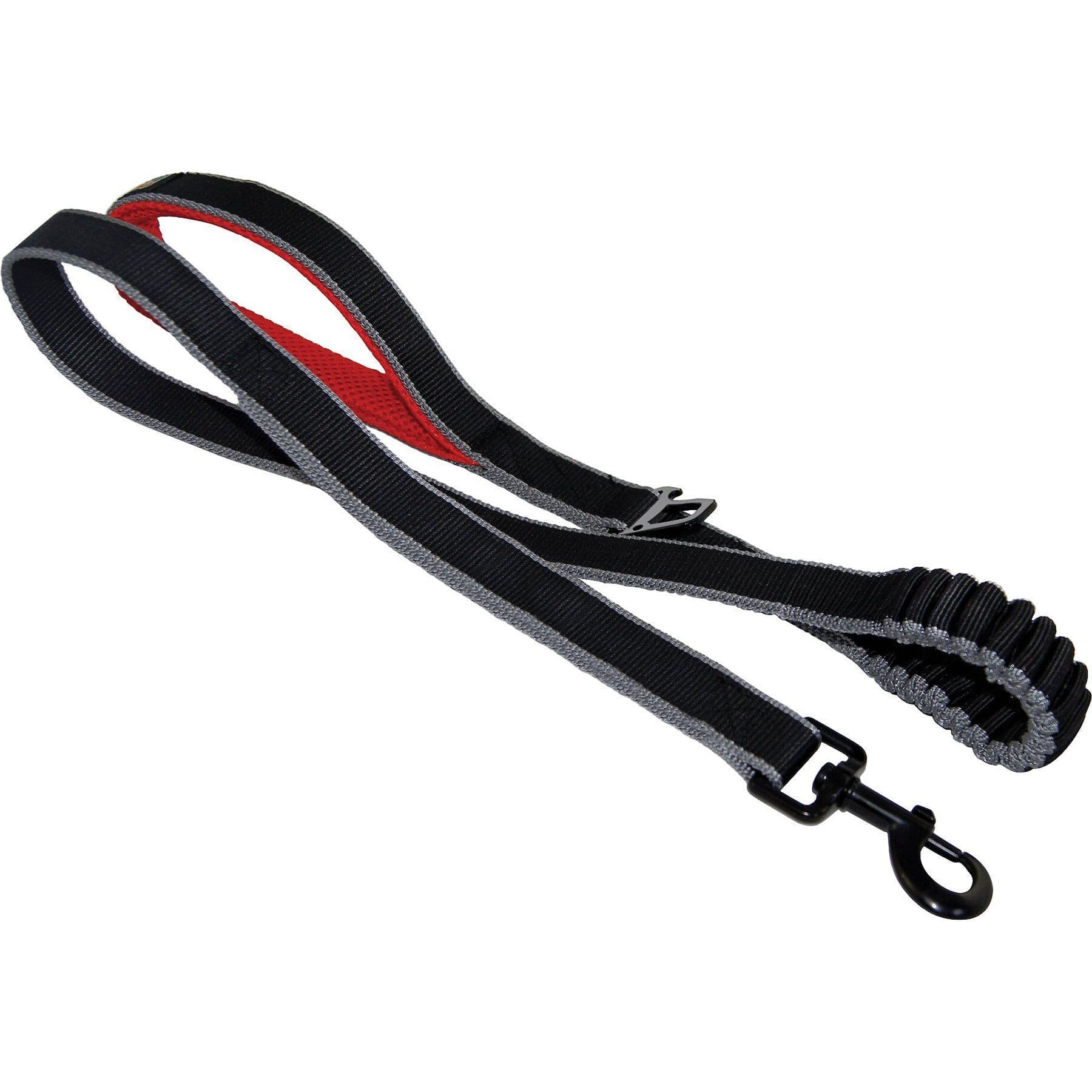
One-inch tubular webbing with an internal bungee that adds about six inches of stretch, plus a padded training handle for extra control.
Petful may earn a commission when you click through to Chewy, at no extra cost to you.
The Kurgo Springback Running Leash is the pick for owners whose dogs pull and whose shoulders feel it. It is made of tough one-inch tubular webbing with an internal bungee that gives you about six more inches of stretch, which Chewy's description frames as insurance for the moment a dog spots a squirrel and makes an unpredictable move. At 4.5 feet long it is shorter than a standard leash, and it costs about $25.99 at Chewy at the time of writing.
That short length suits a puller. Less leash means less room to build speed before the line comes tight, and the bungee section is meant to soften a hard jerk for both the dog's neck and your arm. A padded training handle gives you a firm grip when you want to shorten up near a crosswalk, a D-ring holds small accessories (the listing also mentions a bottle opener), and the description notes it works with Kurgo's K9 Excursion Running Belt, a separate product, if you want to go hands free. Clip it to a well-fitted harness, because the stretch only helps if the dog's gear spreads the pull sensibly.
Be realistic about what stretch can do. A bungee leash makes pulling less punishing; it does not teach a dog to stop, and a few trainers dislike stretchy leashes for loose-leash practice because the tension changes as the dog moves. Use it for the walks where a lunge is likely, and pair it with training. If you want a stretch design from a dedicated outdoor brand, Petful's Ruffwear Roamer leash review covers that leash in depth.
- Format: 4.5-ft bungee leash with internal stretch section
- Length and width: 4.5 ft long, 1 in wide
- Handle: padded training handle for extra control
- Who it is for: dogs that pull moderately to strongly, and active owners who want a cushion on every lunge
- Watch for: the shorter length is less handy for relaxed sniffing walks, and the listing gives no breaking strength, so choosing it for a very strong dog is a judgment call
Best leash for large dogs: Ruffwear Crag Traffic-Handle Leash
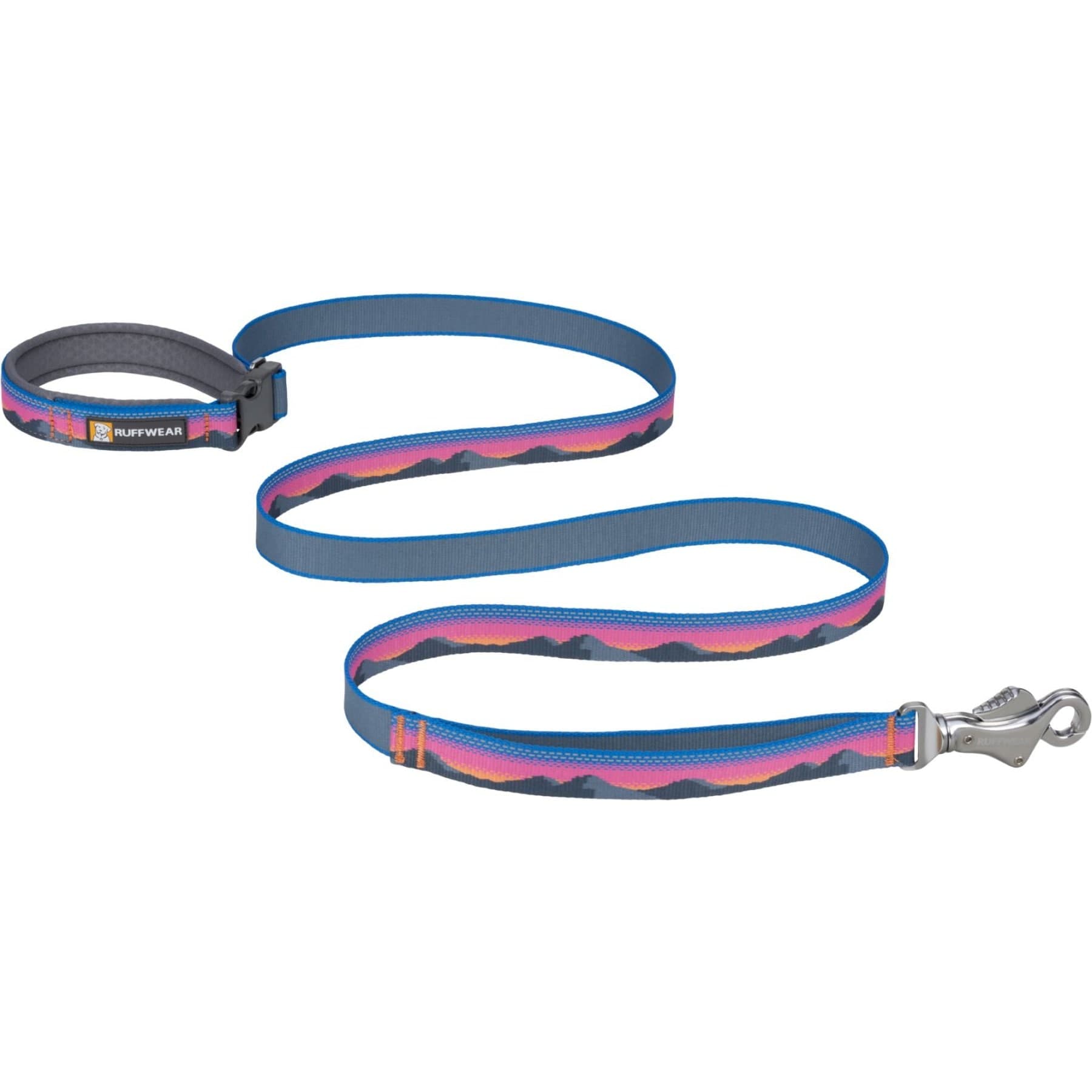
One-inch reflective webbing with a side-release buckle reinforced by an aluminum uniloop, a Talon Clip and a padded traffic handle.
Petful may earn a commission when you click through to Chewy, at no extra cost to you.
Large dogs test every weak point on a leash, so the best dog leash for large dogs is judged by its hardware as much as its webbing. A heavy duty dog leash starts with a metal clip, dense webbing and stitching that does not fray at the stress points. The Ruffwear Crag Traffic-Handle Leash is the most expensive pick here, at about $39.99 at Chewy at the time of writing, and the catalog description explains where the money goes: one-inch reflective polyester webbing, a side-release buckle reinforced with an aluminum uniloop, Ruffwear's Talon Clip for a secure connection, a padded handle and an accessory loop for waste bags or small attachments.
The feature that sets it apart is the traffic handle, a short, padded grip placed near the clip. Sliding your hand down to it shortens the leash instantly, which is exactly what a big dog needs near a curb, a bike path or another dog. The same description says the leash can be handheld or worn around the waist, so it also doubles as a hands-free option on easy stretches, and the webbing is described as holding its color for long-lasting use.
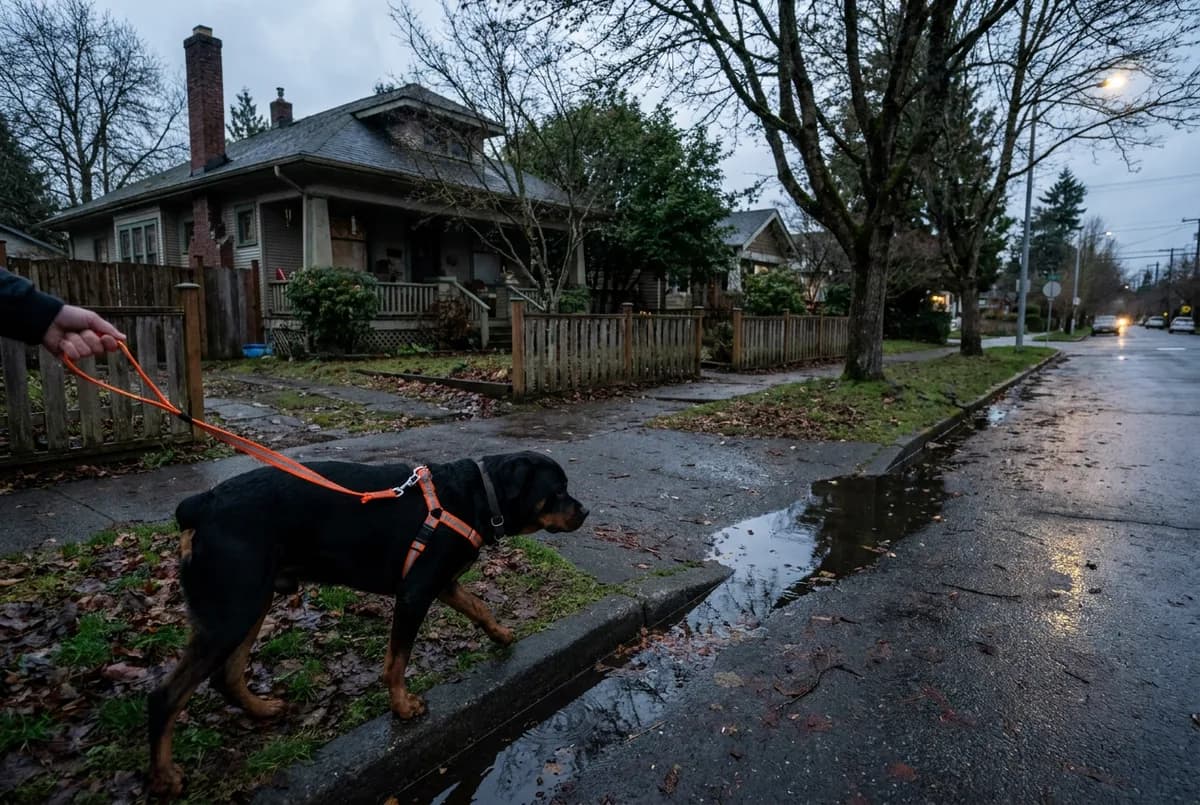
Large dogs put the most strain on a leash, so check four things before you buy:
- Webbing width: at least 1 inch for dogs above about 60 pounds, in line with the width guide below
- Hardware: metal you can see, with a gate that closes firmly and that your dog cannot work open by pawing, so test the gate yourself before the first walk
- Stitching: dense and even at the handle and at the clip end
- Handle: padded or thick enough to hold without squeezing a single finger
No leash replaces a harness or training for a dog that outweighs you, but a well-built one removes the equipment from the list of things that can fail.
- Format: 6-ft fixed leash with a padded traffic handle near the clip
- Length and width: 6 ft long, 1 in wide
- Hardware: Talon Clip, side-release buckle reinforced with an aluminum uniloop, accessory loop
- Visibility: integrated reflectivity for low-light walks
- Who it is for: large and powerful dogs, and owners who walk near traffic or want a quick way to shorten the leash
- Watch for: the price is the highest in the group, and a 6-ft, 1-inch leash is more leash than a small dog needs
Best leash for small dogs: PetSafe Nylon Dog Leash, 4-ft x 3/4-in
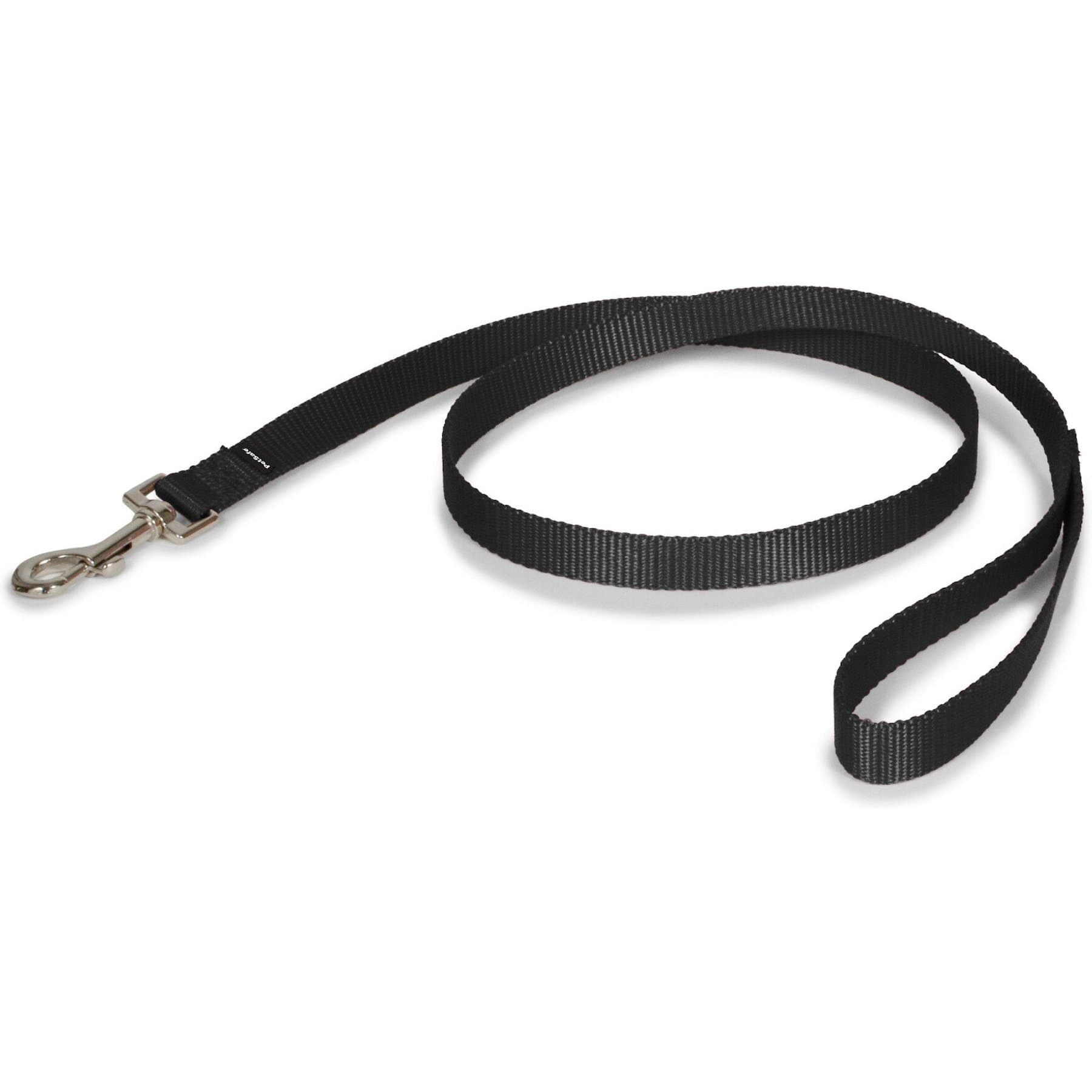
Soft nylon in a short 4-ft, 3/4-in size with a hand loop and a twisting snap bolt clip, light enough not to drag on a small collar.
Petful may earn a commission when you click through to Chewy, at no extra cost to you.
Small dogs need the opposite of what a big dog needs: less weight, less length and less hardware. The PetSafe Nylon Dog Leash fits that description and is the lowest-priced pick here, at about $5.15 at Chewy at the time of writing. It is soft nylon, 4 feet long and 3/4 inch wide in the listed black, with a hand loop at one end and a snap bolt clip that twists and turns for comfort while walking.
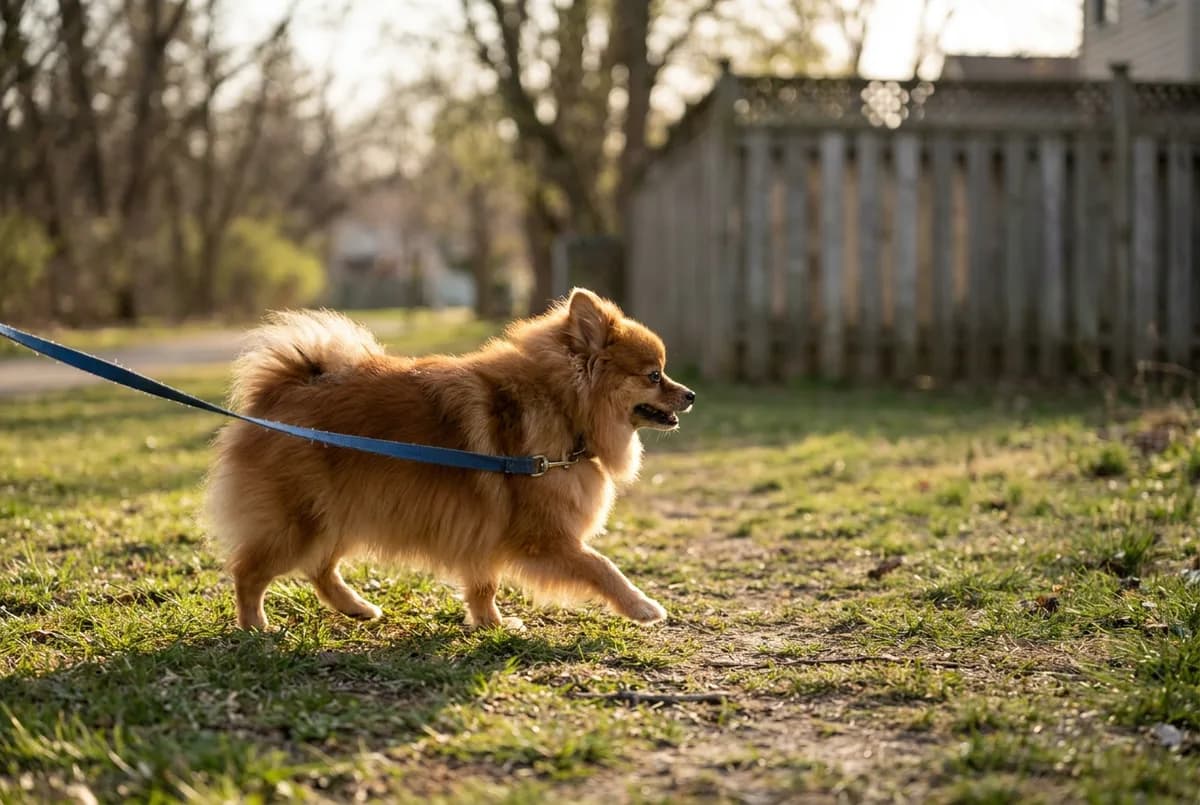
A short 4-foot length keeps a small dog close and helps keep the leash from looping under paws, which suits crowded sidewalks, vet visits and stairs. The catalog description says the leash comes in two lengths, 4 or 6 feet, and three widths, 3/8, 3/4 or 1 inch. Check the sizing information on the product page, and as a rough rule use the 3/8-inch width for toy breeds and the 3/4-inch width for small dogs, choosing by your dog's weight rather than by the length.
A light leash helps only when the dog is also fitted correctly, because small dogs are easily injured by neck pressure. Many small-dog owners pair a leash like this with a harness, and Petful's guide to no-pull harnesses for small dogs compares options that spread pressure across the chest instead of the throat. Whatever you choose, never let a small dog hit the end of a leash at speed, because even a light leash can cause a hard jerk at that size.
- Format: 4-ft fixed leash with a hand loop and twisting snap bolt clip
- Length and width: 4 ft long, 3/4 in wide (also sold in 6 ft and in 3/8 in and 1 in widths)
- Material: soft nylon
- Who it is for: small dogs that walk close, crowded sidewalks and indoor or vet-visit use
- Watch for: choose the 3/8-inch width for toy breeds, and note that the catalog lists no padded handle, so it is a plain hand loop
Why retractable leashes are not on this list
A retractable leash is a thin cord or tape that unspools from a plastic handle, often to 16 feet or more, and locks with a thumb button. The convenience is real, but the same design makes it harder to control a dog and, in some cases, dangerous. Petful's explainer on why retractable leashes are dangerous covers the injuries in detail, and here is the short version of what kept every model off this list:
- The cord can cause burns, cuts and finger injuries if it wraps around a hand, leg or the dog.
- A dog at the end of a long extension can reach a road, another dog or a hazard before you can brake and lock.
- Constant light tension teaches a dog that pulling extends the walk, which is the opposite of what loose-leash training needs.
- A sudden stop at full extension jerks the dog's neck, and a dropped handle can clatter after a startled dog.
- The thin cord frays and the spring and lock wear out with use, and a failure often happens without warning.
- Thin cords and sudden stops cause injuries to dogs and to the people holding the handle. A fixed 4 to 6 foot leash gives steadier control on a street, and a long line gives freedom in open space with far more predictable behavior. If you are switching away from a retractable, start with the fixed-length picks above.
If what you love about a retractable leash is the freedom, a long line in a field is the better substitute. If what you love is the convenience, a fixed 6-foot leash with a padded handle covers most walks, and a traffic handle covers the moments when you need the dog close.
How to choose a dog leash
Choosing a leash comes down to one habit: match the leash to the dog instead of hunting for a universal winner. The leash fit check below takes three questions and routes you to the right type. Answer them in order and you will land on one or two of the picks above.
- Pull strength: Does the dog stay near you, pull a little, or lunge hard enough to pull you off balance? Light pullers do well on a plain 6-foot leash, moderate pullers benefit from a padded or traffic handle, and strong pullers need heavier webbing and a cushioned or secure setup.
- Activity: Is this a neighborhood walk, a run or hike, or recall practice? Walks suit a fixed 4 to 6 foot leash, running suits a hands-free or bungee design, and recall suits a long line in open space.
- Handler hands: How do your hands, wrists and back feel after a walk, and do you need both arms free? Sore wrists call for a padded handle, a traffic handle helps with a big dog, and a waist leash suits runners who can control a calm dog.
The same logic is built into the table above and into each pick's "Who it is for" line. Pull strength usually decides the webbing and handle, activity decides the length and configuration, and handler hands decide whether you want hands-free or a heavy-duty grip.
Which type of dog leash is best?
For most dogs, a fixed-length, flat leash of 6 feet in nylon or polyester with a padded handle is the best type. It is easy to hold, predictable in a crowd and strong enough for everyday use. Specialty types such as long lines, bungee leashes and hands-free leashes are better for specific jobs rather than daily walks.
For more general advice on walking and gear, see the American Kennel Club's lifestyle guidance. As a quick map, use the 4-foot leash for small dogs and crowded places, the 6-foot leash for standard walks, a traffic handle for big dogs near roads, and a long line only where it is safe to let a dog roam.
What is the best quality dog leash?
The best quality dog leash combines strong, tightly stitched construction with hardware that closes firmly and a width that suits the dog's weight. Price matters less than those details: a well-made $10 leash that fits your dog beats a premium leash that is too heavy or too thin. Within this group, the Ruffwear Crag Traffic-Handle Leash has the most documented hardware, but the right leash is the one your dog cannot outsize or outpull.
Check these quality signals before you buy or when you inspect a leash you already own:
- Stitching: dense, even rows at the handle and at the clip end, ideally reinforced with a box or X pattern
- Hardware: metal clip with a gate that snaps shut firmly and a swivel that turns freely
- Webbing: tightly woven, with no fuzzing, thin spots or stiff, sun-bleached sections
- Handle: padded or thick enough that it does not dig into your hand under load
- Width: matched to the dog's weight, using the size ranges in the width section below
What leashes do vets recommend?
Veterinarians and trainers generally recommend a fixed-length leash of about 4 to 6 feet over a retractable leash, attached to a well-fitted flat collar or harness. That is guidance about leash type rather than a brand endorsement, and no maker on this page has a formal veterinary endorsement. A fixed leash gives you consistent control on a street and does not train a dog to pull.
For general dog care and safe-walking basics, the ASPCA's dog care guidance is a reliable starting point. If your dog has a neck, back or breathing problem, ask your veterinarian whether a harness is a better attachment point than a collar before you choose the leash.
Leash choices for dogs that pull
A leash for a dog that pulls has two jobs: cushion the jolt so your shoulder and your dog's neck take less strain, and give you a strong, comfortable grip. It cannot stop the habit, though, because pulling is a training problem and the leash only decides how safe and tolerable it is while you work on it.
What's the best leash for a dog that pulls?
A bungee leash such as the Kurgo Springback Running Leash is the best choice for most owners of dogs that pull, because the built-in stretch adds a little give before a lunge reaches your arm. For heavy pullers, a 6-foot leash with 1-inch webbing and a padded or traffic handle gives better control. Neither fixes pulling; both make it safer while you train.
What suits a puller depends on how hard the dog pulls and who is holding the other end:
- Moderate pullers: a bungee leash like the Springback softens the jolt and keeps the walk comfortable
- Strong, large pullers: a heavy-duty leash such as the Ruffwear Crag Traffic-Handle Leash with a traffic handle lets you shorten up quickly, and its hardware is the best documented in this group
- Pullers on runs: a hands-free design like the Kurgo Reflect & Protect Quantum Hands-Free Leash works only for calm dogs, because a lunge lands on your waist
- Dogs that pull toward every distraction: pair any of these with a front-clip harness and short practice sessions
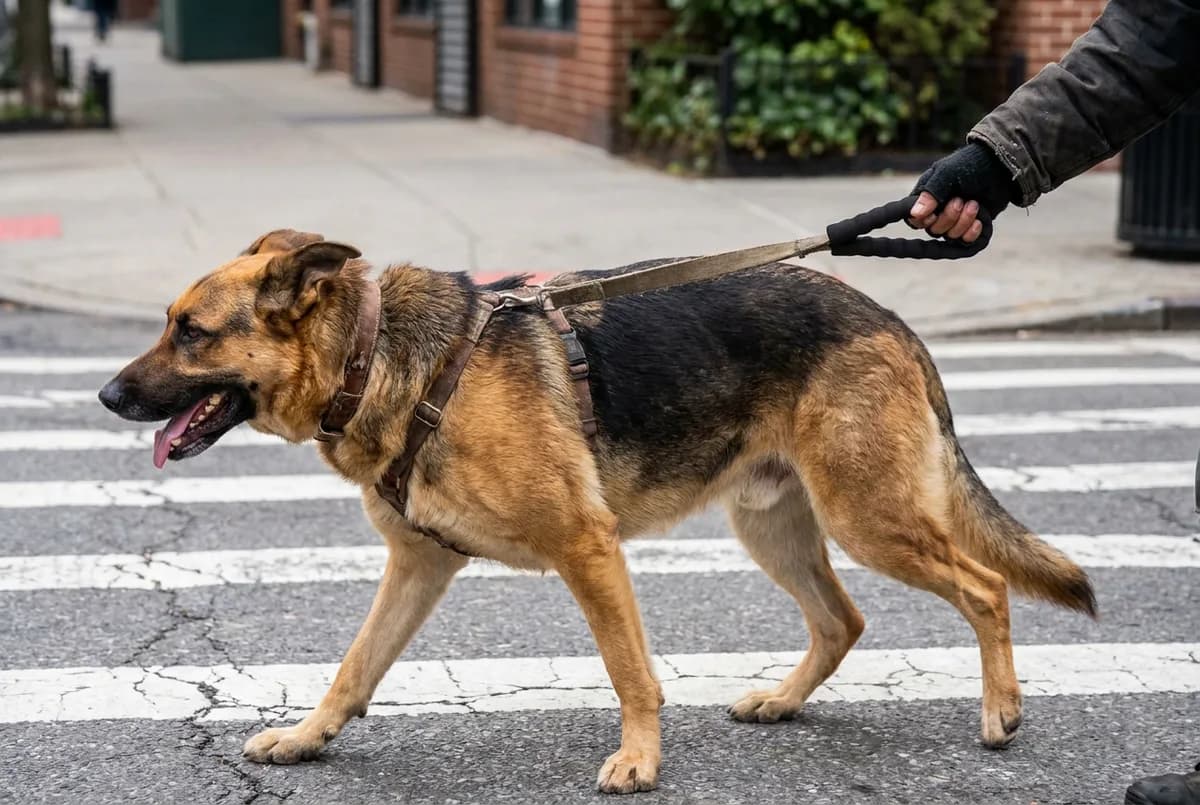
Avoid a very long leash for a puller, and avoid retractables entirely. The longer the line, the more speed a dog gets before it hits the end, and the harder the jolt. Keep a puller on 4 to 6 feet and save the long line for a fenced field.
What is the #1 trick to stop your dog from pulling on the leash?
The most reliable trick is to stop moving the moment the leash goes tight and to start again only when it goes slack, rewarding the dog for being beside you. The dog learns that pulling stops the walk and a loose leash moves it forward. Consistency matters more than any gadget, because a single walk where pulling works undoes days of practice.
A simple stop-and-reward routine looks like this:
- Stand still as soon as the leash tightens, and stay quiet and calm
- Wait for the dog to look back, take a step toward you or let the leash slacken
- Reward at your side with a small, high-value treat, then walk on
- Repeat on every walk, in short sessions, starting in a quiet place with few distractions
- Keep treats ready at the start of each walk and fade them as the habit builds
What is the best anti-pull device for my dog?
For most dogs, a well-fitted front-clip harness is the best anti-pull device, because it turns the dog sideways when it pulls instead of letting it lean into pressure. A head halter can help very strong dogs once they are introduced slowly and fitted carefully. Avoid choke, prong and shock devices, which veterinary behavior groups discourage because they can injure the neck and increase fear or reactivity.
Petful's guide to the best harness for dogs that pull compares front-clip options and explains the fit. Think of the harness and the leash as a pair: the harness controls how pulling feels to the dog, and the leash controls how the pull reaches you. A bungee or traffic-handle leash on a front-clip harness is a better combination than either piece alone.
Do dogs grow out of leash pulling?
No, dogs do not grow out of leash pulling on their own. Pulling works for the dog, since it gets it to the smell or the park faster, and a habit that works gets stronger with practice. Adolescent dogs, usually between about 6 months and 2 years old, often pull harder as energy and confidence rise, which is exactly when training matters most.
The good news is that pulling responds to training at any age. Puppies learn fastest because they have less history to undo, and adult dogs can change with weeks of consistent practice. Strong breeds and young athletic dogs may need months of steady work, and a well-chosen leash buys safety and comfort during that time.
Is the Ruffwear Roamer worth it?
The Ruffwear Roamer is worth considering if you want a stretch-style, waist-wearable leash from a dedicated outdoor brand and you run or hike with a dog that pulls moderately. Chewy's catalog describes the Roamer Lock Leash with stretch webbing, auto-locking hardware and a traffic handle, and the 5.5 to 7 foot version lists at about $54.99, well above the Kurgo Springback Running Leash at $25.99. That gap makes sense when you will use it often on trails rather than for occasional city walks.
It is not one of the six picks because Petful already reviews it in depth. Read the full Ruffwear Roamer leash review before you decide, and compare it against the bungee and hands-free picks above. If budget is your main concern, the Springback offers a similar stretch concept for much less, and if hands-free running is the goal, the Quantum offers six configurations.
Leash material, length and width explained
Most buying mistakes come from three details: material, length and width. Get those right and the type of leash almost chooses itself. This section explains each, plus the hardware and handle details that decide how long a leash lasts.
Types of dog leashes
Here are the common types of dog leashes and the job each does best:
- Standard fixed leash: flat nylon or polyester, 4 to 6 feet, the default for everyday walks
- Traffic-handle leash: a standard leash with a second grip near the clip, for big dogs and busy streets
- Long line: 15 feet or longer, for recall practice and distance work in open space
- Bungee leash: a built-in stretch section that softens lunges, for pullers and runners
- Hands-free or waist leash: worn on the body for running, hiking and carrying things
- Slip lead: a loop that tightens, used by shelters and trainers and not a good everyday choice for most owners
- Retractable leash: a spring-loaded cord that this page skips, for the reasons given earlier
Material: nylon, polyester, rope, leather and biothane
Nylon and polyester webbing are the workhorses. They are light, inexpensive, wash easily and come in many widths, and the picks above use them. The trade-offs are that cheap webbing can burn your palm if it slides through your hand, and wet nylon can get heavy and slippery.
Beyond webbing, each material has a distinct personality:
- Rope: round, grippy and comfortable in the hand, and a popular choice for large and active dogs; thick rope can be bulky in small hands and heavy on small dogs
- Leather: softens with use, feels warm in the hand and lasts for years when conditioned; it is heavier, can stiffen if left wet and needs occasional care
- Biothane: coated webbing that wipes clean and stays flexible in the cold, a practical choice for swimmers and muddy trails, although it can feel stiffer in the hand than nylon
- Chain: strong and very hard to chew through, but heavy and noisy and tough on the hands
- Wet-weather note: most nylon dries quickly but absorbs water and dirt, so rinse it after muddy or salty walks
No leash is truly chew-proof, because a determined dog can chew almost anything given time. A chew-resistant material such as biothane or chain makes the job much harder, and the best protection is to address the chewing through training and to keep the leash out of reach when it is not in use.
Length: how long should a dog leash be?
The right length depends on what you are doing. A 4-foot leash keeps a small dog or a crowded-sidewalk walker close, a 6-foot leash gives a standard dog room to sniff while staying under control, and anything over about 8 feet belongs in open space. Short leashes give control, long lines give freedom, and a bungee leash trades a little length for cushioning.
Use this as a quick guide to length:
- 4 feet: small dogs, crowded places, vet visits and stairs
- 6 feet: standard walks for most dogs, and the length most trainers teach loose-leash walking with
- 8 to 10 feet: relaxed parks and trails where the dog is calm and traffic is absent
- 15 feet and longer: recall practice, tracking and distance training in open fields
If you are torn between two lengths, pick the shorter one for a new, strong or easily excited dog. You can always loosen your grip to give a calm dog more room, but you cannot take back slack once a dog has built up speed.
Leash width by dog size
Width is the quiet detail that decides comfort and strength. Narrow webbing on a big dog feels like a wire in your hand, and wide webbing on a tiny dog drags and feels clumsy. Manufacturers publish their own weight guidance, so treat these as a general rule rather than a promise:
- Toy and very small dogs, up to about 10 pounds: 3/8 inch
- Small dogs, roughly 10 to 30 pounds: 1/2 to 3/4 inch
- Medium dogs, roughly 30 to 60 pounds: 3/4 to 1 inch
- Large and giant dogs, above about 60 pounds: 1 inch or wider
If your dog is strong, choose the wider end of the range for its weight; if your hands are small, a wide leash with a padded handle is often more comfortable than a narrow one.
Hardware, clips and handles
Hardware is where a leash most often fails, so look at it as closely as the webbing. The common clip styles each have a use:
- Snap bolt clip: the classic clip with a spring gate, found on the PetSafe leash, and easy to operate with one hand
- Trigger snap: a larger gate that is easier to open with gloves
- Carabiner: a metal loop with a spring gate, used on hands-free designs such as the Quantum to switch between configurations; some carabiners lock and some do not, so check the gate on the one you buy
- Talon Clip: Ruffwear's proprietary clip, described as strong and secure
- Swivel: a clip that turns to prevent twisting, which also keeps the leash from kinking
- D-ring: a metal ring on the handle or webbing for waste-bag holders, found on the Frisco Comfort
Hardware and clip strength is not marketing; it is what stands between a lunging dog and a road. Choose metal over plastic, and match the clip size to the dog's weight. Handles matter too: a padded handle protects your hand, and a traffic handle gives you a second place to grab when the dog needs to be close.
Care, cleaning and when to replace a worn leash
Most leashes last for years when they get basic care. Rinse mud and salt off after each outing, hang the leash to dry rather than leaving it in a damp bag, and store it off the ground. Condition leather occasionally, and wipe biothane clean with a damp cloth.
Inspect your leash monthly with this short routine:
- Run the webbing through your fingers and feel for fuzzing, thin spots or stiff, sun-faded sections
- Flex the stitching at the handle and the clip end, and look for loose or broken threads
- Open and close the clip several times, and check that the gate snaps shut and the swivel turns freely
- Look at the D-ring, buckle and any metal for rust, bends or cracks
Replace a worn leash before it fails, not afterward. A snapped leash on a busy street is a far bigger problem than the cost of a new one, and any leash with a damaged clip or exposed core should be retired the same day.
- A leash with fraying near the clip, cracked stitching or a gate that sticks can let go at the worst moment. Swap it out the day you find the damage, and keep a spare leash by the door so a worn one never goes back into service.
Using a leash well: training, holding and etiquette
A good leash helps only as much as the habits around it, and three of them make the biggest difference. Teaching comes first: puppies and new adopters learn loose-leash walking fastest when the first sessions are short, quiet and rewarded, and Petful's guide to leash training a puppy is the place to start. The same approach works for adult dogs that never learned, and a leash from the picks above supports the training rather than replacing it.
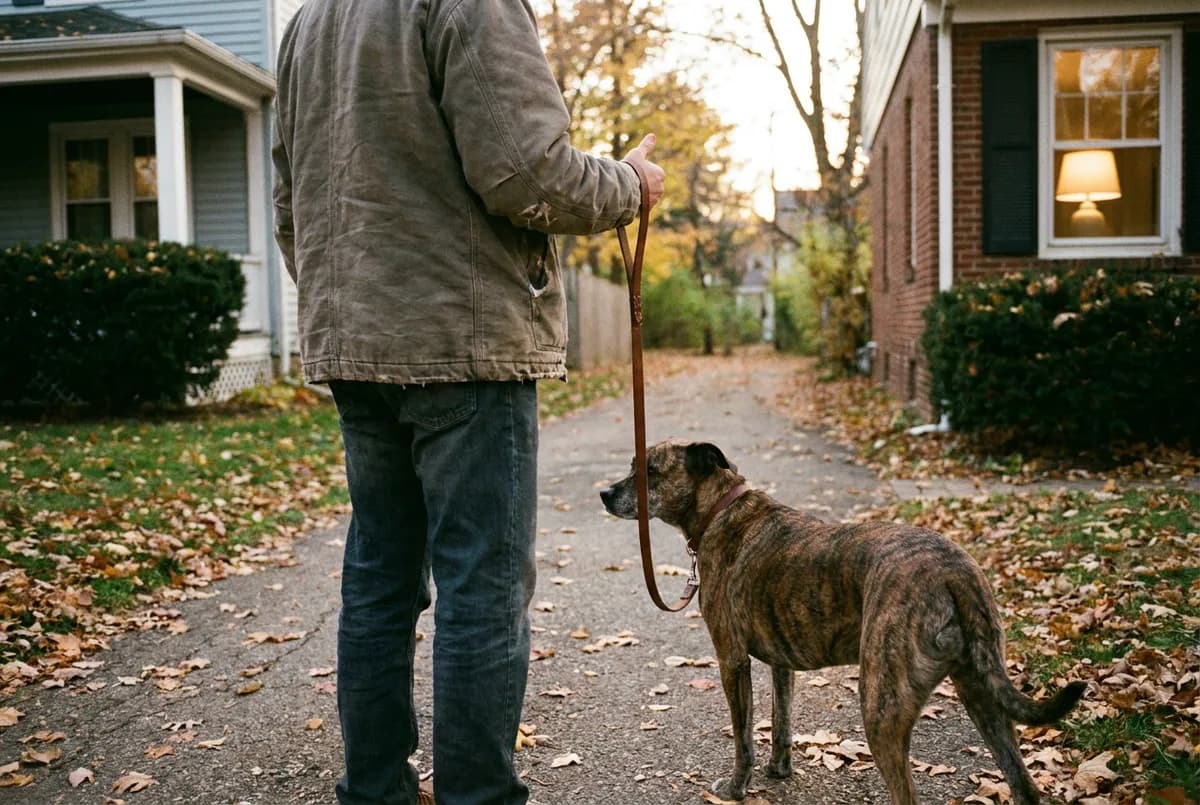
How you hold the leash matters too. A relaxed J-shaped curve between your hand and the dog's collar or harness tells you the leash is doing its job, while a tight line tells you something needs to change. Petful's guide on how to hold the leash the right way covers the grip, so you can shorten up without wrapping the leash around your hand.
Etiquette is the third piece, and it applies to long lines in particular:
- Keep a long line for fields and open space, not sidewalks, trails with traffic or crowded parks
- Keep your dog under control near other dogs and walkers, and ask before letting dogs greet
- Reel in the slack and shorten up when you pass people, bikes or dogs on a narrow path
- Know the leash rules where you walk, since many parks and towns require a leash of a set maximum length
- Pick up after your dog and carry bags on the leash itself, using a D-ring or accessory loop
Petful's guide to off-leash etiquette adds context for long lines, off-leash dogs and shared spaces.
Dog leash questions
Quick answers to the buying questions that come up most once the picks are narrowed down.
For everyday walking, a six-foot standard leash is the best choice for most dogs, because it gives room to sniff while keeping control. Choose 4 feet for small dogs and crowded places. Anything beyond 8 feet, such as a 15-foot long line, belongs in open space for recall practice, and a long line should never replace the standard leash on a street.
Neither is better in every case. A rope leash is round, grippy and comfortable in the hand, and many people like it for large, active dogs. Nylon webbing is lighter, cheaper and easier to wash, which suits small dogs and everyday use. Pick rope for grip and durability, and nylon for weight and price.
No leash is chew-proof, but a chew-resistant leash makes a big difference. A chain or biothane leash is the most common choice, because chewing through coated webbing or metal takes far longer than nylon. Keep the leash away from a chewing dog between walks, and work on the chewing habit with training and chew toys.
They can be, but only for calm, trained dogs. A strong lunge on a waist belt can pull you off balance or injure your back. For big dogs that pull, look for a design with a stretch section, keep a handle in reach, and use a harness. Skip hands-free leashes for dogs that bolt at squirrels or other dogs.
Replace a leash when you see frayed webbing, loose or broken stitching, a worn metal clip that sticks, opens by itself or has a cracked gate, or rust on the hardware. Chewed sections and stiff, sun-faded webbing are also warning signs. Check monthly, and replace a worn leash immediately rather than waiting for it to fail.

Coreen Saito is a pet writer and longtime shelter volunteer with more than a decade in animal rescue. She covers cat behavior, breed care, and the small, ordinary science of sharing a life with companion animals, with a particular focus on honest takes about the products and decisions that actually matter. At home in Arizona, she's outranked by Mac (a dog with the loudest opinion in the house), Rebel (a cat who governs by quiet authority), and Meri (an orange tabby who runs the late shift and the laundry basket). She writes about all three, plus the rescues that keep coming through her life, at LifeWithMinty.com.
Sign up for expert-backed reviews and safety alerts all in one place.