Why Does My Dog Have Bad Breath? Common Causes and Solutions
Puppy breath is normal until 12 weeks old. Some people like it. But if you think your puppy's breath is especially bad, here's what you should know.

This pet health content was written by a veterinarian, Dr. Debora Lichtenberg, VMD. It was last reviewed September 12, 2024
If you have questions or concerns, call your vet, who is best equipped to ensure the health and well-being of your pet. This article is for informational purposes only and is not a substitute for professional medical advice, diagnosis, or treatment. See additional information.

Sign up for expert-backed reviews and safety alerts all in one place.
Why Does My Dog Have Bad Breath: Puppy Breath Explained
There’s normal puppy breath, which has a distinct odor, and then there’s sick puppy breath, where something abnormal may be causing a foul smell.
- Very young puppies often have a sweetish breath odor, commonly referred to as "puppy breath."
If you adopted your puppy at a young age, around 6 weeks old, you might already be familiar with this specific smell.
- Puppy breath typically fades by 8–10 weeks, though some believe it can last up to 6 months.
However, if you're wondering "why does my dog have bad breath" and the odor seems more unpleasant than expected, it could indicate a problem that should be checked by your vet.

Why I'm Not a Big Fan of Puppy Breath
Whether or not normal puppy breath is pleasant is controversial. Humans have a genetic predisposition to how their noses interpret specific smells, like puppy breath (genetic predisposition).
- Personally, I don’t care for it. To me, it smells like a heavy, sweet-sour, skunk odor.
Many people, however, experience a sweet, pleasant odor and are sad when their puppy outgrows the puppy breath stage (a sweet, pleasant odor).
- In fact, if you search for "puppy breath" online, you'll find many unscientific opinions claiming it exists to make people fall in love with puppies (make people fall in love with puppies).
 Sponsored
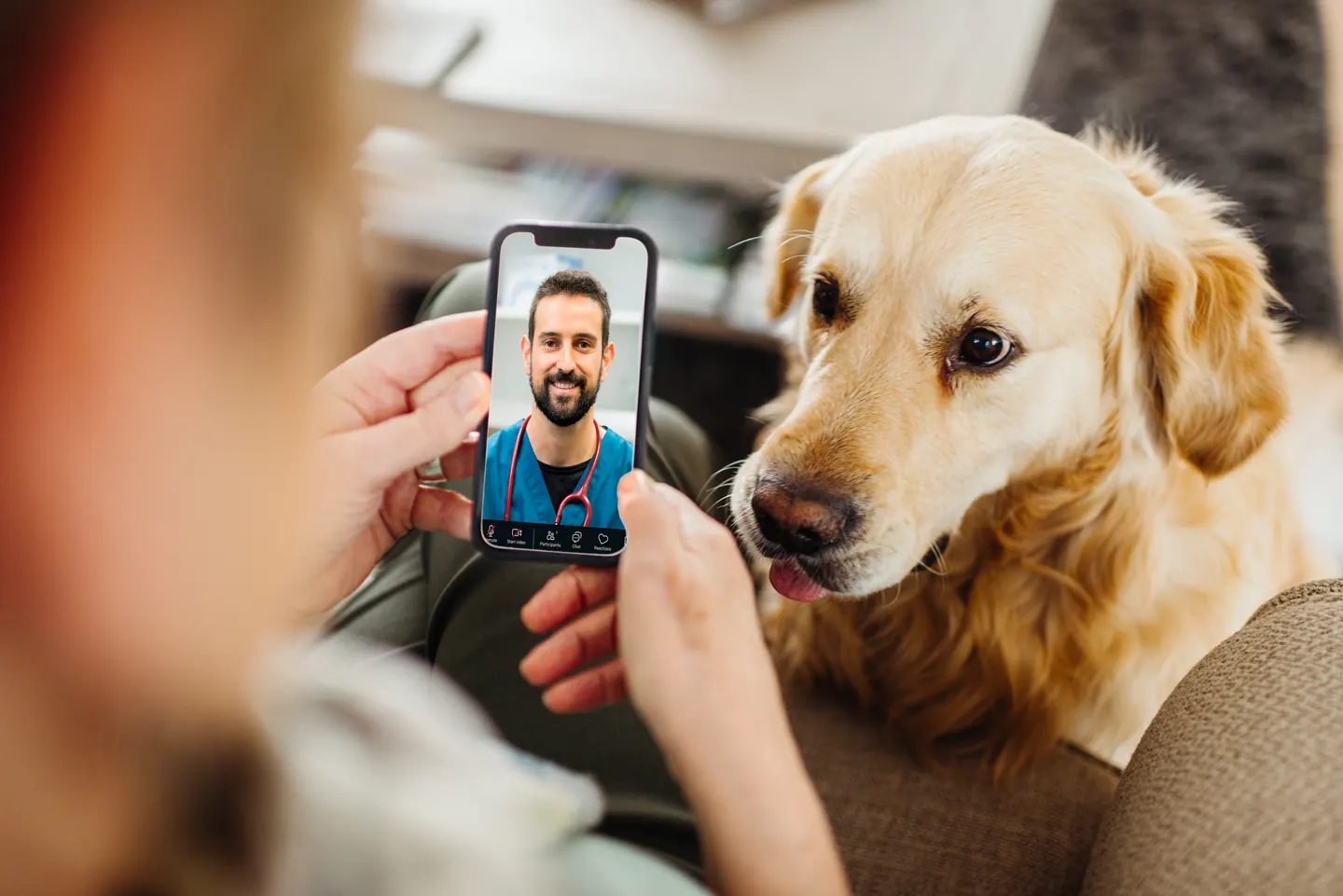
Want a vet's take on your dog's teeth and gums?
Talk to a licensed vet at Dutch over video, often the same day. They can recommend treatment and prescribe it when it's appropriate.
Use code Pets60
Plans start at $12/month · covers up to 5 pets
- Licensed vets in most states
- Rx for 150+ conditions
- 4.7 on Trustpilot
Factors Responsible for Puppy Breath
The scientific explanation is also a bit unscientific.
While we don’t completely understand puppy breath, most veterinary dentists and experts conclude that a number of factors are responsible for puppy breath:
- Sometimes referred to as milk breath, puppy breath is most obvious during nursing and just after the pup is weaned. This is an insufficient explanation, however, since puppy breath lingers for several weeks after weaning.
- Puppy mouths are clean and healthy, harboring none of the oral bacteria common in older dogs.
- The GI tracts of puppies contain different bacteria and flora than do those of adults.

Why Does My Puppy Have Bad Breath?
Even if you’re not a fan of normal puppy breath, it shouldn’t smell foul or sick. If your puppy’s breath has a strong odor, here are 6 possible reasons for the smell:
Teething
The most common cause of bad or unpleasant puppy breath is teething, which affects some puppies more than others.
- As your puppy moves further from being weaned and enters the teething stage, their breath may change.
Here’s a general timeline of puppy tooth eruption:
- Baby (deciduous) teeth begin to erupt around week 2 or 3.
- By week 5 or 6, all 28 baby teeth are in place.
- Baby teeth start falling out between weeks 12–16.
- By 6 months, adult teeth have usually come in.
During teething, inflammation can occur, which sometimes leads to a metallic odor. Puppies might also experience issues with fractured baby teeth or sore gums from chewing on toys. Some puppies may bleed around their gums during this stage, contributing to the smell.
- Avoid giving extremely hard bones or toys to your puppy while they’re teething (extremely hard bones or toys). These can fracture their tiny teeth, making the process of losing baby teeth and getting adult teeth more complicated.
Veterinary dentists recommend rubbery toys like KONG, which you can fill with food or treats. Additionally, a cool washcloth is a safer alternative to ice, which can cause tooth fractures (teething).
Mouth Injury or Difficulty Cutting Teeth
Puppies chew on anything and everything while teething and growing (chew on anything and everything), making it common for them to injure their mouths.
- Minor injuries usually heal quickly, as the oral cavity tends to heal fast.
However, sometimes a foreign body like a piece of stick or toy can get stuck in the mouth, leading to a foul odor (foreign body).
- If your puppy’s breath smells particularly bad, it’s a good idea to consult your vet. Since most puppies get a series of vaccinations during this time, you can bring up tooth-related concerns at those appointments (series of vaccinations).
If the bad smell persists, or if your puppy shows signs of oral pain or difficulty chewing, visit your vet as soon as possible to address any underlying issues.
Puppy Dietary Indiscretion
"Dietary indiscretion" is a polite term veterinarians use to describe a puppy's non-discerning appetite. Essentially, puppies will eat just about anything they can get their teeth into, including poop (including poop).
- After eating something like dog poop, cat poop, garbage, or decaying leaves, your puppy’s breath may smell particularly bad.
Think of it like eating a meal filled with heavy garlic — it can affect your breath for the rest of the day! You might even be able to figure out what your puppy ate by sniffing. For example, cat poop is usually easy to identify.
- If you suspect your puppy’s bad breath is due to a recent meal of something unpleasant, the odor should clear up within a few hours or by the next day.
Monitor what your puppy eats. While bad breath is inconvenient, dietary indiscretion can lead to more severe issues, such as vomiting and diarrhea (vomiting and diarrhea) or even an intestinal blockage (intestinal blockage).

Indigestion
Does food cause bad breath? Most veterinarians agree that food itself doesn’t cause bad breath. However, certain types of puppy food may not agree with your dog, leading to indigestion.
- If your puppy has a sour stomach or struggles with digestion, you might confuse “bad breath” with an odor coming from the gastrointestinal (GI) tract.
This odor may also be accompanied by excessive belching, passing gas (passing gas), vomiting, or diarrhea. Consult your vet about possible food changes.
- Your puppy might need a bland diet for 1–2 weeks to resolve the indigestion. Afterward, gradually introduce new foods over the course of a week to see if symptoms improve.
Periodontal Disease
Young puppies rarely experience true dental disease. Most serious tooth or gum problems don’t occur until a dog is about 3 years old.
- It’s crucial to get your puppy used to getting their teeth brushed early on (getting their teeth brushed).
- Here are a few brushing tips:
- Introduce brushing by 6 months of age, or even earlier if possible.
- Brush your puppy’s teeth at least 3 times a week while they’re young.
- By age 3, brushing daily will help prevent periodontal and tooth diseases.
Metabolic Disease
In rare instances, a puppy’s bad breath can be due to metabolic diseases like kidney failure (kidney failure).
- Along with the breath odor, you may notice other signs of illness. Your vet will likely recommend blood tests to diagnose the issue.
On a much lighter note, check out this fake ad for a new fragrance that will appeal to people who love puppy breath:
 Sponsored
Vet care that's always there
Unlimited video calls and messaging with licensed vets for less than a typical vet visit. One membership covers up to five pets.
Use code Pets60
Plans start at $12/month · covers up to 5 pets
- Licensed vets in most states
- Rx for 150+ conditions
- 4.7 on Trustpilot
How Oral Hygiene Affects Your Dog’s Breath
Maintaining proper oral hygiene is one of the most effective ways to tackle the question, "why does my dog have bad breath."
- Daily Brushing: Brushing your dog’s teeth daily can significantly reduce bacteria buildup.
- Dental Chews: Providing dental chews can help keep your dog’s mouth clean between brushings.
- Regular Vet Cleanings: Routine dental checkups with your vet are essential for preventing periodontal disease and bad breath.
By keeping your dog’s mouth clean, you can effectively reduce bad breath and improve overall oral health.
Common Medical Conditions Behind Bad Dog Breath
If you're asking "why does my dog have bad breath," it could be due to an underlying medical condition.
- Periodontal Disease: Gum infections, tooth decay, and plaque buildup are common causes of bad breath in dogs.
- Kidney Disease: When your dog’s breath smells like urine, it may be a sign of kidney failure.
- Diabetes: Sweet, fruity-smelling breath can indicate diabetes in dogs.
- Liver Disease: A foul odor paired with vomiting or yellowing gums may suggest liver issues.
If you suspect any of these conditions, consult your vet for a diagnosis.
When to Seek Veterinary Care for Bad Breath
Sometimes, answering "why does my dog have bad breath" requires professional help.
- Persistent Odor: If your dog’s breath smells rotten or persists despite regular care, consult a vet.
- Additional Symptoms: Bad breath combined with vomiting, diarrhea, or weight loss could indicate a serious condition.
- Pain While Chewing: If your dog struggles to chew or seems in pain, it could be a dental or medical issue that needs immediate attention.
Don’t hesitate to reach out to your vet if any of these symptoms occur.
Prevention Tips for Maintaining Fresh Breath in Dogs
To prevent the need to ask "why does my dog have bad breath," it's important to follow a few preventative steps:
- Brush Regularly: Make tooth brushing part of your dog’s routine.
- Choose the Right Food: High-quality food helps support digestion and fresh breath.
- Use Dental Chews: Incorporate dental treats into your dog’s diet for extra cleaning.
- Provide Fresh Water: Ensure your dog has access to fresh water, as hydration plays a role in oral health.
- Keep Your Dog's Water Clean and Flowing: When water is fresh, dogs are more likely to drink it. Automated "Set it and Forget it" systems like Always Full ensure water is never stale, which supports better hydration and ultimately fresher breath.
Regular preventative care can help keep your dog’s breath fresh and prevent serious dental issues.

Final Thoughts on Puppy Breath
Puppyhood is a magical time, but it can also be challenging.
- If you love the sweet smell of puppy breath, enjoy it while it lasts — it won’t be around for long.
However, if your puppy’s bad breath persists and doesn’t seem to be improving, it’s always best to consult your veterinarian to rule out any underlying health concerns.
Frequently Asked Questions (FAQ)
Your dog may have bad breath due to poor oral hygiene, dental disease, or gastrointestinal issues.
Rotten-smelling breath in dogs is often caused by periodontal disease or the buildup of bacteria in the mouth.
Regular tooth brushing, providing dental chews, and scheduling vet check-ups can help improve your dog's breath.
Adding parsley, carrots, or specialized dental treats to your dog’s diet may help freshen their breath.
Breath that smells like urine could be a sign of kidney disease and requires a vet visit.
References
- Bellows, Jan, DVM, DAVDC. "Bad Breath in Dogs and Cats." Veterinary Information Network. June 21, 2016. https://veterinarypartner.vin.com/default.aspx?pid=19239&id=4951287.
- Bellows, Jan, DVM, DAVDC. Small Animal Dental Equipment, Materials and Techniques. Wiley. 2019.
- Lobprise, Heidi B., DVM, DAVDC. Wiggs's Veterinary Dentistry: Principles and Practice. Wiley. 2018.
- “Stinky Dog Breath.” American Kennel Club. https://www.akc.org/expert-advice/health/stinky-dog-breath/
- “Bad Breath in Dogs: Causes and Treatment.” PetMD. https://www.petmd.com/dog/symptoms/bad-breath-dogs-causes-treatment
- “Bad Breath in Dogs.” PDSA. https://www.pdsa.org.uk/pet-help-and-advice/pet-health-hub/symptoms/bad-breath-in-dogs
- “Halitosis in Dogs.” VCA Hospitals. https://vcahospitals.com/know-your-pet/halitosis-in-dogs
A Final Word (Disclaimer)
At Petful, our review integrity is paramount; we never exchange special treatment in our reviews for monetary or material rewards.
Nonetheless, when our readers click through to online merchants (including Chewy or Amazon), we receive a referral commission. This supports the running of our free blog, and we appreciate your backing.
For additional information, kindly refer to our Disclaimer and Discourse Section.

VMD
Dr. Debora Lichtenberg, VMD, is a small animal and exotics veterinarian who has been practicing medicine for over 30 years. A graduate of the University of Pennsylvania School of Veterinary Medicine, Dr. Lichtenberg also trained at the Philadelphia Zoo. She now practices in the New York City area and lives in the West Village with her husband and her rescued pets, Cocoa and OG. Dr. Lichtenberg has been writing for Petful for many years, and she has been recognized with Certificates of Excellence from both the Dog Writers Association of America and the Cat Writers Association of America.
Sign up for expert-backed reviews and safety alerts all in one place.