Senior Dog Supplements: What Actually Helps (and What to Skip)
A veterinarian explains which senior dog supplements have real evidence, which are safe to skip, and how joint, gut, and dental support can stack for older dogs.
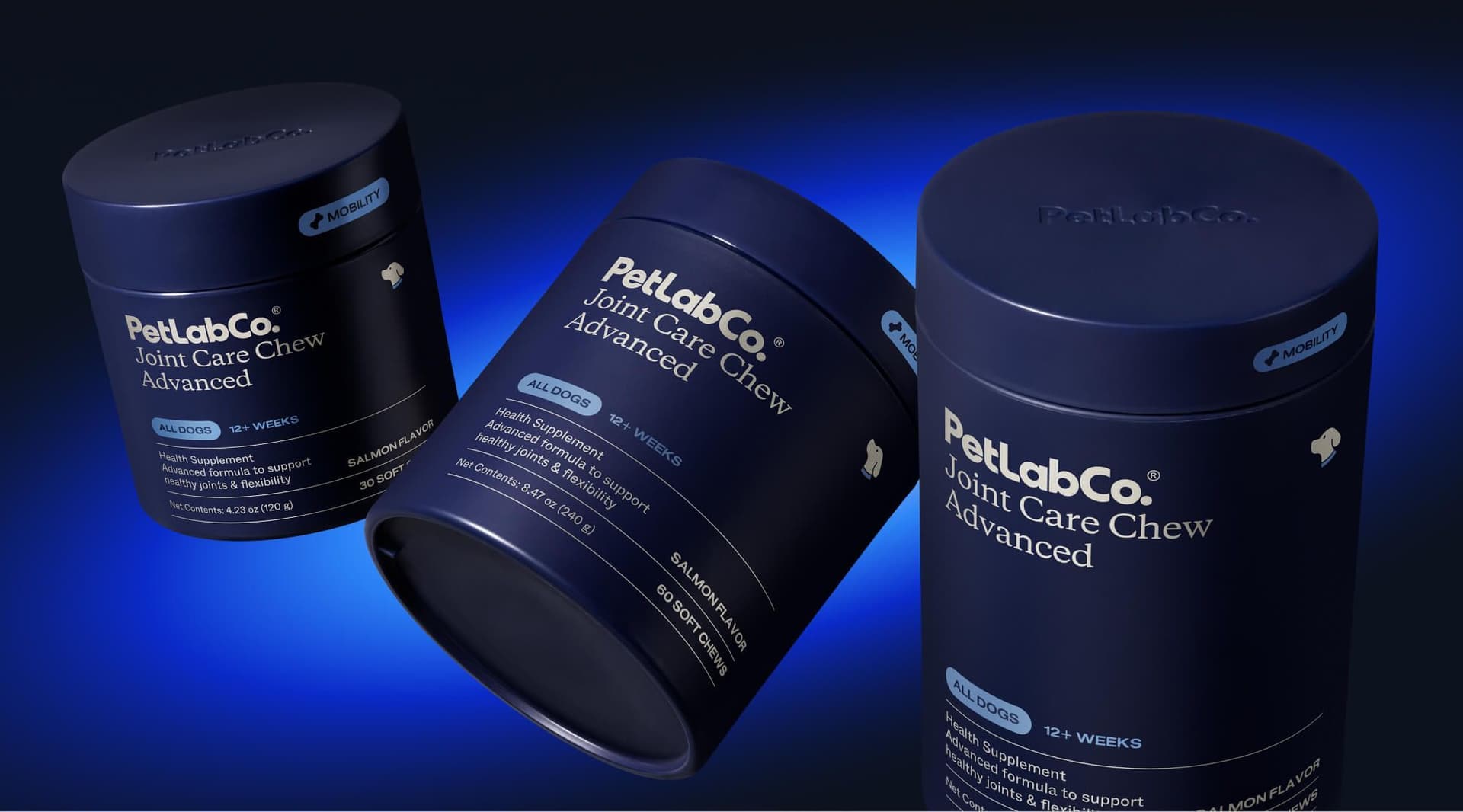
PetLabCo.® Joint Care Chew Advanced tubs, from the current PetLabCo.® product page.
Petful is reader supported. As an affiliate of platforms like Amazon and Chewy, we may earn a commission when you buy through links on this page. There is no extra cost to you.
Senior dog supplements are one of the most common questions I get from owners of graying dogs, and the honest answer is that a few ingredient categories have real evidence for older dogs while many others are marketing. This guide sorts joint, gut, dental, brain, and coat support by evidence grade so you can spend on what is likely to help and skip the rest.
The short version: omega-3 fatty acids, a targeted joint formula, strain-specific probiotics, and a daily dental routine are the senior dog supplements most worth discussing with your veterinarian. A blanket multivitamin, mega-dose single nutrients, and any product that promises to reverse aging belong on the skip list. Below, I also show how three PetLabCo.® formulas, Joint Care Chew Advanced, DF-14 Daily Foundation, and ProBright® Advanced, can stack for proactive senior care without overlapping in ways that matter.

Sign up for expert-backed reviews and safety alerts all in one place.
💡Key Takeaways
- 1Supplements are optional, not automatic: A senior dog eating a complete and balanced diet needs a supplement only when a specific age-related change justifies it, and your veterinarian confirms the fit.
- 2Evidence grade per ingredient varies widely: Omega-3 fatty acids carry the strongest evidence for senior joints and coat, probiotics and prebiotics have moderate strain-specific support, glucosamine and chondroitin are mixed, and most "anti-aging" botanicals are limited.
- 3Joints come first for most seniors: Stiffness after rest is the most common age-related complaint, and a joint formula that combines omega-3s, green-lipped mussel, glucosamine, and chondroitin covers the categories with the best support.
- 4Dental care is a supplement category too: Brushing remains the gold standard, but a daily dental powder with brand-reported clinical results can support fresher breath and a lower plaque index between veterinary cleanings.
- 5The senior stacking table matters: Joint Care Chew Advanced, DF-14 Daily Foundation, and ProBright® Advanced each carry a different job, and the size-specific label quantities below show exactly what a small, medium, or large senior receives.
- 6Skip what has no evidence: Human vitamins, calcium without direction, mega-dose fat-soluble vitamins, weight gainers for unexplained weight loss, and any product that claims to treat disease.
- 7Veterinary guidance is the boundary: Supplements support normal function; they do not diagnose, treat, cure, or prevent disease, and a change in your senior dog's mobility, appetite, or behavior needs an exam first.
Does my senior dog need supplements?
Most senior dogs do not need a long list of supplements, but many benefit from one or two targeted ones. Ask whether a specific age-related change exists, whether an ingredient category has an evidence grade that justifies the cost, and whether your veterinarian agrees it fits your dog's diet, medications, and health history.
That answer-first framing is how I approach every "should I give my senior dog supplements" conversation in the exam room. The question is never whether supplements for senior dogs are good or bad as a class. It is whether the specific dog in front of me has a change that a specific ingredient category can plausibly support.
Here is the simple decision path I use:
- Is the dog actually a senior? Senior status is size-based, not a fixed birthday. Small breeds reach it later than giant breeds, which is covered in the FAQ below.
- Is there a real change? Stiffness after rest, looser stools, bad breath, new night pacing, a dull coat, or muscle loss over the hips are concrete triggers. "Getting older" on its own is not.
- Is the diet already complete? A dog eating a complete and balanced senior or adult food already receives the required vitamins and minerals. Adding more of the same rarely helps.
- Does an ingredient category have evidence for that change? This is where the evidence grade below does the work.
- Does your veterinarian agree? Does your dog have existing health concerns? Speak to your veterinarian before starting any supplements to ensure they are suitable.
How I grade the evidence in this guide
Because "best senior dog supplements" lists rarely explain their reasoning, I use a plain four-level evidence grade for every ingredient category in this article:
- Strong: Controlled canine studies or veterinary guideline support for the outcome owners actually care about, such as mobility.
- Moderate: Canine studies exist, but the result depends on the specific strain, preparation, or dose, so the benefit does not automatically transfer to every product.
- Limited: Plausible mechanism, small or mixed canine studies, or evidence mostly from other species.
- Skip: No credible canine evidence, a safety concern, or a claim that no supplement can honestly make.
| Ingredient category | Senior use case | Evidence grade |
|---|---|---|
| Omega-3 fatty acids (EPA and DHA) | Joint comfort, coat, cognition support | Strong for joints and coat; moderate for cognition |
| Green-lipped mussel | Joint comfort and flexibility | Moderate, preparation-specific |
| Glucosamine and chondroitin | Cartilage and joint structure support | Limited to mixed |
| MSM and Boswellia | Joint comfort support | Limited |
| Probiotics and postbiotics | Stool quality, gut balance, immune support | Moderate, strain-specific |
| Prebiotic fiber (FOS) | Stool consistency and gut flora | Moderate |
| Sodium hexametaphosphate and oral probiotics | Plaque and tartar control, breath | Moderate, product-specific |
| MCT oil and antioxidant blends | Cognitive support | Moderate |
| Complete multivitamin on a complete diet | General "insurance" | Limited |
| Mega-dose single vitamins, human products | None | Skip |
The table is a summary. Each section below explains the grade, what the ingredient can honestly be expected to support, and which of the featured PetLabCo.® products carries it.
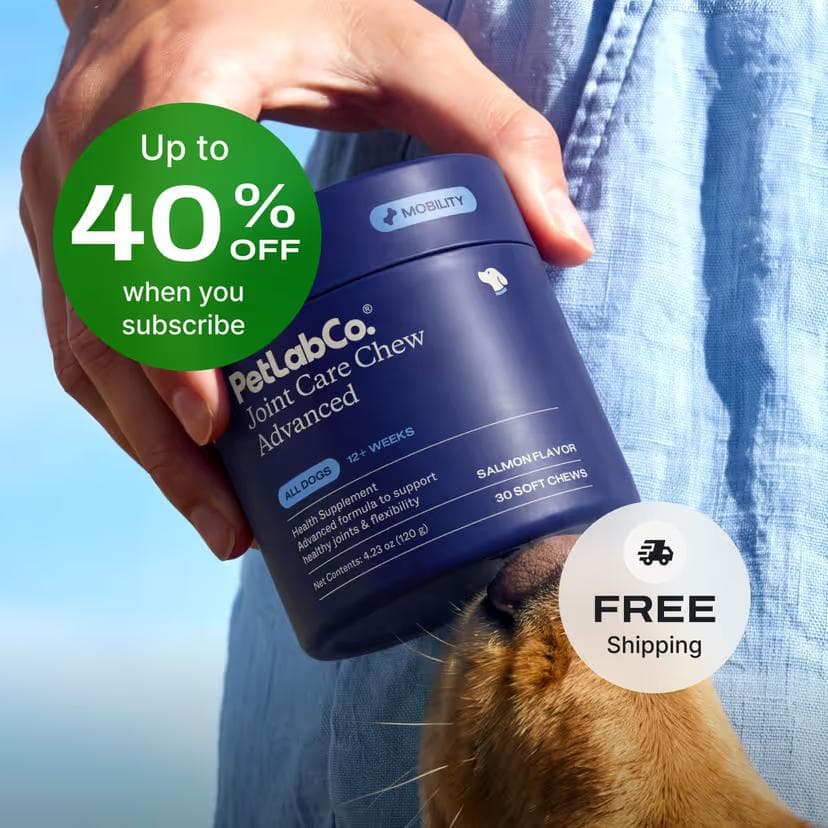
An upgraded daily hip and joint soft chew that helps with everyday stiffness, supports cartilage, and keeps dogs moving comfortably. Salmon flavor, 30 chews per tub.
Petful may earn a commission when you click through to PetLabCo.®, at no extra cost to you.
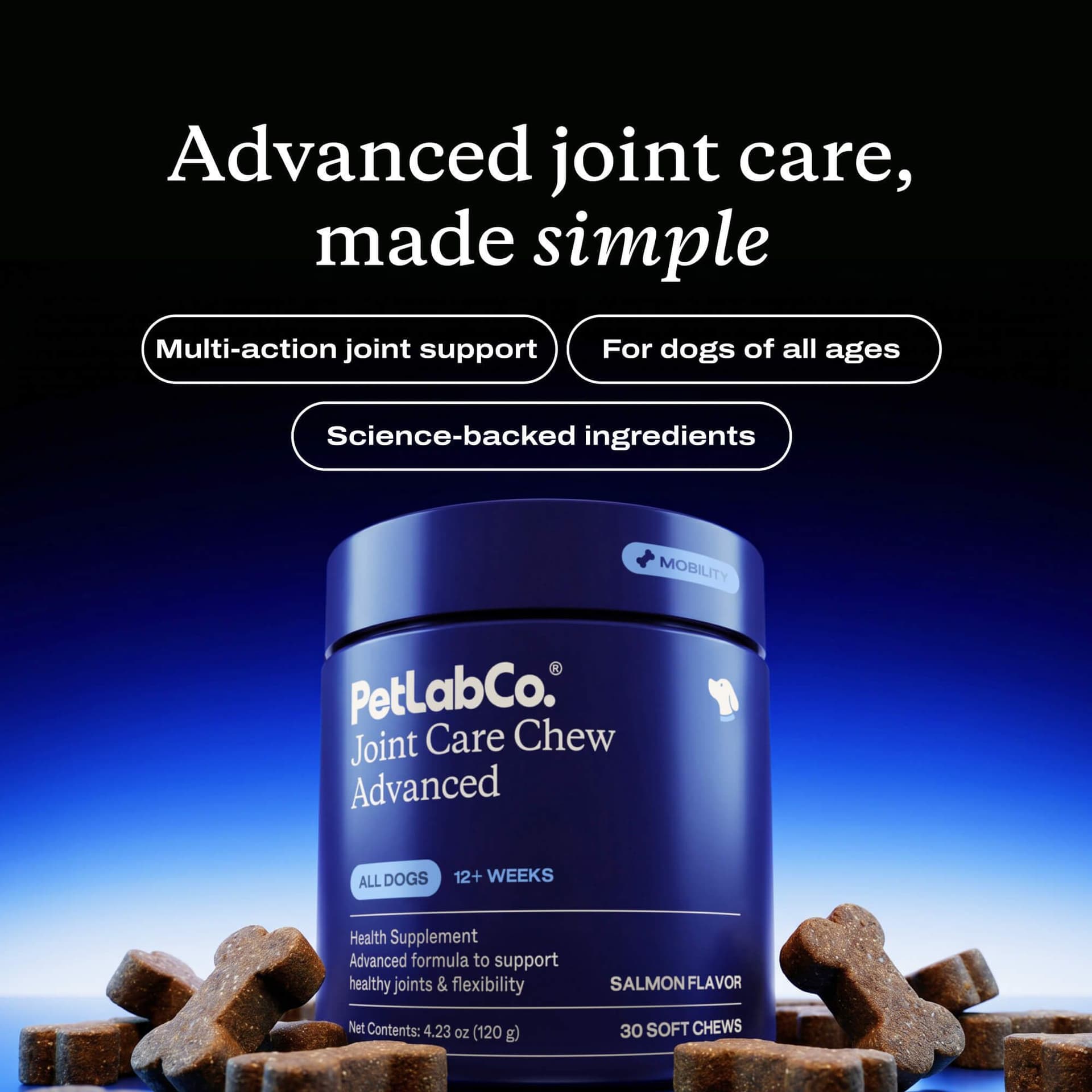
Owners in pet-owner groups often ask a version of the same question: are natural supplements for senior dogs worth it, or is it all marketing? The candid answer is that "natural" is not an evidence grade, and neither is "best." The best supplements for senior dogs are the ones matched to a real change with evidence behind the ingredient. Fish oil is natural and has strong evidence. Many botanical blends are natural and have almost none. Senior dog vitamins and supplements deserve the same scrutiny as any other purchase for your dog, and the sections that follow apply it category by category.
What changes in an aging dog
Aging is not a disease, but it changes how a dog's body uses food, repairs tissue, and handles stress. Understanding those changes explains why some supplement categories earn a place and others do not.
The main shifts I see in senior patients are:
- Cartilage wears and joint fluid thins: Everyday movement becomes stiffer, especially after rest, and osteoarthritis is common in older dogs of every size.
- Muscle mass declines: Sarcopenia, the age-related loss of lean muscle, shows up as a narrower topline and weaker hind legs even in dogs who are not losing weight overall.
- Digestion becomes less forgiving: Stool quality can vary more, appetite may become pickier, and the gut microbiome shifts with age.
- Dental disease accumulates: Plaque, tartar, and gum inflammation are close to universal in senior dogs that have not had consistent home care.
- Brain aging begins: Sleep-wake changes, disorientation, and reduced engagement can signal canine cognitive dysfunction.
- Skin and coat change: The coat can dull, thin, or dry as sebum production and cell turnover slow.
- Organ reserve shrinks: Kidney, liver, and heart function may still test normal but with less margin, which is why senior screening matters before adding anything new.
The AAHA Senior Care Guidelines for Dogs and Cats recommend that these changes be tracked through regular screening rather than assumed, because several of them can also be early signs of treatable disease.
What do senior dogs need nutritionally?
Senior dogs need a complete and balanced diet with high-quality, highly digestible protein, calories adjusted to their activity level, adequate omega-3 fatty acids, controlled phosphorus if kidney function is declining, fermentable fiber for stool quality, and consistent hydration. The Merck Veterinary Manual's small-animal nutrition overview notes that nutritional requirements shift with age and disease, so the right senior plan starts with the food bowl and adds supplements only where the food leaves a gap.
The most common mistakes I see are the opposite of what owners expect:
- Cutting protein too far: Healthy senior dogs generally need as much or more quality protein than younger adults to maintain muscle, not less. Protein restriction is reserved for specific diagnosed conditions under veterinary direction.
- Overfeeding a slower dog: Excess body weight is the single most damaging thing for aging joints, and no joint supplement offsets it.
- Underestimating water: Older dogs may drink less, and dehydration worsens constipation, kidney strain, and lethargy.
- Assuming a senior label fixes everything: Senior foods vary widely. Read the guaranteed analysis and ask your veterinarian whether the protein, fat, and phosphorus levels suit your dog.
How to support muscle mass in senior dogs
You slow muscle wasting in a senior dog by feeding enough high-quality protein, keeping the dog at a lean body condition, maintaining daily low-impact exercise, supporting joint comfort so the dog stays willing to move, and asking your veterinarian to rule out factors that accelerate muscle loss. Supplements play a secondary role: omega-3 fatty acids have evidence for supporting muscle and mobility in older dogs, and a joint formula can help a stiff dog stay active, which is the real muscle-preserving factor. No supplement rebuilds muscle in a dog. Adequate protein and appropriate daily movement support muscle health.
Practical steps that work in my patients:
- Feed measured meals with a protein level your veterinarian confirms is appropriate for kidney and liver status.
- Walk daily on flat ground, and add short, controlled sit-to-stand repetitions or gentle inclines if your veterinarian approves.
- Keep a monthly photo of your dog from above and from the side so muscle loss is noticed early rather than after a fall.
- Schedule geriatric screening bloodwork and urinalysis every six months, because muscle loss that outpaces age is a medical sign, not a nutritional one.
Joint and mobility support
Joint support is where senior dog supplements have the most evidence and where owners spend the most, so it deserves the most scrutiny. The categories below are graded using veterinary guidelines and a 2022 systematic review of canine osteoarthritis nutraceuticals.
- Judge a joint supplement over four to eight weeks at the labeled amount, not after a few days. Track the same three things each week (rising from rest, stairs, and the length of a comfortable walk) so you and your veterinarian compare like with like.
Omega-3 fatty acids: the strongest evidence grade
The 2022 AAHA pain management guidelines found the evidence low for all nutraceuticals evaluated for osteoarthritis signs except omega-3 fatty acids in dogs. The Merck Veterinary Manual's osteoarthritis overview likewise notes improved gait and mobility with EPA-rich nutrition. That makes EPA and DHA the first ingredient category I look for in any senior dog joint supplement.
Two caveats keep this honest:
- The amount matters. Research doses are based on body weight and total daily EPA plus DHA, so a small omega-3 amount inside a multi-ingredient chew supports the formula but is not the same as a separately dosed fish oil.
- The source matters for tolerance. Anchovy, krill, and salmon oils can all deliver EPA and DHA, but fish and shellfish sensitivities need to be considered.
Green-lipped mussel: moderate and preparation-specific
Green-lipped mussel is a marine ingredient that supplies omega-3s plus other compounds. A double-blind study of 31 dogs found improvement in a total arthritis score after six weeks when a specific green-lipped mussel powder was added to a complete diet. That is genuine canine evidence, but it applies to the preparation studied, so I grade it moderate rather than strong.
Glucosamine and chondroitin: familiar, but mixed
Glucosamine and chondroitin are the ingredients most owners associate with "joint supplements for old dogs," and they are included in nearly every product on the shelf. The evidence is weaker than their popularity suggests. The 2022 systematic review by Barbeau-Grégoire and colleagues found a marked lack of analgesic efficacy for glucosamine-chondroitin nutraceuticals in canine osteoarthritis, and Merck reaches the same conclusion. I still consider them reasonable structure-support ingredients in a combined formula. I just do not choose a product for them alone, and I never describe them as treating arthritis.
MSM and Boswellia: limited
MSM is a sulfur compound used in connective-tissue supplements, and Boswellia is a plant resin used for joint-comfort support. Small canine studies on specific Boswellia preparations are encouraging, but neither ingredient has strong outcome data at the amounts typical of a daily chew. They broaden a formula; they do not carry it.
What the most effective joint supplement for dogs looks like
When owners ask what is the most effective joint supplement for dogs, or which is the best hip and joint supplement for dogs, my answer is a formula, not a single ingredient:
- EPA and DHA from a named marine source, with the amounts printed on the label
- Green-lipped mussel as a second marine ingredient
- Glucosamine and chondroitin for structure support, with quantities disclosed rather than hidden in a proprietary blend
- Weight-based directions, so a 20 lb senior and a 90 lb senior are not given the same amount
- Support language on the label, not promises to cure stiffness
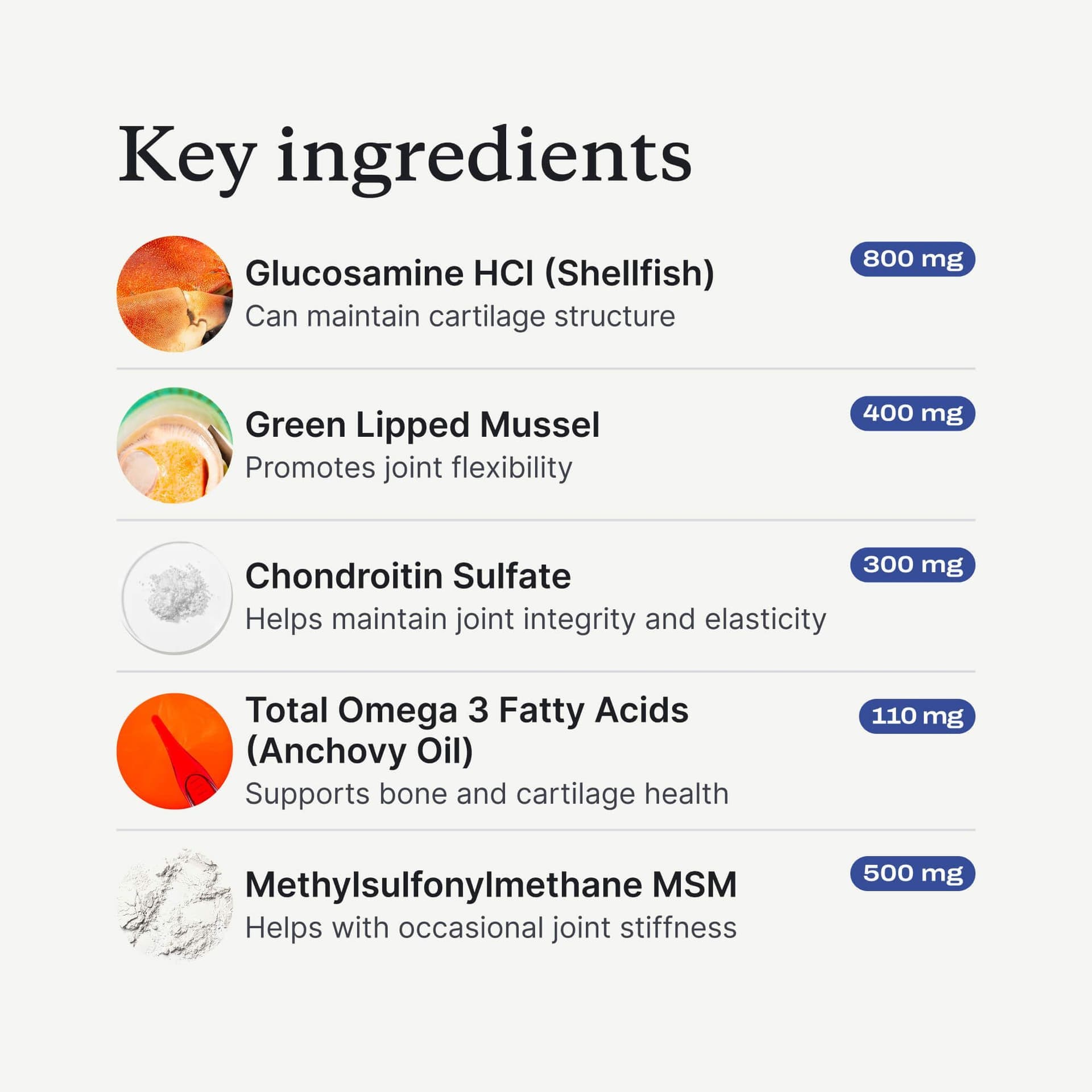
That profile is why Joint Care Chew Advanced is the joint formula in the senior stack below, and why it is the product I point to when owners ask which senior dog supplements for joints are worth the money. Per two salmon-flavored soft chews, the current label supplies 800 mg of glucosamine, 500 mg of MSM, 400 mg of green-lipped mussel, 300 mg of chondroitin sulfate, 40 mg of Boswellia, and 110 mg of total omega-3 fatty acids from anchovy oil, including 70 mg of EPA and 40 mg of DHA. The label lists it as suitable for dogs 12 weeks and older, which means a senior can stay on the same product it may have started years earlier.
An upgraded daily hip and joint soft chew that helps with everyday stiffness, supports cartilage, and keeps dogs moving comfortably. Salmon flavor, 30 chews per tub.
Petful may earn a commission when you click through to PetLabCo.®, at no extra cost to you.
For readers who want a wider comparison of ingredient types and formats, Petful's guide to joint supplements for dogs covers the category in more depth, and PetLabCo.®'s joint collection shows the other formats the brand offers.
Senior dogs with arthritis: recommended support
A dog that is limping, struggling to rise, crying out, or losing muscle needs a diagnosis, pain management, weight control, and often physical rehabilitation. A vet recommended joint supplement for dogs is one your veterinarian has checked against the dog's medications, especially NSAIDs and anticoagulants. Ask for the label quantities, and ask your veterinarian before stacking a supplement with a second joint product. Whether a search reads "best joint supplement for older dogs," "best supplement for senior dogs joints," or "best senior dog supplements for joints," the answer is the same formula profile, checked against the individual dog.
Gut, digestion, and immune support
Digestive support is the second most common reason owners add supplements for senior dogs, usually after a stretch of soft stools, gas, or a pickier appetite. The evidence here is moderate and specific, which means the right product depends on what is in it.
Probiotics: moderate, strain-specific
Probiotic effects depend on the organism, strain, dose, and outcome studied. That is why I do not grade "probiotics" as a class. Spore-forming Bacillus species are chosen for shelf stability and survival through the stomach, Bifidobacterium species are widely used for stool quality, and Saccharomyces boulardii is a probiotic yeast studied for digestive support during antibiotic use and diarrhea. A label that names the organisms and states a CFU count is more useful than one that promises a "gut health blend."
For a senior dog, realistic goals are:
- More consistent stool quality
- Support for normal gut flora after antibiotics, diet changes, or boarding
- Support for normal immune function, since a large share of immune tissue sits in the gut wall
Unrealistic goals include treating chronic diarrhea, inflammatory bowel disease, or food allergy. Those need a diagnosis, and a persistent change in an older dog's stool is a reason to call your veterinarian, not to switch probiotics.
Prebiotics and postbiotics: moderate
Fructooligosaccharides, or FOS, are fermentable fibers that feed beneficial gut bacteria and support stool consistency. Postbiotics are inactivated microorganisms or their components, such as heat-treated yeast, and canine evidence for them is growing but still limited and varied. Together with probiotics, they make a formula more than a single-organism product.
Immune support: what the ingredients can and cannot do
Older dogs have a less responsive immune system, which is one reason senior screening and vaccination reviews matter. Ingredients such as lactoferrin, vitamin C, vitamin E, and beta-carotene are reasonable antioxidant and immune-support components at supplement levels. They support normal immune function; they do not prevent infection or replace vaccination, parasite control, or treatment.
Where DF-14 Daily Foundation fits
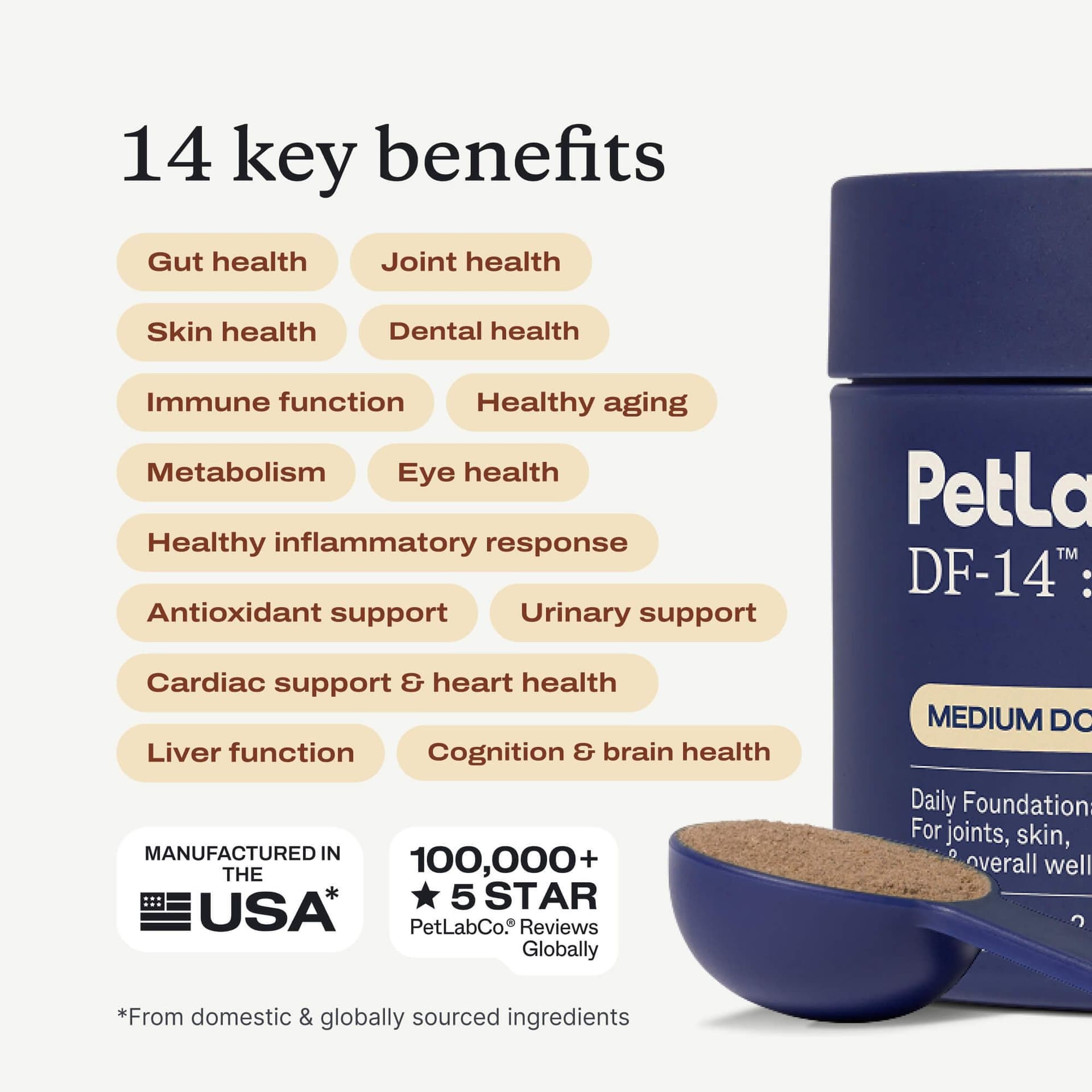
This is the category where a multifunctional powder earns its place for a senior. DF-14 Daily Foundation combines a proprietary probiotic blend of Bacillus subtilis, Bifidobacterium animalis subsp. lactis, and Saccharomyces boulardii with FOS and a yeast postbiotic of Saccharomyces cerevisiae and Cyberlindnera jadinii. The same daily scoop carries krill as an omega-3 source, glucosamine and chondroitin, taurine, L-carnitine, astragalus, cranberry, vitamins C and E, beta-carotene, lactoferrin, and sodium hexametaphosphate. See our guide to L-carnitine for dogs. See our guide to WebVet’s guide to taurine supplements for dogs.
For a senior owner, the practical value is consolidation: one chicken-and-bacon-flavored powder at mealtime covers gut, immune, and antioxidant support with disclosed amounts for four weight bands, instead of three or four separate tubs. It is not a complete multivitamin and it does not replace food, which I address in the vitamins section. Petful's full DF-14 review walks through every active amount if you want the product-level detail.
Dental care for older dogs
Consistent oral care matters throughout a senior dog’s life. Daily dental supplements can support fresher breath and cleaner teeth as part of a routine that includes brushing and veterinary cleanings. They do not treat dental disease.
What the evidence supports
The hierarchy of home dental care for an older dog is clear:
- Daily brushing with a dog-safe toothpaste: Still the most effective home step for plaque control, and the only one with mechanical action.
- Daily dental powders, water additives, and chews: Useful adjuncts for dogs that will not tolerate brushing, graded by the evidence behind the specific product.
- Professional cleaning under anesthesia: The only way to clean below the gumline and take dental radiographs. Senior age alone is not a reason to avoid anesthesia; pre-anesthetic screening is.
Where ProBright® Advanced fits
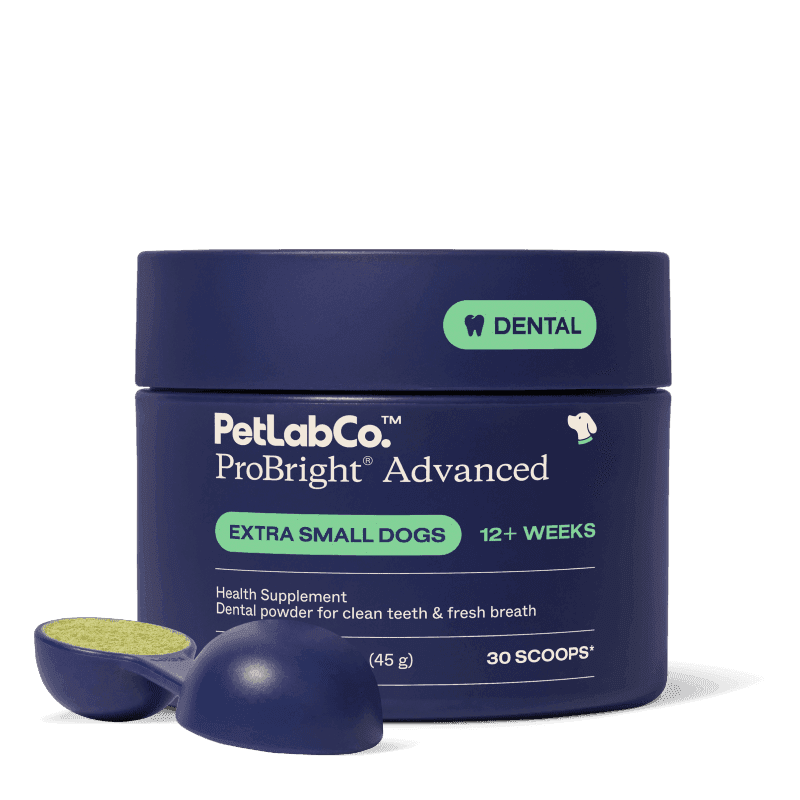
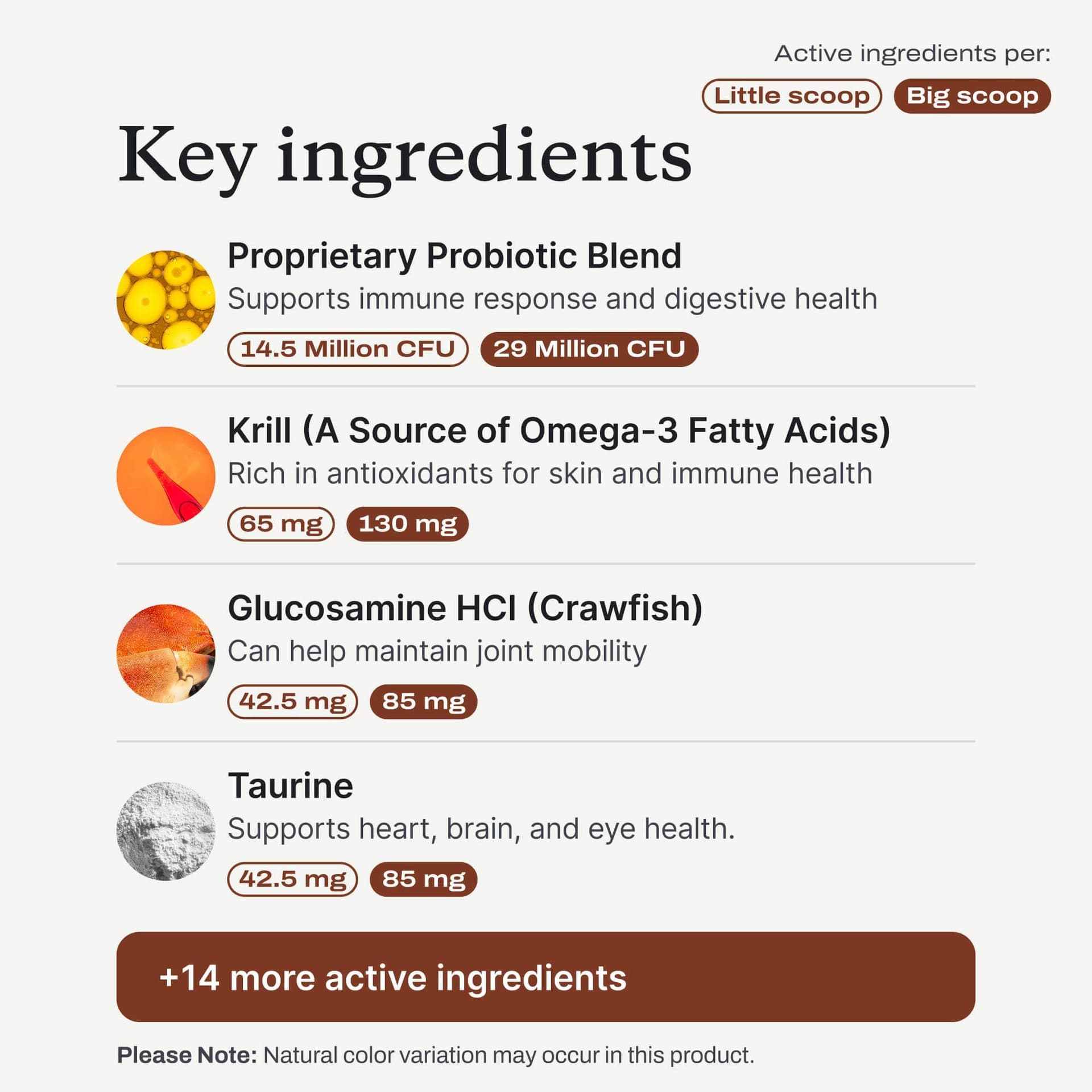
ProBright® Advanced is a once-daily dental powder sprinkled over food, and it is the dental product in the senior stack because it has product-specific results rather than only ingredient theory. The formula combines a proprietary probiotic blend of Pediococcus pentosaceus and Lactiplantibacillus plantarum, brown algae (Ascophyllum nodosum), sodium hexametaphosphate, rosemary leaf extract, and decaffeinated green tea, with active amounts disclosed across five weight bands.
PetLabCo.® reports two brand-reported clinical studies, both published on its ProBright® Advanced study page:
- A 28-day clinical study found ProBright® Advanced significantly reduced hydrogen sulfide, a common bad-breath compound, by 40%.
- A 90-day clinical study found dogs taking ProBright® Advanced daily had a plaque index score 25% lower than the control group, a statement attributed to Dr. Jan Bellows, board-certified veterinary dentist and PetLabCo.® consultant.
Individual results vary, and a lower plaque index is not the same as removing established tartar or treating periodontal disease. For an older dog, I position the powder as support for fresher breath and a cleaner mouth between cleanings, given at mealtime, never added to water. The label also advises caution in dogs with hyperthyroid disease because brown algae is a seaweed, and it recommends giving the powder during or after a meal to reduce the chance of stomach upset. Petful's ProBright® Advanced review covers the study details and the single-use ProBright® Advanced One packet format, and the brand's dental collection includes the Dental Formula water additive and Prebiotic Dental Sticks for owners who prefer a different format.
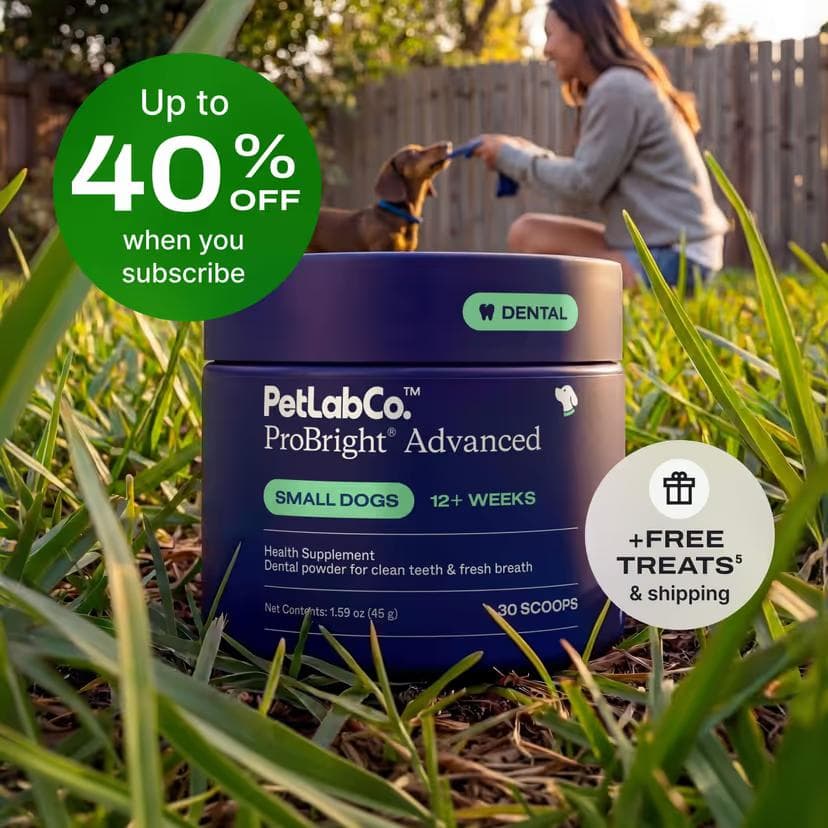
An at-home dental powder that targets tartar buildup and helps reduce bad breath in dogs. Sprinkle one scoop over food daily, 30 scoops per tub.
Petful may earn a commission when you click through to PetLabCo.®, at no extra cost to you.
Dental signs that need an exam, not a supplement
Healthy dog teeth should be white and free of visible buildup, with pink or normally pigmented gums. If you notice changes in your senior dog's teeth or gums, discomfort when eating, or a sudden change in breath, speak with your veterinarian before adding a dental supplement.
Brain and cognitive support
Cognitive change is the senior category owners recognize last and regret most. Canine cognitive dysfunction produces disorientation, altered sleep-wake cycles, house-soiling, reduced interaction, and anxiety, and it is under-diagnosed because owners attribute it to "just getting old." Supplements for senior dogs with dementia have moderate evidence, but the sequence matters: assessment first, then diet and enrichment, then supplements, then prescription options.
Evidence grade for cognitive ingredients
- MCT oil (medium-chain triglycerides): moderate. MCTs provide the aging brain an alternative fuel to glucose. Discuss the appropriate dietary amount with your veterinarian; an ingredient’s presence alone does not establish the effect of a supplement.
- Antioxidant blends: moderate. Vitamin E, vitamin C, beta-carotene, and related antioxidants have canine evidence when combined with environmental enrichment, and they form the base of the best cognitive supplements for dogs of any age and the best cognitive supplements for senior dogs in particular.
- Omega-3 DHA: moderate. DHA is a structural component of brain tissue, and it is included in most cognitive diets, though direct canine dementia outcome data are thinner than the joint data.
- SAMe and phosphatidylserine: limited to moderate. Small canine studies suggest benefit, but preparations vary and the studies are short.
- Taurine and L-carnitine: limited for cognition. Both have roles in normal metabolism and cardiac function, and taurine is often included in healthy-aging formulas, but neither has strong cognitive outcome data in dogs.
What about prescription options?
Selegiline for dogs is a prescription medication approved for canine cognitive dysfunction, and it is the first thing to discuss with your veterinarian when signs are already affecting quality of life. It is not a supplement, and the best supplement for dog dementia does not replace it. The two can coexist in a plan, but only with veterinary direction because selegiline interacts with several other drugs.
What a natural cognitive routine looks like
Natural supplements for dog dementia work best inside a broader routine:
- Consistent daily schedule for meals, walks, and bedtime
- Short training or scent games to keep the brain engaged
- Night lights and clear pathways to reduce disorientation
- A diet or supplement providing MCTs, antioxidants, and DHA
- A veterinary cognitive assessment to rule out pain, hearing or vision loss, and organ disease, all of which mimic dementia
In the senior stack, DF-14 Daily Foundation carries the antioxidant and DHA-containing components: krill omega-3s, vitamin E, vitamin C, beta-carotene, and taurine. It is positioned as support for normal cognitive function in a healthy senior, not as a cognitive supplement for a dog already showing dementia signs. Those dogs need the assessment first.
Skin, coat, and omega-3s
A dull, thinning, or flaky coat is one of the most visible signs of aging, and one of the easiest to support because the leading ingredient category is also the one with the best evidence.
Omega-3s: strong for skin and coat
EPA and DHA support a normal inflammatory response in the skin and contribute to coat quality. They are the same fatty acids that support senior joints, which is why an omega-3 source appears twice in the stacking table below. The AKC's guidance on nutrition and supplements for senior dogs lists omega-3 fatty acids among the most worthwhile additions for aging dogs.
Practical points on omega-3 sources:
- Anchovy or fish oil: Delivers EPA and DHA in the triglyceride form used in most studies.
- Krill: Delivers EPA and DHA bound to phospholipids, along with astaxanthin, a carotenoid antioxidant.
- Flaxseed and plant oils: Provide ALA, which dogs convert to EPA and DHA poorly, so they are a weaker choice for a senior.
Vitamin E, zinc, and biotin: limited to moderate
Vitamin E is a fat-soluble antioxidant often paired with omega-3s because the fatty acids increase antioxidant demand. Zinc and biotin have roles in skin and coat, but a dog on a complete diet is rarely deficient, so they are add-ons rather than fixes.
When coat changes need a veterinary check
Changes in a senior dog's coat can have several causes. A coat that changes quickly, or that comes with itching, patchy hair loss, or a new odor, needs a veterinary check before adding a supplement.
In the senior stack, both Joint Care Chew Advanced (anchovy oil) and DF-14 Daily Foundation (krill) carry omega-3s, and DF-14 adds vitamin E. Neither is a stand-alone high-dose fish oil, so a dog whose veterinarian wants a therapeutic omega-3 dose will need a separately measured product on top.
Vitamins and daily nutrition for senior dogs
Senior dog vitamins are the category owners buy most reflexively and need least often. That is not a reason to dismiss them; it is a reason to buy them for a specific job.
What vitamins are recommended for senior dogs?
Veterinarians recommend that a senior dog get its vitamins primarily from a complete and balanced diet, and add targeted nutrients only when a specific need exists: vitamin E and omega-3 fatty acids for skin, coat, and antioxidant support; B vitamins when appetite or absorption is reduced; vitamin C, beta-carotene, and related antioxidants for cognitive and immune support; and glucosamine, chondroitin, and marine omega-3s for joints. A blanket multivitamin is rarely recommended for a dog already eating a complete food, because doubling up on fat-soluble vitamins A and D can cause harm rather than help. PetLabCo.®'s own senior dog vitamins guide, written by a veterinarian, lists vitamins A, E, the B complex, C, and D alongside omega-3s, glucosamine, and MCT oil as the nutrients worth considering, and it makes the same point I make: talk to your veterinarian first and monitor the response over one to two months.
Multivitamin versus multifunctional supplement
Owners searching for the best multivitamins for senior dogs often end up comparing two different product types:
- A multivitamin supplies vitamins and minerals. It is designed to fill nutritional gaps, which a complete diet has already filled.
- A multifunctional supplement supplies functional ingredients such as probiotics, omega-3s, joint compounds, and antioxidants. It is designed to support specific body systems, not to complete the diet.
DF-14 Daily Foundation is the second type. It contains vitamins C and E and beta-carotene, but PetLabCo.® itself describes it as functional wellness support rather than a multivitamin, and it is not a complete vitamin and mineral profile. That distinction is why I am comfortable stacking it with a complete food: it adds function without adding fat-soluble vitamin A and D on top of a fortified diet.
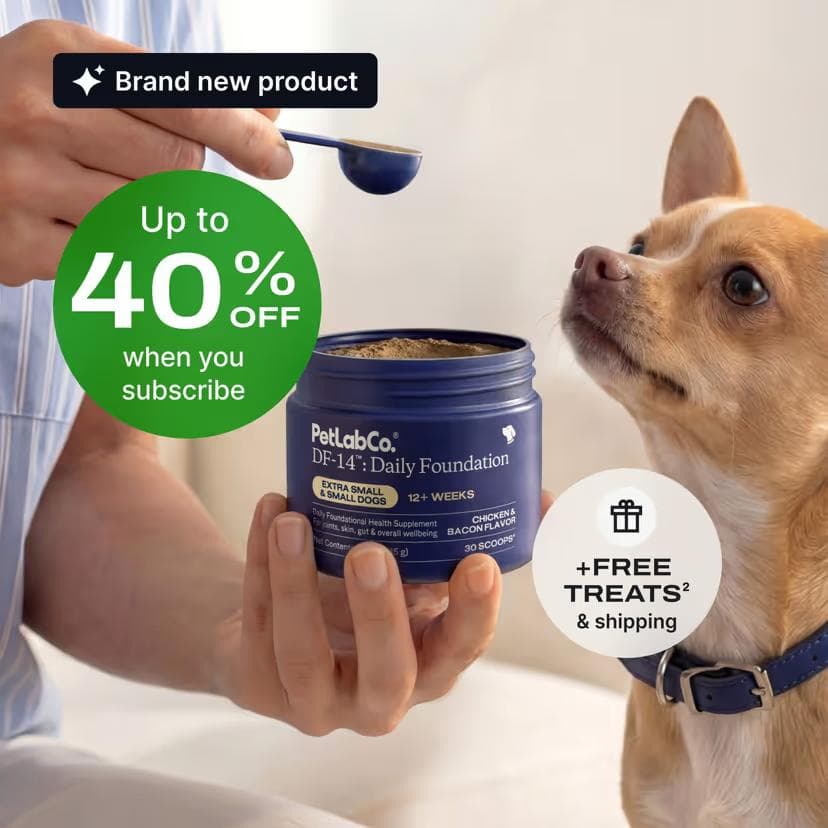
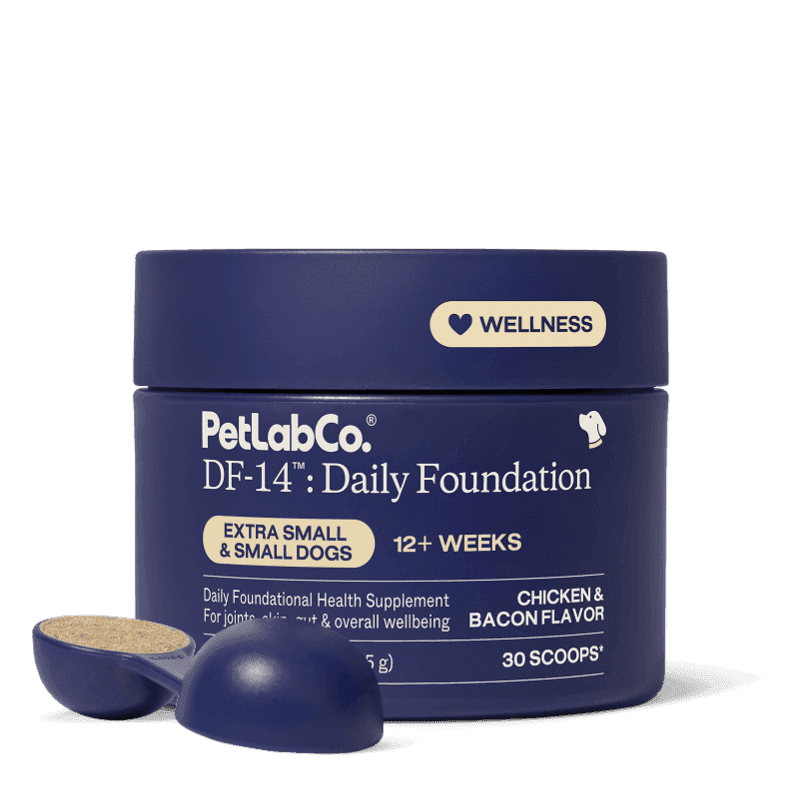
One daily scoop of whole-body support. DF-14 covers gut health, joints, skin, immune function, and more in a single multifunctional powder for dogs.
Petful may earn a commission when you click through to PetLabCo.®, at no extra cost to you.
Format: chew, powder, or liquid
Vet recommended vitamins for senior dogs come in every format, and the right one is the one your dog will take every day:
- Soft chews suit dogs that view a supplement as a treat and owners who want no measuring.
- A senior dog multivitamin powder or a multifunctional powder mixes into wet or moistened food and suits dogs with dental sensitivity or reduced appetite.
- The best liquid vitamins for senior dogs are easiest for dogs that refuse chews and powders, but they are also the easiest to overdose, so measure precisely.
- Treat-style supplements marketed as senior dog multivitamin treats should be counted as calories, since weight gain in a senior undermines every other goal.
For the senior stack, two of the three products are powders given at mealtime and one is a soft chew, which means a dog with worn teeth or a picky appetite can still receive all three without swallowing capsules.
What to skip
A what-to-skip list is the most useful part of any senior supplement guide, because money spent on the wrong product delays the right one. Here is mine, with the reason for each entry.
- What the available evidence shows is not the same as a treatment claim. Ingredient research and brand-reported findings support daily use as part of routine care; they do not prove that a supplement treats disease, guarantees a result, or replaces veterinary care. Read every evidence limit with your veterinarian in mind.
What not to do with aging dogs?
Do not give an aging dog human supplements, do not add calcium or fat-soluble vitamins without direction, do not give calorie boosters without veterinary guidance, do not stack multiple products that share the same actives, do not use a supplement in place of a diagnosis when behavior or mobility changes, and do not restrict protein or exercise on the assumption that a senior should slow down. Each of those mistakes is common, each feels reasonable in the moment, and each either wastes money or delays care for a valid health concern.
The skip list, with reasons:
- Human multivitamins and supplements: Doses are set for a 150 lb adult, some products contain xylitol, and human iron or vitamin D products can be toxic to a small senior.
- Calcium supplements without a diagnosis: Excess calcium can contribute to urinary stones and disrupt phosphorus balance, which matters in older dogs with declining kidney function.
- Mega-dose vitamin A or D: Both are fat-soluble and accumulate, and a complete diet already meets requirements.
- Weight gainers and calorie boosters for unexplained weight loss: Weight loss in a senior is a medical sign until proven otherwise. Adding calories can hide potential health concerns for months.
- Proprietary "anti-aging" blends with no quantities: If a label does not state how much of each active is in a serving, there is no way for you or your veterinarian to judge the dose or check for overlap.
- Any product that claims to treat, cure, reverse, or prevent disease: No supplement can honestly make that claim, and a brand that does is telling you how much to trust the rest of the label.
- Two joint products with overlapping actives: Doubling glucosamine, chondroitin, or omega-3s across two products without adding up the totals is the most common stacking mistake I see.
- Garlic, onion, and essential-oil "wellness" products: Garlic and onion damage canine red blood cells, and concentrated essential oils are a toxicity risk, particularly for a small or frail dog.
- Cannabinoid products chosen without veterinary input: Dosing evidence in dogs is still limited, product quality varies widely, and interactions with medications are possible.
- Raw bones or hard chews for dental care in a senior: Fractured teeth are common, and an older dog with existing dental disease is at higher risk.
Two boundaries apply to the entire list, including the products I recommend: a supplement does not replace veterinary care, and every evidence limit described above applies to the featured PetLabCo.® products as much as to any other brand. A new or worsening sign in an older dog is a reason to book an exam, not to try a different tub.
How PetLabCo.® supplements stack for senior dogs
This section answers the question owners most want answered and shows the senior stacking table that ties the whole guide together.
What is the best supplement for senior dogs?
The best supplement for senior dogs is a combination matched to the dog's age-related changes rather than one product: an omega-3-containing joint formula for mobility, a strain-specified probiotic and antioxidant formula for gut and immune support, and a daily dental product with product-specific evidence, each with size-specific label quantities and support-only claims. For a healthy senior with no diagnosed disease, that is exactly what the three PetLabCo.® formulas below provide, with the three products dividing the jobs cleanly so the only meaningful overlap is glucosamine, chondroitin, and omega-3s, which I quantify below.
The senior stacking table
| Age-related change | Ingredient category and evidence grade | PetLabCo.® product that carries it | Size-specific label serving | Current label directions and cautions |
|---|---|---|---|---|
| Stiff joints, slower movement | Omega-3 EPA and DHA (strong), green-lipped mussel (moderate), glucosamine and chondroitin (limited), MSM and Boswellia (limited) | Joint Care Chew Advanced, salmon-flavored soft chew | Under 25 lb: 1 chew; 25 to 49.9 lb: 2 chews; 50 to 75 lb: 3 chews; over 75 lb: 4 chews | Daily; dogs 12 weeks and older; stop and consult your veterinarian if the condition worsens or does not improve; safe use in pregnant or breeding animals not proven; veterinary exam recommended before use |
| Variable stools, immune aging, dull coat, brain aging | Probiotics and postbiotic (moderate), FOS (moderate), krill omega-3s (strong for coat), antioxidants (moderate), taurine and L-carnitine (limited) | DF-14 Daily Foundation, chicken-and-bacon-flavored powder | Under 4 lb: 1 little scoop, 0.75 g; 4 to 24.9 lb: 1 big scoop, 1.5 g; 25 to 75 lb: 1 scoop, 2 g; over 75 lb: 1 scoop, 3 g | Once daily at mealtime; dogs over 12 weeks; absorption of drugs taken at the same time may be delayed; not for ruminants; same worsening, pregnancy, and exam cautions |
| Bad breath, plaque, tartar | Oral probiotics, brown algae, sodium hexametaphosphate (moderate, product-specific with brand-reported studies) | ProBright® Advanced, chicken-liver-flavored dental powder | Under 4 lb: 1 small scoop, 0.75 g; 4 to 11.9 lb: 1 big scoop, 1.5 g; 12 to 24.9 lb: 1 scoop, 1.5 g; 25 to 75 lb: 1 scoop, 2 g; over 75 lb: 1 scoop, 3 g | Once daily during or after a meal; do not add to water; dogs 12 weeks and older; use with caution in hyperthyroid disease; same worsening, pregnancy, and exam cautions |
Table cells are a summary. The label details below are the ones to act on.
Size-specific label quantities for each product
Because a table cell cannot carry the full detail, here are the size-specific label quantities for the three stacked products, drawn from the current product pages.
Joint Care Chew Advanced (per 2 soft chews, 8 g):
- Glucosamine (shellfish): 800 mg
- MSM: 500 mg
- Green-lipped mussel: 400 mg
- Chondroitin sulfate: 300 mg
- Boswellia: 40 mg
- Total omega-3 fatty acids from anchovy oil: 110 mg, of which EPA 70 mg and DHA 40 mg
- Daily serving: 1 chew under 25 lb, 2 chews at 25 to 49.9 lb, 3 chews at 50 to 75 lb, 4 chews over 75 lb, so a small senior receives half the listed amounts and an extra-large senior receives double
DF-14 Daily Foundation (per daily scoop at 0.75 g, 1.5 g, 2 g, and 3 g):
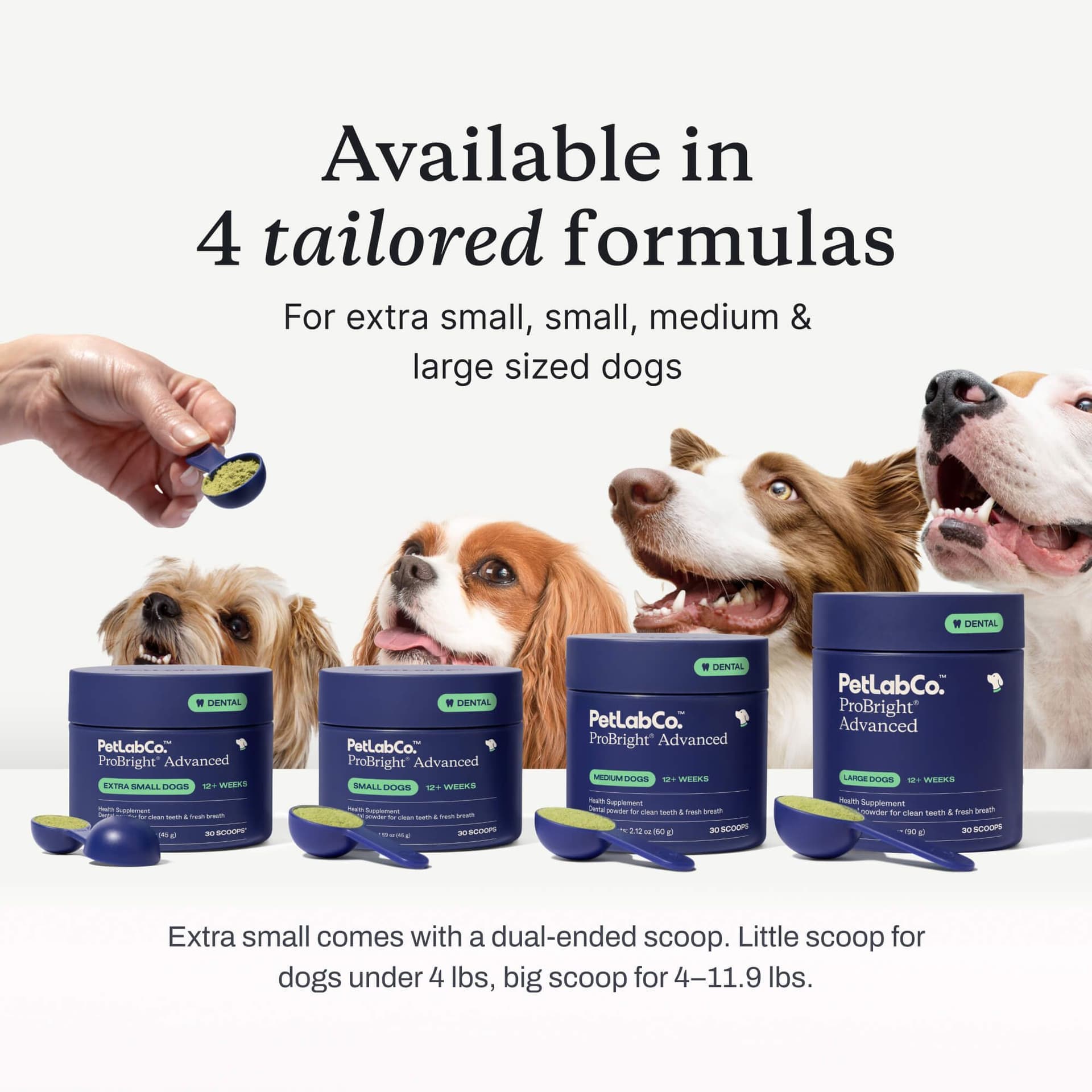
- Probiotic blend: 14.5 million, 29 million, 66 million, and 100 million CFU
- Krill: 65 mg, 130 mg, 300 mg, and 480 mg
- Glucosamine HCl: 42.5 mg, 85 mg, 200 mg, and 325 mg
- Chondroitin sulfate: 15 mg, 30 mg, 70 mg, and 111 mg
- Taurine: 42.5 mg, 85 mg, 200 mg, and 315 mg
- Sodium hexametaphosphate: 20 mg, 40 mg, 70 mg, and 125 mg
- Yeast postbiotic: 18 mg, 36 mg, 80 mg, and 127 mg
- FOS: 10 mg, 20 mg, 45 mg, and 75 mg
- Vitamin C: 4.25 mg, 8.5 mg, 18 mg, and 30 mg; vitamin E: 2 mg, 4 mg, 8 mg, and 14 mg; beta-carotene: 1.65 mg, 3.3 mg, 6.5 mg, and 12 mg
- Astragalus, L-carnitine, cranberry, and lactoferrin round out the label at smaller amounts
ProBright® Advanced (per daily scoop at 0.75 g, 1.5 g, 1.5 g, 2 g, and 3 g):
- Probiotic blend: 112.5 million, 225 million, 450 million, 750 million, and 1.2 billion CFU
- Brown algae: 82.5 mg, 165 mg, 330 mg, 850 mg, and 1,510 mg
- Sodium hexametaphosphate: 14.5 mg, 29 mg, 58.3 mg, 100 mg, and 125 mg
- Rosemary leaf extract: 10 mg, 20 mg, 40 mg, 68 mg, and 79 mg
- Decaffeinated green tea: 1.15 mg, 2.3 mg, 4.6 mg, 8.2 mg, and 9.3 mg
Checking the overlap
Stacking works because each product owns a different job, but two actives appear in more than one tub. Here is the arithmetic for a 60 lb senior at the labeled servings:
- Glucosamine: 1,200 mg from 3 Joint Care Chew Advanced chews plus 200 mg from the medium DF-14 scoop, for 1,400 mg daily.
- Chondroitin: 450 mg from the chews plus 70 mg from DF-14, for 520 mg daily.
- Sodium hexametaphosphate: 100 mg from ProBright® Advanced plus 70 mg from DF-14, for 170 mg daily.
- Omega-3s: 165 mg total omega-3s from the chews plus 300 mg of krill from DF-14, noting that the krill figure is total krill, not EPA and DHA.
Those totals are within the range of ordinary daily joint and dental supplementation for a dog that size, and PetLabCo.® states that each product is designed to work alongside its other formulas. Still, show your veterinarian the combined numbers, especially if a therapeutic diet or a prescription joint product is already in the bowl.
Current prices
Checked September 14, 2026, the official product pages displayed Joint Care Chew Advanced at $38.69 for a tub or $30.95 with the shown subscription discount, DF-14 Daily Foundation at $37.44 or $29.95 with subscription, and ProBright® Advanced at $36.19 or $28.95 with subscription. Prices, promotions, and tub sizes change, so confirm the total at checkout.
How to introduce a supplement to your senior dog’s routine
Even a well-chosen supplement can cause a soft stool or a skipped meal if it is introduced carelessly, and an older dog has less margin for a bad week. The steps below are the ones I give every senior owner.
- Get the baseline first. Schedule senior screening bloodwork and urinalysis if it has been more than six months. It tells you whether kidney, liver, or thyroid function changes what is safe, and it gives you a before measurement.
- Start one product at a time. Introduce the joint chew, wait one to two weeks, then add the powder, then the dental powder. If something changes, you will know which product did it.
- Begin at a partial serving. For a powder, mix a half scoop into food for the first few days before moving to the full labeled serving. For a chew, give it with a meal rather than on an empty stomach.
- Separate from medications when the label says so. DF-14 Daily Foundation states that absorption of drugs taken at the same time may be delayed. Ask your veterinarian how far apart to space it from any prescription.
- Give the dental powder with food, never in water. ProBright® Advanced is labeled for mealtime use, during or after eating, to reduce the chance of stomach upset.
- Keep a short log. Record the start date, the serving, stool quality, appetite, and two or three mobility markers such as rising from rest or climbing a step. A phone note is enough.
- Reassess at four to eight weeks. That is the realistic window for a joint or dental supplement to show support, and the point to decide with your veterinarian whether to continue.
- Stop and call if anything worsens. Every label in the stack says the same thing: if the animal's condition worsens or does not improve, stop and consult your veterinarian.
A few storage and handling reminders that matter more with a powder than a chew:
- Keep tubs sealed in a cool, dry place away from sunlight, and keep scoops dry.
- Use the scoop from the correct tub size; a scoop borrowed from another tub gives the wrong serving.
- Keep every tub out of reach of pets and children, and contact a veterinarian promptly if a dog gets into one.
When to see the veterinarian
Supplementation should be overseen by your veterinarian. Book an exam before starting or changing a senior supplement if your dog shows any of the following:
- Sudden weight loss, a new limp, drinking or urinating more, a change in appetite, confusion at night, bad breath with drooling, or any lump that is growing should be examined before you add or change a supplement.
- Limping, difficulty rising, reluctance on stairs, or discomfort in movement
- Muscle loss over the hips or spine, or weight change in either direction
- Persistent soft stool or appetite loss lasting more than a day or two
- Sudden changes to teeth, gums, or breath
- Night pacing, house-soiling, disorientation, or new anxiety
- Drinking or urinating more than usual
- Coughing, breathing changes, or reduced stamina on walks
- A coat that changes quickly or hair loss in patches
Veterinary review before starting any product in the stack is also important if your dog:
- Is currently taking medication
- Eats a therapeutic diet
- Already receives a joint product, fish or krill oil, probiotic, or dental supplement
- Has a known fish, shellfish, chicken, or yeast sensitivity
- Has hyperthyroid disease, which the ProBright® Advanced label flags specifically
- Is pregnant, nursing, or intended for breeding, since safe use has not been proven for any of the three products
The senior care standard in the AAHA guidelines is a wellness visit every six months once a dog reaches senior status. That cadence is also the natural rhythm for reviewing whether each supplement is still earning its place.
Frequently Asked Questions
How many meals a day should a senior dog have? Two. Most senior dogs do best on two smaller meals a day rather than one large meal, because smaller meals are easier on aging digestion, steadier for blood sugar, and easier to pair with medications. Two meals also simplify supplement timing with food: a dental powder or multifunctional powder can be mixed into one meal, and a joint chew given with the other, so nothing is given on an empty stomach. Ask your veterinarian about three small meals if your dog has pancreatitis history or a reduced appetite.
Very old, or geriatric, depends on size: small breeds are typically senior around 10 to 12 years and geriatric past 14, medium breeds senior around 9 to 10, large breeds senior around 7 to 8, and giant breeds senior as early as 6. Veterinarians use a size-based senior age because larger dogs age faster. Once a dog reaches senior status, geriatric screening every six months, including bloodwork, urinalysis, and blood pressure, catches changes before they become emergencies.
Yes, most healthy senior dogs can take a joint supplement and a multifunction supplement together, provided you account for the overlapping actives. Joint Care Chew Advanced and DF-14 Daily Foundation both contain glucosamine, chondroitin, and an omega-3 source, so check total glucosamine and chondroitin by adding the label amounts for your dog's weight band, as shown in the stacking section. For a 60 lb dog that is about 1,400 mg of glucosamine daily. Show your veterinarian the combined totals, especially if a therapeutic joint diet is also in use.
How long before a senior dog supplement shows results depends on the category, but plan on four to eight weeks of consistent daily use before judging a joint, gut, or dental supplement, and reassess with your veterinarian at that point rather than continuing indefinitely on hope. Joint support is usually noticed first in rising from rest, dental support in breath and visible plaque over one to three months, and stool changes within a few weeks. If anything worsens sooner, stop and call your veterinarian, because a supplement is not a substitute for finding the cause.
No, natural supplements for senior dogs are not automatically safer than prescription medicine: natural does not mean risk-free, and a natural supplement should never replace prescribed medication. Fish oil can affect clotting, seaweed carries iodine that matters in thyroid disease, and botanicals can interact with drugs. Prescription medicines are dosed and monitored for a diagnosed condition, while supplements support normal function in a healthy dog. The safest approach is to tell your veterinarian every product your senior takes so the plan is checked as a whole.
The best cognitive supplement for senior dogs is one built on MCT and antioxidant blends with DHA, because those categories have controlled canine evidence, and it is only the best choice after a veterinary cognitive assessment has ruled out any health concerns that may mimic dementia. For a healthy senior, an antioxidant-containing daily formula plus enrichment is reasonable support. For a dog already showing dementia signs, ask about selegiline and a cognitive diet first.
Usually not: senior dogs do not need a multivitamin if they eat a complete food. A complete and balanced diet already supplies the required vitamins and minerals, so a general multivitamin mostly duplicates what is in the bowl and can push fat-soluble vitamins A and D above what an older dog should receive. Veterinarians favor targeted rather than blanket supplementation: add omega-3s, a joint formula, a probiotic, or antioxidants for a specific age-related change, and reserve true vitamin supplementation for a diagnosed deficiency or a home-prepared diet.
Sources
- American Animal Hospital Association. 2023 AAHA Senior Care Guidelines for Dogs and Cats. Accessed September 14, 2026.
- American Animal Hospital Association. 2022 AAHA Pain Management Guidelines for Dogs and Cats. Accessed September 14, 2026.
- Merck Veterinary Manual. Nutritional Requirements and Related Diseases of Small Animals. Accessed September 14, 2026.
- Merck Veterinary Manual. Osteoarthritis in Dogs and Cats. Accessed September 14, 2026.
- American Kennel Club. Nutrition and Supplements for Senior Dogs. Accessed September 14, 2026.
- Veterinary Oral Health Council. VOHC Accepted Products. Accessed September 14, 2026.
- Barbeau-Grégoire M, et al. A 2022 Systematic Review and Meta-Analysis of Enriched Therapeutic Diets and Nutraceuticals in Canine and Feline Osteoarthritis. International Journal of Molecular Sciences. 2022.
- PetLabCo.® Joint Care Chew Advanced: current label, directions, cautions, and price. Accessed September 14, 2026.
- PetLabCo.® DF-14 Daily Foundation: current label, directions, cautions, and price. Accessed September 14, 2026.
- PetLabCo.® ProBright® Advanced: current label, directions, cautions, and price. Accessed September 14, 2026.
- PetLabCo.® Does PetLabCo.® ProBright® Advanced Work? 28-day and 90-day clinical study statements. Accessed September 14, 2026.
PetLabCo.® products are not intended to diagnose, treat, cure, or prevent any disease. Consult your veterinarian before starting supplements, especially if your dog has a health condition, takes medication, is pregnant or nursing, or has persistent symptoms.

DVM
Athena Gaffud, DVM, is a board-certified veterinarian and writer based in the Cagayan Valley of the northern Philippines. She runs the website countryvetmom.com Dr. Gaffud earned her Doctor of Veterinary Medicine degree from the University of the Philippines Los Baños in 2011, ranking in the top 10 and receiving the Best Undergraduate Thesis Award in Large Animals. With over a decade of experience, she has worked as a researcher, a practitioner for small and large animals, and in veterinary technical sales, marketing, and pet insurance. A published author, Dr. Gaffud promotes responsible pet ownership and combats misinformation on animal care through her platforms, including the DocAthena Facebook Page and DocAthena YouTube channel. She is a writer and editor for various pet-related websites such as Total Vet, Honest Paws, PangoVet, Dogster, Catster, My Best PH, Paw Origins, Bully Max, Not a Bully, Paws and Claws CBD, many others. She was also cited in different pet-related media articles such as The Dog People, USA Today, Newsweek, New York Post, Reader’s Digest, Smithsonian Magazine, Woman’s World, Dog Time, Patch, Kinship, Martha Stewart, and many others. Moreover, she is also a published fiction author on Kindle.
Sign up for expert-backed reviews and safety alerts all in one place.

A Final Word (Disclaimer)
At Petful, our review integrity is paramount; we never exchange special treatment in our reviews for monetary or material rewards.
Nonetheless, when our readers click through to online merchants (including Chewy or Amazon), we receive a referral commission. This supports the running of our free blog, and we appreciate your backing.