Pet Vaccination: Dog and Cat Schedules, Costs, and Safety
Understand which vaccines dogs and cats need, how puppy and kitten schedules differ, what boosters cost, and when side effects require urgent veterinary care. Build a clear plan with your vet.
Petful is reader supported. As an affiliate of platforms like Amazon and Chewy, we may earn a commission when you buy through links on this page. There is no extra cost to you.
Pet vaccination protects dogs and cats against serious infectious diseases, but the right plan depends on your pet’s species, age, vaccine history, health, and exposure. Core vaccines provide essential protection; other vaccines are added when a pet’s lifestyle creates a meaningful risk.
Start with your pet’s records and a veterinary appointment, rather than assuming every shot is needed yearly. Below, you’ll find dog and cat schedules, current cost examples, and a practical guide to mild side effects versus symptoms that need urgent care.

Sign up for expert-backed reviews and safety alerts all in one place.
Which vaccines does my pet need?
- 1Core vaccines protect against serious diseases; lifestyle vaccines depend on exposure.
- 2Puppies and kittens need an initial series, while adult booster timing varies by vaccine product and local rabies law.
- 3Trouble breathing, collapse, facial swelling, or repeated vomiting after vaccination needs urgent veterinary care.
Pet immunization trains the immune system to recognize an infection before a pet encounters it. Vaccination can prevent disease or reduce its severity, depending on the infection and vaccine. It does not guarantee that a pet can never become infected, and it does not replace parasite prevention, veterinary examinations, or sensible exposure precautions.
Which vaccines are actually necessary for dogs? Core protection includes the distemper/adenovirus/parvovirus combination, rabies, and leptospirosis under the current AAHA plan. This guide explains animal immunization for companion dogs and cats; vaccines for other animals follow different recommendations. Vaccinate your pet according to its individual veterinary plan.
The distinction between core and noncore vaccines is about disease risk, not whether one vaccine is “good” and another is “bad.” A noncore vaccine may be essential for an individual pet. The following guidance concerns routine companion dogs and cats in the United States; shelters, international travel, and disease outbreaks can require different plans.
Three core vaccine categories for dogs
The AAHA canine guidelines, updated in 2024, recommend three practical categories of core protection for dogs, unless a specific medical reason changes the plan:
- A combination vaccine covering distemper, adenovirus, and parvovirus. Labels such as DAPP, DA2PP, and DHPP often also include parainfluenza; check the actual product.
- Rabies vaccination, with the administration and booster dates governed by the vaccine label and applicable law.
- Leptospirosis vaccination. AAHA now includes it among core canine vaccines, rather than reserving it only for rural or outdoor dogs.
This is not a ranking of three “best” individual shots. A combination injection protects against several diseases, and additional protection may be needed for boarding, frequent dog-to-dog contact, or local tick exposure. Your veterinarian should identify the diseases covered, not just write “annual shots” on a reminder.
For the trip to the appointment, keep a small dog or cat in a correctly sized, securely closed carrier. The Frisco Travel Safety carrier is one option; check your pet’s measurements and the manufacturer’s instructions before buying.
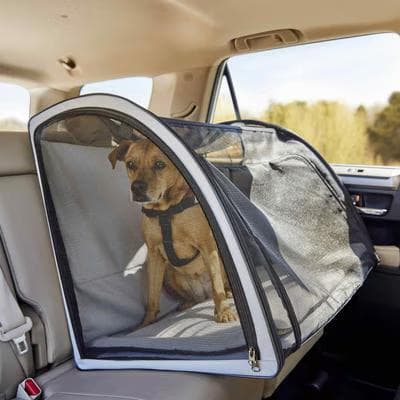
A travel carrier option for a small dog or cat going to a vaccine appointment. Check the size and transport instructions for your pet.
Petful may earn a commission when you click through to Chewy, at no extra cost to you.
Core protection for cats
Cats need a different set of vaccines. The AAHA/AAFP feline guidelines identify feline herpesvirus-1, calicivirus, panleukopenia, rabies, and FeLV for cats younger than one year as core protection. The first three are commonly combined in the FVRCP vaccine.
- FVRCP covers feline viral rhinotracheitis, calicivirus, and panleukopenia. Respiratory-virus vaccination helps reduce disease severity; it does not eliminate every respiratory infection.
- Rabies vaccination addresses a fatal infection that also threatens people. Indoor housing does not automatically remove legal requirements.
- FeLV, or feline leukemia virus, vaccination is core for kittens and cats under one year. Adult recommendations depend on exposure, such as outdoor access or contact with infected or untested cats.
A veterinarian should test for FeLV before vaccination. Vaccinating an already infected cat does not treat the infection. Keep the actual test result with the vaccination record, especially when adopting a kitten or introducing a new cat into a household.
Lifestyle vaccines: necessary for some pets
For dogs, Bordetella, canine influenza, and Lyme vaccination are based on exposure and regional risk. Daycare, boarding, grooming facilities, dog events, travel, and encounters with other dogs can change the recommendation. A facility’s admission policy may also require a vaccine even when your own veterinarian would otherwise assess the exposure differently.
- Ask about the Bordetella vaccine for dogs before boarding or daycare. The product and route affect the initial dosing plan.
- Discuss the Lyme vaccine when ticks and local infection risk make it relevant. Vaccination still does not replace tick control.
- Ask about canine influenza before travel or group-dog activities where the infection is circulating. A completed initial series may require more than one visit.
There is no useful universal list of “unnecessary vaccines for dogs.” Ask which exposure each proposed vaccine addresses and what would happen if you decline it. For adult cats, the same conversation is particularly important for FeLV and other exposure-based vaccines.
Which vaccine guidelines apply in 2026?
A search for “new vaccine guidelines for 2026” does not mean every pet needs a newly invented annual schedule. This guide uses the AAHA canine recommendations with their 2024 leptospirosis update, the AAHA/AAFP feline guidance, and the 2024 WSAVA recommendations.
One important change from older advice is AAHA’s core designation for leptospirosis. For cats, FeLV is core before one year of age and exposure-based in adults. A blanket statement that every vaccine is optional, or every vaccine lasts three years, misses these distinctions.
Dog vaccination schedule: puppies and adults
How often should dogs be vaccinated? Puppies need an initial series, while adults follow vaccine-specific booster intervals. A puppy vaccine schedule uses repeat doses because antibodies received from the mother can interfere with early vaccination. Age at the final dose matters, not simply how many injections appear on a receipt. The schedule below is a starting point for a veterinary plan, not a prescription for vaccinating a puppy yourself.
| Age or stage | Core protection | Next step |
|---|---|---|
| 6 weeks and older | Begin the distemper/adenovirus/parvovirus combination series. | Repeat every 2 to 4 weeks through at least 16 weeks; higher-risk puppies may need doses through 18 to 20 weeks. |
| 12 weeks and older | Begin leptospirosis vaccination: two doses 2 to 4 weeks apart. | Complete both initial doses. Rabies timing follows the product label and local law. |
| Within one year after the initial series | Give the recommended combination booster. | Schedule subsequent combination boosters at three-year intervals under the AAHA plan. |
| Adult dog | Leptospirosis boosters are annual; rabies intervals depend on law and label. | Review lifestyle vaccines and the next due date for each separate product. |
| Adult with unknown history | The AAHA table recommends two combination doses 2 to 4 weeks apart, plus appropriate leptospirosis and rabies protection. | Have the veterinarian reconcile any records and select a catch-up plan. |
This overview follows AAHA’s canine vaccine recommendations. The WSAVA guidance emphasizes a final core puppy dose at 16 weeks or older. The exact appointment calendar can change with the first visit’s timing, local disease risk, and the vaccine used.
Safe outings while the puppy series is in progress
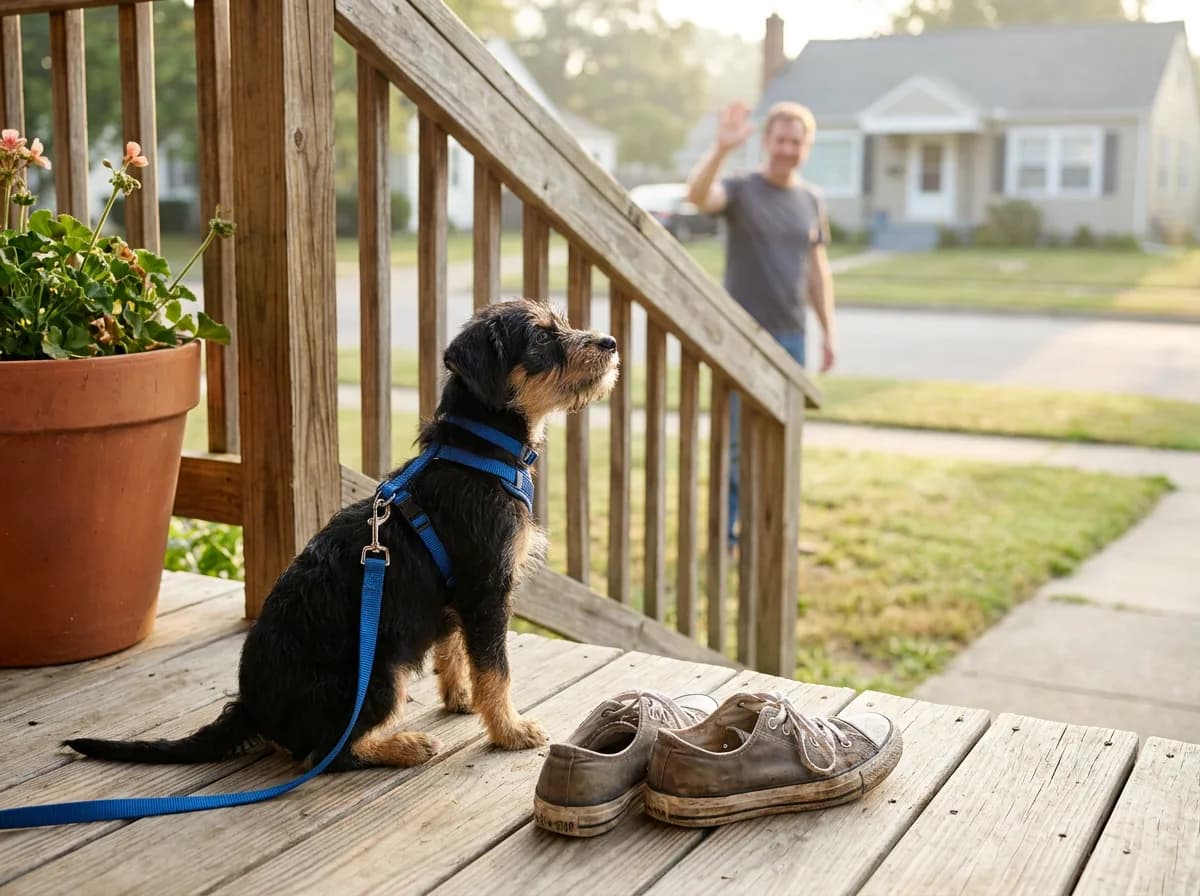
During the initial series, discuss safe socialization with your veterinarian. Avoid treating one early dose as permission to visit every dog park, pet-store floor, or area used by unknown dogs. Ask which controlled activities are appropriate locally so your puppy can learn without an avoidable exposure.
A well-fitting harness and ordinary leash help you manage those controlled outings. Keep the puppy close at a clinic and avoid greetings with unfamiliar dogs in the waiting area. The leash is a handling tool; it does not provide immunity or make a public space safe.
A Frisco Traffic Leash offers a short-handle option for keeping a dog close while entering the clinic. Use equipment that suits your dog’s size and training.
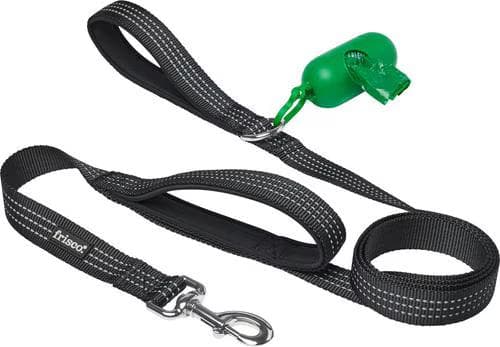
A leash with two handles for ordinary control on the way into the clinic. It is a handling aid, not disease protection.
Petful may earn a commission when you click through to Chewy, at no extra cost to you.
Adult dog boosters and annual checkups
It is not necessary to repeat every dog vaccine every year. Once the initial combination series and follow-up booster are complete, the AAHA plan uses three-year intervals for the core combination. Leptospirosis needs annual boosters, and lifestyle vaccines often have shorter intervals. Rabies must follow the applicable legal and labeled interval.
An annual examination remains useful even when no combination booster is due. Bring up a new daycare routine, camping trip, boarding stay, medication, or prior reaction. Ask the clinic to list each next due date separately so an “annual vaccination reminder” does not become an assumption that every injection is due.
DHPP, DAPP, and DA2PP: where to learn more
These abbreviations refer to combination canine vaccines, but the letters and covered diseases can differ. Petful’s DHPP vaccine guide explains the acronyms, puppy-series details, costs, and combination-specific side effects. Use that guide for the detailed DHPP question and this page for the overall dog-and-cat plan.
DHLPP includes leptospirosis alongside the core viral components; a DAPP or DA2PP label does not by itself mean leptospirosis is included. Before comparing a DHPP vaccine for dogs by cost, confirm the diseases covered and whether the quote includes the examination and all required puppy doses. Bring the exact product record if you are changing clinics.
Cat vaccination schedule: kittens and adults
Cat vaccine timing depends on age, prior vaccination, exposure, and the actual product. FVRCP, rabies, and FeLV should not be collapsed into one “every three years” rule. A kitten’s first-year plan differs from an adult indoor cat’s maintenance plan.
Kitten vaccination schedule
The recommended vaccine schedule for cats begins with a kitten series rather than one annual shot. FVRCP starts at six weeks or later and repeats through 16 to 20 weeks; FeLV needs an initial two-dose series after testing. Rabies follows the product label and local law. The next table separates those decisions.
| Vaccine | Initial protection | Follow-up |
|---|---|---|
| FVRCP kitten series | Start no earlier than 6 weeks; repeat every 3 to 4 weeks through 16 to 20 weeks. | Discuss revaccination at 6 months to reduce a possible maternal-antibody gap; subsequent intervals depend on product and exposure, commonly three years. |
| FeLV vaccination | Begin at 8 weeks or older with two doses 3 to 4 weeks apart, after FeLV testing. | Booster 12 months after the initial series; reassess exposure as the cat matures. |
| Rabies | Use a licensed feline vaccine at the labeled age and within local requirements. | Give the first booster and later doses according to the label and applicable law. |
| Adult FVRCP, unknown history | One or two doses may be appropriate for a modified-live product; inactivated products require two doses 3 to 4 weeks apart. | Let the veterinarian select the product and catch-up timing. |
| Adult FeLV | Recommend according to exposure, rather than assuming every adult cat needs it. | High-risk cats may need annual boosters; product labels can allow longer intervals in lower-risk situations. |
The AAHA/AAFP core-vaccine table specifically raises a six-month FVRCP revaccination option for kittens. Ask about that appointment before leaving the last kitten-series visit. Rabies and FeLV follow-up doses may require a separate appointment even when FVRCP protection is on a longer interval.
Do indoor cats still need vaccinations?
Yes. Indoor cats still need core protection appropriate to their history and health. Remaining indoors reduces some exposures, but cats can escape, encounter a newly adopted cat, or need emergency care or boarding. Rabies requirements can also apply to indoor cats.
When deciding what vaccines cats need, discuss the entire household, not just the label “indoor.” An adult cat living alone in a closed household has a different FeLV exposure picture from one that meets untested newcomers. Cornell’s feline vaccine guidance explains why lifestyle, health, and exposure matter.
Getting your cat to the vaccination appointment
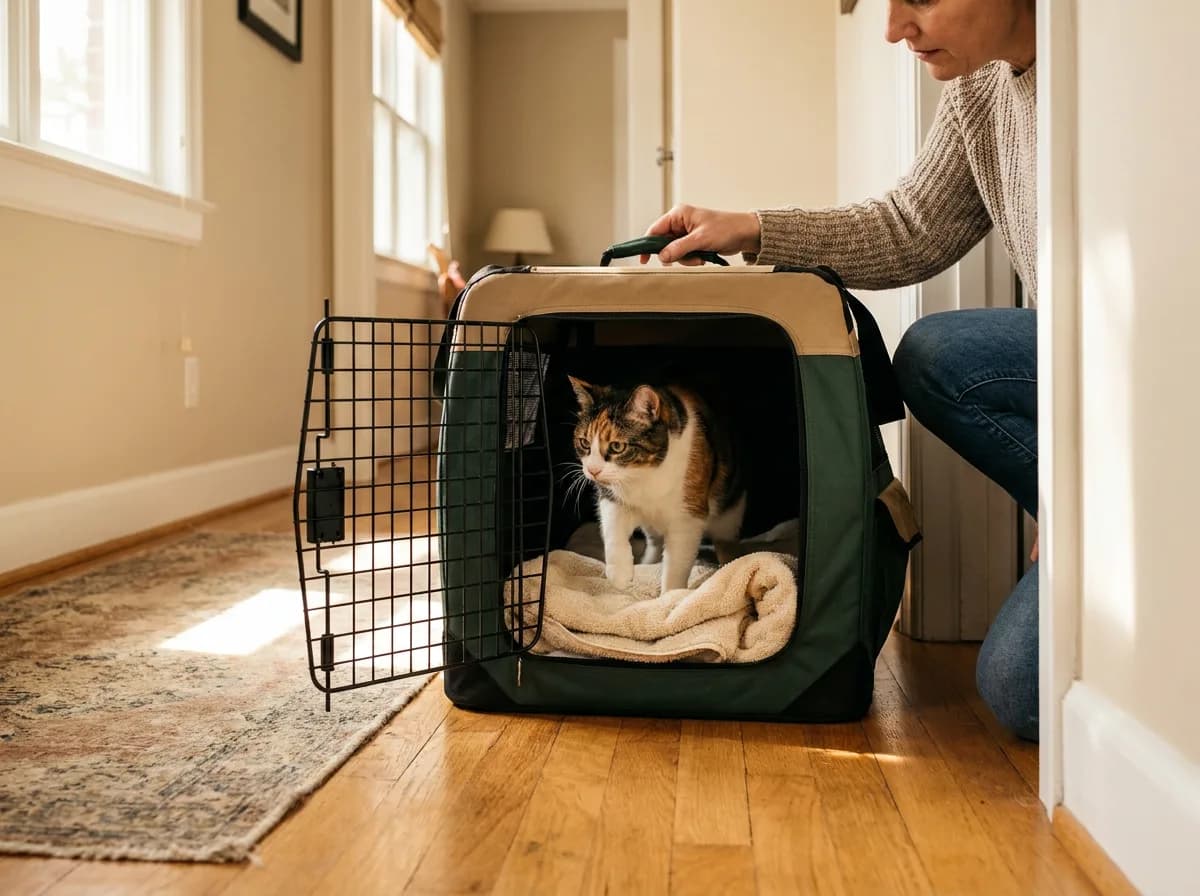
For a cat’s clinic visit, choose a carrier the cat can comfortably stand, turn, and rest in. Leave it open at home before the appointment and add familiar bedding. Keep the door securely closed during transport, and follow the manufacturer’s restraint instructions in the car.
The Petsfit expandable carrier is one option for a cat that fits its dimensions. Expand a carrier only in a secure setting; a product’s airline description does not determine whether it suits your pet or vehicle.
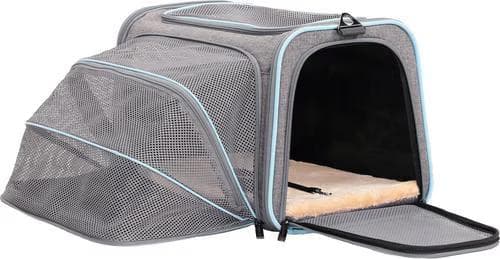
An expandable carrier option for a cat’s clinic trip. Check fit and transport instructions, and open it only in a secure setting.
Petful may earn a commission when you click through to Chewy, at no extra cost to you.
How often should you vaccinate your pet?
The next dose is determined vaccine by vaccine. Your pet may need an initial series, an early follow-up booster, annual protection for a particular infection, or a three-year booster for another. A healthy appearance cannot confirm that protection is adequate, and a birthday alone does not tell you which vaccine is due.
- Use the actual vaccine name, product, and date administered to identify the next labeled or recommended booster.
- Confirm rabies requirements with the veterinary clinic or local animal-control authority. A medical exemption, where available, follows jurisdiction-specific rules.
- Review exposure annually, especially after travel, outdoor access, a move, or a new boarding arrangement.
What if vaccinations are overdue or the history is unknown?
Call the veterinary clinic, gather records from the previous owner, rescue, breeder, or clinic, and arrange a catch-up assessment. Do not assume a missed date means every series must restart; do not assume a previously vaccinated adult needs nothing. The answer changes with the vaccine, the delay, the original series, and the product instructions.
AAHA advises individualized action for overdue vaccines, including manufacturer guidance and local rabies law. Until the plan is resolved, tell any boarding or daycare facility that the record is overdue rather than presenting an expired certificate as current.
Can an antibody titer replace a booster?
A titer is a blood test measuring antibodies. AAHA discusses selected uses and important limitations for canine core viral vaccines, particularly when prior adverse responses or vaccine hesitancy make the question relevant. A result is not a universal guarantee of protection, and it does not answer every vaccine question.
Ask what infection the test addresses, how the veterinarian will interpret it, and whether the result changes the plan. Do not assume a titer substitutes for legally required rabies vaccination or will be accepted by a boarding facility. Request confirmation before paying for a test intended to satisfy a specific requirement.
How to make a vaccination plan with your vet
Bring written vaccination records, not just a remembered description of “all the shots.” A puppy adopted at ten weeks with one documented dose needs a different plan from an adult with a complete series and a recently expired booster. The goal is a clear next appointment and a record you can use again.
- Collect records showing each vaccine, administration date, clinic, and next due date. Ask the clinic to reconcile incomplete or conflicting documents.
- Describe where your pet goes: daycare, boarding, grooming, hiking, travel, outdoor roaming, and contact with other animals.
- Report prior reactions, current illness, pregnancy, immune-related conditions, and medications before vaccination.
- Ask for a written plan covering the next dose of each vaccine, necessary testing, and the full cost of completing the series.
- Save the rabies vaccination certificate and other records, schedule reminders, and keep the clinic and emergency-veterinary phone numbers available.

For new owners, Petful’s new puppy checklist covers related supplies and paperwork. You can also store copies and track reminders with MyPetID; confirm any entered dates against the veterinary record. A digital reminder does not replace a signed rabies certificate when one is required.
If your clinic approves food during the visit, bring small familiar treats for ordinary rewards. Check first if your pet is fasting, has a food allergy, or is having another procedure. Rewards can help make a visit more pleasant, but they cannot prevent a vaccine reaction.
For puppies that tolerate the ingredients, Wellness Soft Puppy Bites can be broken into small rewards. An existing treat your puppy already tolerates may be just as practical.

Soft puppy treats for ordinary visit rewards if your clinic permits food and your puppy tolerates the ingredients. They do not prevent vaccine reactions.
Petful may earn a commission when you click through to Chewy, at no extra cost to you.
Should you vaccinate a pet at home?
Have a veterinarian direct the vaccination plan rather than treating a store-bought product as a complete solution. Correct storage, product selection, age, route, documentation, and response to an adverse event all matter. Rabies administration and certificate requirements are governed by local rules; a home injection may not satisfy them.
If cost is the concern, ask about a low-cost veterinary clinic before buying vaccines to administer yourself. This is especially important when the history is uncertain or the pet has reacted before. Never reduce a vaccine dose because the pet is small or combine leftover products on your own.
How much does pet vaccination cost?
Pet vaccination cost depends on the vaccine, the number of visits, your location, and whether an examination or other services are included. Dog vaccination costs and cat vaccine prices cannot be compared fairly from one package headline alone. Ask for the total needed to complete your pet’s plan, including repeat initial doses.
When finding a low-cost clinic, request a written quote before booking. Have the clinic list examination charges, vaccines, per-pet fees, tests, and repeat visits separately. Keep that quote beside the recommended schedule so you can compare the same complete plan across providers.
| ShotVet example | Advertised price | What that price represents |
|---|---|---|
| Puppy A | $85 | One early puppy package: DA2PP and strategic deworming. It is not the whole initial series. |
| Puppy Club | $215 | Advertised bundle of Puppy A, B, and C packages. Confirm appointment timing and current inclusions. |
| Four Paws adult dog | $155 | One-year rabies, DA2PP, deworming, and a heartworm test. Leptospirosis is not listed in this package; confirm what your dog actually needs. |
| PureVax Indoor Cat | $135 | One cat package with one-year rabies, FVRCP, and strategic deworming. |
| PureVax Outdoor Cat | $161 | A package adding FeLV to the listed indoor-cat services. A cat’s actual need remains exposure-based. |
| Additional per-pet fee | $6 | Biohazard fee listed by the provider. Confirm the complete quote before booking. |
These are ShotVet’s posted package prices, not national averages or a recommendation to buy a particular package. The provider also lists a $6 biohazard fee per pet. Confirm the final price, applicable fees, and any additional required visit before booking; prices and availability can change.
- Ask whether the quote includes a veterinary examination and whether an ill pet needs a separate full-service appointment.
- Confirm which vaccine products, tests, deworming, and follow-up doses are included. A first-dose package is not a completed puppy or kitten series.
- Ask for the itemized cost of rabies, FVRCP, leptospirosis, or other individual vaccines if the package includes services your pet does not need.
- Compare your puppy’s complete plan with Petful’s puppy shots cost guide, rather than budgeting for just the first injection.
Where to find low-cost pet vaccinations
Check local shelters, humane societies, municipal animal services, and veterinary vaccine clinics. Mobile pet vaccination clinics and walk-in events may improve access, but schedules, appointment rules, eligibility, and vaccine availability vary. Use your ZIP code and verify the event directly before traveling.
Petco Love’s free-vaccine initiative supplies participating organizations with protection against preventable diseases such as canine distemper, parvovirus, and feline panleukopenia. Its care directory can help you find a partner location. Do not assume every event offers free rabies vaccination or a complete first-year series.
A low-cost clinic can be useful for a healthy pet’s preventive care. It may not offer the examination, testing, or treatment an unwell pet needs. Tell the clinic about previous reactions and medications when booking, and ask who to contact if a problem appears afterward.
Pet vaccine side effects: what to watch for
Most post-vaccination side effects are mild, but a pet’s symptoms and condition matter more than a reassuring label. A severe allergic reaction, called anaphylaxis, needs urgent treatment. Take note of when vaccination occurred, which products were given, and when the symptoms began. A new illness after a visit is not automatically caused by vaccination.
- Call a veterinarian immediately for vomiting, diarrhea, facial swelling, or hives after vaccination. Trouble breathing or collapse requires emergency veterinary care now. Do not wait for the next day or try home medication first.
| What you notice | What to do |
|---|---|
| Mild tiredness, localized soreness, or a modest appetite decrease | Offer a quiet place to rest and monitor. Contact the clinic if signs are worsening, substantial, or not improving within 24 to 48 hours. |
| Severe pain, marked weakness, refusal of food or water, or symptoms that concern you | Contact a veterinarian promptly, even if it has been less than 24 hours. |
| Vomiting, diarrhea, facial swelling, or hives | Contact a veterinarian immediately for assessment. Trouble breathing or collapse requires emergency veterinary care now. |
| A persistent or growing injection-site lump in a cat | Arrange veterinary evaluation; apply the 3-2-1 thresholds below rather than waiting indefinitely. |
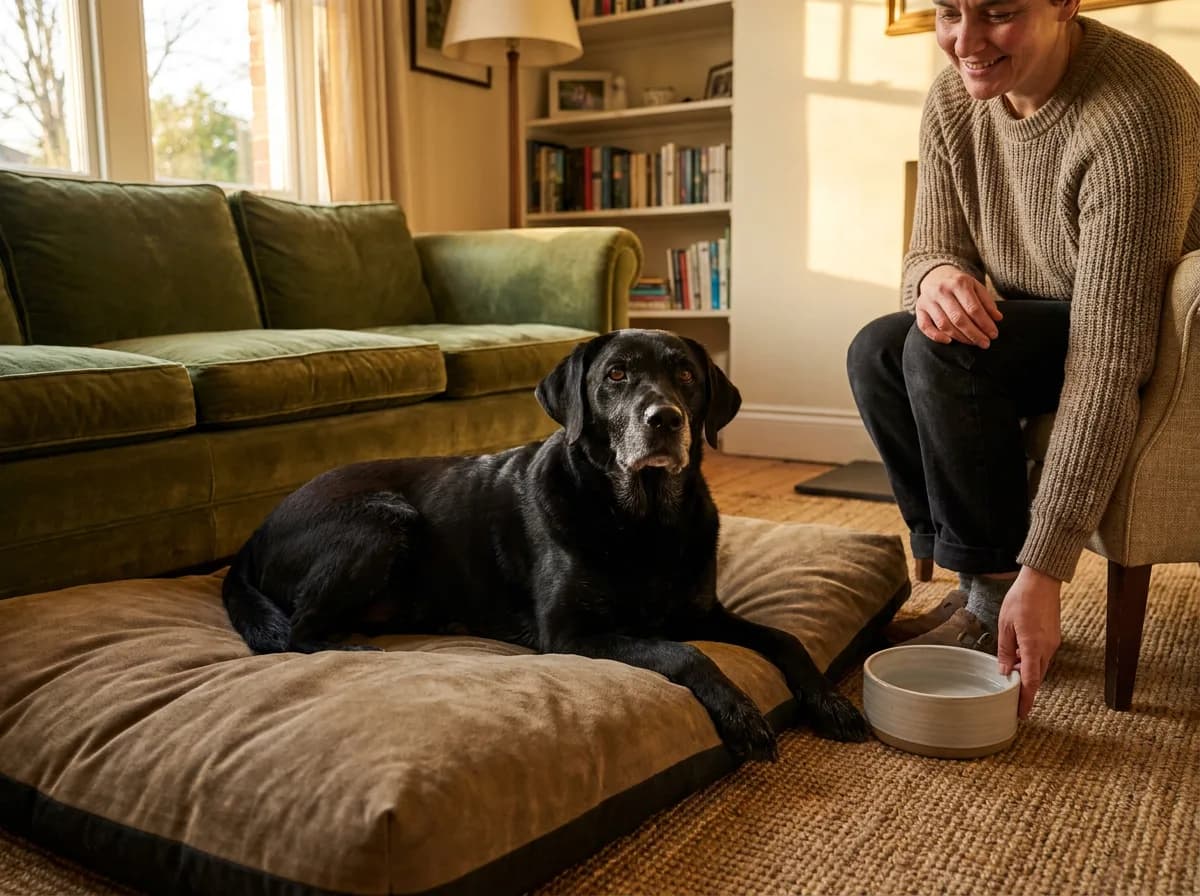
Mild tiredness and soreness after vaccination
Dog vaccines can make a dog temporarily tired, and cats may also be less active after a vaccination visit. No single vaccine is the only cause of this response. What matters is whether the tiredness is mild and improving or accompanied by signs such as severe weakness, repeated vomiting, or breathing difficulty.
Any vaccine can be followed by mild tiredness or injection-site discomfort. The post-vaccination handout available through AAHA describes short-lived effects lasting up to one or two days. A pet should still be reasonably responsive and comfortable; severe weakness is not ordinary sleepiness.
Let your pet rest, keep water available, and follow the clinic’s discharge instructions. Do not give human pain medicines or an antihistamine unless a veterinarian directs it for this pet. If the symptoms are severe, worsening, or persist beyond the expected window, call rather than assuming another day of waiting is safe.
Reducing risk after a previous vaccine reaction
Tell the clinic exactly what happened previously, including the timing and any emergency treatment. AAHA emphasizes individual risk: breed alone cannot predict a reaction. In a 2023 study of more than 4.6 million dogs, French Bulldogs and Dachshunds had the highest reported adverse-event rates by breed. Smaller body size was also associated with greater risk. These findings help plan a visit; they do not predict that a particular dog will react.
A veterinarian may alter the product, separate visits, arrange observation, or use an individually appropriate premedication plan. These decisions balance disease exposure with the nature of the earlier reaction. Do not permanently abandon all core protection, choose a smaller dose, or medicate in advance without that assessment.
Modern leptospirosis vaccines should not automatically be treated as the most dangerous option. AAHA’s 2025 discussion reports serious anaphylaxis no more frequently after leptospirosis vaccination than after other vaccine antigens. Your pet’s previous reaction and current exposure still need individual consideration.
The 3-2-1 rule for a cat vaccine lump
The 3-2-1 rule for vaccines is a way to decide when a cat’s injection-site lump needs further investigation. It uses three months, two centimeters, and growth one month after vaccination as separate triggers. Any one trigger is enough to contact the veterinarian about proper evaluation.
AAHA/AAFP recommends veterinary investigation of an injection-site mass when any one of these thresholds is reached:
- The lump remains present three months after vaccination.
- The lump is larger than two centimeters in diameter.
- The lump is growing one month after vaccination.
These are investigation thresholds, not permission to ignore a painful or rapidly changing lump until three months have passed. Record where it is and when you first noticed it, and ask the veterinarian how to monitor it. A lump does not automatically mean cancer, but a persistent mass needs proper assessment.
Feline injection-site sarcomas are uncommon but serious. The guideline’s review of this risk does not support claiming that a particular vaccine formulation removes all tumor risk. Product selection and injection-site documentation belong in the veterinary discussion, with the benefits of protection still considered.
What are the benefits and risks of pet vaccination?
The benefit is protection against infections that can cause severe suffering, hospitalization, or death. Some, including rabies and leptospirosis, also have public-health implications. Vaccines are a major preventive tool, but no product is a promise of zero infection, zero side effects, or complete protection in every circumstance.
- Complete the initial series and recommended follow-up protection rather than stopping after the first visit.
- Use the vaccines matched to your pet’s real exposure, and reassess as its lifestyle changes.
- Keep records and report reactions so future visits can be planned appropriately.
What happens if you skip vaccines?
If you refuse to vaccinate your dog, it can remain vulnerable to preventable infections, and it may lose access to boarding, daycare, travel, or other services. Rabies noncompliance can create separate legal and public-health problems. Reduced exposure may change the recommendation for a lifestyle vaccine; it does not automatically remove the need for core protection.
If you are worried about safety, ask the veterinarian to explain the expected benefit, the known risks, and the options for your individual pet. A documented plan is more useful than a blanket “all vaccines” or “no vaccines” decision. If money is the barrier, seek a clinic or assistance option before simply letting protection lapse.
Pet vaccination FAQs
There is no single national list of pet vaccines that became optional in 2026. Local law governs rabies requirements, while core vaccine recommendations address medical protection. A vaccine product’s label and your pet’s exposure determine booster timing. Ask your clinic about the actual rule rather than treating an online “no longer mandatory” claim as permission to stop.
There is no universal new schedule for every dog and cat. The current plan depends on species, age, initial series, vaccine product, prior history, exposure, and rabies law. Ask for each product’s booster timing in writing. The separate dog and kitten schedules above explain the starting points without prescribing one calendar for all pets.
Leptospirosis has annual boosters under the AAHA plan. Lifestyle vaccines may also be due annually, while the completed core combination series moves to a longer interval. Rabies depends on the vaccine product and local law. Have the clinic identify each due vaccine and booster timing rather than assuming the annual examination requires every shot.
No. Many initial series use an interval of 2 to 4 weeks, but the vaccine product and the dog’s age determine the appropriate timing. Four weeks is not a universal rule for all vaccines. If an appointment is missed, contact the clinic to adjust the initial series; do not invent a replacement booster timing from a generic calendar.
A 2023 U.S. study of more than 4.6 million dogs found the highest reported adverse-event rate among individual vaccines after rabies vaccination. That study does not establish a universal ranking for every product or predict an individual pet’s reaction. Modern leptospirosis vaccines are not automatically the riskiest. Discuss any previous reaction with your veterinarian and continue to follow applicable rabies requirements.
Rabies requirements depend on local law and can apply to indoor cats. Medically, core vaccine protection includes FVRCP, rabies, and FeLV for cats under one year, with adult FeLV decisions based on exposure. Medical recommendations and legal mandates are different questions; a vaccine product’s labeled booster timing does not cancel a jurisdiction’s rule.
Some adult FVRCP plans and a licensed three-year rabies vaccine product allow three-year booster timing after the initial series and required follow-up doses. That does not apply to all kitten doses, all rabies products or laws, or every FeLV situation. Ask which specific vaccine can use that interval and keep annual health and exposure reviews.
This article provides general educational guidance and does not replace your veterinarian’s assessment. Your pet’s health, vaccine product, history, and local requirements determine its individual plan.

VMD
Dr. Debora Lichtenberg, VMD, is a small animal and exotics veterinarian who has been practicing medicine for over 30 years. A graduate of the University of Pennsylvania School of Veterinary Medicine, Dr. Lichtenberg also trained at the Philadelphia Zoo. She now practices in the New York City area and lives in the West Village with her husband and her rescued pets, Cocoa and OG. Dr. Lichtenberg has been writing for Petful for many years, and she has been recognized with Certificates of Excellence from both the Dog Writers Association of America and the Cat Writers Association of America.
Sign up for expert-backed reviews and safety alerts all in one place.