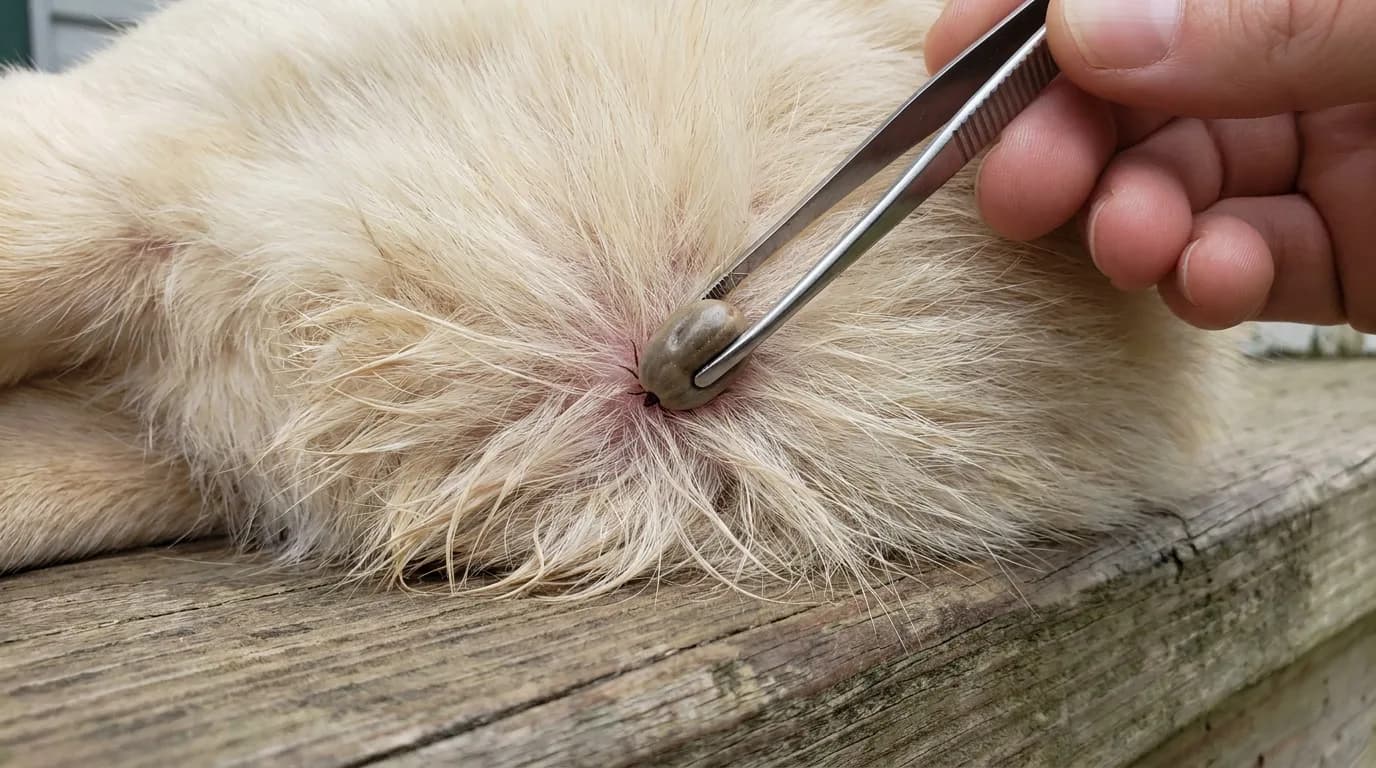
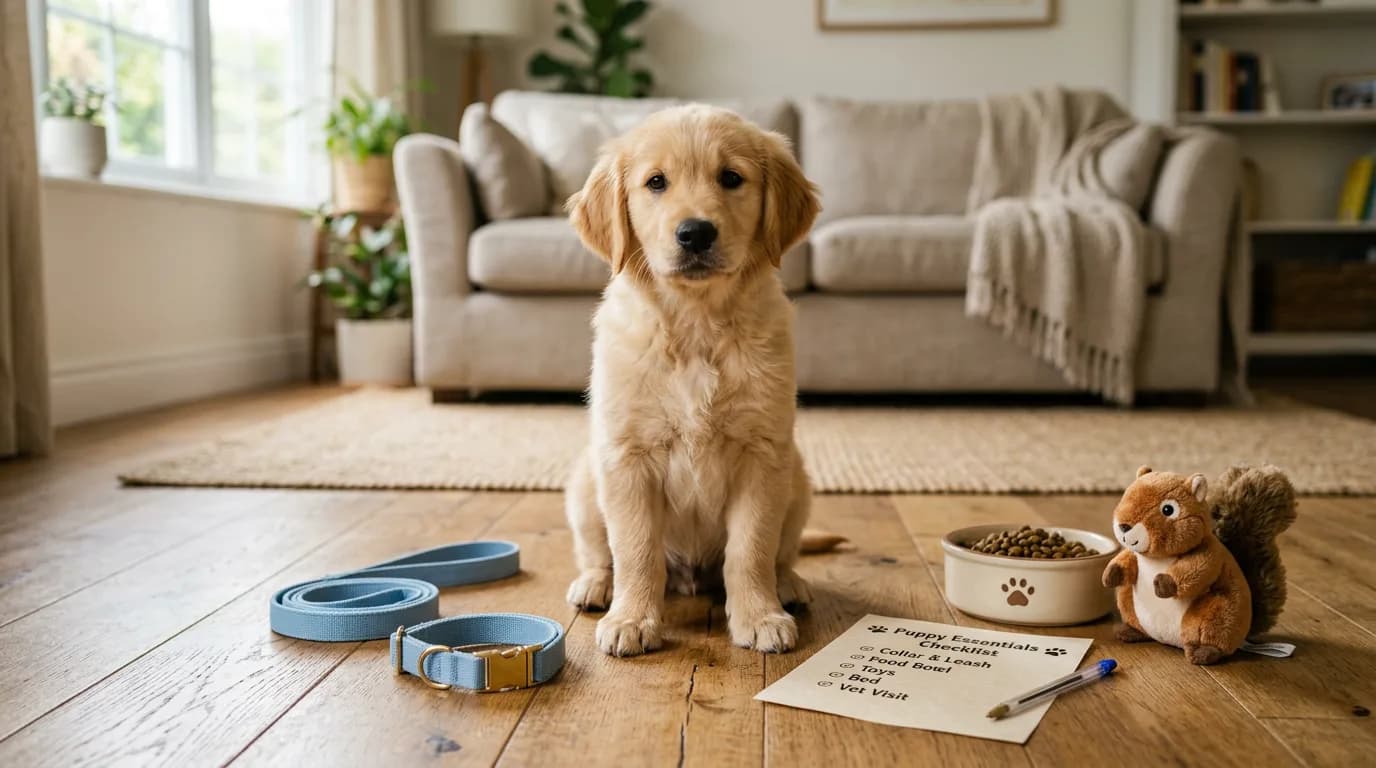
New Puppy Checklist: Supplies, Vet Visits, and Paperwork
A complete new puppy checklist covering the supplies to buy, your puppy's first vet visit and vaccination timeline by age, the paperwork to gather and keep, and a calm, day-by-day first-week plan for new owners.
Petful is reader supported. As an affiliate of platforms like Amazon and Chewy, we may earn a commission when you buy through links on this page. There is no extra cost to you.
Bringing home a new dog is joyful and a little overwhelming at the same time, and a good new puppy checklist keeps the joy from tipping into chaos. This guide pulls everything into one place: the supplies to buy before day one, your puppy's first vet visit and full vaccination timeline, the paperwork you need to gather and keep, and a calm first-week plan you can actually follow. Treat it as a working list you check off, not a stack of theory you read once and forget.
We have raised, fostered, and lived with a lot of puppies, so this is the list we wish someone had handed us on day one. It is built around four questions every new owner ends up asking: What do I buy? When does the vet need to see us? Which documents matter and where do I keep them? And how do I get through that first week without either of us falling apart?
- 1Buy the core supplies before your puppy arrives, not after.
- 2Book the first vet visit within the first 3 days home and follow the full vaccine timeline through 16 weeks.
- 3Gather and store the paperwork (microchip, vaccination records, registration, license) in one place from day one.

Sign up for expert-backed reviews and safety alerts all in one place.
The complete new puppy checklist at a glance
Before we go deep on each area, here is the fast version. If you do nothing else, do these things in this order:
Petful may earn a commission when you click through to Chewy, at no extra cost to you.
- Puppy-proof one room and set up a crate or pen before pickup day.
- Buy the core supplies: food, bowls, collar, ID tag, leash, crate, bed, and safe toys.
- Schedule the first veterinary exam within 72 hours of bringing your puppy home.
- Start the vaccination series and keep every record.
- Register the microchip and file the paperwork somewhere you will not lose it.
- Follow a predictable first-week routine so your puppy learns the house is safe.
The rest of this guide expands each of those steps into a checklist you can print, share with the family, and check off as you go.
Puppy-proof your home before pickup day
A puppy explores the world with its mouth, and the first week is when curiosity meets a house full of hazards. Walk each room at puppy eye level, literally crouching down, and look for what a fast, teething mouth could reach. This one hour of prep prevents most first-week emergencies.
Focus on these high-risk items:
- Cords and cables: bundle, cover, or lift electrical and charger cords out of reach.
- Toxins: move houseplants (many are toxic), cleaning products, medications, and foods like chocolate, grapes, and xylitol-sweetened items well out of range.
- Small swallowable objects: socks, kids' toys, hair ties, coins, and batteries are common causes of emergency surgery.
- Escape routes: check fences and gates for gaps, and use baby gates to close off stairs and rooms you are not supervising.
- Trash and laundry: use lidded bins and keep hampers closed, since dirty laundry and garbage are magnets for puppies.
Decide in advance which rooms your puppy can access and set up a contained, easy-to-clean home base with the crate, water, and a couple of toys. A smaller world is easier for a puppy to succeed in, and you can expand their range as they earn trust and learn the rules.
Puppy supplies to buy before your dog comes home
The single biggest first-week mistake is shopping after the puppy arrives instead of before. A puppy at your feet turns a calm store run into a scramble. Get the essentials staged and ready so day one is about bonding, not errands.
Here is the core supply list, grouped so nothing slips through:
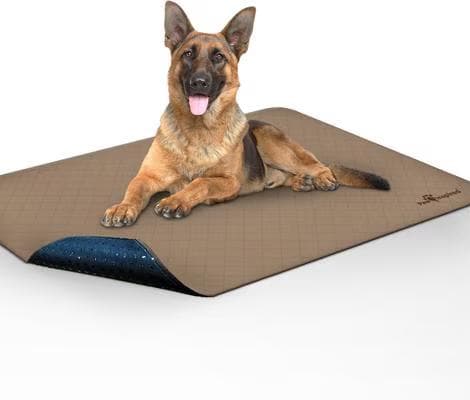
Petful may earn a commission when you click through to Chewy, at no extra cost to you.
- Feeding: a bag of the same puppy food the breeder or shelter was using, two stainless or ceramic bowls, and a measuring scoop. Switching foods too fast causes stomach upset, so buy the current brand first and transition later.
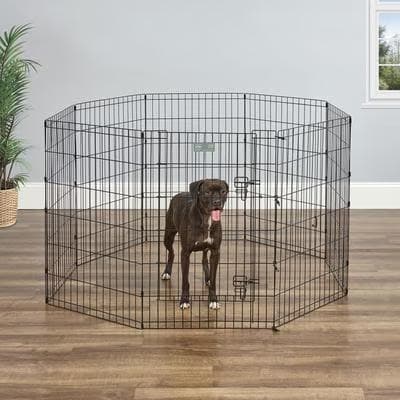
- Containment and rest: a right-sized crate (big enough to stand and turn, not so big they can potty in one corner), a washable bed, and an exercise pen or baby gates.
- Walking and ID: a flat collar, a lightweight leash, a harness for small or brachycephalic breeds, and an engraved ID tag with your phone number.
- Cleanup: enzymatic stain and odor cleaner, poop bags, and washable pee pads if you are pad-training early.
- Grooming and care: a soft brush, puppy shampoo, dog-safe nail clippers, and a toothbrush with dog toothpaste.
- Enrichment: a few textures of chew toys, a food puzzle, and one or two comfort toys for crate time.
Skip the temptation to buy the biggest or fanciest version of everything. Puppies grow fast and chew hard, so a mid-priced crate and a couple of durable toys beat a designer bed that gets shredded in a week. You can upgrade once you know your dog's size and habits.
- Your puppy will outgrow the first collar quickly, so pick an adjustable one and check the fit weekly. You should always be able to slide two fingers under it. A tag that is engraved rather than dangling and jingly is easier on a nervous puppy.
Your puppy's first vet visit: what to expect
Book your first appointment for within 72 hours of bringing your puppy home, even if the breeder or shelter says the puppy is up to date. That first exam does three things: it confirms your puppy is healthy, it starts your relationship with a veterinarian who will know your dog for years, and it sets the vaccination and deworming schedule going forward.
At the first visit, your veterinarian will usually:
- Weigh your puppy and do a full nose-to-tail physical exam.
- Listen to the heart and lungs and check the eyes, ears, mouth, and belly.
- Check for congenital issues like a heart murmur, hernia, or retained testicles.
- Run or schedule a fecal test for intestinal parasites and start deworming.
- Review the vaccine records you brought and give any doses that are due.
- Talk through flea, tick, and heartworm prevention, nutrition, and spay or neuter timing.
Bring every piece of paper the breeder or shelter gave you, including any vaccine or deworming records and the microchip number. If your puppy came with a health guarantee, many breeders require a vet exam within a set number of days to keep it valid, which is one more reason not to wait.
- If you can, bring a fresh fecal sample (less than 12 hours old) to the first visit. Intestinal worms are extremely common in puppies, and a sample lets your vet test and treat on day one instead of asking you to come back.
The broader picture on why this matters: the American Animal Hospital Association (AAHA) and the American Veterinary Medical Association (AVMA) both treat the puppy series as core preventive care, not an optional extra. Puppies are born with some immunity from their mother that fades over the first months of life, and the vaccine series is timed to take over exactly as that protection drops off. Skipping or spacing doses wrong leaves a window where your puppy is genuinely vulnerable to serious disease.
Puppy vaccination schedule by age
Vaccines are grouped into core (recommended for every dog) and non-core (based on lifestyle and region). Core vaccines protect against distemper, adenovirus (hepatitis), parvovirus, and rabies. The combination shot most clinics use is often labeled DHPP or DHLPP, and understanding what those letters cover helps you ask better questions at each visit. Our full explainer on the DHPP and DHLPP vaccine for dogs breaks down each component.
The series runs from about 6 weeks to 16 weeks, with boosters after that. Here is the standard timeline, adapted from AAHA canine vaccination guidance. Your veterinarian may adjust it based on your puppy's history and your area's disease risk.
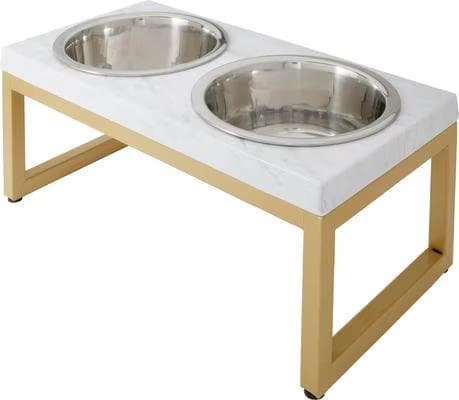
Raised stainless steel double bowl on a marble-look stand. Easier on the neck and joints and a clean, tip-resistant way to keep fresh water available all day.
Petful may earn a commission when you click through to Chewy, at no extra cost to you.
| Puppy Age | Core Vaccines Typically Due | Why This Visit Matters |
|---|---|---|
| 6 to 8 weeks | First DHPP (distemper, hepatitis, parvovirus, parainfluenza) | Maternal immunity is fading, so this dose starts real protection |
| 10 to 12 weeks | Second DHPP, plus optional leptospirosis and Bordetella | Builds immunity and adds lifestyle protection for social or outdoor dogs |
| 14 to 16 weeks | Third DHPP, rabies, and any remaining non-core doses | The final puppy dose plus legally required rabies coverage |
| 12 to 16 months | DHPP and rabies boosters | Locks in long-term immunity after the puppy series ends |
| Every 1 to 3 years | Rabies and DHPP boosters as directed | Keeps core protection current per state law and vet guidance |
A few of the diseases on that schedule are worth understanding in their own right, because they are the reason the timeline is not optional. Distemper in dogs is a viral disease that attacks the nervous system and is often fatal. Leptospirosis in dogs is a bacterial infection spread through contaminated water and wildlife urine that can also infect people. And rabies is nearly always fatal once symptoms appear, which is why the signs of rabies in dogs and the rabies vaccine are taken so seriously and required by law in most places.
Until your puppy has finished the series (usually around 16 weeks), be careful about where you let them walk and who they meet. Avoid dog parks, pet store floors, and rest stops where unvaccinated dogs may have been. You can still socialize safely by carrying your puppy, inviting healthy vaccinated dogs to your home, and using controlled puppy classes that require proof of vaccination. For the full cadence and the non-core options in your region, see our puppy vaccination schedule and our overview of pet vaccination.
There is a real balance to strike here. The window when your puppy is most open to new experiences (roughly 3 to 14 weeks) overlaps with the window before the vaccine series is complete, so waiting until 16 weeks to socialize at all can create a fearful, reactive adult dog. The safe path is not zero socialization, it is controlled socialization: clean, known environments, healthy vaccinated dogs, and positive exposure to sounds, surfaces, people, and handling. Your veterinarian can help you find that balance for your specific puppy and region, and most behavior professionals agree that well-managed early socialization is one of the best investments you can make in a puppy's lifelong temperament.
Puppy paperwork: what to gather and keep
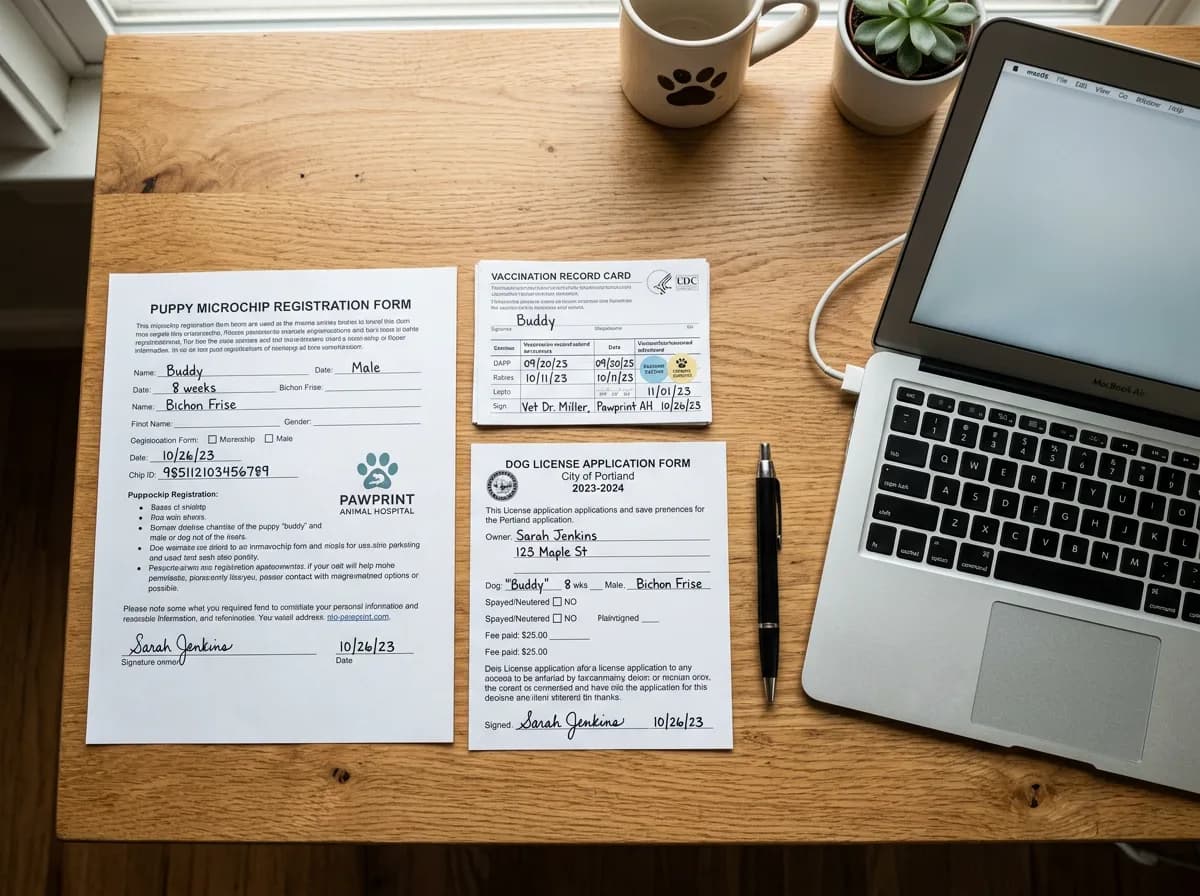
This is the part most new owners underestimate. Puppies generate a surprising amount of paperwork, and losing it costs you time and money later, whether that means paying to re-run a test, missing a boarding requirement, or being unable to prove ownership. Set up one folder (physical or digital) on day one and put everything in it as it arrives.
Here is what to collect and why each item matters:
| Document | Where You Get It | Why You Keep It |
|---|---|---|
| Vaccination records | Breeder, shelter, or your vet | Required for boarding, daycare, grooming, travel, and licensing |
| Microchip number and registration | Breeder, shelter, or the chip company | The only way a shelter can reunite you with a lost dog |
| Spay or neuter certificate | Your veterinarian | Lowers license fees in many areas and proves the procedure |
| Registration or pedigree papers | The breeder or a registry like the AKC | Documents breed and lineage for purebred dogs (optional) |
| Dog license | Your city or county animal services | Legally required in most US municipalities |
| Purchase or adoption contract | Breeder or shelter | Records health guarantees and return terms |
| Pet insurance policy | Your insurer | Speeds up claims when your puppy needs unexpected care |
The two documents people forget are the microchip registration and the dog license. A microchip is only useful if its registration lists your current name, address, and phone number, so register the chip in your name as soon as you get the number and update it whenever you move. A microchip that still points to the breeder does your lost puppy no good.
The dog license is a legal requirement in most US cities and counties, usually tied to proof of a current rabies vaccine and often discounted if your dog is spayed or neutered. Fees are small, the process is quick, and an unlicensed dog can mean a fine if animal control ever gets involved.
For purebred puppies, you may also receive registration or pedigree papers. It is worth understanding what those documents actually are and are not, so read our guide to AKC registration papers before you assume they carry more weight than they do. Registration documents lineage. It is not a health certificate or a quality guarantee.
Because these records live in different places (some paper, some email, some in an app), the easiest system is to digitize everything into one spot the day it arrives. Snap a photo of every paper record, save the microchip and license numbers, and keep it all where any family member can find it during an emergency. A dedicated digital pet record tool like MyPetID is built for exactly this, storing vaccination records and puppy paperwork in one place you can pull up from your phone at the vet, the boarding kennel, or the emergency clinic.
- Pick a single home for your puppy's records, whether that is a labeled folder or a digital app like MyPetID, and add to it the moment a new document arrives. The goal is that anyone in your household can find your dog's rabies certificate or microchip number in under a minute during an emergency.
The honest truth about registration, ESAs, and service dogs
Because we are on the subject of paperwork, it is worth clearing up one of the most misunderstood corners of dog ownership, because a lot of websites profit from the confusion. If you ever hear that you must pay to "register" your dog as an emotional support animal (ESA) or service dog, or buy an official certificate, vest, or ID card, that is not how US law works.
Under the Americans with Disabilities Act (ADA), a service dog is defined by the work or tasks it is trained to do for a person with a disability, not by any registry, certificate, or ID. There is no federal service dog registry, and paying a website for a certificate or a vest gives your dog no legal rights it did not already have. Businesses are allowed to ask only two questions: whether the dog is a service animal required because of a disability, and what work or task it has been trained to perform. If you want to understand the real categories of working dogs, our guide to the types of service dogs covers what genuinely qualifies. You can also read why the paid service dog registration sites are not legal credentials.
Emotional support animals are treated differently and more narrowly. An ESA is not a service animal under the ADA and has no public-access rights, so it cannot go everywhere a service dog can. The only legitimate ESA documentation is a letter from a licensed mental health professional who actually treats you, not a certificate you buy online. If an ESA letter is genuinely appropriate for you, our guide on how to get an ESA letter explains the honest process.

A durable rubber dog toy that can be stuffed with treats and selected by the manufacturer's size guide; supervise use and retire it when damaged.
Petful may earn a commission when you click through to Chewy, at no extra cost to you.
- No US law requires you to register, certify, or buy an ID for a service dog or emotional support animal. Any site charging for "official" service dog or ESA registration is selling you paperwork with no legal power. Your money is better spent on training and veterinary care.
Your puppy's first week: a calm, day-by-day plan
The first week sets the tone. Puppies do best with a predictable rhythm of sleep, potty, food, play, and quiet time, and the more boring and consistent you make those first days, the faster your puppy settles. Two well-known guidelines help frame expectations.
The 3-3-3 rule
The 3-3-3 rule describes how a dog typically adjusts to a new home: roughly 3 days to decompress, 3 weeks to learn your routine, and 3 months to feel fully at home. In the first 3 days, your puppy may be shy, sleepy, or unsure, so keep things quiet and low-pressure. Over the first 3 weeks, they start to understand the schedule and may begin testing boundaries. By around 3 months, most dogs feel secure and their real personality shows. Puppies often move faster than rescued adult dogs, but the pattern still holds: patience early pays off later.
The 10-10-10 rule
The 10-10-10 rule is a potty-training framework that keeps housetraining consistent. The common version is 10 minutes outside at the potty spot, about 10 feet away from the door so there are fewer distractions, and 10 minutes of close supervision back inside so an accident does not happen five minutes later. Some trainers also use 10-10-10 to balance the day into short blocks of training, play, and rest, which prevents an overtired, overstimulated puppy. Either way, the point is the same: frequent, predictable trips and steady supervision build a reliably housetrained dog faster than waiting for accidents to correct themselves.
A workable first-week rhythm looks like this. Take your puppy out first thing in the morning, then after every meal, nap, and play session, and right before bed. Feed on a set schedule (usually three meals a day at this age) so potty timing becomes predictable. Keep introductions to new people and dogs short and calm. Start crate training gently by feeding meals in the crate and rewarding quiet settling. And protect sleep, because puppies need a lot of it, and an overtired puppy acts out just like an overtired toddler. For food rewards, compare puppy training treats by age guidance, texture, and portion size.
Where your puppy should sleep the first night
For most families, the calmest setup for the first night is a crate or a pen in your bedroom, close enough that your puppy can hear and smell you. Being near you lowers stress, makes middle-of-the-night potty trips easier, and helps your puppy learn that the crate is a safe place. Add a soft bed and one comfort item, keep a leash handy for a quiet late-night potty break, and resist the urge to bring the puppy into your bed on night one unless that is a permanent plan. You can gradually move the crate to its long-term spot over the following weeks once your puppy is settled.
What a new puppy actually costs
Budgeting up front prevents sticker shock. First-year costs are higher than every year after because of the initial supplies, the vaccine series, spay or neuter surgery, and often training. Here is a realistic range for the first year in the US. Your numbers will vary by region, breed, and choices like insurance.
| Expense | One-Time or Ongoing | Typical Cost Range (USD) |
|---|---|---|
| Initial supplies (crate, bed, bowls, leash) | One-time | $150 to $400 |
| Puppy vaccine series and vet exams | First year | $150 to $350 |
| Spay or neuter surgery | One-time | $150 to $600 |
| Microchip and registration | One-time | $25 to $75 |
| Food and treats | Ongoing (annual) | $250 to $700 |
| Dog license | Ongoing (annual) | $10 to $30 |
| Pet insurance (optional) | Ongoing (annual) | $250 to $600 |
The biggest way to blow the budget is an unexpected illness or injury in a puppy that swallows something it should not, which is common. That is the case for either a pet insurance policy bought while your puppy is young and healthy, or a dedicated savings buffer. Either way, decide before an emergency, not during one.
- 1Plan for $700 to $2,000 in the first year, with supplies, vaccines, and spay or neuter driving most of it.
- 2First-year costs run higher than later years.
- 3Decide on pet insurance or an emergency fund while your puppy is young and healthy.
Frequently asked questions
House-Training and Crate-Training Your Puppy
Set a potty schedule
- Take the puppy outside first thing in the morning, after every meal, after every nap and play session, and right before bed.
- A useful rule of thumb: puppies can hold their bladder about one hour per month of age, so an 8-week-old needs a break roughly every 2 hours.
- Pick one outdoor spot and use the same short cue word each time, so the puppy links the word to the action.
- Reward the moment the puppy finishes, not once you are back inside.
Make the crate a den, not a jail
- Size the crate so the puppy can stand, turn around, and lie down, but not so large that one end becomes a bathroom corner.
- Feed meals and offer a safe chew inside so the crate reads as a good place, never a punishment.
- Build up alone time in short stretches during the day so the first overnight is not also the first long stay.
- Praise or a small treat has to land within a few seconds of the puppy going in the right spot, or it will not connect the reward to the behavior you want.
The Socialization Window and Early Training
Why the first months matter most
- The prime socialization period runs from roughly 3 to 14 weeks of age, the stretch when new sights, sounds, surfaces, and people shape a confident adult dog.
- Introduce car rides, the vacuum, gentle handling of paws and ears, and calm meetings with healthy, vaccinated dogs.
- Keep each new experience short and positive. If the puppy looks frightened, ease off rather than forcing it.
Start simple cues now
- Teach name recognition, sit, and coming when called in short 5-minute sessions a few times a day.
- Reward-based training builds trust and learning faster than punishment does.
- Ask your vet about puppy classes that admit pups partway through their vaccine series.
Feeding Your New Puppy
How often and how much
- Young puppies do best on 3 to 4 small meals a day, usually dropping to twice daily around 6 months.
- Choose a complete food labeled for growth or for all life stages, and use the bag's weight-based chart as a starting point.
- Keep fresh water available at all times.
Change foods slowly
- If you switch from the breeder's or shelter's food, mix the new food in gradually over 7 to 10 days to avoid stomach upset.
- Watch stool quality. Loose stool that lasts more than a day or two is worth a call to your vet.
- Chocolate, grapes, raisins, onions, garlic, xylitol (in sugar-free gum), and cooked bones can seriously harm a puppy. Store them well out of reach.
How to get a printable new puppy checklist (PDF)
Yes, you can turn this checklist into a printable PDF in about a minute, and a paper copy stuck to the fridge is one of the most useful things a sleep-deprived new owner can have. On a computer, open this page and press Ctrl+P (Cmd+P on a Mac), then choose "Save as PDF" as the destination instead of a printer. On a phone, use your browser's Share or Print menu and pick "Save to Files." Print it, keep the PDF on your phone, or both.
A printable version earns its keep when you organize it by phase: before pickup, the first 24 hours, the first week, and the first month. That way nothing slips through the cracks during the exhausting early days. Put one copy on the fridge, keep one in the car for vet trips, and send a copy to anyone helping out so your partner, kids, and dog-sitter all follow the same routine.
Then hand-write the details a generic printable can never include: your pickup date, the breeder or shelter's current food brand and feeding times, the microchip number, and your first vet appointment.
- Desktop: open this page, press Ctrl+P or Cmd+P, and set the destination to "Save as PDF." Phone: tap the browser Share or Print menu, then "Save to Files." Print a copy for the fridge and keep the file on your phone.
Does the new puppy checklist change by breed or size?
The core checklist is the same for every puppy, but a handful of items shift with your dog's adult size and breed.
- Food: Large-breed puppies (Labradors, German shepherds, golden retrievers) need a large-breed puppy formula with controlled calcium and calories to slow bone growth and protect developing joints. Small and toy breeds do better on small-bite kibble that is easier to chew and matches their faster metabolism.
- Crate and bed: Buy for the adult size and use a crate divider, so a Lab puppy is not rattling around a giant crate at 8 weeks. Toy breeds may never need the jumbo gear at all.
- Exercise: Hold off on forced running, long hikes, and repeated stairs for large and giant breeds until the growth plates close (around 12–18 months) to lower joint-injury risk. Short, self-paced play is fine for any puppy.
- Grooming: Double-coated and long-haired breeds need a slicker brush and undercoat rake from week one. Drop-ear breeds like Labradors, spaniels, and hounds need routine ear checks to catch infections early.
- Health screening: Ask your vet which conditions your breed is prone to (hip dysplasia in large breeds, patellar luxation in toy breeds, breathing trouble in flat-faced breeds) so screening starts on time.
The 3-3-3 rule describes how a dog adjusts to a new home: about 3 days to decompress and feel less scared, 3 weeks to learn your routine and start trusting you, and 3 months to feel fully settled and show their true personality. Puppies often adjust faster than adult rescues, but the pattern of patience early and bonding over time still applies.
The 10-10-10 rule is a potty-training routine: take your puppy out for up to 10 minutes, about 10 feet from the door to limit distractions, then supervise closely for 10 minutes back inside so an accident does not happen right after. Some trainers also use it to split the day into 10-minute blocks of training, play, and rest to prevent overstimulation.
The calmest choice for most families is a crate or pen in your bedroom, close enough that your puppy can hear and smell you. Being near you lowers stress and makes overnight potty trips easier, while still teaching your puppy that the crate is a safe, separate space. You can move the crate to its long-term spot over the next few weeks.
An adult dog new to your home also does best sleeping somewhere calm and close by, such as a crate, bed, or pen in or near your bedroom for the first nights. Keep the first night low-key, give a quiet late potty break, and let the dog decompress. As trust builds over the first weeks, you can shift to whatever sleeping arrangement you want long-term.
Not entirely. A puppy crying at night is often signaling a real need, usually a potty trip or reassurance in an unfamiliar place, so take them out calmly and quietly without turning it into playtime. Ignore attention-seeking whining only once you are sure the puppy is empty, safe, and comfortable, and expect night crying to fade within the first week or two as your puppy settles.
A 9-week-old puppy usually cannot hold their bladder through the night and is adjusting to being alone, so do not simply ignore crate crying. Take them out for a calm potty break, then return them to the crate. Placing the crate in your bedroom, feeding meals in the crate, and building up alone time gradually all reduce crying. Steady, reassuring consistency works better than either ignoring or scolding.
Dogs communicate affection through body language rather than words. Signs a dog is expressing love include soft relaxed eye contact and gentle blinking, a loose wagging tail and wiggly body, leaning against you, following you around, bringing you a toy, and calm belly-up relaxation near you. You can return the sentiment with slow blinks, a calm voice, gentle petting where your dog enjoys it, and reliable daily routine and care.

Coreen Saito is a pet writer and longtime shelter volunteer with more than a decade in animal rescue. She covers cat behavior, breed care, and the small, ordinary science of sharing a life with companion animals, with a particular focus on honest takes about the products and decisions that actually matter. At home in Arizona, she's outranked by Mac (a dog with the loudest opinion in the house), Rebel (a cat who governs by quiet authority), and Meri (an orange tabby who runs the late shift and the laundry basket). She writes about all three, plus the rescues that keep coming through her life, at LifeWithMinty.com.
Sign up for expert-backed reviews and safety alerts all in one place.