Luxating Patella: Knobby Knees and Wobbly Kneecaps
Problems with kneecaps can be serious enough to require surgery, but this isn't always the case.

BVMS, MRCVS

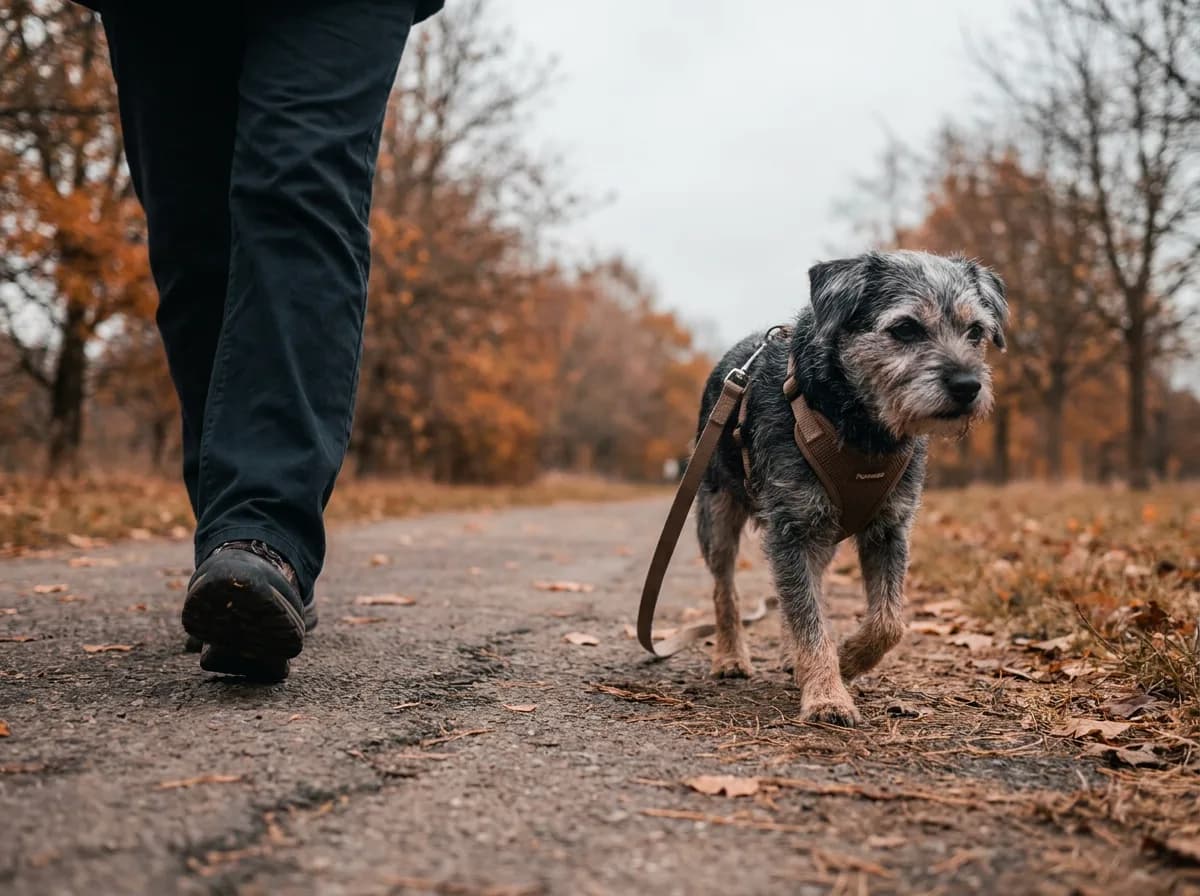
Does your dog sometimes “skip” on a back leg?
You know the sort of thing: The dogs trot along gamely enough and then hop on a back leg for a step or two. Or it might be that your dog regularly skips and you’ve come to think of it as normal. The dog doesn’t seem to be in pain, but his strange way of walking has always puzzled you.
The most likely explanation is your dog has a wobbly kneecap, or in veterinary-speak, a luxating patella. This is a common problem, especially in certain small breeds. For some dogs, a luxating patella is just a minor inconvenience and doesn’t disable the dog, whereas for others it causes pain severe enough to stop them running and jumping.
If your dog hops and skips, it can be difficult to know what to do. Is it OK to ignore the problem, or does he need surgery?
The answer may not be straightforward -- wobbly kneecaps aren’t a "black and white" as much as a "shades of gray" issue. How severe the problem is depends on a number of factors, and there’s a sliding scale of seriousness from "not very" to "ouch."
 Sponsored
Wondering why your dog seems stiff or sore?
Talk to a licensed vet at Dutch over video, often the same day. They can recommend treatment and prescribe it when it's appropriate.
Use code Pets30
Plans start at $11/month · covers up to 5 pets
- Licensed vets in most states
- Rx for 150+ conditions
- 4.7 on Trustpilot
What Is a Luxating Patella?
"Patella" is another word for kneecap.
A wobbly kneecap is a matter of mechanics. For the leg to straighten, the thigh muscles must pull on the shin bone in a straight line, and the kneecap’s job is to provide an anchor for the thigh muscles to pull against.
To understand why things go wrong, think of the kneecap as the rope in a tug-of-war game, with the thigh muscles pulling at the top and the shin bone the rival team at the bottom. Everything works sweetly and the rope goes smoothly back and forth, provided the rope sits in a deep groove and pulls in a straight line.
Things stop working if there is too much slack in the rope, or it can flop from side to side. This happens when the groove the kneecap sits in is too shallow or the joint capsule (holding it in place) is stretched and baggy.
Another problem is if either of the forces pulling on the rope tugs at an odd angle and drags the kneecap sideways. This happens if the shin bone is twisted or the thigh bone bowed in relation to the kneecap. Think of breeds with short, twisted legs, like a dachshund, and you begin to get the picture.

Signs of a Luxating Patella
We’ve touched on the hop-and-skip gait for a step or two, which is a strong clue that the kneecap is unstable and cannot "lock" the knee in place and take the dog’s weight. The patella usually just pops back into place, and the dog trots away as normal. Other signs of a luxating patella include: Skipping with a back leg Difficulty jumping up Weakness on the back end Standing with less weight on the sore leg Muscle wastage Standing in a crouched position Pain
Remember those "shades of gray" and that sliding scale of seriousness? Well, this depends on how many problems affect the knee. For example:
- A single problem, such as a slack joint capsule, is usually minor.
- The full combo of a twisted thigh bone, slack joint capsule and crooked shinbone results in severe lameness.
- In addition, if the kneecap rubs from side to side, this causes inflammation and pain.
 Sponsored
Vet care that's always there
Unlimited video calls and messaging with licensed vets for less than a typical vet visit. One membership covers up to five pets.
Use code Pets30
Plans start at $11/month · covers up to 5 pets
- Licensed vets in most states
- Rx for 150+ conditions
- 4.7 on Trustpilot
Dogs Most at Risk
In some breeds, this condition is commonly passed down from parent to puppy. These breeds include:
- Poodles (and those "designer dogs" with poodle parentage)
- Pomeranians
- Jack Russells
- Yorkshire Terriers
- Chihuahuas
- Dachshunds
- Staffordshire bull terriers
Watch this speedy dog compensate for her luxating patella as she runs around her yard:
Treatment Options
This depends on how serious the problem is:
- If your dog hops from time to time but doesn’t seem to be in discomfort, you may not need to act.
- If the dog regularly skips and sometimes carries the leg for a few steps, then speak with your veterinarian about pain relief.
- If when you look at the dog from behind and one thigh looks smaller than the other, this is a sign of muscle wastage and an indication that the problem is more serious.
Severe cases need surgical correction. This involves deepening the groove the kneecap sits in, tightening the joint capsule and realigning the shin bone. However, it is well worth getting corrective surgery done because the leg will then work as nature intended, and your dog will go on to lead a full and active life.
This pet health content was written by a veterinarian, Dr. Pippa Elliott, BVMS, MRCVS. It was last reviewed Oct. 13, 2018.

Sign up for expert-backed reviews and safety alerts all in one place.
BVMS, MRCVS
Dr. Pippa Elliott, BVMS, MRCVS, is a veterinarian with nearly 30 years of experience in companion animal practice. Dr. Elliott earned her Bachelor of Veterinary Medicine and Surgery from the University of Glasgow. She was also designated a Member of the Royal College of Veterinary Surgeons. Married with 2 grown-up kids, Dr. Elliott has a naughty Puggle named Poggle, 3 cats and a bearded dragon.
Sign up for expert-backed reviews and safety alerts all in one place.