Dewclaw Removal in Dogs: Understanding When and Why It's Necessary
Dewclaw removal is usually unnecessary for healthy toes. Learn when surgery may help, what to ask about costs, and how to protect the incision during your dog's recovery.

Petful is reader supported. As an affiliate of platforms like Amazon and Chewy, we may earn a commission when you buy through links on this page. There is no extra cost to you.
This pet health content was written by a veterinarian, Dr. Debora Lichtenberg, VMD. It was last reviewed on May 24, 2024
If you have questions or concerns, call your vet, who is best equipped to ensure the health and well-being of your pet. This article is for informational purposes only and is not a substitute for professional medical advice, diagnosis, or treatment. See additional information.
Petful may earn a commission if you click on our links and make a purchase. This comes at no extra cost to you and helps us continue providing trusted pet product reviews.
- 1Healthy front dewclaws usually stay in place.
- 2A torn nail may need treatment without removing the entire toe.
- 3Discuss severe injury, disease or repeated problems with your veterinarian.
- 4Ask for an itemized estimate and individual pain-control and aftercare plan.
- 5Never attempt dewclaw removal at home.

Sign up for expert-backed reviews and safety alerts all in one place.
What is a Dewclaw?
Dewclaw removal is surgery to remove the small extra toe on the inner side of a dog's leg. A healthy front dewclaw usually stays in place. Removal may be appropriate for severe injury, disease, or a recurring problem that cannot be managed comfortably another way.
The important distinction is between treating a damaged nail and removing the entire digit. A torn nail does not automatically mean your dog needs an amputation. Your veterinarian can examine the attachment, identify the injury and explain which treatment actually helps.
Why Is It Called a Dewclaw?
Think about the grass with drops of dew on top: As a dog prances through the field, the claw higher up on the leg catches the dew on the top of the blades of grass -- thus the term "dewclaw."
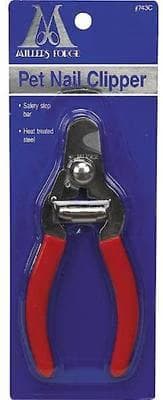
Use a clipper that is appropriate for your dog's nail size and comfortable for you to control. Make small cuts during a calm session. If the nail is dark or you cannot identify a safe cutting point, ask a professional to demonstrate before trying again.
Petful may earn a commission when you click through to Chewy, at no extra cost to you.
Front and Rear Dewclaws
A dew claw is the extra digit above the main weight-bearing toes. Most dogs are born with front dew claws, but rear claws vary between individuals and breeds. There is no dependable list of breeds whose dogs never have back dew claws: even within a breed, the anatomy can vary. Some breed standards call for extra rear dewclaws; your veterinarian can tell you what your own dog has.
- Front dewclaws: Most dogs have a dewclaw on each front leg unless it was removed earlier. It normally has a bony attachment, nerves, blood vessels and supporting soft tissues.
- Rear dewclaws: Some dogs have none, some have one on each hind leg, and others have double dewclaws. Their attachment varies, from firmly attached digits to loosely attached skin-covered toes.
Rear or double dewclaws are a normal breed feature in dogs such as the Great Pyrenees, Briard and Beauceron. Their presence alone is not an indication for surgery. A breed name also cannot tell you how firmly an individual dog's dewclaw is attached; a hands-on veterinary examination matters more.
Purpose of Dewclaws
Do Dewclaws Have a Purpose?
Dogs have front dew claws as part of their functional forelimb anatomy. The digit can contact the ground when the leg bends during running, supporting the carpus, or wrist, in a turn. This helps explain why removing a healthy front dew claw deserves careful consideration, rather than treating it as a useless extra nail.
Front dewclaws help dogs grasp objects with their forelegs. They can also contribute to traction and stability when a dog's leg bends during movement:
- During running and tight turns, front dewclaws can provide traction and support the carpal joint, or wrist. That functional role is a reason to avoid routine removal; it is not proof that keeping a dewclaw will prevent arthritis in every dog.
- The dewclaw actually does touch the ground in racing and coursing breeds when the dog makes tight turns.
- Rear dewclaws in climbing breeds such as the Saint Bernard and Great Pyrenees are thought to help them while climbing rough terrain.
The function of a loosely attached rear dewclaw is less clear. If it repeatedly catches, tears or becomes difficult to maintain, discuss its individual injury risk with your vet. A floppy appearance by itself does not establish that preventive surgery is necessary.
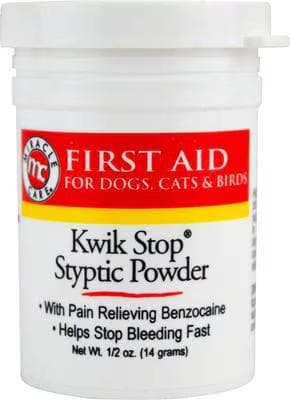
For an accidental minor nail-tip nick during routine trimming, a veterinary styptic powder can help control bleeding when used according to its label. Stop the trimming session. Continued bleeding, a split running toward the toe or obvious pain calls for veterinary advice; powder cannot repair an unstable torn nail.
Petful may earn a commission when you click through to Chewy, at no extra cost to you.
Dewclaw Removal
Should Dewclaws Be Removed?
Vets do not all recommend routine dew claw removal. The recommendation should follow the dog's actual problem and the attachment of that particular toe. Removing the entire dewclaw means amputating a digit; the casual phrase 'declaw a dog' can obscure that distinction. It is not the same as trimming a nail, and you should never try to remove a dew claw at home. A dog described as 'declawed' may only have had dewclaws removed; ask which digits were involved rather than assuming all its nails are gone.
Healthy, well-developed dewclaws usually do not need removal. Front dewclaws are normal anatomy, attached by bone and a joint with their own nerve and blood supply. A veterinarian may recommend removal for a severely damaged digit, a growth, persistent disease or repeated injuries that have not responded to simpler care.
For a loose rear dewclaw, the decision is more individual. Ask how likely injury really is, what has happened so far, and whether regular trimming and monitoring can manage the risk. Working, hunting or agility dogs are not automatically candidates for removal merely because they are active.
- Why remove front dewclaws that most likely do serve a purpose and rarely get injured?
Veterinary views have changed as the functions and welfare consequences of dewclaws have received more attention. The Australian Veterinary Association opposes routine dewclaw removal without a valid medical reason and says preventive removal of a rear dewclaw should depend on a real, case-by-case risk of injury. That is a professional welfare position, not a statement that every country has the same law.
Front Dewclaw Removal
Removing puppy dew claws solely because a litter has reached a customary age does not establish a medical benefit. Nor is adulthood automatically too late for treatment. Adult dogs can have medically justified removal, but overall health, the actual toe problem and the anesthetic plan affect the decision. Being older calls for an individualized assessment, not an attempt to remove a dewclaw at home.

Some breeders arrange elective removal during the first few days of life. Early timing does not make the procedure painless or establish that it benefits the puppy. A veterinarian should assess whether it is justified and provide appropriate pain control. Do not use a three-day deadline as a reason to rush removal of a healthy toe.
Once a puppy is older, removal is a surgical procedure, typically under general anesthesia. If a medically indicated removal is combined with spaying or neutering, the vet still needs to plan for a separate incision, additional surgical time and wound care. One anesthetic event does not mean the added procedure has no risks.
Rear Dewclaw Removal
A loosely attached rear dewclaw may be more mobile than a front dewclaw, but the veterinarian still needs to identify exactly which tissues are involved. Do not assume a dangling toe has no blood supply or sensation.
Removal may be reasonable when a particular dewclaw repeatedly tears, becomes infected or causes pain despite appropriate care. If it is comfortable and easy to maintain, observation and regular trimming may be enough. Discuss both options, including what another injury would mean for that dog.
When surgery is chosen, the aftercare plan matters as much as the removal. Dogs can chew at their incisions or bandages, and a low leg wound is hard to protect. Ask the practice to demonstrate how to keep the area dry and what kind of protective collar actually stops your dog reaching that leg.
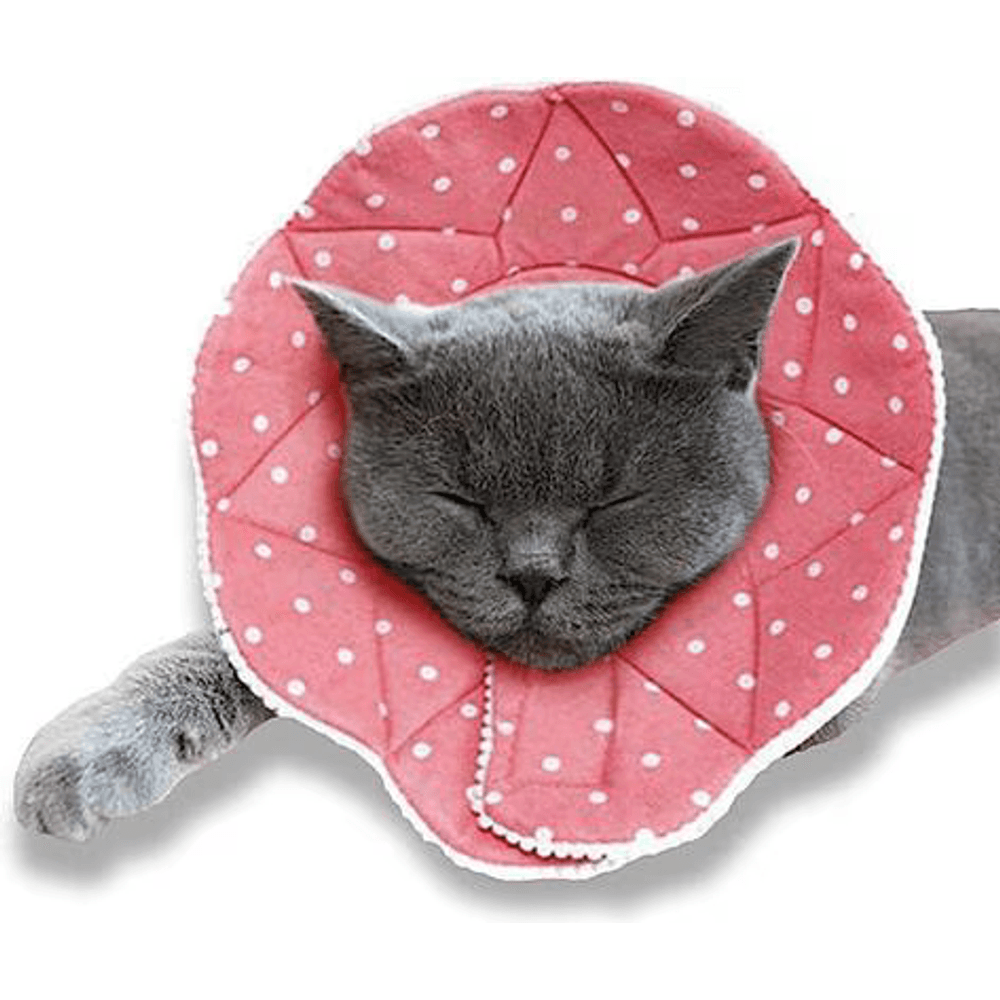
Use this soft collar only if your veterinarian confirms its fit and that your dog cannot reach the lower-leg incision. Some dogs need a longer, firmer cone to protect that site.
Petful may earn a commission when you click through to Chewy, at no extra cost to you.
Cost of Dewclaw Removal
There is no universal dew claw removal price. The veterinary sources cited here do not provide a current, representative price range, so we cannot give a reliable typical dollar amount. What a vet will charge depends on the examination and procedure: treatment of a torn nail, a neonatal removal and surgery on an adult dog's attached digit involve different work. If an estimate uses the phrase 'declaw a dog,' clarify exactly which toe or procedure it describes. Ask for an itemized written estimate and compare the inclusions below before deciding that one quote is cheaper.
- Attachment and extent of surgery: Removing a loosely attached rear dewclaw is different from removing a digit with a joint. The number of dewclaws and any infection or damaged tissue also affect the work involved.
- Anesthesia and pain control: The estimate may include examination, preanesthetic testing, anesthesia, monitoring, the surgical fee and take-home pain medication. Ask which are included and which depend on examination findings.
- Aftercare: Bandages, protective collars, rechecks, suture removal and treatment of complications may be separate charges. Ask for an itemized written estimate and the practice's plan if costs change. Published prices from another town or several years ago should not be treated as a current quote for your dog.
Listen to this veterinarian speak about dogs' dewclaws and some potential risks in dewclaw removal:
Pain Control and Surgical Risks
Dew claw removal is painful surgery involving nerves and other living tissues. Appropriate anesthesia controls awareness during surgery, while postoperative pain relief addresses discomfort afterward. This applies to very young puppies as well as adult dogs. Ask what medicines your dog will receive, how to administer them and which changes mean the plan needs adjusting. A small toe is not a painless piece of excess nail, and a quiet dog may still be uncomfortable.
Discuss bleeding, infection, wound breakdown, chewing at sutures and anesthetic risk before consenting. Your vet can explain the measures used to reduce those risks and what you should watch for afterward. Do not give human pain medicines unless the veterinarian specifically directs you to; a medication that is safe for a person may be unsafe for a dog.
Recovery After Dewclaw Removal
Dew claw removal healing time depends on the incision and any complications. The clinical photograph shows a sutured surgical site, not a timetable for another dog's recovery. Keep bandages on only for the period your vet specifies, with any scheduled changes and checks. A damp or slipping bandage needs prompt advice even when the original removal date is still several days away.
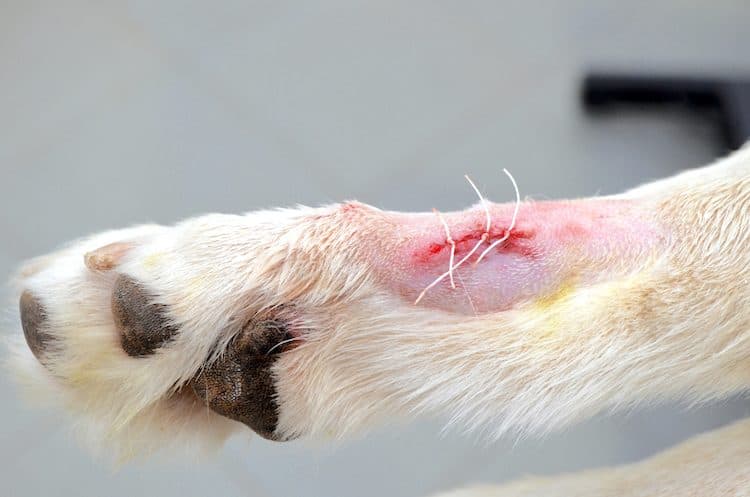
Expect an individualized recovery plan rather than a fixed number of days for every dog. The surgical site, amount of tissue removed, skin tension, bandaging and any infection all influence healing. Preventive Vet describes about two weeks as a typical uncomplicated recovery period, but your own veterinarian's recheck and activity instructions take priority.
Check the incision as directed in your discharge instructions. New swelling, increasing redness, discharge, a bad smell, reopened stitches or worsening pain deserve a call to the clinic. If the wound changes or your dog seems less comfortable instead of improving, arrange a veterinary healing check.
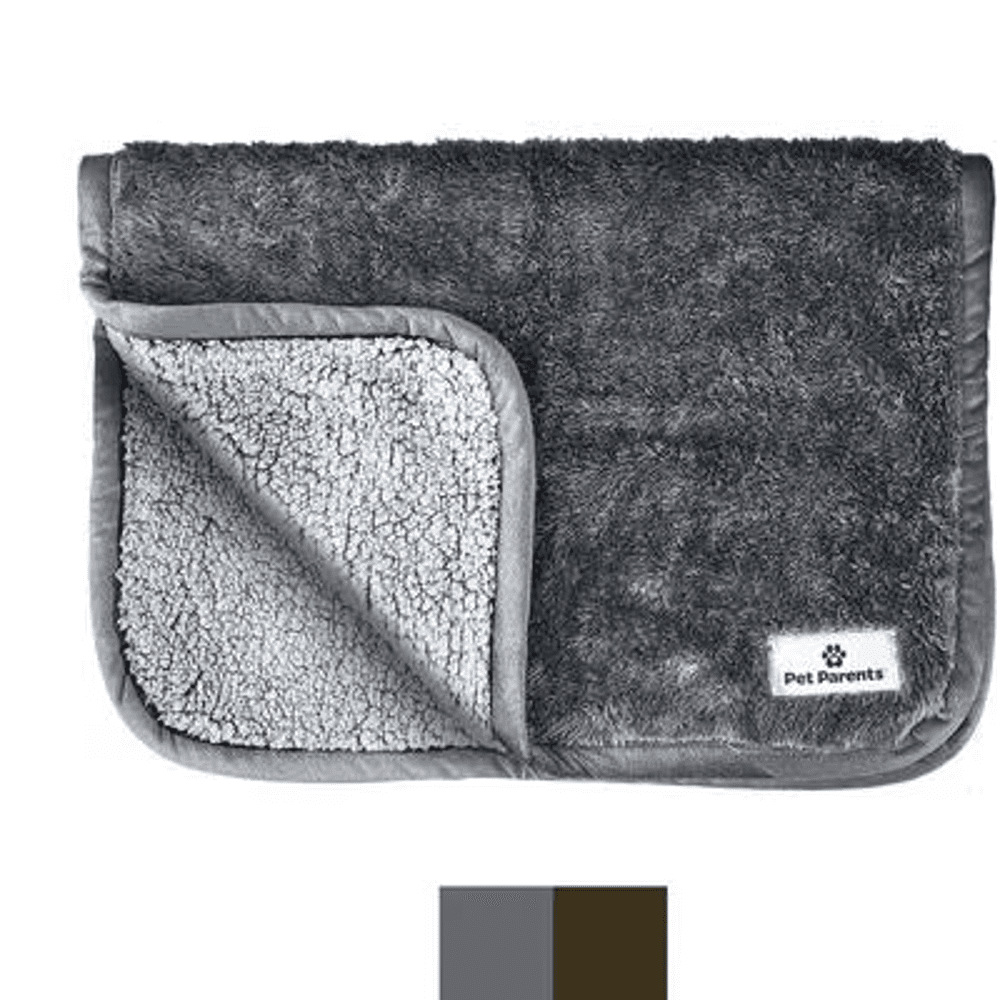
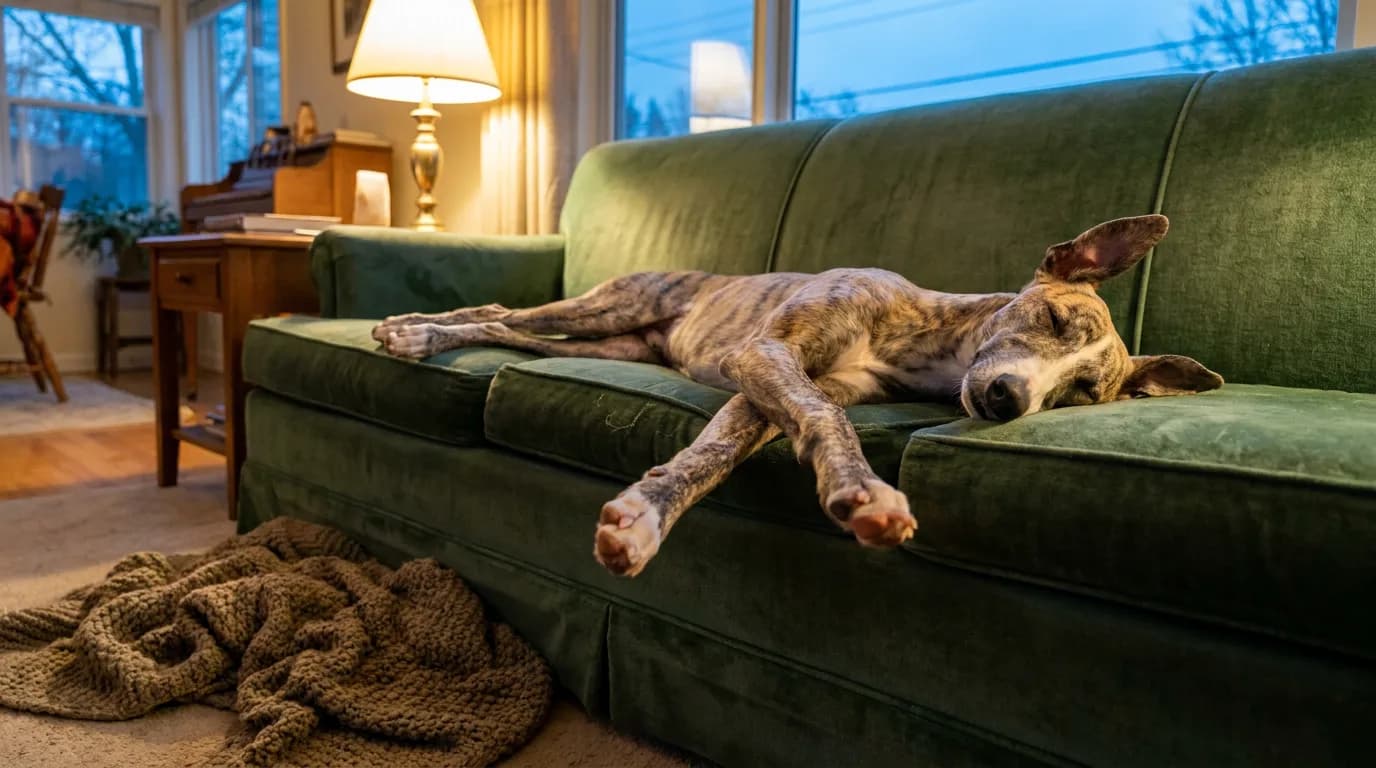
Set up a low, quiet resting place with a washable cover and a clear route outside for supervised toilet breaks. Change damp or soiled bedding promptly. A comfortable blanket supports the rest plan, but it does not replace activity restriction or the protective collar your vet prescribed.
Petful may earn a commission when you click through to Chewy, at no extra cost to you.
Bandages, Activity and the Protective Collar
If the leg is bandaged, keep it clean and dry and follow the exact change and removal schedule. Do not leave a dressing on for seven or ten days simply because an article gives that number. Contact the practice promptly if the bandage becomes wet, slips, smells, is chewed, or the toes swell or feel unusually cold.
Restrict running and rough play for the period your veterinarian recommends. Use supervised short toilet breaks and a quiet resting area. An Elizabethan collar, or recovery cone, must prevent the dog reaching the actual incision, so have its fit checked; inflatable rings or short soft cones may leave a lower-leg wound within reach.
Dewclaw Maintenance
How to Trim Dewclaws

Front dewclaws may not wear down as much as the other nails during ordinary walking. Inspect all nails regularly, including the dewclaws hidden higher on the leg, and trim before a nail curves toward the skin. The right interval varies with growth, activity and the dog's tolerance.
If your dog is uncomfortable with paw handling, teach brief, calm sessions and ask your veterinary team or a skilled groomer for help. For the full technique, including identifying the quick and making small cuts, use our dog nail-trimming guide. Never put clippers across an injured or partially detached dewclaw simply because it is hanging loose.
Use a clipper that is appropriate for your dog's nail size and comfortable for you to control. Make small cuts during a calm session. If the nail is dark or you cannot identify a safe cutting point, ask a professional to demonstrate before trying again.
For an accidental minor nail-tip nick during routine trimming, a veterinary styptic powder can help control bleeding when used according to its label. Stop the trimming session. Continued bleeding, a split running toward the toe or obvious pain calls for veterinary advice; powder cannot repair an unstable torn nail.
Injured Dewclaws or Diseased Dewclaws
Common Issues and Treatments
If your dog's dew claw broke off, distinguish a missing nail tip from an injured toe. A broken or ripped nail can expose the quick, causing bleeding and pain. Even when bleeding stops, a loose nail fragment may keep catching and hurting. Do not pull it away: let the vet assess the injury and whether the toe can be preserved.
If a dewclaw tears, keep your dog calm and apply gentle pressure with clean gauze or a towel if you can do so safely. Do not pull the nail off or probe the wound. Call the vet, especially if bleeding continues, the toe is swollen, or your dog cannot bear weight.
A torn, bleeding or ingrown dewclaw needs assessment. A damaged nail may be treated without removing the entire digit. Your vet may trim away unstable nail, clean the affected area and prescribe pain relief, with other treatment guided by the findings.
Ingrown Nails and Recurring Problems
An ingrown nail may need careful trimming and treatment of the puncture it has made in the skin. Pain relief and infection treatment depend on the examination. Repeatedly letting the same nail grow into the skin is a sign that the maintenance plan needs to change.
Treatment depends on the cause and severity. The important question is whether the veterinarian can treat the nail and preserve a comfortable toe, or whether removing the entire digit is the better option. Severe injury, a diseased growth or a recurring painful problem may make dewclaw removal the humane choice.
When Dewclaw Removal Is Necessary
| What the vet finds | Decision to discuss |
|---|---|
| Healthy front or well-developed rear dewclaw | Keep it and maintain the nail; appearance alone is not a medical reason for removal. |
| Torn or ingrown nail with a salvageable toe | Treat the nail and manage pain or infection; removal of the whole toe is not automatic. |
| Severe injury, disease or repeated painful injury | Consider whether to remove the entire digit after discussing alternatives. |
| Loose rear dewclaw without past injury | Assess individual risk and monitoring options; do not assume preventive surgery is needed. |
Recovery Supplies and Follow-Up
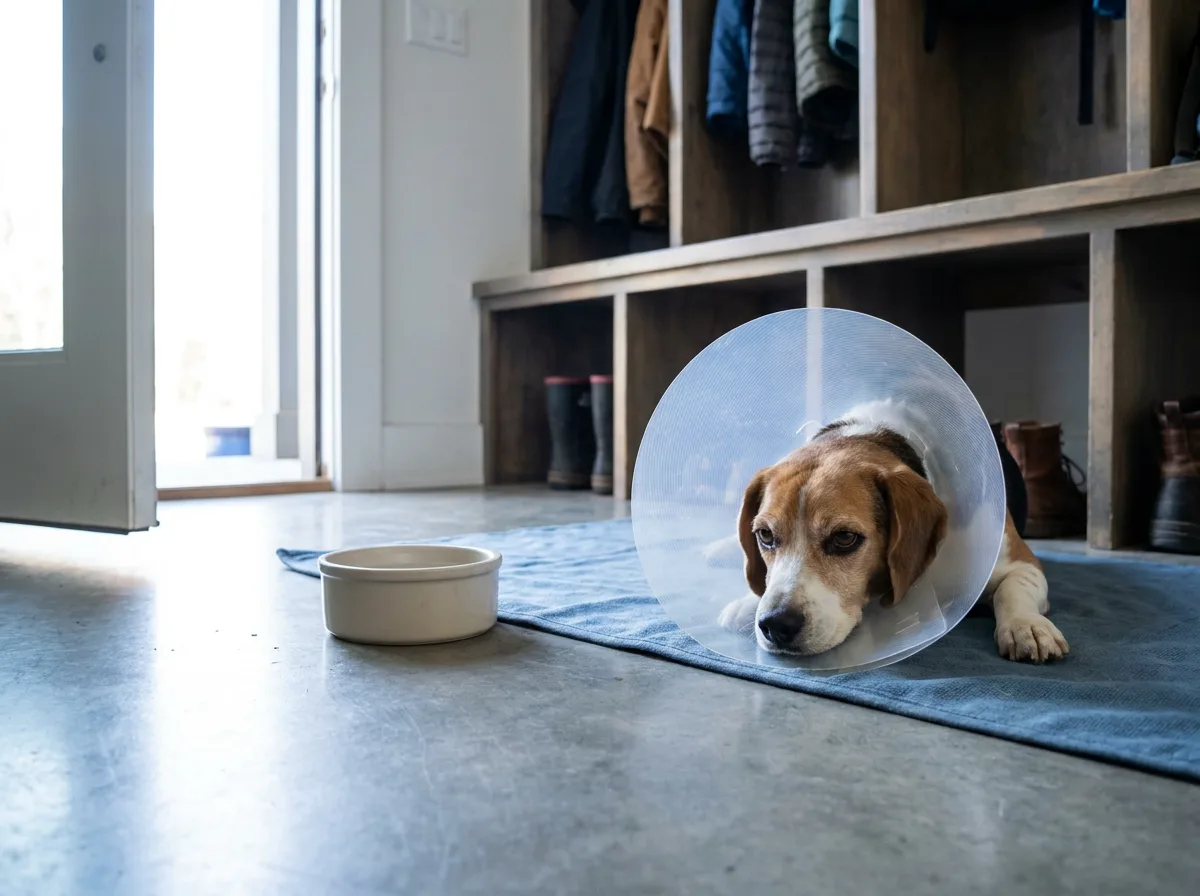
Choose supplies to match the discharge instructions. A washable resting blanket can make the recovery area easier to keep clean. If a protective collar is prescribed, choose a size and shape that prevents access to the leg and still allows eating and drinking.
Set up a low, quiet resting place with a washable cover and a clear route outside for supervised toilet breaks. Change damp or soiled bedding promptly. A comfortable blanket supports the rest plan, but it does not replace activity restriction or the protective collar your vet prescribed.
Returning to Routine Care
Once the wound has healed and your vet has cleared normal grooming, a suitable nail clipper and styptic powder can be useful for routine nail care. Styptic products are for minor nail-tip bleeding under their label directions, not a substitute for assessing a torn dewclaw or a fresh surgical wound. Do not put sprays, ointments, socks or boots over the incision unless your veterinary team tells you to.
Before leaving the clinic, write down the medication schedule, activity limits, bandage instructions, recheck date and an after-hours contact number. Ask which changes can wait for a routine call and which mean your dog should be seen promptly. Keep that plan with the estimate so everyone caring for your dog follows the same instructions.
Final Thoughts on Dewclaw Removal
- Front dewclaws are normal in dogs.
- Dewclaw removal is not called for unless there's a medical problem.
- Get your dog used to having their dewclaws trimmed.
- Keep an eye on all of your dog's nails, but pay particular attention to dewclaws, both front and rear.
- Seek treatment for any injured nail.
- Wishing you happy nails on happy trails!
Frequently Asked Questions (FAQ)
A dew claw nail can grow back after an injury if nail-producing tissue remains. A nail lost through injury can regrow if its nail-producing tissue remains. Proper removal of the entire digit is intended to be permanent. Nail regrowth after a reported dewclaw removal can mean nail-producing tissue was left behind; have the vet examine any new claw or painful lump rather than trimming it blindly.
Never remove a dew claw at home. No. A dewclaw contains living tissue, including nerves and blood vessels, even when it looks loosely attached. Do not cut, pull or tie it off. A veterinarian must decide whether removal is needed and provide appropriate pain control. If only the nail is damaged, a different treatment may preserve the toe.
References
- Coren, Stanley, PhD, DSc, FRSC. "Why Do Dogs Have Dewclaws?" Psychology Today. Oct. 15, 2014. https://www.psychologytoday.com/us/blog/canine-corner/201410/why-do-dogs-have-dewclaws.
- "Conformation: Frequently Asked Questions." American Kennel Club. https://www.akc.org/sports/conformation/resources/faq/.
- Evans, Howard E., PhD, and Alexander de Lahunta, DVM, PhD. Miller’s Anatomy of the Dog, 4th edition. Elsevier Health Sciences, 2013.
- Bojrab, M. Joseph, DVM, PhD. Current Techniques in Small Animal Surgery. Lippincott, 2014.
- Milne, Emma Goodman, BVSc, MRCVS. "Removal of the Dewclaws of Dogs." Veterinary Record 162 (June 28, 2008): 868. https://veterinaryrecord.bmj.com/content/162/26/868.2.
- “Why Is the RSPCA Opposed to the Tail Docking of Dogs?” RSPCA. Aug. 23, 2014. Archived at https://web.archive.org/web/20180414145556/http://kb.rspca.org.au/Why-is-the-RSPCA-opposed-to-the-tail-docking-of-dogs_135.html.

VMD
Dr. Debora Lichtenberg, VMD, is a small animal and exotics veterinarian who has been practicing medicine for over 30 years. A graduate of the University of Pennsylvania School of Veterinary Medicine, Dr. Lichtenberg also trained at the Philadelphia Zoo. She now practices in the New York City area and lives in the West Village with her husband and her rescued pets, Cocoa and OG. Dr. Lichtenberg has been writing for Petful for many years, and she has been recognized with Certificates of Excellence from both the Dog Writers Association of America and the Cat Writers Association of America.
Sign up for expert-backed reviews and safety alerts all in one place.