Can Dogs Eat Corn Cobs? A Comprehensive Guide
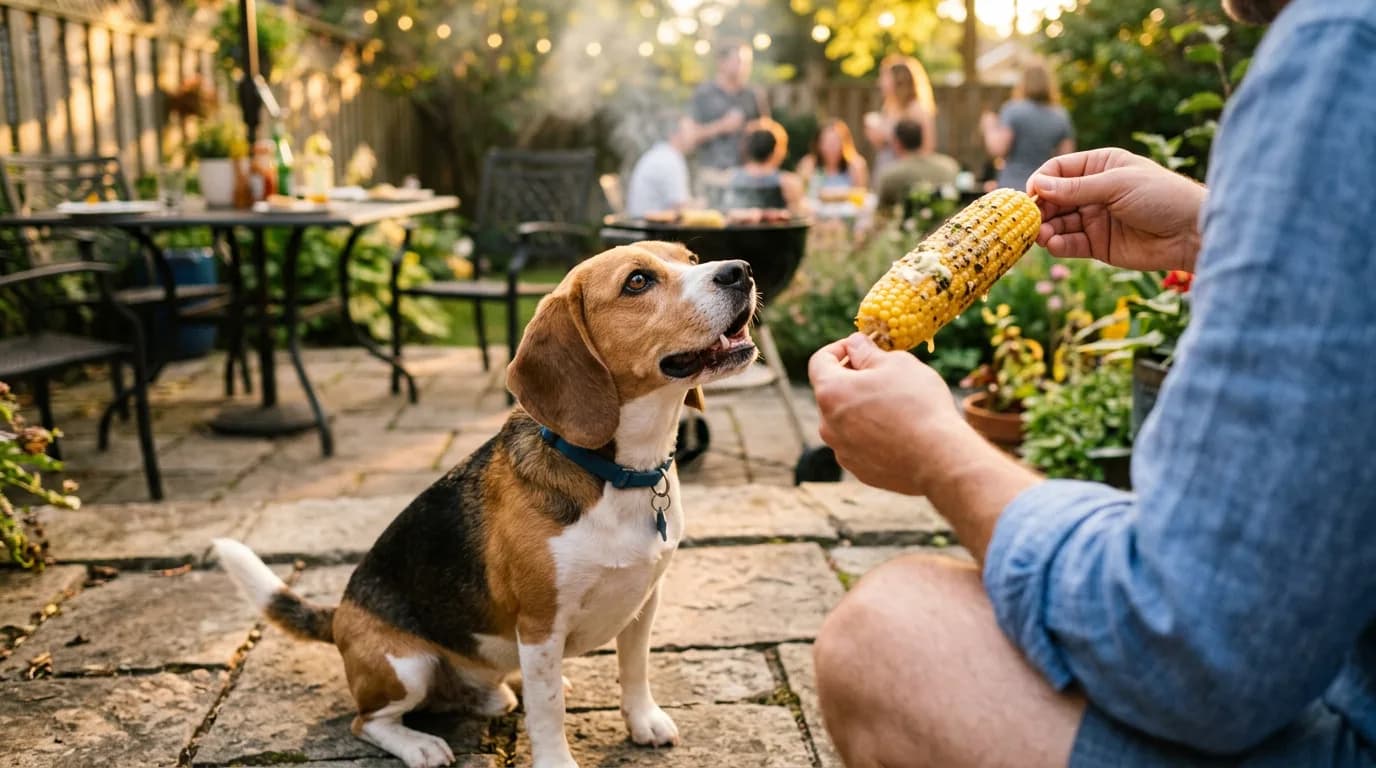
Can dogs eat corn cobs? No. The cob is indigestible and can lodge in the gut, causing a life-threatening blockage that often needs surgery. Here is what to watch for, what to do if your dog ate one, and how to share corn safely instead.

Veterinarian · BVMS, MRCVS
Petful is reader supported. As an affiliate of platforms like Amazon and Chewy, we may earn a commission when you buy through links on this page. There is no extra cost to you.
- 1No, dogs should never eat corn cobs, as they are tough, indigestible, and can cause life-threatening intestinal blockages.
- 2Even small pieces can break off and become choking hazards or damage a dog’s digestive tract.
- 3If your dog eats a corn cob, contact a vet immediately, as surgery may be required to prevent serious complications.

Sign up for expert-backed reviews and safety alerts all in one place.
Can Dogs Eat Corn Cobs? The Short Answer
Can dogs eat corn cobs? No, never. The cob is too tough to digest and can lodge in the intestines, causing a life-threatening blockage that often needs emergency surgery (ASPCA Animal Poison Control). Plain, cooked kernels cut off the cob are fine in moderation, but the cob itself is one of the most dangerous things a dog can swallow.
Corn is a staple in many diets around the world, and its versatility makes it a common ingredient in various dishes. Since the kernels can be a tasty and nutritious snack for humans and pets alike, many often wonder, can dogs eat corn cobs? The cob presents a different story and this article dives into the risks associated with feeding corn cobs to dogs, the potential health consequences, and the precautions pet owners should take.
Why Are Corn Cobs So Dangerous for Dogs?
The primary concern with corn cobs is their indigestibility and the risk of intestinal obstruction. Unlike corn kernels, which are softer and easier on a dog’s stomach and to digest, corn cobs are hard and fibrous. When dogs chew on corn cobs, they often break them into large, stiff fragments. These pieces can then become lodged in the dog’s digestive tract and obstruct it. Symptoms of an obstruction may include: Vomiting Loss of appetite Abdominal pain Constipation or difficulty defecating Lethargy Dehydration
If an obstruction occurs, it is a medical emergency that requires immediate veterinary attention. In some cases, surgery may be necessary to remove the obstruction and prevent severe complications.
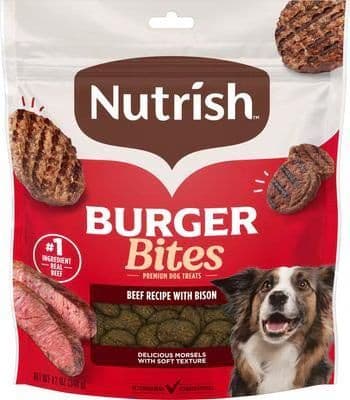
Soft, real-beef burger bites with bison, grain-free and sized for occasional training-treat sharing.
Petful may earn a commission when you click through to Chewy, at no extra cost to you.
How Much of a Corn Cob Can a Dog Eat? (None, and Here Is Why)
Beyond the risk of obstruction, corn cobs can also pose a choking hazard. They can easily break off and crack, resulting in sharp edges that can hurt a dog’s throat, mouth, or internal organs if swallowed. Furthermore, corn cobs can vary in size and shape, which means they could get stuck in a dog’s intestines or throat, causing further issues. So it’s safest to avoid offering your dog corn on the cob at all, and to keep the cobs far away from their reach.
Precautions and Alternatives
To ensure the safety of your furry friend, it’s crucial to keep corn cobs out of their reach. Always throw away corn cobs in a secure manner and in a place where dogs do not have access to them. If you want to share corn with your dog, it is okay to offer a small amount of the kernels on their own, provided they are cooked without butter or salt and removed from the cob.
For those looking for safe chew toys or treats, there are many dog-friendly alternatives that can satisfy a dog’s chewing instinct without posing dangerous risks. These include:
- Specialized dog chew toys designed to be safe and durable
- Edible treats specifically made for dogs

What to Do If Your Dog Already Ate a Corn Cob
If your dog has eaten a corn cob, it's important to act quickly. Here are some steps to take:
- Assess the Situation: Observe your dog closely for any signs of distress, such as choking, gagging, excessive drool, or attempts to vomit. If possible, try to determine the size of the corn cob ingested.
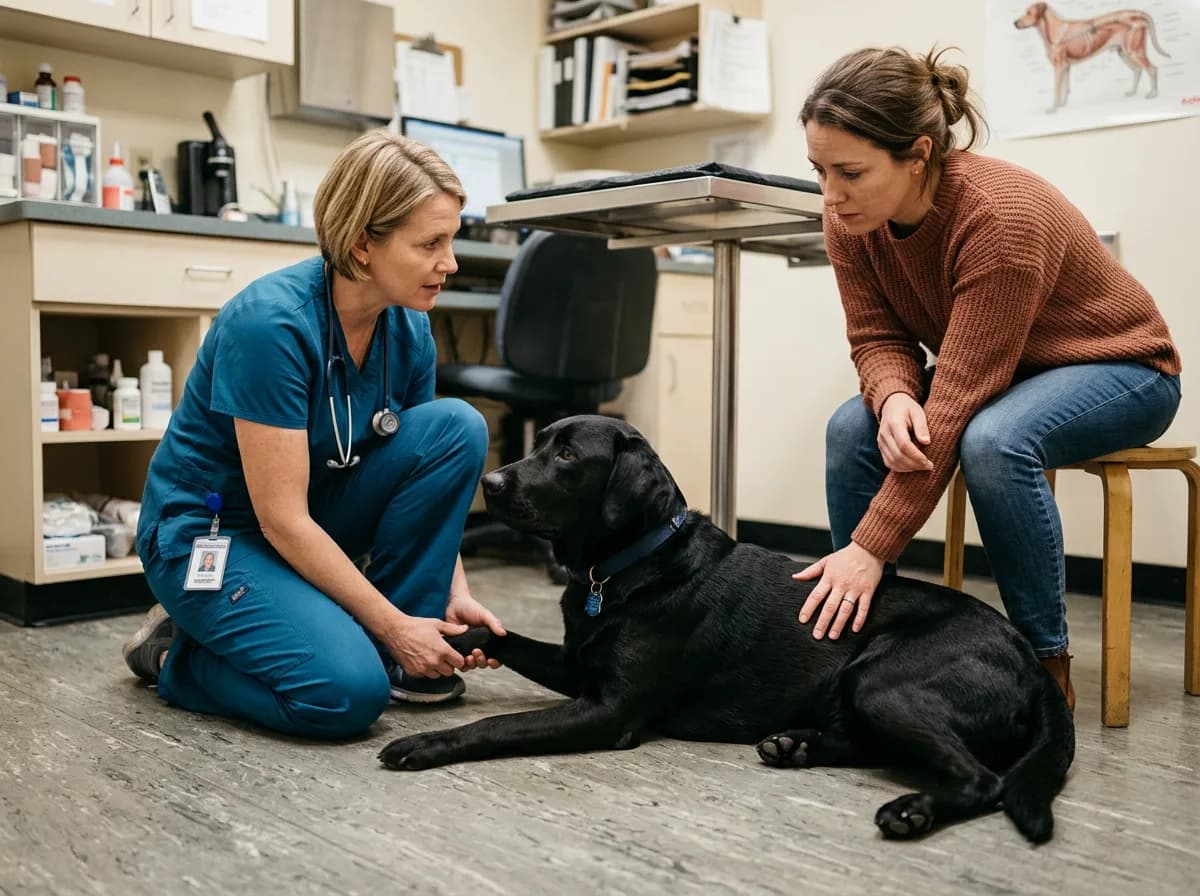
- Contact Your Veterinarian Immediately: Call your veterinarian or an emergency vet clinic right away. Explain the situation in full detail so they can provide you with the appropriate advice or instruct you to bring your dog in for an examination.
- Follow Professional Advice: Be ready to take your dog to the vet immediately if advised.
- Monitor Your Dog: If your vet advises monitoring your dog at home, watch for symptoms such as vomiting, diarrhea, abdominal pain, lethargy, or difficulty defecating. Any of these signs can indicate a blockage or other serious issue.
- Prevent Future Incidents: Take steps to prevent similar incidents in the future by keeping corn cobs and other potentially dangerous items out of your dog’s reach and securely in the trash. Ensure that all family members and people in the household are aware of the dangers and follow safe practices with food waste.
Immediate action and professional veterinary care are crucial if a dog eats a corn cob, as it can lead to serious health issues, including potentially life-threatening intestinal blockages.
Thus, while sharing food with pooches can be a bonding experience, it's important to distinguish between what is safe and what can be harmful. Corn cobs, despite being a natural byproduct of corn consumption, are not safe for dogs due to the serious risks they pose. Pet owners should exercise caution and opt for safer, pet-friendly alternatives to ensure the well-being of their canine companions.
Frequently Asked Questions (FAQ)
| Corn Form | Safe for Dogs? | Why / What to Watch |
|---|---|---|
| Whole corn cob (cooked or raw) | No, never | Indigestible; lodges in the gut and can cause a life-threatening blockage needing surgery |
| Small piece of corn cob | No | Even a small chunk will not pass safely; choking and obstruction risk in dogs of every size |
| Corn husks | No | Stringy and tough; choking hazard and can ball up into an intestinal blockage |
| Plain cooked kernels, off the cob | Yes, in moderation | The safe part; serve unseasoned, no butter or salt, about 10 percent of daily calories |
| Canned corn (plain, drained, rinsed) | In small amounts | Okay if low-sodium and plain; skip creamed corn and high-salt or buttered cans |
| Popcorn (plain, air-popped) | Occasional treat | Plain only; no butter, salt, or sugar, and watch for unpopped kernels that can crack teeth |
Symptoms of a Corn Cob Blockage to Watch For
A corn cob blockage rarely shows itself the instant your dog swallows the cob. Signs usually build over the next 24 to 72 hours as the cob lodges in the stomach or intestines, so a dog who seems fine right after eating one is not in the clear.
Watch closely for repeated vomiting, loss of appetite, lethargy or weakness, abdominal pain, a hunched or 'prayer' posture with the front end down, constipation or straining to defecate, drooling, and restlessness or pacing. Any one of these after a known or suspected corn cob is a reason to call your vet.
Because a partial blockage can turn into a full obstruction, tissue death, or even an intestinal rupture, these symptoms are an emergency, not a wait-and-see situation. Call your veterinarian or an emergency clinic the moment you notice them.
- Repeated vomiting, refusing food, a hunched 'prayer' posture, or weakness after eating a corn cob is a medical emergency. Call your vet, the nearest emergency clinic, or ASPCA Animal Poison Control at 888-426-4435 right away. Do not wait to see if your dog passes it.
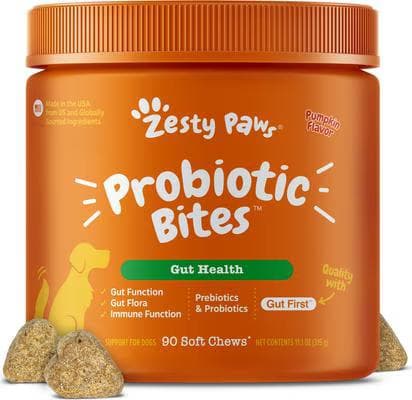
Pumpkin-flavored probiotic soft chews that support healthy gut flora and digestion in dogs.
Petful may earn a commission when you click through to Chewy, at no extra cost to you.
How Long Does It Take a Dog to Pass a Corn Cob?
There is no safe waiting period, because a corn cob is not meant to pass at all. Unlike food, the woody cob does not break down in the digestive tract, so even a small piece is unlikely to move through safely and can stay lodged for days or weeks.
If your dog is still eating, drinking, and pooping normally, that is reassuring, but it does not prove the cob has cleared. A cob can sit in the stomach and only cause trouble once it moves into the narrower intestine. Some owners report a dog throwing up a cob hours or even days later, which is a sign the body could not move it forward.
Never try to wait out a swallowed corn cob at home. Call your vet right away so they can decide whether to induce vomiting (only under their direction), take an X-ray or ultrasound, or watch your dog in the clinic. Early action is far cheaper and safer than emergency surgery for a blockage.
- A dog that is 'pooping and seems fine' can still have a cob stuck in the stomach. Do not rely on a normal bowel movement as the all-clear, and do not induce vomiting unless your vet tells you to.
Can Dogs Eat Cooked, Raw, or Boiled Corn on the Cob?
Cooking the corn does not make the cob safe. Boiled, grilled, roasted, or raw, the cob stays tough and indigestible, and a cooked cob can actually be more tempting because it smells and tastes like butter, salt, or the meal it was served with.
Raw corn on the cob carries the same blockage and choking risk as cooked, plus a denser, harder cob. The takeaway is the same for every preparation: the danger is the cob, not the cooking method.
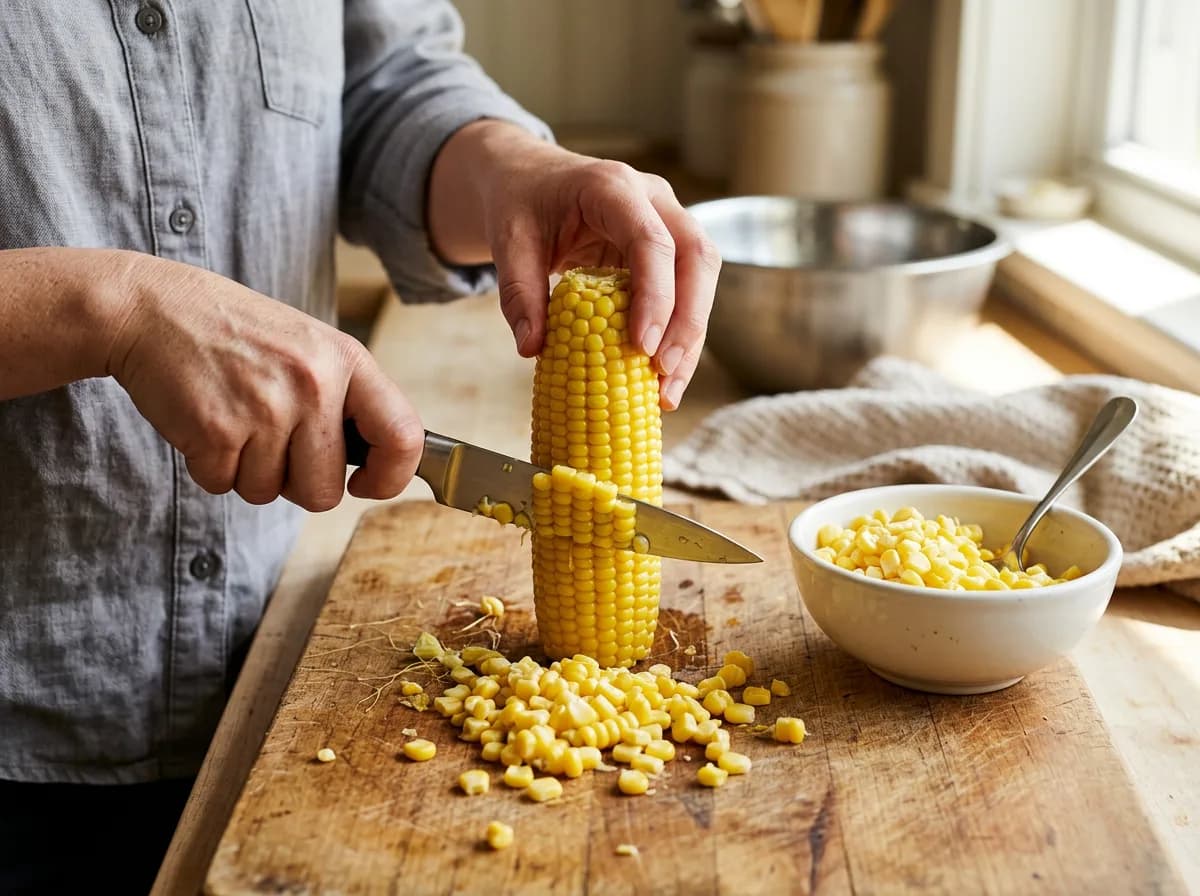
What is safe is the corn itself, cooked plain and stripped off the cob. If you want to share, slice the kernels completely off and skip the butter, salt, and seasonings.
- At a cookout, scrape a small spoonful of plain kernels off the cob onto your dog's bowl, then put the bare cob straight in a closed, dog-proof trash can.
Are Corn Kernels Safe? Plus Canned, Sweet, and Hominy Corn
Plain corn kernels are the safe part of the plant. Cut off the cob and served unseasoned, a small amount of cooked corn is fine for most dogs and even shows up in many commercial dog foods. If your dog snatched a few plain kernels, there is no need to panic.
Canned corn is acceptable only if it is plain and low-sodium, drained and rinsed to cut the salt. Skip creamed corn and any canned corn packed with added salt, sugar, or butter. Sweet corn off the cob is fine in the same small-treat amounts.
Hominy (corn treated with an alkali) is not toxic in plain form, but it is often canned with a lot of sodium and offers little benefit, so it is best kept to a rare taste at most. As with any treat, keep corn to about 10 percent of your dog's daily calories.
- The rule of thumb is simple: kernels yes, cob never. Always remove the kernels from the cob and serve them plain, with no butter, salt, or seasoning.

Multiple ridges and valleys slow eating, reduce gas and bloating, and turn mealtime into a fun puzzle. Non-skid base, dishwasher safe, 4-cup capacity.
Petful may earn a commission when you click through to Chewy, at no extra cost to you.
Can Dogs Eat Corn Husks?
No, dogs should not eat corn husks. The leafy green husk is stringy and tough, hard to chew and harder to digest, so it can ball up and cause the same kind of choking or intestinal blockage as the cob.
Husks left on the ground at a barbecue or in the compost are easy for a curious dog to grab, so dispose of them with the cobs in a secured trash can rather than an open bin or yard pile.
Does Dog Size or Breed Change the Risk? Puppies, Frenchies, and Big Dogs
Dog size does not make corn cobs safe. A big dog may swallow a cob whole, while a small or medium dog can lodge a smaller piece in a narrower gut, so small and medium breeds can face just as much risk, if not more. No size of dog should ever have access to a cob.
Plain kernels are fine for most breeds, including French bulldogs and other small dogs, as long as they are off the cob and unseasoned. Frenchies and other flat-faced (brachycephalic) dogs can be more prone to choking and gulping, so keep portions tiny and pieces small.
Puppies should skip cobs entirely and get only the occasional plain kernel, if any. Their smaller airways and developing digestive systems make a cob a more serious choking and blockage hazard, and a complete puppy food already covers their nutrition. Check with your vet before adding any new treat.
Related Petful Guides
No. Chewing a corn cob is dangerous even if your dog does not swallow it whole, because pieces break off easily and the cob is too tough to digest. Those fragments can choke a dog or lodge in the intestines and cause a blockage. Never give a cob as a chew, and keep used cobs in a secured trash can out of reach.
A swallowed corn cob often gets stuck because it cannot break down in the digestive tract. Over the next 24 to 72 hours it can cause vomiting, loss of appetite, lethargy, and belly pain as it blocks the gut. Left untreated, a blockage can cut off blood flow and lead to tissue death or rupture, so it is treated as a medical emergency.
You should not wait for a dog to pass a corn cob, because it is not designed to pass at all. The woody cob can stay lodged for days or weeks, and a normal poop does not prove it has cleared the stomach. Call your vet right away rather than waiting; early X-rays and treatment are far safer than emergency surgery later.
Usually not safely. Even a small piece of cob is unlikely to move through the digestive tract on its own and can cause a partial or complete blockage. Some dogs vomit the cob back up hours or days later, but you cannot count on it. Never wait it out at home; contact your veterinarian as soon as you know a cob was eaten.
Yes, plain cooked corn kernels cut off the cob are fine in moderation for most dogs. The danger is the cob, not the corn, so slice the kernels off and serve them with no butter, salt, or seasoning. Keep corn to about 10 percent of your dog's daily calories, and skip it if your dog has a corn sensitivity.
Plain canned corn is okay in small amounts if it is low-sodium, drained, and rinsed, and plain sweet corn off the cob is fine too. Avoid creamed corn and any canned corn packed with added salt, sugar, or butter. As with any human food, introduce a little at a time and watch for stomach upset.
No, puppies should never have corn on the cob. Their smaller airways and developing digestive systems make a cob an even greater choking and blockage risk. Puppies get complete nutrition from their puppy food, so a cob offers no benefit. If you want to share, offer only a few plain kernels and check with your vet first.
Yes. A dog can look and act normal for hours or days after eating a corn cob and still have it lodged in the stomach. Blockage symptoms like vomiting, low energy, and belly pain often appear later. Call your veterinarian or an emergency clinic right away so they can decide whether to monitor, image, or treat your dog before it becomes urgent.
Curious about what other foods dogs can eat? Check out these related articles below: Can Dogs Eat Watermelon Rind? Can Dogs Eat Rib Bones? Can Dogs Eat Chicken Bones?

Carol Bryant is the founder FidoseofReality.com and SmartDogCopy.com. A pet product expert, Carol is the Past President of the Dog Writers Association of America (DWAA) and winner of Best Dog Blog. A dog lover of the highest order is how Gayle King introduced Carol when she appeared with her Cocker Spaniel on Oprah Radio’s Gayle King Show to dish dogs. She helps pet, animal, and lifestyle brands achieve copywriting and content marketing success using well-trained words that work and is well-known in the pet industry.
Veterinarian · BVMS, MRCVS
Dr. Pippa Elliott, BVMS, MRCVS, is a veterinarian with nearly 30 years of experience in companion animal practice. Dr. Elliott earned her Bachelor of Veterinary Medicine and Surgery from the University of Glasgow. She was also designated a Member of the Royal College of Veterinary Surgeons. Married with 2 grown-up kids, Dr. Elliott has a naughty Puggle named Poggle, 3 cats and a bearded dragon.
Sign up for expert-backed reviews and safety alerts all in one place.