Are Fresh Diets for Senior Dogs Better?
Discover why fresh diets for senior dogs may better support changing nutritional needs, energy levels, and quality of life.

Fresh diets for senior dogs have gained attention as more pet parents notice improvements in energy, appetite, and overall comfort when transitioning from traditional kibble to gently cooked, whole-food meals. As dogs age, their nutritional needs shift in ways that can surprise even experienced dog moms and dog dads. We all want our dogs to live their best lives from puppyhood through their senior years.
Senior dogs often face challenges, including decreased appetite, muscle loss, dental discomfort, and slower digestion, all of which can be supported through better nutrition. Brands like The Farmer's Dog offer whole-food, soft-texture diets specifically suited for dogs at every stage of life, making it easier for pet parents to address these concerns through simple, pre-portioned meals.
In this article, we’ll discuss the role that fresh diets play for older dogs and what pet parents should look for when switching their dog’s diet from its current diet to a fresh dog food.

Sign up for expert-backed reviews and safety alerts all in one place.
Aging Changes That Affect Nutrition
Senior dog nutrition changes because an older dog’s body processes food much differently than they did in their younger years.
Your senior pup’s metabolism slows down, activity levels often decrease, and maintaining lean muscle becomes more challenging. At the same time, digestion and nutrient absorption may become less efficient, meaning older dogs usually require better-quality nutrition rather than more food.
Senior dogs typically require fewer calories to avoid unwanted weight gain, but they still need adequate, highly digestible protein to help preserve muscle mass and support immune function. Feeding too little protein can contribute to muscle loss, while feeding excess calories can strain joints and mobility. Pet parents may struggle to find the right food to meet all their older dog’s needs.
Digestive changes are also common. Many senior dogs produce fewer digestive enzymes or have more sensitive digestive systems, making simpler, more digestible ingredients easier on their stomachs. Joint health, maintaining a healthy body condition, and supporting energy without overfeeding become key priorities.
Aging affects metabolism, digestion, and muscle maintenance, so continuing to feed a senior dog the same diet they ate as a young adult may no longer meet their needs.
Start Your Dog On The Farmer's DogMuscle Maintenance: Why Protein Matters More in Old Age
As dogs age, maintaining muscle mass becomes harder, making protein quality and digestibility more critical than ever.
- Senior dogs need sufficient protein, not less, to help slow age-related muscle loss (sarcopenia).
- Highly digestible protein is essential, as aging bodies may absorb nutrients less efficiently.
- Inadequate protein intake can accelerate muscle loss, contributing to weakness, reduced mobility, and lower overall vitality.
- Fresh diets often use complete proteins from real meats, which are easier for senior dogs to digest and utilize.
- Gentle cooking methods help preserve amino acids and the structure of nutrients, supporting better absorption without stressing the digestive system.
- Recipes featuring proteins like beef, chicken, turkey, or pork can help support lean muscle retention while remaining easier on aging stomachs.
For senior dogs, the goal isn’t simply meeting protein numbers; it’s providing high-quality, digestible protein that helps preserve strength, support mobility, and maintain overall quality of life as they age.
Fun Fact: It’s often believed that senior dogs should eat a lower protein diet. The truth is, healthy seniors do not usually need less protein; instead, they need more adequate, more highly digestible protein. Unless your veterinarian instructs you otherwise, reducing protein in seniors can contribute to weakness, mobility problems, and lean muscle loss.
Joint Support and Inflammation
Talk to any dog mom or dog dad who shares life with a senior dog, and it’s likely they’ll tell you about arthritis and joint discomfort impacting their quality of life and activity levels.
Of course, fresh food isn't a cure for joint disease, but certain ingredients can help reduce inflammation and support overall mobility. For example, omega-3 fatty acids from fish and fish oil have well-documented anti-inflammatory properties that benefit joints.
Whole foods also supply natural antioxidants that support joint comfort and overall cellular health. Maintaining a healthy weight is crucial for reducing strain on already-stressed joints, and personalized portions like those offered by The Farmer's Dog help prevent overfeeding. Additionally, soft-texture meals are easier for arthritic dogs to eat, thus reducing unnecessary physical stress during mealtime.
Kidney Health: Why Moisture Matters
Generally speaking, the aging process affects a dog’s kidneys, making them less efficient. Proper hydration becomes more important, as many senior dogs don’t consume enough water on their own. This is where fresh diets can offer a meaningful advantage over dry kibble.
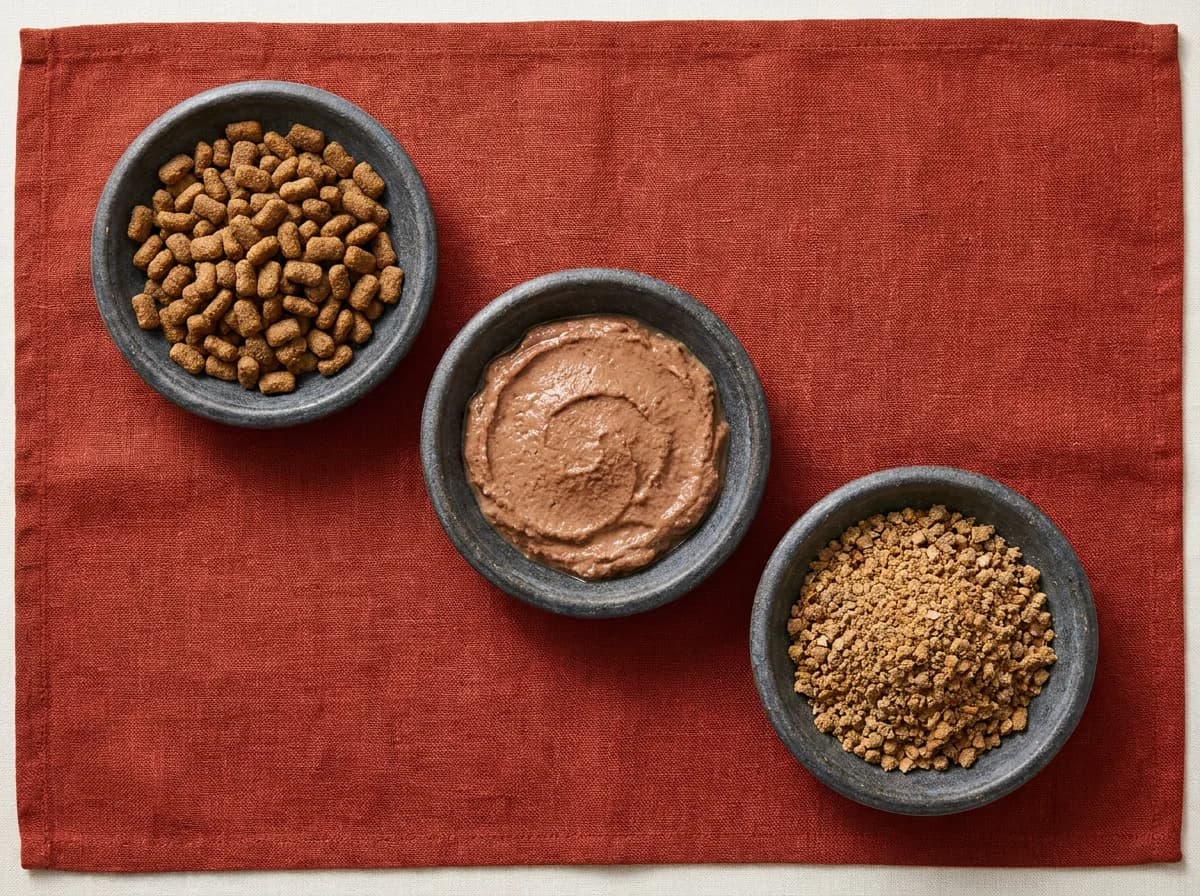
Overall, most kibble contains only about 10 percent moisture, while fresh foods typically provide 60 percent to 70 percent moisture, which helps support hydration. For older dogs, this added moisture can support urinary health and help the kidneys work more efficiently by promoting regular fluid movement through the system.
Fresh dog food diets tend to rely on simple, whole-food ingredients and gentler cooking methods, which may place less stress on aging bodies compared to heavily processed foods. Lower processing and moderate sodium levels can be especially beneficial for seniors, though nutrition should always be tailored to the individual dog. Like people, each dog is unique.
Of importance, dogs with diagnosed or advanced kidney disease require veterinary supervision and may need specialized diets. For healthy seniors, however, moisture-rich foods can play a valuable role in supporting hydration, comfort, and overall kidney health as they age.

Digestion and Stool Quality
Gastrointestinal changes are common in aging dogs, with many seniors experiencing inconsistent stools, constipation, or general digestive sensitivity. The body’s metabolism slows down, and the GI tract is affected.
Fresh foods can help address common digestive changes in senior dogs by:
- Providing natural fiber from vegetables, which supports regular bowel movements and gut health
- Offering higher moisture content, making digestion and stool passage easier for aging digestive systems
- Using gently cooked meats, which are generally easier to digest than heavily processed proteins found in many kibbles
- Reducing digestive workload, as simpler, whole-food ingredients are broken down more efficiently
Many pet parents enjoy that senior dogs produce smaller, firmer, and more regular stools after switching to fresh diets, which is often a sign of improved nutrient absorption and better overall digestive efficiency. That’s something we can all celebrate.
Palatability and Ease of Eating
No matter what claims a fresh dog food company makes, it isn’t worth it if your dog won’t consume the food. In their senior years, dogs deserve food that is easy to eat and digest, without sacrificing flavor.
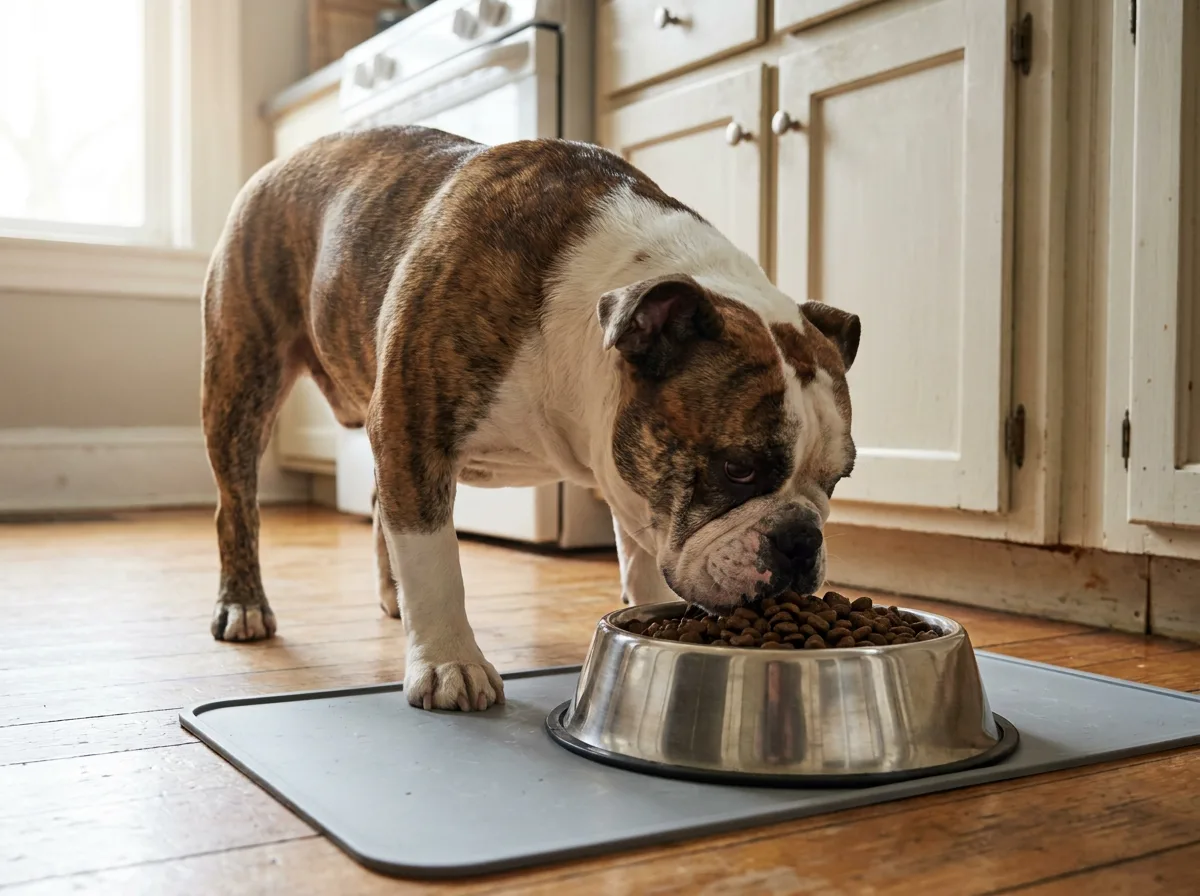
One of the most noticeable benefits of fresh diets for senior dogs is improved palatability. As dogs age, their sense of smell and taste can decline, making once-familiar foods less appealing. Dental wear, missing teeth, or jaw discomfort can also make crunchy kibble difficult, or even painful, to eat. Dogs can’t tell us when they just don’t care for something, though they may turn their noses up.
Fresh diets help address many senior dog challenges. Their soft, easy-to-chew texture makes eating more comfortable for dogs with dental or jaw issues, removing a common physical barrier to consistent meals. Fresh foods also smell better, which can help stimulate interest in eating for seniors who have become picky or reluctant at mealtime.
Fresh food diets like those offered by The Farmer’s Dog are easier to chew, swallow, and enjoy. For dogs who still need encouragement, gently warming fresh food can enhance its aroma and make meals more enticing. For many senior dogs, this turns mealtime from a struggle back into something they look forward to like a younger pup.
Weight Management and Personalized Portions
Fresh diets for senior dogs take the guesswork out of proper nutrition, making life easier for pet parents. Senior dogs are at higher risk of weight gain due to reduced activity, as well as unintentional weight loss caused by decreased appetite or less efficient nutrient absorption. Managing this balance becomes increasingly important with age.
Personalized feeding plans make life easier by setting precise calorie targets based on individual needs. Pre-portioned meals, like those used by The Farmer’s Dog, ensure dogs receive consistent portions that support healthy weight management without overfeeding or underfeeding.
Consistent portions make it easier for pet parents to spot subtle changes in appetite, weight, or body condition. Noticing these shifts early can prompt timely adjustments or a veterinary visit, helping address potential health issues before they become more serious.
When Fresh Diets May Not Be Enough
Realistically, while fresh diets offer significant benefits for many seniors, they're not a universal solution. For example, dogs diagnosed with advanced kidney disease or severe gastrointestinal conditions may require prescription therapeutic diets formulated for their specific medical needs.
You should always talk to your veterinarian before switching a senior dog with pre-existing medical issues to any new diet. Fresh diets can often complement veterinary care perfectly, but decisions should be made on a case-by-case basis with professional guidance. Your vet can help determine whether a fresh diet is appropriate or whether a specialized prescription formula is in your dog’s best interest.
Give Your Dog The Gift of Good NutritionFinal Thoughts on Fresh Food Diets for Senior Dogs
Armed with the information in this article, you can understand why senior dogs do exceptionally well on fresh diets. After all, the proper fresh food diet offers is easier to digest, contains more moisture, provides high-quality protein, and is more appealing to seniors..
Fresh diets like The Farmer’s Dog provide a practical example of how these elements can come together in a simple, accessible way to support senior-specific needs.
If you’re considering a transition, pay close attention to stool quality, appetite, weight changes, and energy levels over time. These markers can help you evaluate whether a fresh diet is making a positive difference. With thoughtful attention to senior nutrition, you can help support your dog’s comfort, mobility, and overall vitality, allowing them to enjoy their golden years with tasty meals, a full belly, and the energy to savor each day.
FAQs
Often, yes. Fresh foods have soft, easy-to-chew textures that are more comfortable for dogs with worn or missing teeth and can encourage more consistent eating.
More in most cases. Senior dogs typically need adequate, highly digestible protein to help slow age-related muscle loss. Whole, gently cooked animal proteins are often easier for aging bodies to absorb.
It can. Many pet parents notice more consistent energy and alertness, often associated with improved digestibility, better hydration, and higher-quality nutrients.
It depends on the individual dog and condition. Some dogs require specialized therapeutic diets, so it’s essential to consult your veterinarian before making dietary changes.
Fresh diets tend to be more aromatic and easier to chew, which can help encourage picky seniors to eat more consistently. Soft textures and simple ingredients often make meals more appealing.
A Final Word (Disclaimer)
At Petful, our review integrity is paramount; we never exchange special treatment in our reviews for monetary or material rewards.
Nonetheless, when our readers click through to online merchants (including Chewy or Amazon), we receive a referral commission. This supports the running of our free blog, and we appreciate your backing.
For additional information, kindly refer to our Disclaimer and Discourse Section.

Carol Bryant is the founder FidoseofReality.com and SmartDogCopy.com. A pet product expert, Carol is the Past President of the Dog Writers Association of America (DWAA) and winner of Best Dog Blog. A dog lover of the highest order is how Gayle King introduced Carol when she appeared with her Cocker Spaniel on Oprah Radio’s Gayle King Show to dish dogs. She helps pet, animal, and lifestyle brands achieve copywriting and content marketing success using well-trained words that work and is well-known in the pet industry.
Sign up for expert-backed reviews and safety alerts all in one place.