My Dog Won't Eat: Causes, Red Flags, and What to Feed
My dog won't eat: learn the common causes of appetite loss, the red flags that need a vet today, how long a dog can go without food, and what to feed while the cause is found.

BVMS, MRCVS
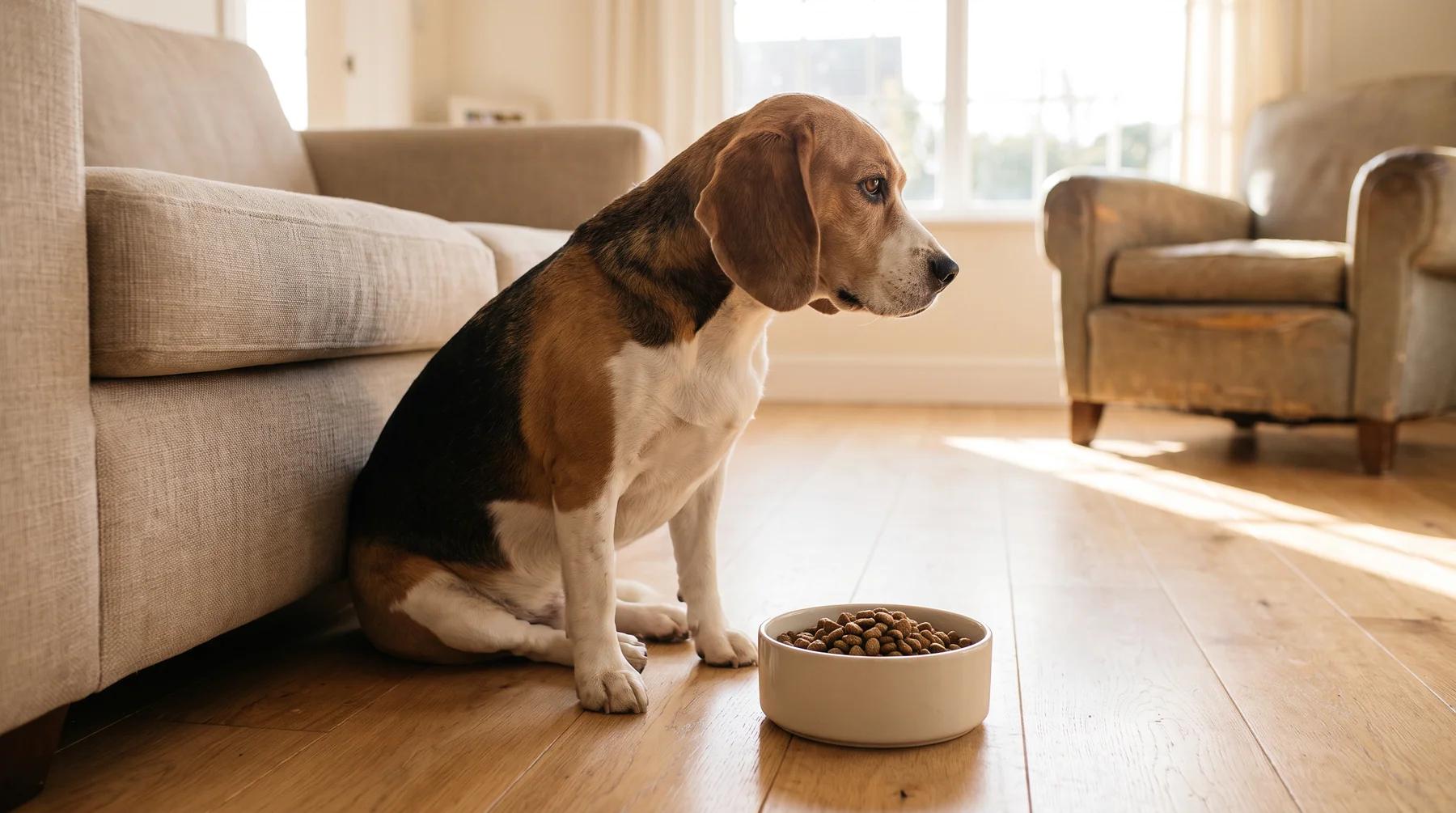
A dog that turns away from a familiar meal is the most common first sign of appetite loss.
Petful is reader supported. As an affiliate of platforms like Amazon and Chewy, we may earn a commission when you buy through links on this page. There is no extra cost to you.
Sponsored by JustFoodForDogs. This article draws on published veterinary and nutrition sources. Petful may earn a commission through links in this article.
If you are thinking "my dog won't eat," the first job is to decide how urgent it is. A dog that skips one meal but is bright, drinking and passing normal stools can usually be watched for the rest of the day. A dog that won't eat and is also vomiting, weak, in pain or not drinking needs a veterinarian the same day.
Most dogs that go off their food have a reason you can find: nausea, a sore mouth, stress, a new food, or an illness that is just starting. While your vet looks for the cause, small, warm portions of a fresh, aromatic food can tempt a reluctant dog to take a few bites, and that matters because every day of poor intake slows healing.

Sign up for expert-backed reviews and safety alerts all in one place.
Why Your Dog Won't Eat: The Most Common Causes
- 1Likely cause: nausea, dental pain, stress, a food change or early illness explains most cases where a dog won't eat.
- 2Red flags such as repeated vomiting, no water, pain, weakness or pale gums mean a same-day vet visit, not a wait-and-see day.
- 3Call your vet once a healthy adult dog has gone 24 hours without food, and never let it pass 48 hours; puppies, toy breeds, diabetic dogs and seniors need help much sooner.
- 4What to feed meanwhile: small, warm, aromatic meals, and a calorie-dense diet if your veterinarian recommends one.
The common causes of appetite loss in dogs are nausea from a stomach or intestinal upset, mouth or dental pain, stress or a change in routine, a recent food change, and illness. Vets call a reduced appetite hyporexia and a complete refusal of food anorexia. A dog that eats less than usual but still takes treats is in a different place from a dog that turns away from everything, including favorite foods, and both are signs rather than diagnoses.
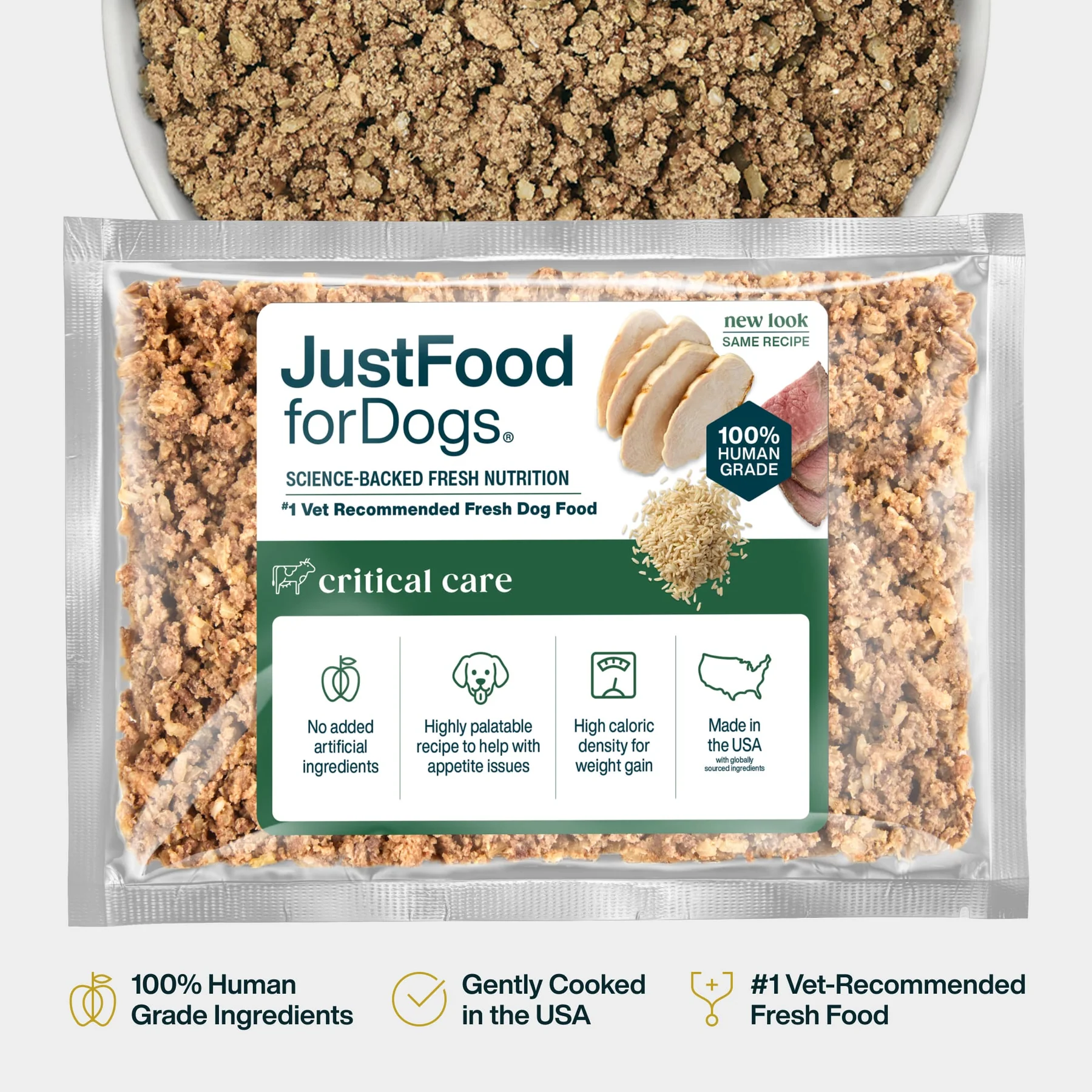
A dog that eats only a few bites still needs energy to fight illness and repair tissue. That is why veterinarians sometimes reach for foods that pack more calories into each mouthful. JustFoodForDogs describes its Critical Care Support recipe as a high-calorie, nutrient-dense diet that is "ideal for dogs with appetite issues," and it is one option a vet may suggest when a dog's intake stays low. It is high in fat, so it is not a fit for a dog with pancreatitis or fat intolerance unless your veterinarian directs it.
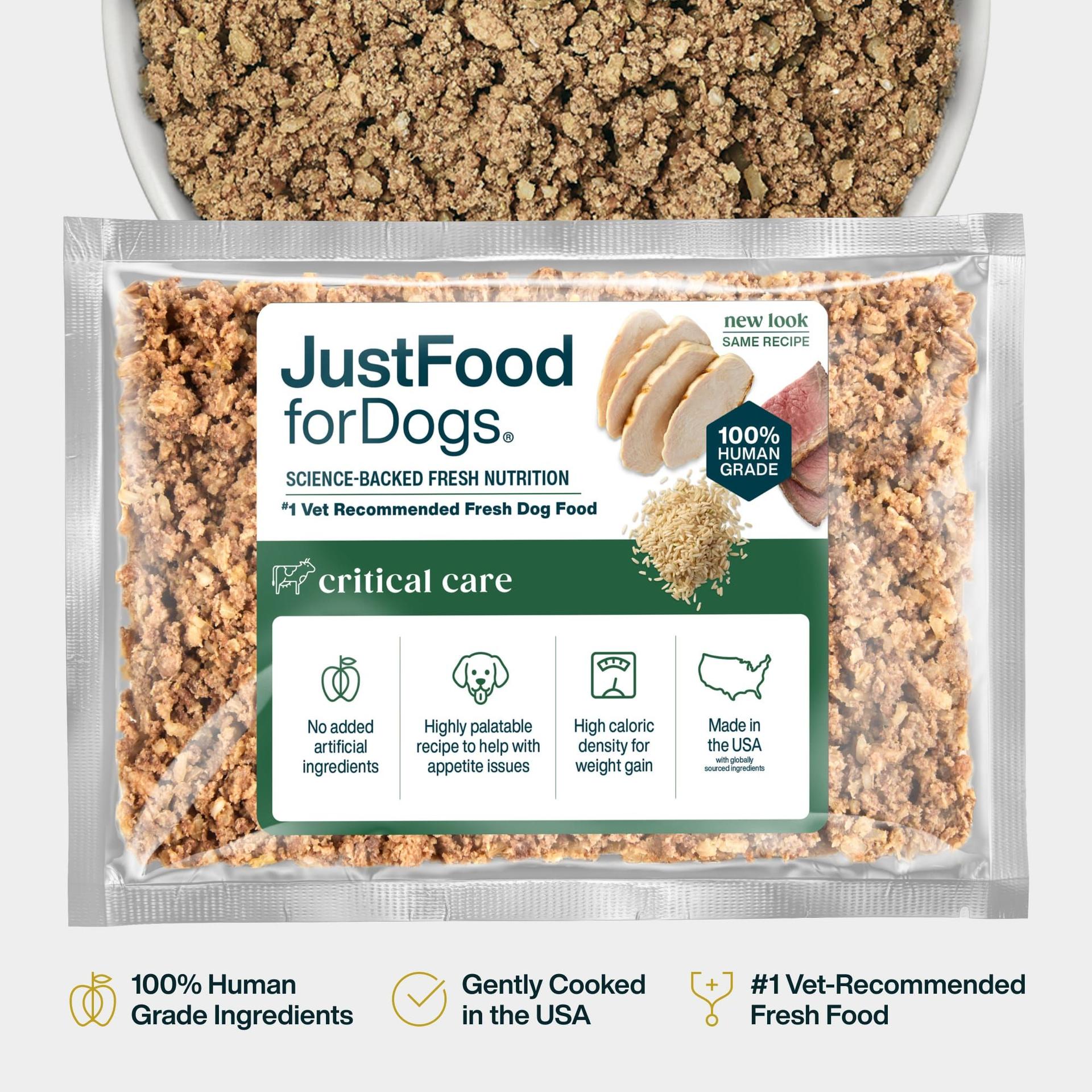
A high-calorie, highly palatable fresh recipe JustFoodForDogs designed for dogs with appetite issues. It is high in fat, so it is not for dogs with pancreatitis or fat intolerance unless the vet directs it, and JFFD asks owners to check with their vet before ordering this veterinary support diet.
Petful may earn a commission when you click through to JustFoodForDogs, at no extra cost to you.
Here is how the usual reasons a dog stops eating break down:
- Nausea and digestive upset: dietary indiscretion, gastritis, pancreatitis, parasites or a blockage can all make food unappealing.
- Mouth and dental disease: a broken tooth, gum infection or oral growth makes chewing hurt, especially with hard food.
- Pain elsewhere: sore joints, back pain or an injury can make a dog too uncomfortable to stand at the bowl.
- Stress and routine changes: travel, boarding, a move, a new pet or a family change can put a dog off food for a day or two.
- Medication side effects: antibiotics and some pain relievers commonly cause nausea.
- Systemic illness: kidney disease, liver disease, infections, heart disease and cancer often show up first as a smaller appetite.
When a dog that ate well yesterday suddenly refuses food, the reason usually points to something acute, such as nausea, pain or a stressful event, while a slow decline over weeks is more typical of dental disease or a chronic illness. A normally keen eater that suddenly won't eat is more worrying than a dog that has always been fussy, so judge the change against your dog's normal.
Some dogs simply lose interest in a food they have eaten for months, especially if the meal is dry and has little aroma. If your dog is otherwise bright, playful and drinking, a fresh meal with a stronger smell is a reasonable thing to try. JustFoodForDogs lists picky dogs and underweight dogs among the dogs its Turkey & Whole Wheat Macaroni recipe is made for, and it is formulated for adult dogs.
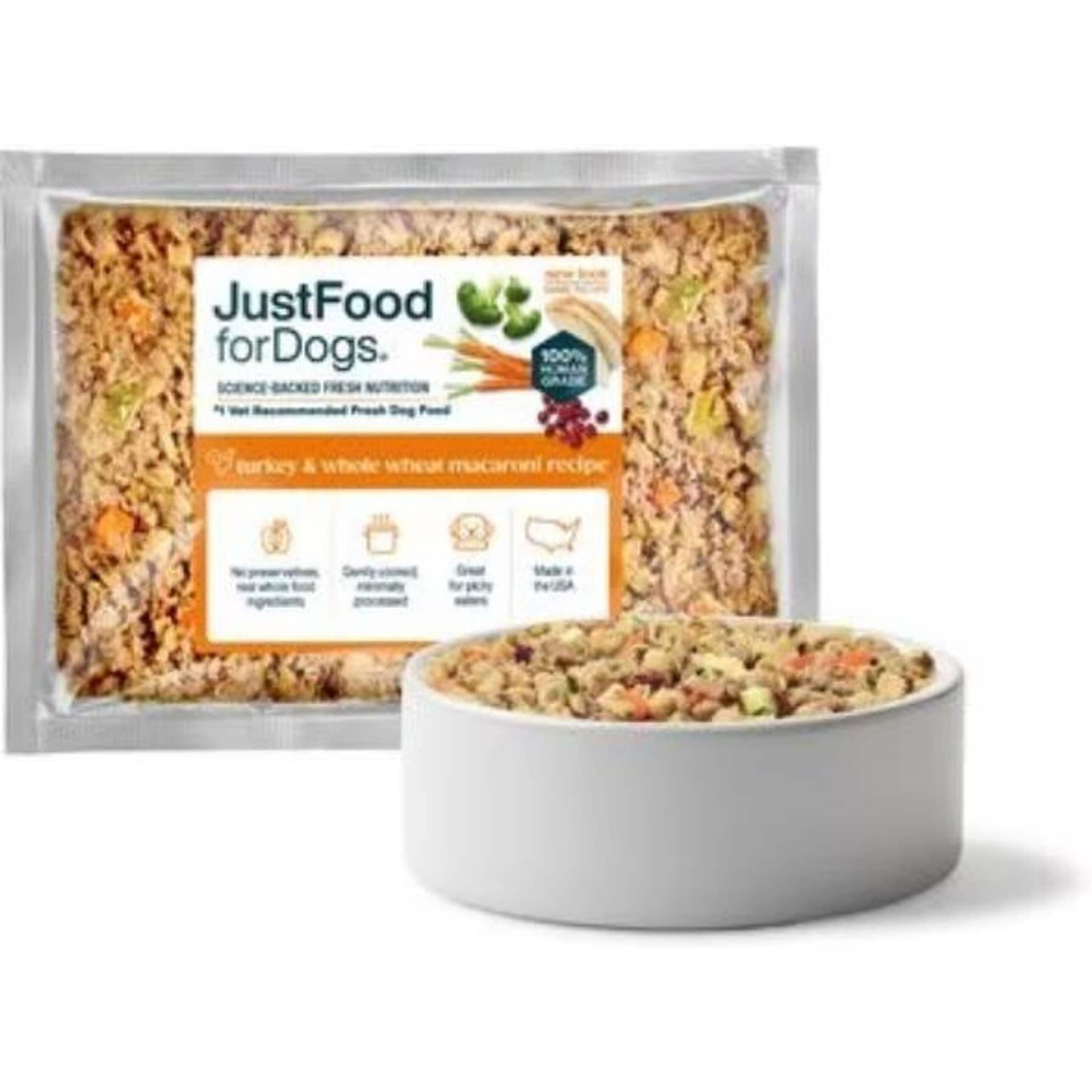
A Fresh Frozen adult recipe of turkey, whole wheat macaroni and vegetables that JustFoodForDogs lists for picky and underweight dogs. Feeding trials using AAFCO procedures support it for adult maintenance.
Petful may earn a commission when you click through to Chewy, at no extra cost to you.
Red Flags: When a Dog That Won't Eat Needs a Vet Today
Appetite loss is rarely an emergency on its own, but it often travels with signs that are. A dog that won't eat and just lies around, barely able to walk, or that also has repeated vomiting, bloody diarrhea or trembling, has a problem that is more than a fussy day. The same applies when a dog brings up yellow bile or white foam and then refuses food, or when appetite loss comes with drooling, panting, restlessness or heavy breathing.
- Vomiting more than once, vomiting with diarrhea, or any blood in vomit or stool. A swollen, tight belly with unproductive retching. Pale or yellow gums, collapse, labored breathing, or a dog that won't eat or drink anything. A puppy, toy breed or diabetic dog that skips meals.
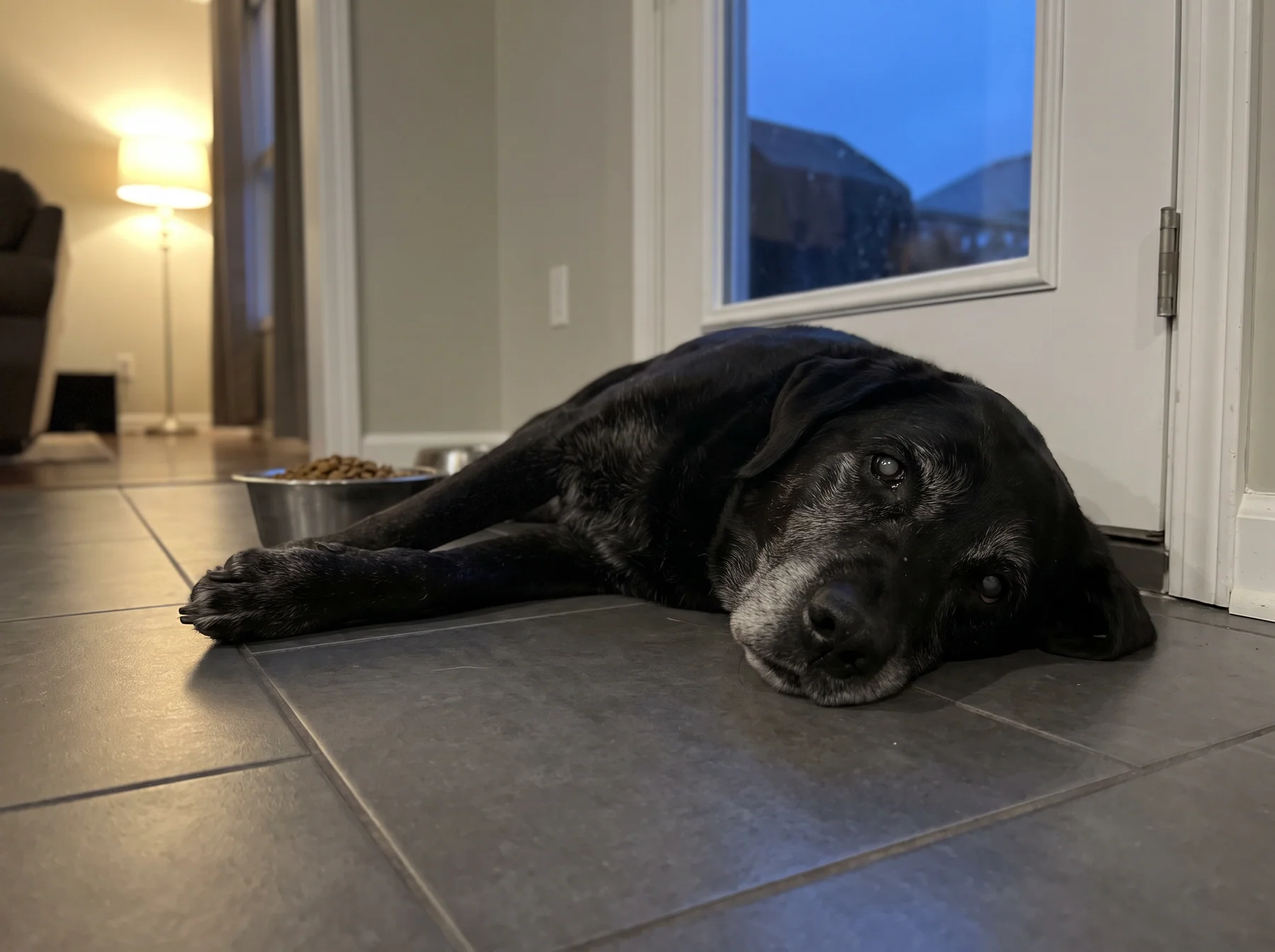
Other combinations also deserve a call today rather than tomorrow:
- Vomiting with no appetite, or an appetite that has not returned once the vomiting stops.
- Diarrhea with no appetite, particularly in an old dog, a puppy or a small dog.
- Lethargy alongside appetite loss: sleeping far more than usual and showing no interest in play.
- No stool, or straining without passing any, with a gurgling, uncomfortable belly.
- Weight loss in a dog that is already thin, or a dog too weak or sore to get up.
- Refusing water as well as food, even in a dog that otherwise seems alert; that is never normal.
Our guide to vomiting and diarrhea in dogs explains what the vet checks when stomach upset and appetite loss arrive together.
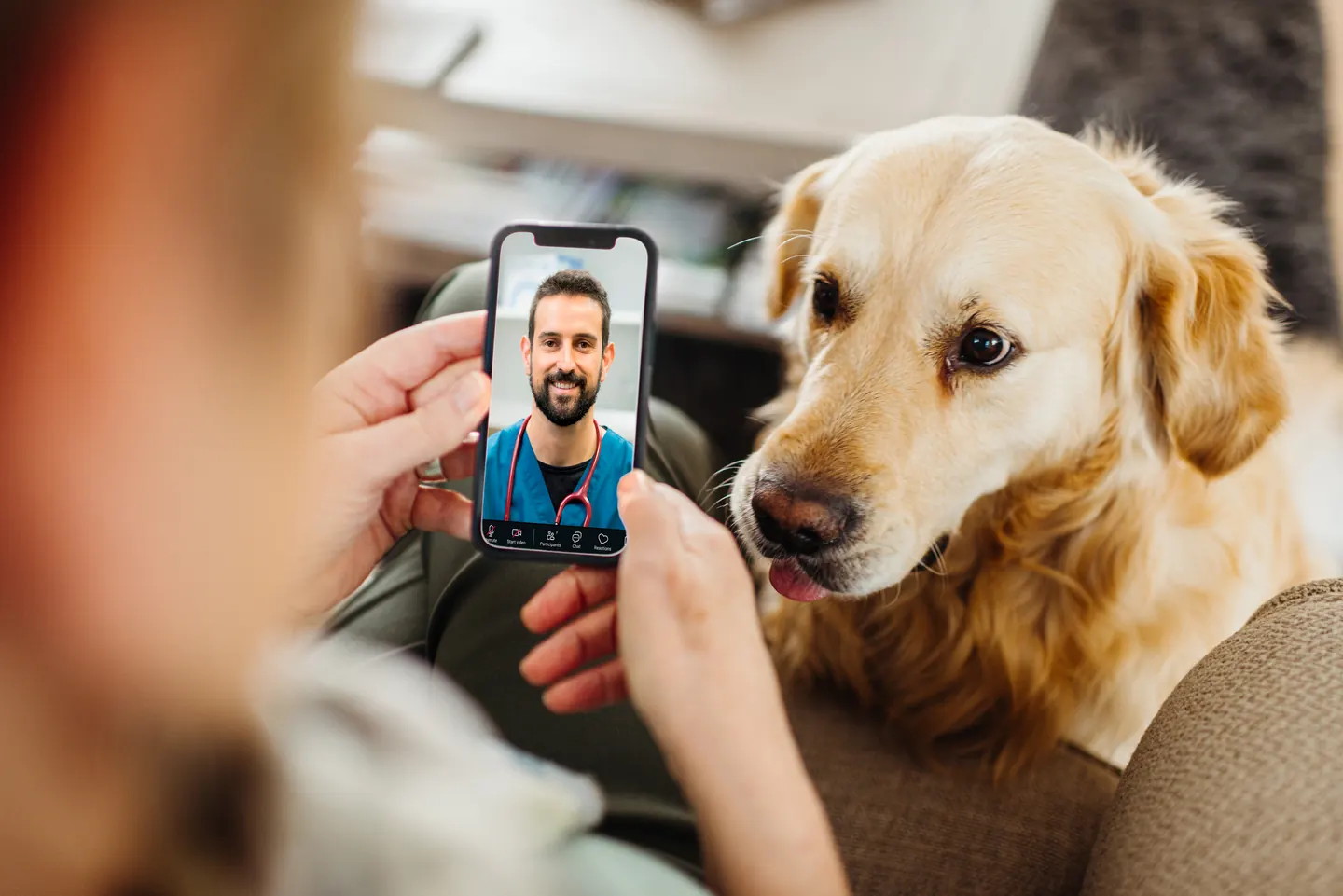
 Sponsored
Want a vet's take on your dog's upset stomach?
Talk to a licensed vet at Dutch over video, often the same day. They can recommend treatment and prescribe it when it's appropriate.
Use code Pets60
Plans start at $12/month · covers up to 5 pets
- Licensed vets in most states
- Rx for 150+ conditions
- 4.7 on Trustpilot
What to do when a dog won't eat or drink
A dog that won't eat or drink water is at much greater risk than one that skips food but keeps drinking, because dehydration builds quickly, especially with vomiting. No water for a day, or any refusal of water alongside vomiting, panting or weakness, means a same-day vet visit. Don't force water or food into the mouth; offer a small bowl of fresh water, call the clinic, and tell them how long it has been since your dog last ate and drank.
Signs your dog is in pain
Pain is one of the most common reasons a dog will not eat, and dogs hide it well. Look for a hunched posture, reluctance to move or climb stairs, trembling, panting at rest, licking one spot, hiding, or growling when touched. A dog in pain may walk to the bowl and then walk away.
The prayer position and other pain postures
A dog that stretches its front legs forward with its chest on the floor and its rear end raised, known as the prayer position, may be trying to ease abdominal pain. Vets associate this posture with pancreatitis and other painful belly problems. Other pain postures include lying stiffly on one side, refusing to lie down at all, or standing with the back arched. Any of these with appetite loss needs a vet today.
Not Eating but Drinking Water or Acting Normal
Why is a dog not eating but acting normal? A dog that won't eat but is still drinking water, playing and passing normal stools is often dealing with something mild: a minor stomach upset, a hot day, a change in routine, a female in season, or plain boredom with the food. It is reasonable to watch a healthy adult dog like this for up to 24 hours, then call your vet if it still has not eaten.
Pay attention to how much your dog drinks. A dog that won't eat but drinks lots of water may have kidney disease, diabetes or a liver problem, all of which increase thirst, and a senior dog that refuses food but keeps drinking deserves a vet check within a day even if it seems bright. A dog that eats but won't drink is unusual too, so mention it to your vet. WebVet covers this pattern in more depth in its guide to a dog not eating but drinking water.
A dog that is suddenly hesitant to eat, approaching the bowl and backing off, may have mouth pain or nausea rather than a lack of hunger. Lift the lip and look for red gums, a broken tooth or a bad smell, and watch whether your dog drops food while chewing. During a 24-hour watch, note these so you can give your vet a clear picture if the appetite does not return:
- When your dog last ate a full meal, and how much water it has drunk since.
- Whether it takes treats but refuses its meal, or refuses everything.
- Any vomiting, lip licking, drooling or grass eating, which suggest nausea.
- Stool color and consistency, and whether your dog is urinating normally.
Lethargic but still eating and drinking
Lethargy with normal appetite can still point to illness, so it is not a reason to relax completely. Check gums and temperature: healthy gums are pink and moist, and a normal dog's rectal temperature runs from about 99.5 to 102.5 degrees Fahrenheit, according to the Merck Veterinary Manual. A dog that is dull for more than a day, has a fever, or has pale gums should see a vet even if it is still eating.
For a dog that is bright but bored with its meal, a little fresh food on top of the usual bowl can be enough to restart interest. JustFoodForDogs says its JustFresh pouches are designed as a standalone meal but are also "perfect for picky eaters as a tasty food topper," which suits a healthy adult dog that is acting normal.
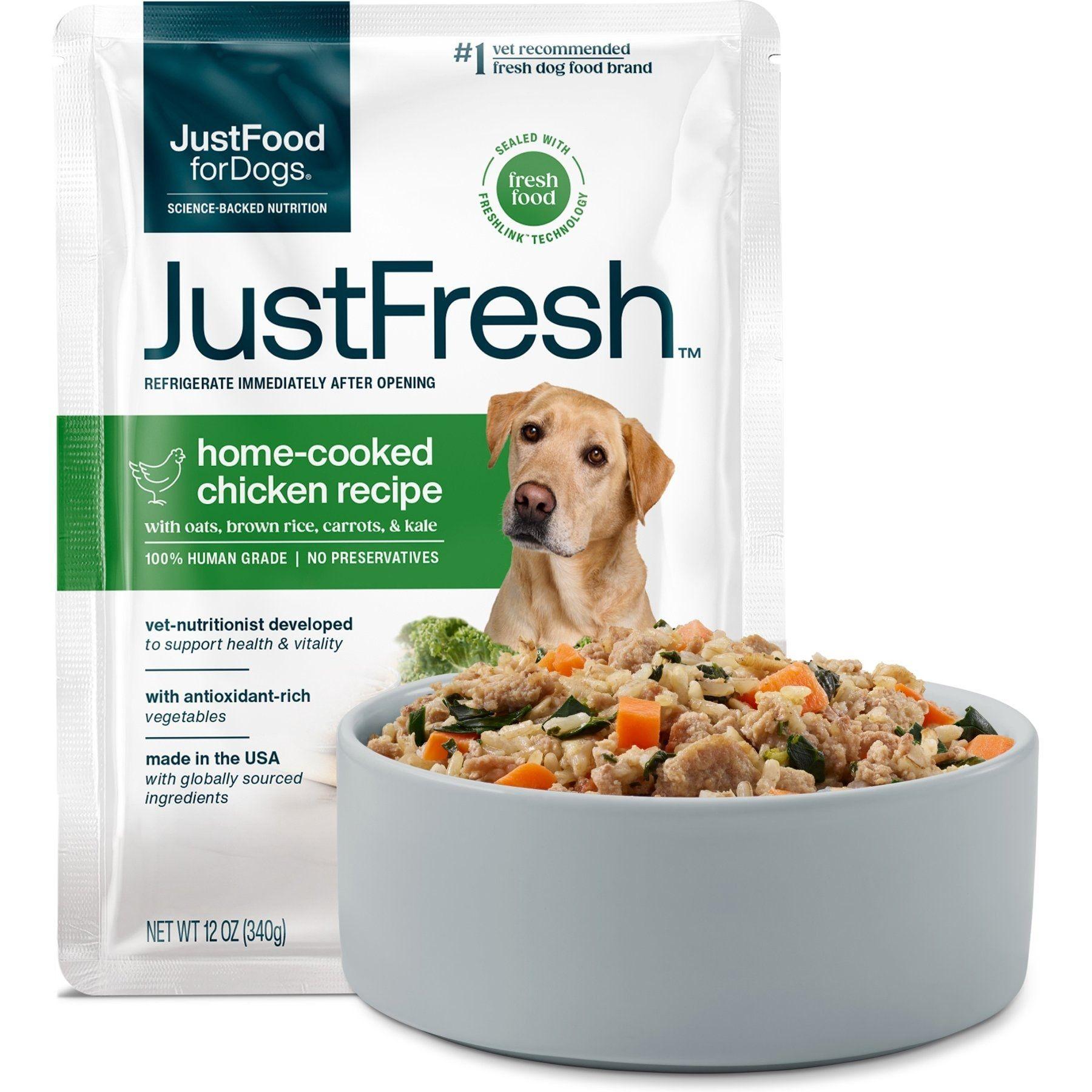
Shelf-stable pouches of gently cooked chicken, oats and brown rice that work as a complete adult meal or a topper to tempt a bored eater. Refrigerate after opening.
Petful may earn a commission when you click through to Chewy, at no extra cost to you.
How Long Can a Dog Go Without Eating?
A healthy adult dog should not go more than about 48 hours without eating before a vet sees it, and the safer rule is to call your vet once a full day passes with no food. Puppies and toy breeds need help much sooner, because they can develop low blood sugar quickly. Diabetic dogs and dogs with an existing illness have less reserve, so call the same day, and veterinarians at PetMD advise contacting your vet immediately when a dog with diabetes stops eating.
A healthy adult can survive longer than two days without food, but that is the wrong question: a dog that stops eating starts breaking down muscle, heals more slowly, and leaves the underlying problem unchecked. If your dog won't eat for 3 days, that is well past the point of waiting at home.
This appetite triage table sorts warning signs by how soon to call the vet, and it separates puppies, small dogs, diabetic dogs and seniors on how long is too long without food:
| Signs | Dog type | Time without food | What to do |
|---|---|---|---|
| Repeated vomiting, blood in vomit or stool, swollen belly, collapse, pale or yellow gums | Any dog | Any length of time | Vet today, now |
| Refuses water as well as food | Any dog | No water for about a day, sooner if vomiting | Vet today |
| Weakness, trembling or missed meals | Puppies and toy breeds | More than one missed meal, or any weakness | Vet today |
| Skips a meal while on insulin | Diabetic dog | One missed meal | Call the vet before the next insulin dose |
| Eating less, quieter than usual | Senior or chronically ill dog | Up to 24 hours | Vet within 24 hours, sooner if any other sign appears |
| Bright, drinking, normal stools | Healthy adult dog | Up to 24 hours | Watch at home; call the vet at 24 hours, seen by 48 hours |
| Picking at food after boarding, travel or a move, otherwise normal | Healthy adult dog | Eats nothing for 24 hours | Keep the routine familiar; call the vet at 24 hours |
Anything in the first four rows means you should not wait to see whether the appetite returns.
Picky Eating, Kibble Refusal, and Mealtime Habits
When a healthy dog turns down its own food but happily takes treats, table scraps or your dinner, the problem is usually learned preference rather than illness. Typical patterns are a dog that starts refusing kibble, skips breakfast but eats dinner, or won't eat unless you watch him or feed him by hand. Each extra topping teaches the dog that holding out brings something better.
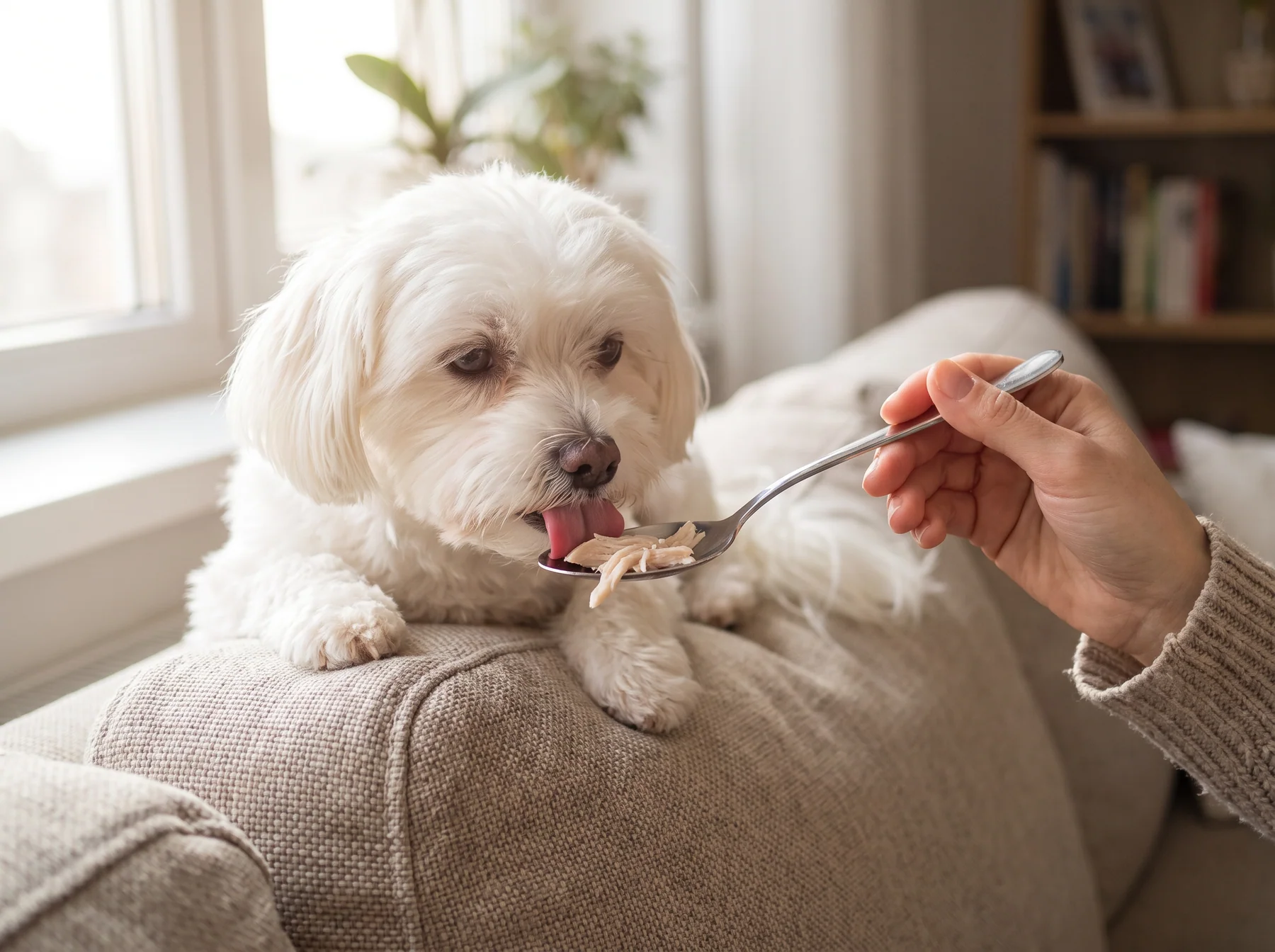
A few steady habits fix most behavioral refusal:
- Feed at set times and remove uneaten food after about 15 minutes, then offer the next meal at the usual time.
- Cut treats and table scraps back so they make up no more than about 10 percent of daily calories.
- Use the same quiet spot each day; some dogs won't eat out of a bowl that slides, clatters or sits near a busy door.
- Try a shallow plate if your dog won't eat from his bowl, since some dogs dislike deep or metal bowls.
- If mornings are the problem, offer a smaller breakfast; many dogs simply prefer a larger evening meal.
- If your dog waits for you to come home before eating, feed it when you return rather than leaving food down all day.
Hard food can also be the issue. A dog that won't eat dry kibble but eats soft food may have sore teeth, so book a dental check before assuming fussiness. A dog that suddenly refuses wet food, a new food or raw food may be reacting to a change in texture, temperature or smell.
If you want to change foods for a fussy adult, rotating to a different protein can renew interest. JustFoodForDogs lists picky eaters among the dogs its Venison & Squash recipe suits, and it is formulated for adult dogs that need to avoid beef, fish, lamb and poultry.
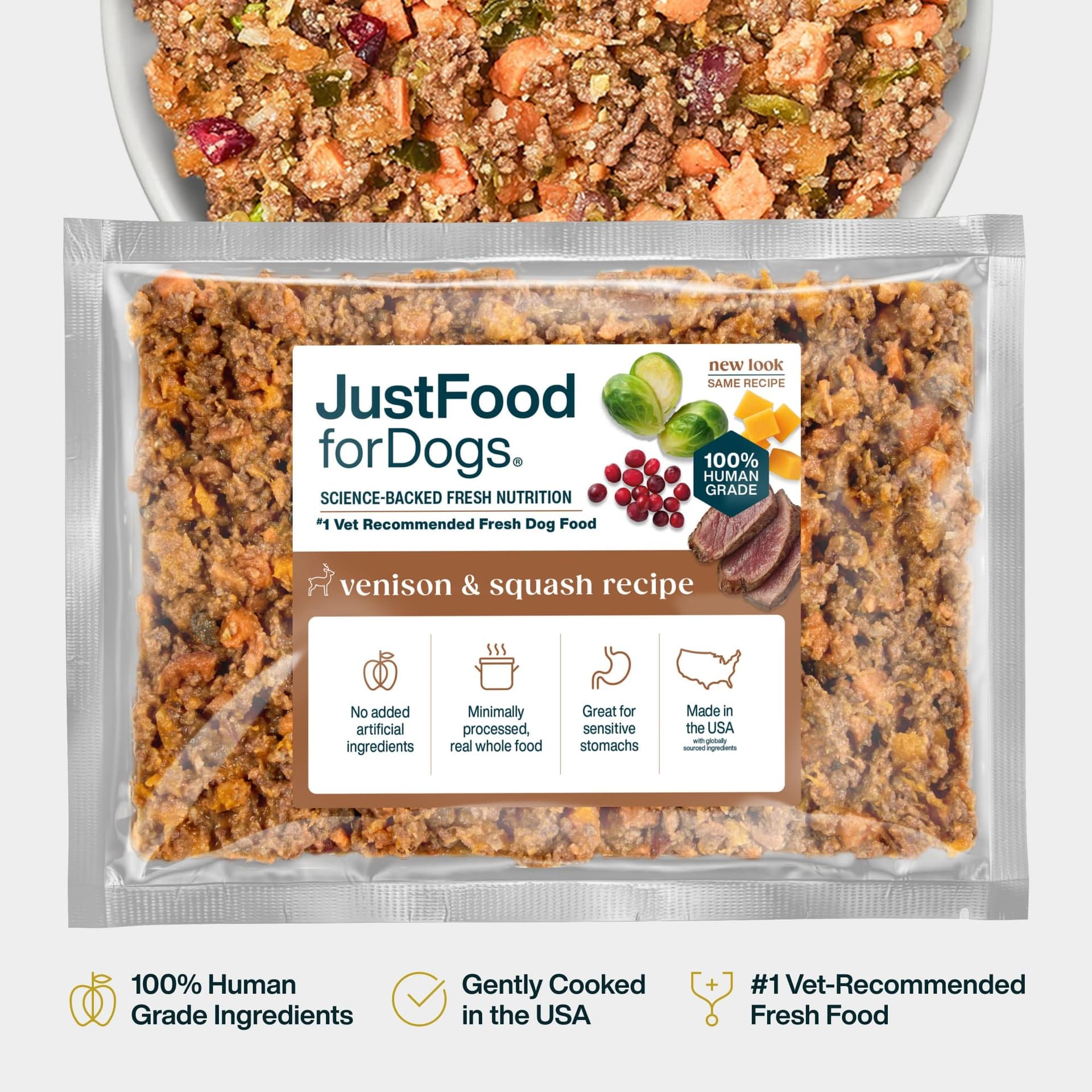
A Fresh Frozen adult recipe of venison, butternut squash and sweet potato that JustFoodForDogs lists for picky eaters and dogs avoiding common proteins.
Petful may earn a commission when you click through to JustFoodForDogs, at no extra cost to you.
Switch gradually over about 10 days so the stomach adjusts. Our guide on how to feed a picky dog covers food choice, texture and routine in more detail. For a healthy picky eater, a spoonful of JustFoodForDogs JustFresh Home-Cooked Chicken warmed and stirred into the usual meal can bring back interest without teaching the dog to hold out for a whole new dinner.
Senior Dogs, New Dogs, and Life Changes
A new dog, rescue dog or foster dog that eats little for the first day or two in a new home is very common, so offer a quiet space, the food it ate before if you know it, and time. The same stress-related appetite loss follows boarding, a move or travel, and affects anxious dogs and dogs grieving a lost companion. If the dog eats nothing at all for 24 hours, call your vet.
Small and toy dogs need a tighter limit. If your little dog misses more than one meal, or a puppy refuses its food, call your vet the same day because low blood sugar can develop quickly.
Pregnancy changes appetite too. A pregnant dog may eat less for a few days around the third or fourth week, and many stop eating in the day before giving birth. A dog that won't eat after giving birth, however, needs a vet promptly, because infection and low calcium are both possible.
 Sponsored
Vet care that's always there
Unlimited video calls and messaging with licensed vets for less than a typical vet visit. One membership covers up to five pets.
Use code Pets60
Plans start at $12/month · covers up to 5 pets
- Licensed vets in most states
- Rx for 150+ conditions
- 4.7 on Trustpilot
Why a senior dog might stop eating
When a senior dog is not eating, the reasons are usually physical:
- Dental pain in older dogs, from worn or broken teeth and gum disease.
- A weaker sense of smell, which makes food less appealing.
- Arthritis that makes standing at the bowl hard.
- Illness, especially kidney disease and nausea, as well as liver disease, heart disease or cancer.
Our guide to senior dog health covers the wider changes that come with age.
For an older dog that has lost weight but has been checked by a vet and cleared to eat normally, a softer, more aromatic meal is often easier to accept. JustFoodForDogs lists underweight dogs among the dogs its Turkey & Whole Wheat Macaroni recipe suits, and it is formulated for adult maintenance.
When appetite loss is a sign of suffering
Three signs that a dog may be suffering:
- Persistent food refusal, even of favorite foods.
- Withdrawal from the family and the things it used to enjoy.
- Ongoing pain or effort to breathe.
A quality of life scale such as the HHHHHMM scale scores hurt, hunger, hydration, hygiene, happiness, mobility and more good days than bad. If appetite loss sits alongside low scores, talk honestly with your vet about comfort and options.
Appetite Loss With Illness, Surgery, or Medication
A dog that is sick and won't eat needs the illness treated first; the appetite usually follows. Common situations include:
- After surgery: many dogs eat little for a day after anesthesia, and a dog that just got spayed may refuse food for about 24 hours; longer, or vomiting, needs a call. See what to expect after dog surgery.
- On medication: antibiotics such as metronidazole can cause nausea; ask whether a dose can be given with food.
- Kidney problems: kidney disease and kidney failure often bring nausea; ask about anti-nausea medication.
- Pancreatitis, gastritis and IBD: gut inflammation makes food unappealing until it settles.
- Diabetes: a diabetic dog that won't eat should not get a full insulin dose without vet advice.
- Other illness: pneumonia, heart disease, Lyme disease, worms, vestibular disease, liver failure, an injured leg or mouth disease.
With cancer, appetite often drops as the disease or treatment progresses, and keeping weight on becomes part of care; see our guide to cancer in dogs.
Early signs of organ failure
The first signs of organ failure in dogs are often subtle: increased thirst and urination, a smaller appetite, weight loss, vomiting and tiredness. Liver disease may also cause yellow gums or eyes. Routine blood and urine tests are the most reliable way to catch these changes early.
During recovery from surgery or illness, once your vet has confirmed your dog can eat normally, calorie density helps a dog with a small appetite get enough energy. JustFoodForDogs Critical Care Support is a high-calorie, high-fat recipe that JustFoodForDogs says is ideal for dogs with appetite issues. Because of that fat level, it is not a fit for a dog with pancreatitis or fat intolerance unless your veterinarian directs it, and JFFD asks owners to check with their vet before ordering it.
What to Feed a Dog That Won't Eat
Offer small, frequent meals of a plain, aromatic food warmed to about body temperature, because smell drives appetite and small portions are easier for a queasy stomach. If your dog still won't eat after a day of gentle tempting, or is losing weight, ask your veterinarian about a calorie-dense diet and an appetite stimulant.
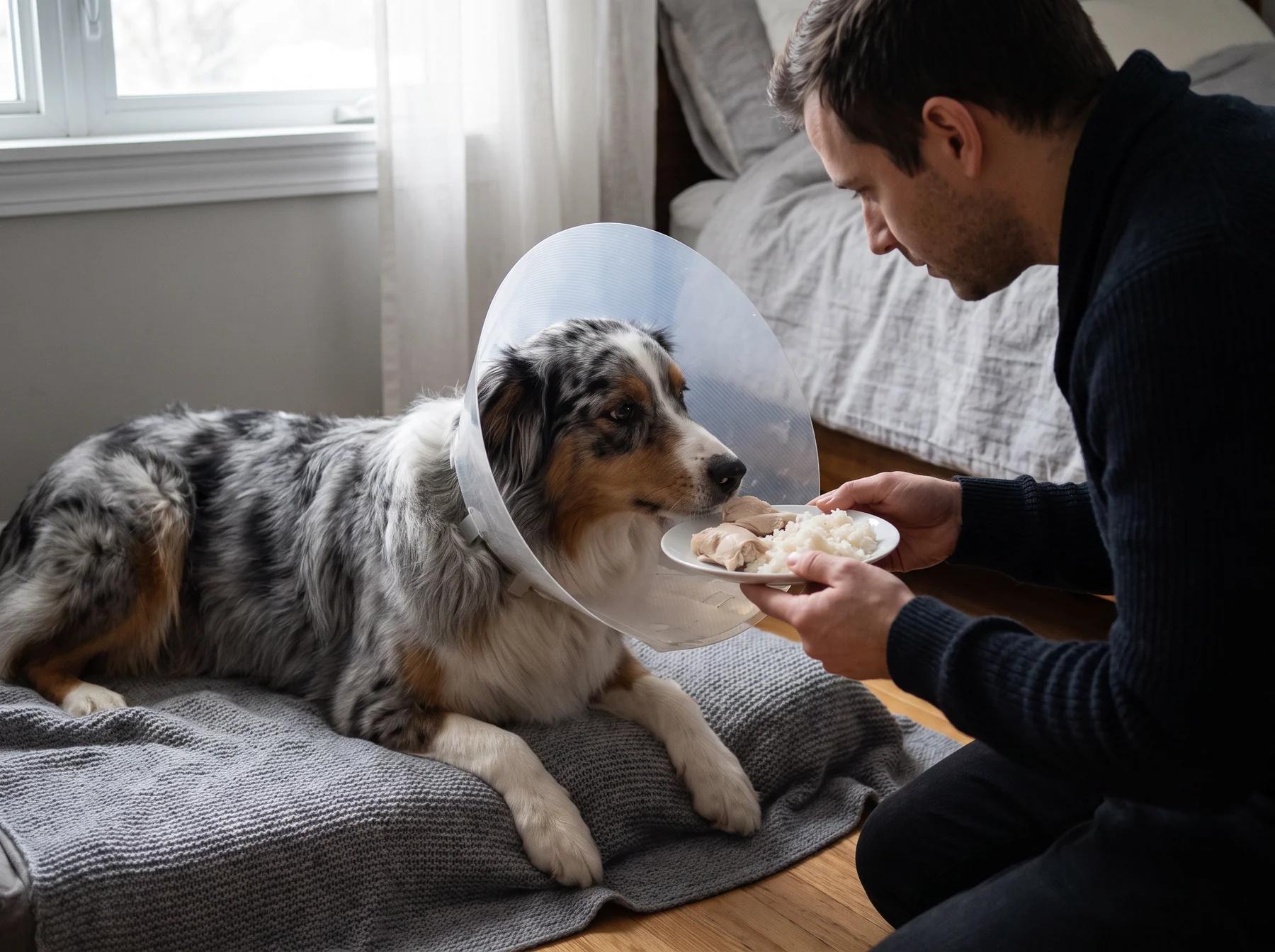
A simple tempt-then-escalate plan:
- Warm the food a few seconds and stir out any hot spots to release aroma.
- Offer two or three tablespoons, four to six times a day, instead of one large bowl.
- Hand-offer a little from a spoon if your dog is weak, but never push food into the mouth.
- Add a spoonful of low-sodium broth with no onion or garlic, or plain boiled chicken, for a day or two.
- Ask your vet about a calorie-dense recovery diet and medication if intake stays low.
Home remedies like these are short-term support for a dog that is otherwise well. A sick dog that is not eating and vomiting, or not eating or drinking, needs the vet instead.
How to stimulate your dog's appetite safely
Feed in a calm spot away from other pets; fresh, aromatic food often tempts picky or recovering dogs more than dry kibble. If appetite stays low, a vet may prescribe an appetite stimulant such as mirtazapine or capromorelin, with anti-nausea medication, while the cause is treated.
Why calorie density matters
A dog that eats half its usual amount gets half its usual energy, so a calorie-dense diet that delivers more energy per bite helps in recovery. This labeled illustration uses the calorie statements on JustFoodForDogs product labels, per ounce:
- Critical Care Support: 63 kcal ME per ounce (2,224 kcal ME/kg)
- Turkey & Whole Wheat Macaroni: 49 kcal ME per ounce
- JustFresh Home-Cooked Chicken: 36 kcal ME per ounce
- Venison & Squash: 25 kcal ME per ounce
At those figures, a few ounces of Critical Care Support carry roughly two and a half times the energy of the same weight of Venison & Squash. A veterinarian may recommend JustFoodForDogs Critical Care Support for a dog with appetite issues, though its high fat content rules it out for a dog with pancreatitis or fat intolerance unless the vet directs it. JustFoodForDogs states it is formulated to meet the nutritional levels established by the AAFCO Dog Food Nutrient Profiles for maintenance.
For a dog that is recovering and eating again, a familiar adult recipe such as JustFoodForDogs Venison & Squash or a pouch of JustFresh Home-Cooked Chicken can keep meals appealing. Use the JustFoodForDogs feeding calculator or your vet's guidance for portions. WebVet's guide to high-calorie recovery feeding goes deeper, and Vetstreet explains how many calories a dog needs each day.
For a senior dog with a chronic illness, or a dog with kidney disease that refuses its renal food, ask your vet what to offer, because medical diets need to match the diagnosis.
How Your Vet Finds the Cause
Your vet will ask how long since your dog last ate and drank, and about vomiting, diarrhea, new foods or stress, then examine the mouth, belly, temperature and weight. Next steps may include:
- Blood tests and urinalysis for the kidneys, liver, blood sugar and infection.
- X-rays or ultrasound for blockages, pancreatitis or masses.
- Anti-nausea medication, pain relief and fluids so eating feels comfortable again.
If a dog cannot eat enough for several days, a vet may place a feeding tube to deliver nutrition without the stress of syringe feeding. The WSAVA Global Nutrition Guidelines call for a nutritional assessment of every pet at every visit, which matters most for a sick dog, so ask what and how much to feed during recovery.
Questions Readers Ask
No, not without your vet's guidance. Force-feeding risks include aspiration risk, where food is breathed into the lungs, and food aversion, where the dog links that food with feeling sick and refuses it later. If intake is too low, your vet can advise on careful syringe feeding or a feeding tube.
A little plain boiled chicken with white rice, or a spoonful of low-sodium broth, is a reasonable short-term tempter for a dog that is otherwise well. Avoid onion, garlic, grapes, raisins, fatty scraps and seasoned food, which can upset the stomach or be toxic.
Rule out illness first, because a sudden refusal is more often nausea or pain than dislike of the food. Repeated switching can upset the gut and hide a problem. If your vet finds nothing wrong, make a gradual food transition over about 10 days.
They can help. A vet may prescribe a mirtazapine appetite stimulant or capromorelin oral liquid, which is approved for dogs, to encourage eating while the underlying cause is treated. An appetite stimulant supports intake; it does not replace finding out why the dog stopped eating.
Not long. Puppies, especially toy breeds, can develop low blood sugar within hours, so call your vet the same day if a puppy misses more than one meal, and never let it go beyond 12 hours without food without speaking to your vet. Go immediately if it is weak, wobbly or trembling.
Yes, stress-related appetite loss is common, and a dog may eat less for one or two days. Keep the routine and food familiar and offer meals in a quiet place. If your dog eats nothing for 24 hours, or has vomiting, diarrhea or lethargy, see your vet.
BVMS, MRCVS
Dr. Pippa Elliott, BVMS, MRCVS, is a veterinarian with nearly 30 years of experience in companion animal practice. Dr. Elliott earned her Bachelor of Veterinary Medicine and Surgery from the University of Glasgow. She was also designated a Member of the Royal College of Veterinary Surgeons. Married with 2 grown-up kids, Dr. Elliott has a naughty Puggle named Poggle, 3 cats and a bearded dragon.
Sign up for expert-backed reviews and safety alerts all in one place.