How to Feed a Picky Dog: A Buyer's Guide to Palatable Food
Picky eating is usually a habit you can reshape, not a food to chase. Here is how to feed a picky dog: rule out illness with your vet, set a steady mealtime routine, warm the food, add healthy toppers, and mix in a fresher, more palatable option.
Petful is reader supported. As an affiliate of platforms like Amazon and Chewy, we may earn a commission when you buy through links on this page. There is no extra cost to you.
Learning how to feed a picky dog can feel like a nightly standoff: you fill the bowl, your dog sniffs it, sighs, and walks away. The good news is that most fussy eating is a habit you can reshape with patience, a steady routine, and a few simple tricks that make mealtime more appealing again.
This guide covers what to do first (a quick health check with your vet), how to build a mealtime routine your dog can rely on, and the practical tactics (warming food, adding toppers, and mixing in fresher options) that tend to win over even the choosiest pup. If your dog has always been a light eater, small changes often make the biggest difference. One of the easiest upgrades is mixing in a fresher, more aromatic option like JustFoodForDogs Fresh Frozen.
- 1Rule out a health issue with your vet before treating picky eating as a behavior problem.
- 2Build a predictable routine: same times, same spot, and a 15-minute pick-up window so food stays interesting.
- 3Boost appeal with warmth, aroma, and healthy toppers, and consider mixing in a fresher, more palatable food to rekindle your dog's interest.

Sign up for expert-backed reviews and safety alerts all in one place.
First, Rule Out a Health Problem
Before you change a single thing about the menu, it helps to separate a true picky eater from a dog who is quietly telling you something is wrong. A dog that has always grazed and occasionally skips a meal is very different from a dog that suddenly stops eating, and that difference matters.
A sudden loss of appetite can point to dental pain, nausea, an upset stomach, a picky phase tied to a new medication, or something more serious. Puppies and seniors are especially worth watching closely, because they have less reserve to spare. If your dog refuses food for more than 24 to 48 hours, is also vomiting, seems lethargic, is drinking much more or less than usual, or has lost weight, see your vet before you start experimenting with feeding tricks.
Exploring a fresh meal or mix-in? Compare JustFoodforDogs recipes after the health and feeding-routine checks in this guide.
- #1 vet-recommended fresh food
- 10+ years of feeding trials & studies
- Recipes for all breeds, needs and life stages
Petful may earn a commission when you click through to JustFoodForDogs, at no extra cost to you.
The reassuring news is that many dogs get a clean bill of health. Once your vet has ruled out a medical cause, you can treat the fussiness for what it usually is: a learned habit that you have the power to reshape. That is where the rest of this guide comes in.
- A dog that refuses all food and water, has a bloated or painful belly, is retching without producing anything, or collapses needs urgent veterinary care, not a new topper. When in doubt, call your vet or an emergency clinic right away.
Why Do Dogs Become Picky Eaters?
Once illness is off the table, it is worth understanding why your dog turned up their nose in the first place. Picky eating is rarely random. In most homes it traces back to a handful of very fixable causes, and naming the cause makes the fix far more obvious.
Too many treats and table scraps
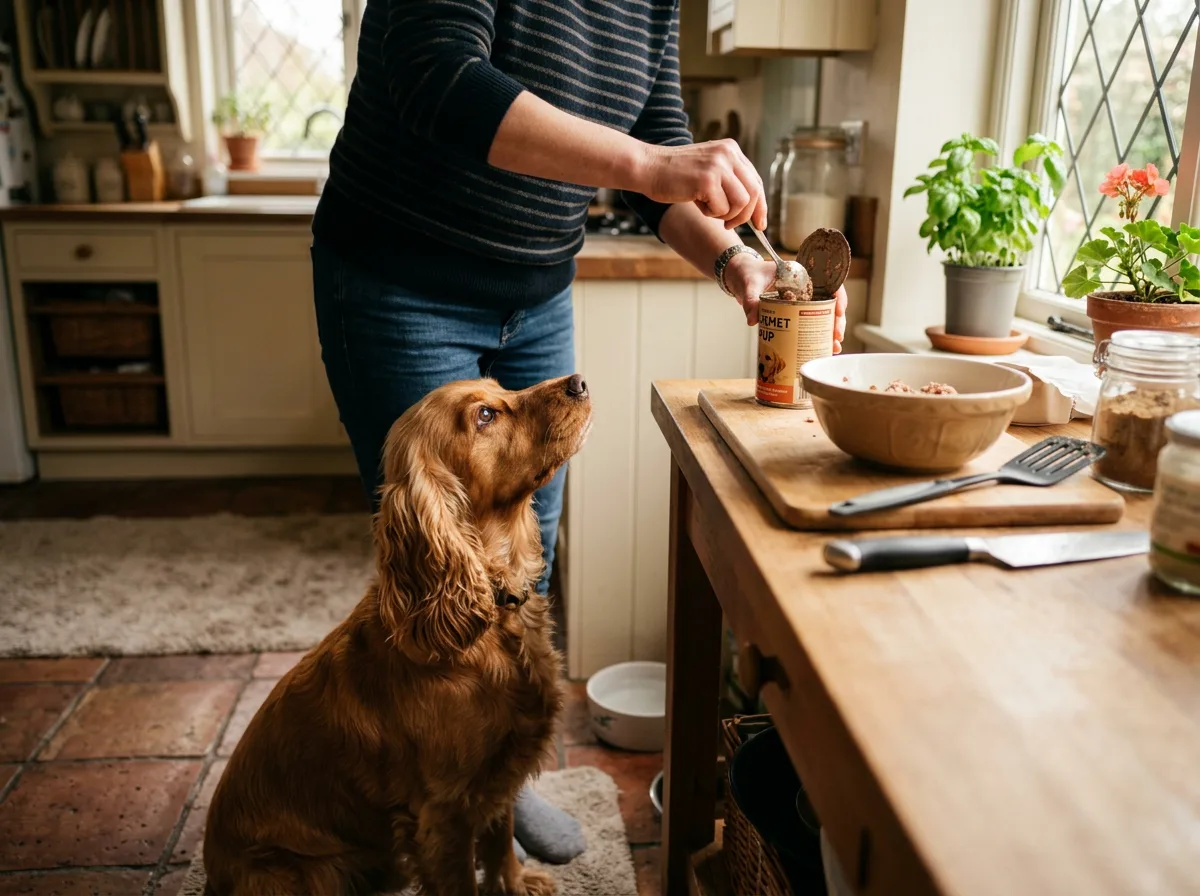
This is the most common culprit by a wide margin. If your dog knows that a few sad looks will earn a slice of cheese, a crust of toast, or a handful of training treats, why settle for plain kibble? Every extra nibble outside of mealtime chips away at your dog's appetite and teaches them to hold out for something better.
Boredom with the same food
Dogs can lose enthusiasm for a food they have eaten every day for years, especially a dry food that has gone slightly stale after weeks in an open bag. Fats oxidize over time, aroma fades, and a food that once smelled irresistible starts to smell like nothing at all. Since dogs decide what to eat largely with their nose, a flat aroma is a real turn-off. Our explainer on why palatability matters for dogs digs into how smell and taste drive whether a bowl gets eaten or ignored.
Stress and change
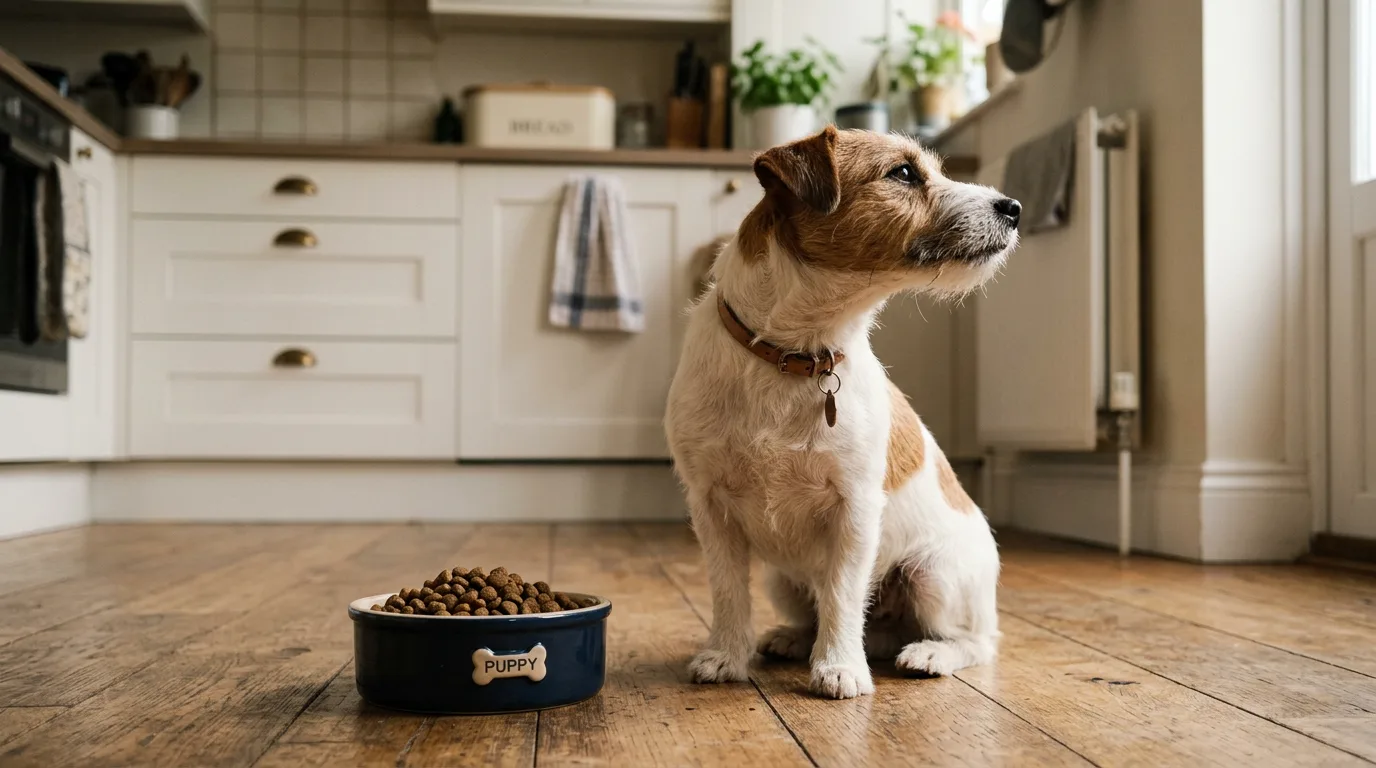
A new home, a new pet, a schedule shake-up, or even a bowl placed next to a noisy appliance can put a sensitive dog off their food. Some dogs also learn to be anxious around mealtime if past meals came with tension, rushing, or competition from another animal.
Learned pickiness
Here is the pattern that traps a lot of loving owners: your dog skips a meal, you worry, so you swap in something tastier. Your dog learns that refusing food makes better food appear. Repeat that a few times and you have accidentally trained a professional holdout. The good news is that the same intelligence that learned the habit can unlearn it.
Set a Consistent Mealtime Routine
Dogs are creatures of habit, and a predictable routine is the single most powerful tool for reshaping a picky eater. When meals arrive at reliable times, in a calm spot, your dog's body starts to anticipate food and produce the appetite to match it.
Start by feeding at the same two times each day, roughly 10 to 12 hours apart for most adult dogs. Measure the portion your vet recommends for your dog's ideal weight rather than free-pouring, so you always know how much is actually going in. Pick a quiet, low-traffic spot for the bowl, away from the front door, the television, and any other pet who might create competition or tension.
Keep mealtime low-key. Set the bowl down, step back, and let your dog approach on their own terms. Hovering, coaxing, or turning dinner into a performance can add pressure that makes an anxious eater more reluctant, not less. Calm and boring is exactly what you want here.
- Many dogs eat better when a meal is followed by something they love, like a walk or playtime. Serve dinner, give a short window to eat, then head out. That natural reward sequence gives a hesitant eater a gentle reason to finish up.
The 15-Minute Pick-Up Rule
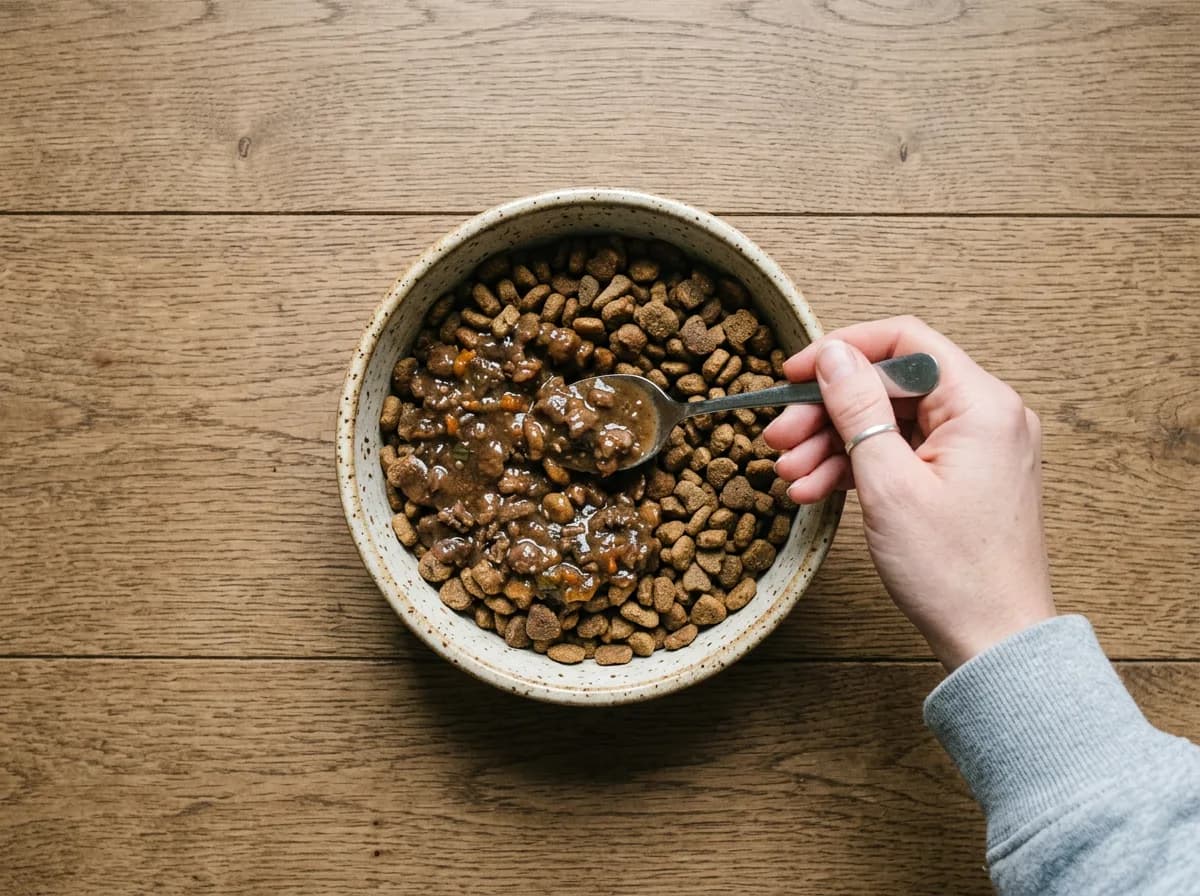
Free-feeding, leaving a full bowl out all day, is one of the biggest hidden causes of picky eating. When food is always available, it stops feeling special, and your dog can graze one kibble at a time with zero urgency. The fix is a simple structured feeding window.
Put the food down and give your dog about 15 minutes to eat. If they walk away or barely touch it, pick the bowl up, without fuss or scolding, and put it away until the next scheduled meal. No snacks in between. At the next mealtime, offer the same food again and repeat.
Exploring a fresh meal or mix-in? Compare JustFoodforDogs recipes after the health and feeding-routine checks in this guide.
- #1 vet-recommended fresh food
- 10+ years of feeding trials & studies
- Recipes for all breeds, needs and life stages
Petful may earn a commission when you click through to JustFoodForDogs, at no extra cost to you.
Why It Works and How to Keep It Safe
This feels harsh to a lot of owners, so it helps to know the logic behind it. A healthy dog will not harm themselves by skipping one or two meals, and the short gap rebuilds a real, physical appetite. Within a few days, most dogs learn that food is available now and only now, and they start eating when the bowl appears. You are not starving your dog. You are restoring the normal hunger cue that free-feeding had erased.
A few ground rules keep this safe and effective: always provide fresh water, keep portions appropriate, and give the routine at least several days before you judge it. This approach is best for healthy adult dogs. Puppies, seniors, toy breeds prone to low blood sugar, and dogs with any medical condition should follow a feeding schedule your vet approves instead.
Warm the Food to Boost the Aroma
If you take just one quick tip from this guide, make it this one. Warmth releases aroma, and aroma is what convinces a dog to eat. Cold food straight from the refrigerator smells like almost nothing to a dog, while gently warmed food fills the air with the scents that trigger appetite.
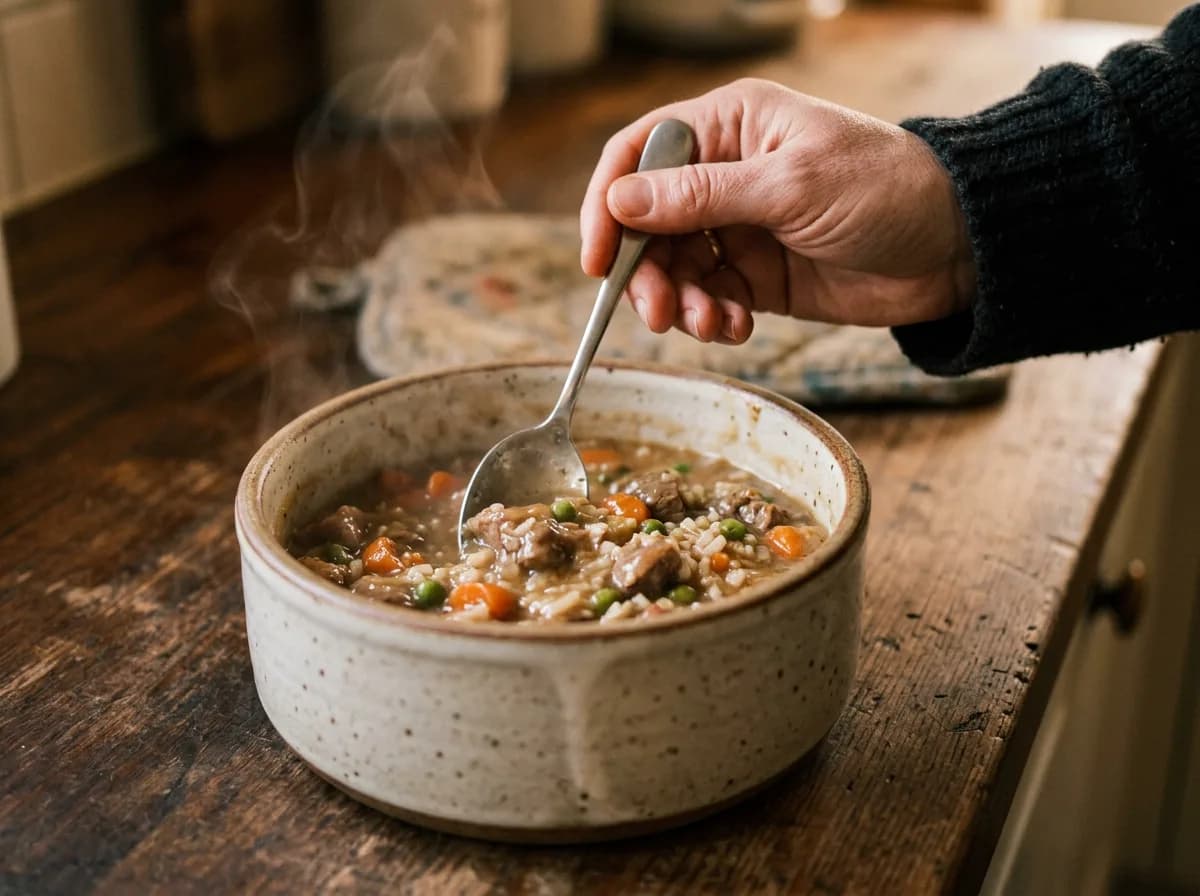
For canned or fresh food, warm a portion to just below body temperature. A few seconds in the microwave works, or you can set the bowl in a larger bowl of warm water for a gentler, more even heat. Always stir thoroughly and test it with your finger first, because microwaves create hot pockets that can burn a dog's mouth. You want it warm, never hot.
For dry food, try adding a splash of warm water or warm low-sodium broth and letting it sit for a minute or two to soften and bloom the aroma. This tiny step turns a flat, stale-smelling bowl into something that actually smells like a meal, and for a surprising number of picky dogs, that is the whole battle.
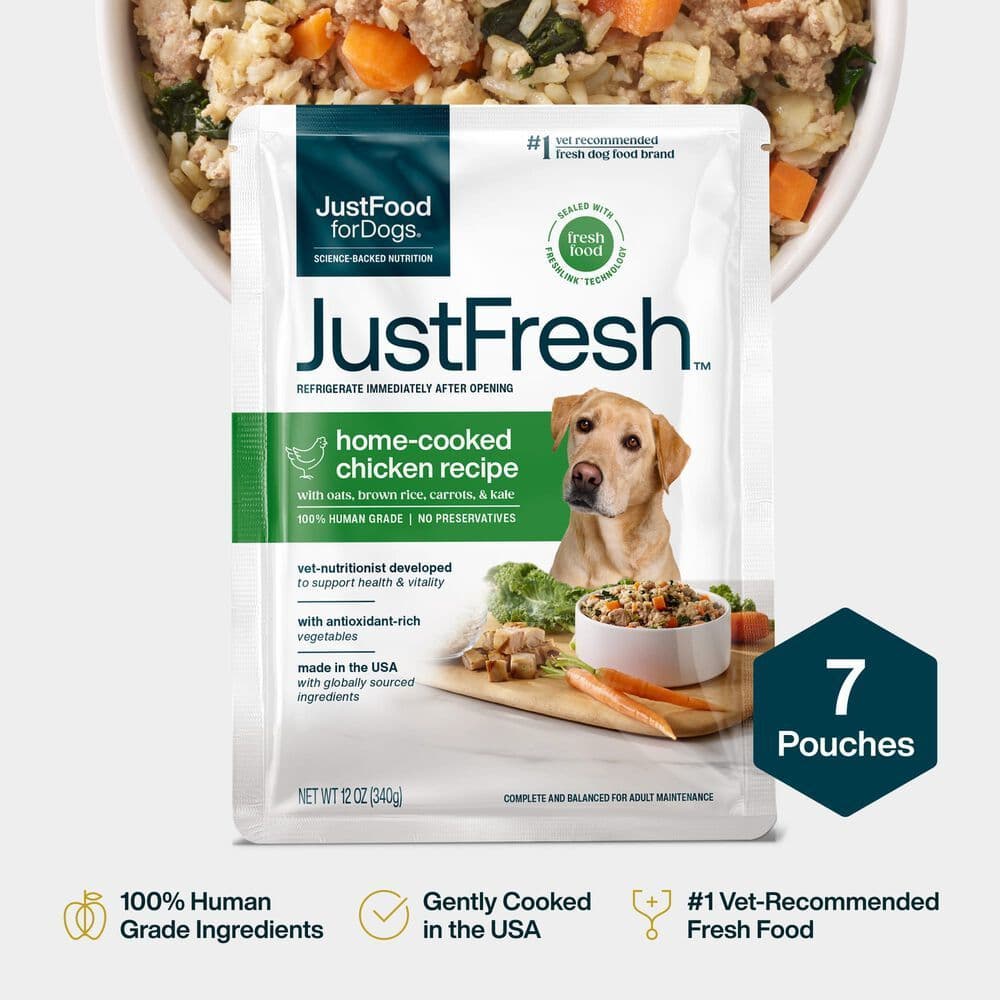
Looking for an easy topper? A spoonful of this shelf-stable chicken pouch stirred through the bowl adds aroma without a freezer.
- Home-cooked chicken recipe
- Shelf-stable pouches before opening
- Fresh-food convenience without freezer space
Petful may earn a commission when you click through to JustFoodForDogs, at no extra cost to you.
Add a Healthy Topper or Mix-In
A topper is a small amount of tasty, nutritious food stirred into or spooned over your dog's regular meal to make it more enticing. Used correctly, toppers are one of the friendliest ways to win over a fussy eater, because they add appeal and often add nutrition at the same time. Used carelessly, they can teach your dog to eat only the good stuff off the top, so the goal is to mix the topper through the meal rather than pile it in one corner.
Keep toppers to roughly 10 percent of your dog's daily calories so the core diet, which is balanced and complete, stays the main event. Introduce any new topper gradually, and skip anything on the canine no-go list (no onions, garlic, grapes, raisins, xylitol, or heavily seasoned human food). Many gut-friendly toppers can also support digestion, and our guide to gut health for dogs covers which additions are gentlest on the stomach.
| Topper | Why It Works |
|---|---|
| A spoonful of gently warmed fresh-cooked food | Real meat and vegetables bring strong aroma and moisture that dry food lacks |
| Plain low-sodium bone broth | Adds savory smell and moisture; pour warm over kibble to soften and scent it |
| Plain canned pumpkin (not pie filling) | Fiber-rich, mild, and gentle on digestion; a little goes a long way |
| A small amount of plain cooked chicken or egg | Familiar, high-value protein most dogs find hard to resist |
| Plain low-fat unsweetened yogurt | Creamy texture and appealing tang; check that your dog tolerates dairy first |
| A sprinkle of the dog's own food, crushed | Boosts aroma of a stale bowl without adding new calories |
Mix In a Fresher, More Palatable Food
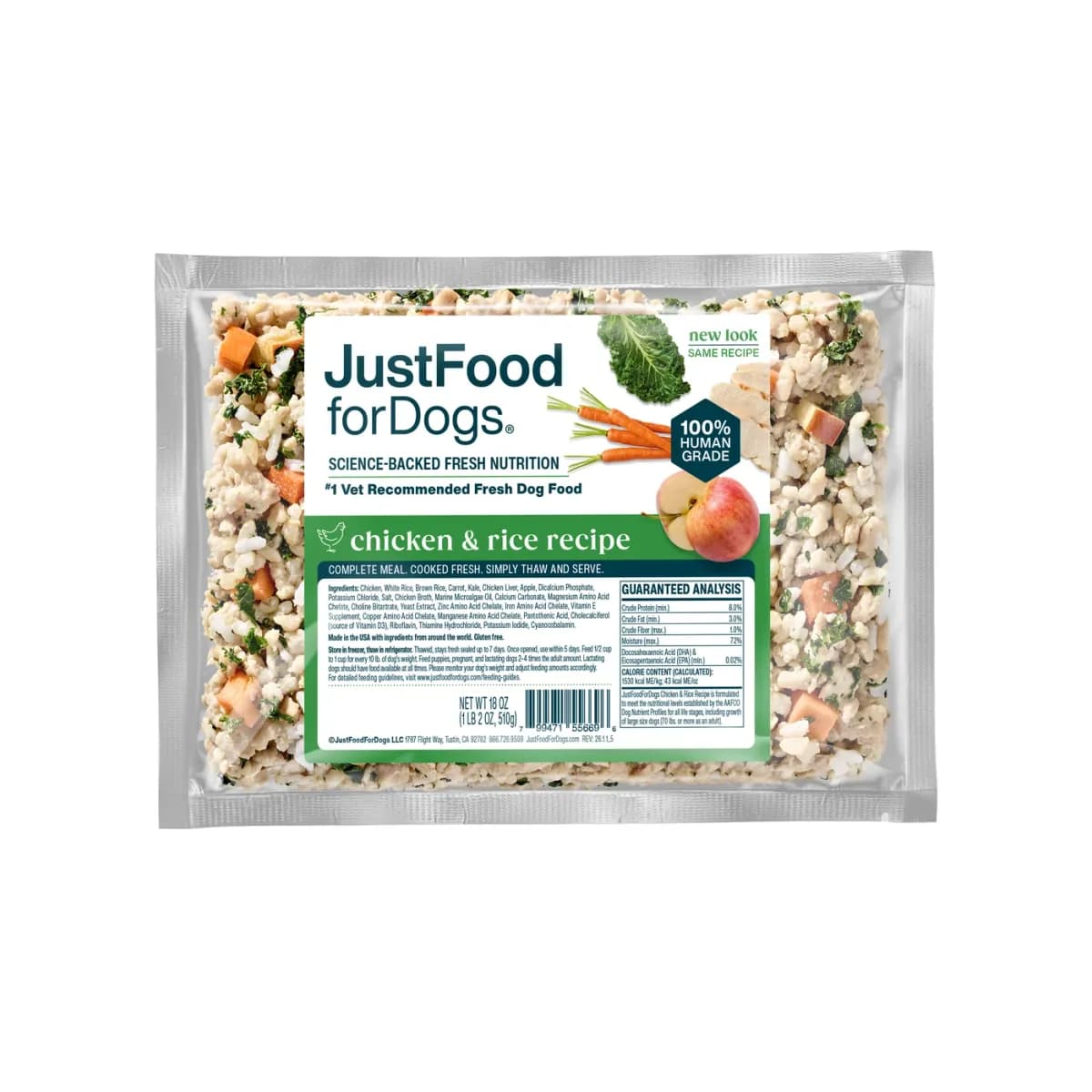
Sometimes the issue is not the routine or the temperature. It is the food itself. Highly processed dry foods can lose aroma quickly, and some picky dogs simply respond better to a fresher, gently cooked option that smells and tastes more like real food. Upgrading palatability is a legitimate strategy, and it is often the piece that finally clicks for a stubborn eater.
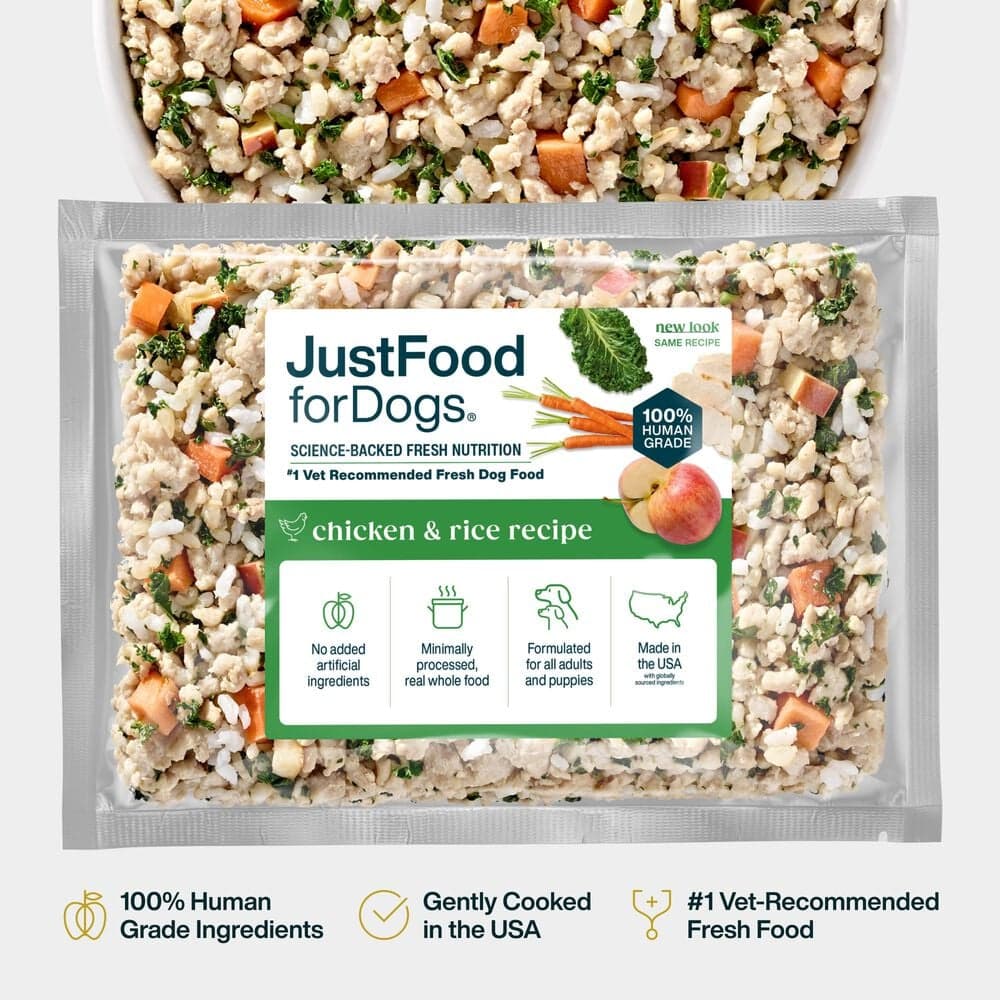
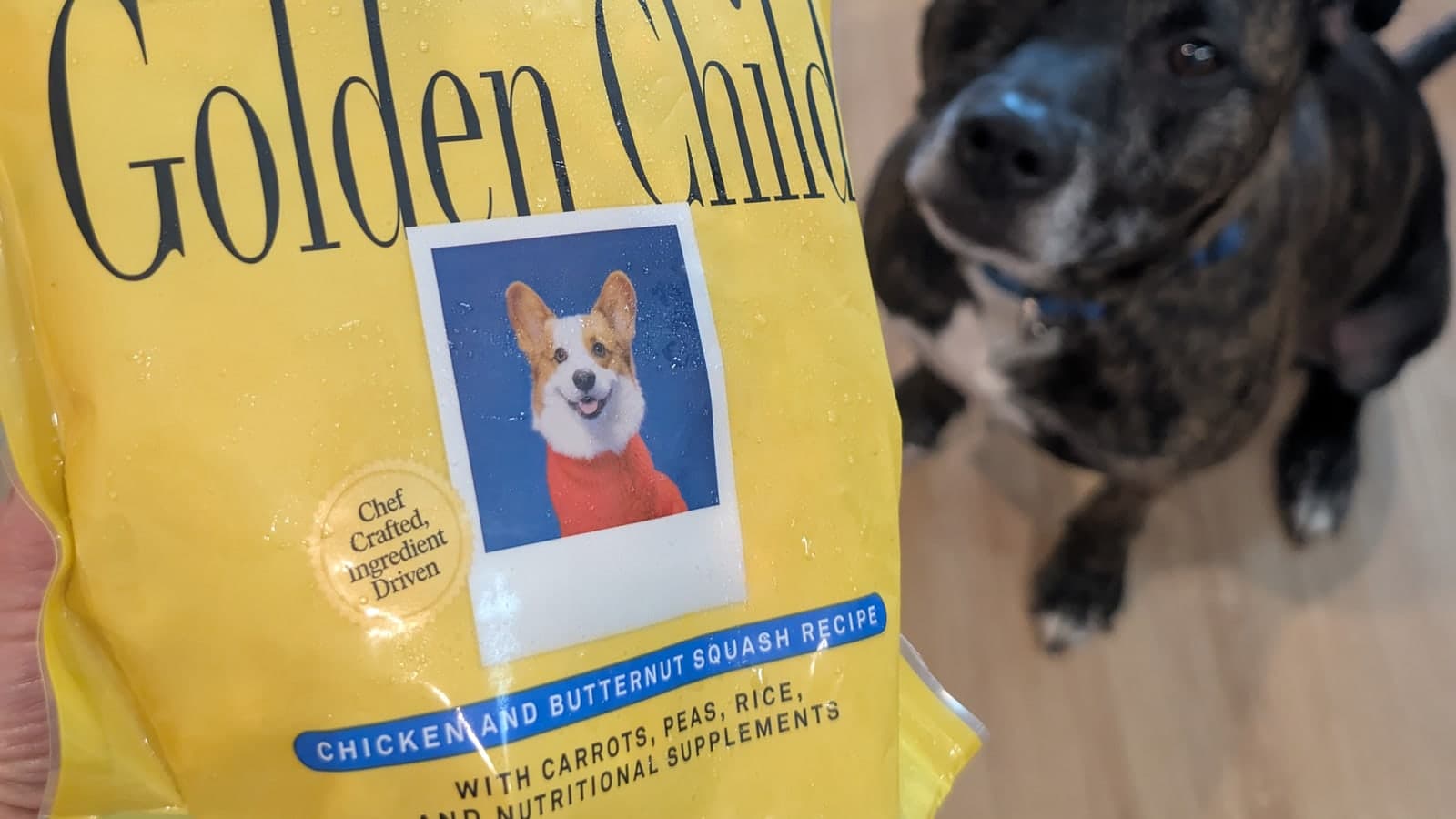
Ready to try a fresher food? Chicken & Rice is the gently cooked recipe most dogs start on, as a mix-in or a full switch.
- Chicken with rice and whole-food ingredients
- Fresh Frozen recipe
- View the recipe and feeding guide
Petful may earn a commission when you click through to JustFoodForDogs, at no extra cost to you.
Fresh-cooked meals made from whole ingredients tend to be far more aromatic and appealing than shelf-stable kibble, which makes them a natural topper or mix-in for a reluctant eater. JustFoodForDogs Fresh Frozen recipes are cooked from human-grade ingredients and formulated to meet AAFCO nutrient profiles, so a couple of spoonfuls stirred into the current bowl can help make an ordinary meal smell and taste more exciting while keeping nutrition on track. Serving a moist fresh food slightly warmed may make its aroma and texture more appealing to some picky dogs, although palatability varies by dog.
You can use a fresher food two ways. As a topper, spoon a small portion over the existing food to lift its appeal without overhauling the diet. As a full transition, gradually replace the old food over 7 to 10 days so your dog's stomach adjusts. Either way, watch how your dog responds and go at their pace.
- Move slowly over about a week. Days 1 to 3, serve roughly 25 percent new food mixed with 75 percent old. Days 4 to 6, go to a 50/50 blend. Days 7 to 10, shift to 75 percent new and finish the changeover. If you notice loose stools, hold at the current ratio for a few extra days before increasing again.
If you are still weighing which recipe or protein to land on, our roundup of the best food for picky dogs compares options side by side so you can pick a formula that fits your dog's tastes and your budget.
Avoid the Treat and Table-Scrap Trap
You can do everything else right and still lose the battle at the dinner table. If your dog is filling up on treats, chews, and scraps between meals, they will never arrive at the bowl hungry, and hunger is your biggest ally.
For at least a couple of weeks while you reset the routine, cut treats down sharply and stop table feeding entirely. That means no bites during your own meals, no crumbs on the floor for cleanup duty, and no guilt snacks when your dog gives you the eyes. If you use treats for training, count them into the daily total and choose small, low-calorie options so they do not blunt the appetite you are trying to rebuild.
This is often the hardest part, because sharing food feels like sharing love. Reframe it this way: a dog who eats balanced meals reliably is a healthier, happier dog than one who holds out for cheese. The routine you are protecting is the kindest thing on the menu.
Putting It All Together
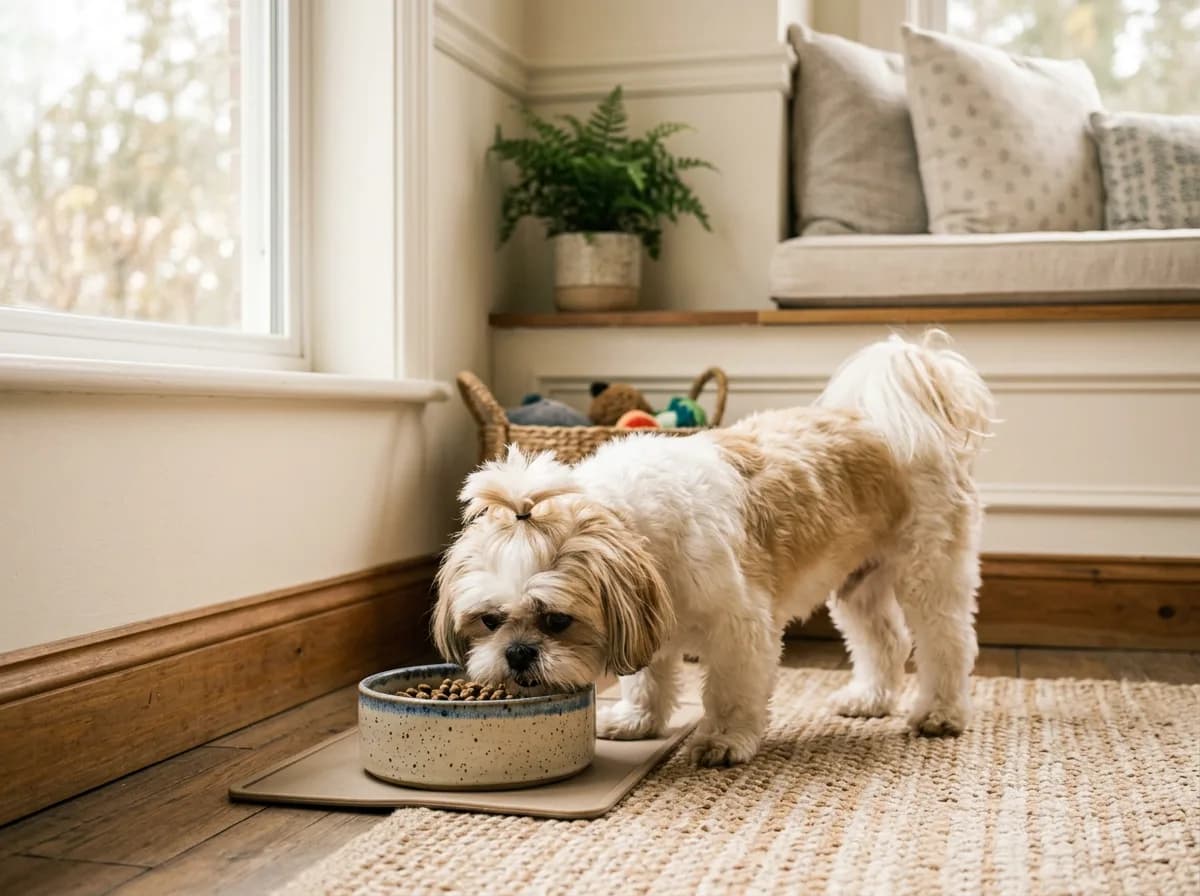
Reshaping a picky eater is less about one magic food and more about stacking small, consistent habits. Start with a vet check to rule out illness, then set fixed mealtimes in a calm spot, use the 15-minute pick-up rule to rebuild appetite, and make each bowl more appealing with warmth, aroma, and a healthy topper or a fresher, more palatable food. Hold the line on treats and scraps while the new routine takes root.
Give it a week or two of steady, unruffled consistency before you decide it is not working. Most owners are surprised how quickly a dog who used to snub dinner starts trotting over the moment the bowl comes out. The goal is not to trick your dog into eating once. It is to rebuild a happy, healthy relationship with mealtime that lasts.
Frequently Asked Questions
How to Stimulate a Picky Dog's Appetite (and Get Your Dog to Eat)
Beyond a steady routine, a few gentle tactics can nudge a reluctant dog toward the bowl. When a fussy dog turns away from dinner, the quickest way to get your dog to eat is usually to make the food more inviting, not to swap it for something new every night.
Start with the senses. Gently warming a meal and adding a splash of warm low-sodium broth releases the aroma that switches on a dog's appetite, and a stronger smell often does more work than a fancier recipe. From there, try hand-feeding a few pieces. Offering food from your open palm can rebuild trust and interest for an anxious or distracted eater, and many dogs will take from a hand what they ignore in a bowl. Once your dog is eating from your hand, lower it slowly to the bowl so the last few bites land where you want them.
Timing and movement help too. A brisk walk or a short play session before dinner works up a natural appetite, much the way exercise makes people hungry. Serve the meal soon after your dog settles, in a calm, low-traffic spot, and keep portions modest so a heaping bowl never looks overwhelming. Splitting the daily ration into two or three smaller servings can also make each one feel more manageable to a hesitant eater.
When to Ask Your Vet About an Appetite Stimulant
When natural tactics are not enough, a vet-prescribed appetite stimulant may be warranted. If your dog has a genuinely reduced appetite tied to illness, recovery from surgery, or the side effects of a medication, your veterinarian may prescribe a stimulant such as mirtazapine or capromorelin that can help support eating while the underlying issue is addressed. These are prescription tools for real medical appetite loss, not a shortcut for everyday fussiness, so they belong in a vet's hands after a health problem has been ruled out. Never give human appetite medications or a leftover prescription to a dog.
Wet vs. Dry Food for Picky Eaters
The type of food in the bowl can matter as much as how you serve it. For a picky eater, wet and dry foods each bring something different to the table, and the best answer is often a thoughtful combination rather than one or the other.
Wet or canned food wins on the two things fussy dogs care about most: aroma and moisture. Its higher water content carries scent into the air, and the soft, meaty texture is easy to eat and hard to resist, which makes wet food a common first choice for a reluctant eater. Dry food, by contrast, is convenient, more affordable per serving, simple to measure, and easy to store. Its main weakness is that the aroma fades as an open bag goes stale, which is often exactly when a picky dog starts to snub it. Because so much of appetite runs through the nose, that fading smell matters, a point our explainer on why palatability matters for dogs unpacks in more detail.
Mixing the two is often the sweet spot. A spoonful of warmed wet food stirred through kibble, or a splash of warm broth to soften and scent the dry pieces, gives you the appeal of wet food and the practicality of dry in one bowl. A fresher, gently cooked food can play the same aromatic role as a mix-in. Whichever route you choose, keep the main diet complete and balanced, and stir any wet portion all the way through so your dog cannot simply lick the tasty part off the top.
| Wet Food | Dry Food |
|---|---|
| Strong aroma and high moisture that tempt fussy eaters | Milder aroma that can fade as an open bag goes stale |
| Soft, meaty texture that is easy to eat | Crunchy texture that some dogs enjoy and that stores easily |
| Higher cost per serving and a shorter fridge life once opened | More affordable and simple to measure and keep on the shelf |
| Great as a warmed topper stirred through kibble | A practical base that improves with a little warm water or broth |
When Your Dog Only Eats Treats, Not Food
Few things worry an owner more than a dog who happily gobbles treats but turns up their nose at dinner. It feels like proof that your dog can eat and simply will not, and in most cases that is exactly what is happening. Treats are richer, smellier, and more novel than everyday food, so a dog who has learned that holding out earns a snack has little reason to settle for the bowl.
Breaking the treat trap comes down to changing the math. For a couple of weeks, cut treats and table scraps sharply so your dog arrives at mealtime genuinely hungry, and never follow a refused meal with a snack, which only rewards the refusal. Keep the meal itself appealing with warmth, aroma, and a healthy topper stirred through, so the bowl competes on flavor rather than losing to it. If you train with treats, count them into the daily total and pick small, low-value pieces so they do not blunt the appetite you are rebuilding. Within a few days, most healthy dogs relearn that food is what satisfies hunger and start eating when the bowl appears.
There is an important exception. A dog that will still eat treats but refuses all regular food can also be telling you that something hurts or feels off, such as dental pain or mild nausea, since a small soft treat is easier to manage than a full meal. If cutting back on treats does not restore normal eating within a few days, or you notice any other warning sign, loop in your vet rather than pushing harder at home.
- Picky eating is usually harmless, but some signs are not. If your dog refuses food while still drinking water, is losing weight, keeps accepting treats but rejects every real meal, or goes more than 24 to 48 hours without eating, do not wait it out. Paired with vomiting, lethargy, or a tender belly, it becomes urgent. A sudden change in appetite can be your dog's earliest signal that something needs a vet's attention.
Start with a vet visit to rule out any medical cause, then reset the routine: feed at the same times each day in a calm spot, use a 15-minute pick-up window so food stays interesting, cut back sharply on treats and table scraps, and make meals more appealing with gentle warmth, aroma, and a healthy topper or a fresher food. Most fussy eating is a learned habit, and consistent structure over a week or two is what turns it around.
In most cases, yes. A healthy adult dog will not let themselves go hungry indefinitely, and once you stop offering better options on demand and hold a steady routine, hunger does the persuading for you. Give a new routine several days to work. If your dog refuses food for more than 24 to 48 hours, or seems unwell, see your vet rather than waiting it out.
First confirm with your vet that nothing medical is going on. Then rebuild appetite by removing free-fed food and treats, offering meals at set times, and picking the bowl up after about 15 minutes if it is ignored. Warm the food to release its aroma, and stir in a small, tasty topper such as warm bone broth or a spoonful of fresh-cooked food. A real, structured hunger cue plus a more appealing bowl is what usually gets a reluctant dog eating again.
There is no official pickiest breed, but small toy breeds are the ones owners most often describe as fussy, including Chihuahuas, Yorkshire Terriers, Miniature Poodles, Dachshunds, Shih Tzus, and French Bulldogs. Their tiny stomachs fill up fast on treats, and their size makes even a small amount of scraps a big share of their daily calories. Picky eating in these breeds is usually more about habit and treat overload than breed destiny.
Most healthy adult dogs will not starve themselves over a food they simply do not prefer; hunger eventually wins, and a skipped meal or two is not dangerous for a well dog. The important exceptions are puppies, seniors, toy breeds prone to low blood sugar, and any dog that is unwell, since they have far less reserve. If a dog refuses food for more than 24 to 48 hours or shows other symptoms, treat it as a medical concern and see your vet.
Offer a complete, balanced food that is fresh and aromatic, then make it more tempting rather than switching foods every few days. Warming the food, adding warm low-sodium broth, or stirring in a spoonful of gently cooked fresh food can lift the aroma that drives appetite. A fresher, more palatable recipe used as a topper or a slow transition often wins over a holdout. Keep any extras to about 10 percent of daily calories so the core diet stays balanced.
No breed is officially the pickiest, but small and toy breeds top most owners' lists, with Chihuahuas, Yorkshire Terriers, Poodles, Dachshunds, Maltese, and Shih Tzus frequently mentioned. Much of it comes down to size and habit: a few treats represent a large slice of a small dog's daily intake, so they fill up quickly and hold out for more. Focusing on routine and cutting treats usually matters far more than the breed on the paperwork.
The 7-7-7 rule, sometimes called the Rule of 7s, is an early socialization guideline for puppies rather than a feeding schedule. It suggests that by about 7 weeks of age a puppy should have experienced roughly 7 different surfaces, 7 different locations, 7 types of people, and 7 objects or small challenges, so the puppy grows up confident and adaptable. It is worth knowing for a fussy eater because a calm, well-socialized dog tends to be a more relaxed eater, while anxiety around new things can spill over into pickiness at the bowl.
You can stimulate a picky dog's appetite by making food more appealing and by rebuilding real hunger. Gently warm the meal and add a splash of warm low-sodium broth to release its aroma, try hand-feeding the first few bites, and offer food after a walk or play session when your dog is naturally hungry. Serve at set times in a calm spot, and cut back on treats between meals so the bowl is what satisfies. If your dog's appetite is genuinely low because of illness or medication, your vet may prescribe an appetite stimulant that can help support eating, so check in with them when simple tactics are not enough.

Coreen Saito is a pet writer and longtime shelter volunteer with more than a decade in animal rescue. She covers cat behavior, breed care, and the small, ordinary science of sharing a life with companion animals, with a particular focus on honest takes about the products and decisions that actually matter. At home in Arizona, she's outranked by Mac (a dog with the loudest opinion in the house), Rebel (a cat who governs by quiet authority), and Meri (an orange tabby who runs the late shift and the laundry basket). She writes about all three, plus the rescues that keep coming through her life, at LifeWithMinty.com.
Sign up for expert-backed reviews and safety alerts all in one place.
A Final Word (Disclaimer)
At Petful, our review integrity is paramount; we never exchange special treatment in our reviews for monetary or material rewards.
Nonetheless, when our readers click through to online merchants (including Chewy or Amazon), we receive a referral commission. This supports the running of our free blog, and we appreciate your backing.