What Can I Feed a Picky Dog That Won't Eat Kibble?
Got a picky dog who turns up their nose at kibble? Here's what actually works, medical red flags to rule out, quick free fixes, and the 5 legit alternatives pet parents switch to when kibble really isn't the answer.

Veterinarian

Veterinarian · BVMS, MRCVS
Petful is reader supported. As an affiliate of platforms like Amazon and Chewy, we may earn a commission when you buy through links on this page. There is no extra cost to you.
Petful may earn a commission if you click on our links and make a purchase. This comes at no extra cost to you and helps us continue providing trusted pet product reviews.
Finding the right food for a picky dog can feel like a daily guessing game. You fill the bowl at the same time every day. Your dog walks over, gives it a long look, sniffs twice, and walks away. Maybe later they eat half. Maybe they don't eat at all. You're left standing there wondering what it takes to win the standoff.
The short answer is that you have options, and some of them work remarkably well. But before you swap brands for the fourth time this year, it's worth ruling out the medical stuff first, then working through a simple hierarchy of fixes that go from "costs nothing" to "complete food overhaul." Most pet parents land somewhere in the middle.
Here's the full playbook: the quick fixes that cost nothing, the kibble alternatives that actually work, and when it's time to call your vet.
Dog food for picky eaters generally breaks into three categories: wet dog food (with high aroma and moisture), slow-cooked or shelf-stable fresh formulations, and freeze-dried raw recipes that rehydrate at feeding. Subscription options like The Farmer's Dog fall into the fresh-food category but require freezer space and a monthly commitment.
For a picky dog who won't eat kibble, first rule out medical issues, then try simple fixes (warming food, adding toppers, switching proteins). If kibble is truly the wrong format, switch to a wet, shelf-stable, or fresh alternative, Wellness Protein Bowls, Freshpet, or a fresh subscription are the most common wins.

Sign up for expert-backed reviews and safety alerts all in one place.
Why Your Dog Won't Eat Kibble (and When to Worry)
Before jumping to a prescription diet, it's worth trying the palatability ladder: warm the kibble, add a splash of low-sodium broth, or swap to a fresh dog food topper. Stubborn refusers often respond to freeze-dried raw mix-ins or a full switch to a subscription fresh brand like The Farmer's Dog before anything prescription-level is needed.
A dog who used to love their food and suddenly turned picky is not the same animal as a dog who's been meh about kibble their whole life. New picky behavior is a symptom, not a preference. Before changing anything about the food, the question to answer is: is this a health issue?
Reasons a previously-good-eater stops eating kibble include dental pain (imagine chewing gravel with a sore tooth), nausea, pancreatitis, a food sensitivity or dog food allergy, parasitic infection, early-stage kidney or liver disease, and, more often than pet parents expect, simple bad kibble that's gone stale or rancid in the bag.
If any of these describe your dog, a week of coaxing them to eat won't fix the underlying problem. Call your vet if:
- Your dog has skipped more than 24 hours of food (48 hours in a puppy is an emergency, puppies can become hypoglycemic quickly)
- You see vomiting, diarrhea, lethargy, weight loss, or changes in drinking or urination
- They're pawing at their mouth, drooling, or their breath smells off
- They're over age 7 and the pickiness is new
For a truly chronic picky eater with a clean bill of health, the food is the variable to change. That's the rest of this guide.
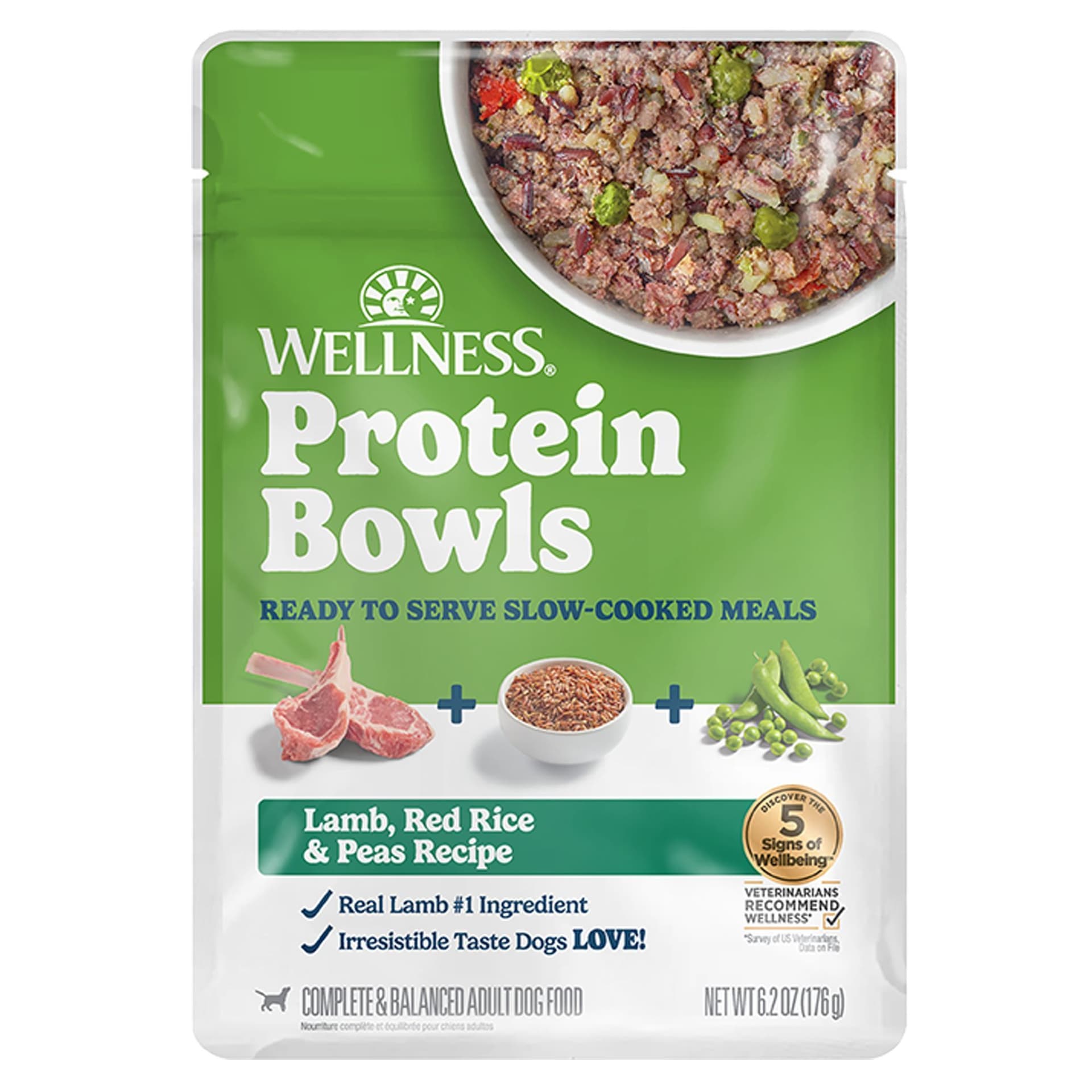
Single 6.2-oz pouch at $4.99 SRP. Mix-and-match any 3 flavors for $12 (about $4 each). Available in-store and online.
Petful may earn a commission when you click through to PetSmart, at no extra cost to you.
Why dogs reject kibble (even when they were fine with it before)
Dogs have fewer taste buds than humans, about 1,700 compared to our 9,000, but their sense of smell is wildly more sensitive, and that's what drives most food acceptance. A kibble that smells dull doesn't register as food worth eating.
Kibble aroma deteriorates over time. Once the bag is opened, the fats that carry most of the smell oxidize. A 30-pound bag that took your dog six weeks to finish is much less appealing at week five than week one. That's a real effect, not your imagination. Palatability is often the deciding factor in whether a dog eats consistently, and with kibble, palatability has a short half-life.
Other common causes of kibble rejection:
- Your dog has learned you'll offer something better if they hold out. This is the most common cause of pickiness in dogs who are otherwise healthy. If you've been adding treats or people food when they refuse, you've accidentally trained them to refuse.
- The formula has changed. Pet food manufacturers reformulate quietly and often. A dog who loved a specific recipe for three years may legitimately not love the new version.
- Texture or size is wrong for your dog's mouth. Small breeds and older dogs with dental issues often can't comfortably eat standard-size kibble.
- Food boredom. Kibble is the same flavor every single meal, forever. Some dogs genuinely do get bored.
Quick wins: simple fixes to try this week
If your dog refuses to eat their kibble, start with the free fixes before changing foods: warm the meal slightly to release aroma, add warm water or low-sodium broth, top it with a spoonful of wet food, or switch to a different protein within the same brand. Most picky eaters respond to one of these within a week, and none of them costs more than pantry staples.
Before overhauling your dog's diet, try these in order. Each takes five minutes and costs nothing or close to nothing.
Warm it up
Thirty seconds in the microwave (stir first, test temperature on your wrist) releases the aromas that sell the food to your dog's nose. This alone will reignite interest in maybe a quarter of picky dogs. Don't serve it hot, warm-to-the-touch is the target.
Add water or broth
Pour a tablespoon or two of warm water or low-sodium, onion-free bone broth over kibble and let it sit for three to five minutes. The kibble softens slightly, the smell blooms, and the water itself becomes a gravy most dogs love. If you use commercial bone broth, check the label carefully, many human bone broths contain onion or garlic, which are toxic to dogs.
Try a topper
A spoonful of plain canned pumpkin, a tablespoon of Greek yogurt (unsweetened), a small amount of low-sodium chicken or fish, or a purpose-made dog food topper sprinkled on top of kibble can transform reluctant eaters. "Best dog food toppers for picky eaters" is a huge search category for a reason, this is the single most effective low-commitment fix. Just account for the extra calories and keep toppers under about 10% of your dog's daily food intake.
Switch protein, not brand
If your dog is bored with chicken kibble, try the same brand's salmon, lamb, or duck formula before jumping to a different brand entirely. Protein rotation is less stressful on the digestive system than full brand switches, and many dogs respond to it immediately.
If none of these work after a solid week of honest effort, the food itself is probably the problem. Time to look at alternatives.
If kibble just isn't working: 5 alternatives pet parents actually use
The five kibble alternatives owners of a picky dog reach for most, roughly in order of convenience: shelf-stable fresh wet food, refrigerated fresh rolls, subscription fresh delivery, freeze-dried raw, and vet-approved home cooking. Each one trades a little cost or prep time for a big jump in aroma and palatability, which is exactly what a picky dog responds to. Here is how the five kibble alternatives stack up:
- Shelf-stable fresh wet food such as Wellness Protein Bowls: fresh-style ingredients with zero fridge logistics
- Refrigerated fresh rolls such as Freshpet, from the grocery aisle
- Subscription fresh food such as The Farmer’s Dog, delivered frozen
- Freeze-dried raw such as Stella & Chewy’s or Primal, as a meal or topper
- Home-cooked meals built on a vet-approved recipe
These are ranked by commitment level, from "easiest swap" to "full lifestyle change." All five are legitimate, AAFCO-compliant (or can be made so) complete meals. Your right answer depends on your budget, freezer space, and how much logistics you're willing to take on.
1. Wellness Protein Bowls (shelf-stable wet, no fridge)
For the complete cost-per-day math on this pick, see our review of whether Wellness Protein Bowls are worth it.
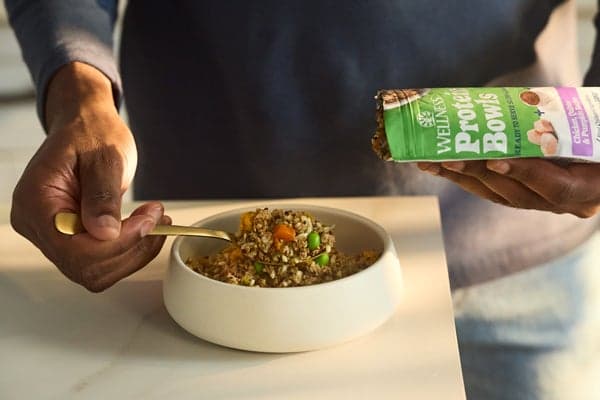
Wellness Protein Bowls launched in 2026 as a direct answer to the "fresh food but without the fridge" gap in the market. Each 6.2-ounce resealable pouch is a slow-cooked, AAFCO complete-and-balanced statement complete-and-balanced meal with real diced protein (chicken, beef, lamb, salmon, duck, or turkey depending on the recipe), whole grains, and recognizable vegetables. You can see every ingredient in the bowl.
Why it works for picky dogs: The aroma is strong, the texture is wet and meaty, and Wellness reports that 70%+ of pet parents in a 150-consumer test rated it superior to their dog's previous food, with 97% purchase intent afterward. That's unusual palatability data for any new launch.
What it costs: Mid-tier, roughly half the per-day cost of a fresh-food subscription, meaningfully more than kibble. Pouches are resealable and the unopened ones sit in your pantry, not the fridge.
Best for: Pet parents who want the fresh-food experience without the freezer commitment or subscription. If you're picky-dog-shopping and want to read more, we did a full review on why pet parents are switching to Wellness Protein Bowls.
2. Freshpet (refrigerated fresh, in the grocery aisle)
Freshpet is the refrigerated-fresh pioneer. You buy it in the grocery store's pet fridge, and it lives in your refrigerator at home. The food is genuinely fresh, lightly cooked, real ingredients, short ingredient lists.
Why it works for picky dogs: Moisture and fresh aroma. Dogs who won't touch kibble often eat Freshpet without hesitation.
What it costs: Comparable to mid-premium canned food per day, less than a fresh-food subscription.
Best for: Pet parents who don't mind dedicating fridge space and prefer to buy food in the same grocery trip as their own. See our full Freshpet review for recipe breakdowns.
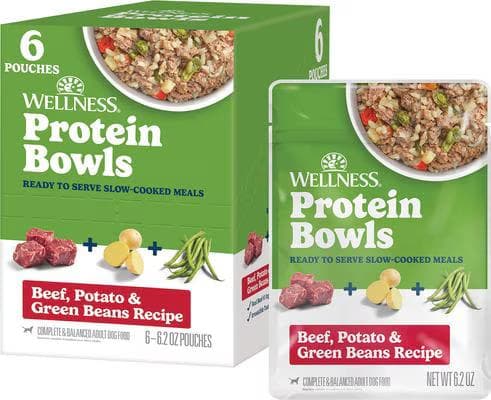
Case of six 6.2-oz pouches at $27.98 ($0.76/oz). New Autoship orders save 35%, dropping the first delivery to $18.19.
Petful may earn a commission when you click through to Chewy, at no extra cost to you.
3. The Farmer's Dog (subscription fresh, frozen)
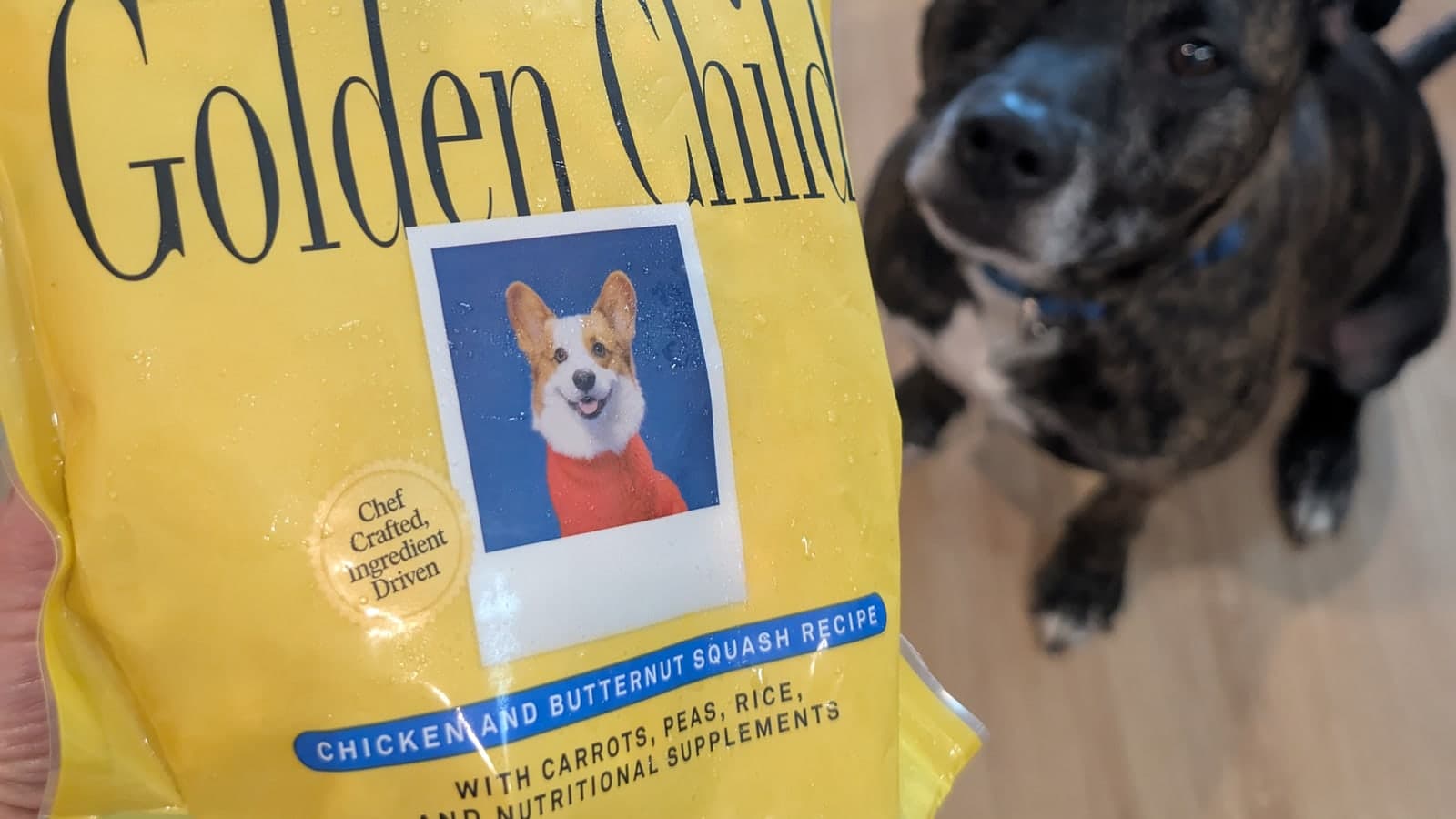
Case of six 6.2-oz pouches at $27.98 ($0.76/oz). New Autoship orders save 35%, dropping the first delivery to $18.19.
Petful may earn a commission when you click through to Chewy, at no extra cost to you.
The Farmer's Dog sends custom-portioned, gently-cooked meals to your freezer on a subscription schedule. Each meal is formulated for your specific dog based on age, weight, activity, and sensitivities.
Why it works for picky dogs: The palatability is the highest of anything in this list. We've heard from readers whose dogs went from kibble-skipping to bowl-licking on week one.
What it costs: Premium. Depending on dog size, The Farmer's Dog ranges from about $2–$7+ per day, for a medium-to-large dog, that's $80–$200+ a month.
Best for: Pet parents with the budget and freezer space who want the best possible palatability and haven't had luck with anything else. Skip if cost or freezer capacity is a problem.
4. Freeze-dried raw (Stella & Chewy's, Primal)
Freeze-dried raw is flash-frozen raw food with the moisture removed. Shelf-stable in the pantry. You can serve it dry, soak it in water, or crumble it over kibble as a premium topper.
Why it works for picky dogs: The aroma is intense, closer to jerky than any other dog food, and the format is novel enough to reset a bored dog's interest.
What it costs: Premium per day as a complete meal. Reasonable as a topper, which is how many pet parents use it.
Best for: Dogs who respond to strong flavors and pet parents comfortable with raw-style feeding. For seriously picky dogs who've rejected everything else, this is often the thing that finally lands.
5. Home-cooked with a vet-approved recipe
Home cooking works, but do not freelance this. Dog nutritional needs are meaningfully different from human nutritional needs, an improperly balanced home diet causes real harm over months, not days. If you're committed to cooking, work with a board-certified veterinary nutritionist (find one at ACVIM.org) who will design a balanced recipe for your dog specifically.
Why it works for picky dogs: You control every ingredient, and you can adjust until you find what your dog will eat.
What it costs: Varies wildly. The food itself is usually cheaper than premium commercial; the nutritionist consultation is a one-time few hundred dollars; your time is the real expense.
Best for: Pet parents who genuinely enjoy cooking, have a dog with specific sensitivities that commercial foods don't accommodate, or simply want the ultimate control.
How to transition without an upset stomach
Whichever alternative you pick, switch slowly. The most common reason a "better" food causes diarrhea is that the pet parent dumped the new food in 100% on day one. Your dog's gut bacteria need a week or two to adapt to new ingredients. A clean 7-to-10-day transition handles it for most dogs:
- Days 1–3: 75% current food, 25% new food
- Days 4–6: 50% / 50%
- Days 7–9: 25% current, 75% new
Single 6.2-oz pouch at $4.99 SRP. Mix-and-match any 3 flavors for $12 (about $4 each). Available in-store and online.
Petful may earn a commission when you click through to PetSmart, at no extra cost to you.
- Day 10+: 100% new food
If your dog has a sensitive stomach or has been on the same kibble for years, stretch this to 14 days. Watch for loose stool, gas, or reluctance to eat, small adjustments are normal, major upset means slow down. We have a more detailed transition guide if you want the week-by-week walkthrough.
When to call your vet
Most pickiness is a logistics problem you can solve at home. Some of it isn't. Loop in your vet if:
- Your adult dog skips food for more than 24 hours (more than 12 hours for a puppy)
- Pickiness is paired with any of: vomiting, diarrhea, lethargy, weight loss, excessive thirst, or changes in stool color
- Your dog is senior (7+) and the pickiness is new within the last few weeks
- Nothing on this list has worked after two to three weeks of honest trial
- Prefer to shop at Petco? The Wellness Protein Bowls 6.2 oz pouch (Beef, Potato and Green Beans recipe shown) is stocked online and in stores nationwide.
- You see any of the "pain" signs, pawing at the mouth, flinching when eating, taking food and dropping it, drooling excessively
Your vet can rule out dental disease, endocrine issues, and early organ disease, all of which show up as appetite loss before anything else.
Frequently Asked Questions
Is it okay if my dog skips a meal?
For a healthy adult dog, yes. Missing one meal is not a crisis, many dogs self-regulate and eat when they're hungry. If they skip more than 24 hours, or if they're a puppy, senior, diabetic, or pregnant, call your vet.
Can I just mix kibble with wet food permanently?
Yes, and many pet parents do. A kibble base with wet food or a fresh topper mixed in is a genuinely good diet. Just adjust kibble portions down so you don't overfeed, and make sure both parts are AAFCO complete-and-balanced if you're relying on them as a meal.
Is grain-free better for picky eaters?
Not automatically. Grain-free was marketed heavily as premium, but the FDA has been investigating a possible link between grain-free diets and a form of heart disease (DCM) in dogs. For most dogs, whole grains like rice, oats, and quinoa are beneficial. If your vet specifically recommended grain-free for your dog, follow that, otherwise, don't assume grain-free means better.
Will adding human food make my dog's pickiness worse?
It can, if you turn it into a reward for refusing their food. The fix is to offer toppers on the food, not as a bribe after they refuse. Mix it in so the dog can't separate the "good part" from the kibble base.
What if my dog is only picky about dry food?
Try a complete-and-balanced wet, fresh, or shelf-stable option. Some dogs have texture or mouth-feel preferences that kibble simply doesn't satisfy, especially older dogs and small breeds. It's not a character flaw; it's a real preference.
Bottom line
A picky dog who won't eat kibble is almost never a character problem, it's a logistics problem, a palatability problem, or (in a smaller but important number of cases) a medical problem. Rule out medical first, then try the quick, free fixes, then move to an alternative food if your dog has genuinely told you kibble isn't working.
For most households, the single highest-leverage change is switching from dry kibble to a wet or fresh format, whether that's shelf-stable pouches like Wellness Protein Bowls, refrigerated fresh like Freshpet, or a subscription like The Farmer's Dog. The right choice depends on your budget and kitchen logistics, not which one has the shiniest marketing.
And always transition slowly. Your dog's gut, and your kitchen floor, will thank you.
- If your adult dog skips food for more than 24 hours (or a puppy for more than 12), or pickiness is paired with vomiting, diarrhea, lethargy, weight loss, or drooling, loop in your vet before trying more food swaps. Appetite loss is often the first symptom of underlying illness.
| Option | Format | Approx. Cost/Day | Storage | Best For |
|---|---|---|---|---|
| Wellness Protein Bowls | Shelf-stable wet pouch | $2–$5 | Pantry (5 days after opening, refrigerated) | Fresh-style without the fridge or subscription |
| Freshpet | Refrigerated fresh | $4–$6 | Refrigerator | Shoppers already in the grocery aisle |
| The Farmer's Dog | Subscription frozen fresh | $5–$10+ | Freezer | Highest palatability, custom formulation |
| Stella & Chewy's Freeze-Dried | Shelf-stable freeze-dried raw | $6–$10 | Pantry | Dogs who respond to intense aroma; raw-adjacent feeders |
| Home-cooked (vet-formulated) | Fresh, prepared at home | Varies | Refrigerator/freezer | Highly committed pet parents; dogs with specific sensitivities |
For a healthy adult dog, yes, missing one meal isn't a crisis, and many dogs self-regulate. If they skip more than 24 hours, or if they're a puppy, senior, diabetic, or pregnant, call your vet.
Yes, and many pet parents do. A kibble base with wet food or a fresh topper mixed in is a genuinely good diet. Just adjust kibble portions down so you don't overfeed, and make sure both parts are AAFCO complete-and-balanced if you're relying on them as a meal.
Not automatically. Grain-free was marketed heavily as premium, but the FDA has been investigating a possible link between grain-free diets and a form of heart disease (DCM) in dogs. For most dogs, whole grains like rice, oats, and quinoa are beneficial. If your vet specifically recommended grain-free, follow that, otherwise, don't assume grain-free is better.
It can, if you turn it into a reward for refusing their food. The fix is to offer toppers on the food, not as a bribe after they refuse. Mix it in so the dog can't separate the good part from the kibble base.
Try a complete-and-balanced wet, fresh, or shelf-stable option. Some dogs have texture or mouth-feel preferences that kibble simply doesn't satisfy, especially older dogs and small breeds. It's a real preference, not a character flaw.
Sudden kibble refusal usually comes down to one of three things: the bag has gone stale (fats oxidize and the aroma deteriorates once opened), the manufacturer quietly reformulated the recipe, or your dog is signaling a medical issue, dental pain, nausea, or early illness. If a previously enthusiastic eater stops eating kibble, rule out health first with a vet visit, check the manufacture date on the bag, and try warming the food or rotating to a different protein within the same brand before assuming kibble is off the menu entirely.
No. Forcing food, by hand-feeding, syringe-feeding, or withholding alternatives for days, creates food aversion that's much harder to undo than pickiness. A healthy adult dog who skips a meal isn't in danger, but a dog who associates the bowl with stress learns to avoid it. Instead, rule out medical causes, try high-aroma alternatives, or switch formats entirely to a shelf-stable fresh or wet food. Force-feeding is only appropriate under direct veterinary guidance for medically ill dogs.
Veterinarian
At Petful®, founded by Pulitzer Prize–winning journalist and editor Dave Baker, we are on a mission to give our readers the best, most accurate information to help their pets live happier, healthier lives. Our team of expert writers includes veterinarians Dr. Debora Lichtenberg, VMD, and Dr. Pippa Elliott, BVMS, MRCVS, among others. Petful is also the leading independent source of U.S. pet food recall information on the web. Learn more about the amazing team behind Petful here: Meet the Team.
Veterinarian · BVMS, MRCVS
Dr. Pippa Elliott, BVMS, MRCVS, is a veterinarian with nearly 30 years of experience in companion animal practice. Dr. Elliott earned her Bachelor of Veterinary Medicine and Surgery from the University of Glasgow. She was also designated a Member of the Royal College of Veterinary Surgeons. Married with 2 grown-up kids, Dr. Elliott has a naughty Puggle named Poggle, 3 cats and a bearded dragon.
Sign up for expert-backed reviews and safety alerts all in one place.
A Final Word (Disclaimer)
At Petful, our review integrity is paramount; we never exchange special treatment in our reviews for monetary or material rewards.
Nonetheless, when our readers click through to online merchants (including Chewy or Amazon), we receive a referral commission. This supports the running of our free blog, and we appreciate your backing.