Healthy Dog Food: What to Look For
Knowing what healthy dog food is and how to determine the best one for your dog is what this article will discuss.

Many pet parents search for healthy dog food, but the term often gets lost behind grain-free labels, organic badges, and premium price tags that fail to reflect actual nutritional value. Marketing language, complicated ingredient lists, and constant trends create understandable confusion. For more, see Petful’s guide to aafco approved dog food.
This guide outlines what to look for in dog food using clear, veterinarian-backed criteria focused on digestible proteins, whole ingredients, balanced nutrients, and minimal processing. With straightforward explanations and real examples, this resource breaks down the essentials for identifying genuinely healthy nutrition for any pup.

Sign up for expert-backed reviews and safety alerts all in one place.
Start With Ingredient Quality (The Foundation of Healthy Nutrition)
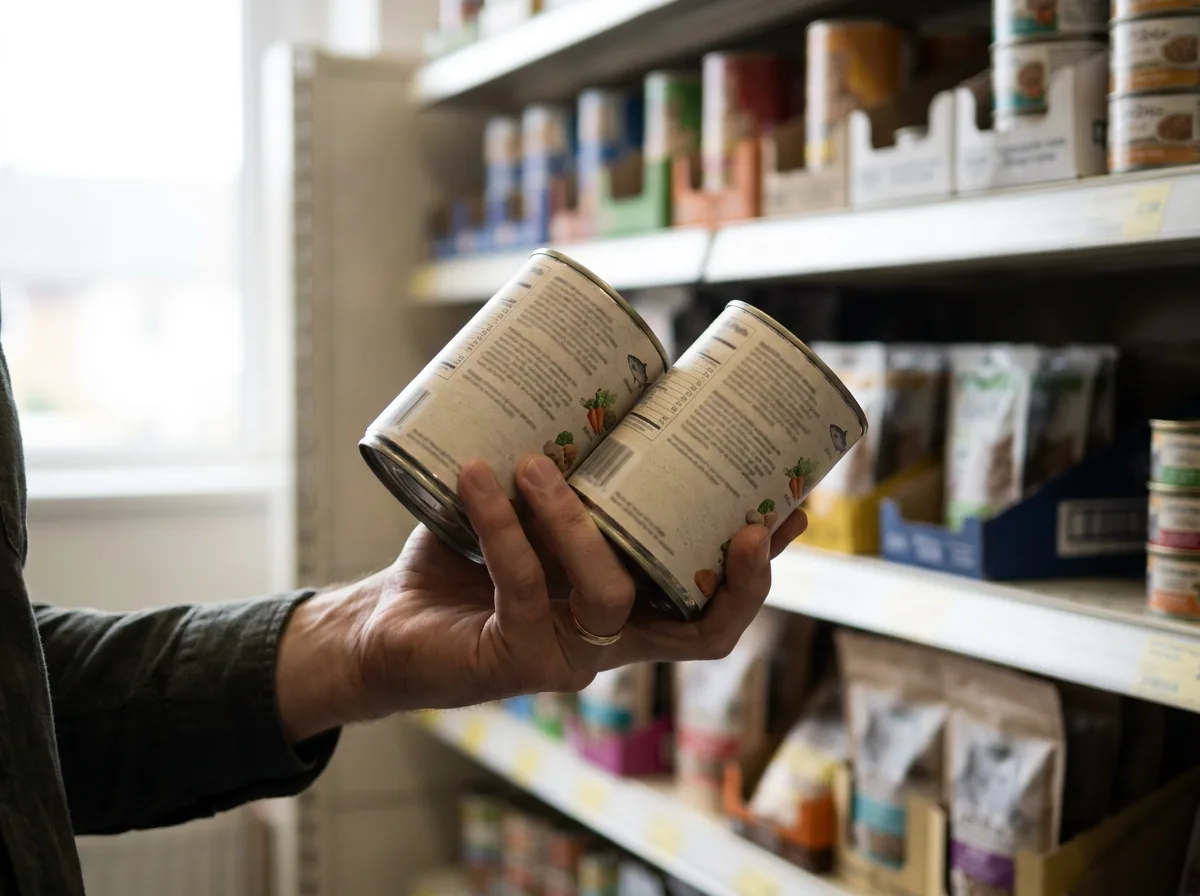
Identifying what to look for in dog food starts with ingredient quality, the most reliable indicator of truly healthy dog food. The key indicators of high-quality ingredients are explained below.
- Named animal proteins: Chicken, turkey, beef, salmon, or lamb are listed clearly at the top of the label.
- Simple vegetables: Carrots, sweet potatoes, lentils, peas, and other recognizable foods that supply natural vitamins and fiber.
- Whole-food integrity: Ingredients are kept as close to their original form as possible for better digestibility.
- Avoidance of vague terms: “Meat meal,” “animal fat,” or unidentified by-products creates uncertainty about sourcing and quality.
- Use of real foods: Fresh formulas such as The Farmer’s Dog rely on whole meats and veggies, reflecting core principles that define genuinely healthy formulations.
Choose Digestible, Animal-Based Proteins
A core feature of healthy dog food is the use of digestible animal-based proteins that support muscle maintenance, immune function, and overall metabolic health. Dogs thrive on clearly named proteins such as chicken, turkey, beef, salmon, and lamb, while novel options like duck or venison support pups with specific sensitivities.
Low-quality or heavily rendered protein sources create unnecessary digestive stress and increase the risk of inflammation. Gently cooked proteins found in fresh diets offer higher bioavailability, reinforcing essential criteria for evaluating protein quality in dog food.
Learn More About The Farmer's DogLook for Balanced Carbohydrates and Supportive Fiber
Balanced, whole-food carbohydrates strengthen the foundation of healthy dog food by supplying steady energy and essential digestive support.
- Sweet potatoes: Provide fiber-rich, easily digested carbohydrates that promote gut health and align with core standards for what to look for in dog food.
- Lentils: Offer plant-based protein, steady energy, and valuable prebiotic fiber that supports balanced digestion.
- Oats and barley: Supply complex carbohydrates that help maintain digestive regularity and overall nutrient stability.
- Pumpkin: Delivers soluble fiber that supports firm stools and a healthy microbiome.
- Avoid fillers: Corn gluten meal, wheat middlings, and similar ultra-processed ingredients weaken nutritional integrity.
- Whole-food examples: Fresh formulations such as The Farmer’s Dog rely on simple, whole carbs to reinforce gentle digestion and consistent energy.
Prioritize Healthy Fats That Support Skin, Coat, and Brain Health
Healthy fats are essential in healthy dog food, supporting skin integrity, coat quality, and cognitive function. Omega-3s help lower inflammation and enhance the skin barrier, resulting in a softer, shinier coat. Avoid high-fat formulas that create digestive stress for many dogs, so balanced fat levels remain a key part of what to look for in dog food unless a veterinarian directs otherwise.
- Salmon oil: Supplies EPA and DHA for reliable anti-inflammatory support and improved coat texture.
- Chicken fat: Provides a digestible, energy-dense fat source that supports steady metabolism.
- Sardine oil: Offers concentrated marine omega-3s that reinforce skin hydration.
- Flaxseed: Delivers plant-based omega-3s that support skin balance and digestive harmony.
- DHA: Strengthens brain development and long-term cognitive function.
Fresh diets rely on minimally processed fats that better support overall wellness.

Aim for Minimal Processing (A Major Indicator of “Healthy”)
Processing level serves as a critical marker of healthy dog food because it directly affects nutrient retention and digestibility. Traditional kibble undergoes extrusion at very high temperatures, a method that reduces natural vitamin and amino acid content and creates a drier, less nutrient-dense final product. Minimally processed diets preserve more of each ingredient’s original nutritional value, offering a fresher profile that supports steady digestion.
Gently cooked options such as The Farmer’s Dog maintain moisture, preserve ingredient integrity, and align with core standards for what to look for in dog food. This does not mean that kibble is "bad" as a practical choice, but the level of processing is an essential factor to consider. There is more on this in Petful’s guide to is kibble bad for dogs.
Confirm Nutritional Balance (AAFCO Is a Must)
A core requirement of healthy dog food is documented nutritional balance, verified through AAFCO standards that ensure each recipe supports complete daily requirements. Foods labeled “complete and balanced” achieve this through feeding trials or precise nutrient formulation, both of which confirm suitability for long-term feeding.
Pet parents checking what to look for in dog food rely on this statement as an essential indicator of nutritional adequacy. Fresh-food companies typically publicly disclose their AAFCO compliance, reinforcing transparency and nutritional reliability.
Look for Transparency and Safety Standards
Strong transparency and rigorous safety practices are critical to healthy dog food, offering clarity about ingredient quality, manufacturing practices, and long-term reliability. Pet parents evaluating what to look for in dog food benefit from brands that openly share key transparency indicators, as discussed below.
- Ingredient sourcing: Clear identification of meat, vegetable, and fat sources for quality control.
- Kitchen or manufacturing locations: Publicly listed facilities with verified safety oversight. USDA-inspected kitchens, such as The Farmer’s Dog, follow human-grade safety protocols that reinforce trust and consistency.
- Safety testing: Routine microbial testing and nutrient verification to ensure product integrity.
- Recall history: Accessible records for accountability, supported by reliable monitoring tools such as PetRecalls.com.
Consider Whether Fresh or Gently Cooked Food Is Right for Your Dog
Fresh or gently cooked diets offer a practical path toward healthy dog food, providing higher moisture levels of around 70-75%, stronger digestibility, and whole ingredients that support steady energy and consistent stool quality.
Many pet parents report noticeable improvements after transitioning to these minimally processed meals, especially when selecting human-grade options such as The Farmer’s Dog, which aligns closely with essential standards for dog food. Frozen, refrigerated, and freeze-dried formats are minimally processed choices that offer balanced nutrition with different moisture levels and convenience for pet parents.
Healthy Dog Food: What to Avoid
Identifying low-quality ingredients strengthens the evaluation process for healthy dog food and reinforces core standards for what to look for in dog food.
- Artificial colors: Additives with no nutritional value that create unnecessary chemical exposure.
- Chemical preservatives (BHA, BHT): Synthetic compounds cause long-term health issues. Choose dog food preserved with natural alternatives.
- Unnamed meats: vague terms like “animal fat” or “meat meal” that compromise ingredient reliability. Choose foods with specific protein sources.
- Heavy fillers: Low-value ingredients that weaken nutrient density and disrupt digestive balance.
- No sourcing transparency: Brands that fail to disclose origins or manufacturing details, unlike transparent options.
Final Thoughts: Building a Long-Term Healthy Diet for Your Dog
Long-term nutrition depends on digestibility, balanced nutrients, whole ingredients, and strong safety standards rather than buzzwords or price tags, forming the proper foundation of healthy dog food. Fresh or gently cooked diets, such as The Farmer’s Dog, offer a reliable model for pets that thrive on minimally processed meals built around real proteins and simple vegetables.
The most important factor involves selecting a diet that supports steady digestion, consistent energy, and overall wellness. Gradual transitions and veterinary guidance reinforce success and strengthen confidence in identifying what to look for in dog food over a pet’s lifetime. FAQs
A healthy dog food contains high-quality, clearly named proteins, whole ingredients, balanced nutrients, and minimal processing. It must be AAFCO-compliant and adhere to transparent sourcing and safety standards.
Fresh food is often easier to digest because it is cooked gently and has a higher moisture content. While both options can be healthy, many dogs benefit from minimally processed diets like The Farmer’s Dog.
Prioritize whole proteins, fresh vegetables, healthy fats, and easily digestible carbohydrates. Steer clear of artificial additives, fillers, and unknown meat ingredients.
Not necessarily. Most dogs thrive on healthy, whole grains. Grain-free diets are beneficial only for dogs with specific grain sensitivities.
Look for an AAFCO “complete and balanced” statement. If in doubt, consult your veterinarian, especially for puppies or dogs with medical conditions.
Feature photo: cottonbro studio/Pexels
Second photo: Magda Ehlers/Pexels A Final Word (Disclaimer)
At Petful, our review integrity is paramount; we never exchange special treatment in our reviews for monetary or material rewards.
Nonetheless, when our readers click through to online merchants (including Chewy or Amazon), we receive a referral commission. This supports the running of our free blog, and we appreciate your backing.
For additional information, kindly refer to our Disclaimer and Discourse Section.

DVM
Athena Gaffud, DVM, is a board-certified veterinarian and writer based in the Cagayan Valley of the northern Philippines. She runs the website countryvetmom.com Dr. Gaffud earned her Doctor of Veterinary Medicine degree from the University of the Philippines Los Baños in 2011, ranking in the top 10 and receiving the Best Undergraduate Thesis Award in Large Animals. With over a decade of experience, she has worked as a researcher, a practitioner for small and large animals, and in veterinary technical sales, marketing, and pet insurance. A published author, Dr. Gaffud promotes responsible pet ownership and combats misinformation on animal care through her platforms, including the DocAthena Facebook Page and DocAthena YouTube channel. She is a writer and editor for various pet-related websites such as Total Vet, Honest Paws, PangoVet, Dogster, Catster, My Best PH, Paw Origins, Bully Max, Not a Bully, Paws and Claws CBD, many others. She was also cited in different pet-related media articles such as The Dog People, USA Today, Newsweek, New York Post, Reader’s Digest, Smithsonian Magazine, Woman’s World, Dog Time, Patch, Kinship, Martha Stewart, and many others. Moreover, she is also a published fiction author on Kindle.
Sign up for expert-backed reviews and safety alerts all in one place.