Yorkie Haircuts: Styles, Grooming, and What to Ask For
Compare practical Yorkie haircut styles, choose a coat length you can maintain, and take a clear plan for body length, face shape, ears, and upkeep to your groomer.
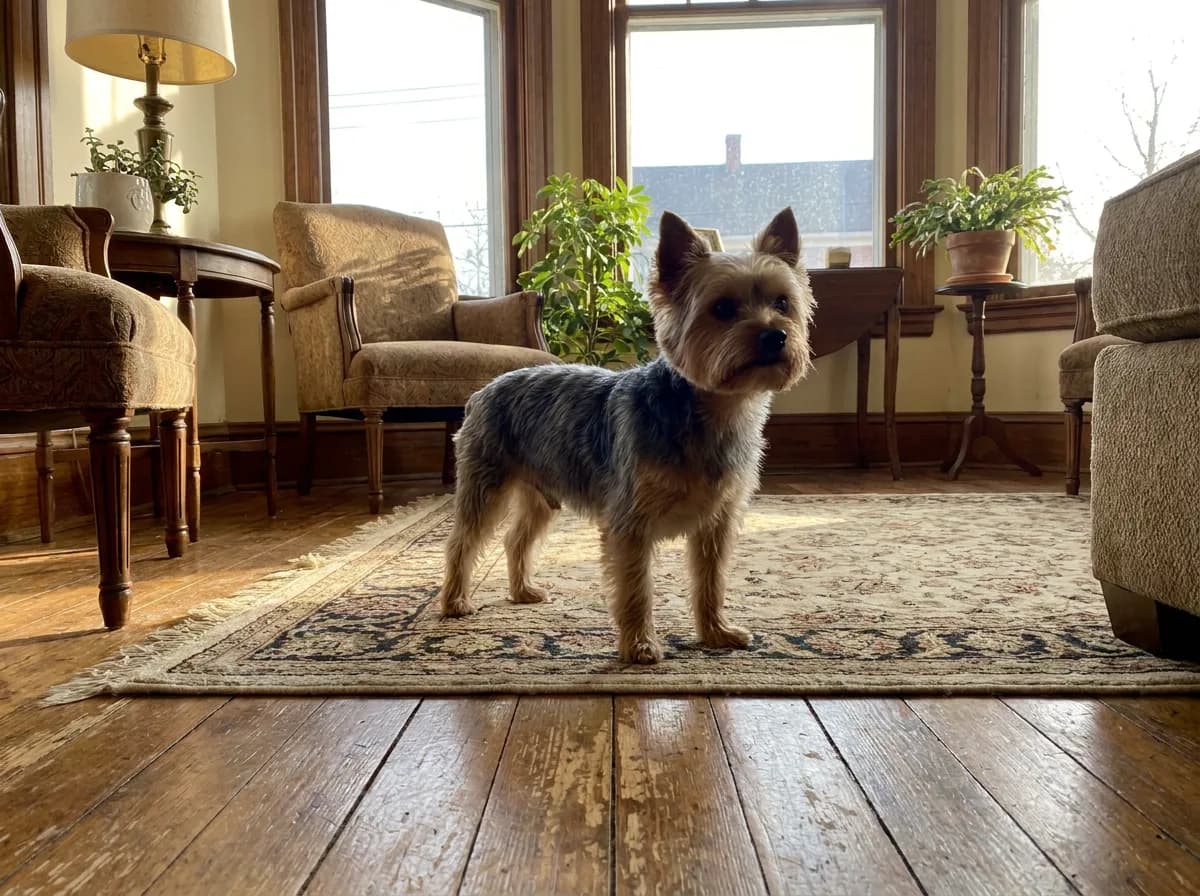
A tidy body coat and fuller face provide a useful starting point for discussing a preferred trim.
Petful is reader supported. As an affiliate of platforms like Amazon and Chewy, we may earn a commission when you buy through links on this page. There is no extra cost to you.
The best Yorkie haircuts fit both the dog's coat and the amount of brushing you can keep up with. An even puppy cut is a practical starting point, a teddy bear face keeps the expression soft, and a long show coat needs much more daily attention. None of those names tells a groomer exactly how long to leave every part of your dog.
Use the styles below to choose a direction, then agree on body length, face shape, ears, and upkeep before the appointment. A comfortable dog with a coat you can maintain is the goal.

Sign up for expert-backed reviews and safety alerts all in one place.
Which Yorkie haircut fits your routine?
For many pet Yorkies, the best haircut is a manageable puppy trim with a tidy face. It leaves enough hair for a soft finish while making everyday coat checks easier. If you enjoy daily brushing and keeping a topknot clean and loose, a longer coat may suit you. A dog with tightly matted hair needs a comfort-first assessment before any style is chosen.
Petful may earn a commission when you click through to Chewy, at no extra cost to you.
- 1Choose the coat length you can maintain between appointments.
- 2Show your groomer a reference photo and agree on body length and face shape.
- 3A puppy cut describes a style, not the age of the dog.
Different types of Yorkie haircuts can share individual styling choices. The same dog can wear a short body with a rounded face, a longer body with a topknot, or another combination. Male and female Yorkies can wear the same styles. Coat texture, tangles, tolerance of grooming, and your preferences matter more than a boy-or-girl label.
| Style | What you will see | Main upkeep decision |
|---|---|---|
| Puppy cut | Fairly even body and leg length | Choose how much daily combing you can manage |
| Teddy bear finish | Rounded face with a soft outline | Keep muzzle and eye-area hair clean and tangle-free |
| Short kennel trim | Shorter body and legs with a neat face | Continue brushing and skin checks despite less hair |
| Long or show coat | Straight flowing coat and a managed topknot | Commit to careful daily coat care |
| Schnauzer-inspired trim | Shorter back with longer beard and furnishings | Comb the longer sections and keep the beard clean |
The photographs illustrate finishes to discuss, not a guarantee that your dog will look identical. Hair texture and density change the outline. Before choosing a picture because it looks cute, identify the part you like: the round face, shorter legs, open eyes, or long skirt. That gives your groomer something specific to work toward.
The puppy cut: an even everyday trim
A Yorkie puppy cut generally means a fairly even pet trim over the body, with the face and feet tidied to suit the dog. The exact length varies between salons. Ask to see the length the groomer means rather than assuming that “puppy cut” always means one inch or one clipper attachment.
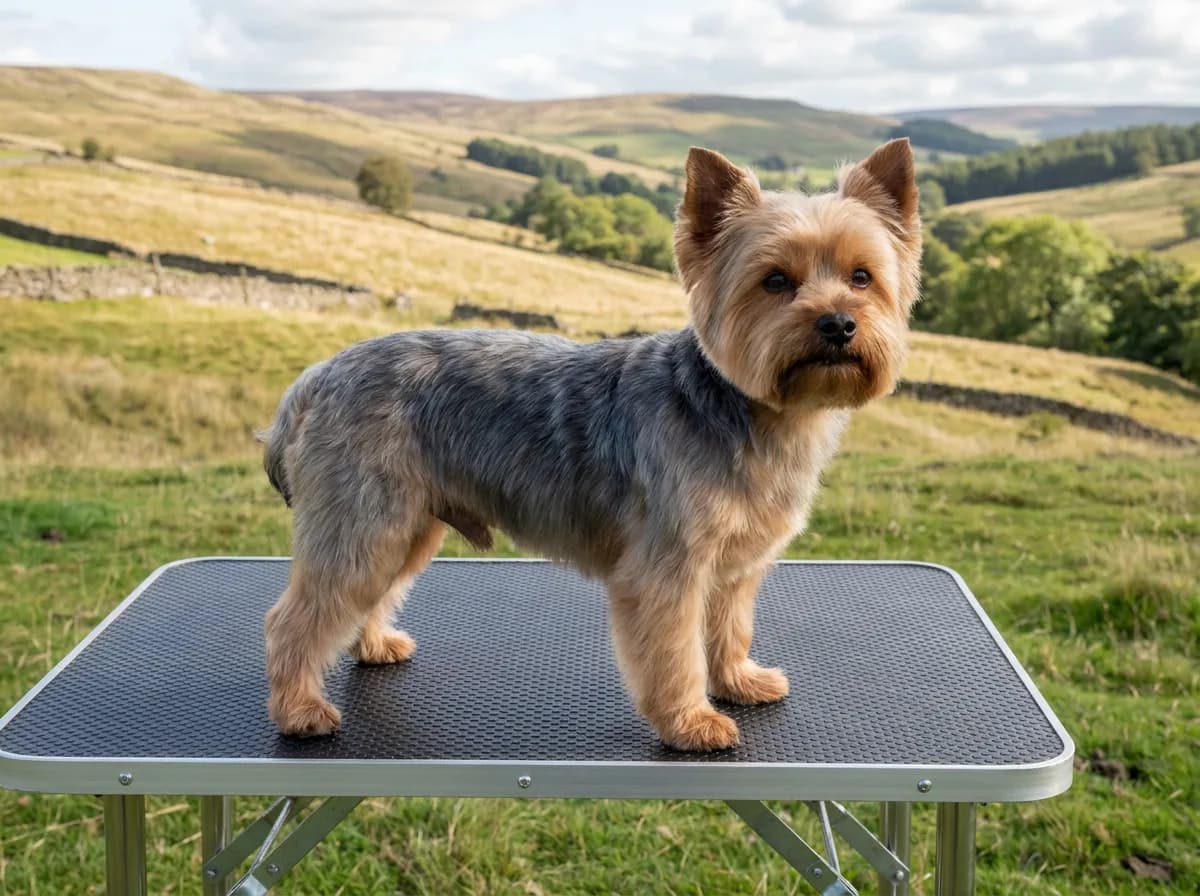
This style works well when you want a recognizable Yorkie outline without hair reaching the floor. It can be softer and longer or more practical and short. A puppy haircut can also be appropriate for an adult or senior dog; the name does not require puppy coat texture.
When discussing the trim, decide:
- Whether body and legs should look approximately the same length.
- Whether you want a round face or a tidier, narrower muzzle.
- Whether the ears should look closely edged or keep some fringe.
- Whether you want to keep growing a topknot.
If the coat is currently tangled, ask which of those choices is realistic today. Preserving extra length is worthwhile only when it can be done comfortably. You can plan a longer style for a later visit after establishing a manageable brushing routine.
The teddy bear cut and a softer face
A Yorkie teddy bear cut usually emphasizes a rounded face and a soft overall outline. It is often paired with a puppy-style body trim, which is why photographs labeled “puppy cut” and “teddy bear cut” can look similar. The useful distinction is the rounded face shape, not an official breed-standard haircut.
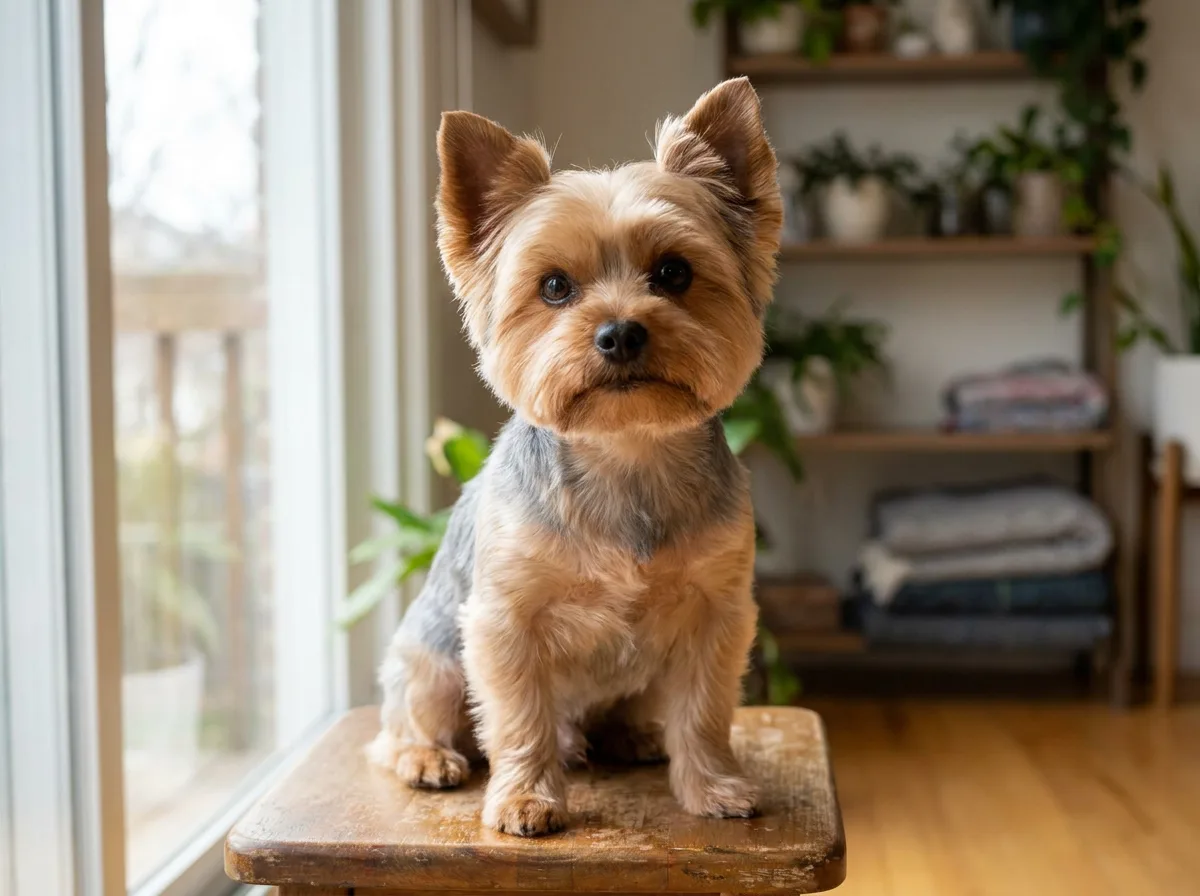
Ask the groomer to keep the eyes clearly visible and the muzzle easy to clean. A fuller face needs regular combing because food, water, and rubbing can disturb the hair. Choose a shorter muzzle finish if maintaining a long beard has become uncomfortable for the dog or difficult for you.
Petful may earn a commission when you click through to Chewy, at no extra cost to you.
Floppy ears, upright ears, and the amount of natural fringe also affect the result. A haircut does not guarantee a change in ear carriage. Show the groomer which ear finish you like without asking them to make your dog's anatomy match another dog's photograph.
“Traditional teddy bear,” “female teddy bear,” and similar labels may describe a salon's version of this same idea. Bring one clear picture and describe the features you want. That is more useful than collecting several names that mean different things to different groomers.
Short Yorkie haircuts and the kennel cut
A short kennel trim reduces the amount of hair on the body and legs. It can suit an active dog who picks up debris or an owner who wants less daily coat work. Short Yorkie haircuts still need brushing, skin checks, and attention around the face, feet, and sanitary area.
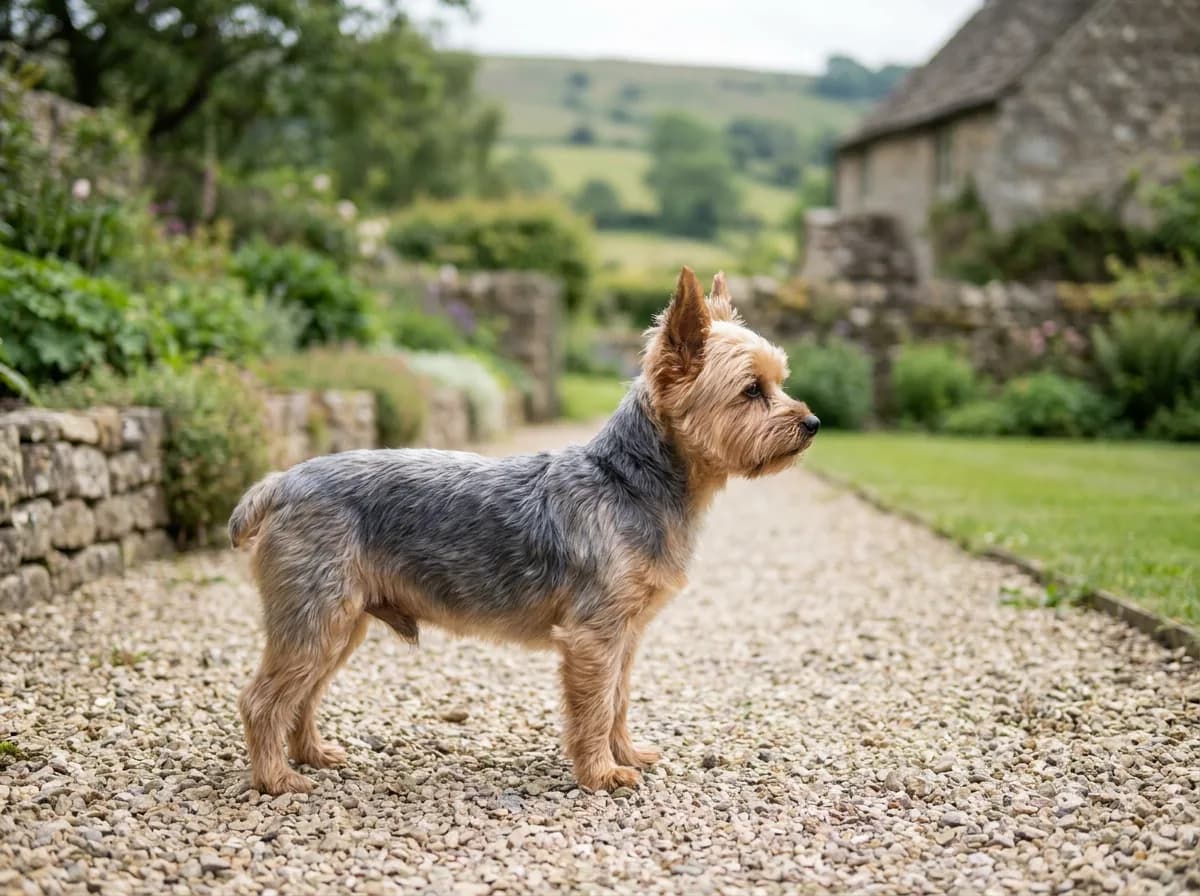
For a summer cut, agree on a comfortable short length rather than requesting the closest possible shave. Coat length is only one part of keeping a dog comfortable in warm weather. Shade, water, appropriate walking times, and avoiding overheated spaces still matter. Exposed skin is not a useful haircut goal.
If you are considering shaving a Yorkie because of mats, let the groomer assess where the coat can be safely clipped. Do not insist on a particular blade or length from an online tutorial. The condition of the coat and skin determines what can be done without pulling or injury.
For winter, you can choose to leave more coat if you can maintain it. A longer coat that repeatedly tangles is not automatically the kinder choice. Discuss comfort, indoor conditions, walks, and the individual dog's needs when deciding how short to go.
Long coats, topknots, and the show trim
A long-haired Yorkie has a straight, flowing silhouette that differs markedly from a short pet trim. The formal show presentation follows the breed standard, while a pet owner can choose a shorter version that keeps the general look without hair dragging along the ground.
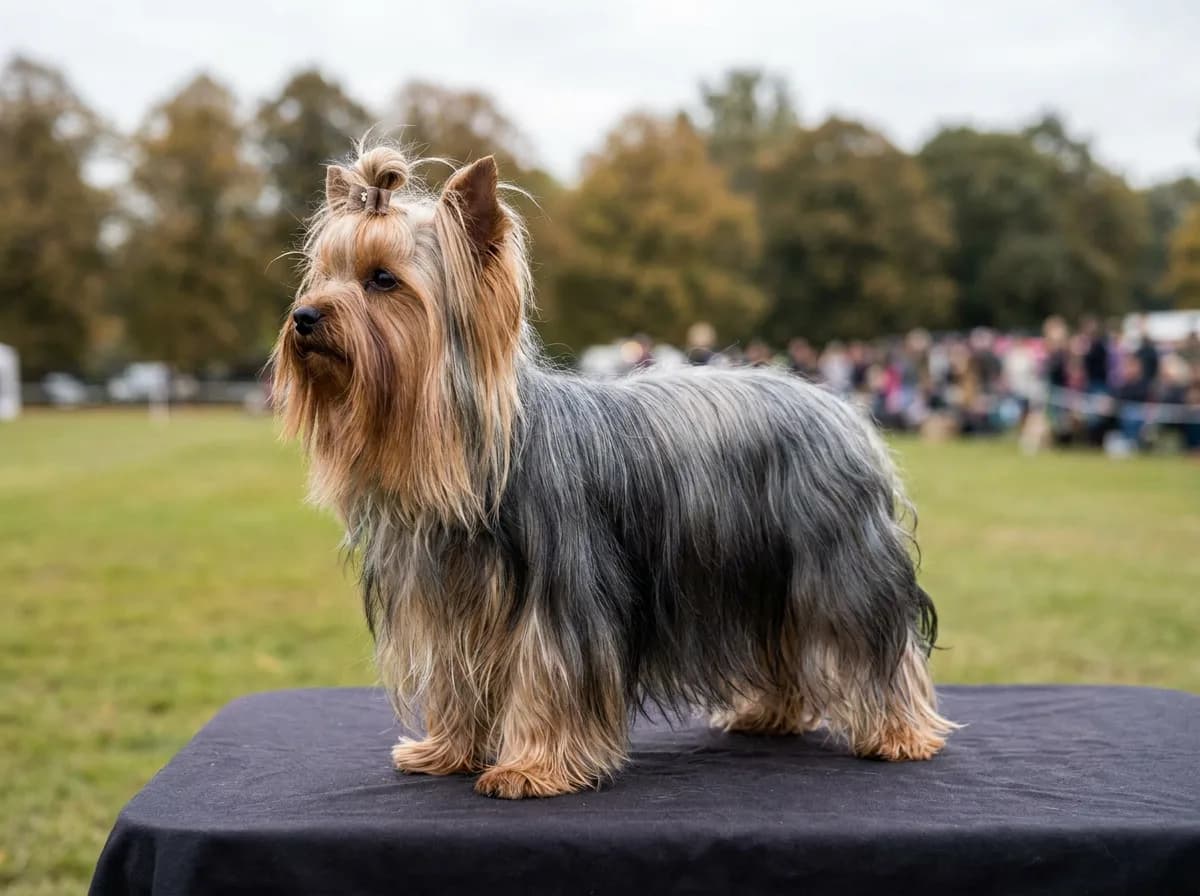
The Yorkshire Terrier Club of America's coat guidance explains that individual Yorkies may have different textures. Softer coats can tangle readily. A photograph of a smooth show coat does not establish that another dog's coat will behave the same way as it grows.
Long-coat maintenance and topknot care include checking for tangles beneath the surface, keeping hair out of the eyes, and removing a bow or other accessory before it becomes tight or tangled. Ask a groomer to show you how to manage a topknot without pulling the skin. If your dog repeatedly rubs at it or objects, reconsider the finish.
Petful may earn a commission when you click through to Chewy, at no extra cost to you.
Growing the coat is a commitment you make between salon appointments. Try maintaining a moderate length successfully before choosing the longest version. This gives you a chance to learn which areas tangle and how much time the routine actually takes in your home.
Schnauzer-inspired and other shaped trims
A schnauzer-inspired Yorkie trim uses a shorter back with more length on parts of the face and legs. The beard and leg furnishings create a different outline from an even puppy cut. The dog remains a Yorkshire Terrier; the haircut does not say anything about its ancestry.
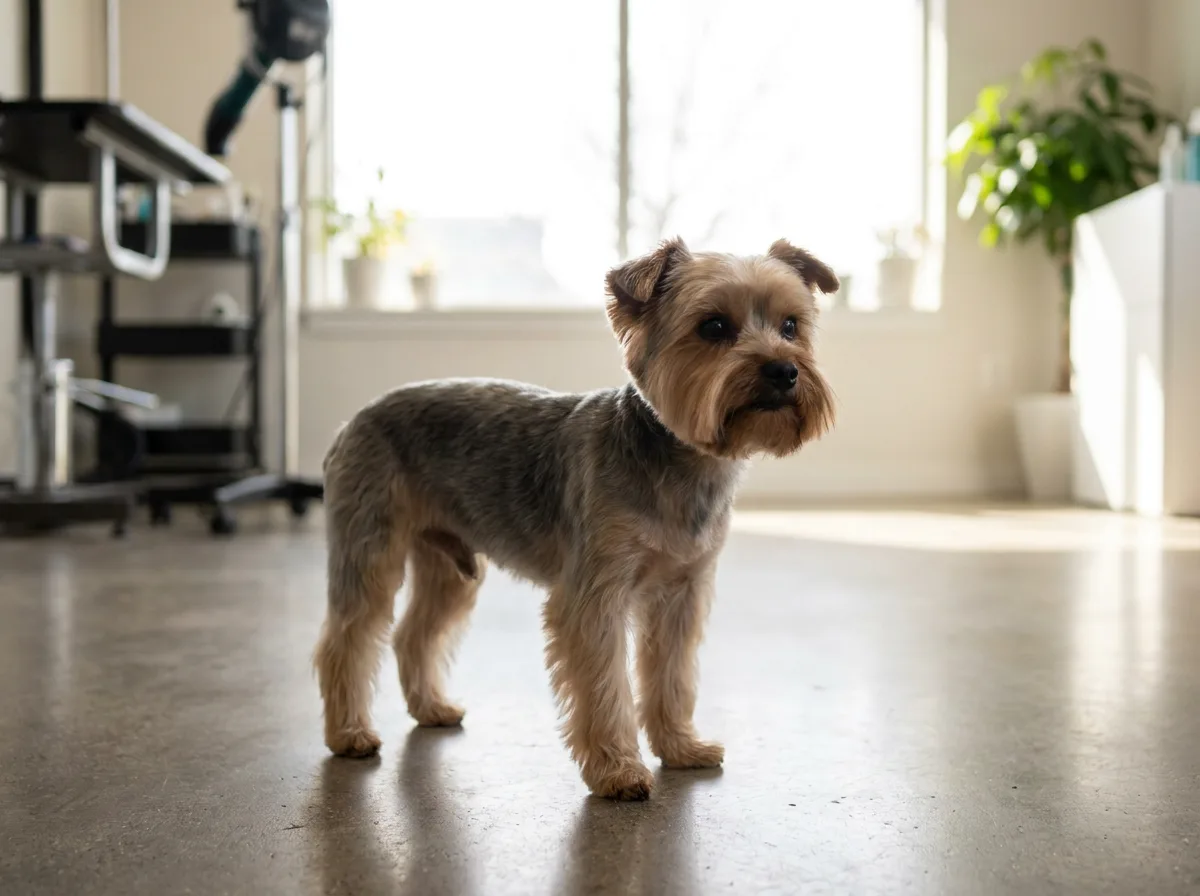
Shaped trims can be useful compromises when you like some longer hair but want the body easier to maintain. The tradeoff is that those longer sections still need combing. Pay particular attention to the beard after meals and to leg hair after wet or muddy walks.
A skirt, a squared outline, or a more rounded head are additional styling choices. Ask which details your groomer can reproduce on your dog's actual coat. There is no need to choose an elaborate trim if the maintenance would be frustrating. A well-kept simple haircut is a successful result.
Grooming between appointments
The AKC's Yorkie grooming guidance recommends regular brushing and describes professional trims roughly every four to six weeks. Treat that as a starting discussion with your groomer. Coat length, texture, growth, and skin needs can change the appropriate schedule.
Yorkies shed relatively little, but loose hair can remain in the coat and contribute to tangles. Low shedding is a reason to keep brushing and combing, not a reason to skip them.
The Yorkie breed standard describes a straight, silky coat. If your Yorkie has curly hair or a softer, woollier texture, show the groomer the actual coat before choosing a photograph to copy. A trim can change length and outline, but it cannot make every coat fall the same way. The parent club's coat description provides useful context.
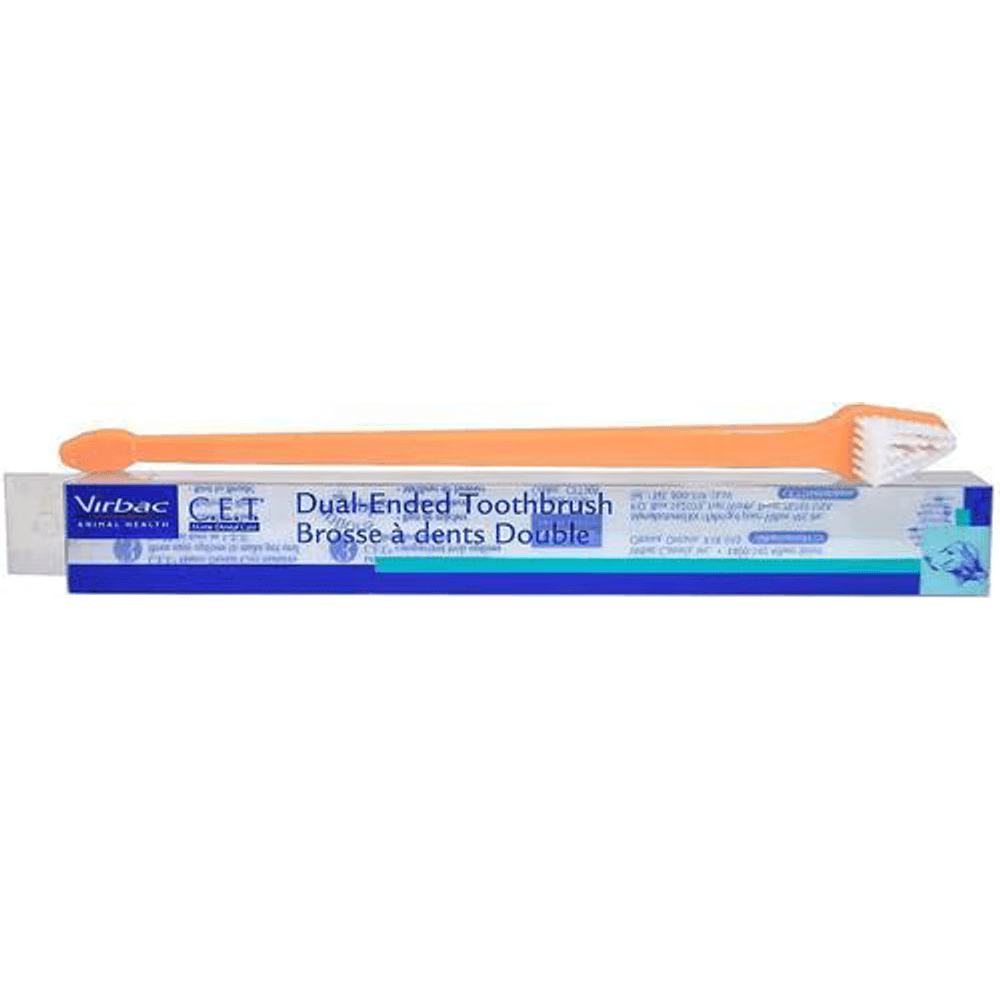
A dual-ended toothbrush with a large and a small head to fit different mouth sizes and reach the back molars where plaque hides. Soft bristles angled for the gumline.
Petful may earn a commission when you click through to Chewy, at no extra cost to you.
Brush and comb checks
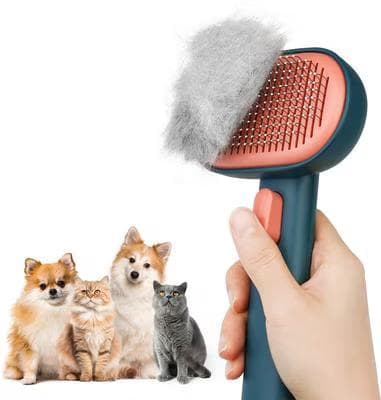
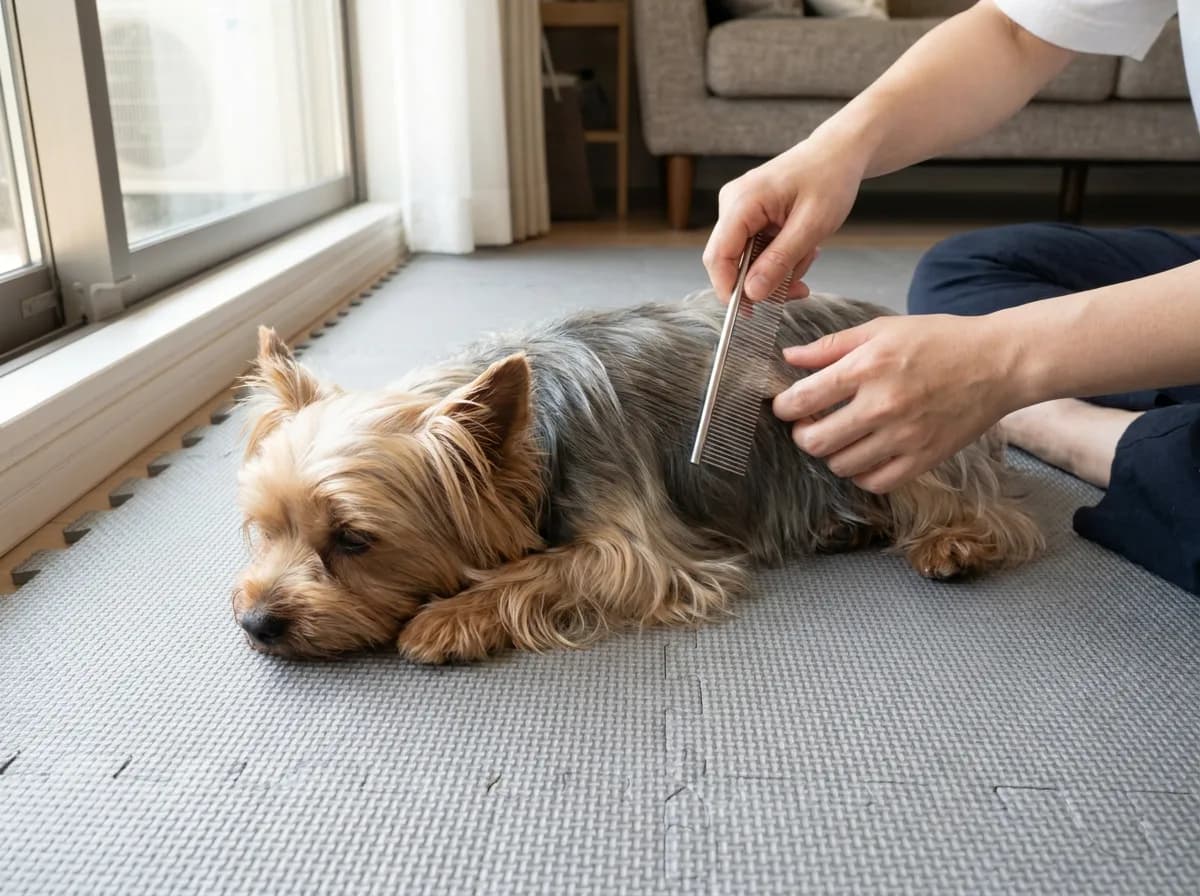
A pin brush and a metal comb are useful basic tools for a silky coat. An aumuca self-cleaning slicker brush is another option to discuss with your groomer for suitable areas. Use light pressure and stop if the dog seems uncomfortable. A slicker does not replace checking through the coat with a comb.
Work in small sections and check friction areas such as behind the ears, under the legs, and where walking equipment rests. If the brush passes over the top but a comb catches underneath, the area needs attention. Do not keep dragging a tool through the same snag.
- Tight matting can hide skin. Do not cut into it with scissors or keep pulling. Ask a professional groomer to assess it; inflamed, painful, or injured skin needs veterinary advice.
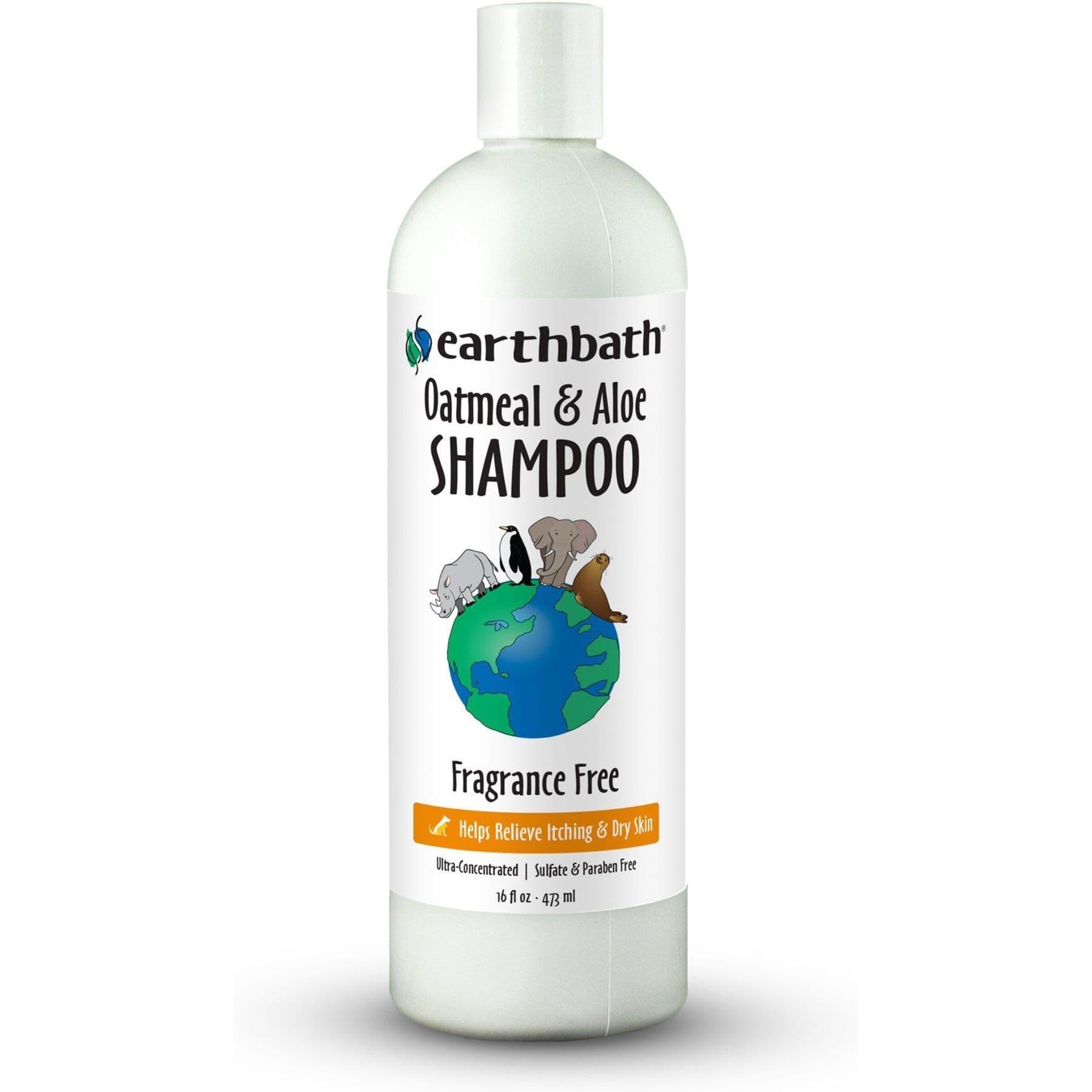
For baths, choose a dog shampoo appropriate for the coat and the dog's skin. Earthbath fragrance-free oatmeal and aloe shampoo is one existing option. Follow its directions, rinse thoroughly, and ask about a compatible conditioner if your groomer recommends one. Shampoo selection is not a treatment plan for an unexplained skin problem.
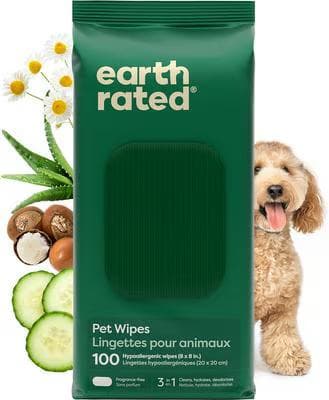
For ordinary dirt on paws or body between baths, Earth Rated unscented grooming wipes can be convenient. Follow the label and keep them away from eyes. Wipes do not remove mats or replace a bath when one is needed.
Grooming also includes mouth care. The smaller end of a Virbac C.E.T. dual-ended toothbrush may be useful if it fits your dog's mouth comfortably. Pair it with dog toothpaste and gradual handling. WebVet's guide to brushing a dog's teeth explains how to introduce the routine.
Your puppy’s first grooming visit
Start with comfortable handling at home: a brief touch to a paw, a gentle brush stroke, and a reward. Keep sessions short enough that the puppy can stay relaxed. Holding a frightened puppy still for a complete haircut is not a good substitute for learning to tolerate the process.
The AKC's first-year Yorkie timeline discusses an introductory grooming appointment around 16 to 20 weeks, with vaccination status considered. Your veterinarian and groomer should agree on timing for your puppy and the salon's requirements. The first visit may be a bath, nails, and a small tidy rather than a complete style transformation.
Tell the groomer about handling sensitivities and keep expectations modest. An easier first experience gives you a better foundation for the many appointments that follow. Ask what to practice before the next visit and which coat areas need the most attention as the puppy grows.
What to tell the groomer
A groomed Yorkie should look clean and comfortable, with a finish that suits the coat and lets the dog see and move freely. It may have a long topknot, a rounded face, or a short practical trim. “Groomed” does not mean every Yorkie should look alike.
Use this four-part salon brief:
- Body length: show the length you want kept on the body and legs; confirm whether the coat condition permits it.
- Face shape: describe rounded, narrow, or bearded, and ask how the eyes and mouth will be kept clear.
- Ear finish: choose neat edges or some fringe while respecting the dog's natural ear shape.
- Home-care commitment: say how often you can realistically brush and which areas have been difficult.
Then ask what might change the plan: mats, skin sensitivity, fatigue, or a dog who needs breaks. If extra work may change the price, agree on how the salon will contact you. At pickup, take a simple photo of the finished trim for next time and ask which details the groomer recorded.
Budget for the coat you choose
Yorkie puppies' price is only the initial expense; grooming continues throughout ownership. Ask for a quote for your dog's actual coat, requested trim, and behavior needs. Compare the visit interval as well as the price of one appointment. A lower quote can cost more annually if it requires more frequent visits.
Our Yorkie price and ownership-cost guide separates the acquisition payment, recurring supplies, professional grooming, and veterinary planning. Use the grooming quote you obtain rather than assuming that a general breed-cost estimate applies to your salon.
What the breed guide can help you decide
Haircuts can change a Yorkie's outline, but they do not change adult size, temperament, or the dog's individual care needs. Labels such as mini, toy, teacup, white, or parti should not be used as instructions for a different grooming standard. Choose the trim for the actual coat in front of you.
Our Yorkshire Terrier breed profile covers size, temperament, puppies, lifespan, care and household fit. For a Poodle mix, use the Yorkipoo guide because coat texture may differ.
Food choices are a separate care decision
For diet or a particular food formulation, use the established dog food for Yorkies guide. Food selection is a separate decision from which haircut suits your dog's coat and routine.

Coreen Saito is a pet writer and longtime shelter volunteer with more than a decade in animal rescue. She covers cat behavior, breed care, and the small, ordinary science of sharing a life with companion animals, with a particular focus on honest takes about the products and decisions that actually matter. At home in Arizona, she's outranked by Mac (a dog with the loudest opinion in the house), Rebel (a cat who governs by quiet authority), and Meri (an orange tabby who runs the late shift and the laundry basket). She writes about all three, plus the rescues that keep coming through her life, at LifeWithMinty.com.
Sign up for expert-backed reviews and safety alerts all in one place.