Best Dog Food for Yorkies: What to Look For
Choose Yorkie food by life stage, calories, bite size, dental needs, digestion, and a measured portion for the exact recipe.
Petful is reader supported. As an affiliate of platforms like Amazon and Chewy, we may earn a commission when you buy through links on this page. There is no extra cost to you.
This article is sponsored by JustFoodForDogs. Petful maintains editorial control over its educational content and may earn a commission from qualifying purchases, at no extra cost to you.
The best dog food for Yorkies is complete and balanced for the individual dog’s life stage, fits a toy-breed calorie budget, and comes in a form the dog can comfortably eat. It should also make portion control easy, because a few uncounted bites can represent a meaningful share of a Yorkshire Terrier’s daily calories.
Breed is only the starting point. A Yorkie puppy, a healthy adult, an athletic young dog, and a senior with dental or medical needs may require very different calorie targets, textures, and feeding schedules. Petful's Yorkshire Terrier profile adds breed background, while veterinary guidance should shape the food plan when a dog is underweight, overweight, losing muscle, refusing meals, or managing a health condition. For a dog rebuilding weight after illness or surgery, high-calorie recovery feeding is its own plan.
Look beyond “small breed” on the label. Check nutritional adequacy, calories per serving, texture, ingredient tolerance, and the dog’s body condition, and measure the portion for the exact recipe.

Sign up for expert-backed reviews and safety alerts all in one place.
What to look for in dog food for Yorkies
Every main diet should carry a nutritional-adequacy statement for the dog’s life stage. “All life stages,” “adult maintenance,” and growth claims are not interchangeable. Puppies need a food formulated for growth; adults need an appropriate maintenance diet; pregnant or nursing dogs and dogs with medical conditions need individualized guidance.
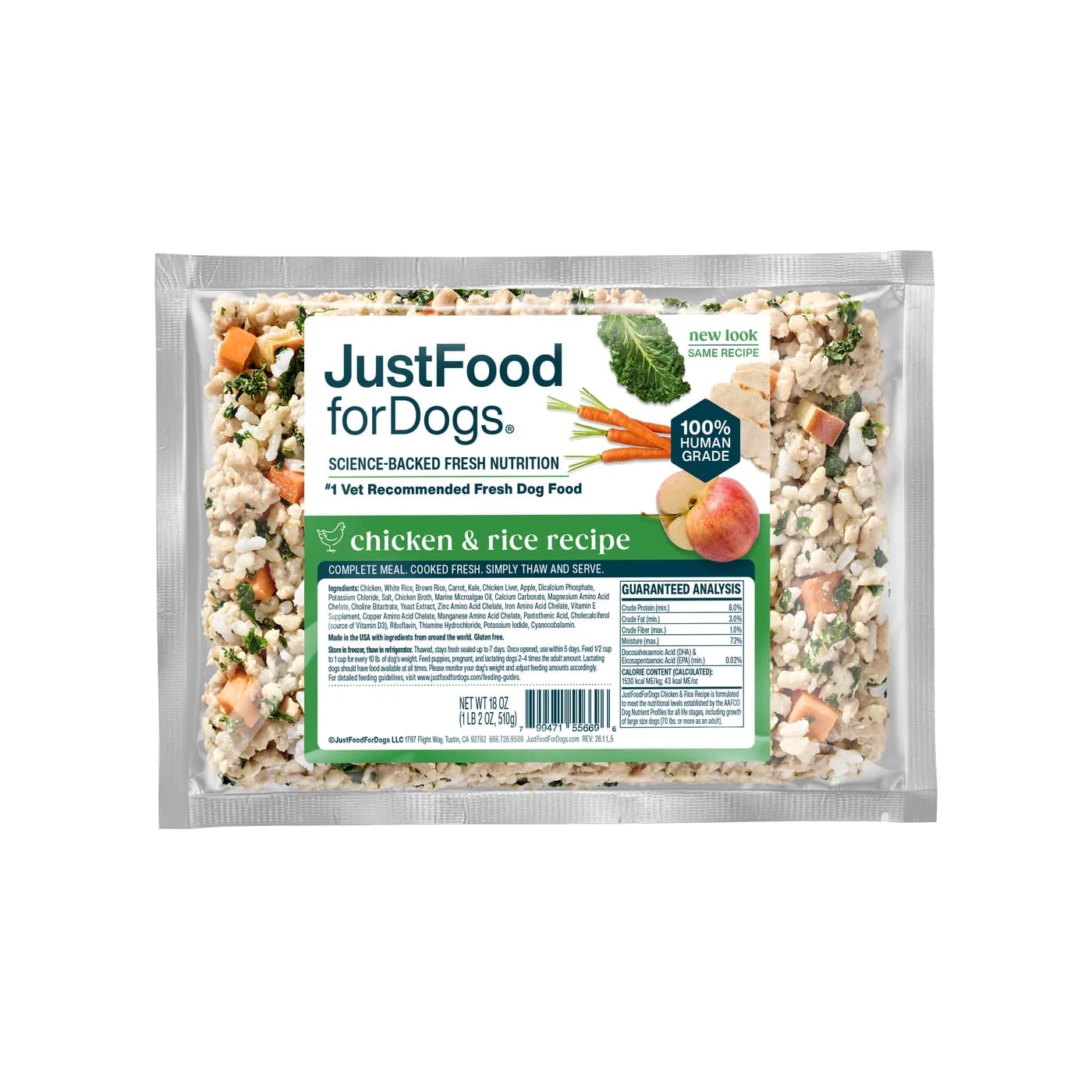
Build your Yorkie’s measured meal around the exact recipe’s calorie density and life-stage guidance.
- Chicken with rice and whole-food ingredients
- Fresh Frozen recipe
- View the recipe and feeding guide
Petful may earn a commission when you click through to JustFoodForDogs, at no extra cost to you.
After that baseline, veterinarians look at practical fit:
| Feature | Why it matters for a Yorkie | What to do |
|---|---|---|
| Calories per ounce, cup, or package | Toy-dog portions leave little room for estimating | Calculate from the exact recipe and weigh portions |
| Bite size and texture | Dental discomfort or a small mouth can make eating difficult | Choose a manageable form and arrange a dental exam if chewing changes |
| Life-stage adequacy | Puppies and adults have different nutrient needs | Match the adequacy statement to the dog |
| Digestive tolerance | Abrupt food changes can cause stomach upset | Transition gradually and monitor stool and appetite |
| Palatability without excessive extras | Toppers can unbalance calories quickly | Keep extras small and count them |
| Medical fit | Pancreatitis, kidney disease, allergies, and other diagnoses alter the decision | Let the veterinarian select or approve the diet |
Small dogs are not automatically low-energy dogs. Some Yorkies are busy and lean; others are sedentary or prone to weight gain. Feed the dog in front of you, not an average breed profile.
What are the best foods to feed a Yorkie? Start with a complete-and-balanced formula for the correct life stage, then compare the Yorkie calorie budget, small-breed bite size, texture, digestive tolerance, and medical fit. What dog foods are other owners feeding their Yorkie can be a useful conversation starter, but another dog's brand or portion is not evidence that the same plan fits yours.
A seven-point Yorkie food label check
The front of a package may emphasize breed size, protein, freshness, or a particular ingredient. The useful information is in the full formula and feeding plan.
- Nutritional adequacy: Confirm that the food is represented as complete and balanced for the Yorkie’s life stage.
- Calories per measurable unit: Find calories per cup, ounce, gram, can, tray, or package for the exact recipe.
- Practical portion size: Calculate how much food delivers the veterinarian-set daily calories and whether that amount can be measured consistently.
- Texture and piece size: Make sure the dog can pick up, chew, and swallow the food comfortably.
- Medical fit: Review fat, fiber, protein, minerals, ingredients, and other features in the context of diagnosed conditions.
- Storage and handling: Refrigerated and fresh foods require reliable cold storage; dry food needs a sealed, clean container and careful measuring.
- Household adherence: Choose a food every caregiver can portion correctly without adding uncounted extras.
No single marketing claim replaces these checks. “Small breed” can indicate a practical kibble size or formulation choice, but it does not prove that the calorie density or medical profile fits an individual Yorkie.
What dog food do vets recommend for Yorkies? They recommend a food that passes this life-stage, calorie, texture, tolerance, and medical review for the individual dog. The answer may be fresh, wet, or dry, but it should always include a measured portion and a plan for monitoring body and muscle condition.
How much to feed a Yorkie
Veterinary feeding plans often start with resting energy requirement:
RER = 70 × body weight in kilograms^0.75
The estimate is adjusted for age, activity, reproductive status, body condition, and health. Individual needs can vary substantially, so the result is a starting point rather than a permanent prescription.
- That is not Yorkie-specific and is not a recommendation for every 10-pound dog. A smaller Yorkie may need less, while age, activity, and body condition can move the target in either direction.
Once the veterinary team sets daily calories, divide that number by the exact food’s calories per ounce or cup. Do not transfer the serving amount from one recipe to another; calorie density changes by recipe and format.
For example, current JustFoodForDogs Fresh Frozen calorie information includes:
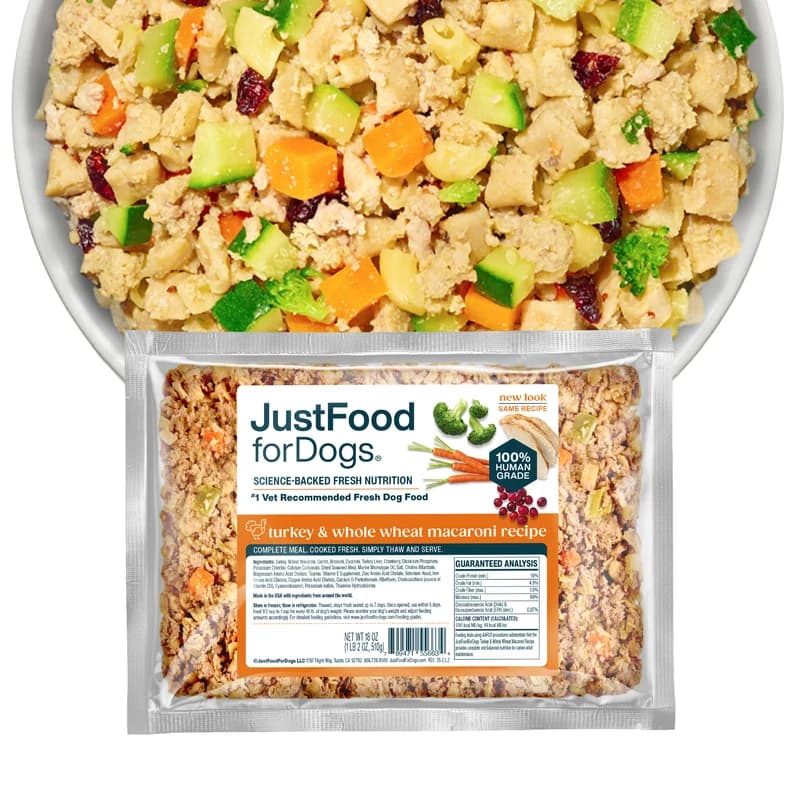
- Turkey & Whole Wheat Macaroni: 49 kcal per ounce
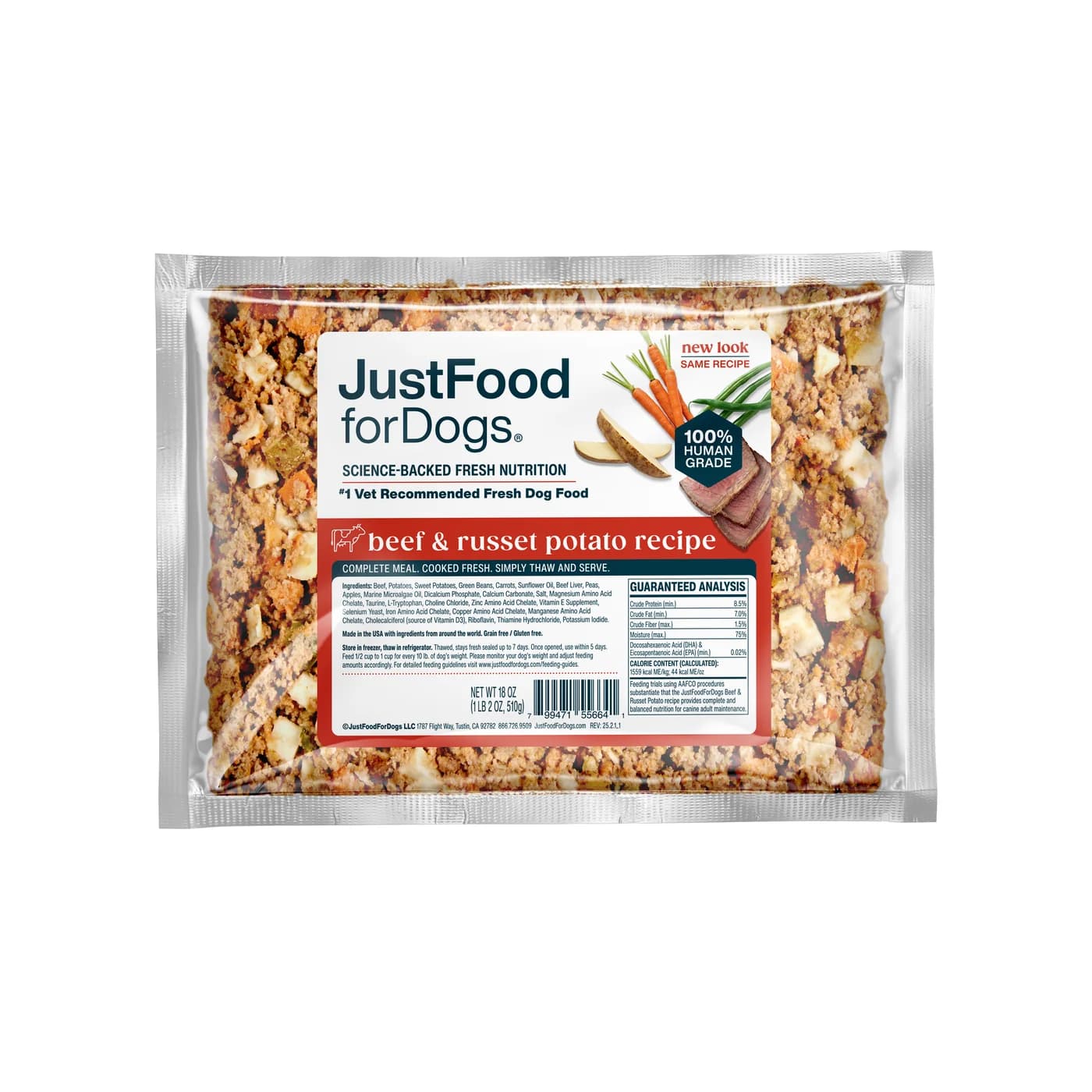
- Beef & Russet Potato: 44 kcal per ounce
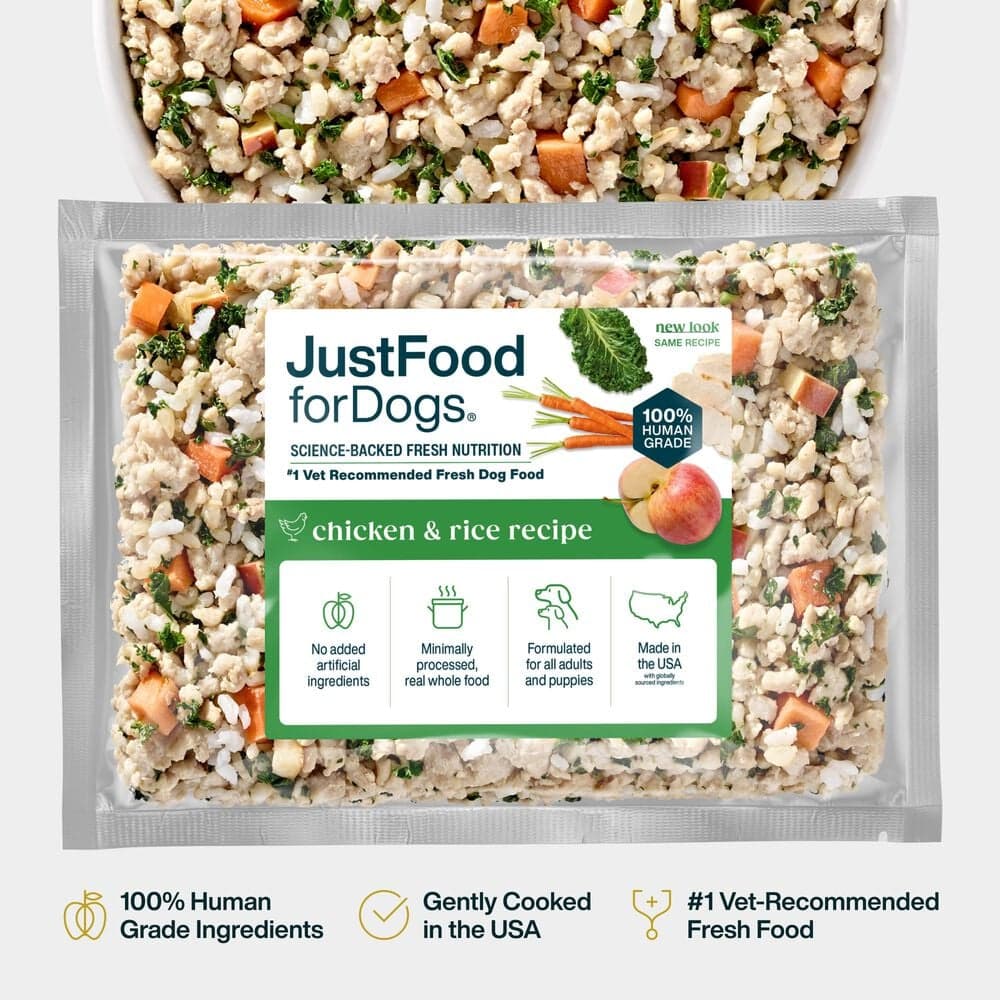
- Chicken & Rice: 43 kcal per ounce
- Lamb & Brown Rice: 42 kcal per ounce
- Fish & Sweet Potato: 26 kcal per ounce
These figures illustrate why equal-looking portions are not nutritionally equal. They do not establish that any one recipe is the best food for Yorkies. Confirm current package information and choose the formula based on the individual dog.
What are the best foods to feed a Yorkie at a particular calorie target? They are the foods that meet life-stage nutrient needs in a measurable portion the dog can chew, digest, and eat consistently. Compare the label and the calculated serving rather than assuming a toy breed needs the smallest package or the most calorie-dense formula.
A toy-dog portion example
Suppose a veterinarian sets a hypothetical starting target of 300 calories per day. At 43 calories per ounce, the arithmetic is 300 ÷ 43, or about 7 ounces daily. At 26 calories per ounce, the same calorie target is about 11.5 ounces daily.
This example is not a Yorkie feeding recommendation. It shows why a change in recipe requires a new portion calculation. The dog’s target must be set from weight, life stage, body and muscle condition, activity, health, and observed response.
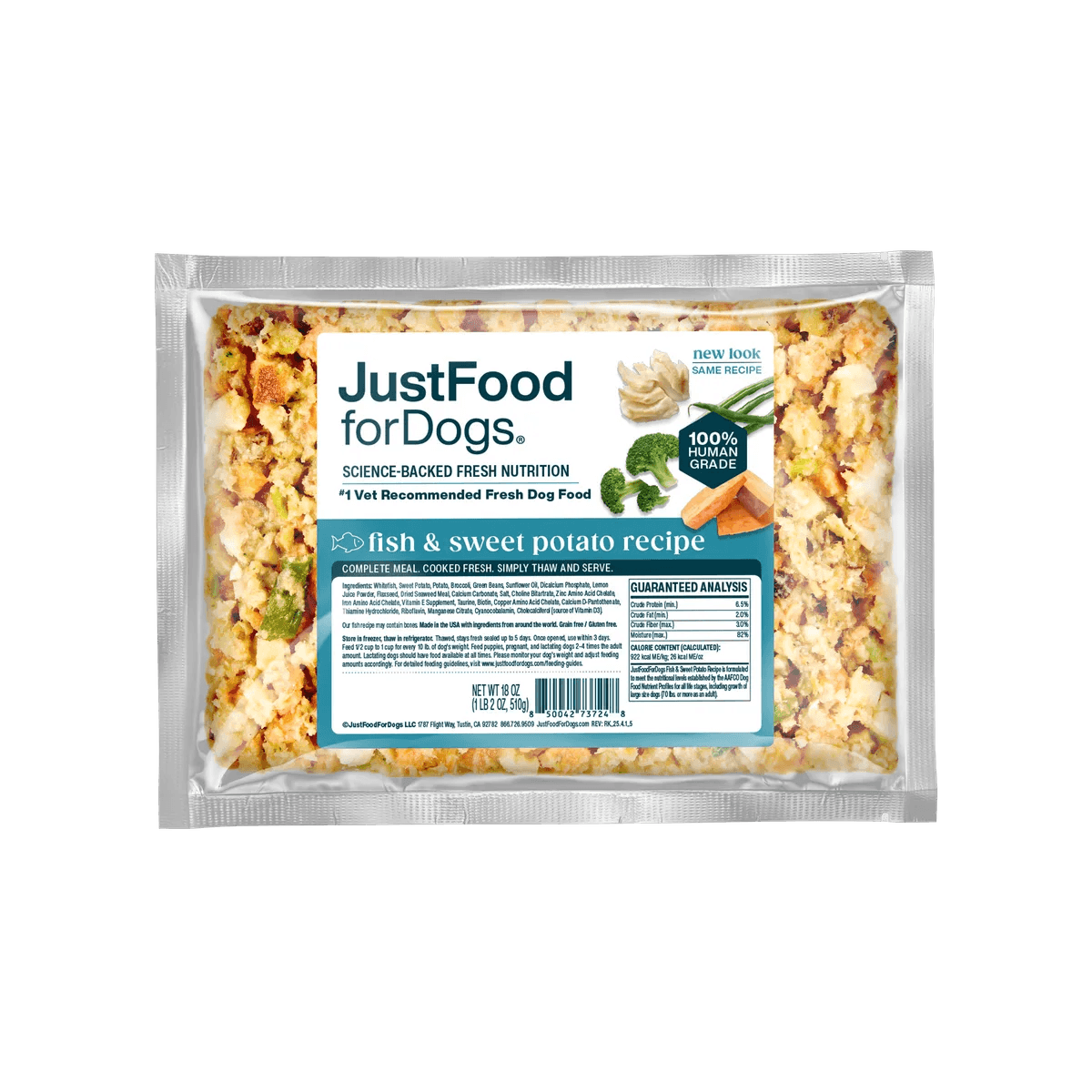
Build your Yorkie’s measured meal around the exact recipe’s calorie density and life-stage guidance.
- Whitefish with sweet potato
- Fresh Frozen meals with whole-food ingredients
- View the recipe and life-stage guidance
Petful may earn a commission when you click through to JustFoodForDogs, at no extra cost to you.
Divide the daily total among meals. If the hypothetical 7-ounce amount were split into two meals, each would be about 3.5 ounces. Weighing small portions is more reliable than trying to reproduce a fraction of a scoop by eye.
- Decision checkpoint: Petful’s [dog feeding chart and calorie guide](https://www.petful.com/spotlight/how-much-should-you-feed-your-dog/) provides the formula, healthy-adult ranges, and calorie-density examples used to build a starting portion.
Is fresh food a good option for a Yorkie?
Fresh food can make a Yorkie's small portions easy to weigh and divide, and a moist texture may be comfortable for dogs that do not enjoy a hard, dry bite. Those practical advantages make the format worth considering for a toy breed with a very small daily calorie budget.
JustFoodForDogs offers gently cooked Fresh Frozen recipes with published calorie information that can be converted into a precise ounce-based portion. Rather than relying on a one-size-fits-all breed formula, families can work with their veterinarian to match the recipe's life-stage adequacy, calorie density, ingredients, and texture to the individual Yorkie.
Fresh, wet, and dry food for a small breed
Food format is a practical choice, not a quality ranking. Any main diet should meet the dog’s nutritional and medical needs.
Build your Yorkie’s measured meal around the exact recipe’s calorie density and life-stage guidance.
- Chicken with rice and whole-food ingredients
- Fresh Frozen recipe
- View the recipe and feeding guide
Petful may earn a commission when you click through to JustFoodForDogs, at no extra cost to you.
| Format | Potential practical benefit | Question to resolve |
|---|---|---|
| Gently cooked fresh food | Soft texture and portions that can be weighed in ounces or grams | Can the household refrigerate, handle, and measure it safely? |
| Canned or tray food | Soft texture and a clear calorie amount per container | How many calories are in the actual fraction served? |
| Dry food | Convenient storage and use in training or puzzle toys | Can the tiny daily amount be weighed accurately, and is the piece size comfortable? |
| Mixed feeding | Offers texture variety and may help with adherence | Have calories from both foods been calculated separately? |
Dental disease changes the eating experience but cannot be diagnosed from a preference for soft food. A Yorkie who drops food, chews on one side, paws at the mouth, has bad breath, or suddenly refuses dry food needs a dental examination. Soft food may be more comfortable while a problem is addressed, but it does not clean diseased teeth or replace treatment.
When mixing formats, divide the calorie target intentionally. A half-and-half plan should mean half the day’s calories from each food, not equal-looking volumes. Calculate each portion using its own calorie statement.
Should Yorkies eat wet or dry food? Either format can work when it is complete and balanced, comfortable to eat, medically appropriate, and portioned by calories. What dog food do vets recommend for Yorkies is therefore an individualized answer: the veterinarian weighs life stage, teeth, digestion, body condition, health, and caregiver measuring accuracy before recommending fresh, wet, dry, or mixed feeding.
- Call your veterinarian: A Yorkie who repeatedly skips meals, seems weak or disoriented, vomits, loses weight, or suddenly struggles to chew needs assessment, not a parade of new foods and toppers.
Build your Yorkie’s measured meal around the exact recipe’s calorie density and life-stage guidance.
- Whitefish with sweet potato
- Fresh Frozen meals with whole-food ingredients
- View the recipe and life-stage guidance
Petful may earn a commission when you click through to JustFoodForDogs, at no extra cost to you.
Puppy, adult, and senior Yorkies need different plans
Yorkie puppies
Puppies need a growth diet and more frequent meals. JustFoodForDogs feeding guidance recommends four meals daily until about 4 months, three meals daily until about 6 months, and usually two meals daily in adulthood. Your veterinarian may recommend a different schedule for a very small puppy or one with a medical concern.
Very young toy-breed puppies can be vulnerable to hypoglycemia when they miss meals. Weakness, trembling, disorientation, unusual sleepiness, or collapse needs urgent veterinary attention rather than a food change at home.
Keep the puppy’s meal schedule consistent and ensure the food carries the correct growth adequacy statement. Do not rely on treats, meat, or homemade additions as a substitute for a complete growth diet. Bring the exact food, measured daily amount, and growth record to puppy appointments.
- Contact the veterinarian for instructions, especially when weakness, wobbliness, tremors, disorientation, vomiting, diarrhea, or collapse occurs.
Healthy adults
Most healthy adults do well with two measured meals. Monitor waist, rib coverage, energy, stool, and weight. If treats are used for training, reserve those calories from the daily total.
Seniors
Age alone does not dictate a “senior” formula. A senior Yorkie may need fewer calories if activity drops, but another may need more nutritional support because of muscle or weight loss. Dental pain, kidney disease, heart disease, and digestive changes can all affect the best texture and formula.
Monitor muscle as well as body fat. An older Yorkie can gain fat while losing muscle, so a lower scale target is not the only goal. Veterinary rechecks can assess teeth, heart, kidneys, mobility, body condition, and muscle condition before changing calories or diet type.
Managing a picky Yorkie without unbalancing the diet
Picky eating can be behavioral, but a new or worsening change deserves medical attention. Dental pain, nausea, gastrointestinal disease, medication effects, stress, and other illness can all reduce interest in food.
When medical causes have been addressed, consistency helps:
- offer measured meals on a predictable schedule;
- leave the food available for the veterinarian-approved period, then remove it;
- limit constant rotation among foods;
- count any topper within the daily calories;
- use the smallest amount needed to support eating;
- avoid teaching the dog that refusal always produces cheese, deli meat, or another rich upgrade.
Warming an appropriate food slightly or adding a small amount of warm water may improve aroma, but follow storage directions and avoid hot spots. Do not leave fresh or wet food at room temperature for extended periods.
Appetite stimulants, anti-nausea medication, and therapeutic diets require veterinary direction. A picky label should not delay assessment of weight loss, weakness, vomiting, diarrhea, difficulty chewing, or a sudden behavior change.
Weight gain can happen quickly in a tiny calorie budget
Small extras have a large proportional effect for a toy dog. If the daily target is only a few hundred calories, a dental chew, cheese cube, spoonful of peanut butter, or repeated training treats may use much of the extra-food allowance.
Keep treats and toppers at or below about 10% of daily calories unless the veterinary team sets another plan. Reserve part of the measured main food for rewards, use very small treat pieces, and give non-food rewards such as play, sniffing, or attention.
Use the same scale and similar conditions to track weight. If the trend rises, confirm meal and treat measurements before making a large cut. Petful’s weight-management food guide explains calorie density, body and muscle condition, and how veterinarians compare everyday and therapeutic options.
Foods and extras that need special care
A Yorkie does not need a unique toxic-food list; the same canine food hazards apply. Keep chocolate, xylitol-sweetened products, grapes and raisins, onions and garlic, alcohol, caffeine, and other known hazards out of reach. Ask the veterinarian or a pet poison service immediately after a suspected toxic exposure rather than waiting for symptoms.
Fatty table foods and sudden rich additions can cause digestive upset and may be especially inappropriate for a dog with a pancreatitis history. Bones and hard chews can injure teeth or create choking and gastrointestinal risks. Human supplements and medications should not be added to a Yorkie’s food unless the veterinarian directs them.
Safe human foods are still extras. They contribute calories and can dilute the complete diet when offered in large amounts. Ingredient safety does not answer portion or nutritional-adequacy questions.
- Because a Yorkie's calorie budget is small, even nontoxic table food can become a large and unbalanced share of the day.
Related Petful breed-food guidance
Petful’s established guides to dog food for Golden Retrievers and dog food for English Bulldogs reinforce the same core principle: breed context matters, but life stage, body condition, medical needs, calorie density, and the individual dog should drive the final choice. The Yorkie difference is the very small portion scale and the need to catch skipped meals or weakness quickly in young toy-breed puppies.
Measure meals and count every extra
For toy dogs, use a gram scale instead of judging the bowl by eye. Record the daily amount and divide it into meals. Treats and toppers should generally remain at or below 10% of daily calories, unless the veterinary team recommends otherwise.
If a Yorkie is picky, first rule out dental pain, nausea, stress, and other medical causes. Constantly upgrading the meal with cheese, deli meat, or rich toppers can teach the dog to wait for extras and may disturb the calorie and nutrient balance.
Transition food over 7 to 10 days
Unless the veterinarian gives another plan, use a gradual transition:
- Days 1–3: 25% new food
- Days 4–6: 50% new food
- Days 7–9: 75% new food
- Day 10 onward: 100% new food
Go more slowly if stool softens. Stop and call the veterinarian for repeated vomiting or diarrhea, marked lethargy, abdominal pain, refusal to eat, or signs of weakness.

A quick Yorkie food checklist
Before buying, confirm:
- The food is complete and balanced for the correct life stage.
- Calories are stated for the exact recipe and serving unit.
- The texture is comfortable for the dog to eat.
- The portion fits the veterinarian-set daily calorie target.
- Treats, toppers, and chews are included in the total.
- The dog’s weight, body condition, muscle, stool, and appetite will be monitored.
When to recheck the feeding plan
Recalculate the portion whenever the recipe, format, calorie density, life stage, activity, or medical status changes. Also recheck after spaying or neutering, a dental procedure, prolonged illness, a medication change, or a meaningful weight trend.
Bring the exact food label, measured daily amount, treat list, and weight history to the appointment. For a puppy, include the meal schedule and growth record. For a senior, note chewing, appetite, thirst, stool, mobility, and muscle changes.
Do not wait for the annual visit when a Yorkie repeatedly skips meals, loses weight, gains rapidly, struggles to chew, vomits, has persistent diarrhea, or appears weak. Very small dogs have less room for errors in portioning and missed meals, so early course correction is more useful than repeated food switching.
Frequently Asked Questions
First rule out pain, nausea, and illness. Then choose a complete-and-balanced food with a manageable texture and consistent meal routine. Avoid relying on calorie-heavy extras to persuade the dog to eat.
It depends on body weight, age, activity, body condition, health, and the food’s calorie density. Use a veterinarian-set daily calorie target and convert it using the exact recipe’s calories per ounce or cup.
No format is automatically best. Nutritional adequacy, calorie control, tolerance, dental comfort, safe storage, and the individual dog’s needs matter more than the format name.
Choose a complete and balanced food formulated for growth and use the meal frequency and portion recommended by the veterinarian. Very young toy-breed puppies need consistent meals, and weakness, trembling, disorientation, unusual sleepiness, or collapse requires urgent veterinary help.
They can eat an appropriate complete formula if the life-stage, medical, texture, and calorie needs fit. The practical difference is portion scale: a Yorkie’s small ration and treat allowance require accurate measuring.
Many healthy adults do well with two measured meals per day, but medical conditions, medication schedules, and individual comfort may call for another plan. Keep the daily calorie total consistent when changing meal frequency.
Sudden appetite loss can reflect dental pain, nausea, stress, medication effects, or illness. Contact the veterinarian, especially when refusal is paired with weakness, vomiting, diarrhea, pain, weight loss, or behavior change.
Not solely because of the label. Small-breed foods may offer practical piece size or calorie density, but the complete formula, life-stage adequacy, portion, tolerance, and medical fit determine whether the food is appropriate.

Coreen Saito is a pet writer and longtime shelter volunteer with more than a decade in animal rescue. She covers cat behavior, breed care, and the small, ordinary science of sharing a life with companion animals, with a particular focus on honest takes about the products and decisions that actually matter. At home in Arizona, she's outranked by Mac (a dog with the loudest opinion in the house), Rebel (a cat who governs by quiet authority), and Meri (an orange tabby who runs the late shift and the laundry basket). She writes about all three, plus the rescues that keep coming through her life, at LifeWithMinty.com.
Sign up for expert-backed reviews and safety alerts all in one place.



A Final Word (Disclaimer)
At Petful, our review integrity is paramount; we never exchange special treatment in our reviews for monetary or material rewards.
Nonetheless, when our readers click through to online merchants (including Chewy or Amazon), we receive a referral commission. This supports the running of our free blog, and we appreciate your backing.