Shih Tzu Grooming: Haircuts, Schedule, and Home Care
Shih Tzu grooming is a daily commitment for a long coat and a repeat professional expense for a clipped coat. Learn brushing, bathing, face care, haircuts, and mat prevention.
Petful is reader supported. As an affiliate of platforms like Amazon and Chewy, we may earn a commission when you buy through links on this page. There is no extra cost to you.
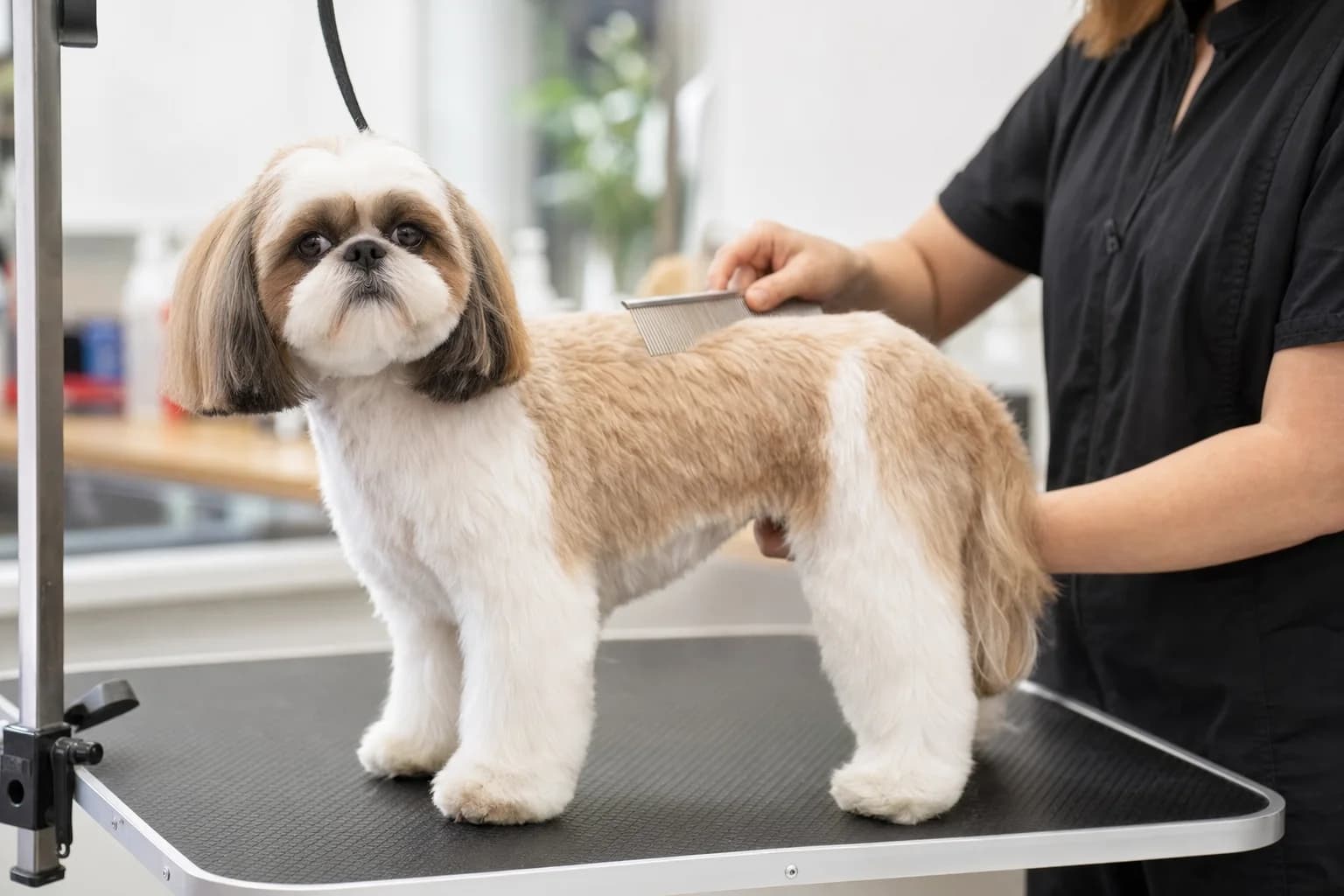
Shih Tzu grooming is a lifelong routine, not an occasional haircut. A long coat usually needs daily line brushing and combing, while a puppy cut still requires face care, friction-zone checks, bathing, drying, nail care, and regular professional reshaping.
This guide shows what to do at home, what belongs with a groomer or veterinarian, and how to choose a coat length the household can maintain. For breed-wide temperament, size, and health context, see the complete Shih Tzu guide.

Sign up for expert-backed reviews and safety alerts all in one place.
Shih Tzu grooming schedule
- 1Comb a long coat to the skin every day; check a clipped coat several times per week.
- 2Clean and dry the face daily, and inspect eyes for pain or sudden change.
- 3Many clipped Shih Tzus need a professional bath and haircut about every four to eight weeks.
- 4Tight mats, painful skin, eye-area scissors, and severe fear are stop signs for home grooming.
| Task | Typical frequency | Home or professional |
|---|---|---|
| Face and eye-area check | Daily and whenever wet or dirty | Home; veterinarian for pain, redness, cloudiness, or injury |
| Line brushing and metal-comb check | Daily for long coats; several times weekly for clips | Home, with groomer teaching technique |
| Toothbrushing | Daily target | Home; veterinary dentistry for established disease |
| Bath and thorough dry | About every 3 to 4 weeks, adjusted for skin and lifestyle | Home if safe or professional |
| Haircut or coat shaping | About every 4 to 8 weeks for clipped coats | Professional for most owners |
| Nail trim | Often every 2 to 4 weeks | Home if trained or professional |
| Ear and skin inspection | Weekly and during every groom | Home observation; veterinarian for symptoms |
| Mat removal | Prevent daily; treat early tangles gently | Professional when tight, extensive, painful, or near sensitive skin |
Frequency is not a competition. A dog with a floor-length coat, active outdoor life, skin disease, or rapid nail growth needs a different schedule from a short-clipped indoor dog. The metal comb tells the truth about the coat. If it cannot glide from skin to tip without pulling, brushing has not reached every layer.
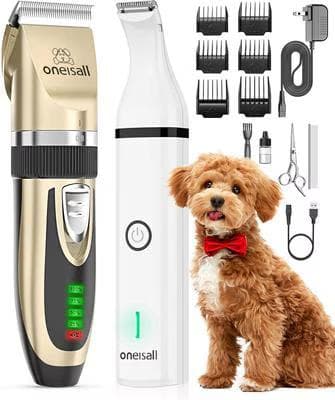
How often should a Shih Tzu be groomed? Check the face daily, comb a long coat daily, and check a clipped coat several times per week. Baths commonly fall around every three to four weeks and clipped coats often need professional shaping every four to eight weeks, adjusted for skin, coat length, lifestyle, and the individual dog. Shih Tzu grooming cost depends on local rates, coat condition, clip complexity, behavior, and frequency. A practical set of Shih Tzu grooming supplies includes a suitable brush, metal comb, detangling spray, dog shampoo and conditioner, towels, nonslip mat, nail tools, dog-safe dental supplies, and good lighting.
Petful may earn a commission when you click through to Chewy, at no extra cost to you.
Shih Tzu coat basics
The official AKC Shih Tzu standard describes a luxurious double coat. Loose hairs can remain trapped instead of falling freely, which is why owners may see less hair on the floor while mats form close to the skin. Low visible shedding does not mean no shedding or a hypoallergenic dog.
Hair tangles where movement, moisture, and pressure meet:
- Behind and below the ears.
- Under the collar or harness.
- In the armpits and groin.
- Along the chest and legs.
- Around the tail base.
- Under the chin and around the mouth.
A short clip reduces the length that tangles, but friction zones still need checking. Hair also grows around paw pads and sanitary areas, where safe trimming requires a steady dog and good visibility.
Build a simple tool kit
Most homes need a pin brush or soft slicker suited to the coat, a stainless-steel comb, detangling spray appropriate for dogs, absorbent towels, dog shampoo and conditioner, a nonslip mat, nail tools, dog-safe toothpaste, and good lighting. A 2-in-1 dog shampoo and conditioner is one routine-bath option when it suits the dog's skin; inflammation, sores, or repeated itching need veterinary assessment. Buy tools for function, not a large kit with pieces you do not know how to use.
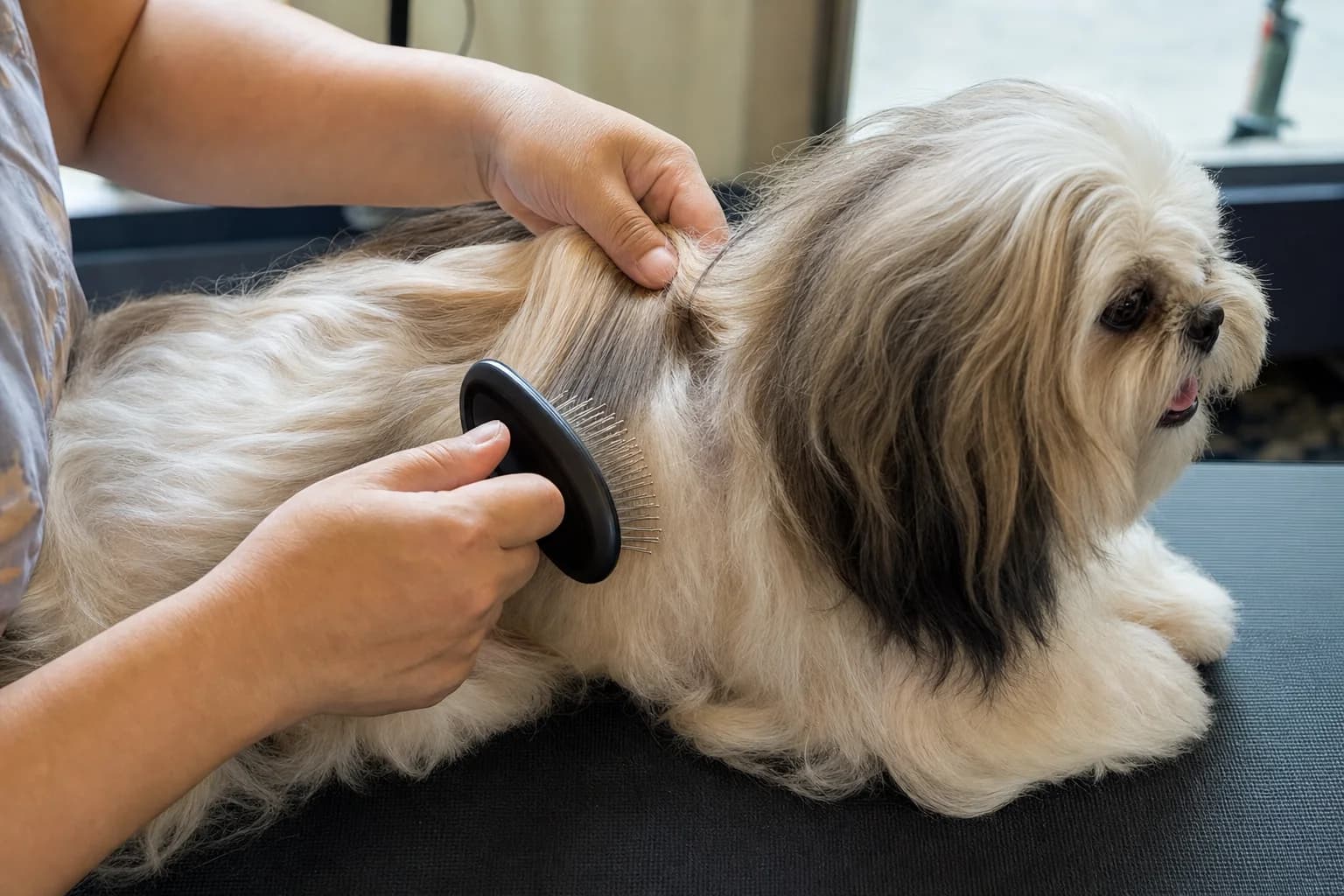
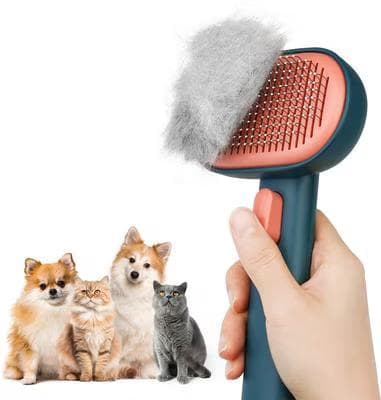
A self-cleaning aumuca slicker brush can lift loose hair and work through a clipped coat when used with light pressure. Follow with a comb. A slicker should not scrape skin or be used to tear through a tight mat.
How to groom a Shih Tzu at home
Begin when the dog is calm, on a stable nonslip surface, with all tools within reach. Work in short sessions and reward cooperative behavior. A complete groom can be divided across the day. Safety and trust matter more than finishing every task at once.
Are Shih Tzus difficult to groom? Shih Tzu dog grooming is demanding because the coat traps loose hair, mats at friction points, and grows around sensitive eyes, paws, and sanitary areas. Learning how to groom a Shih Tzu means line brushing to the skin, verifying with a comb, drying completely, recognizing pain or fear, and sending tight mats or unsafe trimming to a professional. A short coat reduces work but does not eliminate it.
Step 1: Inspect before brushing
Use hands to feel the whole dog. Look for redness, moisture, scabs, lumps, fleas, ticks, burrs, wounds, odor, painful areas, and tight mats. Check whether the dog can stand comfortably. Grooming over a sore joint, infected ear, or painful skin can make the dog resist and worsen the problem.
Step 2: Mist, part, and line brush
Avoid repeatedly dry-brushing a long fragile coat. Lightly mist a small section with an appropriate grooming spray. Use one hand to part the hair so you can see a narrow line of skin, then brush the exposed layer from near the skin outward without dragging the tool over skin.
Move in rows. Finish one shoulder, side, leg, or chest section before proceeding. Keep the free hand between the brush and sensitive skin when possible. Around the armpit, groin, ear edge, and face, use smaller movements and less tension.
Step 3: Verify with a metal comb
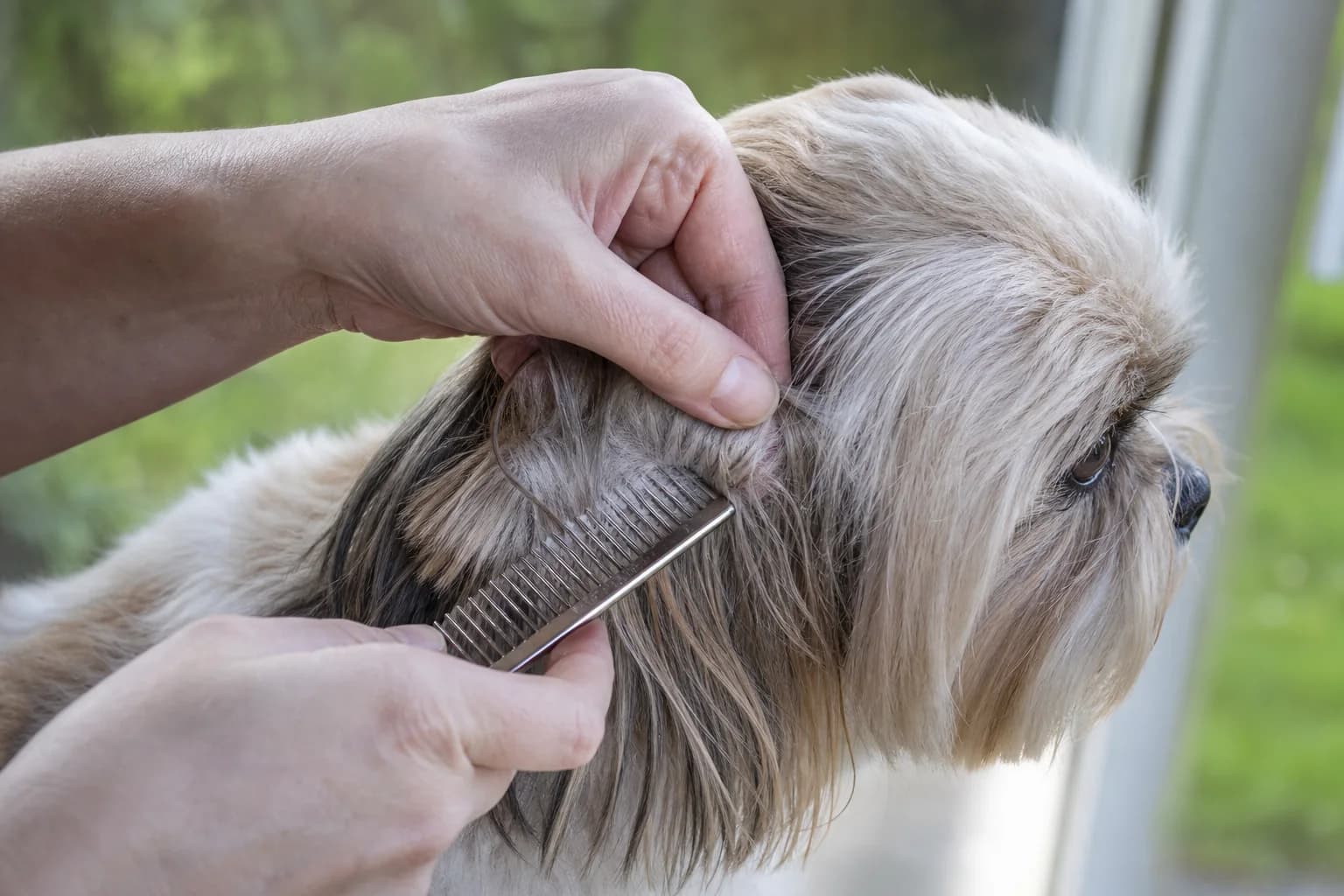
Pass the comb gently from root to tip. When it catches, stop at the tangle rather than pulling the dog. Hold hair near the skin to reduce tension and work the outer edge with fingers and a small tool. If the tangle is dense, close to skin, or larger than you can safely isolate, stop.
Step 4: Check paws and sanitary areas
Look between toes and around pads for debris, redness, cracks, or hair that affects traction. Do not probe deeply between pads with scissors. Sanitary hair can hold urine or stool and irritate skin. A groomer can maintain these areas safely.
Step 5: End with an easy success
Comb one comfortable section, reward, and release. Record any area you could not finish. Cooperative care improves when the dog learns that stillness and communication lead to breaks.

Petful may earn a commission when you click through to Chewy, at no extra cost to you.
Face, eye, and topknot care
Shih Tzu facial hair collects tears, saliva, food, and water. Wipe with a soft damp cloth and dry thoroughly. Separate crusted hair gently rather than pulling it. Wash bowls and offer water in a container that does not force the whole face into the water.
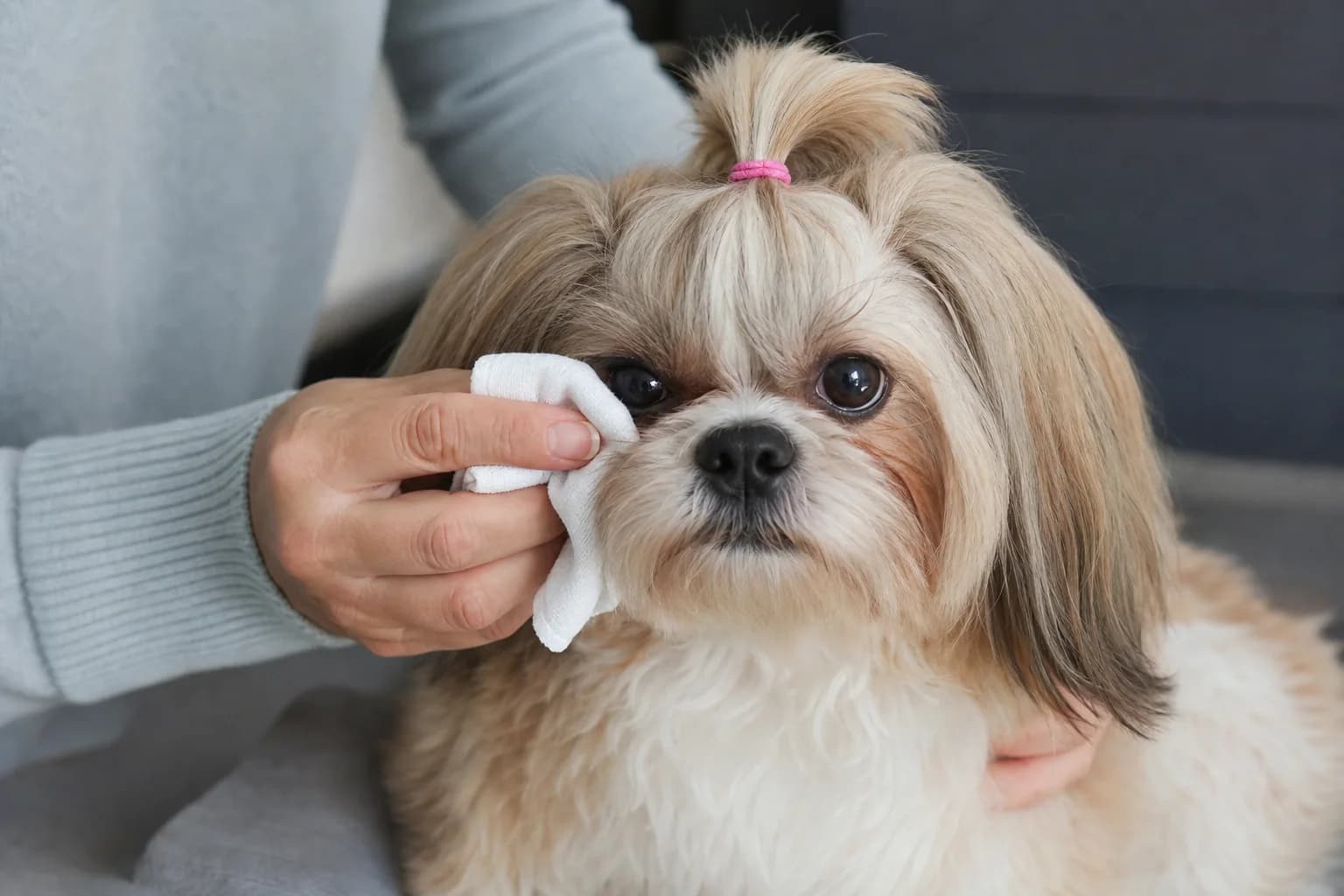
Keep hair out of the eyes with a comfortable trim or properly placed topknot. Rubber bands should not pull the eyelids or remain hidden while hair mats underneath. Remove and redo them regularly. Never use scissors near a moving eye.
Squinting, holding an eye closed, sudden redness, cloudiness, swelling, thick discharge, rubbing, or visible injury needs prompt veterinary care. Petful's dog eye problem guide offers context, but eye pain is not a grooming problem.
Tear staining
Tear stains are cosmetic pigment on hair, but increased tearing may come from irritation, hair contact, eyelid anatomy, tear drainage, or eye disease. Clean gently and ask the veterinarian about a new or one-sided change. Avoid bleach, peroxide, harsh powder, or any product that could enter the eye. See Petful's tear-stain guide for a fuller explanation.
Beard and mouth
Comb the beard after dampening and loosening debris. Check the lips and mouth for odor, redness, loose teeth, swelling, or pain. A dirty beard can be washed; dental disease needs veterinary assessment.
Bathing and drying without creating mats
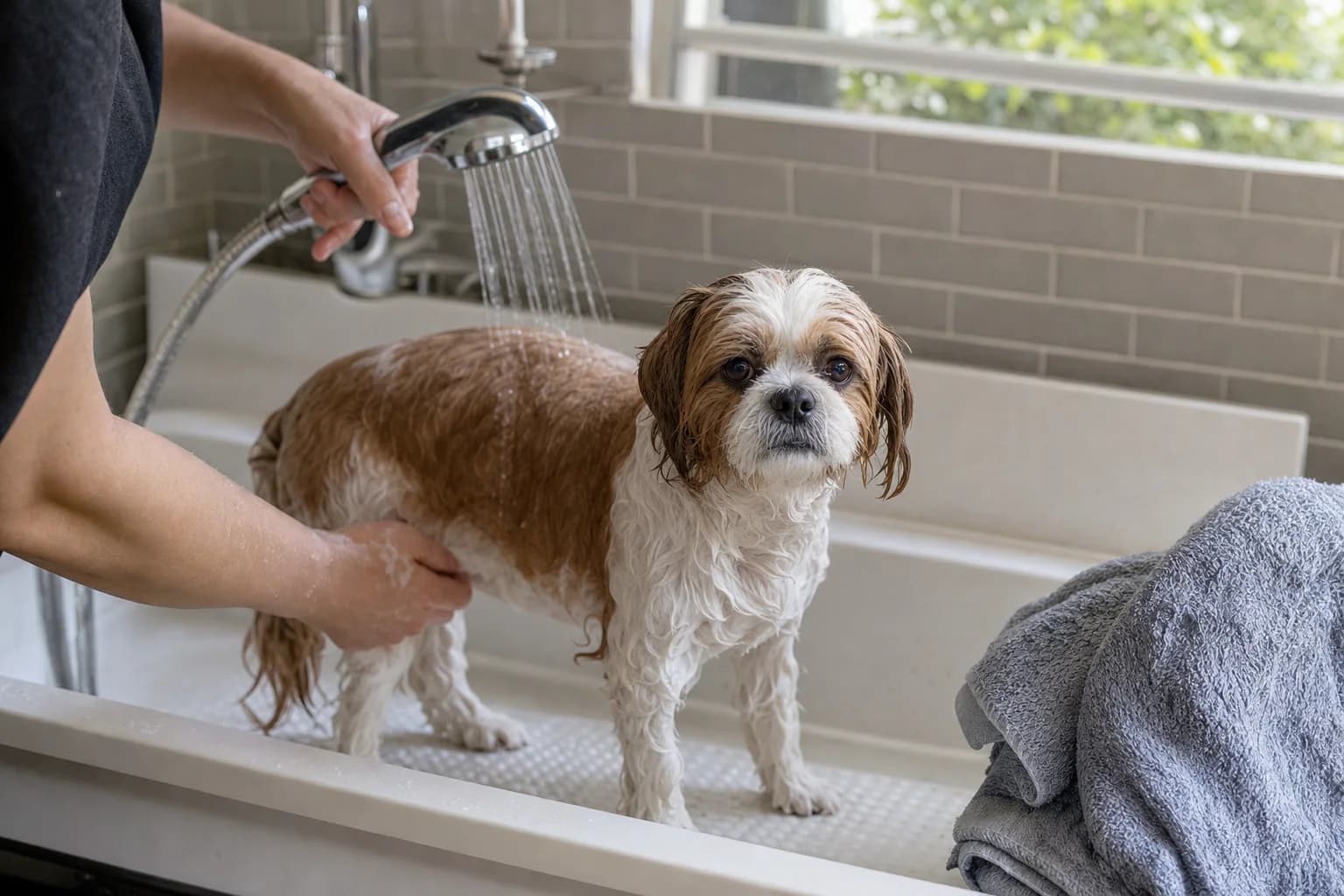
Brush and comb the coat before bathing unless the dog is too matted to handle safely. Water tightens many tangles. Use lukewarm water, protect eyes and ears from direct spray, and choose a dog shampoo. An Earthbath oatmeal and aloe shampoo is one existing option for routine bathing, but a dog with inflamed or infected skin needs a veterinary diagnosis rather than product switching.
Bath sequence
- Place a nonslip mat in the tub.
- Wet the coat thoroughly with lukewarm water.
- Dilute and apply shampoo according to the label.
- Massage in the direction of hair growth without piling the coat.
- Rinse until water runs clear and the coat no longer feels slick.
- Apply conditioner if appropriate and rinse as directed.
- Squeeze water from the coat and blot with towels.
Do not rub long hair back and forth. Keep one hand on the dog, and never leave it unattended in a tub or on a raised surface.
Drying
Leaving a dense coat damp encourages tangles and skin problems. Use towels, then a pet dryer at a safe temperature and force, or arrange professional drying. Introduce sound gradually. Keep airflow moving, avoid the face and ears, and brush sections as they dry.
Stop if the dog becomes panicked, overheats, struggles to breathe, or cannot stand comfortably. A brachycephalic dog should not be enclosed in a heated cage dryer.
Shih Tzu haircuts and coat styles
The best haircut is the one that keeps the dog comfortable and the owner can maintain. Coat style does not change breed identity. Show the groomer photographs, explain the home routine, and ask what length is realistic given current coat condition.
What is the best haircut for a Shih Tzu? For many family dogs, a practical Shih Tzu puppy cut is the easiest humane choice because it shortens drying and combing time while preserving comfort. Other Shih Tzu grooming styles, including a longer coat or rounded teddy-bear face, require more frequent maintenance. No Shih Tzu haircut is low-maintenance if the face, ears, nails, teeth, and friction zones are ignored.
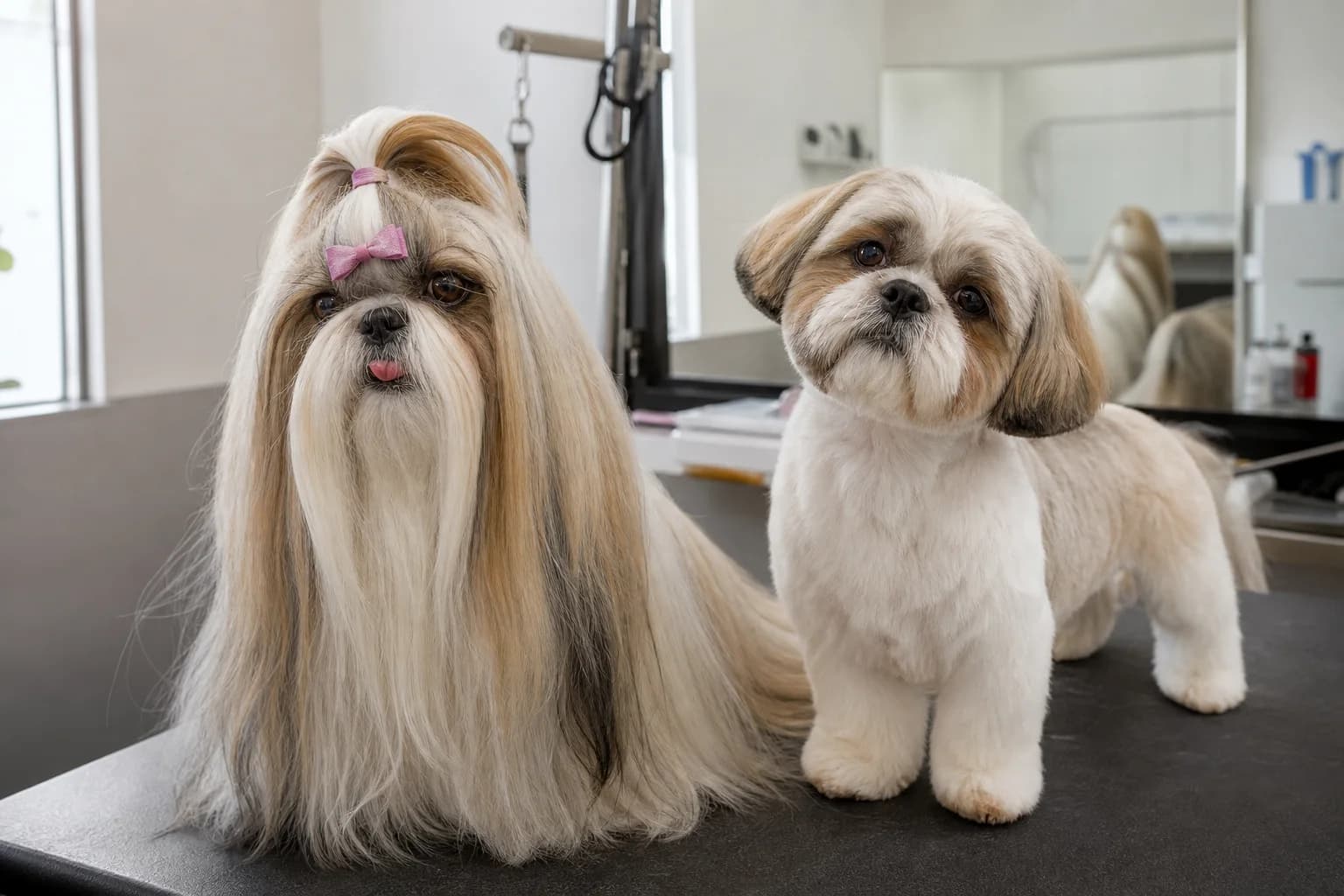
Puppy cut
A puppy cut keeps the body and leg hair at a shorter, relatively even length. The face can be rounded while eyes remain visible. The term is not a universal measurement; one groomer's puppy cut may be much shorter than another's. Specify desired length and maintenance interval.
Teddy bear cut
"Teddy bear" usually describes a rounded face and plush outline rather than one technical clip. It can be combined with different body lengths. A very round face should never leave hair poking into the eyes or hide skin problems.
Long coat
A long or show-style coat requires daily sectioning, careful bathing and drying, topknot maintenance, and protection from friction. It is beautiful only when the skin and hair remain healthy. If the routine is causing repeated mats or distress, shortening the coat is a welfare decision, not a failure.
Practical senior cut
Older dogs may do better with a shorter, easy-care clip that reduces standing time and makes skin, lumps, toileting, and mobility easier to monitor. Tell the groomer about heart, airway, seizure, pain, vision, or medication issues. A veterinary groom may be safer for medically fragile dogs.
Can owners maintain a clip?
An owner with training, a calm dog, appropriate tools, and good visibility may maintain paws, sanitary areas, or body length between professional visits. A low-noise OneIsAll clipper and paw trimmer is designed for grooming tasks, but equipment does not create skill. Start with instruction and never slide a blade under a mat whose skin edge you cannot see.
Petful may earn a commission when you click through to Chewy, at no extra cost to you.
Nails, ears, and teeth
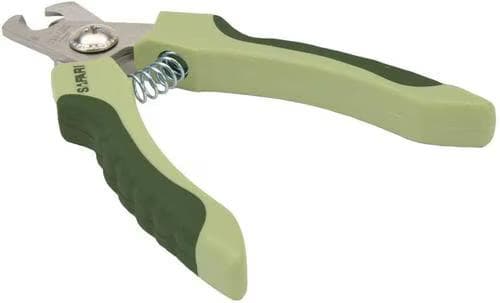
Nails should be short enough that the toes sit naturally and the dog walks comfortably. Check every one to two weeks even if trimming is less frequent. Black nails hide the quick, so remove tiny amounts. A Safari professional nail trimmer can suit owners trained to use that style; a grinder or professional service may suit another dog better.
If a nail bleeds, apply styptic and calm pressure. Seek veterinary help when bleeding will not stop, a nail is torn, the toe is swollen, or the dog is very painful. Dewclaws deserve special attention because they may not wear on the ground.
Ears
Lift the flap and look at the visible canal entrance. Strong odor, redness, discharge, swelling, head shaking, or pain suggests disease. Do not insert cotton swabs into the canal or use leftover drops. Cleaning an infected ear without diagnosis may irritate it or hide evidence.
Hair removal from the ear canal is not a universal need. Ask the veterinarian and groomer what is appropriate for the individual dog. Repeated inflammation requires medical assessment, not more aggressive plucking.
Teeth
Daily brushing with dog-safe toothpaste is the best home target. Introduce touch, lift the lip, then brush the outer surfaces briefly. A 360-degree finger toothbrush can support that routine after gradual training. Bad breath, red gums, dropping food, facial swelling, or reluctance to chew deserves a dental examination.
Grooming mistakes that can hurt
- Do not use scissors beneath a tight mat, cut near a moving eye, bathe severe matting, restrain a panicked dog harder, use human shampoo or medication, put cotton swabs in the ear canal, or force a breathing-compromised dog through a long groom.
What should you not do with a Shih Tzu during grooming? Do not cut a mat when you cannot see the skin edge, point scissors toward a moving eye, bathe severe matting, scrape skin with a brush, use human products, force a panicked dog, or continue when breathing becomes noisy or recovery slows. Stop, protect the dog, and involve a groomer or veterinarian according to the problem.
Cutting mats with scissors
Skin is pulled into a mat and can be difficult to distinguish from hair. A small scissor movement can create a deep wound. Groomers use clippers, blade selection, skin tension, and handling skill to remove mats, and severe cases may need veterinary support.
Bathing before detangling
Water and agitation tighten tangles. If the coat cannot be combed before the bath, ask a professional whether a comfort clip is safer. Do not spend hours pulling at a painful coat to save length.
Brushing only the surface
A polished top layer can hide a felted underlayer. Part the coat and verify with a comb. Pay special attention to the harness, ears, armpits, and legs.
Ignoring body language
Freezing, whale eye, lip licking, turning away, growling, and attempts to escape are communication. Pause, reduce the task, and rebuild cooperation. Punishing a warning can remove the warning without removing fear.
Using fragrance to cover disease
Strong odor can come from ears, skin, mouth, anal sacs, urine, or infection. Fragrance does not treat the source. Identify where the odor begins and seek diagnosis.
Preventing mats with a ten-minute routine
Divide the dog into zones across the week while still checking the face and obvious tangles daily. For example, comb ears and chest Monday, front legs Tuesday, sides Wednesday, rear legs Thursday, tail and sanitary areas Friday, then complete checks on the weekend.
The routine works only if the comb reaches skin and missed zones are not allowed to accumulate. A long coat may still require a full daily pass. A short clip may allow a less intensive rotation.
Mat severity stop rule
- Loose tangle: Separates with fingers and a comb without pulling skin. Work gently at home.
- Small mat with visible skin margins: Consider a trained groomer, especially near ears, armpits, tail, or groin.
- Tight mat against skin: Do not cut or bathe. Book professional removal.
- Widespread pelt, odor, sores, pain, or restricted movement: Veterinary and professional grooming coordination may be necessary.
After removal, reassess coat length and schedule. Repeating the same routine will repeat the matting.
Petful may earn a commission when you click through to Chewy, at no extra cost to you.
Line brushing by body zone
The technique stays the same, but each zone presents different risks. Work methodically so the dog does not finish with one polished side and hidden mats on the other.
Ears and head
Support the ear leather with one hand so brushing does not pull it. Comb the hair behind and below the ear in small sections. Do not drag a comb across the thin ear edge or insert a tool into the canal. Keep topknot bands visible and remove them before they become buried.
For cheeks and beard, turn the dog's nose away from the working side and keep sharp tools out of reach. Use fingers and a comb, not scissors, around the eye. Dried food and discharge should be softened before separation.
Chest, collar, and armpits
Remove the collar or harness. Part the chest coat from the throat downward. Lift one front leg only as far as comfortable and support the body. Armpit skin is thin and folded, so a tight mat here belongs with a groomer.
Harnesses create repeated friction. After each walk, feel the edges of the straps. A harness that fits over a fluffy coat may become loose after a haircut, while one fitted after a clip may tighten as hair grows.
Sides, back, and belly
The back and sides are broad, easy practice zones. Start low on the body and release successive layers of hair. For the belly, have the dog stand or lie on its side rather than balancing upright. Never suspend a small dog by the front legs to reach the abdomen.
Legs and paws
Hold the leg close to the body and brush with the direction of hair. Long leg furnishings tangle where the dog lies and where moisture collects. For feet, spread toes gently and inspect pads. A dog that pulls away suddenly may have a foreign object, torn nail, or sore joint.
Tail, rear, and sanitary coat
Support the tail at its natural base without bending it sharply. Comb the plume in sections. Check under the tail for stool, redness, swelling, and mats. If anal-sac swelling, pain, blood, or discharge is present, stop and call the veterinarian.
Clippers, scissors, dryers, and tool safety
Power tools introduce heat, sound, vibration, and sharp surfaces. A quiet product lowers one challenge but does not remove the need for skill.
Clippers
Read the instructions for a tool such as the OneIsAll clipper and paw-trimmer kit, maintain blades, and test blade temperature against your inner wrist frequently. A hot blade can burn skin. Work on a clean, dry, combed coat unless the clipper manufacturer and groomer specify another method.
Choose guards and blades with professional guidance. Skin folds, nipples, armpits, groin, hocks, and facial areas are easily injured. Stretch skin only as trained and move with the coat. Stop when the dog sits, twists, or struggles.
Never push a blade beneath a mat. The mat pulls skin upward, and the space that looks open may contain a skin fold. Professional removal is faster and kinder than a home wound.
Scissors
Scissors near eyes, lips, ear edges, toes, tail, and skin are high risk. Rounded tips do not prevent cuts when a dog moves. Use a comb as a barrier only after instruction, and choose a groomer for facial shaping.
Dryers
Human hair dryers can become too hot. Pet dryers vary in heat and force. Keep airflow moving, monitor skin temperature, and avoid direct air into eyes, ears, nostrils, or mouth. Introduce sound away from the body, then pair short exposure with rewards.
Flat-faced dogs need close respiratory monitoring. A dog that is panting harder, becoming noisy, or trying desperately to escape should be removed from the stressor and allowed to recover in a cool environment. Heated enclosed drying is inappropriate.
Nail tools
Sharp clippers make a cleaner cut than dull ones. A grinder can smooth small amounts but creates heat, vibration, and hair-entanglement risk. Hold long coat away from the rotating tool. Know where styptic is before starting.
Grooming through weather and life changes
The Shih Tzu coat responds to lifestyle. Rain, snow, foxtails, beach sand, harness wear, and indoor heating change what the routine must address.
Wet weather
Rinse road salt or deicing chemicals from paws, then dry between toes. Comb damp friction zones after the coat dries. A towel rub can create tangles, so blot and squeeze instead.
Hot weather
A shorter coat may be easier to maintain, but it does not cure brachycephalic heat risk. Shade, cool indoor space, water, conservative activity, and weight management remain essential. Do not shave damaged or sun-sensitive skin without professional advice.
Allergy or skin treatment
Itching, redness, odor, sores, and repeated ear problems need veterinary evaluation. Medicated shampoo has a specific contact time and rinse instruction. Use only the product and schedule directed for the diagnosis. More frequent bathing is not automatically better.
After surgery or illness
Ask when bathing and clipping can resume. Keep tools away from incisions, catheters, bandages, and painful areas. A dog recovering from anesthesia or taking sedating medication may not balance safely on a table.
Coat change and aging
Puppy coat transition can increase tangles. Hormonal, nutritional, and medical problems can also change hair. In seniors, thinner skin, lumps, arthritis, and reduced standing tolerance require shorter sessions and often a simpler clip.
When grooming reveals a medical problem
Regular hands-on care can reveal change early, but the groomer's discovery is not a diagnosis.
Contact the veterinarian for:
- A new or growing lump.
- Red, moist, crusted, ulcerated, or painful skin.
- Strong ear odor, discharge, swelling, or head shaking.
- A painful eye, squinting, cloudiness, or injury.
- Nail-bed swelling or a torn nail.
- Sudden hair loss or coat change.
- Weight loss, weakness, or inability to stand through a familiar routine.
- Coughing, fainting, or worsening breathing during low-stress handling.
Photograph nonurgent surface changes with a ruler and date. Do not apply human creams, essential oils, or leftover medication. Grooming may need to pause until the condition is assessed.
Lumps under the coat
Map the lump by exact location and note whether it moves, changes size, or affects the skin. Appearance and touch cannot determine whether a mass is benign. A veterinarian may recommend sampling rather than watchful guessing.
Parasites
Fleas, flea dirt, or a tick may appear during combing. Use a veterinary parasite plan appropriate to species, weight, age, health, and region. Dog products can be dangerous to cats in the home, so follow labels and clinic advice.
Choosing the lowest-maintenance humane coat
There is no shame in a short coat. The humane choice is the length that stays clean, combable, and comfortable between appointments.
Use this decision:
- Choose a long coat only if daily line brushing, full drying, and topknot care are reliably available.
- Choose a medium clip when several weekly combing sessions and frequent professional shaping fit.
- Choose a short practical clip when the dog mats quickly, swims, has skin monitoring needs, is a senior, or the household needs simpler maintenance.
Ask the groomer to leave enough length for skin protection while preventing recurring mats. Record the blade or guard and face style that worked so the next appointment is consistent.
A complete home maintenance session
When the dog is comfortable and the coat is in good condition, a home session can follow a repeatable order:
- Bathroom break and a few minutes to settle.
- Whole-body hand check for pain, lumps, moisture, and mats.
- Face wipe and eye observation.
- Line brushing and comb verification by zone.
- Ear-flap and visible canal check.
- Paw, pad, and nail review.
- Toothbrushing.
- Reward and written note about anything unfinished.
Keep sessions short enough that the dog can cooperate. A long coat may require several zones morning and evening rather than one marathon. Have a helper only when the helper is calm and knows how to support the dog without wrestling.
When the dog will not stand
First ask whether the behavior is new. Pain, weakness, respiratory distress, fear, or a slippery surface can make standing difficult. Move to a nonslip floor and try a side-lying position for easy zones. Do not force an older dog to balance on two legs.
If the dog cannot tolerate routine touch, coughs, pants heavily, cries, collapses, or shows neurologic change, stop and contact the veterinarian. A groom can wait; a medical problem should not.
After the session
Clean hair from tools, wash textiles, dry the mat, and disinfect equipment according to manufacturer guidance. Do not share ear tools, nail tools, or brushes between animals with active skin disease without proper cleaning.
Record the date, coat condition, nails, ears, teeth, and new findings. That simple log shows whether a four-week or six-week schedule is working.
Reward placement and handling
Feed rewards where you want the dog's head. A treat delivered low and forward can support a chin rest; food held above the nose may make the dog sit while you are trying to comb the rear. Use tiny pieces so a long session does not add a meal's worth of calories.
Keep one hand in contact with a dog on a raised surface. Do not tether by the neck or leave the dog to step off. Floor grooming is often safer at home. If a table is used, it must be stable, nonslip, and set up before the dog is lifted.
End before patience is exhausted. A short cooperative session repeated tomorrow protects more coat than a forced complete session that makes the dog hide from tools.
Sanitation between dogs
Households with several pets should remove hair and organic debris before disinfecting shared tools. Follow product contact times and rinse requirements. Do not use one unclean ear applicator or toothbrush across animals. Wash hands after handling infected skin or ears.
Grooming salons should have protocols for tables, tubs, tools, towels, and dog separation. Ask how contagious skin disease or parasites are handled. Reschedule when the dog may expose others, and obtain veterinary guidance.
Grooming a puppy or fearful Shih Tzu
Puppies learn from tiny repetitions. Put the dog on a mat, touch one paw, reward, and release. Show the brush, make one stroke, reward, and stop. Introduce dryer and clipper sounds at a distance before they touch the body.
Book a puppy introduction with a groomer before a full haircut is urgent. A short visit for handling, nails, face, bath, or dryer exposure can build familiarity. Tell the groomer what the puppy has practiced and what remains difficult.
For a fearful adult, rule out pain. Then create a cooperative-care plan with short sessions, predictable cues, and consent breaks. Medication prescribed by a veterinarian can be humane for severe fear. It should support, not replace, low-stress handling.
Professional groomer checklist
Before booking, ask:
- How often do you groom Shih Tzus?
- What does the quoted service include?
- How do you dry brachycephalic dogs?
- What happens if severe mats or skin lesions are found?
- Can you accommodate a senior or medically fragile dog?
- How are dogs separated and supervised?
- What vaccination or behavior records are required?
At drop-off, disclose bites, panic, seizures, airway problems, heart disease, pain, and medication. Agree on coat length and what the groomer may do if matting changes the plan. Keep your phone available.
Shih Tzu grooming FAQs
Many pet clips are refreshed about every four to eight weeks, but there is no universal interval. Coat length, growth rate, home combing, bathing, skin health, lifestyle, and tolerance all matter. Ask the groomer to recommend a schedule after seeing the dog. Longer coats require substantial care between appointments and should not be left untouched until the next visit.
The best cut is the one the household can maintain comfortably while protecting the dog's skin, eyes, movement, and hygiene. A shorter puppy-style trim often suits family pets, while a long coat demands frequent bathing, drying, and line combing. Climate, medical needs, matting history, activity, and the dog's grooming tolerance should guide the choice rather than a photograph alone.
Teddy bear cut is an informal grooming description, not one standardized length or shape. It usually means a rounded face with a relatively short, even body and fuller-looking legs or ears. Bring reference photos and discuss muzzle, ear, tail, body, and leg lengths with the groomer because two salons may use the same name for noticeably different results.
They can be demanding because fine, continuously growing hair tangles easily and the face, ears, feet, nails, and sanitary areas need routine attention. Difficulty depends on coat length, handling practice, health, behavior, and owner skill. Starting cooperative-care training early and using a regular professional schedule can make grooming safer and less stressful for both dog and caregiver.
Some owners can maintain a clip after instruction, with a cooperative dog and safe, well-maintained tools. Many still use a professional for shape, the face, nails, sanitary areas, and difficult coat. Learn blade temperature and handling before clipping. Never place scissors or a clipper blade under a mat when the skin edge is hidden.
Bathing frequency depends on coat length, skin health, products, lifestyle, and veterinary advice. Many regularly groomed pets are bathed every few weeks, while a medical plan may differ. Brush or comb before bathing when appropriate, rinse thoroughly, dry the coat to the skin, and avoid leaving dense damp areas that can tangle or irritate.
Tool choice depends on coat length and condition. A gentle pin brush or appropriate slicker can separate and smooth hair, but a stainless-steel comb is essential for checking whether the coat is truly tangle-free to the skin. Use small sections, support the hair near the skin, and stop if the dog shows pain. No brush safely removes every tight mat.
Comb the area to the skin several times per week or daily for a long coat, reduce collar friction, keep hair dry, and address tiny tangles immediately. Work in small sections without pulling the ear leather. Tight, painful, or skin-adhered mats belong with a professional groomer because hidden skin can be cut during home removal.
Hair should not rub the eyes or block vision, but face trimming is high risk because dogs can move suddenly and the eye is close. Use a groomer or veterinary professional when control or visibility is uncertain. New squinting, redness, discharge, cloudiness, rubbing, or apparent pain needs veterinary assessment rather than a cosmetic trim alone.
Shih Tzus often release less loose hair into the home than some breeds because shed hairs can remain caught in the coat, but they still produce allergens in dander, saliva, and urine. No dog is reliably hypoallergenic. Regular grooming controls loose hair and tangles; allergy-sensitive households should spend time with the individual dog before committing.
A 15-minute maintenance session
Long grooming marathons often happen because small problems were allowed to accumulate. A short, repeatable session can protect both coat and cooperation. Work on a nonslip surface in bright light, keep the dog supported, and stop before frustration becomes struggling.
Use the same sequence:
- Let the dog settle and reward calm standing or lying down.
- Check eyes, face folds, lips, ears, feet, armpits, groin, collar area, and tail base.
- Mist the coat lightly if the chosen grooming spray calls for it.
- Use a suitable pin brush or a lightly handled self-cleaning slicker brush on one small section from the ends toward the roots.
- Confirm each finished section with a metal comb to the skin.
- Wipe the face with a clean damp cloth and dry it.
- Touch feet, examine nails, and rehearse one safe care behavior.
- End with play, food, or rest before the dog becomes tired.
Rotate body areas if the entire coat cannot be completed comfortably, but do not repeatedly skip friction zones. A comb that stops at the surface is reporting a tangle, not stubborn hair.
Grooming a fearful or painful Shih Tzu
Behavior is part of grooming safety. Freezing, turning away, whale eye, lip licking, trembling, growling, snapping, frantic escape, or suddenly refusing a previously tolerated step can indicate fear, discomfort, or pain. Punishing the warning removes information and can make the next session more dangerous.
Reduce difficulty by changing one variable at a time:
- Shorten the session.
- Use a stable lower surface.
- Work farther from noisy dryers or clippers.
- Pair the sight and sound of tools with rewards before contact.
- Ask for one cooperative behavior rather than restraining through a full task.
- Stop when skin, eyes, ears, joints, or teeth may be painful.
A veterinarian should assess a sudden behavior change, skin inflammation, ear pain, eye sensitivity, or distress around a body area. A credentialed reward-based trainer or experienced cooperative-care groomer can build handling skills after medical problems are addressed.
Salon handoff checklist
Tell the groomer about age, health conditions, medications, previous reactions, recent wounds, lumps, sensitive areas, and the exact coat length you can maintain. Share a photograph of the practical finish, but understand that coat condition may limit the result.
Ask how mats will be handled, whether the dog will be dried in a kennel or by hand, how breaks and bathroom needs are managed, and when the groomer would stop and call. On pickup, check the skin, eyes, nails, ears, gait, breathing, and behavior before leaving. Clear two-way communication is more valuable than a style name alone.
Keep a coat-condition record
Take a quick photograph after each groom and note the haircut length, appointment interval, brushing frequency, and areas that tangled first. After two or three cycles, the household will have a personalized Shih Tzu grooming schedule based on actual coat behavior. Share that history when changing groomers so the next professional is not forced to guess.
Season, clothing, harness friction, activity, bathing, health, and coat maturity can change the interval. Reassess instead of treating one successful schedule as permanent. If the comb no longer reaches the skin comfortably, shorten the interval or the coat before mats become painful.
Bottom line
Successful Shih Tzu grooming starts with a sustainable coat length, a metal-comb check, and a schedule that prevents pain. Daily face care and cooperative handling are nonnegotiable. Haircuts, bathing, nails, ears, teeth, and skin checks then fit around that foundation.
Choose comfort over preserving length, and ask for help before matting, fear, eye risk, or medical fragility turns maintenance into an emergency.

Coreen Saito is a pet writer and longtime shelter volunteer with more than a decade in animal rescue. She covers cat behavior, breed care, and the small, ordinary science of sharing a life with companion animals, with a particular focus on honest takes about the products and decisions that actually matter. At home in Arizona, she's outranked by Mac (a dog with the loudest opinion in the house), Rebel (a cat who governs by quiet authority), and Meri (an orange tabby who runs the late shift and the laundry basket). She writes about all three, plus the rescues that keep coming through her life, at LifeWithMinty.com.
Sign up for expert-backed reviews and safety alerts all in one place.