Shar-Pei Breed Profile: Essential Facts
Shar-Pei dogs are devoted to their humans and come in cute, wrinkled packages.

Sign up for expert-backed reviews and safety alerts all in one place.
Key Characteristics of a Shar-Pei
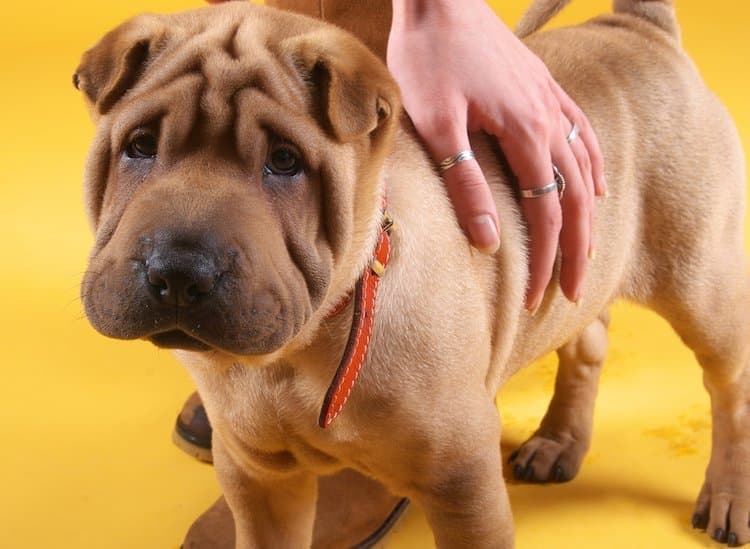
The appearance of the Chinese Shar-Pei is unmistakable. The head and body shape, abundant wrinkles, and darkened nose and muzzle are signature attributes of this ancient breed.
The coat can be in any solid color or sable. The rough, short coat is a source of the Shar-Pei name, which means “sand skin” or “sand paper” coat.
The dogs' blue-black tongue is unique to this breed (as well as the Chow Chow).
Shar-Pei puppies have more wrinkles than older dogs, and these wrinkles usually minimize as the dog matures.
Where the Shar-Pei Came From
Exact details and proof of the Shar-Pei’s origin are lacking, but there is evidence to support the breed’s existence around 200 B.C.
One theory? The breed is a descendant of the Chow Chow because of the dogs' similar characteristics.
When the People’s Republic of China became a communist nation, dogs were nearly eliminated, according to the American Kennel Club (AKC). A few Shar-Peis were bred in areas such as Hong Kong and Taiwan.
The breed was recognized in Hong Kong in 1968 and was later accepted by kennel clubs in other countries. The AKC accepted the breed in 1988 and assigned it to the Non-Sporting Group in 1992.

How Friendly Is a Shar-Pei?
Shar-Peis can be wary of strangers but are not unfriendly, and they're usually devoted to their human companions. When socialized properly with children and other animals, they get along very well.
These active, intelligent dogs are easy to house-train but need consistent training.
Shar-Peis are not fond of water and may go out of their way to avoid it. The dogs generally have a tendency to slobber (this is sometimes more evident when the dog is experiencing pain).
Is This the Right Dog for You?
Exercise Needs
HIGH: Shar-Peis need daily walks to expel energy and avoid behavioral issues. They are sensitive to warmer weather because of the wrinkles holding in heat, so consider this if you live in hotter climates.
Apartment life agrees with this breed as long as exercise needs are met.
Grooming Needs
MEDIUM: Although the coat is short, it can bother people with allergies. These dogs are pretty easy to groom, requiring only a brushing and a bath weekly.
Shedding may be higher during molting periods, and daily brushing can help during this time. The coat doesn't need trimming.
Don't ignore regular grooming practices with your Shar-Pei, such as cleaning the dog's ears, trimming the nails and brushing the teeth.
Health Problems
LOW: The Shar-Pei is generally healthy, but there are some illnesses and genetic ailments associated with the breed: Skin problems Kidney failure Tumors
More Stats About Shar-Peis
| Friendliness | ★★☆☆☆ |
| Ease of Training | ★★★☆☆ |
| Barking/Howling | ★★★★★ |
| Shedding | ★★★★★ |
| Tolerate Being Alone | ★★★★☆ |
| Very Good With Kids | ★★☆☆☆ |
Learn more about these ancient and amazing dogs in this video:
How to Adopt a Shar-Pei
Shar-Peis, like any purebred dog, can end up in rescues and shelters. Start with our adoptable dog search to find one near you, or contact local rescue groups.
Unscrupulous breeders may have deceptive advertisements or websites, so be sure you read our article on puppy mill red flags before buying a Shar-Pei puppy.
Related Dog Breed Profiles You May Like
- Pug Puppies Breed Profile: Essential Facts
- Silky Terrier Breed Profile: Essential Facts
- Standard Schnauzer Breed Profile: Essential Facts
- Thai Ridgeback Breed Profile: Essential Facts
- Maltese Puppies Breed Profile: Essential Facts
Frequently Asked Questions (FAQ)
Shar-Peis can be good family dogs for experienced owners. They are loyal, protective, and independent, but they require early socialization and training to ensure they get along well with children and other pets.
Shar-Peis are naturally territorial and protective, which can make them appear aggressive if not properly trained. They are not inherently aggressive but need firm leadership and early socialization to prevent unwanted behavior.
Some Shar-Pei mixes include Pitbull breeds, but purebred Shar-Peis are not mixed with Pitbulls. The Shar-Pei originated in China, while Pitbulls have a different lineage from bulldogs and terriers.
Yes, Shar-Peis are prone to health issues, including skin infections, entropion (eyelid issues), hip dysplasia, and Shar-Pei fever, a breed-specific condition that can lead to kidney failure. Regular vet checkups help manage these risks.
References
- "Chinese Shar-Pei." American Kennel Club. https://www.akc.org/dog-breeds/chinese-shar-pei/.
- "Breed Standard." Shar-Pei Club of Canada. http://www.peiclub.com/SPCC-NEW/breedstandard.html.
- "History of the Chinese Shar-Pei." Chinese Shar-Pei Club of America. April 8, 2019. https://cspca.com/history/.
- "Caring for Your Shar Pei." Shar Pei Club of Great Britain. 2018. https://www.spcgb.org/caring-for-your-shar-pei.
- Vidt, Jeff, DVM. "Most Common Health Issues." Chinese Shar-Pei Club of America. April 9, 2019. https://cspca.com/most-common-heath-issues/.

Kristine Lacoste has been researching dog and cat breeds for nearly a decade and has observed the animals up close at dog shows in both the United States and the United Kingdom. She is the author of the book One Unforgettable Journey, which was named as a finalist for a Maxwell Award from the Dog Writers Association of America, and was host of a weekly pet news segment on the National K-9 Academy Radio Show. In addition, she was the New Orleans coordinator for Dogs on Deployment, a nonprofit that helps military members and their pets, for 3 years. Kristine has researched and written about pet behaviors and care for many years. She holds a bachelor’s degree in psychology, another bachelor’s degree in English and a Master of Business Administration degree.
Sign up for expert-backed reviews and safety alerts all in one place.