Havanese Breed Profile: Essential Facts
The national dog of Cuba, Havanese have fun personalities — which makes up for their high-maintenance coats.

- AKC Group: Toy
- Weight: 7–13 lbs.
- Height: 8.5–11.5 in.
- Life Span: 15 years

Sign up for expert-backed reviews and safety alerts all in one place.
Key Characteristics
The Havanese has the distinction of being the only dog breed native to Cuba and, unsurprisingly, it is the country's national dog.
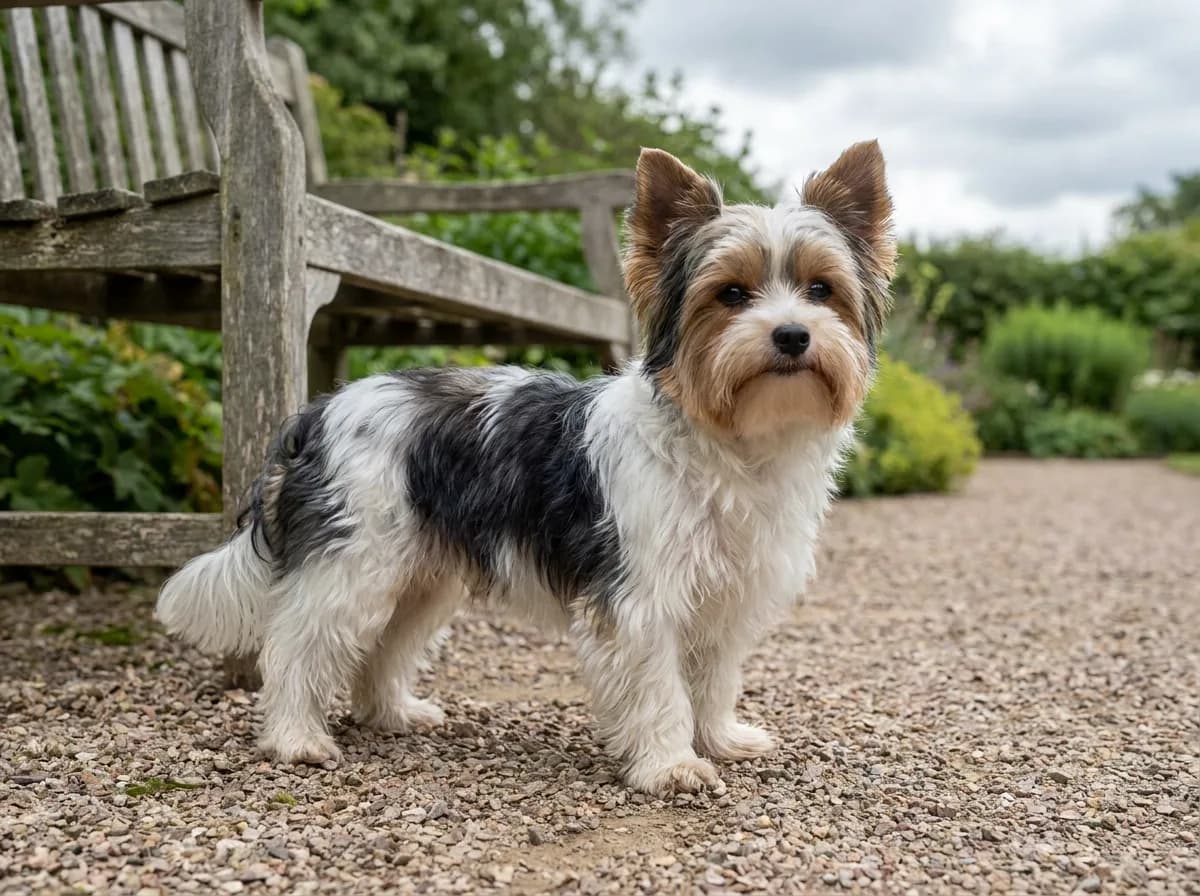
Characteristics include large, almond-shaped brown eyes, broad and folded ears, and a high-set tail that is well feathered and lies on the back or to the side.
The double coat is soft and wavy -- and comes in 16 colors.
Where They Came From
Records from the early 1500s mentioned these dogs may have been brought to Cuba from the island of Tenerife, according to ship logs.
At the time, Tenerife was the only port allowed to trade with Cuba.
The Havanese has also been called the Havana silk dog and the Spanish silk poodle. The dogs became popular after they were exported to several European countries in the mid-1700s.
The American Kennel Club (AKC) has asserted that all Havanese in the world can be traced back to 11 dogs. The breed became popular in the United States in the late 1970s, and the AKC recognized it in 1996.

How Friendly Are They?
Havanese are affectionate and playful.
They're intelligent and therefore easy to train. They can be sensitive to harsh training, so positive reinforcement methods are encouraged.
Nikki Riggsbee and Michele Earle-Bridges, authors of the book Havanese, recommend using "each meal as a training opportunity by having your Havanese do something for his food. When he knows sit and down, have him stay until you put the food down."

Havenese don't bark much, but they're good watch dogs.
They become attached to family members and get along with children and other pets. Luckily for their humans, they enjoy obedience, training, agility and therapy work.
Is This the Right Dog for You?
Exercise Needs
MEDIUM: Havanese may be small, but they are active. Walk yours twice a day and provide exercise and play when possible. Because these dogs are active indoors, they can thrive in apartments.
Grooming Needs
HIGH: The Havanese coat sheds little, but how much grooming you'll do depends on your dog's coat. Longer coats require much more time and attention.
If you cord the coat, maintenance will become easier after the cords are established (a corded coat doesn't require brushing). If your Havanese has a coat that isn't corded, you will need to brush several times per week.
Trim the hair between the paw pads. Also, clean the ears cleaned weekly.
Some Havanese are born with a short coat. They are called Shavanese, and their coats will shed.
Health Problems
MEDIUM: Possible complications include: Ear infections Progressive retinal atrophy Cataracts Patellar luxation Legg-Calvé-Perthes disease Heart, liver and kidney problems Deafness Seizures Skin problems Hip dysplasia (most common) Elbow dysplasia
Here's a Havanese named Pinto who has learned some great tricks:
Where to Adopt One
Mixed and purebred Havanese should be easy to find in shelters and rescues.
If you contact breeders, make sure they are reputable. It's imperative that the breeder have health reports — eye, hip, thyroid, cardiac and Legg-Calvé-Perthes screenings — for the parent dogs.
Related Dog Breed Profiles You May Like
- Ibizan Hound Breed Profile: Essential Facts
- Keeshond Breed Profile: Essential Facts
- Kerry Blue Terrier Breed Profile: Essential Facts
- Lhasa Apso Breed Profile: Essential Facts
- Maltese Breed Profile: Essential Facts
Frequently Asked Questions (FAQ)
Havanese require frequent grooming, can be prone to separation anxiety, and need consistent training to prevent stubbornness. They are also small and delicate, making them vulnerable to injury from rough play.
The most common cause of death in Havanese is heart disease, particularly mitral valve disease. Other common health concerns include liver disease, cancer, and orthopedic issues.
The Havanese descends from the Bichon family of dogs, particularly the now-extinct Blanquito de la Habana, which was likely crossed with small poodle-type dogs to refine the breed.
Havanese are moderate barkers and will bark to alert their owners but are generally not excessive. Training can help manage barking behavior.
Additional Resources
- AKC's Havanese Page
- Havanese Club of America
- Havanese Rescue

Kristine Lacoste has been researching dog and cat breeds for nearly a decade and has observed the animals up close at dog shows in both the United States and the United Kingdom. She is the author of the book One Unforgettable Journey, which was named as a finalist for a Maxwell Award from the Dog Writers Association of America, and was host of a weekly pet news segment on the National K-9 Academy Radio Show. In addition, she was the New Orleans coordinator for Dogs on Deployment, a nonprofit that helps military members and their pets, for 3 years. Kristine has researched and written about pet behaviors and care for many years. She holds a bachelor’s degree in psychology, another bachelor’s degree in English and a Master of Business Administration degree.
Sign up for expert-backed reviews and safety alerts all in one place.