Best Dog Food for Havanese: Small-Dog Portions and Food Choices
Compare four JustFoodForDogs options for Havanese and learn how to weigh small meals, choose puppy or adult recipes, and match opened packages to the amount your dog actually eats.
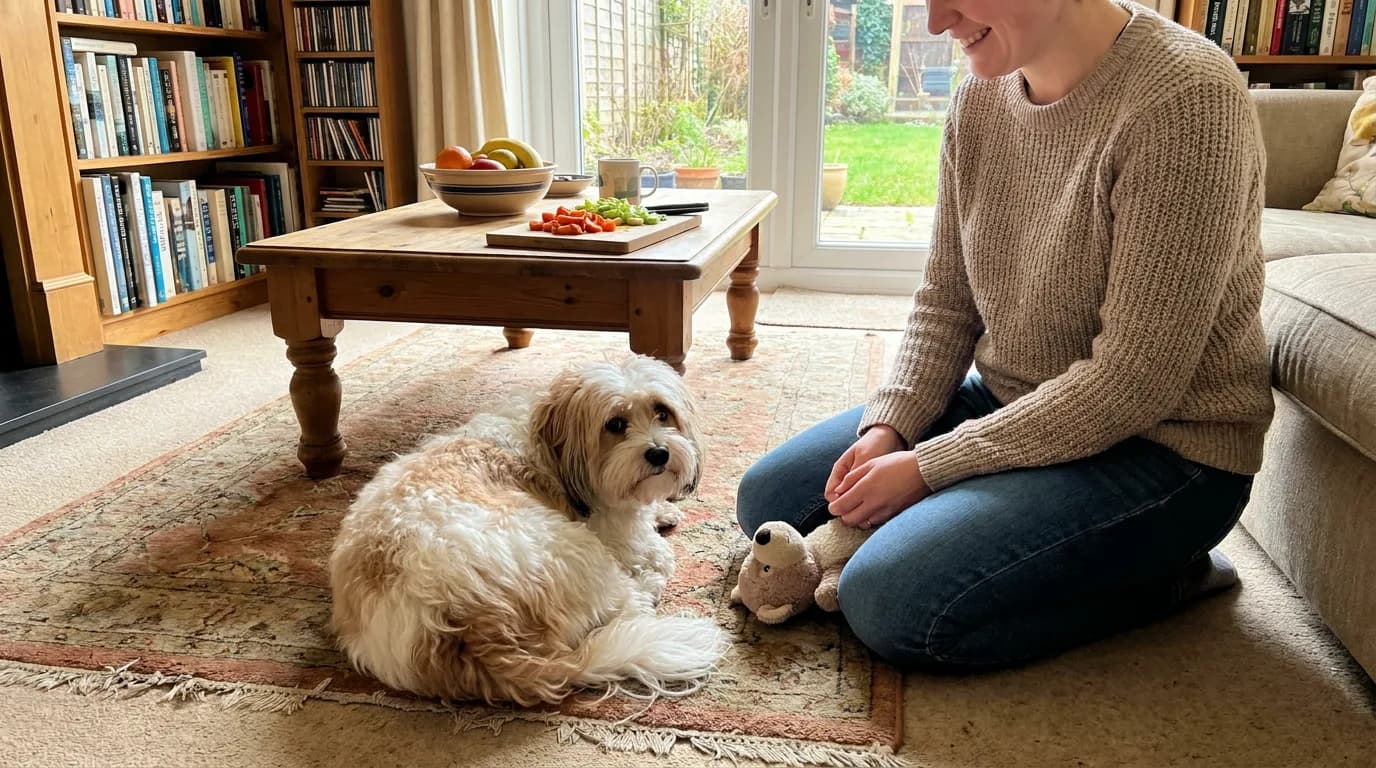
A Havanese rests beside its owner and a toy.
Petful is reader supported. As an affiliate of platforms like Amazon and Chewy, we may earn a commission when you buy through links on this page. There is no extra cost to you.
This article is sponsored by JustFoodForDogs. Petful maintains editorial control and may earn a commission from qualifying purchases, at no extra cost to you.
The best dog food for havanese dogs should provide complete nutrition for the right life stage, fit the dog's individual calorie needs, and be easy to portion accurately. For a small dog, the amount left in an opened package deserves as much attention as the amount placed in the bowl.
A recipe can be suitable nutritionally and still need a better household plan. Measuring small servings in grams helps connect the daily ration to package size, refrigeration, and food waste. Here is how four JustFoodForDogs choices can fit that routine.

Sign up for expert-backed reviews and safety alerts all in one place.
Choose Havanese food for the dog and the household
Useful Havanese food suggestions start with the individual dog. Age, body condition, current intake, and any medical needs help define the food choice. The breed name does not establish that a dog is picky, needs a special protein, or should eat the same portion as another Havanese.
Petful's Havanese breed profile covers the broader breed picture. At mealtimes, pay attention to the dog in front of you and the practical details that let you feed consistently.
- 1Match the recipe to the dog's life stage
- 2Weigh small portions using the food's calories per gram
- 3Check package-days against the opened-use window
- 4Reassess intake through weight and body condition
A small-breed formula may offer conveniently sized pieces, but the package category is not the whole decision. The best dry food for Havanese dogs needs appropriate nutritional adequacy and manageable texture. A wet or fresh food needs the same nutritional fit, along with a workable plan for the opened container.
Compare foods using these questions:
- Does the nutritional adequacy statement cover the appropriate life stage?
- Can the dog comfortably manage the food's texture?
- How many calories does each gram provide?
- What amount will the dog actually eat each day?
- Can the household finish opened food within the manufacturer's instructions?
- Will another feeder be able to repeat the portion accurately?
The FDA's complete and balanced explanation distinguishes life-stage nutritional adequacy from other package claims. Petful's guide to AAFCO statements on dog food explains why those statements matter more than language suggesting a product is “AAFCO approved.”
Choose a format you can sustain. A measured dry-food routine can be appropriate. So can a measured fresh-food routine or a combination of suitable complete foods. Freshness, texture, and storage convenience are useful decision factors, but none establishes universal nutritional superiority over another complete format.
Four JFFD choices for small-dog feeding routines
The following options differ in life-stage eligibility, calorie density, and storage format. The comparison uses current manufacturer information. The most useful choice is the one that fits your Havanese and the daily portions your household will serve.
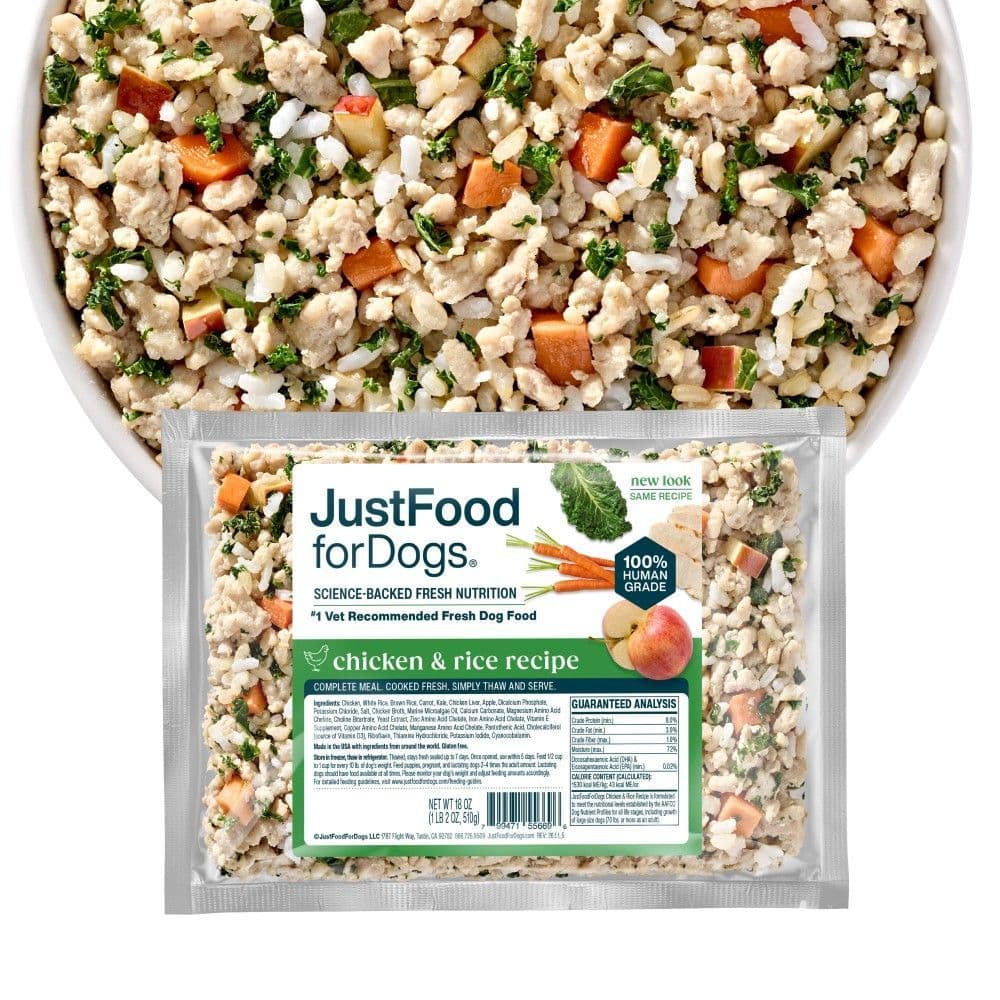
Petful may earn a commission when you click through to JustFoodForDogs, at no extra cost to you.
| Food | Life-stage fit | Calories per gram | Small-dog planning point |
|---|---|---|---|
| JustFoodForDogs Chicken & Rice | All life stages, including growth | 1.530 | Weigh the portion and plan the thawed package around daily intake |
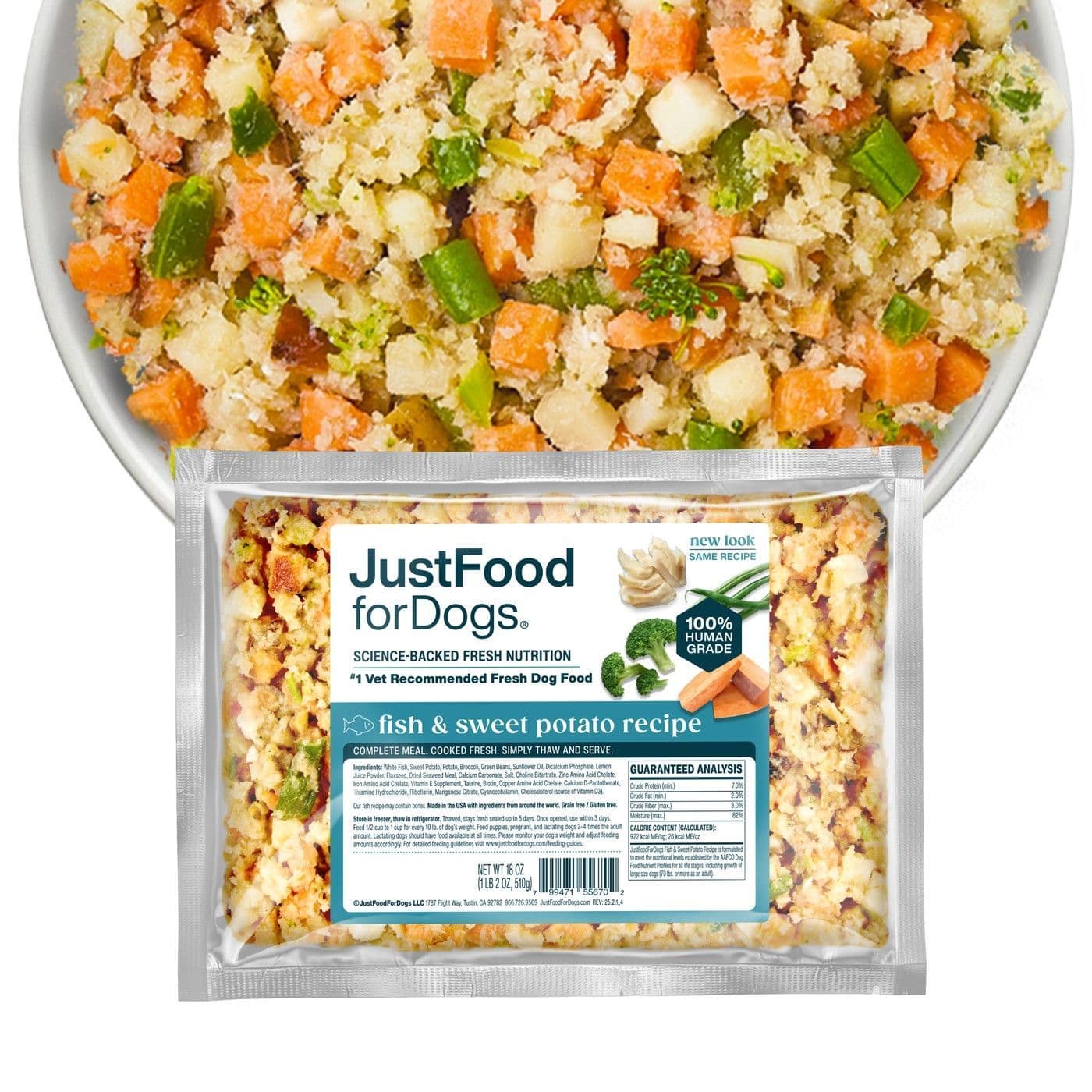
| JustFoodForDogs Fish & Sweet Potato | All life stages, including growth | 0.922 | More grams supply the same calories; the fish storage window is shorter |
| JustFoodForDogs Beef & Russet Potato | Adult maintenance | 1.559 | An adult-only option that needs its own measured serving |
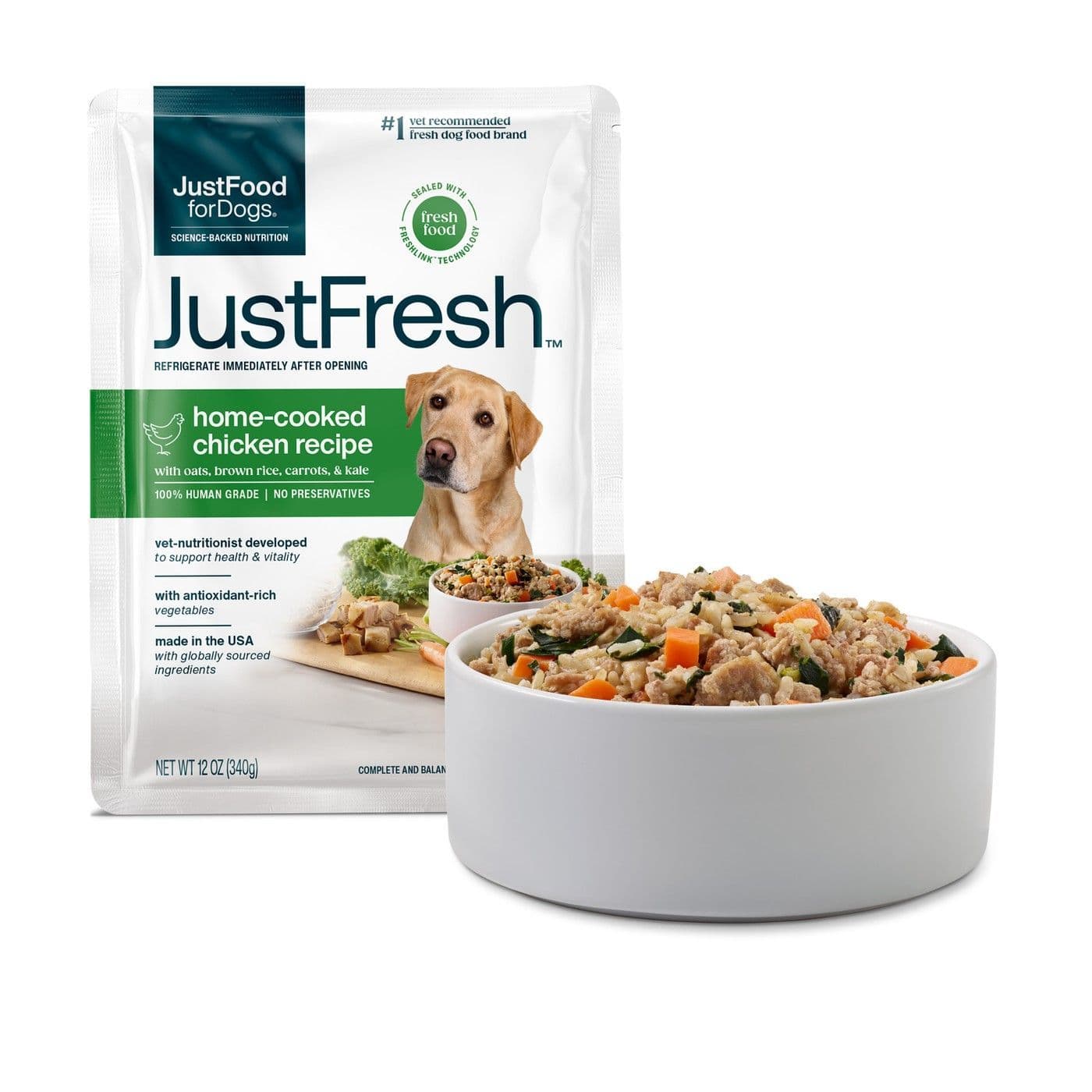
| JustFoodForDogs JustFresh Home-Cooked Chicken | Adult maintenance | 1.254 | Convenient unopened shelf storage, followed by refrigerated use |
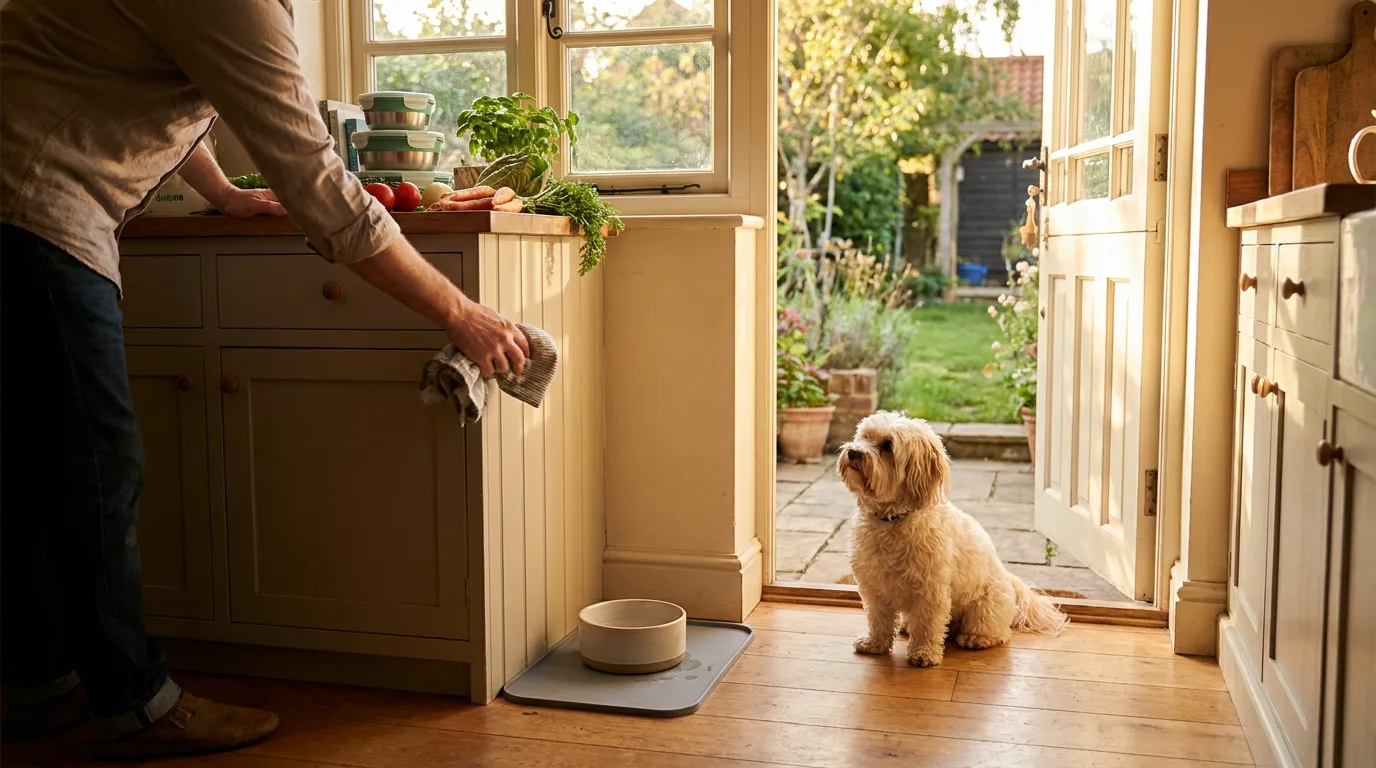
JustFoodForDogs Chicken & Rice
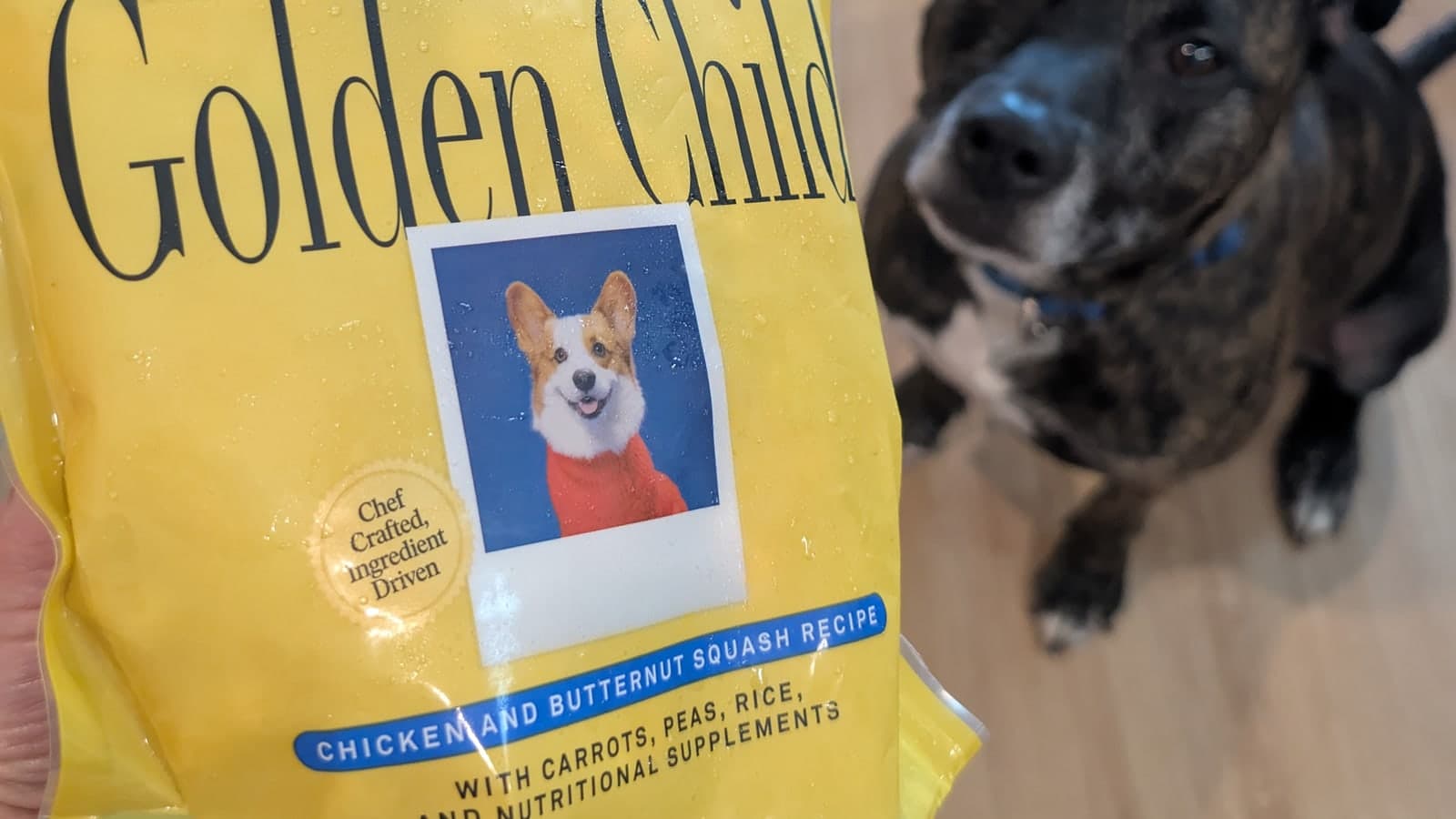
JustFoodForDogs Chicken & Rice is a fresh-frozen option to consider for a Havanese puppy or adult. The current formulation includes chicken with white and brown rice, and its adequacy statement covers all life stages, including growth.
The manufacturer's calorie information lists 1,530 kcal/kg, equivalent to 1.530 calories per gram. This conversion makes the food straightforward to weigh once you have established how many daily calories it should provide.
- Useful fit: A puppy or adult routine that can accommodate refrigerated fresh-food portions.
- Portion example: A 50-gram serving contains approximately 76.5 calories.
- Package question: How many days will the chosen package last at your dog's actual daily gram allocation?
That 50-gram example is a measurement illustration, not a recommended meal size. A food portion should follow the dog's individual plan. If you use Chicken & Rice for only part of the diet, calculate package-days from that smaller daily allocation rather than pretending the dog will eat the whole ration from one package.
JustFoodForDogs Fish & Sweet Potato
JustFoodForDogs Fish & Sweet Potato provides a growth-appropriate fresh option with a different protein profile. The current recipe uses a cod, pollock, and haddock blend.
Its listed calorie density is 922 kcal/kg, or 0.922 calories per gram. A Havanese receiving the same calories from this food as from Chicken & Rice would eat a larger weight of food. That difference affects both bowl portions and how quickly an opened package is used.
- Useful fit: A puppy or adult whose feeding needs suit the specific fish recipe.
- Portion example: A 50-gram serving contains approximately 46.1 calories.
- Package question: Can you use the opened fish recipe within its shorter refrigerated window?
Do not select a smaller portion merely because the bowl looks fuller. Conversely, lower calorie density does not establish that the recipe is a weight-loss treatment. Its practical value comes from a measured amount within the dog's plan.
JustFoodForDogs Beef & Russet Potato
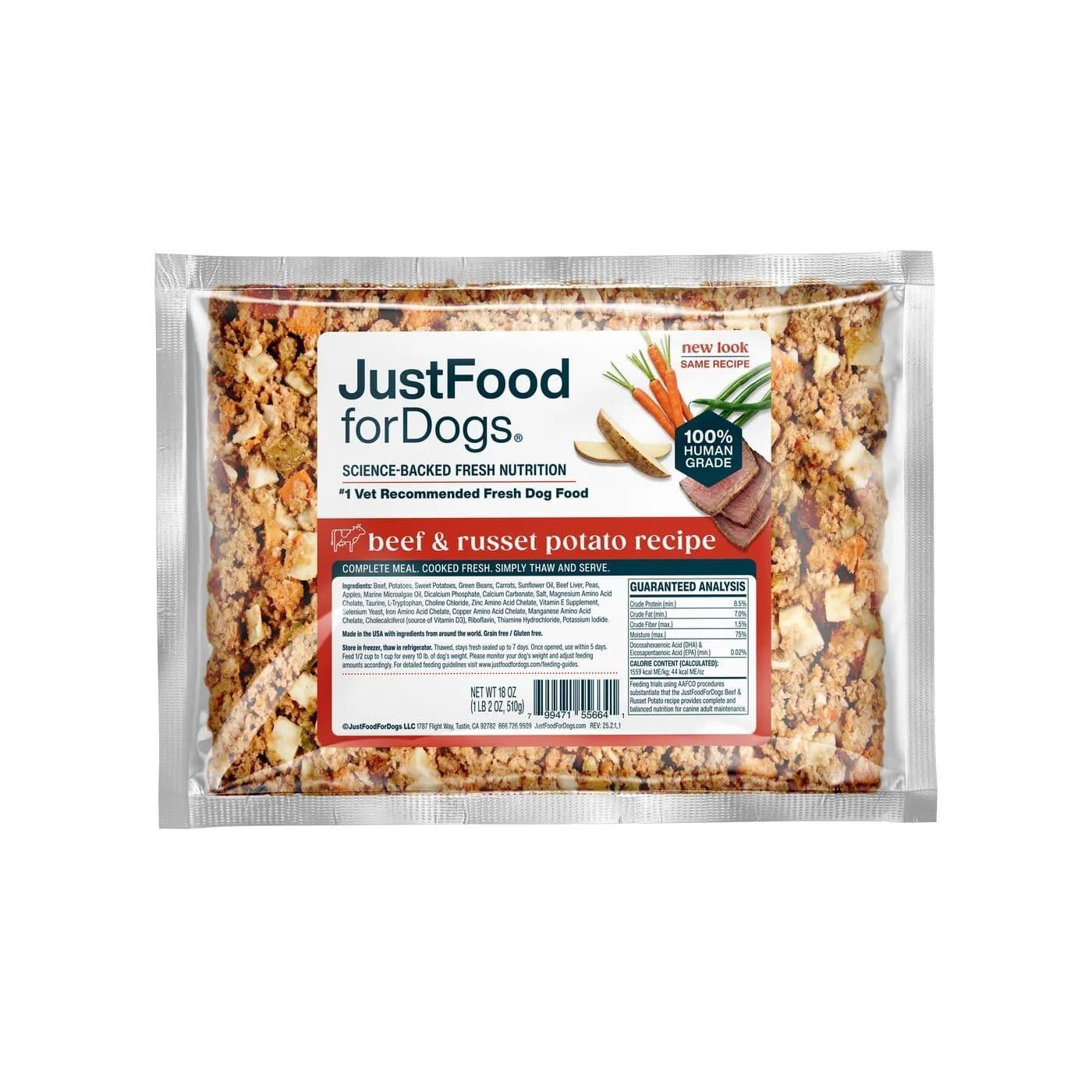
JustFoodForDogs Beef & Russet Potato is a complete adult-maintenance option. It is not intended as the complete food for a growing Havanese puppy.
The current recipe information lists 1,559 kcal/kg, or 1.559 calories per gram. Adult-maintenance adequacy is substantiated through feeding trials using AAFCO procedures. Use that exact life-stage distinction when choosing between foods in the same brand.
- Useful fit: A measured fresh-food plan for an adult Havanese.
- Portion example: A 50-gram serving contains approximately 78 calories.
- Package question: Will the planned adult serving use the opened package on time?
Chicken & Rice and Beef & Russet Potato have relatively similar calorie densities, but they are not identical products. A household note should name the specific recipe and gram amount. That matters especially if one dog eats an adult recipe and another dog is still growing.
Petful may earn a commission when you click through to JustFoodForDogs, at no extra cost to you.
JustFoodForDogs JustFresh Home-Cooked Chicken
JustFoodForDogs JustFresh Home-Cooked Chicken suits adult-maintenance feeding plans where unopened shelf storage is helpful. It is distinct from fresh-frozen Chicken & Rice and should have its own line on your feeding instructions.
The current formulation contains oats and brown rice and supplies 1,254 kcal/kg, or 1.254 calories per gram. It is not a complete puppy diet.
- Useful fit: An adult routine that benefits from keeping unopened food in the pantry.
- Portion example: A 50-gram serving contains approximately 62.7 calories.
- Package question: Can the opened package be used within the refrigerated period?
For a small dog, pantry convenience and opened-package convenience are separate questions. Keeping several unopened packages available does not mean one opened package can remain in use indefinitely. Match the selected package size to daily intake before buying a larger quantity.
Petful's guide to where to buy JustFoodForDogs explains shopping options. Compare the exact recipe and package size available through each route. A product name alone is not enough to calculate how much food you will use.
Build a Havanese feeding chart in grams
A useful Havanese feeding chart turns the dog's established calorie allowance into a repeatable serving. A chart organized only by breed or age can miss differences in body condition, activity, recipe density, and growth.
Start with the calorie allowance appropriate for your dog. The WSAVA calorie guide for healthy adult dogs provides starting estimates for adults in ideal condition. A growing puppy or a dog with a medical or weight-management plan needs an individually appropriate calculation.
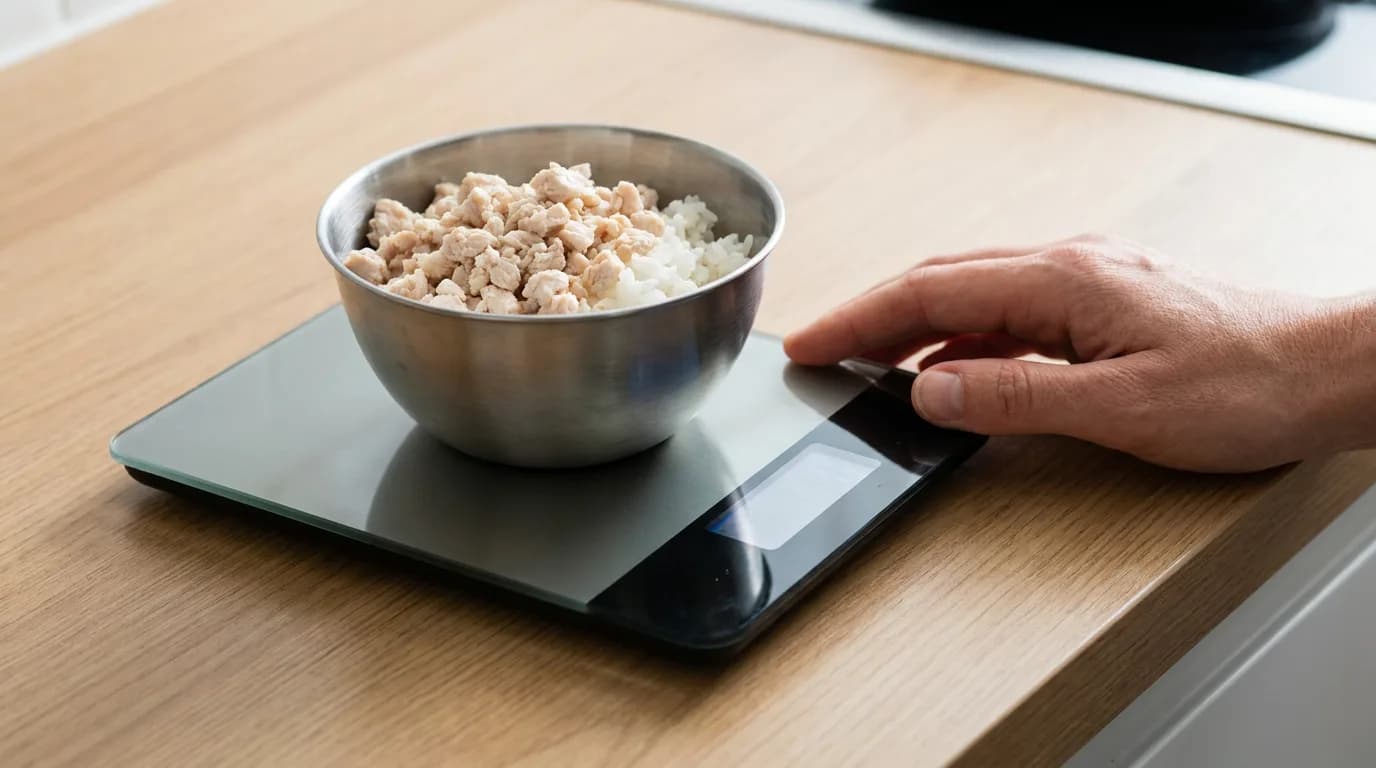
Small portions make measuring errors matter. An extra 10 grams is a modest-looking amount in many bowls, but it can be a meaningful fraction of a small planned serving. A scale makes that difference visible and repeatable.
- Use calories per gram with a gram scale. A volume cup and an ounce of food by weight are different measurements, and neither should be substituted casually for the other.
Grams per day = calories assigned to the recipe ÷ calories per gram.
If the label gives kcal/kg, divide that number by 1,000 first. For example, 1,530 kcal/kg becomes 1.530 kcal/g. Keep the conversion attached to the exact recipe so it does not accidentally follow you to a different product.
A hypothetical adult feeding chart
Suppose an adult dog's established plan assigns 300 calories per day to one complete food. This is an arithmetic example, not a daily recommendation for a Havanese. The same calculation works with the individual allowance established for your dog.
| Recipe | Example calculation | Approximate daily grams for 300 calories |
|---|---|---|
| Chicken & Rice | 300 ÷ 1.530 | 196 g |
| Fish & Sweet Potato | 300 ÷ 0.922 | 325 g |
| Beef & Russet Potato | 300 ÷ 1.559 | 192 g |
| JustFresh Home-Cooked Chicken | 300 ÷ 1.254 | 239 g |
These are alternative ways to provide the same hypothetical calorie allocation. They are not four portions to combine. They also do not imply that every Havanese needs 300 calories, or that puppy and adult amounts should match.
The fish recipe's larger gram amount illustrates why an old scoop or familiar bowl level can be misleading. A portion measured for one recipe should be recalculated when the calorie density changes.
Account for treats before filling in the chart
Noncomplete treats and extras belong inside the total daily calorie allowance. AAHA identifies noncomplete foods above 10% of daily calories as a nutritional risk. Keep all such extras combined within that general ceiling, with any tighter individual instructions taking priority.
For example, if the hypothetical adult's total allowance were 300 calories and 15 calories were reserved for noncomplete treats, 285 calories would remain for complete food. Chicken & Rice would then supply about 186 grams rather than 196 grams.
Build the chart in this order:
- Enter the total daily calorie allowance.
- Record calories reserved for all noncomplete extras.
- Subtract those calories from the total.
- Assign the remaining calories to the complete food or foods.
- Convert each recipe's allocation to grams.
- Divide the food between meals and any complete-food training rewards.
- Record uneaten amounts when actual intake differs from the plan.
Do not automatically use the full 10% for treats. A few planned rewards may be enough, and some dogs need a more restricted extra-food plan. Complete food used as a reward can come from the normal ration.
What a small measurement error looks like
Imagine a planned Chicken & Rice meal of 80 grams that is repeatedly served as 90 grams. The additional 10 grams supplies 15.3 calories. Across two meals, the unintended difference is 30.6 calories per day.
The point is not that every small deviation is dangerous. It is that consistent extra food can become invisible when “about the same spoonful” replaces measurement. If the dog's weight trend changes, an accurate record helps reveal whether the feeding amount is what everyone thought it was.
A repeatable scale routine is simple:
- Put the empty bowl on a level surface on the scale.
- Tare it to zero.
- Add the first food to its planned weight.
- Record that amount before adding another recipe.
- Check that the scale is displaying grams.
- Use the same written instructions across feeders.
For very small quantities, check the scale's resolution and minimum reliable weight in its instructions. If the display jumps in increments larger than the portion you need, measure a larger daily ration and divide it carefully, or use a suitable scale. False precision is not an improvement over a clear, workable method.
Build age into the review schedule
A Havanese feeding chart by age is most helpful when it identifies when the plan needs reassessment. It should not turn each birthday into an automatic calorie change.
- Growing puppy: Update the record as weight and growth change, using an appropriate puppy feeding plan.
- Adult: Check whether the measured amount maintains the intended weight and body condition.
- Older adult: Reassess actual intake, activity, muscle condition, and any new health needs.
- After a recipe change: Recalculate grams using the new calorie density, even if the life stage is unchanged.
Keep the current chart where food is prepared. Date it and replace outdated versions. Otherwise, a careful calculation can still fail because one person follows an older amount.
Match Havanese puppy food to growth
The best dog food for a Havanese puppy needs to support growth. A small adult-maintenance portion does not become puppy food because the dog is small, and feeding more of an adult-only food does not establish the right nutrient balance.
Among these four choices, Chicken & Rice and Fish & Sweet Potato carry all-life-stages statements that include growth. Beef & Russet Potato and JustFresh Home-Cooked Chicken are adult-maintenance-only options. Read the current label on the exact product you are buying.
Petful may earn a commission when you click through to JustFoodForDogs, at no extra cost to you.
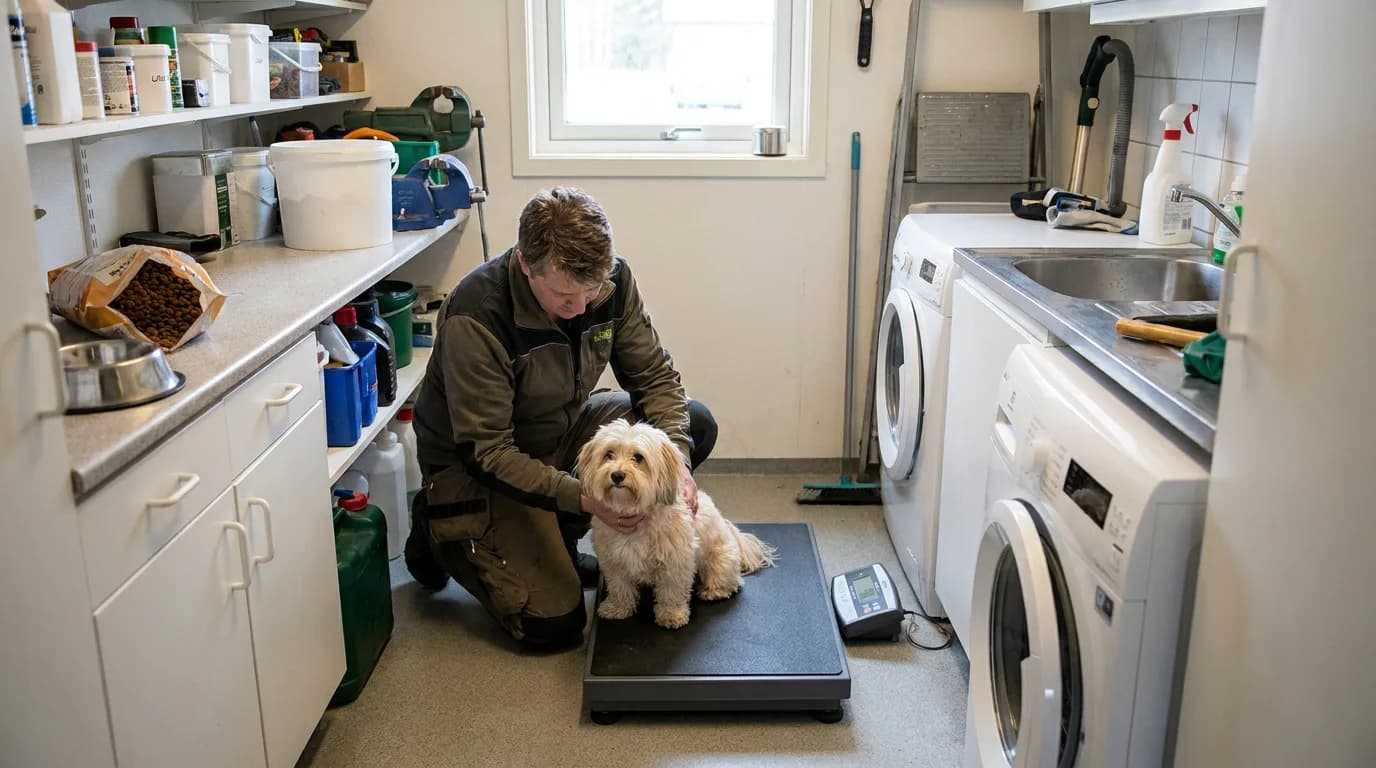
An appropriate puppy plan also needs a meal schedule and a way to monitor development. Record current weight and the actual daily amount eaten. Have the veterinarian assess body condition and discuss adjustments as the puppy grows.
When bringing a Havanese puppy home:
- Obtain the full name of the food the puppy currently eats.
- Ask for its current daily amount and meal schedule.
- Keep enough of that food available for an orderly transition if needed.
- Confirm growth suitability before selecting a replacement.
- Count training rewards as part of the puppy's daily intake.
- Arrange follow-up on growth and body condition.
Avoid changing every element of the routine on arrival. Familiar food and a clear serving plan make it easier to understand the puppy's actual appetite during an already substantial household change.
What is the healthiest puppy wet food?
There is no single healthiest puppy wet food for every Havanese. A suitable choice is complete and balanced for growth, appropriate for the puppy's individual needs, and practical to feed in the required amount.
The word “wet” does not establish life-stage adequacy. Some moist products are complete foods; others are complementary products or toppers. Look for the statement that identifies the product's nutritional purpose, then check calories and serving instructions.
Useful questions include:
- Does the exact recipe qualify for puppy growth?
- How much of it supplies the planned daily calories?
- Can the puppy manage the texture comfortably?
- Can opened food be used according to its storage instructions?
- Does the puppy maintain an appropriate growth pattern on the plan?
A soft food can be convenient, but softness is not proof of superior nutrition. Likewise, a complete dry growth diet does not need fresh food added merely to make it complete. Choose additions because they fit a measured plan, not because one format is assumed to be incomplete.
Which brand of food is best for puppies?
There is no universal number-one recommended puppy food brand. A brand may sell both growth-appropriate and adult-only recipes, so the exact product is the meaningful unit of comparison.
For a Havanese puppy, start with a complete growth food and then evaluate the individual response, feeding practicality, and access to reliable product information. Veterinary advice should identify the recipe and the feeding plan, rather than relying only on the brand name.
Bring this information to a puppy visit:
- A picture of the nutritional adequacy statement.
- The calorie information and current daily food amount.
- The puppy's recent weight record.
- A list of treats and other foods.
- Any changes in stool, appetite, or feeding behavior.
This makes the discussion concrete. It also prevents a recommendation for one product from being applied accidentally to another food with a similar name.
Choose texture without overlooking a change in appetite
Dry, wet, and fresh foods offer different serving experiences. The useful question is whether your Havanese can eat the chosen food comfortably and consistently while receiving the planned nutrition.
Small pieces can be convenient, and moist food can be easy to portion into a dish. Individual preference matters, but a new reluctance to eat should not automatically be called normal Havanese fussiness.
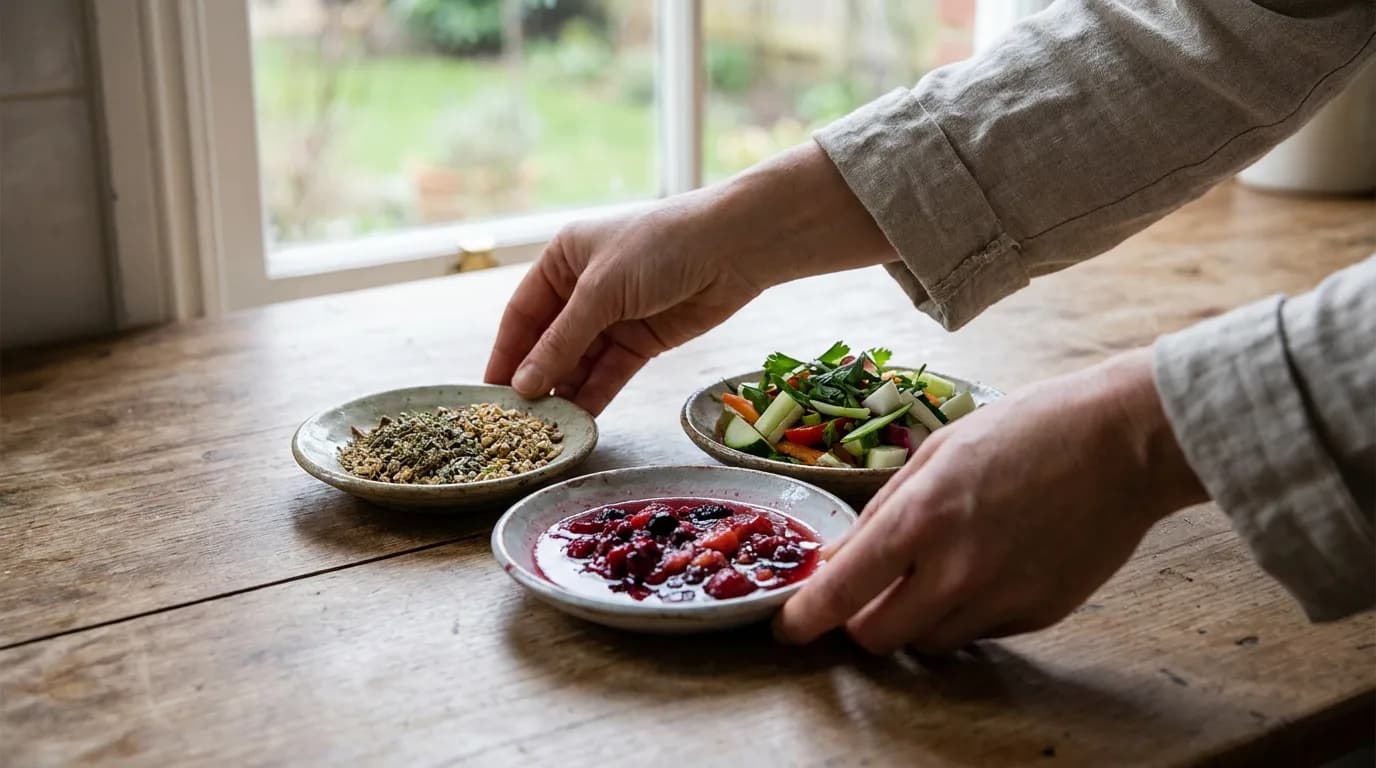
Compare formats through daily use:
- Dry food: Check piece size, calorie density, and storage instructions after opening.
- Wet food: Confirm complete-food status and plan the container around small servings.
- Fresh-frozen food: Include thawing time and refrigerator capacity in the routine.
- Shelf-stable moist food: Distinguish unopened storage from the shorter opened-food period.
- Mixed meals: Measure each recipe separately before combining them.
A format change is not a diagnosis. If your dog suddenly stops eating familiar food, drops pieces while chewing, or shows other changes, contact your veterinarian. The same applies to sustained reduced intake or weight loss. Repeatedly adding richer food can obscure how much of the intended diet the dog is actually eating.
For an otherwise well dog, use a short food record before making assumptions. Note meals offered, amounts left, treats, and who fed them. A dog receiving small snacks throughout the day may eat less at dinner than the meal plan suggests.
Petful may earn a commission when you click through to JustFoodForDogs, at no extra cost to you.
Make a texture change measurable
If you decide to mix two suitable complete foods, choose the calorie split before serving. Equal spoonfuls are not necessarily equal calories.
For a hypothetical 150-calorie meal, you might assign 50 calories to fresh food and 100 calories to dry food. Calculate the grams of each from their individual labels. That keeps the meal at the intended amount while you assess whether the combination is practical.
- Keep the total meal allocation clear.
- Use the new recipe's calorie density.
- Record leftovers if the dog separates and leaves part of the mixture.
- Recalculate package-days for the amount actually used.
- Avoid adding an unmeasured topper to encourage finishing the original full portion.
If the dog reliably eats only one part, the planned nutritional and calorie split is no longer the consumed split. That observation is a reason to revisit the serving method, not a reason to keep presenting the same calculated mixture indefinitely.
Does a Havanese need food marketed for allergies?
A Havanese does not need an allergy-marketed food simply because of its breed. Havanese food allergies require an individual diagnosis. Itching or digestive changes are reasons to investigate, but they do not identify the responsible ingredient by themselves.
VCA's food-allergy guidance describes a controlled elimination diet followed by a food challenge. Switching between ordinary chicken and fish recipes cannot establish the same answer. The four regular recipes compared here are not treatment diets.
Prepare a feeding record before the appointment:
- List the exact foods currently served and any recent changes.
- Record treats, chews, supplements, and food used for medication.
- Note when symptoms occurred alongside the feeding history.
- Ask which foods and rewards are permitted if a trial is prescribed.
Give every feeder the same instructions. An extra that fits the calorie budget may still conflict with the trial, so the ordinary treat allowance does not establish what is permitted.
Plan opened food around a small daily portion
Connect your small dog's daily ration to package size, refrigeration, and food waste before buying. Use the net weight of one package, the grams actually eaten from it each day, and the manufacturer's opened-use instructions. If fresh food supplies only part of a mixed diet, use that smaller daily amount in the calculation. Otherwise, you may expect to finish a package sooner than your feeding plan allows.
Package-days = net grams in the package ÷ grams used from that package each day.
- Dividing package weight by daily intake tells you when the food would run out. The product's opened-use instructions still determine how long it can be kept.
This calculation predicts how long the contents would last at the planned feeding rate. It does not extend the safe storage period. If the result exceeds the permitted window, the package and feeding plan do not fit without an appropriate alternative.
Use the manufacturer's current storage guidance for the exact product:
| Product type | Opened refrigerated-use window |
|---|---|
| Thawed Chicken & Rice or Beef & Russet Potato | Within 5 days |
| Thawed Fish & Sweet Potato | Within 3 days |
| JustFresh | Within 3 days |
Also respect the product's sealed-thawed storage limit and package instructions. Opening an older thawed package does not erase its previous storage history.
A hypothetical package-days example
Consider a hypothetical package containing 500 grams of food. This round number illustrates the method and is not a claim about the size of a currently offered package.
- At 125 grams per day: 500 ÷ 125 = 4 package-days.
- At 50 grams per day: 500 ÷ 50 = 10 package-days.
- With a three-day opened-use window: Neither pattern fits without an appropriate change.
- With a five-day opened-use window: The four-day pattern could fit, subject to the product's full handling instructions.
The change from a main diet to a small topper is especially important. A package that fits comfortably when used for most meals may last too long when it supplies only a small fraction of daily calories.
Work backward from the storage window
Estimate the amount you will use within the opened-food period: daily grams from that package × permitted opened-use days = grams used within the window.
For example, a dog eating a hypothetical 80 grams per day would use 240 grams over three days. That gives you a practical comparison point when looking at package sizes. It does not mean the dog should be fed more to use up a larger package.
Before buying, check:
- The actual net weight of the selected package.
- Whether the displayed price covers one package or a multipack.
- The daily grams your dog will receive from that recipe.
- The exact opened-use instructions.
- Whether a smaller package or another suitable format fits better.
A multipack can be convenient if its individual units stay sealed until needed. The relevant storage calculation begins with the individual opened unit, not the total shipping weight.
Avoid solving a packaging mismatch with overfeeding
When food is nearing the end of its usable period, serving a larger meal to avoid waste changes the dog's calorie intake. Repeatedly doing that can defeat an otherwise careful small-dog feeding plan.
Instead, make the mismatch visible before the next purchase. A smaller package, a different suitable format, or a different planned share of complete-food calories may fit the household more reliably.
If changing the share of the diet, recalculate both sides:
- Remove the corresponding calories from the original complete food.
- Add only the planned calories from the new complete food.
- Convert each calorie allocation into its own gram amount.
- Recheck how quickly the new package will be used.
- Confirm that both foods qualify for the dog's life stage.
Do not assume any opened commercial food can be refrozen. Follow that product's instructions or obtain specific guidance from the manufacturer. A general rule for human leftovers is not a substitute for a commercial pet food's handling directions.
Keep opening dates separate from meal labels
A container marked “Tuesday breakfast” is useful for serving, but it does not reveal when the food was opened or thawed. Keep those dates alongside the meal label.
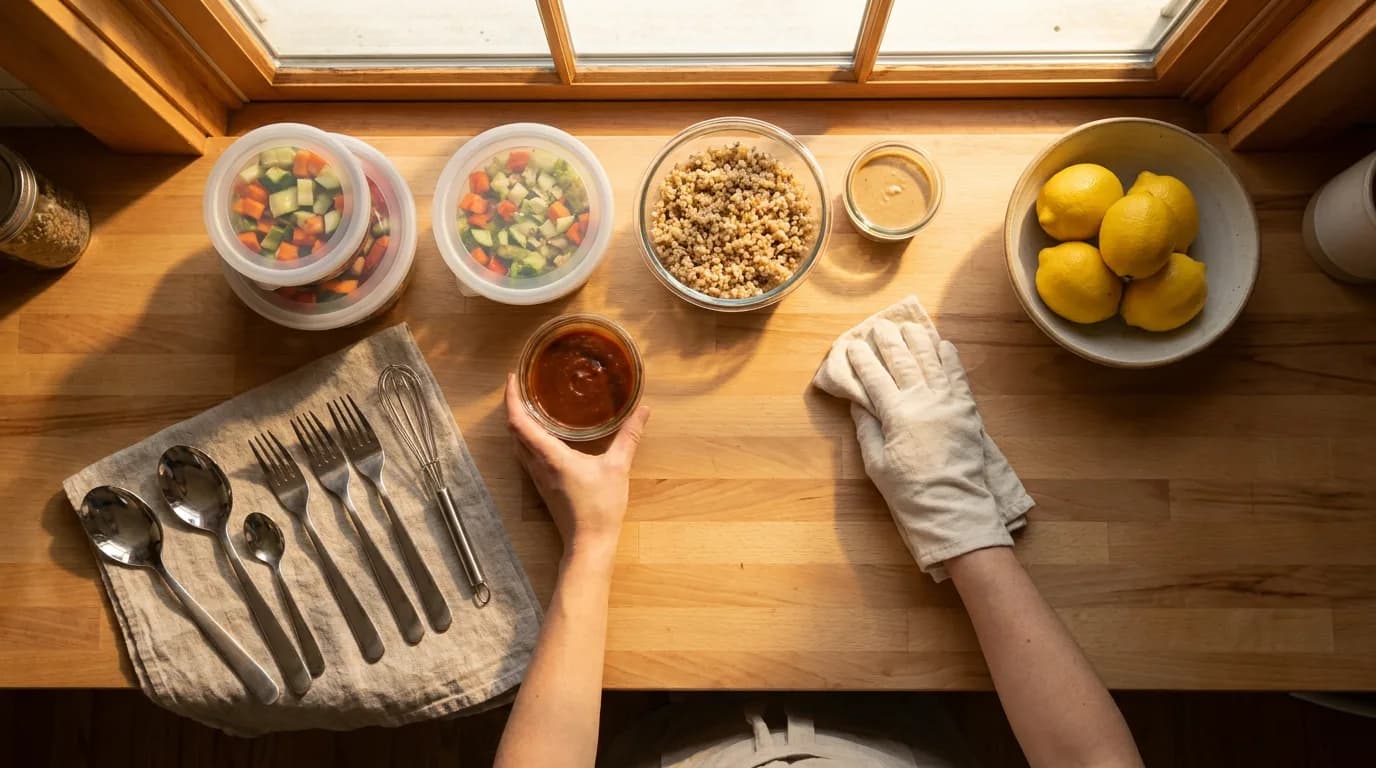
The FDA's pet-food storage guidance recommends a refrigerator temperature of 40°F or below and prompt refrigeration or disposal of unused moist food. Prepare meals with clean utensils and keep the original product information available.
- Mark when the package was opened.
- Preserve relevant thawing information.
- Use clean covered containers when appropriate.
- Keep the recipe and lot information until the food is finished.
- Follow discard instructions even if the remaining quantity is inconvenient.
- Recalculate the next order if actual consumption differs from the original plan.
The aim is to buy and prepare an amount that fits the dog's routine. Reliable storage makes a suitable food easier to keep using consistently.
Adjust an adult or senior routine from actual body condition
An adult Havanese's feeding plan should be checked against actual results. If the dog maintains appropriate body condition on a measured amount, that observation is more useful than a generic claim that all small dogs need a particular calorie range.
For older dogs, age alone does not determine the correct reduction or increase. Activity, appetite, muscle condition, and health can change differently in different individuals. Avoid an automatic percentage cut simply because the dog reaches a particular birthday.
The WSAVA body-condition chart describes ideal condition through features such as readily felt ribs, a visible waist, and an abdominal tuck. A Havanese coat can make visual assessment less straightforward, so learn how to assess the underlying body with your veterinarian.
Keep several observations separate:
- Body weight: The number on the scale and its trend.
- Body condition: The amount of body fat.
- Muscle condition: Whether muscle is being maintained.
- Appetite and intake: What is actually eaten.
- Activity: The dog's real daily routine rather than an old description of it.
A stable weight does not necessarily answer every question about body composition. Likewise, weight loss in an older dog should not automatically be praised as successful calorie control. Unexpected changes need assessment.
- Age is a reason to reassess the feeding plan. It is not a stand-alone instruction to cut calories or switch every dog to the same senior formula.
Make adjustments traceable
Before changing a portion, confirm the amount actually being served. A new family member, a different measuring scoop, or a treat used regularly for medication can explain why recorded and actual intake have diverged.
If an adjustment is appropriate, update one clear feeding record:
- Note the date and the new daily amount.
- Name the exact recipe.
- Record the planned extras.
- Recalculate meal portions.
- Recalculate package-days if fresh food intake changes.
- Agree on when weight and body condition will be checked again.
Reducing the daily grams of an opened food also lengthens the time required to finish its package. This is an easy detail to miss: a portion adjustment that improves calorie control may create a new storage mismatch. Revisit both calculations together.
Keep adult maintenance and individual medical needs distinct. An adult-maintenance statement establishes a life-stage category; it does not mean the recipe is a therapeutic diet for every condition an older dog might develop.
Havanese food questions
Adult-maintenance-only food is not the full puppy diet, even when the portion is increased. Avoid using treats, plain meat, or other incomplete foods as substantial replacements for a complete growth recipe. Follow standard toxic-food boundaries as well: food that is dangerous to dogs does not become appropriate because the puppy receives a small piece. If the puppy eats a potentially toxic item, contact a veterinarian or pet poison service promptly rather than waiting for the next meal.
No breed-wide allergy label is needed. If your veterinarian prescribes a dietary trial, confirm the exact product and permitted extras before shopping. The regular recipes compared here are not substitutes for that diagnostic plan.
Sometimes, but both life stages must qualify and each dog's individual health needs must fit the recipe. The dogs need different portions and manageable texture. Calculate and serve their meals separately rather than dividing a shared bowl by eye. Sharing an appropriate recipe does not mean sharing the same calorie allowance or using the larger dog's serving instructions.
Offer small fresh servings and follow the product's time and refrigeration instructions. Moist food should not remain available indefinitely while you wait for the dog to return. Record actual intake so slow eating is not confused with adequate eating. A new or persistent reduction in appetite deserves veterinary advice, especially when accompanied by other changes.
Follow product instructions and avoid overheating. If warming is permitted, warm only the portion being served and check that it is comfortable to eat. Warming does not reset storage time or make an overdue portion suitable to keep. Repeatedly warming the main package also makes temperature control harder, so keep unused food stored as directed.

Coreen Saito is a pet writer and longtime shelter volunteer with more than a decade in animal rescue. She covers cat behavior, breed care, and the small, ordinary science of sharing a life with companion animals, with a particular focus on honest takes about the products and decisions that actually matter. At home in Arizona, she's outranked by Mac (a dog with the loudest opinion in the house), Rebel (a cat who governs by quiet authority), and Meri (an orange tabby who runs the late shift and the laundry basket). She writes about all three, plus the rescues that keep coming through her life, at LifeWithMinty.com.
Sign up for expert-backed reviews and safety alerts all in one place.
A Final Word (Disclaimer)
At Petful, our review integrity is paramount; we never exchange special treatment in our reviews for monetary or material rewards.
Nonetheless, when our readers click through to online merchants (including Chewy or Amazon), we receive a referral commission. This supports the running of our free blog, and we appreciate your backing.