Eurasier: Temperament, Size, and Breed Guide
Get to know the Eurasier's size, reserved social style, and close family bond. Use practical household checks to plan visitor introductions, seasonal coat care, activity, and ongoing health needs.

BVMS, MRCVS
Petful is reader supported. As an affiliate of platforms like Amazon and Chewy, we may earn a commission when you buy through links on this page. There is no extra cost to you.
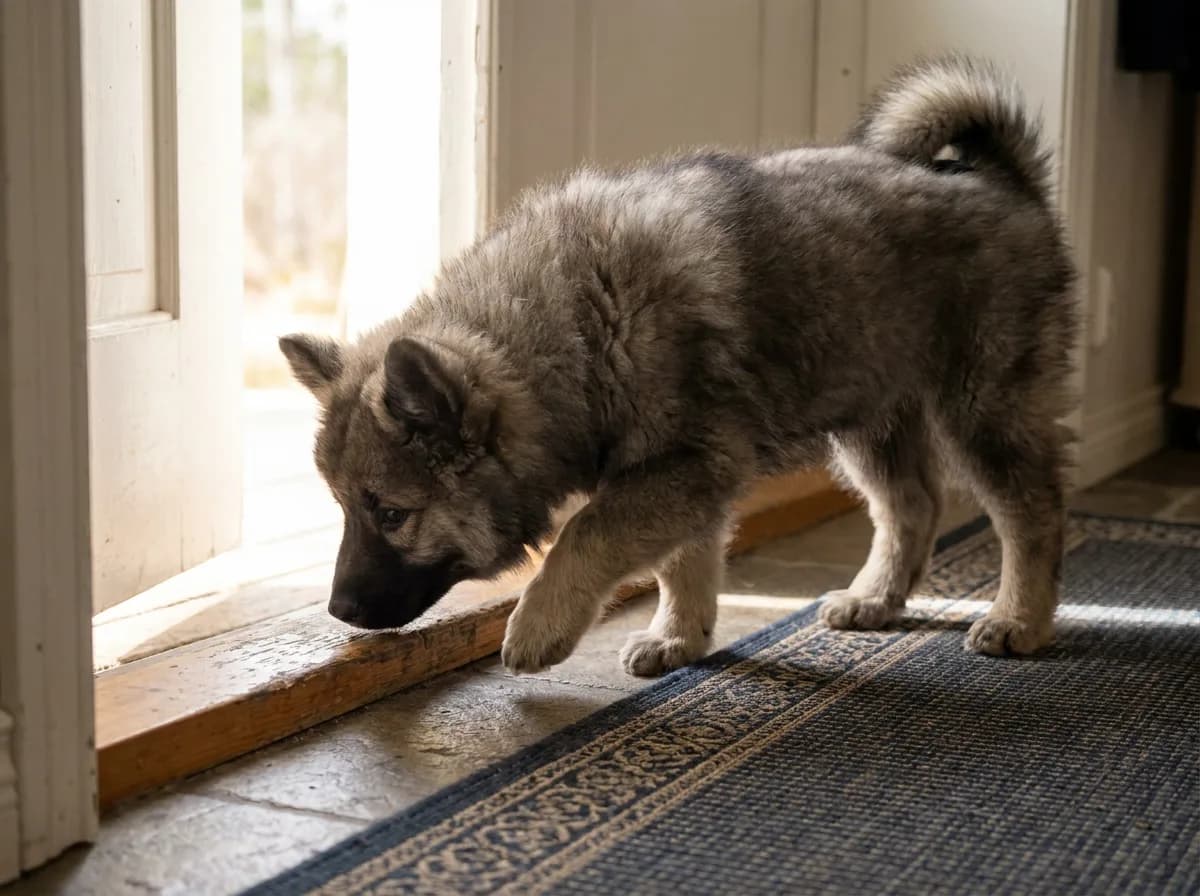
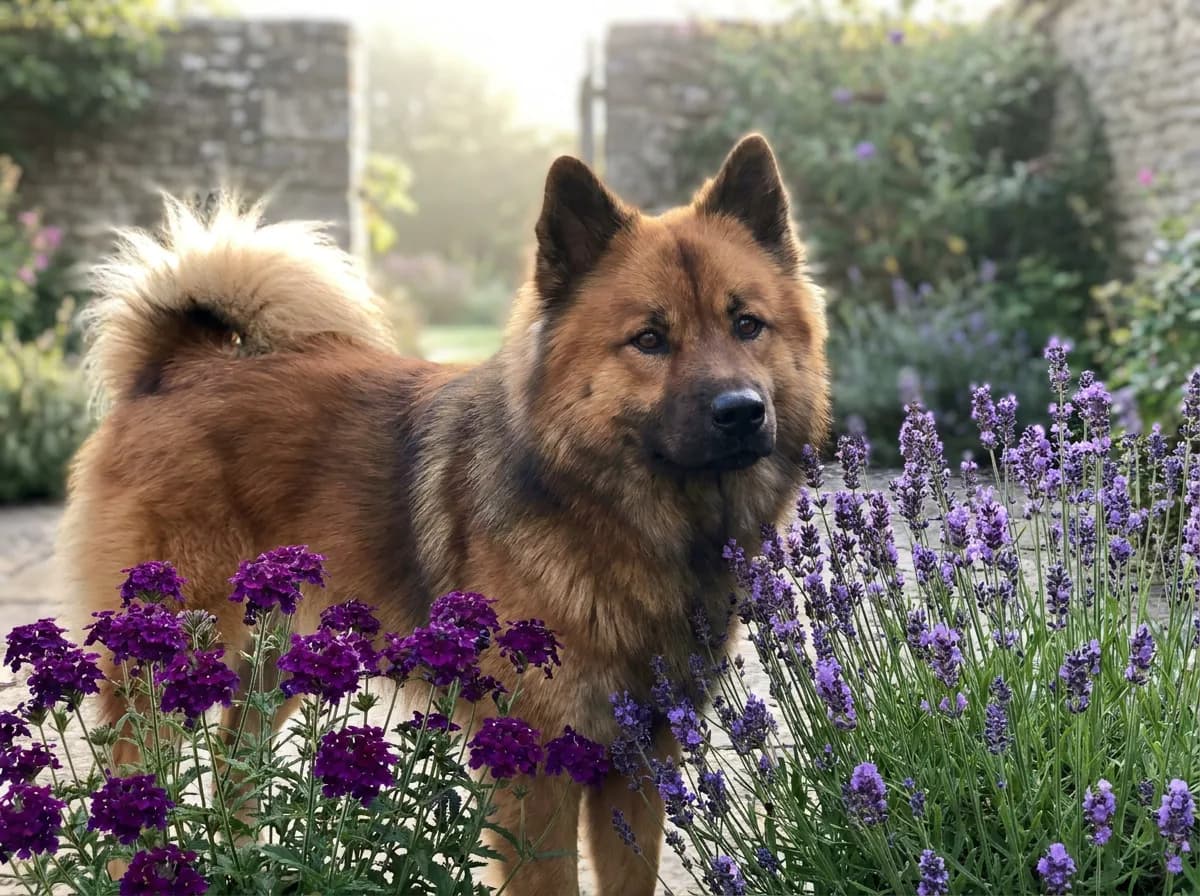
The Eurasier is a medium-sized German companion breed known for a thick coat, a close family bond, and a generally reserved approach to unfamiliar people. That combination can suit a household that enjoys including a dog in daily life without expecting it to greet every stranger enthusiastically.
The important fit questions are practical: how much family contact can you provide, how will visitors interact with the dog, and who will handle the seasonal coat workload? A quieter social style does not mean the dog can be left on its own without training, companionship, or care.

Sign up for expert-backed reviews and safety alerts all in one place.
What Is a Eurasier?
The Eurasier is a developed German spitz breed, not simply a casual Chow Chow and Samoyed cross. Its history began in Germany around 1960 with Chow Chow and Wolfspitz foundation stock, followed by Samoyed ancestry. Julius Wipfel led its development as a companion dog, and the breed has a written standard. For pronunciation, you can listen to a German speaker pronounce Eurasier.
The FCI Eurasier standard describes a balanced medium-sized dog with erect ears, a bushy tail carried over the back, and a coat that still allows its proportions to be seen. Wolfspitz, also associated with the Keeshond name, belongs to that history; a Husky-like appearance does not make an individual Eurasier a Husky cross.
| Household-fit check | A workable plan | A question to resolve |
|---|---|---|
| Family contact | The dog shares ordinary household life | Who provides company and care during workdays? |
| Visitor expectations | Guests let the dog observe and approach voluntarily | Can visitors accept a dog that does not seek immediate attention? |
| Seasonal coat workload | Someone can brush and comb more during coat shedding | Is there time and a suitable place for the extra grooming? |
| Activity and learning | Daily walks, exploration, and short training sessions | Who handles the routine when plans change? |
| Rest and separation | A quiet retreat and gradual alone-time practice | Is daytime help available if the dog struggles? |
For a planned home resting area, a Frisco X-Large wire crate is an option only if its interior lets the dog stand naturally, turn and rest comfortably. Introduce it gradually. A crate cannot replace family contact or make a distressed dog comfortable with an absence.
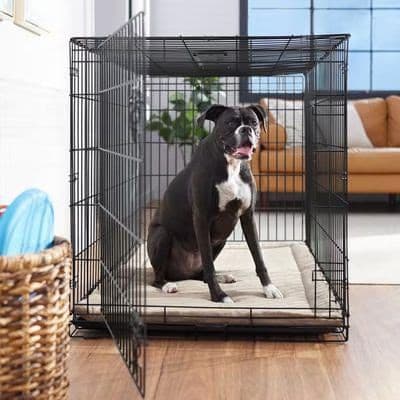
X-Large wire crate only if your dog can stand, turn and rest naturally inside. Introduce gradually; no escape-proof or transport-safety claim.
Petful may earn a commission when you click through to Chewy, at no extra cost to you.
Adult height and weight
The FCI standard gives males a shoulder height of 52–60 centimeters, about 20.5–23.6 inches, and weight of 22–30 kilograms, about 49–66 pounds. Females are listed at 48–56 centimeters, about 18.9–22 inches, and 18–26 kilograms, about 40–57 pounds. These are standard ranges, not feeding targets for every dog.
There is no separate miniature Eurasier variety in that standard. If a listing uses mini or miniature, ask what the seller means and request the actual dog's records and measurements. A smaller individual does not establish a new recognized size category.
Growth charts and everyday measurements
A breed's adult range cannot serve as a month-by-month puppy weight chart. Track a puppy's individual growth with your veterinarian and assess body condition as well as scale weight. Avoid feeding extra to reach the upper end of the standard or restricting food to keep a puppy at the smaller end.
Measure an adult at the shoulder on a level surface and use current measurements for equipment. A dense coat can make the body appear larger than it is. For a harness, follow the product's chest and neck guidance; for a bed or travel space, allow comfortable movement and a natural resting position.
A FurHaven sofa-style bed can offer a separate resting surface if its usable area and entry height suit the dog. Check those dimensions beneath the fluffy outline. The removable cover supports routine cleaning; the orthopedic product name does not establish a medical benefit.
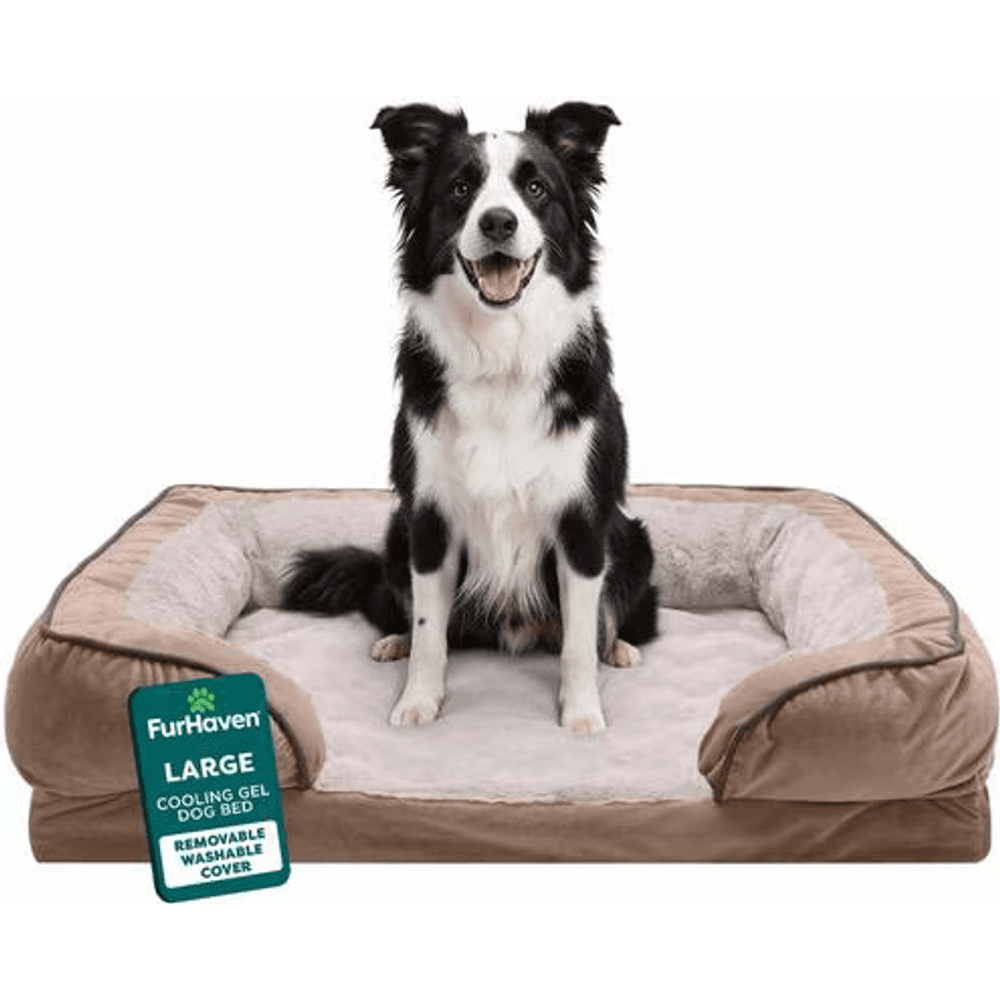
Removable-cover sofa bed. Check usable sleeping space and entry height against your dog’s posture and mobility; no medical or calming outcome promised.
Petful may earn a commission when you click through to Chewy, at no extra cost to you.
Names, clubs, and identifying features
The FCI standard also uses the English name Eurasian. Breed clubs and societies can offer information, but a club name is not interchangeable with a registry or a verified pedigree. The United States Eurasier Club is a useful starting point for breed information and its breeding guidance. The club currently describes the breed as participating in AKC's Foundation Stock Service; check current registry information when registration or event eligibility matters.
The club describes tongues that may be pink, blue-black, or a mixture of both. Neither tongue color nor a bear-like outline establishes breed identity, and photographs cannot replace pedigree or registration records. Use pictures to appreciate the breed's appearance, then use documentation and direct conversations to understand a particular dog.
Eurasier Temperament: Close to Family, Reserved With Strangers
The AKC breed profile describes temperament characteristics including family loyalty and reserve toward strangers. The US Eurasier Club says Eurasiers generally bark for a reason rather than continuously. Individual behavior still matters: allow quiet observation of visitors, and seek help for persistent fear, distress, or barking instead of assuming the breed will always be quiet.
- 1Set visitor expectations that allow the dog to observe without forced greetings.
- 2Plan family contact and gradual time-alone practice alongside daily activity.
- 3Include seasonal coat workload in the household commitment, even when the dog is quiet indoors.
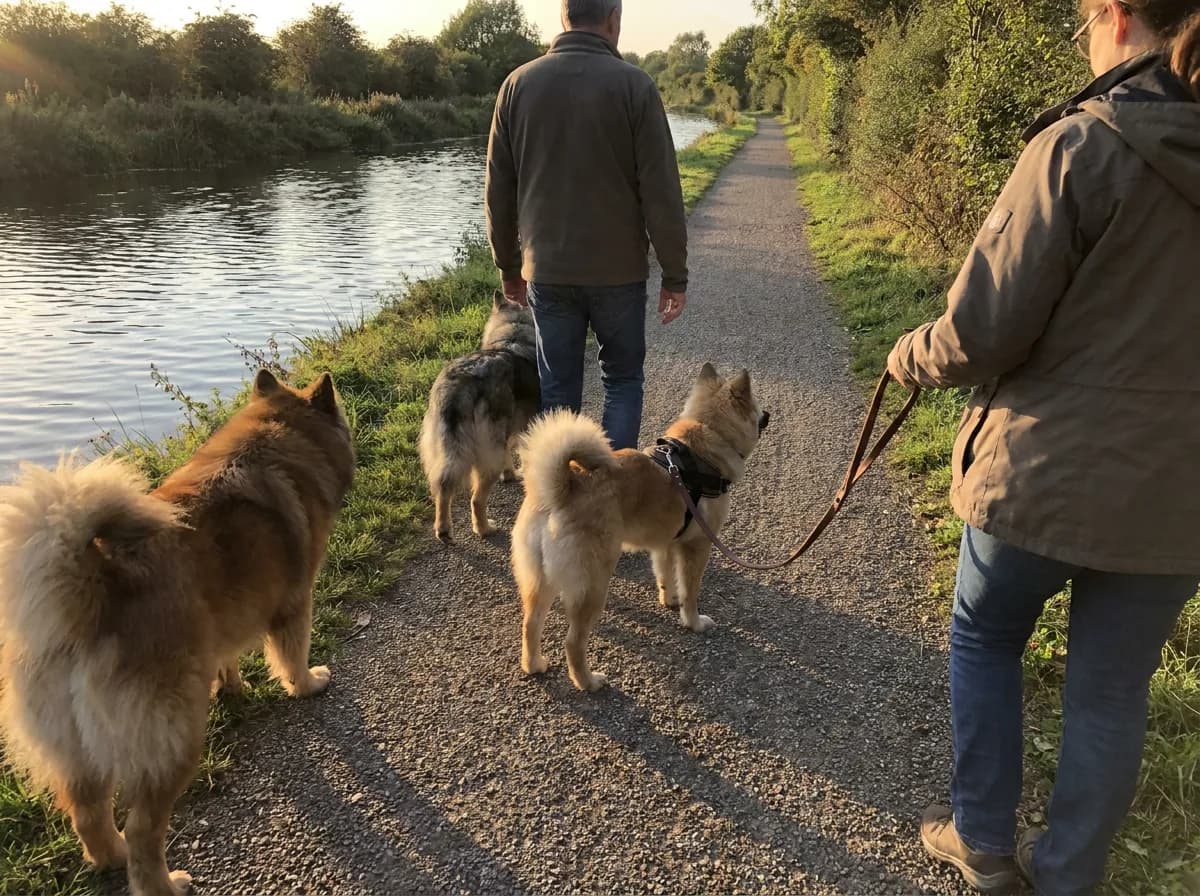
Introduce visitors without making a performance of it
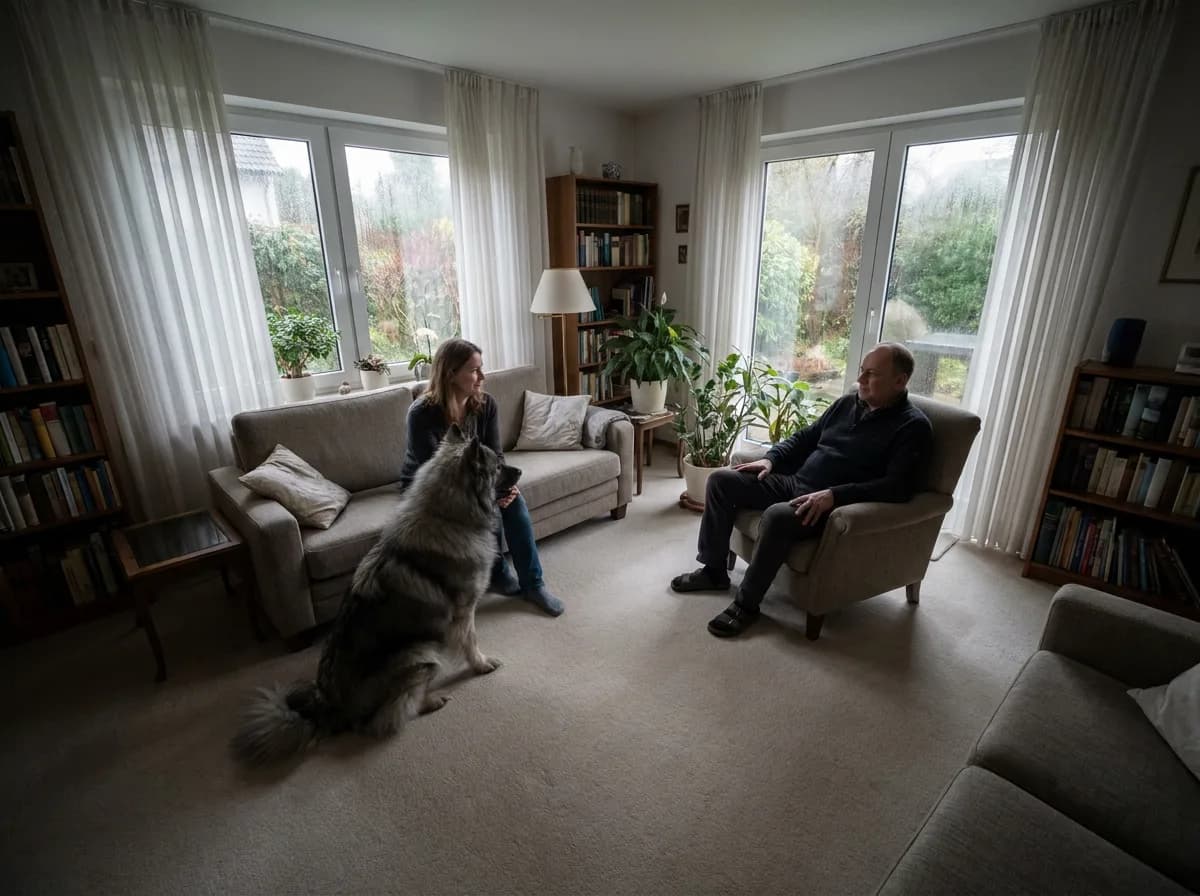
Ask guests to ignore the dog initially, avoid leaning over it, and let it choose whether to approach. Provide space away from the doorway so arrivals do not require close contact. A gate or separate resting area can help manage a busy visit while preserving the dog's ability to relax.
Reward comfortable observation and voluntary engagement. Do not ask someone to reach for a dog that is backing away, and do not make petting the price of receiving a treat. If introductions repeatedly cause distress, seek help with a gradual plan rather than increasing the intensity of the greetings.
Train with clarity and useful rewards
An independent response does not necessarily mean the dog is stubborn or unintelligent. Assess intelligence through what this dog learns in a suitable setting, rather than assuming it guarantees immediate obedience. Check whether the cue is clear, the environment is too distracting, or the reward is worth working for. Keep sessions short and practice in settings where the dog can succeed before adding difficulty.
Use the AVSAB's reward-based training guidance as the foundation. Reinforce recall, lead skills, comfortable handling, and settling. A sensitive dog still needs consistent boundaries, but punishment and intimidation are not required to teach them.
For everyday lead practice, the Frisco six-foot traffic leash is a possible choice if the clip and weight suit the dog’s fitted equipment. Use it for close walking, with rewards for the behavior you want. It is not a long line for distant recall practice.
Other dogs, affection, and individual differences
Ask about the individual Eurasier's history with other dogs and introduce unfamiliar animals gradually. A breed reputation for being nonconfrontational does not guarantee compatibility with every dog. Give both animals space and avoid making a crowded dog park the first test of whether they will get along.
Affection may look like staying nearby rather than asking for constant touching. Male and female temperament descriptions are too broad to choose an individual by sex alone. Likewise, watchfulness should not be treated as a promise of protective behavior or a reason to encourage suspicion toward visitors.
Build time alone gradually
Practice brief, manageable separations while the dog is comfortable, then increase them according to its response. Arrange care so learning does not depend on repeatedly leaving the dog longer than it can cope with. A camera can help you observe what actually happens when you step away.
If the dog shows distress during separation, vocalizes persistently, or cannot settle, discuss the pattern with your veterinarian or a qualified behavior professional. Do not interpret destruction as revenge. The useful question is what the dog is experiencing and what support changes that experience.
Daily Eurasier Care, Coat Maintenance, and Health Checks
Plan regular walks, opportunities to sniff and explore, and short periods of play or training. Adjust the activity to the dog's age, condition, energy level, weather, and preferences. A moderate reputation is not a precise daily exercise prescription, and a yard does not replace shared activity with people. If agility interests you, ask a reward-based instructor about foundation skills suited to the individual dog; breed identity alone does not establish readiness for a course.
For supervised enrichment, a KONG Classic in Large may suit an individual adult if its mouth size and chewing style match the product guidance. Inspect it regularly and account for any food used in the feeding plan. A toy supports a routine; it cannot provide the social contact the dog needs.

Six-foot leash for supervised everyday walks when the clip and weight suit your dog. Not a long line for distance recall.
Petful may earn a commission when you click through to Chewy, at no extra cost to you.
Maintain the double coat
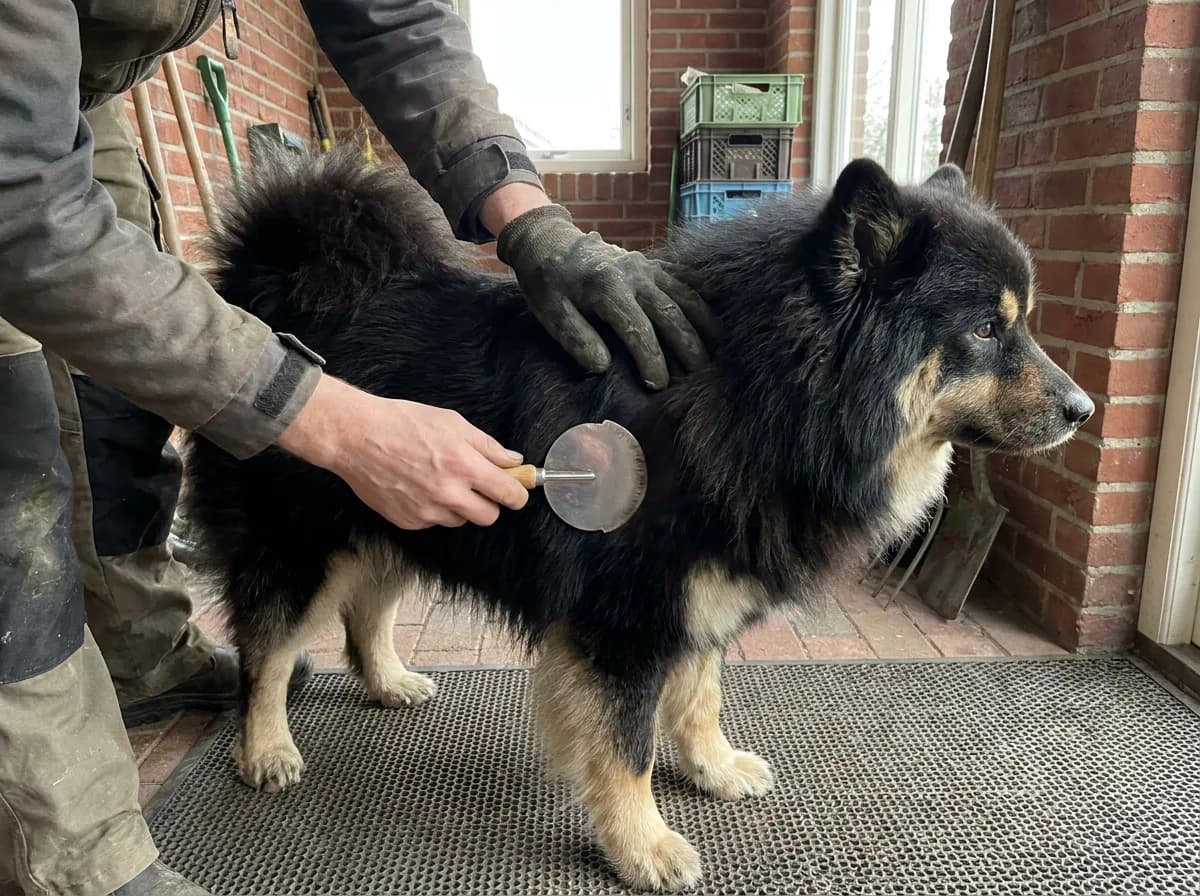
Eurasier grooming works best when you check the undercoat as well as the visible surface. Plan extra time during seasonal shedding and ask a groomer to demonstrate a comfortable technique for the individual coat. The Eurasier has a dense undercoat beneath longer guard hairs. The US Eurasier Club's care discussion describes increased brushing during seasonal undercoat shedding. Outside that period, use regular checks to decide how much attention the particular coat needs rather than assuming that a fixed calendar fits every dog.
Part the coat gently and work through it as a groomer demonstrates, checking behind the ears, beneath equipment, and around the legs. Remove outdoor debris promptly and keep sessions comfortable. Do not use a smooth outer layer as proof that the undercoat is clear of tangles.
Useful routine checks include:
- Coat comfort and areas of trapped loose hair.
- Harness and collar fit beneath the coat.
- Nails and the condition of the feet after walks.
- Teeth and a sustainable home dental-care routine.
- Changes in appetite, movement, skin, or normal behavior.
- Whether the current activity and feeding plan still suit the dog.
Shedding, allergies, and warm weather
Eurasiers shed and should not be described as reliably hypoallergenic. The AAAAI explains that allergenic proteins occur in dander, saliva, and urine, so coat length or color cannot establish allergy compatibility. A household member with allergy concerns should discuss them with a clinician before committing to a dog.
Provide shade, water, and a comfortable indoor resting place in warm weather, and adjust walks to conditions. Ask a groomer or veterinarian about coat care rather than assuming shaving is the answer to heat. A thick coat is not a reason to expect a dog to tolerate strenuous activity in hot conditions.
Eurasier Lifespan and Health Planning
The US Eurasier Club's dedicated health page gives a typical lifespan of 12–14 years. This is general breed guidance, not a measured population average or a prediction for an individual. There is no sound basis here for assigning separate lifespan promises to male, female, or blue-labeled Eurasiers.
The club discusses hip dysplasia, patellar luxation, autoimmune thyroiditis, eye concerns, and other conditions. Ask for the relevant breeding records and consult the current breeding policy; do not assume a DNA panel addresses every condition. Screening and ordinary preventive care answer different questions, and neither eliminates all future illness.
Read results rather than badges
Request reports matched to the correct dog and ask your veterinarian to explain unclear findings. A database entry or completed testing program is not automatically an all-normal result. Keep copies of your own dog's examinations, vaccinations, parasite care, and any recommended follow-up so decisions are based on its history.

Large rubber toy for supervised enrichment if sizing and chewing style suit. Follow the current size guide, inspect regularly and retire when damaged.
Petful may earn a commission when you click through to Chewy, at no extra cost to you.
Budget for routine appointments and unexpected care throughout adulthood. If movement, appetite, coat, or behavior changes, seek advice rather than attributing the change to age or breed personality. A calm dog can still be uncomfortable, and a thick coat can obscure a change in body condition.
Is a Eurasier Right for Your Household?
A promising match is a home that enjoys a dog as part of ordinary family life, can respect its social preferences, and has time for care and training. Housing type alone does not decide fit. An apartment household with a workable routine may provide more useful contact than a large property where the dog spends most of its time isolated.
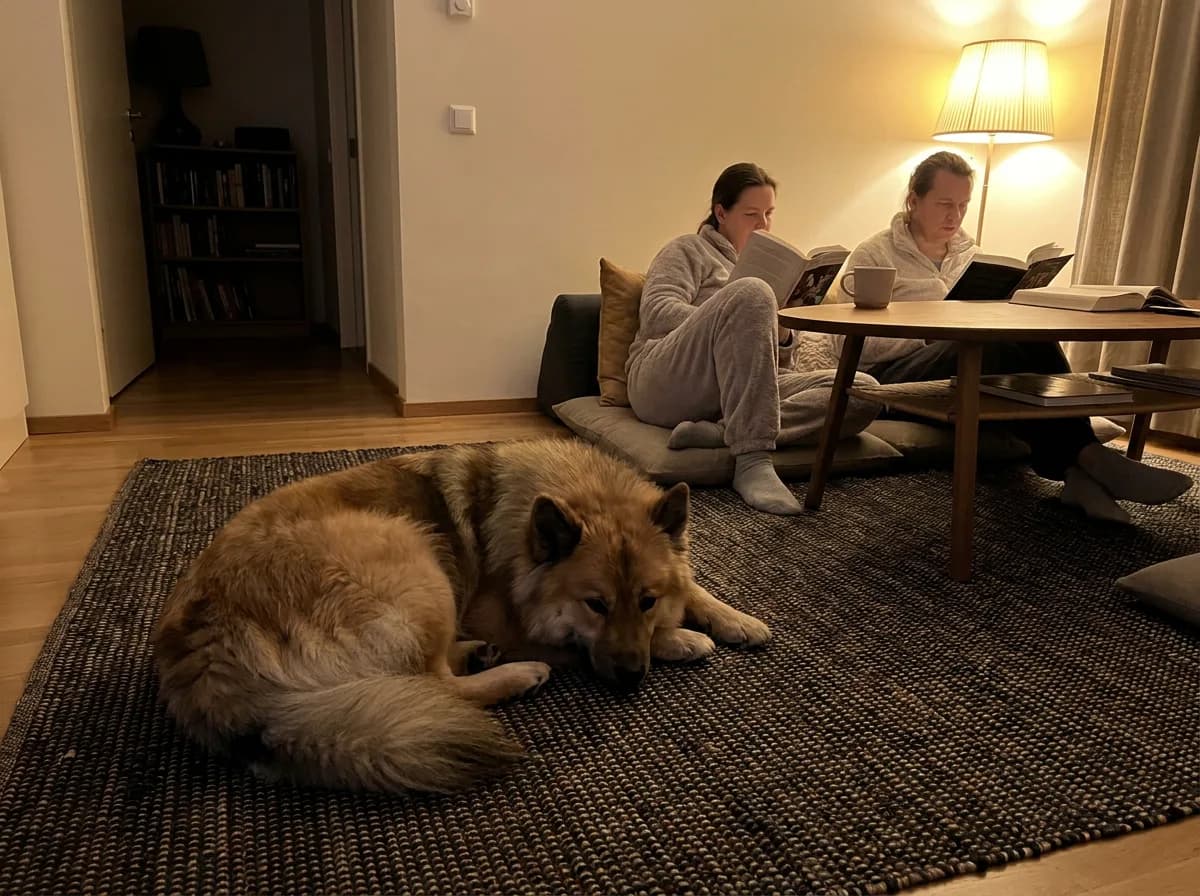
Before committing, map an ordinary weekday and a disrupted one. Identify who covers walks, toilet opportunities, meals, coat care, and company. Decide where the dog can rest during children's play or a gathering and how guests will learn the household's interaction rules.
Household Routines That May Not Suit a Eurasier
The Eurasier's pros and cons become clearer when connected to a routine. Close family companionship can be appealing, but frequent long absences without support can conflict with that need for contact. A household expecting enthusiastic greetings from every dog may find reserve disappointing. Someone who dislikes loose hair or cannot manage extra grooming during a coat blow may struggle with the seasonal workload.
These are planning questions, not reasons to label the breed difficult. Arrange daytime help, set realistic visitor expectations, and meet adult Eurasiers before deciding. If those changes are not workable, another individual dog with better-known needs may be a more suitable choice.
Children and household boundaries
Teach children to leave the dog alone while it eats or rests, avoid hugging or climbing on it, and ask an adult before initiating play. Supervise interactions even when the dog has been gentle before. Give the dog a retreat children understand is off limits.
Discuss household rules with every adult so cues and expectations remain consistent. Decide how you will manage doors, visitors, and walks before the dog arrives. A shared routine is easier for the dog to learn than different rules depending on who is home.
Test the visitor plan in advance
Picture a delivery, a quiet friend, and a larger gathering. Those situations place different demands on a reserved dog. Decide who answers the door, where the dog waits, and how it can move away from attention. If the home has a narrow entryway, a gate placed farther inside may create more useful space than asking the dog to stand beside the arriving person.
For a regular sitter, arrange calm introductory visits before relying on that person for an absence. Let the sitter learn the dog's cues, walking equipment, and preferred routine. Familiarity should be built through manageable experiences rather than expecting the dog to accept unfamiliar handling because care is suddenly needed.
Keep the care plan adaptable
The routine that fits a young adult may need changes during illness, aging, a move, or a new work schedule. Revisit the household checklist when those circumstances change. A shorter walk with comfortable sniffing may be more appropriate than maintaining an old exercise target, while grooming may need smaller sessions or professional help.
Keep observations specific: how the dog moves, whether it rests comfortably, and which interactions it chooses. These details help your veterinarian, trainer, or groomer recommend useful adjustments. They also prevent a broad breed description from replacing attention to the dog in front of you.
Finding a Puppy and Understanding Coat Colors
For a puppy, prioritize breeder transparency, parent health records, early care, and a written support agreement over a favored coat color. Ask for a current itemized price and clarify deposit and collection terms. An advertised price is not evidence of quality, and a breed-wide cost estimate cannot tell you what an individual placement includes.
Our Eurasier puppy guide explains the breeder and first-year questions in detail. If considering rescue, ask what is known about the dog's background and present needs, including how it handles visitors, grooming, and time alone. An adult may give you a clearer view of those current traits.
Finding a Eurasier in a Small Breed Community
The US Eurasier Club describes a relatively small community of breeders and enthusiasts. Calling the Eurasier rare does not establish a current population count or predict how long you will wait for a puppy. Patience and direct contact are useful; ask the club about its present resources and verify any breeder's current practices yourself.
Be cautious when immediate availability or an unusual color becomes the entire sales pitch. A wait is an opportunity to meet adult dogs, understand the care, and review records. It is not proof by itself that a breeder is responsible, just as a vacancy is not proof that one is irresponsible.
Put color in context
Eurasiers can have varied colors and shading. The current FCI standard excludes pure white and piebald, while allowing other colors and combinations. Appearance alone does not determine health, temperament, or pedigree, and a marketing label should not become a promise of a special personality.
Use the Eurasier color guide to distinguish common descriptions from standard terminology. Make your final choice around the individual dog, its records, and the care you can provide. Those factors remain important long after the first photograph catches your attention.
Eurasier Questions
Yes. The Eurasier is a developed breed with a written breed standard and a documented breeding history. Its foundation ancestry does not make every modern Eurasier a first-generation Chow Chow, Wolfspitz, or Samoyed mix. For a particular dog, pedigree and registration information establish its documented background more reliably than appearance alone.
A reserved temperament is not the same as aggression, but a breed description cannot guarantee individual behavior. A Eurasier may prefer to watch a visitor before approaching. Ask guests to avoid reaching over the dog, leave a clear retreat and allow voluntary contact rather than requiring petting. Persistent fear, threats or unsafe interactions need professional assessment; they should not be excused as a breed trait or challenged through forced greetings.
A Eurasier can suit a family that provides regular family contact, consistent training, and respectful interaction. Supervised children should learn to leave the dog alone during rest and meals and to avoid rough handling. Judge the individual dog's comfort and needs instead of assuming a breed reputation guarantees compatibility with every household.
Their needs are not measured only by haircut frequency or noise. Seasonal grooming can add substantial coat work, and social needs require a reliable daily plan. Consider who will provide companionship, exercise, training, and care during busy periods. A quiet adult still needs those commitments to remain comfortable and well supported.
That depends on the individual dog’s learned comfort and the care available, not on the breed’s quiet reputation. Begin with brief, manageable separations and observe whether the dog settles. Arrange company and toilet opportunities for absences it cannot yet handle. Persistent pacing, vocalizing or escape attempts call for a veterinary or qualified behavior assessment. A crate or a long walk does not by itself teach comfortable time alone.
BVMS, MRCVS
Dr. Pippa Elliott, BVMS, MRCVS, is a veterinarian with nearly 30 years of experience in companion animal practice. Dr. Elliott earned her Bachelor of Veterinary Medicine and Surgery from the University of Glasgow. She was also designated a Member of the Royal College of Veterinary Surgeons. Married with 2 grown-up kids, Dr. Elliott has a naughty Puggle named Poggle, 3 cats and a bearded dragon.
Sign up for expert-backed reviews and safety alerts all in one place.