Eurasier Colors: Coat Shades, Patterns, and Changes
Understand Eurasier coat shades by separating color, dark tipping, and facial markings. Compare cream and white, follow puppy coat changes, and read standard rules without treating photos as proof.
Petful is reader supported. As an affiliate of platforms like Amazon and Chewy, we may earn a commission when you buy through links on this page. There is no extra cost to you.
Eurasier colors are easiest to understand when you separate the main coat shade, the distribution of darker hair, and the facial markings. A red dog can also have sable shading and a dark mask. Those descriptions can all apply to the same dog without representing three competing color categories.
Use photographs to describe what is visible, not to prove pedigree or genotype. Lighting, coat length, and age can change the impression of a shade. For registration or showing, compare the actual dog with the current standard and the relevant registry's terminology rather than relying on a seller's descriptive label.

Sign up for expert-backed reviews and safety alerts all in one place.
Eurasier Colors: Shades, Masks, and Dark-Tipped Coats
Start with the broad visual family: predominantly black, warm red or fawn, gray-shaded, or a darker coat with lighter points. Then describe whether you can see dark hair tips and a facial mask. This method is more useful than trying to assign every Eurasier to one of many narrowly named shades.
| What you are describing | Examples of visible wording | What the wording does not prove |
|---|---|---|
| Main shade | Black, red, fawn, cream, or gray-looking | A complete genetic explanation |
| Dark hair tips | Sable or wolf-sable appearance over a lighter base | A separate breed or fixed temperament |
| Mixed shading | Wolf-gray or agouti-looking coat | A laboratory-confirmed genotype |
| Point pattern | Black-and-tan areas on face, chest, or legs | The precise registered label without records |
| Facial mask | Dark muzzle area or a lighter reverse-mask appearance | Coat color elsewhere on the body |
| White pattern | Distinct patches rather than overall cream tone | Whether a photograph alone establishes standard eligibility |
Everyday equipment should fit the dog rather than its shade. A FurHaven sofa bed with removable cover is one option for a resting space when its usable area and entry height suit the individual. Compare its footprint with your room before choosing the linked Large size.
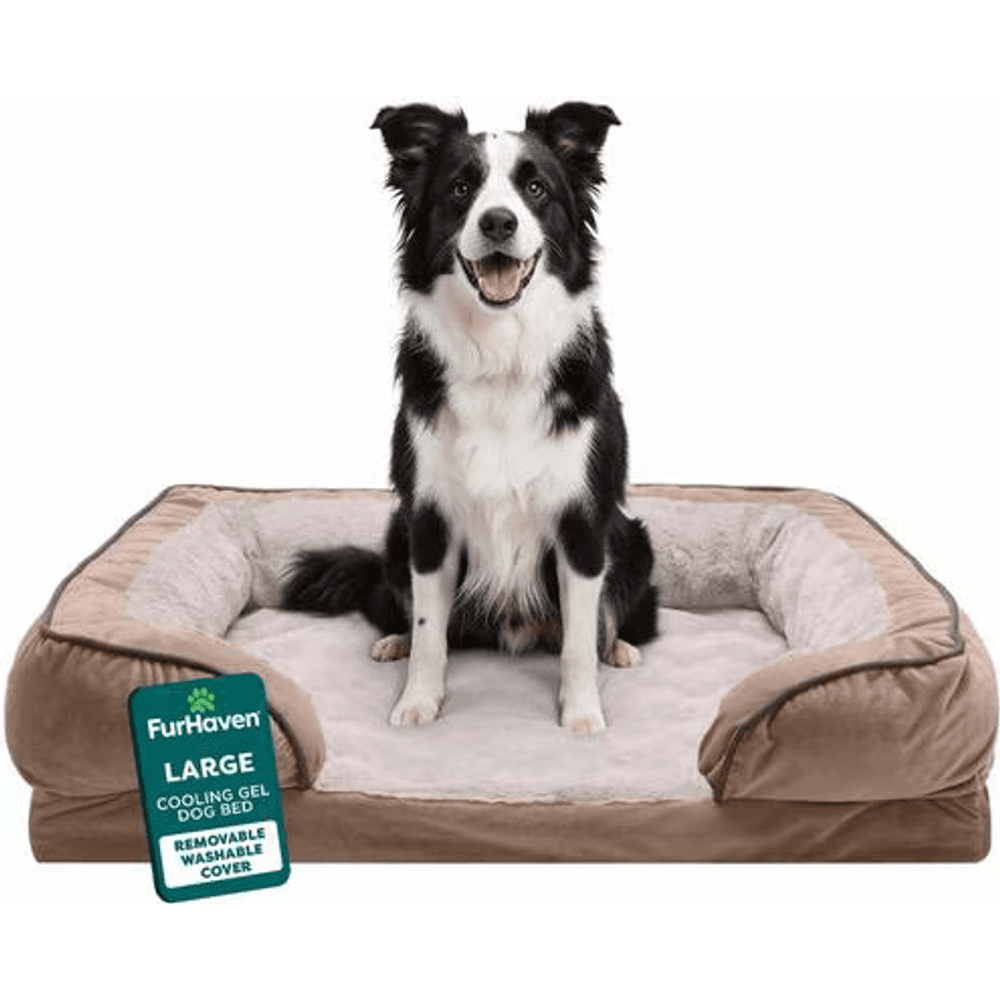
Removable-cover sofa bed. Check usable sleeping space and entry height against your dog’s posture and mobility; no medical or calming outcome promised.
Petful may earn a commission when you click through to Chewy, at no extra cost to you.

Black and black-and-tan coats
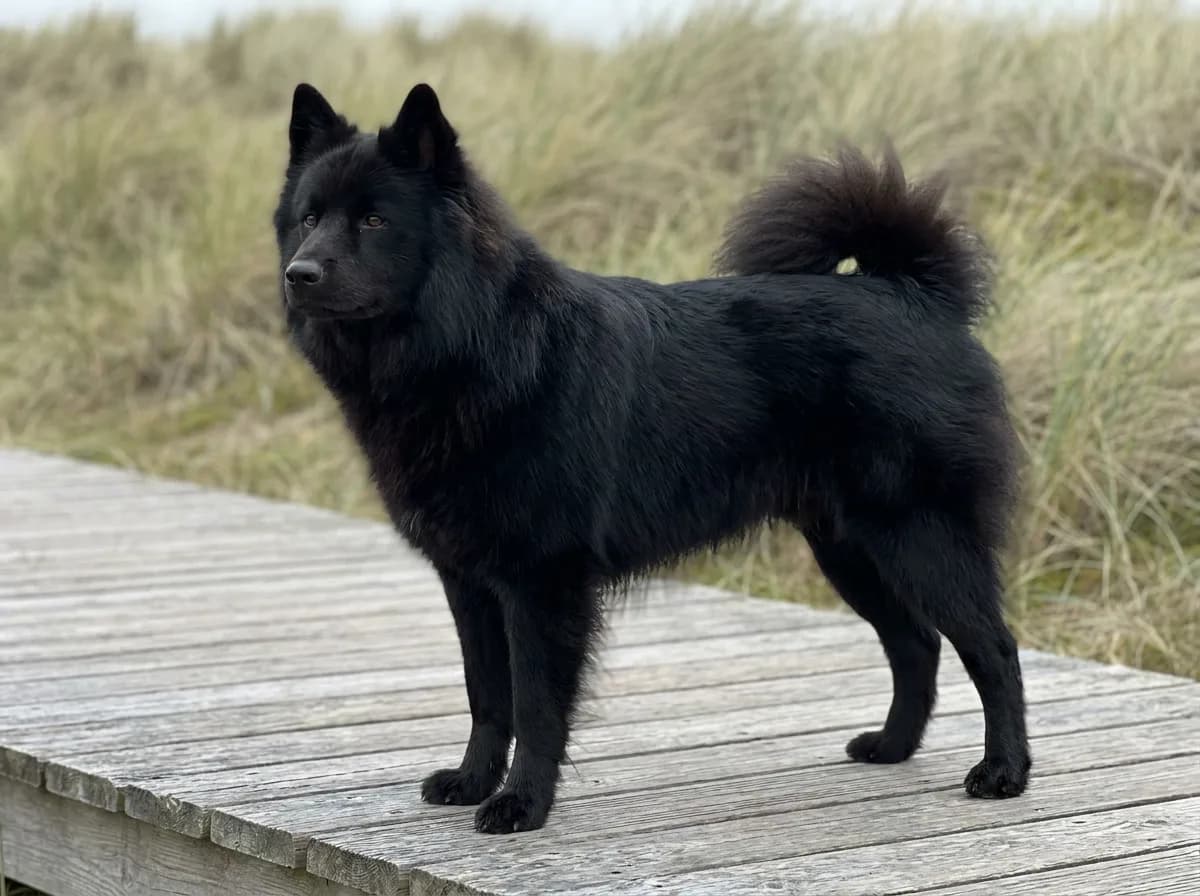
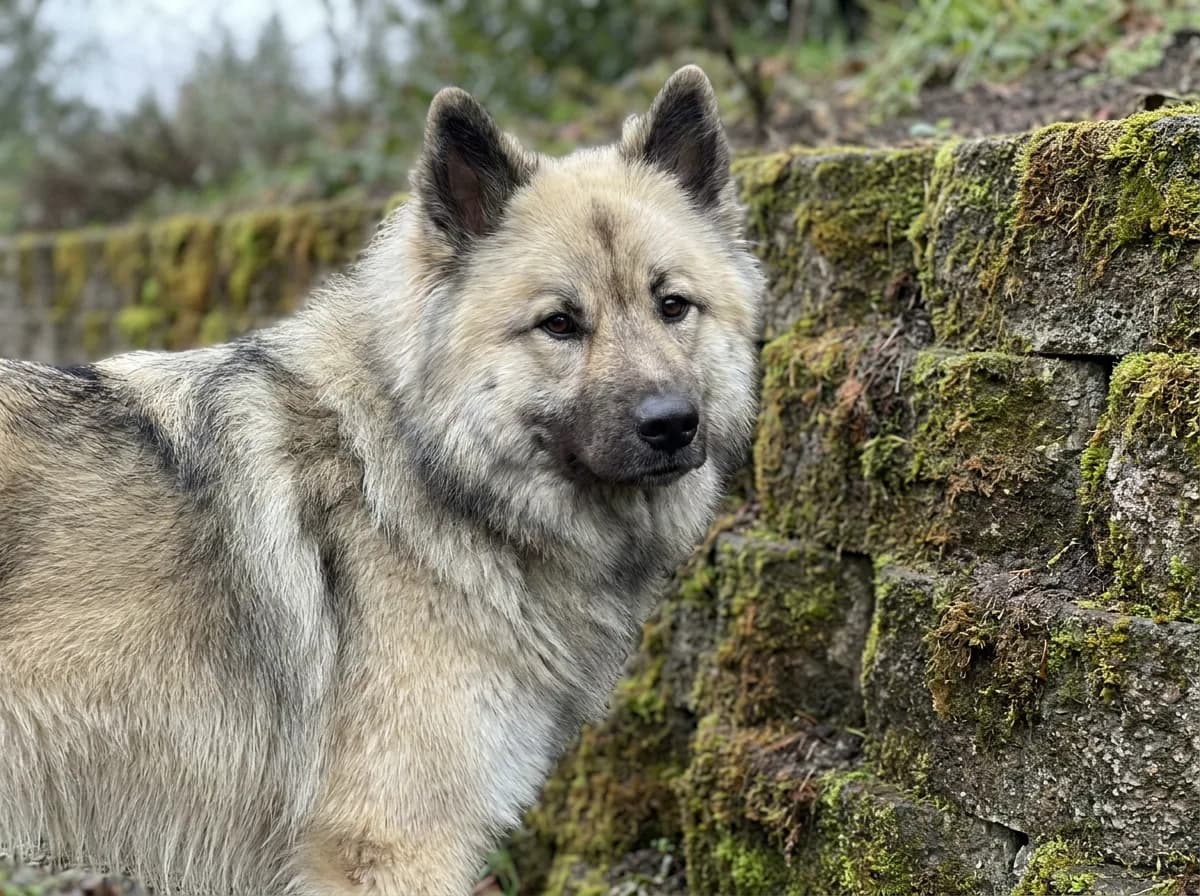
A black Eurasier has a predominantly dark coat, but reflected light may reveal different tones between the outer hair and undercoat. A warm cast in a photograph is not enough to reclassify the dog as brown. View the coat in neutral daylight and compare several parts of the body before choosing descriptive wording.
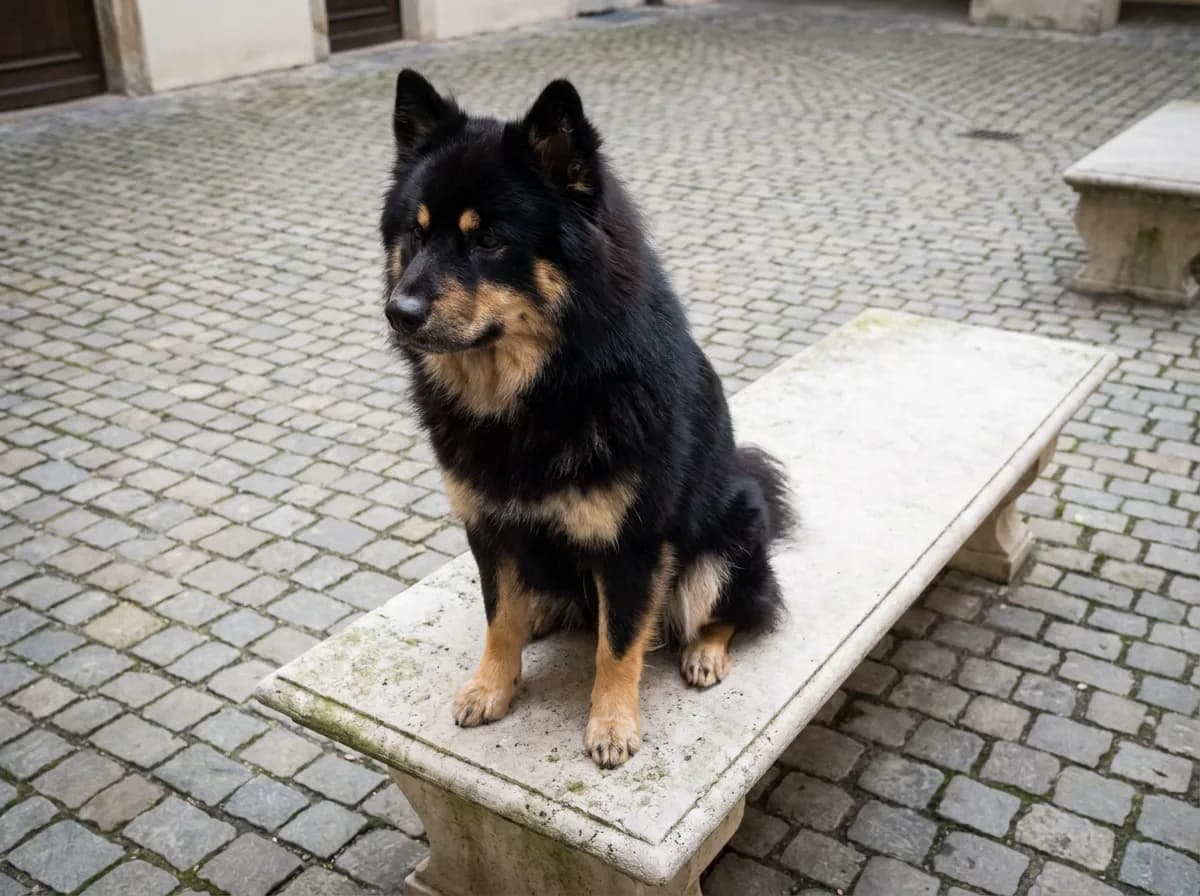
Black-and-tan describes a contrast between a dark main coat and lighter tan points. A label such as black-and-silver may describe paler-looking markings, but ask how the breeder or registry uses the term. Do not assume every attractive shade name has a separate official or genetic definition.
Red, fawn, and sable descriptions
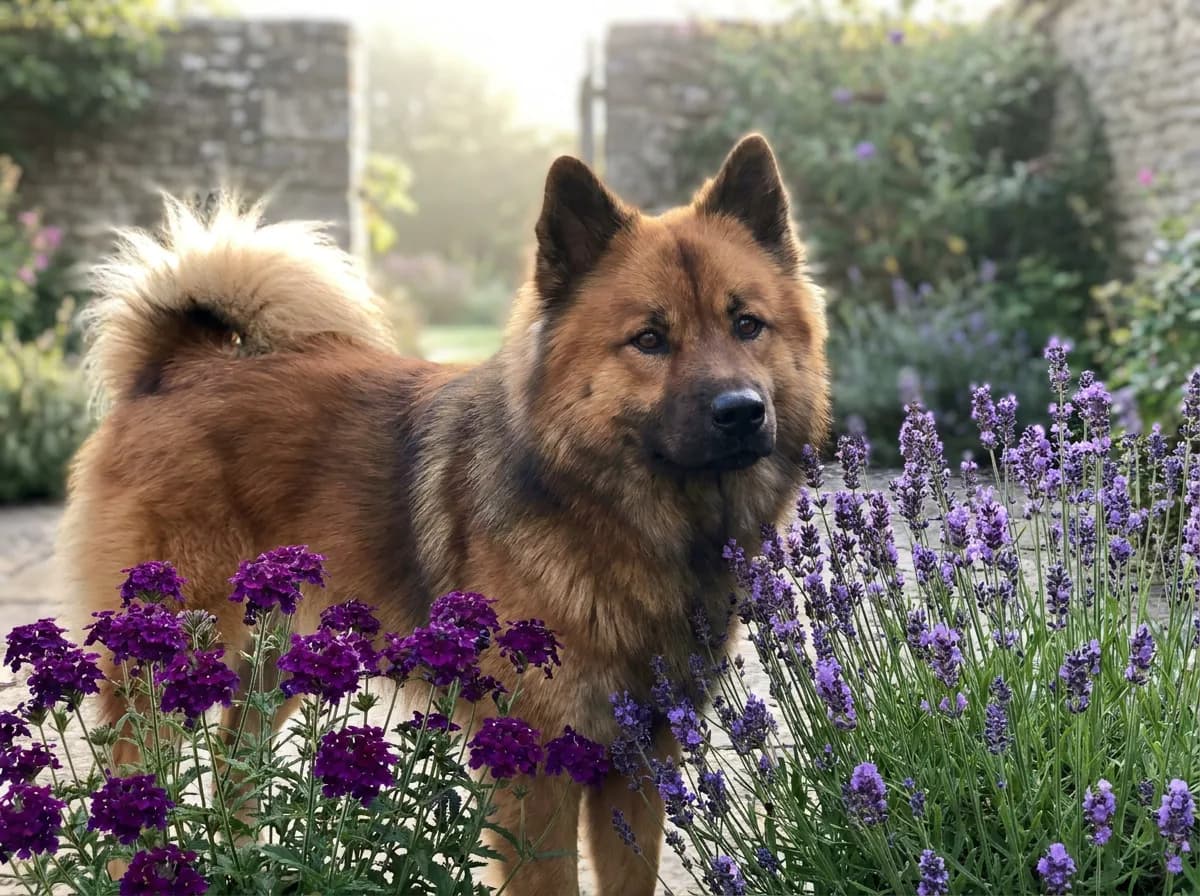
Red and fawn describe warm overall tones, with considerable visual variation. Sable descriptions refer to darker tipping or shading over a lighter background. A red Eurasier with dark tips can therefore be described more precisely than simply choosing between red and sable as if only one could be true.
Keep outdoor photography compatible with ordinary walking safety. The Frisco six-foot traffic leash is an option when its weight and clip suit the dog’s fitted equipment. Keep the dog secured rather than removing a lead for a cleaner picture; the leash is not a long line.

Six-foot leash for supervised everyday walks when the clip and weight suit your dog. Not a long line for distance recall.
Petful may earn a commission when you click through to Chewy, at no extra cost to you.
A dark facial mask is a separate observation. Look at the muzzle and surrounding face rather than assuming a mask determines the body color. Male and female dogs use the same descriptive approach; a female Eurasier does not require a separate color chart.
Wolf-gray, wolf-sable, and agouti-looking coats
Wolf-gray and wolf-sable are common descriptions for mixed light and dark shading. “Agouti” is also used in coat discussions, but a visual label should not be presented as a genetic test result. Describe the mixture you can see and retain the breeder's or registry's documented wording separately.
The word wolf in a color name does not establish wolf ancestry. Likewise, pinto describes a patching pattern rather than a wolf-gray shade. Keep ancestry, shade, and pattern as different questions so a color discussion does not become an unsupported claim about the dog's identity.
Dark masks and reverse-mask descriptions
For a dark mask, describe the darker area around the muzzle and note how far it extends toward the eyes. A reverse-mask description generally draws attention to lighter facial areas against darker surrounding hair. The useful observation is the contrast itself, not an assumption that the label identifies one specific genetic result.
Look at the face from the front as well as the side. A dark cheek can disappear into shadow in a profile photograph, while a pale muzzle may look larger under direct light. Keep the main body shade in the description so another reader does not mistake a facial pattern for an all-over coat color.
Brown can also be a casual description of a warm-looking coat rather than a precise pigment category. If a document uses liver or another specific term, ask the issuing registry what it means instead of translating every brown-looking photograph into that label.
Cream, White, and Puppy-to-Adult Color Changes
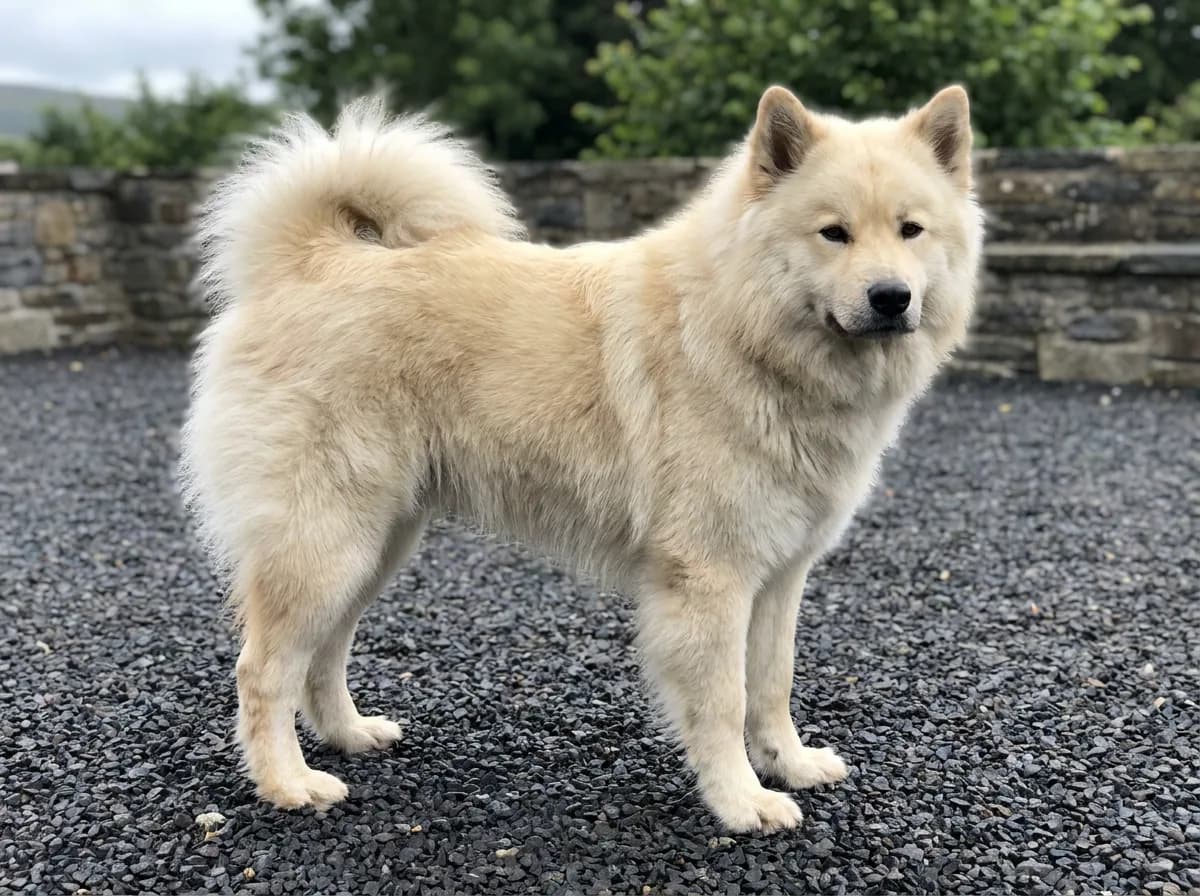
A cream Eurasier can look nearly white in bright light, especially when a camera overexposes pale hair. Look for the warm tone across the coat in neutral conditions. Pure white and cream are not interchangeable descriptions just because both appear light in a small online image.
- 1Describe the main shade, dark hair tips, and facial mask separately.
- 2Compare cream and white in neutral light rather than relying on an overexposed photograph.
- 3A puppy's visible shading can change, and a photograph does not prove its adult color or genotype.
Coat-care tools should follow texture and tolerance, not pale or dark pigment. The aumuca slicker brush is a possible option when its pins and size suit the actual coat. Use light pressure, stop if it pulls, and check beneath the surface rather than judging only the finished outline.

Slicker for gentle coat care if its pins and size suit your dog. Use light pressure; stop if it pulls or causes discomfort.
Petful may earn a commission when you click through to Chewy, at no extra cost to you.
Follow the coat through development
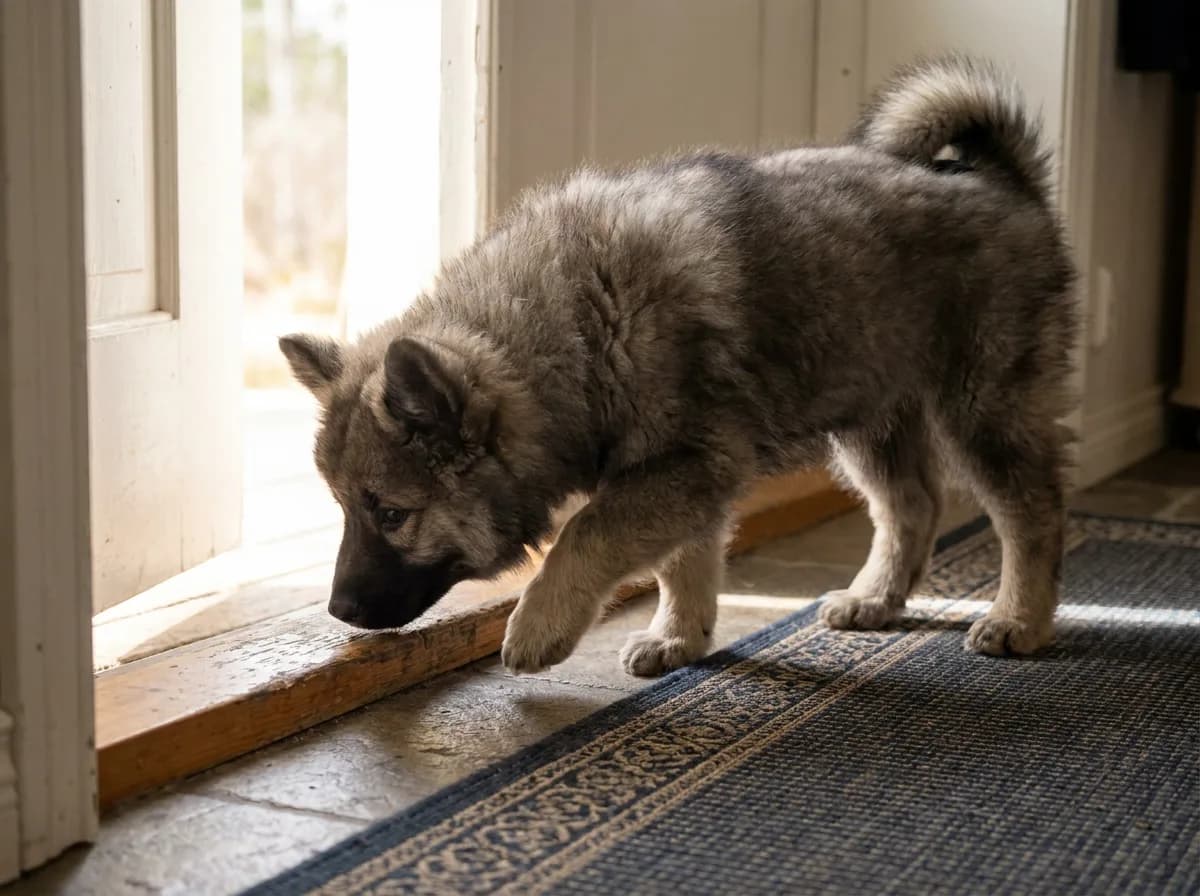
The puppy coat is one stage in the dog's appearance. Changes in hair length, density, and shading can alter how dark or light the dog looks as it matures. A breeder may have useful observations about related dogs, but that experience should be presented as context rather than a guarantee of an exact adult shade.
Keep dated photographs in similar light if you want to follow the change. A close view of the coat and a whole-body photograph answer different questions. One shows the individual hairs more clearly; the other shows how their colors combine into the dog's overall appearance.
Avoid predicting from one feature
A dark muzzle, pale puppy legs, or a shaded back does not by itself establish the final adult pattern. Ask the breeder which parts of the description are observed now and which are estimates. When a specific shade is important to you, acknowledge that development may still change the appearance you first liked.
Do not apply a light-coat rule to a black-and-tan dog simply because some areas are pale. Point markings, overall shade, and distinct white patches are different observations. Describing each part makes it easier to discuss the coat without squeezing it into an inaccurate single label.
What the Eurasier Standard Permits
The current FCI Eurasier standard permits colors and color combinations except pure white and piebald. Use that current wording when discussing the FCI rule. Older summaries or a registry's list of selectable color names may not mean the same thing as standard acceptance.
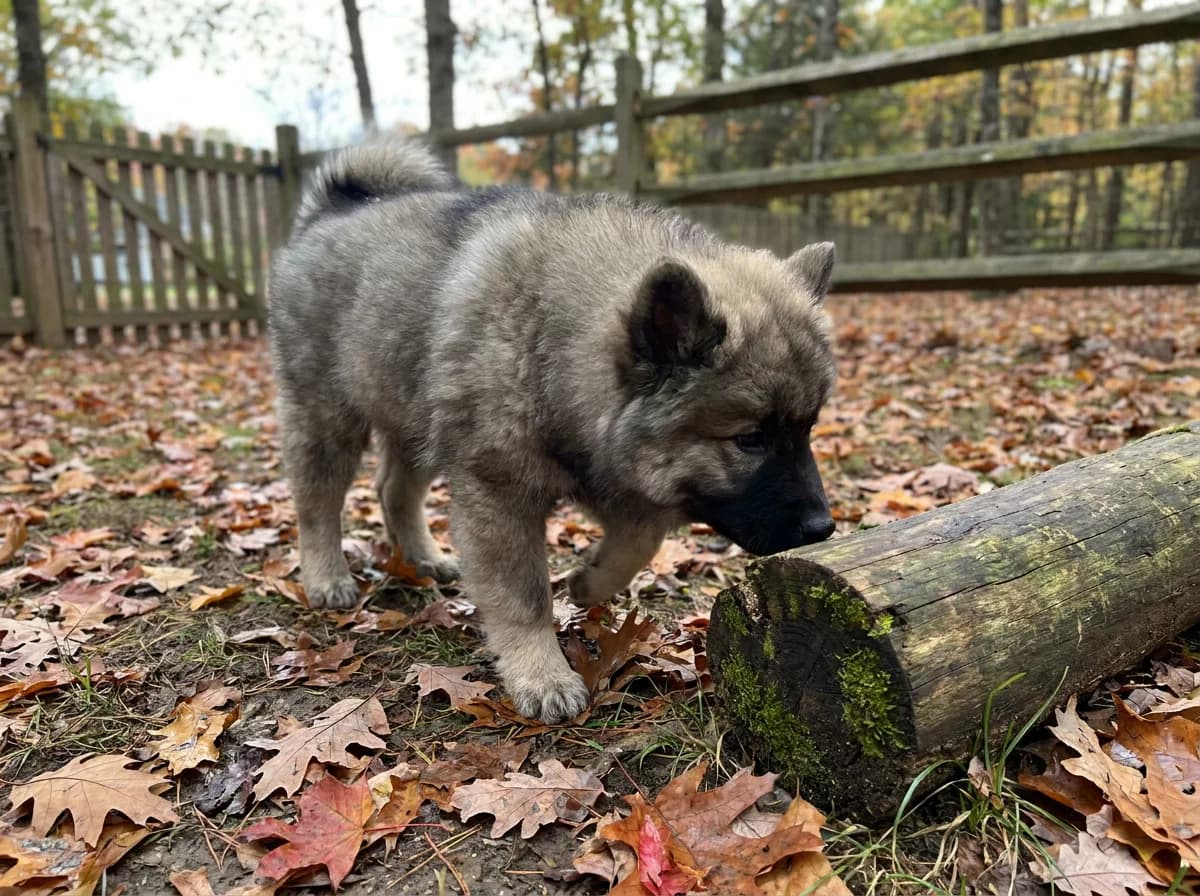
The US Eurasier Club's policies direct breeders to the FCI standard. For a show or breeding question, ask the relevant club to assess the actual dog and applicable rules. A photo, especially one with uncertain lighting, is not enough to settle every boundary between a pale shade and a disallowed pattern.
A standard is not a measure of a pet's worth
An ordinary enrichment routine also matters more than a color label. A KONG Classic in Large may suit supervised play when the current size guide and the individual’s chewing style support that choice. Inspect it regularly, remove it when damaged, and count edible fillings within the feeding routine.

Large rubber toy for supervised enrichment if sizing and chewing style suit. Follow the current size guide, inspect regularly and retire when damaged.
Petful may earn a commission when you click through to Chewy, at no extra cost to you.
A color fault does not make a dog less deserving of a good home. It addresses a particular standard or breeding decision. Keep that distinction clear when discussing a white or piebald Eurasier with an owner, and do not imply that a nonstandard appearance determines the dog's personality or value as a companion.
The Eurasier breed guide covers the developed breed's identity, size, family attachment, reserve, barking, lifespan, and care. Its relatively small breed community does not make every unusual-looking shade rare in a measurable sense. Color cannot answer whether a particular dog will suit your household.
How to Describe Your Dog’s Coat
Use a short, layered description rather than a string of competing labels. For example, “warm red body with dark tips and a dark muzzle” tells another person what to look for. “Gray-shaded body with lighter cheeks” is also useful even if you have not settled the registered terminology.
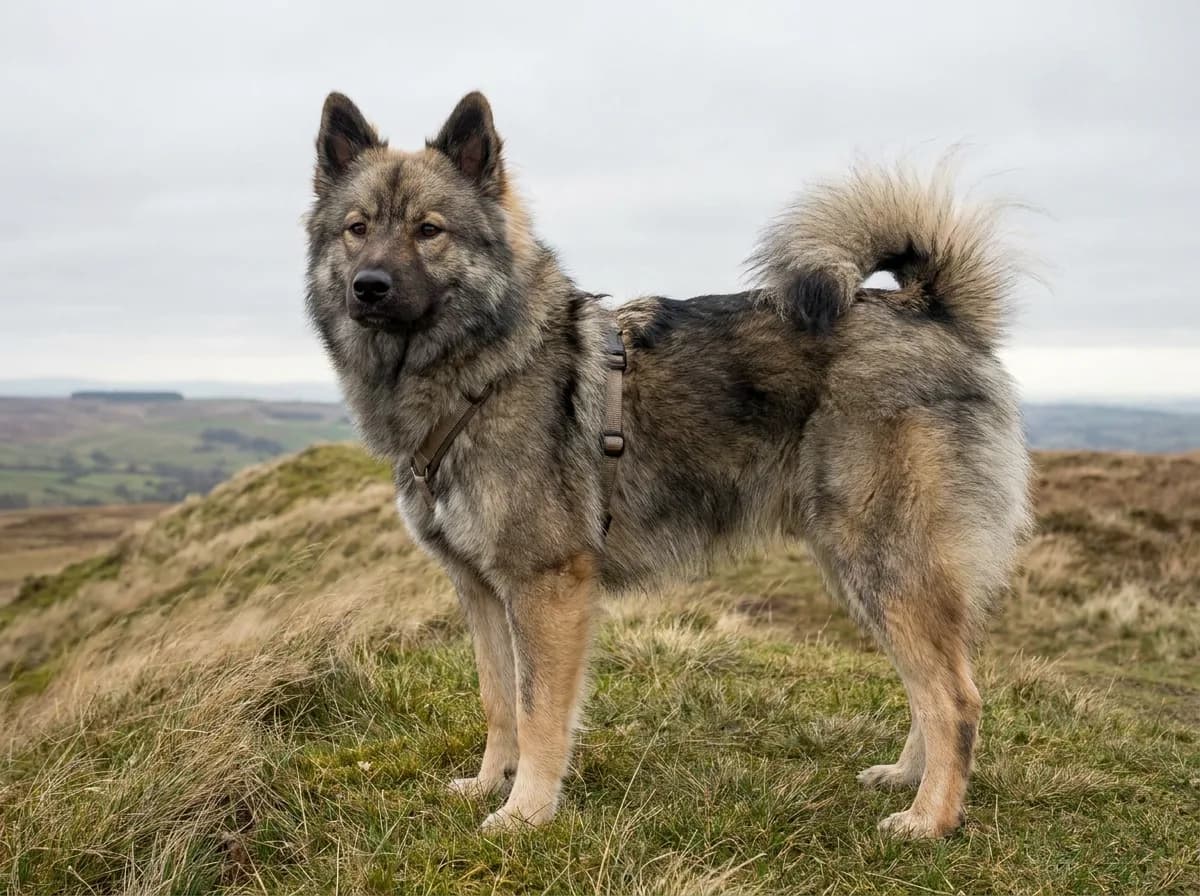
For a consistent set of reference photographs:
- Use neutral daylight without a strong warm or blue cast.
- Keep filters and color-enhancing edits off.
- Include the whole dog from the side and the face from the front.
- Add a close view that shows the guard hairs and undercoat.
- Record the date and the dog's age.
- Keep the documented registration wording with the images rather than rewriting it from memory.
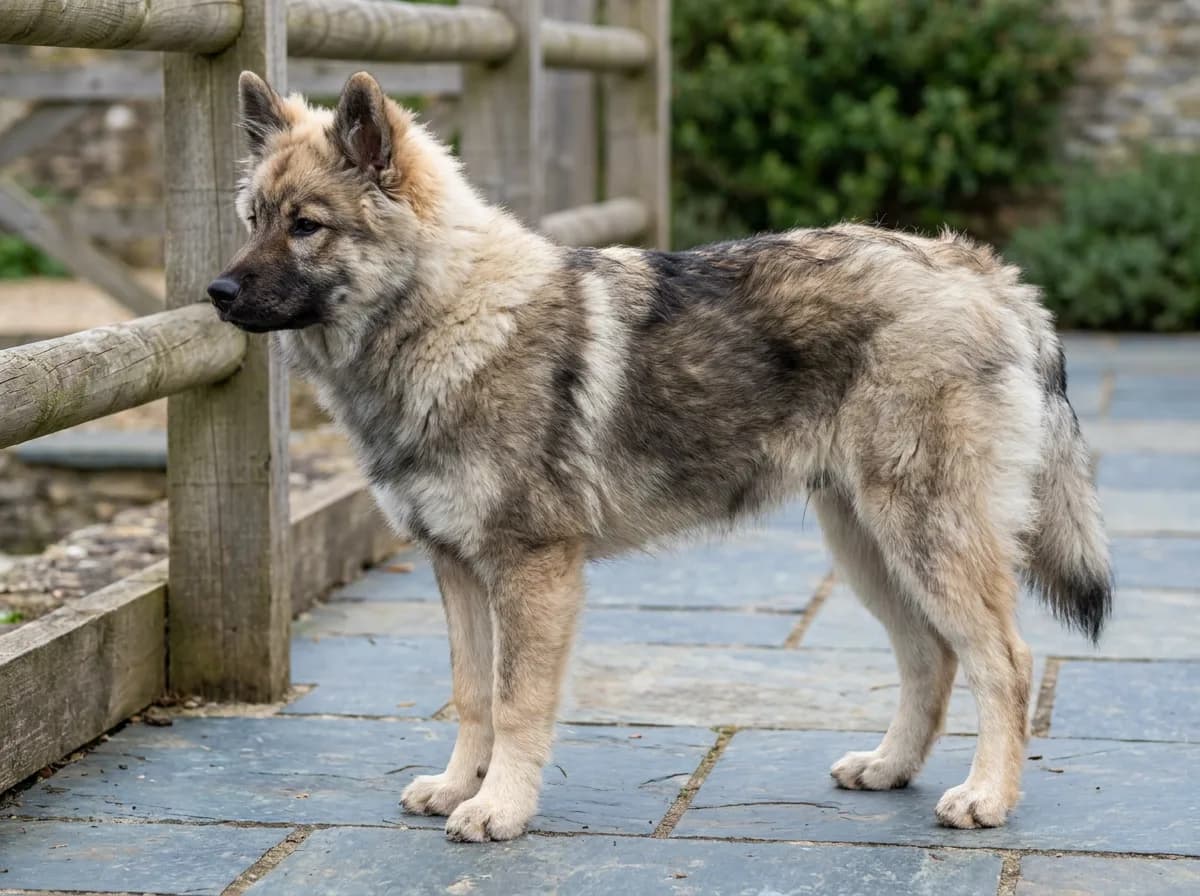
Compare like with like
A wet coat, a freshly brushed coat, and a coat shedding undercoat can look quite different. Note those conditions when comparing photographs. A close crop that emphasizes dark tips should not be treated as proof that the entire dog has become darker. Before taking a reference picture, an appropriate rounded-tooth comb can help check for trapped loose hair; stop if it catches rather than pulling through resistance.
Avoid using a bright background as a color reference. A camera may darken the dog to compensate for snow or a pale wall, or lighten it against a dark setting. Compare several images and, when possible, the dog itself before arguing over a subtle distinction such as cream versus very pale fawn.
Keep visible appearance separate from records
If paperwork uses a term you do not recognize, ask the breeder or registry to explain it. Do not change the documented color merely because an online gallery uses another label for a similar dog. Different systems may group visual shades differently.
A photograph can be a helpful reference without being proof of genotype or pedigree. The same restraint applies to tongue pigment: it is one visible feature, not a shortcut to deciding whether a dog is a purebred Eurasier or which coat color it must have.
Choosing a Puppy Beyond Coat Color
It is reasonable to enjoy a particular shade, but keep color behind the decisions that affect daily life. Ask about the breeder's records, the puppy's upbringing, individual behavior, and the support offered after placement. A striking photograph cannot answer those questions. A black or white coat cannot tell you an individual Eurasier’s lifespan or which health problems it might develop. Compare the individual’s records with the questions in the Eurasier breed guide rather than treating a shade as a health forecast.
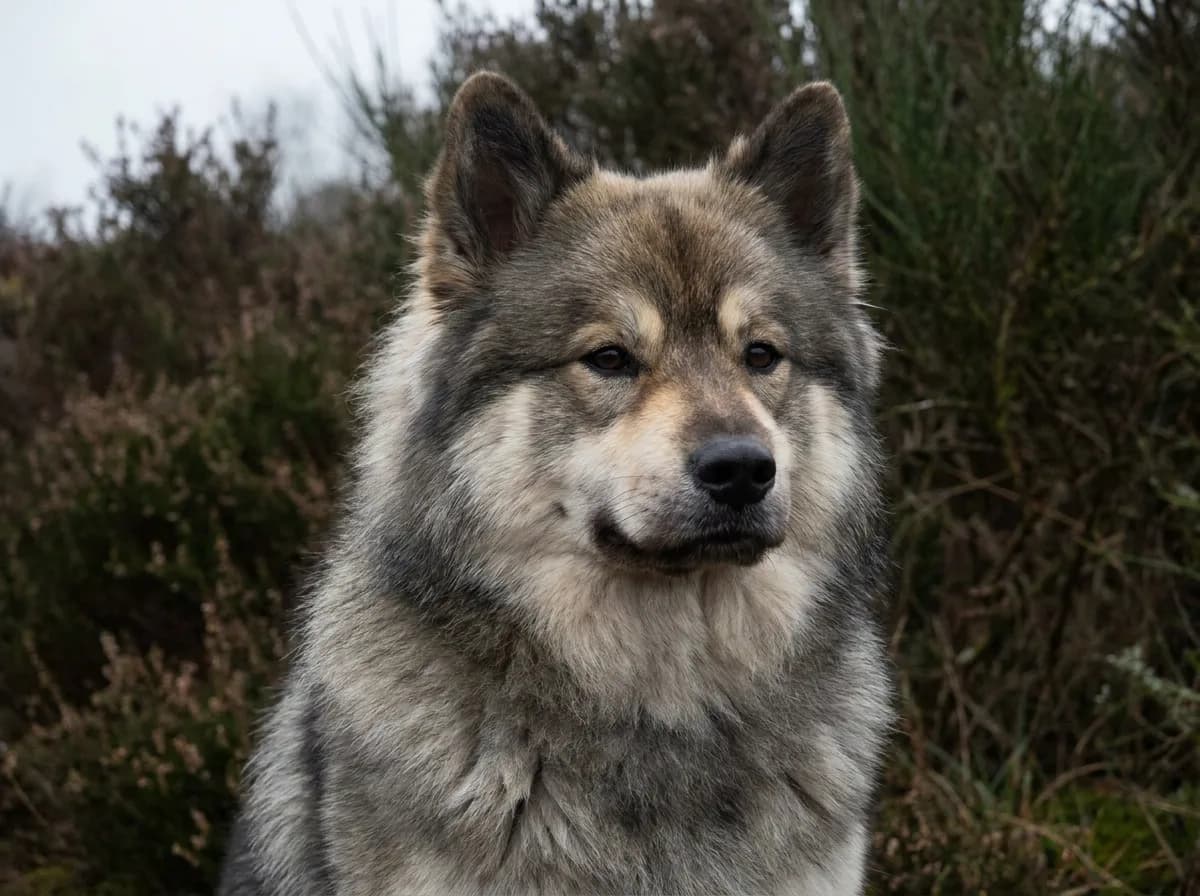
Our Eurasier puppy guide explains price quotes, breeder referrals, waiting lists, and contracts. Ask what is included in the individual quote rather than assuming an unusual shade deserves a premium. No representative color-frequency dataset is established here to support a ranking of the rarest Eurasier colors.
Ask for the basis of a color claim
If a breeder predicts an exact adult shade, ask what the prediction rests on and what uncertainty remains. If the claim is genetic, request the relevant documented test and explanation. If it is based on prior litters, understand that it is an observation about those dogs, not a certainty for this puppy.
Consider whether you would still want the puppy if its coat became lighter, darker, or differently shaded. A sustainable match depends on the dog and the care you can provide. Its changing appearance can be part of knowing it over time rather than a reason to judge the placement unsuccessful.
Eurasier Colors Questions
No. The US Eurasier Club describes a pink tongue, blue-black pigment, or a combination of both. Tongue appearance does not define coat color and cannot establish breed purity by itself. Use the dog's documented background for identity questions rather than treating one pigmented feature as a substitute for records.
Not reliably. The puppy coat is still developing, while lighting and maturity affect the appearance you see. Similar-light photographs over time and information about related adults can provide context, but neither guarantees an exact final shade. Describe the current coat separately from any prediction about how it may change.
A rare-shade claim is not a substitute for health records, careful rearing, a clear contract, and suitable placement. There is no frequency dataset established here that supports a reliable rarity ranking. Ask what evidence supports the claim and what the quote includes, then judge the whole placement rather than paying for the label alone.
No. The current FCI standard excludes pure white and piebald, while allowing other colors and combinations. A cream coat has a warm tone that may disappear in an overexposed photograph, so a pale online image is not enough to decide which description applies. For a showing or breeding decision, use the actual dog and the relevant club or registry’s current rules. A color fault does not reduce a dog’s worth as a companion.

Coreen Saito is a pet writer and longtime shelter volunteer with more than a decade in animal rescue. She covers cat behavior, breed care, and the small, ordinary science of sharing a life with companion animals, with a particular focus on honest takes about the products and decisions that actually matter. At home in Arizona, she's outranked by Mac (a dog with the loudest opinion in the house), Rebel (a cat who governs by quiet authority), and Meri (an orange tabby who runs the late shift and the laundry basket). She writes about all three, plus the rescues that keep coming through her life, at LifeWithMinty.com.
Sign up for expert-backed reviews and safety alerts all in one place.