Cavachon Lifespan and Health: Risks, Screening and Care
Understand Cavachon lifespan estimates, parent-breed health risks and screening documents, then build a preventive-care plan with your veterinarian for your individual dog.

BVMS, MRCVS
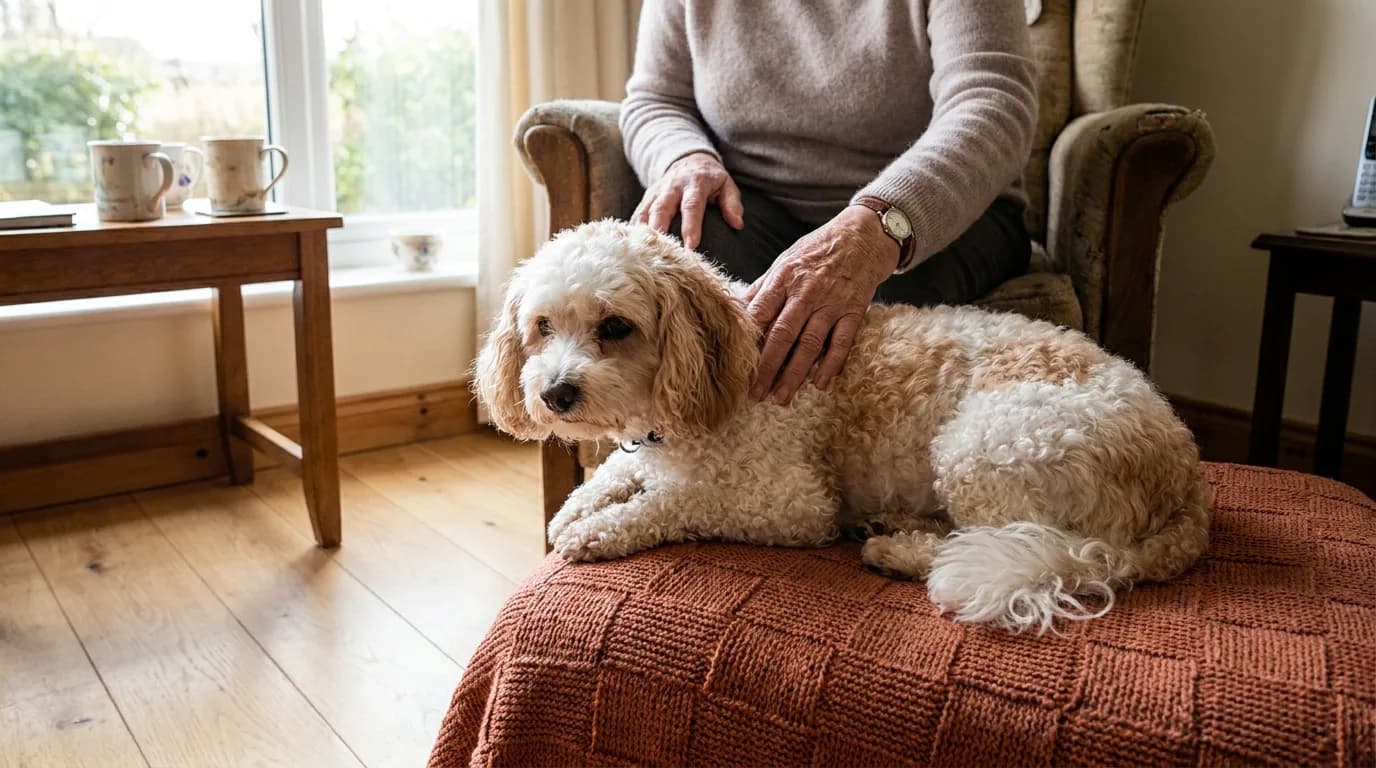
A comfortable routine and attention to changes matter throughout a dog’s life.
Petful is reader supported. As an affiliate of platforms like Amazon and Chewy, we may earn a commission when you buy through links on this page. There is no extra cost to you.
Cavachon lifespan estimates commonly describe a dog that may live into its teens, but they are not a forecast for an individual puppy. ASPCA Pet Health Insurance's breed guide gives 10–15 years; that is an editorial estimate, not a published Cavachon-specific survival study. Health, inherited risks, individual variation and access to appropriate care all matter.
The most useful next steps are to understand the parents' health history, read the actual screening results and build a preventive-care plan with your veterinarian. A Cavachon can inherit risks from both Cavalier King Charles Spaniel and Bichon Frise ancestry. Crossing the breeds does not guarantee freedom from disease.

Sign up for expert-backed reviews and safety alerts all in one place.
Cavachon Lifespan: What Is Known
- 1A published lifespan estimate is not a survival prediction for your dog.
- 2Parent screening records should show the test date and actual result, not just a badge or the word clear.
- 3Preventive care supports comfort and early assessment; it cannot promise a particular lifespan.
The ASPCA Pet Health Insurance Cavachon guide gives a 10–15-year lifespan estimate. Use that as a broad planning reference for a long-term commitment. The source does not supply a Cavachon cohort, sample size or survival calculation that would justify presenting the range as a measured national average.
Some individual dogs live beyond an estimate and others die earlier. A report of a very old Cavachon shows what happened to that dog, not the probability that another dog will reach the same age. Similarly, a social-media claim about the oldest Cavachon should not be treated as a verified record without reliable birth and veterinary documentation.
Age is context, not a diagnosis
At 10 years old, a Cavachon deserves an individualized discussion about aging, mobility, oral health and any changes in routine. Ten does not automatically mean frail, seriously ill or near the end of life. A dog that remains interested in walks can still benefit from a preventive assessment, while a dog that becomes withdrawn should not have the change dismissed as normal aging.
The AAHA senior-care guidelines emphasize a healthcare plan tailored to the aging animal. Your veterinarian can decide which examinations, tests and follow-up intervals make sense for your dog's history and current findings. Ask what changes you should monitor between visits rather than relying on a breed-age chart alone.
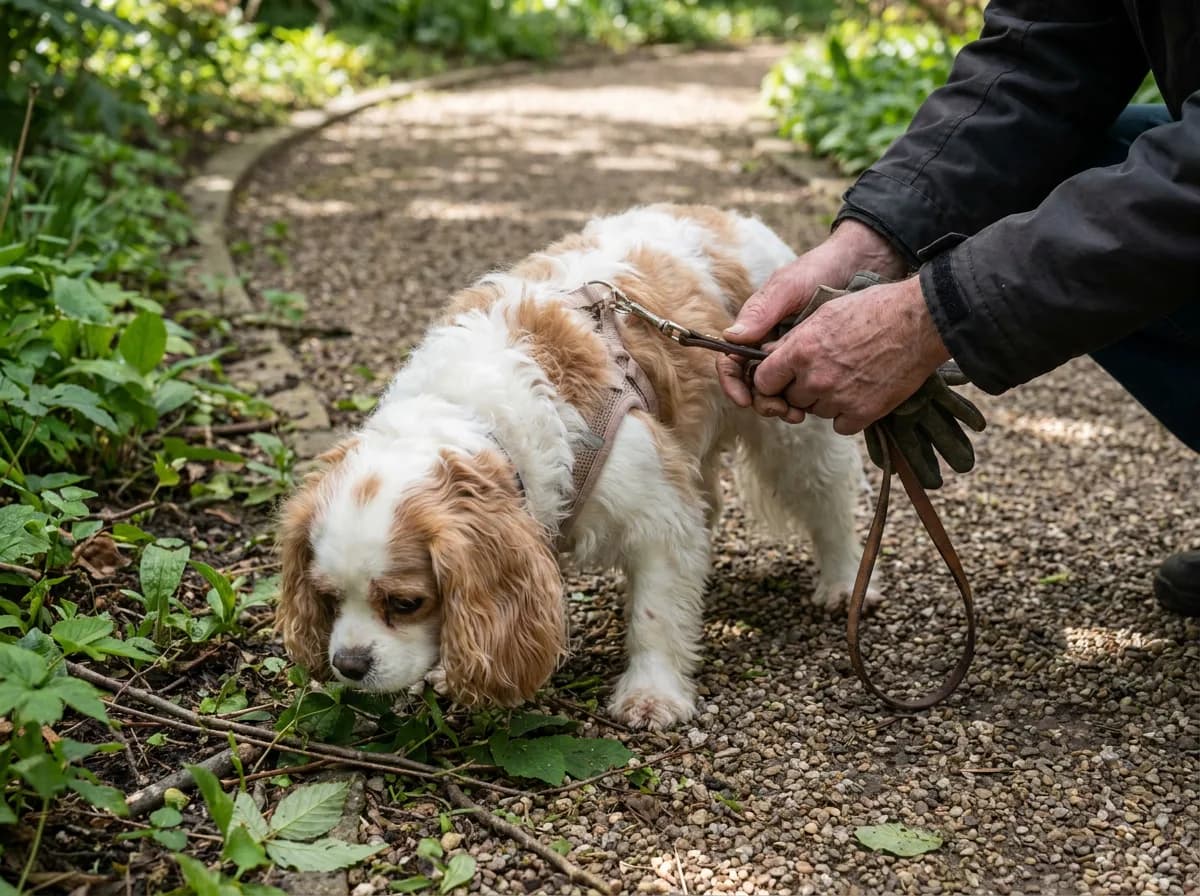
For an older dog, a comfortable walking setup can make everyday observation easier. A Frisco Padded No Pull Dog Harness is one option if the small size fits the dog's measured chest and body. Check for rubbing, support comfortable movement and follow the veterinarian's exercise advice. A harness does not treat heart disease or joint pain.
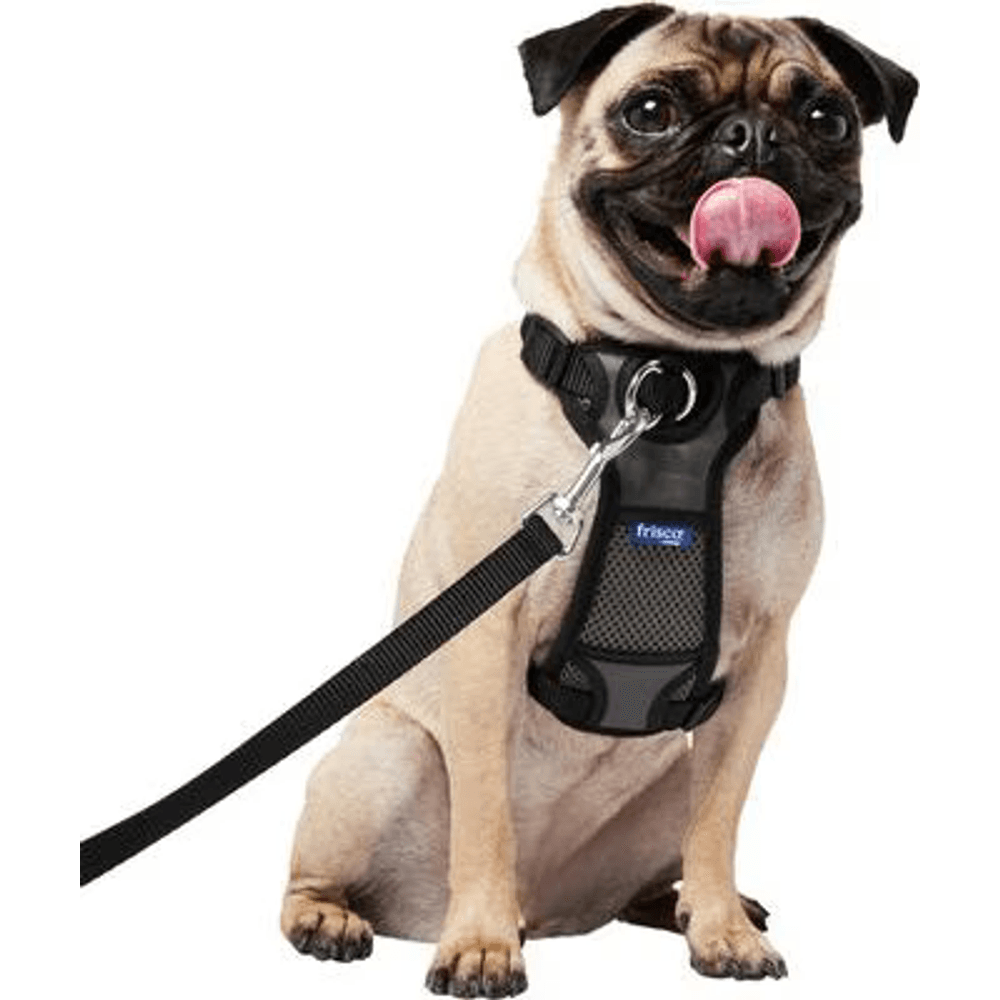
A budget-friendly padded no-pull harness that keeps leash pressure off a coughing dog's neck and windpipe by distributing it across the chest. A simple, affordable way to protect an irritated airway or a collapsing trachea on every walk.
Petful may earn a commission when you click through to Chewy, at no extra cost to you.
What a lifespan number cannot answer
An estimate cannot tell you whether a puppy will develop an inherited condition, how a known disease will progress or whether a current symptom is urgent. Those questions require different evidence. Keep them separate when researching:
- Population information: How was an average or range obtained, and which dogs were included?
- Family information: What is known about the actual parents and relatives?
- Individual information: What has your veterinarian found in this dog's examinations and tests?
- Daily observations: What has changed in appetite, activity, comfort or behavior?
Do not convert a dog-age chart into a precise human-age equivalent for medical decisions. A birthday is useful background, but physical findings, body condition and the dog's normal behavior are more informative for deciding what care it needs now.
Inherited Risks and Their Limits
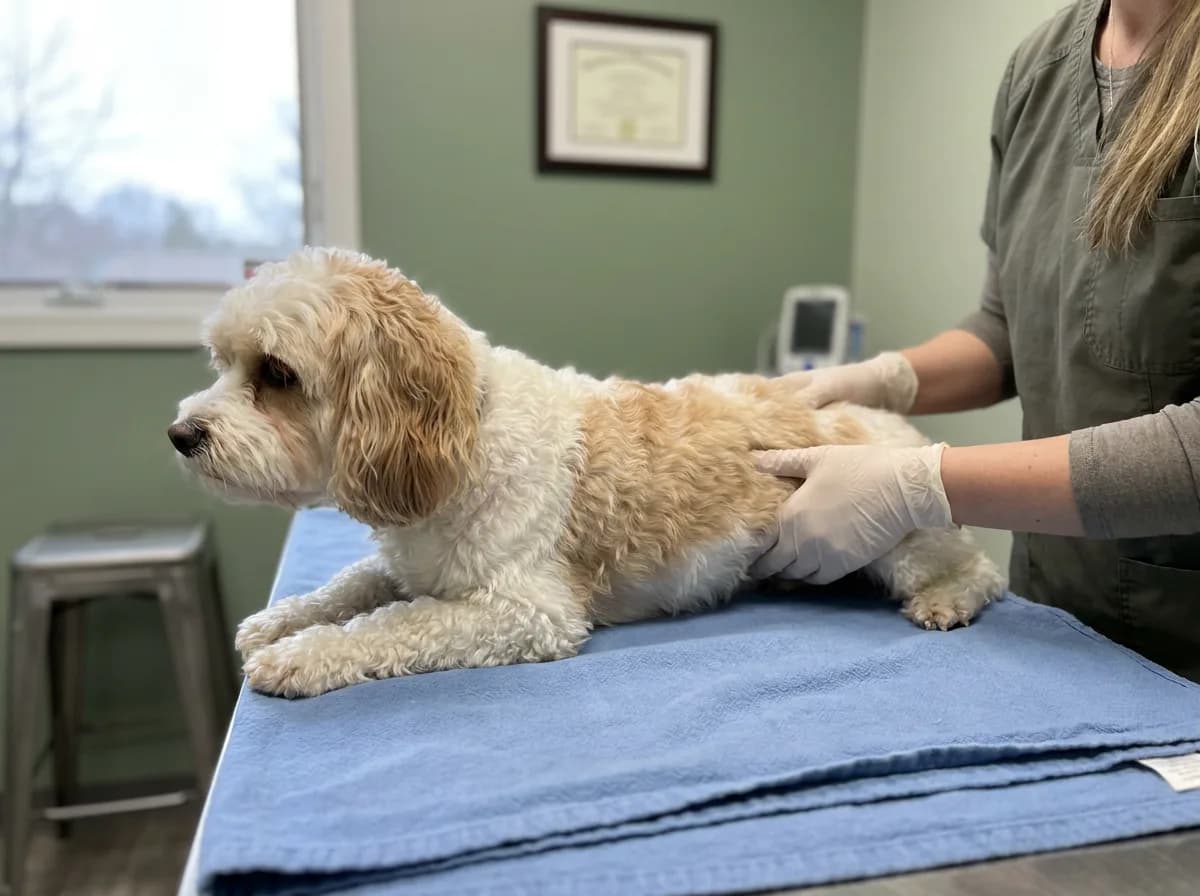
What health issues do Cavachons face? Relevant parent-breed concerns include heart, eye, kneecap and hip conditions, with other Cavalier neurological and ear problems also worth discussing. These are screening and observation priorities, not a measured probability that a particular Cavachon will develop them.
Parent-breed conditions identify questions worth asking; they do not establish how common a condition is in Cavachons. The AKC Cavalier King Charles Spaniel page lists concerns including mitral valve heart disease, certain eye conditions, patella luxation, hip dysplasia, middle-ear problems and syringomyelia. A Cavachon is not certain to develop these conditions, and the percentage affected in Cavaliers cannot simply be transferred to the cross.
For the Bichon parent, recommended hip, patella and eye screening points to relevant areas for discussion. Health history also extends beyond a minimum test list. Ask about diagnosed problems in close relatives and disclose those records to your veterinarian even if the puppy seems well.
For routine coat care, an aumuca slicker brush may help maintain a suitable coat when used gently. It is not a treatment for itchy skin, infection or painful mats. Stop if handling causes discomfort and seek advice rather than brushing harder.

Petful may earn a commission when you click through to Chewy, at no extra cost to you.
Heart health
The Cavalier family's heart history matters when evaluating a litter. Ask what examination was performed on the Cavalier parent, by whom and at what age. A quick statement that a puppy's heart sounded normal during a general visit is not equivalent to a parent cardiologist's evaluation, and neither statement promises that disease cannot appear later.
For your own dog, let the veterinarian interpret any murmur and decide whether further assessment is needed. The word murmur describes an examination finding; it is not enough information for an owner to diagnose severity, choose treatment or set an exercise limit. Bring prior records so the clinician can compare findings over time.
Do not start supplements or change prescribed medicines because a product is marketed for heart support. If your dog has a diagnosis, ask the treating veterinarian about food, activity, monitoring and the timing of follow-up. The correct plan depends on the actual condition, not only the breed ancestry.
Knees, hips and movement
Patella and hip screening are distinct evaluations. A result for one does not establish that the other is normal. During a purchase discussion, ask for the named test and result instead of accepting a general promise about strong joints.
At home, note changes such as reluctance to use stairs, difficulty rising, an altered gait or reduced interest in usual activity. Those observations do not identify the diagnosis, but they give the veterinarian a useful starting point. Avoid making the dog repeat an uncomfortable movement to capture a dramatic video; a brief recording of spontaneous movement can be enough to show what you noticed.
Eyes, ears, skin and neurological concerns
Ask about ophthalmologist examinations and known eye disease in the parents. Eye discharge, squinting or a change in appearance needs an individual assessment rather than an assumption that it is merely a cosmetic breed trait. Similarly, recurrent ear or skin trouble should be investigated instead of repeatedly trying unrelated cleaners or shampoos.
The Cavalier's syringomyelia risk is another reason to keep a complete family history and report unusual pain or behavior. It does not mean every scratching episode in a Cavachon has that cause. A veterinarian must distinguish among the possibilities and decide whether a referral or imaging is appropriate.
Symptoms are not inherited-risk statistics
A seizure, fainting episode, sudden weakness or major behavior change deserves assessment on its own facts. Breed research cannot establish the cause at home. Record what you safely observed, the approximate duration and any possible exposure to medicines or toxins, then contact veterinary care according to urgency.
Avoid interpreting a list of possible conditions as a prediction that your dog will become ill. Its purpose is to improve questions, records and timely care. Equally, avoid reassurance based only on the claim that a mixed breed is healthier: crossbreeding does not make inherited risks disappear.
A Virbac C.E.T. dual-ended toothbrush is one option if its head suits the dog's mouth. Pair it with dog-appropriate toothpaste, such as Virbac C.E.T. enzymatic poultry-flavored toothpaste, only as part of an appropriate routine. Neither product removes the need for veterinary dental evaluation or treats existing disease by itself.
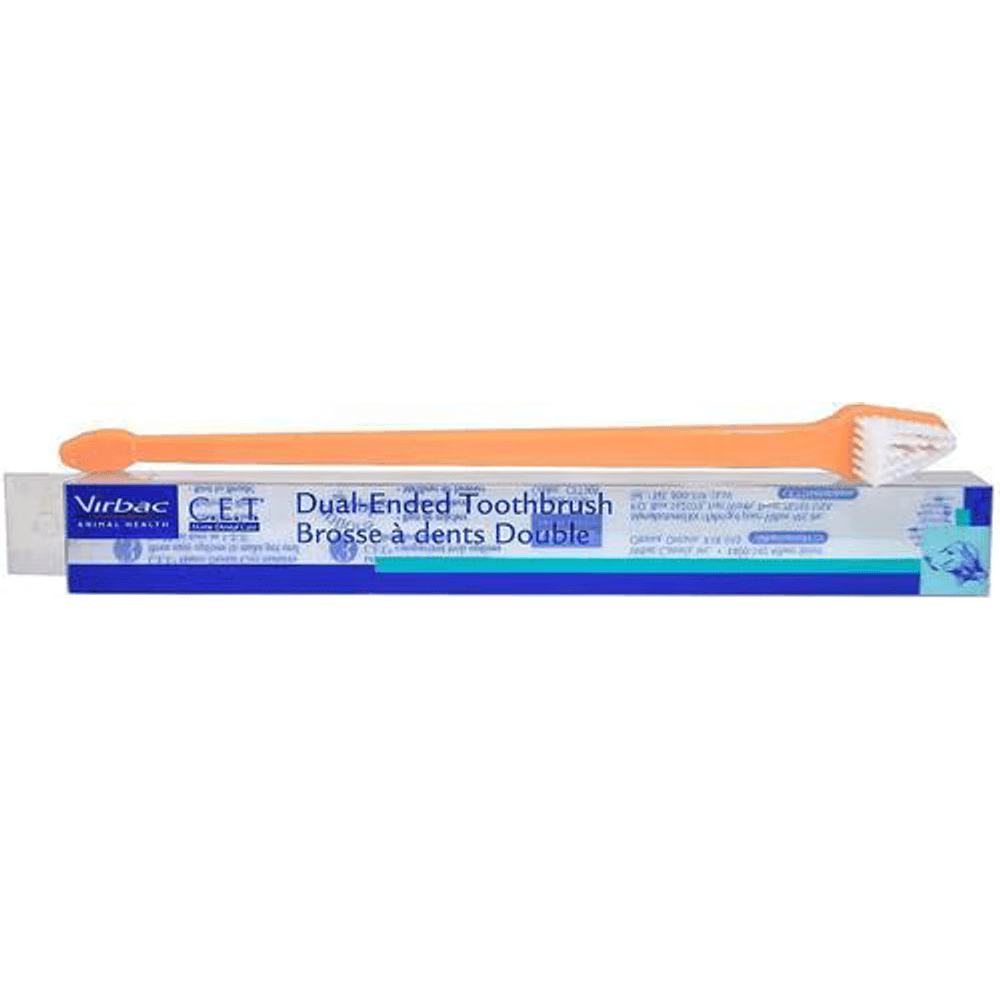
A dual-ended toothbrush with a large and a small head to fit different mouth sizes and reach the back molars where plaque hides. Soft bristles angled for the gumline.
Petful may earn a commission when you click through to Chewy, at no extra cost to you.
Parent Health Screening: Read the Results
Cavalier and Bichon testing should be checked separately against each parent's identity and the relevant breed recommendations. A puppy examination and a generic DNA panel do not answer every cardiac, eye or orthopedic screening question.
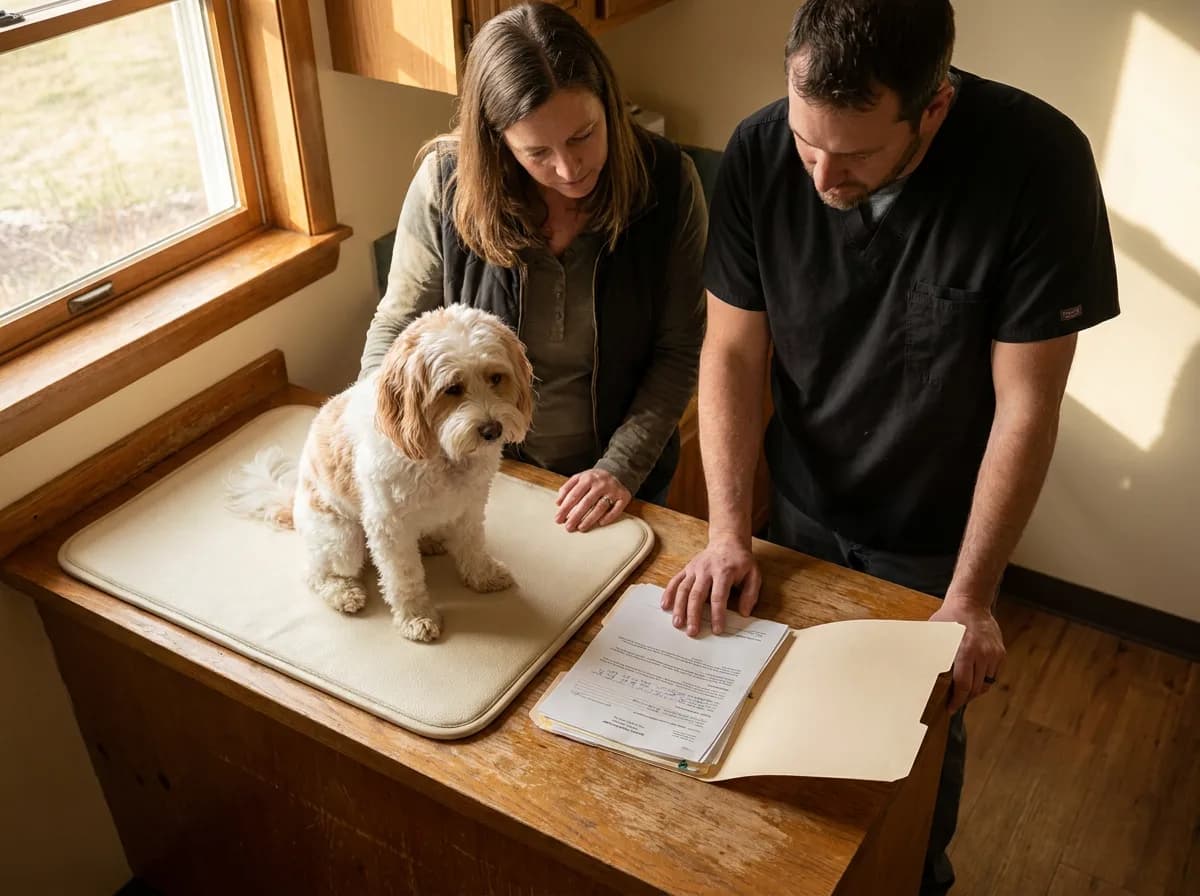
Ask for the test date, actual result and parent identity for every screening claim. A verbal assurance, a puppy wellness certificate and a genetic panel answer different questions. Responsible screening is a collection of relevant evidence, not a single document that covers every possible condition.
The Cavalier King Charles Spaniel Club's testing guide describes pre-breeding cardiac auscultation by a board-certified cardiologist, eye evaluation, patella examination and hip evaluation. It also discusses timing and repeat checks. Use the current breed guidance with your veterinarian rather than assuming a test performed once at any age remains equally informative forever.
| Record or claim | What to read | Useful follow-up question |
|---|---|---|
| Cavalier cardiac evaluation | Parent identity, test date, examiner and actual result | Was the appropriate specialist involved, and is a repeat check relevant? |
| Eye evaluation | Named parent, ophthalmologist examination date and findings | Which conditions were assessed and what follow-up was advised? |
| Patella evaluation | The knee assessment and recorded result | Is this the actual parent record rather than the puppy's general visit? |
| Hip evaluation | The identified dog's result and evaluation method | What does this result mean in the breeding and family-history context? |
| DNA panel | Conditions included, sample identity and reported findings | What important physical examinations are still needed? |
| CHIC number | The underlying public tests and results | Were all results normal, or does the number only establish completed public testing? |
A CHIC number is not an all-clear certificate
The Orthopedic Foundation for Animals explains that a CHIC number is issued when the breed's required tests have been completed and the results made public. Normal results are not required for the number itself. You therefore need to open the individual results and read them.
This distinction prevents a common misunderstanding. A seller may accurately say a parent has a CHIC number, while a buyer incorrectly assumes every test was normal. Ask for the actual record, check that its identity matches the parent and take any unclear finding to your veterinarian.
Screening reduces uncertainty about the conditions assessed at the time of testing. It cannot promise that a parent or offspring will never develop disease. Nor does it establish that every possible inherited problem was included in the testing program.
A practical record-checking sequence
- Identify both parents. Record names and permanent identification where available.
- List each claimed test separately. Avoid collapsing everything into the phrase health checked.
- Check dates and examiner details. Ask whether age or repeated evaluation affects the meaning of the result.
- Read the actual finding. Do not stop at a registry number, logo or summary.
- Ask about family history. Screening results and diagnoses in relatives are different kinds of information.
- Get veterinary interpretation. Bring the records before committing if a result is unclear or material to your decision.
For a rescue dog whose parent records are unavailable, be honest about that limit. It does not establish that the dog is unhealthy. It means the care plan will rely more heavily on its own history, physical assessment and any testing your veterinarian recommends.
If your dog enjoys supervised food activities, a Nina Ottosson Lickin' Layers puzzle feeder can offer a different way to serve part of a meal. Introduce it at an easy level, use a suitable portion and remove it if the dog chews the pieces. A feeder is enrichment equipment, not weight-loss treatment or protection from inherited disease.
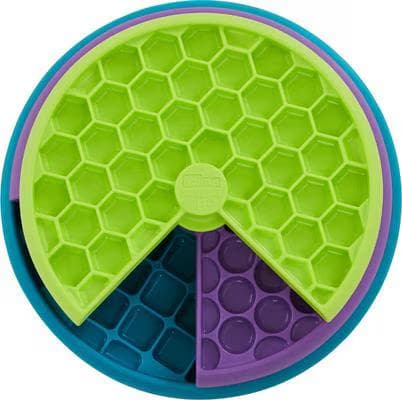
Petful may earn a commission when you click through to Chewy, at no extra cost to you.
Everyday Care and Preventive Visits
Preventive care aims to support health, comfort and timely detection of changes. It cannot guarantee a longer lifespan. Build a plan around the individual dog's age, findings, lifestyle and location, with attention to vaccinations, parasite prevention, nutrition, oral health, activity and coat maintenance.
Bring questions to routine appointments instead of waiting until something is urgent. If a breeder, groomer or trainer has made a health-related claim, ask your veterinarian how it applies to your dog. Keep medication and supplement lists current so the clinic can assess the full picture.
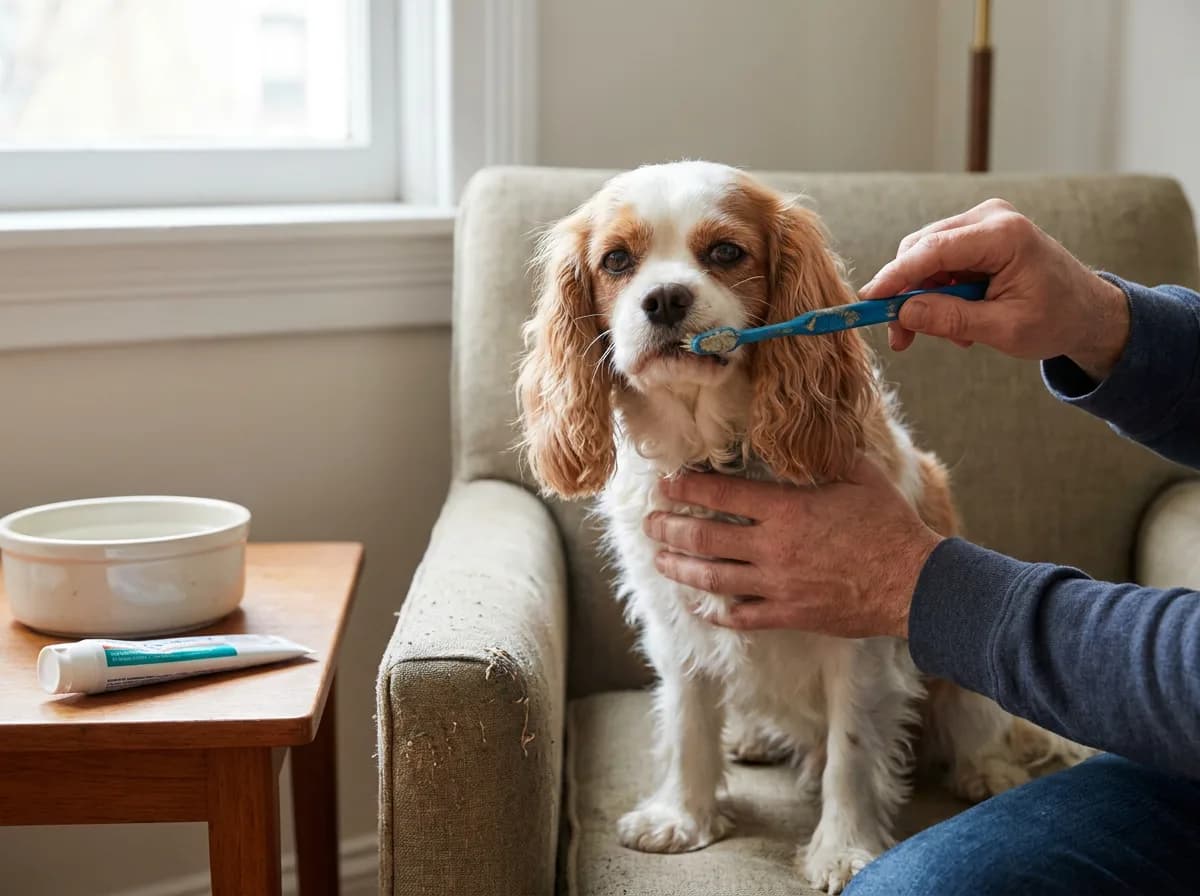
Dental care that the dog can tolerate
WebVet's dog tooth-brushing guide gives practical steps for introducing home care. Keep the veterinary examination separate from home brushing, especially when the mouth is painful or bleeding.
Introduce mouth handling gradually. Begin with a short, comfortable touch, reward cooperation and build toward the routine your veterinarian recommends. If the dog pulls away, shows pain or has obvious mouth changes, arrange assessment rather than forcing brushing.
Brush size, handling tolerance and consistent technique matter more than choosing an accessory because it is marketed for small dogs. Ask your veterinarian for a demonstration if you are unsure. Do not use human toothpaste, and do not assume a dog that still eats normally has no dental discomfort.
Feeding, weight and muscle
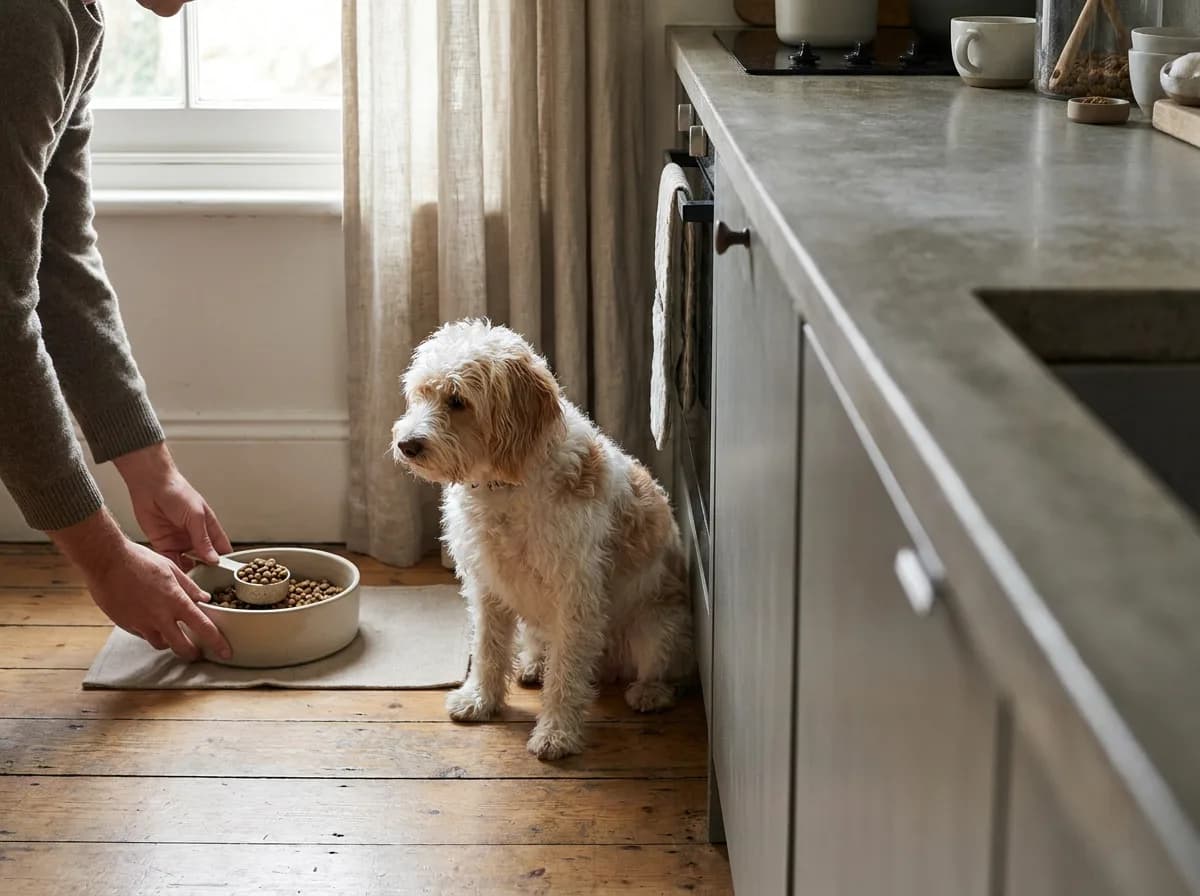
Use a complete diet appropriate to the dog's life stage, then review portions as its needs change. Include training treats and other extras when discussing food intake. A fluffy coat can make body shape hard to judge, so ask your veterinary team to demonstrate a hands-on body-condition check.
The AAHA body-condition guidance emphasizes looking beyond the scale. Ribs, waist and abdominal tuck help assess body condition; your veterinarian can also evaluate muscle. A number inside a published Cavachon weight range does not prove the dog is at a healthy weight, and a number above it does not by itself establish obesity.
Movement, rest and routine handling
Provide comfortable activity that suits the dog's condition. Shorter walks, opportunities to sniff and quiet rest can be adjusted as needs change. If exercise tolerance drops, ask for an assessment rather than assuming the dog has become lazy or simply needs harder training.
Check the fit of the walking harness when weight or coat length changes. Use gentle brushing as an opportunity to notice new lumps, skin changes or discomfort, without trying to diagnose them yourself. Keep a short record of what you find so you can describe a change accurately at the next visit.
Discuss neutering or spaying with your veterinarian as an individual decision about timing, health and your circumstances. There is no single Cavachon birthday that this guide can responsibly prescribe for every dog. Similarly, do not use a generalized breed-health article to start, stop or change a medicine.
Changes to Discuss With Your Veterinarian
Early signs that a dog is unwell can include a change in appetite, drinking, toileting, breathing, movement or willingness to interact. Compare these changes with the dog's normal behavior and contact your veterinarian rather than trying to match a symptom to a breed label. Urgency depends on the symptom and severity; the examples below help organize that conversation.
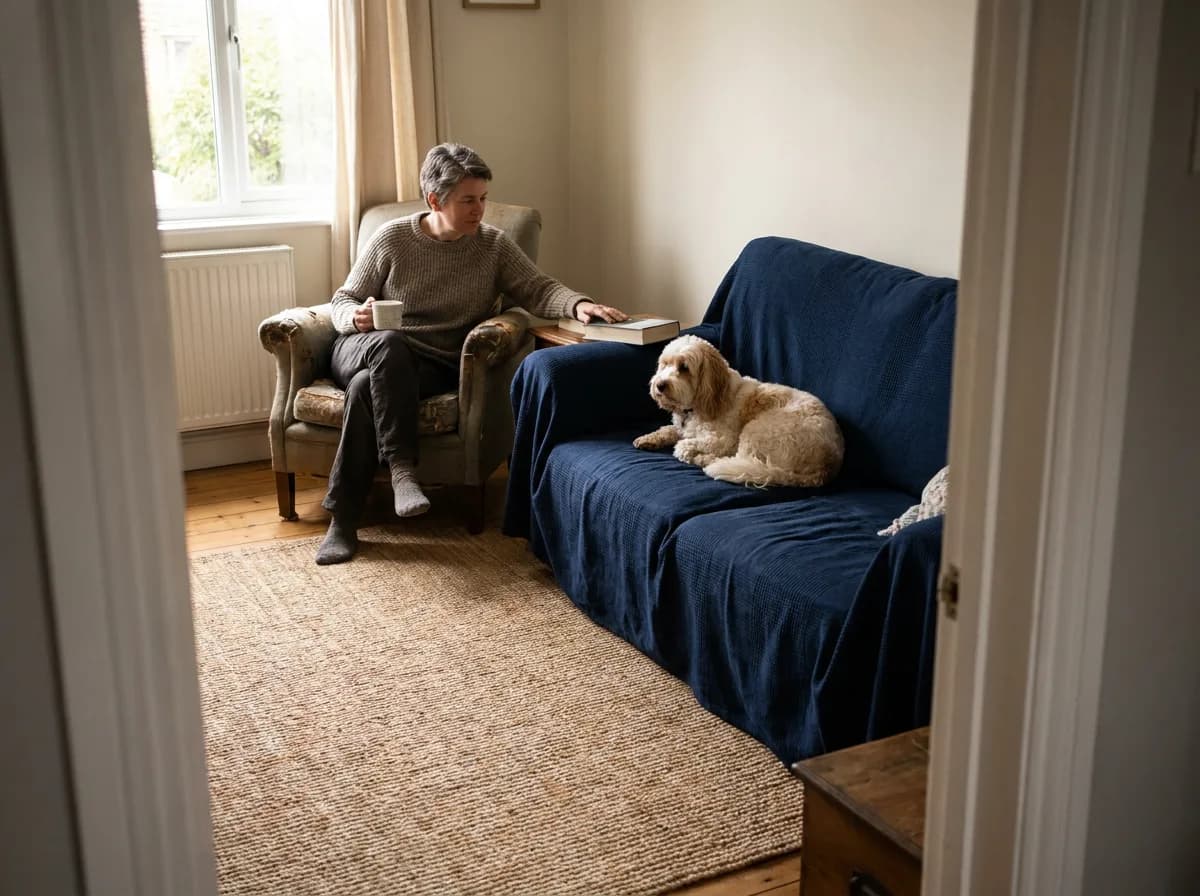
For a non-emergency appointment, a concise record helps:
- When you first noticed the change and whether it is getting worse.
- How often it occurs and what the dog was doing at the time.
- Appetite, water intake, toileting and activity changes.
- Current food, medicines and supplements, including recent changes.
- A short video when it can be recorded safely without provoking discomfort.
Seek urgent veterinary help for serious signs such as difficulty breathing, collapse or a prolonged or repeated seizure. If you are unsure how urgent the situation is, call your veterinarian or an emergency clinic and describe what you can see. Do not delay a call to complete a symptom diary, film an episode or test a home remedy.
Make follow-up instructions concrete
Before leaving a visit, confirm the next action. Ask when to expect a result, what should trigger an earlier call and whether activity, feeding or medication instructions have changed. If instructions are unclear, have the practice explain them before trying to interpret them from a general article.
For ongoing conditions, keep the follow-up plan with the dog's records and share it with anyone providing care. A sitter should know the clinic's contact details, what medicines are due and which changes need a call. This practical preparation is more useful than searching for a breed-wide answer during a worrying event.
Temperament and Daily Routine
Health and behavior can affect one another. A dog that resists grooming may be frightened, uncomfortable or both; an older dog that appears less sociable may need its comfort assessed. Avoid assuming every change is a fixed Cavachon personality trait.
The Cavachon breed guide covers daily routine, training, household fit and coat care. Use it alongside veterinary advice to set up a manageable day with rest, appropriate activity and positive handling, adjusting the routine when the dog's needs change.
Planning for Lifetime Care Costs
Budget for recurring preventive care and financial uncertainty as separate categories. A routine-care estimate does not include every potential diagnostic test, dental procedure or illness. Insurance terms, exclusions and reimbursement arrangements vary, so read the actual policy rather than assuming all inherited conditions or future care will be covered.
Our Cavachon price and ownership-cost guide provides a worked budgeting framework. Use local veterinary and grooming quotes, your dog's current needs and a realistic plan for unexpected expenses. No budget or product can guarantee a particular lifespan, but planning can make appropriate care easier to arrange when it is needed.
Frequently Asked Questions
Yes, an individual may live beyond a published range, while another may die earlier. A breed-guide estimate is not a guarantee. Reliable individual records are needed to verify exceptional ages, and a single long-lived dog does not establish the average for the cross.
No. Cavachons can inherit risks from their parental lines. Appropriate parent screening and family history are useful, but they cannot remove all uncertainty or promise that a puppy will never become ill.
No. OFA explains that the required testing must be completed and the results public for a CHIC number. Read each test's actual result, date and dog identity rather than interpreting the number as an all-clear certificate.
No. A DNA panel covers only the conditions included in that panel. Parent-specific physical evaluations, such as cardiac, eye, patella or hip examinations where recommended, answer different questions. Ask your veterinarian to review the complete records.
Bring vaccination and parasite-prevention history, current food and medicines, prior examinations, microchip information and any parent screening or family-health records available. Also note your observations about appetite, toileting, activity and comfort since the dog arrived.
BVMS, MRCVS
Dr. Pippa Elliott, BVMS, MRCVS, is a veterinarian with nearly 30 years of experience in companion animal practice. Dr. Elliott earned her Bachelor of Veterinary Medicine and Surgery from the University of Glasgow. She was also designated a Member of the Royal College of Veterinary Surgeons. Married with 2 grown-up kids, Dr. Elliott has a naughty Puggle named Poggle, 3 cats and a bearded dragon.
Sign up for expert-backed reviews and safety alerts all in one place.