American Eskimo Dog Breed Profile: Essential Facts
American Eskimo Dogs were once trained to perform tricks in circuses, and today they are treasured companions.
- AKC Group: Non-Sporting
- Weight: 18–35 lbs.12–15 in. (miniature)9–12 in. (toy)
- Height: 15–19 in. (standard)10–20 lbs. (miniature)6–10 lbs.(toy)
- Life Span: 15 years

Sign up for expert-backed reviews and safety alerts all in one place.
Key Characteristics
- AKC Group: Non-Sporting
- Height: 15–19 inches (standard); 12–15 inches (miniature); 9–12 inches (toy)
- Weight: 18–35 pounds (standard); 10–20 pounds (miniature); 6–10 pounds (toy)
- Life Expectancy: 15 years or longer
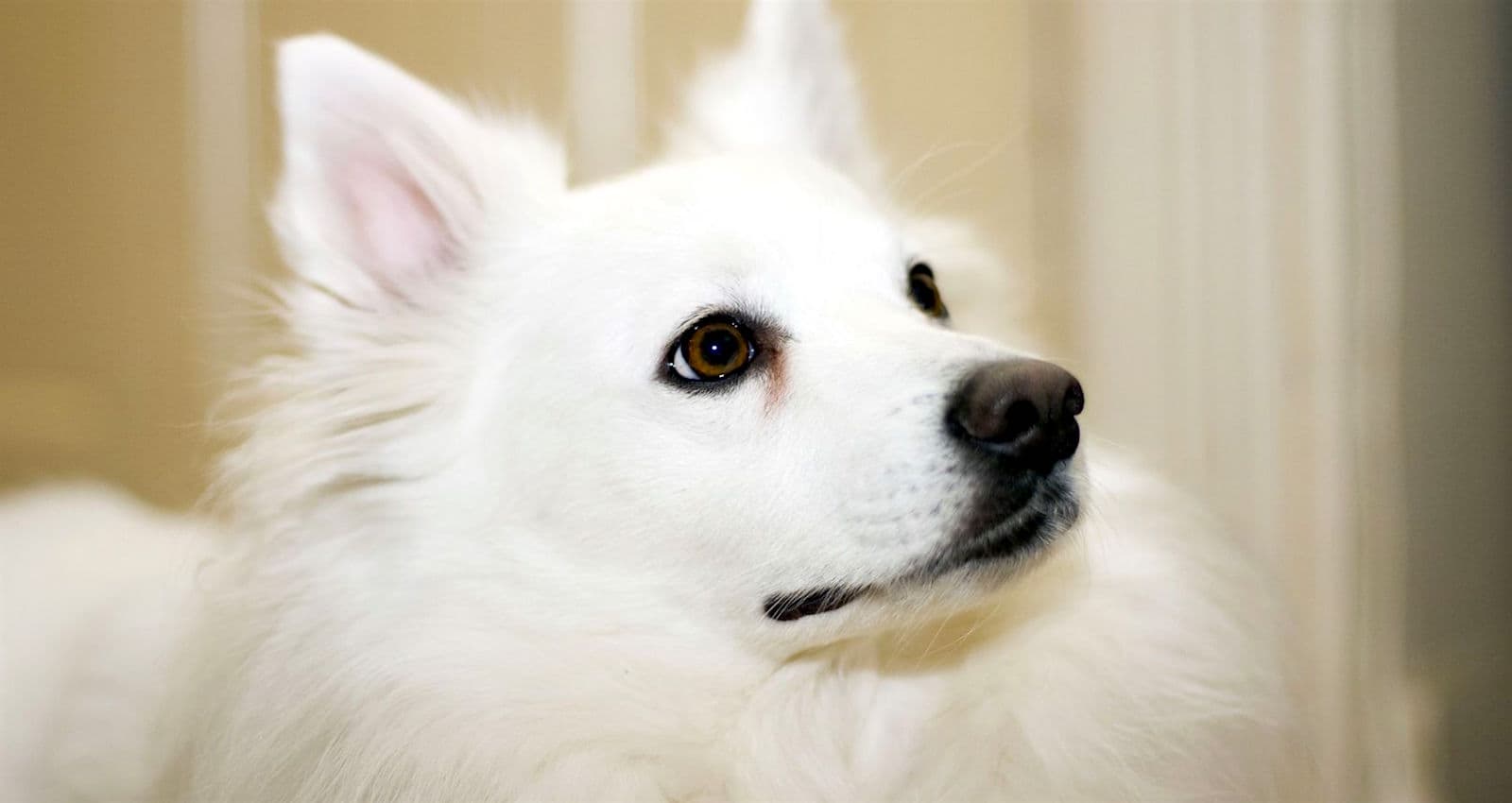
The American Eskimo Dog is small to medium in size and looks like a miniature Samoyed.
The ears are triangular, and the eye rims, nose and lips are black.
The white, straight double coat may or may not have cream markings.
The hair on the outer coat stands out and away from the body, and the tail is plumed and curls over the back. The coat is heavier around the neck and may give an appearance of being a mane, a feature that is more pronounced in males.
Where They Came From
The American Eskimo Dog descended from European Spitz dogs and is related to the German Spitz, Keeshond, Pomeranian and Italian Spitz.
Small white dogs were usually found in communities of German immigrants in the 19th century. The dogs likely immigrated with their guardians and became collectively known as the American Spitz.
In later decades, the dogs were used in traveling circuses as part of an act in which they displayed tricks. They were fast, intelligent, agile and easy to train.
The name was changed from American Spitz to American Eskimo Dog in the early 1900s. One theory behind this change is that a kennel registered with the United Kennel Club -- named the American Eskimo -- was attributed to the small white Spitz dogs that kennel owners Mr. and Mrs. F.M. Hall registered.
The National American Eskimo Dog Association was formed in 1969, and the American Eskimo Dog Club of America was formed in 1985.
The American Kennel Club added the breed in 1994, and the following year it added full recognition and the Non-Sporting Group designation.
How Friendly Are They?
This breed is intelligent and easy to train. These dogs excel at obedience and enjoy having a job to do.
They are also alert, friendly, loving, devoted, affectionate and playful. They are eager to please and make excellent guards and watchdogs.
American Eskimo Dogs are good with children and other dogs when introduced properly. They can be wary of strangers but usually welcome them after an introduction.
They must be exercised and trained consistently to avoid negative behaviors such as separation anxiety, excessive barking, aggressiveness and over-guarding.
Is This the Right Dog for You?
Exercise Needs
HIGH: Long daily walks are needed for this active breed to expel energy. They are also very active indoors.
A small yard would be appreciated but is not necessary, so the breed does well in apartments.
Grooming Needs
MEDIUM: The double coat is thick and sheds regularly. It needs to be brushed daily, especially during excessive shedding, and bathed occasionally.
As with any breed, regular maintenance should be done: cleaning the teeth and ears and cutting the nails at a comfortable length. The tear duct drainage from the eyes can cause staining, so make sure to clean it out regularly.
Health Problems
LOW: The American Eskimo Dog is a fairly healthy dog breed. Health concerns include: Hip dysplasia Progressive retinal atrophy (PRA) Allergies (fleas) Prone to obesity
Maintaining a consistent amount of food and regulating feeding times can help avoid obesity.
I don't know -- do you think this American Eskie actually says "I love you?":
Where to Adopt One?
American Eskimo Dogs, as with any purebred dogs, can end up in shelters and rescues. Start with our adoptable dog search or contact a local shelter or rescue to see if an American Eskimo Dog is available near you.
If you do choose to contact a breeder, spend time getting to know them and be wary of any warning signs that the breeder is operating a puppy mill.
Related Dog Breed Profiles You May Like
- Australian Shepherd Breed Profile: Essential Facts
- Australian Terrier Breed Profile: Essential Facts
- Azawakh Breed Profile: Essential Facts
- German Shepherd Puppies Breed Profile: Essental Facts
- Barbet Breed Profile: Essential Facts
Frequently Asked Questions (FAQ)
Yes, American Eskimo Dogs make great pets. They are intelligent, affectionate, and playful but require regular exercise and mental stimulation to prevent boredom.
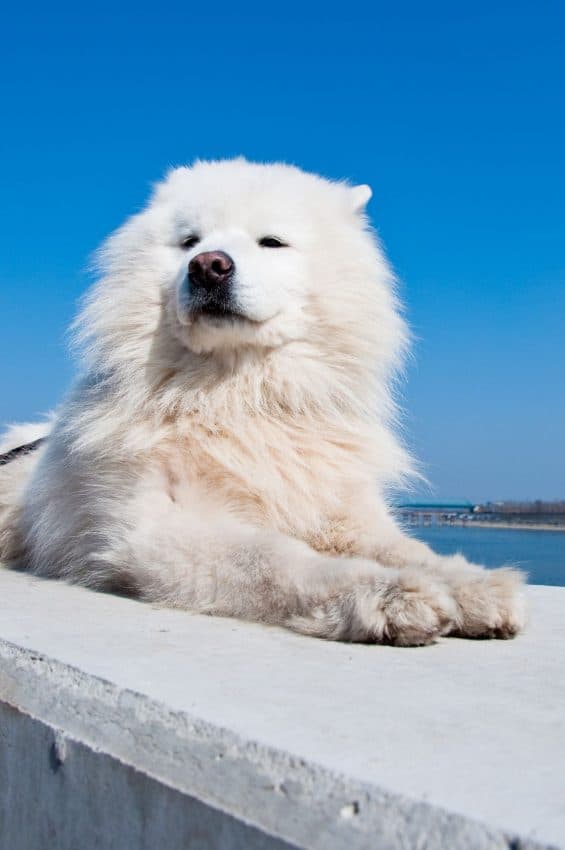
No, they are different breeds. American Eskimos are smaller and belong to the Spitz family, while Samoyeds are larger, more powerful working dogs with a distinct fluffy coat.
No, they are not traditional guard dogs, but they are alert and protective, making them excellent watchdogs who will bark to warn their owners.
Yes, they are high-energy dogs that require daily exercise, training, and mental stimulation to stay happy and well-behaved.
Yes, American Eskimos love to cuddle and enjoy being close to their families, forming strong bonds with their owners.
They require frequent grooming, can be prone to separation anxiety, bark a lot, and need plenty of exercise and training to prevent destructive behavior.
Additional Resources
- American Kennel Club's American Eskimo Dog page
- American Eskimo Dog Club of America
- National American Eskimo Dog Association of Canada

Kristine Lacoste has been researching dog and cat breeds for nearly a decade and has observed the animals up close at dog shows in both the United States and the United Kingdom. She is the author of the book One Unforgettable Journey, which was named as a finalist for a Maxwell Award from the Dog Writers Association of America, and was host of a weekly pet news segment on the National K-9 Academy Radio Show. In addition, she was the New Orleans coordinator for Dogs on Deployment, a nonprofit that helps military members and their pets, for 3 years. Kristine has researched and written about pet behaviors and care for many years. She holds a bachelor’s degree in psychology, another bachelor’s degree in English and a Master of Business Administration degree.
Sign up for expert-backed reviews and safety alerts all in one place.