Snowshoe Cat Price: What a Kitten Really Costs in 2026
What does a Snowshoe cat cost in 2026? A complete price guide: breeder kitten prices ($1,500 to $3,000), adoption fees, the rarity and marking factors that drive cost, a price comparison table, and the full lifetime cost of ownership.
Petful is reader supported. As an affiliate of platforms like Amazon and Chewy, we may earn a commission when you buy through links on this page. There is no extra cost to you.
The typical snowshoe cat price from a reputable breeder runs about $1,500 to $3,000 for a pet-quality kitten, with show or breeding prospects climbing toward $4,000, because this is one of the rarest pedigreed breeds in the United States. The International Cat Association (TICA) only granted the snowshoe championship recognition in 1993, and the breed is still not accepted by the Cat Fanciers' Association (CFA) for the simple reason that there are too few breeders and cats to meet the requirements. That scarcity, combined with how genuinely hard it is to reproduce the breed's signature white boots and inverted white facial V, is what sets the price. This guide breaks down kitten cost from a breeder versus adoption, the price drivers that move a kitten from the low end to the top of the range, the full lifetime cost of ownership, and where you can realistically find one of these rare cats. There is more on this in Petful’s guide to Munchkin cat price.
- 1A pet-quality snowshoe kitten from a breeder typically costs $1,500 to $3,000, with show and breeding quality reaching $4,000
- 2Adoption from a shelter or rescue runs about $50 to $350, but snowshoes rarely appear in shelters
- 3The breed's rarity is the main price driver: TICA recognized it in 1993 and the CFA still does not, so the breeder pool is tiny
- 4Marking quality matters more here than in almost any other breed, since the white boots and facial V are difficult to reproduce
- 5Plan for $700 to $1,800 in first-year setup and roughly $50 to $150 per month, which adds up to a lifetime cost in the low-to-mid five figures over a 14 to 20 year lifespan

Sign up for expert-backed reviews and safety alerts all in one place.
How much does a snowshoe cat cost from a breeder?
For a pet-quality snowshoe kitten from a registered breeder, budget roughly $1,500 to $3,000. Kittens with excellent symmetry, a textbook facial V, and the breed's prized blue eyes sit at the upper end, and a true show or breeding prospect can reach $4,000 or more. You will see lower figures quoted around the web, sometimes as little as $600, but those tend to be older listings, regional outliers, or kittens with off-standard markings. Today the combination of high demand and a very small number of active breeders keeps quality snowshoe prices firmly in the four-figure range.

Compare coverage choices for your pet, then request a quote directly on Lemonade.
- Check a price for your pet
- Review available coverage choices
- See the terms before you decide
Eligibility, waiting periods, limits and exclusions apply.
Petful may earn a commission when you click through to Lemonade, at no extra cost to you.
The price reflects real costs the breeder absorbed before the kitten ever met you: health screening of the parents, registration with TICA, vaccinations, deworming, microchipping, and often an early spay or neuter. A responsible breeder also keeps litters small and screens homes, which limits supply further. When you compare the snowshoe to its parent breed, the Siamese cat breed profile shows a more established breed with far more breeders, which is exactly why a purebred Siamese usually costs less than a snowshoe of equivalent quality.
- Because the snowshoe is still a developing breed, registries allow outcrossing to Siamese and American Shorthairs to keep the gene pool healthy. A TICA-registered snowshoe is pedigreed, but its parentage may legitimately include those breeds. Ask the breeder for the registration papers and the pedigree rather than assuming a flat "100 percent purebred" label.
Pet quality versus show quality
Breeders sort kittens into pet quality and show or breeding quality, and the label drives the price more than almost anything else. A pet-quality snowshoe is a perfectly healthy, beautiful cat that simply has a small cosmetic deviation from the written standard: maybe the white on one paw runs a little high, the V is slightly asymmetrical, or the points are a touch dark. A show-quality kitten hits the standard closely and can compete; a breeding-quality cat is sold intact to an approved program and commands the most. For a companion, pet quality is the sweet spot, and you are paying noticeably less for what is, in daily life, the same wonderful cat.
Never Scoop Again® with the Whisker Litter-Robot, the smart self-cleaning automatic litter box. Monitor visits and track weights for better overall care in the Whisker® app. Multi-cat friendly.
Petful may earn a commission when you click through to Whisker, at no extra cost to you.
Snowshoe cat adoption cost
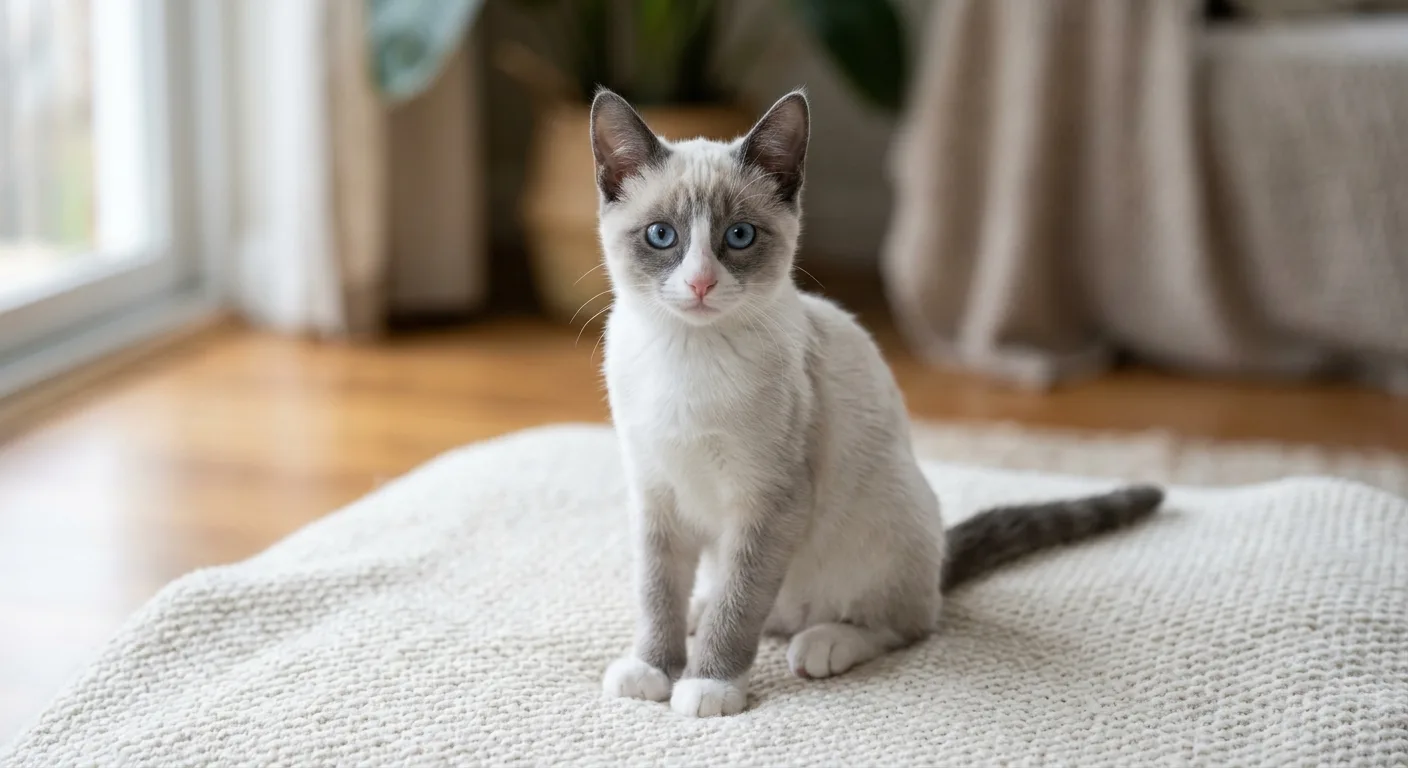
Adopting a snowshoe from a shelter or breed rescue typically costs $50 to $350, and that fee usually bundles in real value: an initial vet exam, age-appropriate vaccinations, microchipping, and spay or neuter surgery that would otherwise cost you several hundred dollars on its own. On paper, adoption is dramatically cheaper than a breeder.
The catch is availability. Purebred snowshoes are genuinely rare in shelters precisely because there are so few of them and because owners of a hard-to-find breed tend to keep them. What you are far more likely to find is a snowshoe mix or a snowshoe-type cat, a pointed shorthair with white feet that looks the part without papers. If you love the look and do not need a pedigree, that is a wonderful and budget-friendly route. If you specifically want a registered snowshoe, be prepared for a breeder and a waitlist.
- Snowshoes turn up in rescues occasionally, just unpredictably. Create saved-search alerts on Petfinder and Adopt-a-Pet for "Snowshoe" in your region and widen the radius. Because they are surrendered so rarely, an alert that pings you the day one is listed is worth far more than checking manually once a week.
Snowshoe cat price comparison table
Here is how the routes to ownership stack up, along with realistic figures for the major cost categories. Prices vary by region, bloodline, and the individual cat, so treat these as planning ranges rather than fixed quotes.
| Source or Cost Type | Typical Price Range | What You Get |
|---|---|---|
| Shelter or breed rescue adoption | $50 to $350 | Often a snowshoe mix; fee usually covers vaccines, microchip, and spay or neuter |
| Pet-quality breeder kitten | $1,500 to $3,000 | Registered, health-screened, vaccinated, frequently altered before going home |
| Show or breeding-quality kitten | $3,000 to $4,000-plus | Closely meets the standard; sold for showing or to an approved breeding program |
| Adult or retired breeding cat | $200 to $800 | Lower cost, already socialized; sometimes available from breeders rehoming retirees |
| First-year setup and supplies | $700 to $1,800 | One-time gear plus initial vet care (see the lifetime-cost section) |
| Ongoing monthly care | $50 to $150 | Food, litter, routine vet care, insurance, and enrichment |
Why are snowshoe cats so expensive?
The snowshoe is priced like a luxury breed for three connected reasons, and understanding them helps you judge whether a given asking price is fair.
Rarity of the breed
This is the biggest driver. The snowshoe was developed in the early 1960s by Dorothy Hinds-Daugherty in Philadelphia, who found three white-footed kittens in a litter of Siamese and set out to fix the trait into a breed. According to TICA, the breed earned championship recognition only in 1993, and breeders today still work toward CFA acceptance but are held back by a shortage of cats and breeders. A small breeder pool means few litters per year nationwide, and basic supply and demand pushes the price up. The snowshoe shares this "rare and relatively new" status with a handful of other point-related breeds; if you are exploring that family, the Tonkinese cat breed profile is another Siamese-derived breed worth comparing on cost and availability.
Marking quality and symmetry
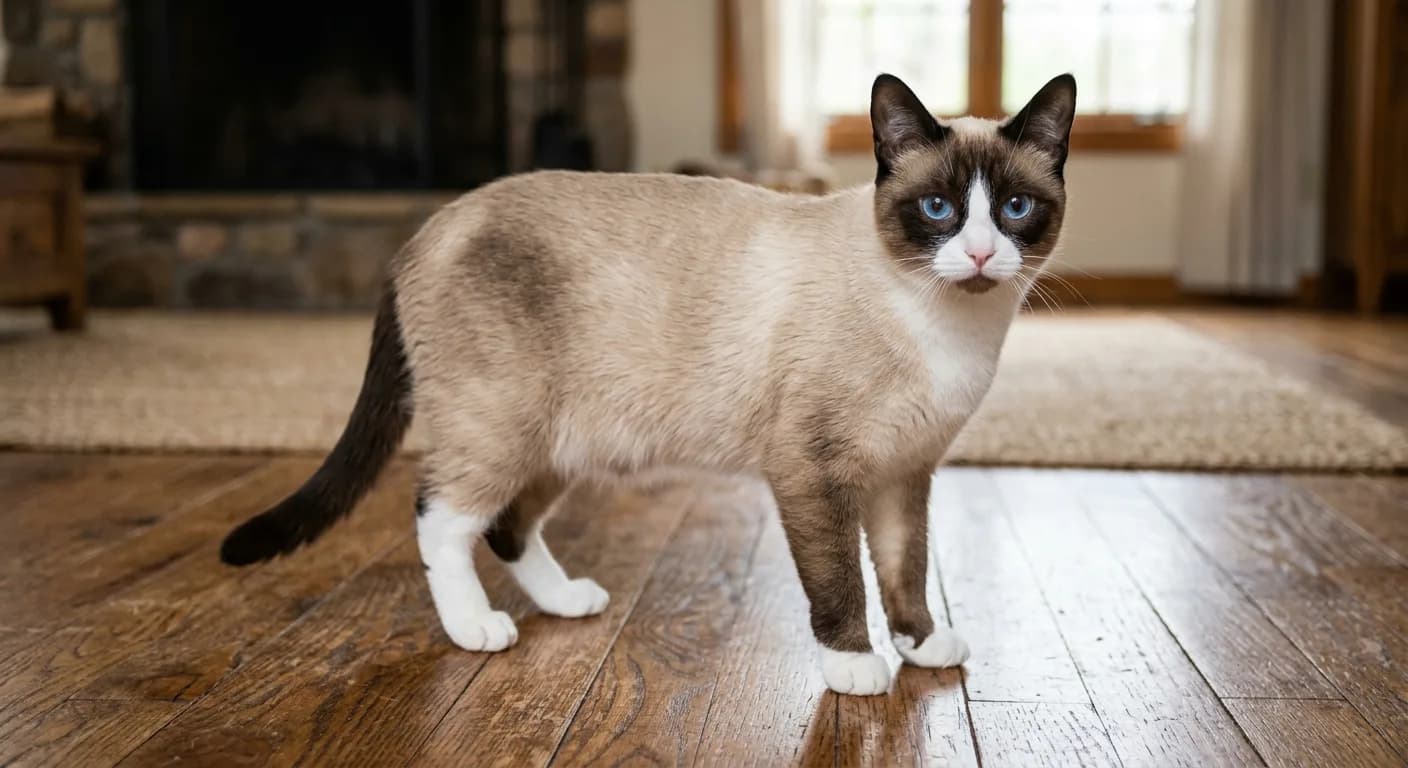
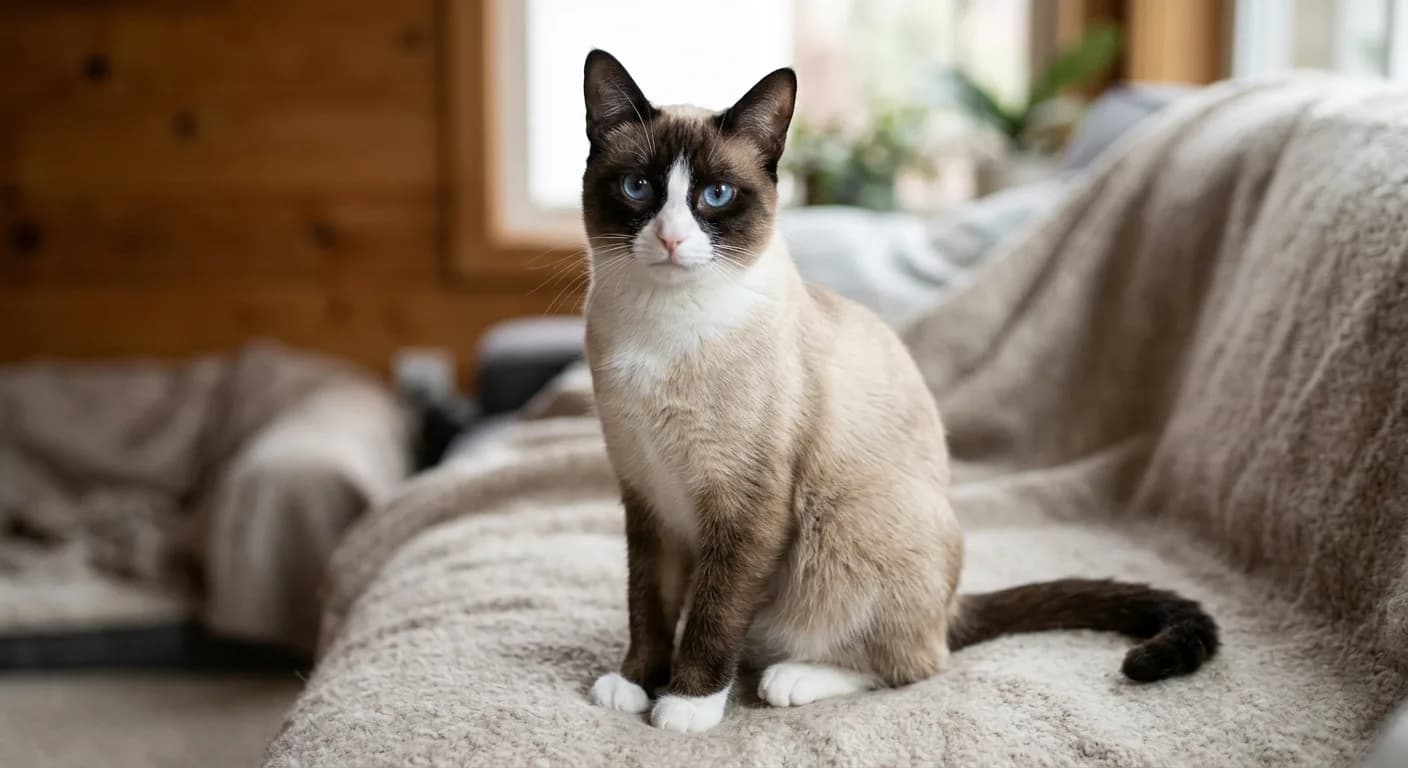
The snowshoe's defining features, the crisp white "boots" on the paws and the inverted white V over the muzzle, are notoriously difficult to reproduce. As Whiskas and other breed authorities note, the white-spotting genetics are unpredictable, so even two ideal parents routinely produce kittens whose markings run too high, too low, or lopsided. A kitten that hits the pattern cleanly, with balanced boots and a sharp, symmetrical V framed by deep blue eyes, is uncommon within an already rare breed, and breeders price that scarcity accordingly. If you want to see exactly which patterns and point colors command a premium, our guide to snowshoe cat colors breaks down the accepted varieties.
Health screening and pedigree
Reputable breeders test their breeding cats and register their litters, both of which cost money that is folded into the kitten price. Because the snowshoe descends from the Siamese, conscientious breeders watch for the same concerns that run in pointed lines and breed away from them. A higher price from a breeder who screens, socializes, and registers is buying you a healthier, better-started cat than a bargain kitten from an unregistered backyard litter, where the savings up front often turn into vet bills later.
- If someone offers a snowshoe kitten for a few hundred dollars with no pedigree, no health testing, and no registration, you are most likely buying a pointed domestic shorthair mix, not a registered snowshoe. That can be a fine pet, but do not pay a pedigree premium for it. Always ask to see TICA registration papers and the parents' health records before putting down a deposit.
What drives a snowshoe to the top of the price range?
Within the breeder range, several factors decide whether a kitten is closer to $1,500 or to $4,000:

63-inch multi-level cat tree with scratch posts, hammock, plush perches, and dangling toys. Vertical territory is non-negotiable for high-energy climbing breeds like the Bengal.
Petful may earn a commission when you click through to Chewy, at no extra cost to you.
- Marking symmetry and the V. A balanced, evenly booted cat with a textbook facial V is the single biggest in-breed price lever, as covered above.
- Eye color. Deep, vivid blue eyes are part of the standard and the breed's signature. The bluer and clearer the eyes, the higher the value.
- Point color and pattern. Classic seal point and blue point are the most familiar, while rarer point colors can fetch more. The genetics here trace straight back to the Siamese, and our Siamese cat colors guide explains how the same pointing gene produces the snowshoe's palette.
- Bloodline and titles. Kittens from parents with show wins or champion titles cost more, since the pedigree predicts type.
- Breeder reputation and region. Established breeders in high-demand metro areas charge more, and a long waitlist usually signals quality.
- Age. Kittens cost the most; an adult or a retired breeding cat is often far cheaper and comes already socialized.
- Unless you plan to show or breed, ask the breeder specifically for a pet-quality kitten. You sidestep the steepest premiums (titles, perfect markings, breeding rights) and bring home a cat that is, for companionship, completely indistinguishable from its show-quality littermate. The cosmetic "flaw" that drops the price is usually something only a judge would notice.
Lifetime cost of owning a snowshoe cat
The sticker price is just the entry fee. Because a snowshoe's lifespan is long, 14 to 20 years according to PetMD, the real number to budget for is the lifetime cost, which is dominated by ongoing care rather than the kitten itself.
First-year costs
Beyond the kitten, plan for roughly $700 to $1,800 in the first year for one-time setup plus initial care. That covers the essentials: a litter box and litter, food and water bowls, a quality cat tree and scratching posts, a carrier, toys, a bed, grooming tools, and the first round of vet visits including any vaccinations or spay/neuter not already done by the breeder. Buying mid-range gear once, rather than replacing cheap items repeatedly, keeps this number in check.

108-oz stainless steel pet fountain with quiet pump and water-level window. Bengals are notoriously water-obsessed; a flowing fountain encourages hydration and pulls them away from sinks and toilets.
Petful may earn a commission when you click through to Chewy, at no extra cost to you.
Ongoing monthly and annual costs
Month to month, a healthy snowshoe costs about $50 to $150 to keep, which lands somewhere around $600 to $1,800 per year. The major recurring categories are:
- Food: roughly $20 to $60 per month for quality cat food. Snowshoes are active and food-motivated, so portion control matters for the budget and the waistline.
- Litter and maintenance: about $15 to $40 per month.
- Routine veterinary care: budget for an annual wellness exam, vaccines, and parasite prevention; spread across the year this is a modest monthly amount that spikes at checkup time.
- Pet insurance: roughly $15 to $50 per month, optional but worth pricing out given the breed's long life and Siamese-linked health considerations.
- Enrichment: snowshoes are intelligent and social, so toys and replacement scratching surfaces are a recurring small cost.
Add it up over a 14 to 20 year life and the lifetime cost of a snowshoe comfortably reaches the low-to-mid five figures, with the bulk of that being food and veterinary care, not the purchase price. The breed's people-oriented, talkative personality (a Siamese inheritance) means the biggest ongoing "cost" is really your time and attention. Our guide to snowshoe cat personality covers what that daily commitment looks like.
- The figures above assume a healthy cat. A single emergency, a blocked urinary tract, a swallowed string, a dental extraction, can run from several hundred to a few thousand dollars in one visit. Keep a dedicated pet emergency fund or carry insurance so an unexpected illness is a worry about your cat, not your bank account.
Where to find a snowshoe cat (rare-breed availability)
Because the snowshoe is so rare, finding one takes more legwork than finding a common breed, and patience protects both your wallet and the cat.
Start with TICA's breeder directory to locate registered snowshoe breeders, then expect a waitlist; serious breeders often have kittens spoken for before they are born. Be ready to travel or to arrange responsible transport, since the nearest breeder may be in another state. For adoption, set alerts on Petfinder and Adopt-a-Pet and consider breed-specific rescues, keeping in mind that what surfaces is often a snowshoe mix rather than a registered cat. The snowshoe is sometimes confused with, or crossed back to, its Siamese ancestor, so it helps to know the look cold; our snowshoe Siamese cat guide and the broader snowshoe cat profile show exactly what a true snowshoe should look like so you can tell a genuine example from a lookalike.
- Marketplaces and social media are full of pointed kittens advertised as snowshoes at suspiciously low prices. Skip listings with no pedigree, no health records, pressure to wire a deposit, or stock-photo kittens. A real snowshoe breeder will video-call you, show the parents, share registration, and let you wait for the right kitten. The rarity that makes the breed pricey is exactly what scammers exploit.
- 1Expect to pay $1,500 to $3,000 for a pet-quality snowshoe kitten and up to $4,000 for show or breeding quality
- 2Adoption costs $50 to $350 but registered snowshoes are scarce in shelters, so most rescue finds are mixes
- 3Rarity and difficult-to-reproduce markings (the white boots and facial V) are the core reasons the breed is expensive
- 4Over a 14 to 20 year life, ongoing food and vet care far outweigh the purchase price, pushing lifetime cost into five figures
- 5Buy only from a TICA-registered breeder with pedigrees and health records, and expect a waitlist
Frequently asked questions about snowshoe cat price
A pet-quality Snowshoe kitten from a reputable breeder typically costs $1,500 to $3,000, while show or breeding-quality kittens can reach $4,000 or more. Adopting from a shelter or rescue is far cheaper at roughly $50 to $350, but registered Snowshoes rarely appear in shelters, so adoptable cats are usually Snowshoe mixes.
Three things drive the price: the breed is rare with very few active breeders, its signature white boots and inverted facial V are genetically difficult to reproduce so well-marked kittens are uncommon, and responsible breeders fold health screening, TICA registration, and early vet care into the kitten price. Together these keep quality Snowshoes in the four-figure range.
Yes. The Snowshoe is one of the rarer pedigreed breeds in the United States. The International Cat Association recognized it for championship competition only in 1993, and the Cat Fanciers' Association still does not accept it because there are not enough cats and breeders to meet the requirements. That small breeder pool is exactly why the cats are hard to find and relatively pricey.
They are rare mainly because their defining markings are hard to breed for. The white boots, blue eyes, and inverted white V depend on unpredictable white-spotting genetics, so even two ideal parents often produce kittens whose markings fall outside the standard. Add a historically small number of dedicated breeders and the result is very few snowshoes born each year.
According to PetMD, Snowshoe cats typically live 14 to 20 years, inheriting the long lifespan of their Siamese and American Shorthair ancestors. That long life is why the lifetime cost of ownership, dominated by food and veterinary care, matters far more to your budget than the one-time purchase price.
Adoption is the cheapest route at about $50 to $350, and that fee usually covers vaccines, microchipping, and spay or neuter. The trade-off is availability: purebred Snowshoes are scarce in shelters, so you are most likely to find a Snowshoe mix. If you want a registered Snowshoe, an adult or retired breeding cat from a breeder, often $200 to $800, costs much less than a kitten.
The Ashera and Savannah top most "most expensive cat" lists, with Asheras advertised in the tens of thousands of dollars and Savannahs ranging from about $1,500 to $25,000. The Snowshoe is far more affordable than those exotics, but at $1,500 to $4,000 from a breeder it still ranks among the pricier domestic breeds because of its rarity.
Their care costs are typical for a medium-sized cat: roughly $50 to $150 per month for food, litter, routine vet care, and enrichment, plus optional pet insurance. The bigger budget consideration is the breed's long 14 to 20 year lifespan, which means those monthly costs add up to a five-figure lifetime total. Keeping an emergency fund is wise for any cat.

Coreen Saito is a pet writer and longtime shelter volunteer with more than a decade in animal rescue. She covers cat behavior, breed care, and the small, ordinary science of sharing a life with companion animals, with a particular focus on honest takes about the products and decisions that actually matter. At home in Arizona, she's outranked by Mac (a dog with the loudest opinion in the house), Rebel (a cat who governs by quiet authority), and Meri (an orange tabby who runs the late shift and the laundry basket). She writes about all three, plus the rescues that keep coming through her life, at LifeWithMinty.com.
Sign up for expert-backed reviews and safety alerts all in one place.