Siamese Cat Mixes: A Complete Guide to Crosses and Derived Breeds
Siamese cat mixes range from recognized breeds developed from the Siamese, such as the Balinese, Oriental, Tonkinese, and Snowshoe, to informal shelter crosses. This guide covers how to spot Siamese ancestry, temperament, health, and care.
Petful is reader supported. As an affiliate of platforms like Amazon and Chewy, we may earn a commission when you buy through links on this page. There is no extra cost to you.
Siamese cat mixes are cats that carry Siamese ancestry, either through a deliberate cross with another breed or through random mating with a domestic cat. The Siamese is one of the most influential cats in the feline world, and its distinctive colorpoint coat, blue eyes, and talkative personality often carry through to its descendants. Some Siamese mixes are now fully recognized breeds in their own right, such as the Balinese and the Tonkinese, while others are informal "Siamese mix" cats you will meet at a shelter. This guide explains the difference, walks through the most popular recognized breeds developed from the Siamese, and shows you how to tell whether a cat is part Siamese. For full background on the parent breed, see our Siamese cat breed profile.
- 1Siamese mixes range from recognized breeds to informal shelter crosses
- 2Recognized breeds derived from the Siamese include the Balinese, Tonkinese, Oriental, and Snowshoe
- 3Colorpoint markings and blue eyes are the clearest signs of Siamese ancestry
- 4Most Siamese mixes inherit the breed's vocal, social, and intelligent personality
- 5Shelters and rescues are the most common place to find a Siamese mix

Sign up for expert-backed reviews and safety alerts all in one place.
What Is a Siamese Mix?
A Siamese mix is any cat that has Siamese in its background crossed with another purebred or, far more commonly, with a domestic cat of unknown ancestry. Because the Siamese has been bred for well over a century and is so widespread, its genes turn up in cats all over the world, which is why "Siamese mix" is one of the most common descriptions you will see on shelter and rescue listings.
The signature Siamese look comes from a temperature-sensitive gene that produces the colorpoint pattern: a pale body with darker "points" on the ears, face, paws, and tail. This colorpoint gene is recessive, so it does not always show up in a first-generation cross. When it does carry through, even partially, it is the most recognizable fingerprint of Siamese heritage.
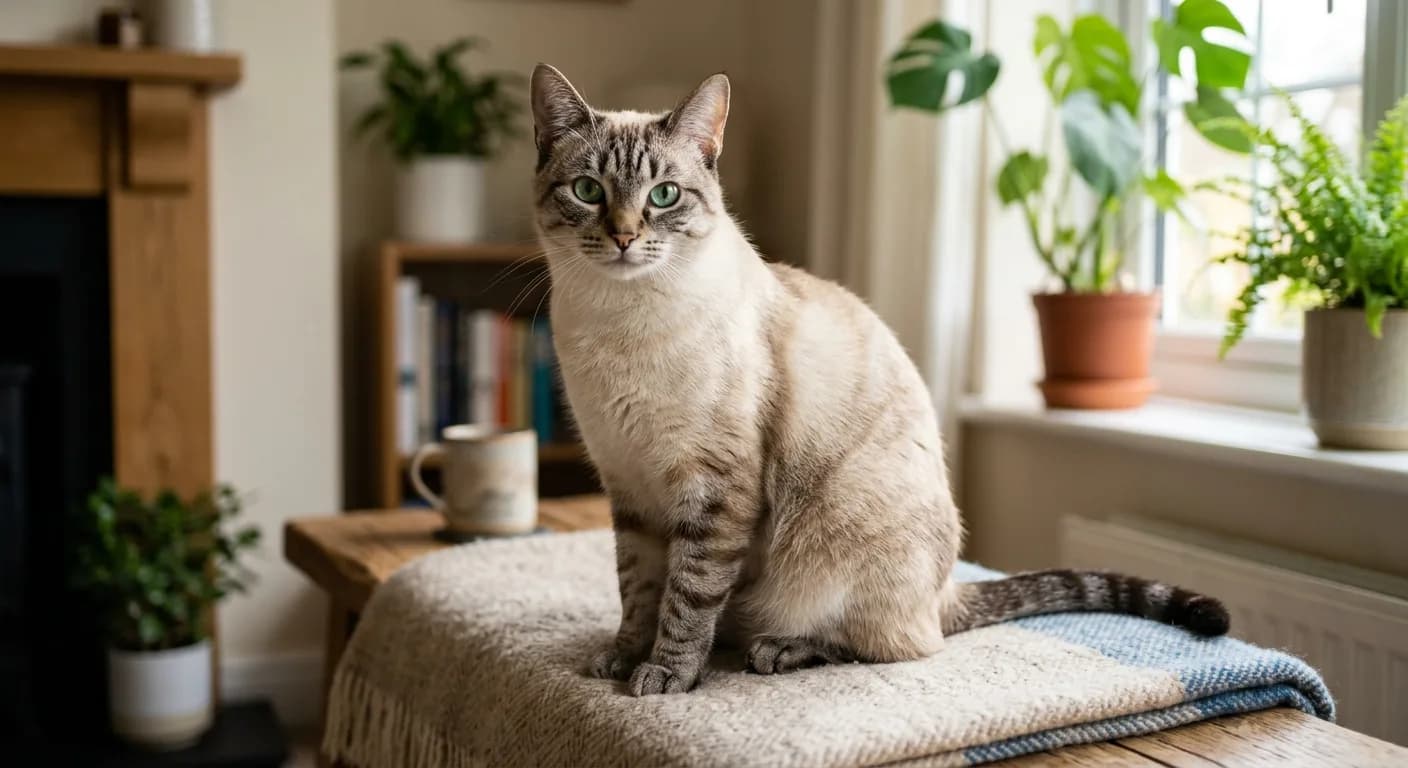
To judge whether a cat is part Siamese, look for a cluster of traits rather than a single feature. Points (darker coloring on the extremities), blue or blue-tinged eyes, a slender and athletic body type, a wedge-shaped head, and a loud, conversational voice are the classic markers. A cat that has several of these is a strong candidate for Siamese ancestry, though only a DNA test can confirm it. The colors and points that signal Siamese heritage are covered in depth in our guide to Siamese cat colors.
Popular Recognized Breeds Developed From the Siamese
Here is the key distinction many cat owners miss: several "Siamese mixes" are not random crosses at all. They are established, pedigreed breeds that were deliberately developed from the Siamese and are now recognized by registries such as the Cat Fanciers' Association (CFA) and The International Cat Association (TICA). A Balinese or a Tonkinese is no more a "mutt" than the Siamese itself.
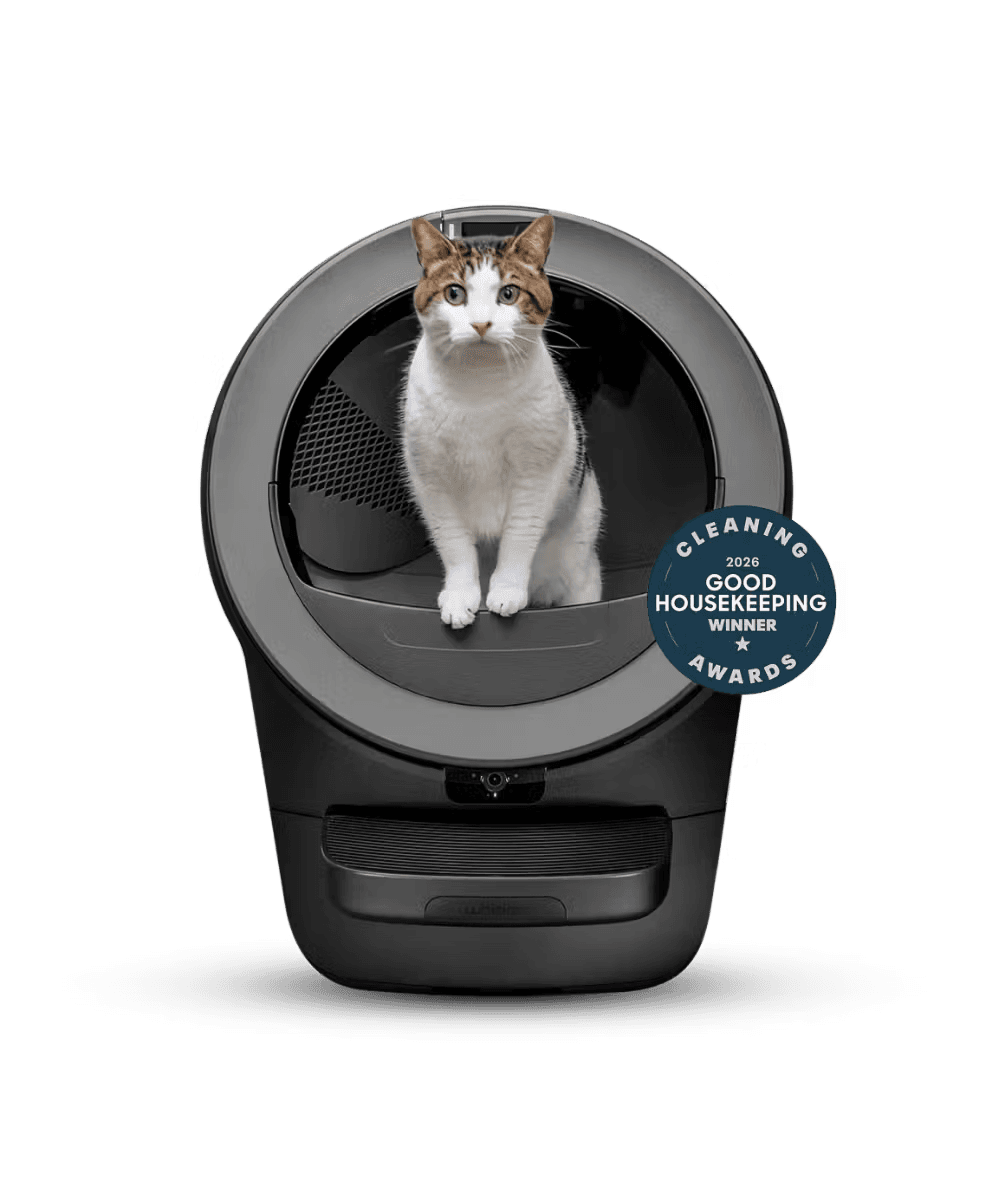
Never Scoop Again® with the Whisker Litter-Robot, the smart self-cleaning automatic litter box. Monitor visits and track weights for better overall care in the Whisker® app. Multi-cat friendly.
Petful may earn a commission when you click through to Whisker, at no extra cost to you.
The table below summarizes the most popular recognized breeds that trace back to the Siamese, what they were crossed with (where applicable), and how they look and behave.
| Breed / Mix | Crossed With | Distinctive Look | Temperament |
|---|---|---|---|
| Balinese | Natural longhaired Siamese (no outcross) | Siamese points with a silky, semi-long coat and plumed tail | Vocal, affectionate, highly social |
| Oriental Shorthair | Siamese x other shorthairs | Siamese body type in hundreds of solid colors and patterns, no points required | Energetic, talkative, people-oriented |
| Tonkinese | Siamese x Burmese | Aqua eyes and a soft "mink" coat between Siamese and Burmese | Playful, outgoing, less loud than a Siamese |
| Snowshoe | Siamese x American Shorthair | Siamese points plus distinctive white paws ("snowshoes") and often a white facial blaze | Sweet, affectionate, moderately vocal |
| Himalayan | Persian x Siamese (coloring) | Persian's longhaired cobby body wearing Siamese-style points | Calm, gentle, quiet |
| Colorpoint Shorthair | Siamese x other shorthairs | Siamese in non-traditional point colors (red, cream, lynx, tortie) | Devoted, vocal, much like a Siamese |
Balinese (the Longhaired Siamese)
The Balinese is essentially a Siamese with a longer coat. It arose from natural longhaired kittens that appeared in Siamese litters, not from crossing in a different breed. It keeps the Siamese's slim build, colorpoints, blue eyes, and chatty personality, wrapped in a soft, semi-long coat with a feathery tail.
Oriental Shorthair
The Oriental Shorthair shares the Siamese's elegant body, large ears, and wedge head, but it was bred to come in a huge range of solid colors and patterns rather than only colorpoints. Many Orientals have green eyes instead of blue. In personality it is pure Siamese: loud, busy, and intensely attached to its people.
Tonkinese
The Tonkinese is a deliberate Siamese x Burmese cross that blends the two breeds. It typically has a "mink" coat and striking aqua eyes, sitting visually and temperamentally between its parent breeds. Tonks are playful and social but usually a touch quieter and sturdier than a full Siamese.
Snowshoe
The Snowshoe combines the Siamese with the American Shorthair, producing a pointed cat with crisp white paws and frequently a white inverted-V marking on the face. Snowshoes are affectionate and people-focused, with a softer voice than the Siamese.
- A Balinese, Oriental, Tonkinese, or Snowshoe is a recognized pedigreed breed developed from the Siamese over many generations. A "Siamese mix" from a shelter is usually a one-off cross with a domestic cat. Both can be wonderful pets, but only the recognized breeds come with predictable looks and documented lineage.
Common Informal Siamese Mixes
Most cats described as Siamese mixes are not pedigreed breeds. They are everyday cats with some Siamese in the family tree, and they show up constantly in shelters and rescues. Common examples include the Siamese tabby mix (a cat with lynx-style striped points or tabby markings layered over a pointed coat), the Siamese and domestic shorthair cross, and the catch-all "Siamese mix" used when a shelter sees pointed coloring or hears a very vocal cat.
What traits should you expect from an informal mix? It varies, and that is the honest answer. Because the colorpoint gene is recessive, a Siamese crossed with a non-pointed cat may produce kittens with full points, faint points, or none at all, even within the same litter. Personality is usually the more reliable inheritance. Many Siamese mixes keep the breed's talkative, affectionate, attention-seeking nature even when the coat looks mostly domestic. If you want the Siamese personality without the purebred price tag, an informal mix is often a great match.

63-inch multi-level cat tree with scratch posts, hammock, plush perches, and dangling toys. Vertical territory is non-negotiable for high-energy climbing breeds like the Bengal.
Petful may earn a commission when you click through to Chewy, at no extra cost to you.
What Do Siamese Mixes Look Like?
Appearance is the most variable part of any Siamese mix, because so much depends on what the Siamese was crossed with and which genes won out. That said, a few patterns recur often enough to be useful.
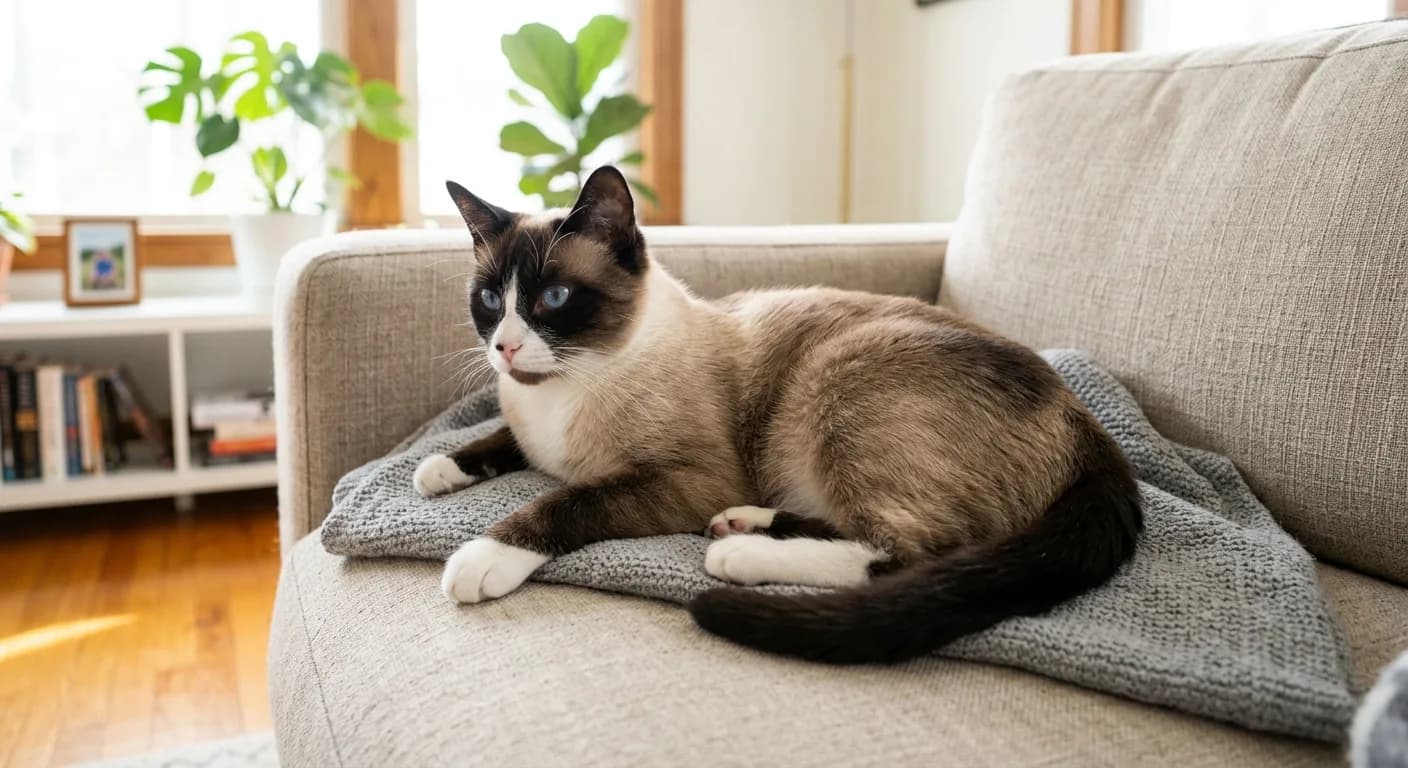
Points may be softer or less defined than on a purebred Siamese. A first-generation cross frequently shows muted points, a smudgier mask, or points only on part of the body. Eye color also ranges widely: a true Siamese has vivid blue eyes, but mixes can land anywhere from blue to blue-green, gold, or copper depending on the other parent.
Body type sits on a spectrum, too. Purebred Siamese are famously slender and tubular, but a mix may be stockier and more rounded if the other parent was a sturdier breed like the American Shorthair. In short, a Siamese mix can look almost identical to a Siamese or only hint at the breed with a faint mask and a slim frame. The wide variation is normal and is exactly what you would expect from an outcross.
Siamese Mix Temperament
Personality is where Siamese ancestry tends to shine through most consistently. The Siamese is one of the most vocal, social, and intelligent cat breeds, and those traits are frequently passed down to mixes even when the looks are diluted.
Many Siamese mixes are talkative and will "answer" you in a distinctive raspy meow. They are typically people-oriented, often following their owners from room to room, and they thrive on interaction and play. Intelligence is another hallmark: Siamese mixes tend to learn routines quickly, enjoy puzzle toys, and can get bored or mischievous without enough stimulation. To understand the baseline personality these cats often inherit, our deep dive on Siamese cat personality is the best starting point.
It is worth stressing that temperament still varies from cat to cat. A mix is a blend, so the calmer influence of the other parent can soften the intensity. Meeting the individual cat, when possible, tells you far more than the label on the listing.

108-oz stainless steel pet fountain with quiet pump and water-level window. Bengals are notoriously water-obsessed; a flowing fountain encourages hydration and pulls them away from sinks and toilets.
Petful may earn a commission when you click through to Chewy, at no extra cost to you.
- Many Siamese mixes are active, chatty, and crave company. They tend to do best in homes where someone is around regularly or where a second pet keeps them company. If you want a quiet, independent cat, ask the shelter about the individual cat's energy level rather than assuming.
Health and Care of Siamese Mixes
Mixed-breed cats often benefit from hybrid vigor, the tendency for a wider gene pool to reduce the risk of certain inherited conditions that concentrate in tightly bred purebred lines. As a general rule, a Siamese mix may be somewhat less prone to some breed-specific issues than a purebred Siamese, though this is a tendency, not a guarantee.
That said, a cat carrying Siamese genes can still inherit conditions associated with the breed line. Siamese are linked to issues such as progressive retinal atrophy (PRA), certain dental and respiratory problems, amyloidosis, and some heart conditions. Keep up with annual wellness exams, dental care, and any screening your veterinarian recommends, and watch for early signs of these conditions as the cat ages.
Day-to-day care is straightforward. Shorthaired Siamese mixes need only weekly brushing, while a longhaired mix (with Balinese or Persian influence) benefits from more frequent grooming to prevent mats. Like all cats, Siamese mixes need a complete diet, fresh water, a clean litter box, and plenty of enrichment to satisfy that busy Siamese brain.
- Hybrid vigor lowers risk but does not eliminate it. Because Siamese-line cats can inherit conditions like PRA and heart disease, schedule a full veterinary workup when you adopt and keep up with annual checkups. Early detection is far cheaper and kinder than treating an advanced problem.
Where to Find a Siamese Mix
The good news for budget-conscious adopters is that Siamese mixes are common in shelters and rescues, often at a fraction of the cost of a purebred kitten. Pointed and Siamese-looking cats turn up regularly in municipal shelters, and breed-specific Siamese rescues frequently take in mixes alongside purebreds.
Start with local animal shelters and humane societies, then check Siamese and Oriental breed rescue groups, which often list mixes that carry the look and personality without the pedigree. Online adoption databases let you filter by breed, and searching "Siamese mix" usually surfaces plenty of candidates. Adopting an adult mix has a real advantage: the cat's coat, eye color, and temperament are already settled, so you know exactly what you are bringing home rather than guessing how a kitten will develop.
If you have your heart set on a recognized derived breed instead, such as a Balinese or Tonkinese, you will generally need a registered breeder. But for the classic "I want a chatty, pointed, affectionate cat" wish, a shelter Siamese mix is often the perfect, and most affordable, answer.
A Siamese mix is a cat with Siamese ancestry crossed with another breed or, more often, with a domestic cat of unknown background. Mixes range from recognized breeds developed from the Siamese, such as the Balinese and Tonkinese, to informal shelter cats that simply carry Siamese-style points or the breed's vocal personality.
Look for a combination of traits rather than one feature: colorpoint markings (darker ears, face, paws, and tail), blue or blue-tinged eyes, a slim athletic body, a wedge-shaped head, and a loud, talkative voice. A cat showing several of these likely has Siamese ancestry, but only a feline DNA test can confirm it.
The Siamese has been crossed with many breeds to create recognized cats. The Tonkinese comes from Siamese and Burmese, the Snowshoe from Siamese and American Shorthair, and the Himalayan borrows Siamese coloring for the Persian. The Balinese and Oriental Shorthair were developed directly from Siamese lines.
Yes. Siamese mixes are typically affectionate, social, intelligent, and talkative, and they often bond closely with their families. They do best in homes that offer company and stimulation. Because mixes blend two backgrounds, temperament varies, so meeting the individual cat is the best way to judge fit.
Sometimes. Blue eyes come from the same colorpoint gene that produces the Siamese pattern, and many Siamese mixes inherit it. But because the other parent contributes genes too, a mix's eyes can be blue, blue-green, gold, or copper, and the points may be fainter than on a purebred Siamese.
Mix or purebred, every cat deserves a complete record. Store your Siamese mix's microchip, photos, and vet history in one free digital profile with MyPetID.
Create a free pet record
Coreen Saito is a pet writer and longtime shelter volunteer with more than a decade in animal rescue. She covers cat behavior, breed care, and the small, ordinary science of sharing a life with companion animals, with a particular focus on honest takes about the products and decisions that actually matter. At home in Arizona, she's outranked by Mac (a dog with the loudest opinion in the house), Rebel (a cat who governs by quiet authority), and Meri (an orange tabby who runs the late shift and the laundry basket). She writes about all three, plus the rescues that keep coming through her life, at LifeWithMinty.com.
Sign up for expert-backed reviews and safety alerts all in one place.