Scottish Fold Lifespan: How Long Do Scottish Fold Cats Live?
The average Scottish Fold lifespan is 11 to 15 years, but length is only half the story. Because every Fold carries a painful joint disease, here is how to help yours live a long and comfortable life, vet-reviewed.
Petful is reader supported. As an affiliate of platforms like Amazon and Chewy, we may earn a commission when you buy through links on this page. There is no extra cost to you.
The average Scottish Fold lifespan is 11 to 15 years, a figure echoed by Purina, ASPCA Pet Insurance, and most breed authorities. That number alone, though, hides the real story of this breed. Every Scottish Fold carries the same gene that folds its ears, and that gene also causes a lifelong, painful bone-and-joint disease called osteochondrodysplasia. So the honest question is not just how many years a Fold lives, but how comfortable those years are. With good weight control, early arthritis care, and a vet on your side, many Folds reach the upper end of that range and live a full, well-loved life. Some reach 16 or 17. But this is a breed where quality of life, not length, is the thing you manage every single day.
- 1The average Scottish Fold lifespan is 11 to 15 years, with some reaching 16 to 17.
- 2Every Scottish Fold has osteochondrodysplasia, a progressive joint disease that needs lifelong management.
- 3The breed's main health risks are arthritis (from the fold gene), plus PKD and HCM.
- 4Weight control, vet-guided joint care, and a low-jump home are the biggest levers on comfort and longevity.
- 5Many vets and welfare bodies oppose breeding Folds; a Scottish Straight or British Shorthair gives the look without the disease.

Sign up for expert-backed reviews and safety alerts all in one place.
How Long Do Scottish Folds Live on Average?
Most reputable sources put the Scottish Fold lifespan at 11 to 15 years. Purina and ASPCA Pet Insurance both list 11 to 15; Pet Health Network cites 12 to 14; WebMD and Catster cite a slightly higher 14 to 16 for an otherwise healthy cat. The range is normal for a medium-sized purebred cat, and it lines up closely with another popular flat-faced breed: see our guide to the Persian cat lifespan for a parallel. A well-cared-for indoor Fold can absolutely reach the top of its range, and a lucky few live into their late teens.
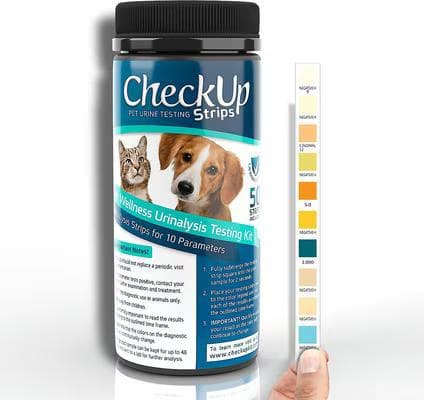
At-home urine test strips that screen for glucose, blood, pH, and protein in seconds, so you can catch early signs of diabetes, kidney disease, or a UTI and bring real numbers to your vet.
Petful may earn a commission when you click through to Chewy, at no extra cost to you.
The complication is that the same gene giving the Scottish Fold its famous folded ears also affects bone and cartilage across the whole body. Catster notes that because of this, a higher-than-normal share of Folds are euthanized young for severe joint disease, which drags the breed's real-world average below the textbook figure. That is the uncomfortable truth behind the cute statistic, and it is why responsible owners plan for joint care from day one.
- Breed charts list 11 to 15 years, but that figure assumes a cat whose joint disease stays manageable. The single biggest thing you control is not luck, it is weight, pain management, and routine vet care.
 Sponsored
Have a health question about your cat?
Talk to a licensed vet at Dutch over video or message, including nights and weekends.
Use code Pets60
Plans start at $12/month · covers up to 5 pets
- Licensed vets in most states
- Rx for 150+ conditions
- 4.7 on Trustpilot
Male vs. Female and Indoor vs. Outdoor
There is no strong evidence that male and female Scottish Folds live meaningfully different lengths; sex matters far less than weight and joint health. Indoor living, on the other hand, makes a real difference. Indoor cats avoid traffic, predators, fights, and many infectious diseases, and they tend to live several years longer than cats with outdoor access. For a Scottish Fold specifically, indoor life matters even more: a cat with stiff, arthritic joints is poorly equipped to climb, run, or escape danger, so keeping a Fold safely indoors is both a longevity and a welfare decision. Folds are gentle, devoted homebodies that adapt happily to indoor life, much like the placid Ragdoll, another affectionate lap cat that thrives indoors.
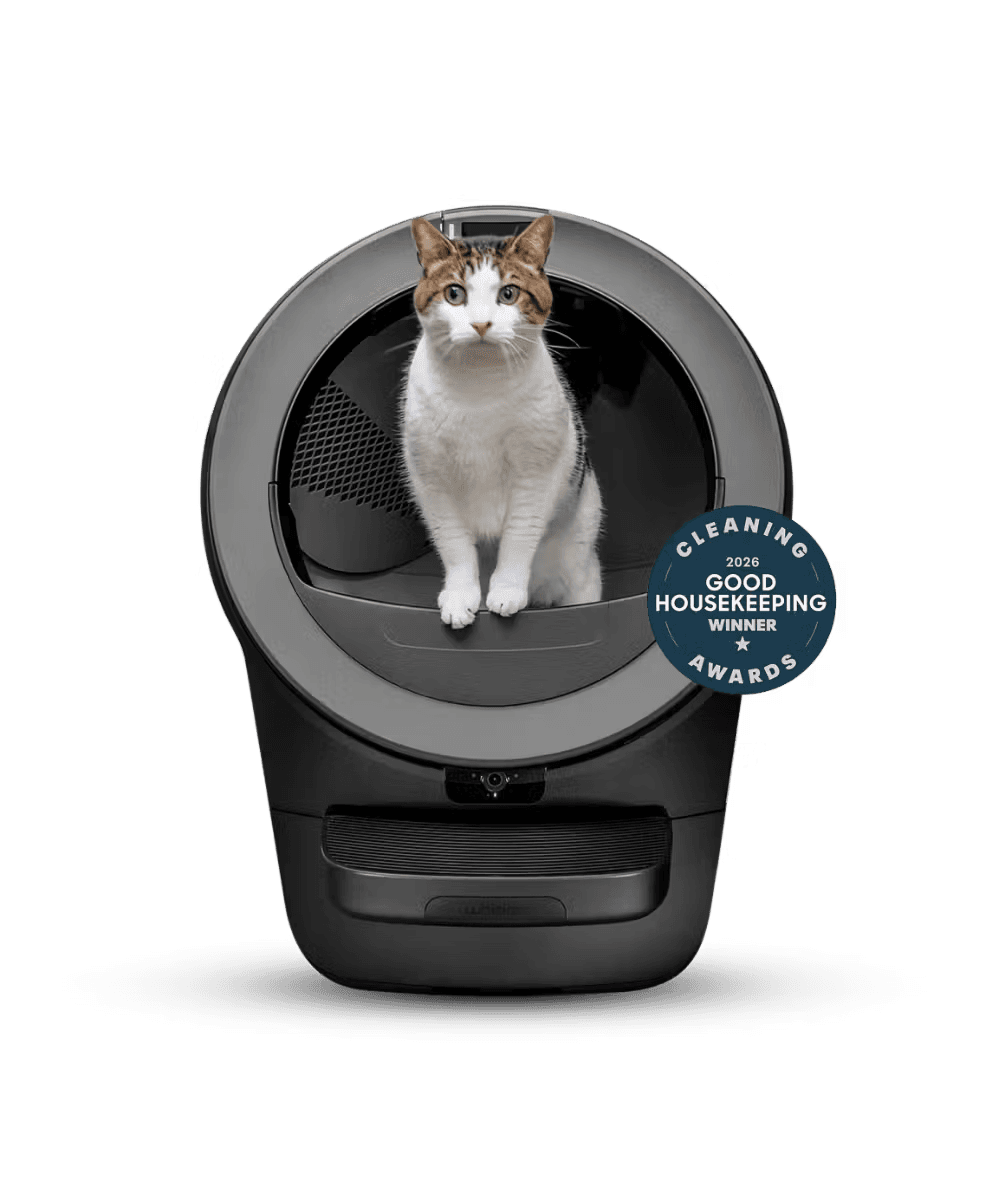
Never Scoop Again® with the Whisker Litter-Robot, the smart self-cleaning automatic litter box. Monitor visits and track weights for better overall care in the Whisker® app. Multi-cat friendly.
Petful may earn a commission when you click through to Whisker, at no extra cost to you.
Why Quality of Life Matters More Than Length
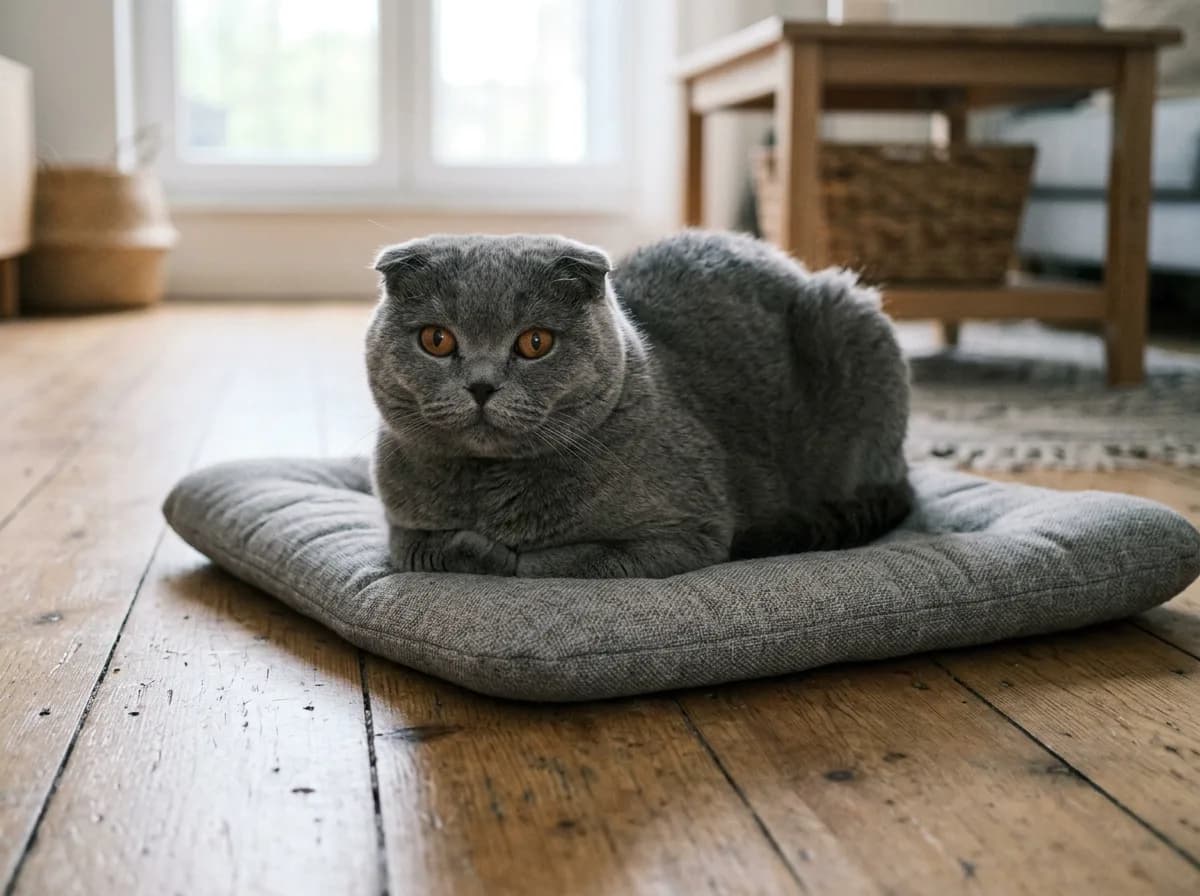
For most cat breeds, the lifespan conversation is about how to add years. For the Scottish Fold, it is mostly about how to keep those years comfortable. This is the part of the story that breeders and marketplace listings tend to skip.
The folded ear is not a separate, harmless quirk. It is the visible sign of osteochondrodysplasia, often abbreviated SFOCD. The dominant gene that folds the ear cartilage also disrupts how cartilage and bone develop everywhere else, especially in the tail, ankles (hocks), and knees. The result is abnormal bone growth and progressive, painful degenerative joint disease, in other words, arthritis that starts early and gets worse with time. WebMD reports that signs can appear as early as seven weeks of age, and Catster notes the condition can be diagnosed by six months.
Because every Fold carries the gene, every Fold has this condition to some degree. Severity is the variable, not presence. Cats with one copy of the gene (the result of an ethical fold-to-straight pairing) tend to have slower, milder arthritis. Cats with two copies (from two folded parents, which responsible breeders never pair) develop crippling, early disease. This is the core reason many veterinarians, Cats Protection, International Cat Care, and the British Veterinary Association advise against breeding the Scottish Fold at all, and why the GCCF in the UK will not register them and several countries restrict the breeding.
- Osteochondrodysplasia has no cure and is progressive: it worsens over a Scottish Fold's life. Plan for joint support, pain management, and a low-impact home for the cat's entire lifespan, not just in old age. The pain is often hidden, because cats mask discomfort instinctively.
What Affects a Scottish Fold's Lifespan
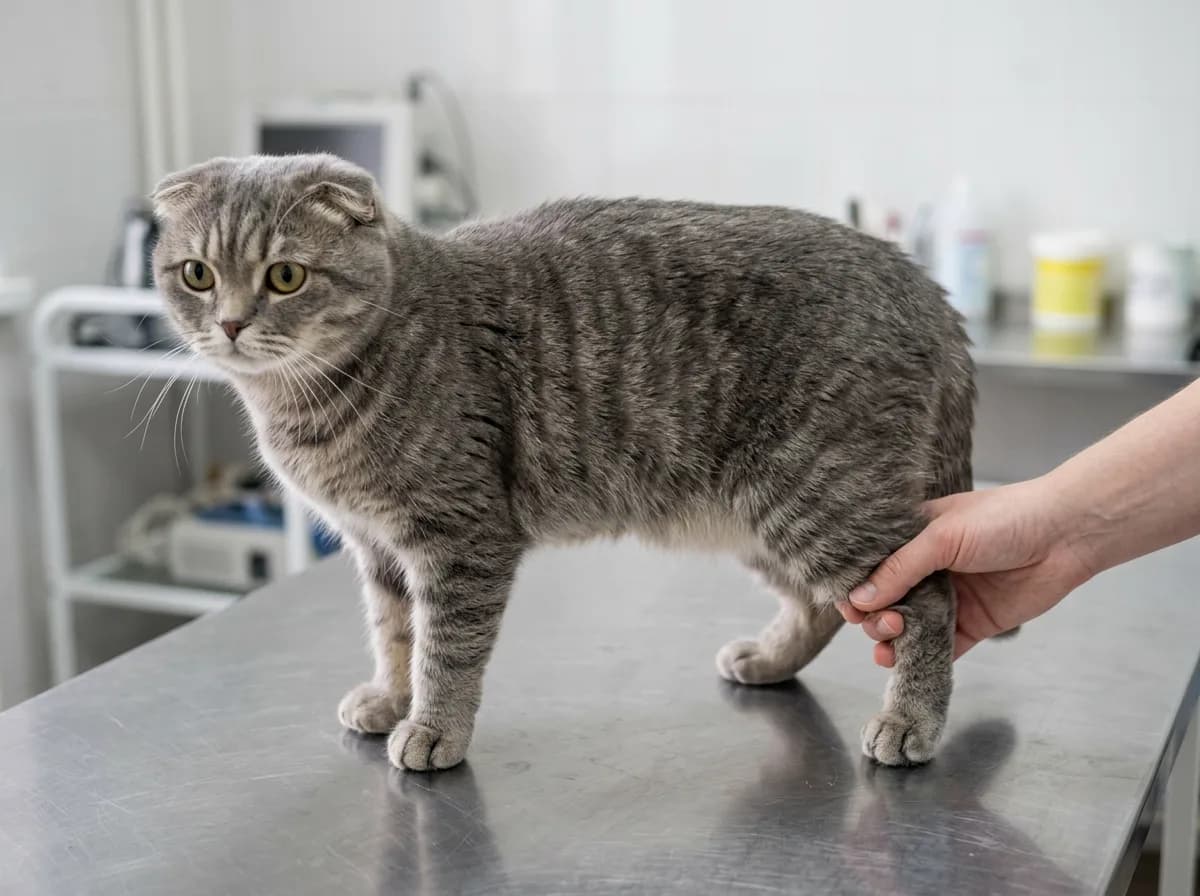
Several factors decide whether a Fold lives a short, painful life or a long, comfortable one. Most of them are within your control.
| Factor | Why It Matters | What You Can Do |
|---|---|---|
| Joint disease (osteochondrodysplasia) | Present in every Fold; drives pain, mobility loss, and early euthanasia in severe cases | Early vet monitoring, X-rays, pain relief, and joint supplements as your vet advises |
| Body weight | Extra pounds load already-damaged joints and raise diabetes risk | Measured portions, a lean body condition, and regular weigh-ins |
| Polycystic kidney disease (PKD) | Inherited kidney cysts that can lead to kidney failure | Buy only from breeders who DNA-screen; monitor kidney values in seniors |
| Hypertrophic cardiomyopathy (HCM) | The most common feline heart disease; thickens the heart muscle | Choose echo-screened lines; watch for breathing changes and get vet heart checks |
| Indoor vs. outdoor life | Outdoor access exposes a stiff-jointed cat to traffic, predators, and disease | Keep your Fold safely indoors with enrichment at floor level |
| Breeding background | Two-fold pairings produce the most severe, early disease | Choose a fold-to-straight breeder, or adopt a Scottish Straight |
Joint Disease Management
This is the headline factor. A Fold whose arthritis is caught early and managed (weight control, vet-prescribed pain relief, joint supplements, soft resting spots, and no high jumps) can stay mobile and happy for many years. A Fold whose pain goes unnoticed becomes inactive, gains weight, stiffens further, and declines faster. The difference between those two outcomes is mostly attentive ownership.
PKD and HCM
Beyond the joints, the breed is predisposed to polycystic kidney disease (PKD) and hypertrophic cardiomyopathy (HCM). PKD causes fluid-filled cysts that can slowly destroy kidney function; HCM thickens the heart wall and is a leading cause of sudden decline in cats. Responsible breeders DNA-test for PKD and echocardiogram-screen breeding cats for HCM. Ask to see those results before you ever pay a deposit. (Our full Scottish Fold health guide covers diagnosis and management of all three conditions in depth.)
Weight
Obesity is the quiet lifespan killer for this breed. A Fold in pain moves less, and a cat that moves less gains weight, and extra weight crushes the very joints already damaged by osteochondrodysplasia. It also raises the risk of diabetes, which both WebMD and Catster flag for this breed. Keeping a Scottish Fold lean is one of the single most powerful things you can do for both its comfort and its years.
- You should be able to feel your Fold's ribs under a thin layer of fat without pressing hard. If your cat has stopped jumping to favorite perches, is slow to rise, or hesitates at the litter box step, that is often arthritis talking, not laziness or age. Book a vet visit.
How Responsible Breeders Protect Longevity
A Fold's odds are partly set before you bring it home. Ethical breeders never pair two folded-ear cats, because doubling the gene produces the most severe, crippling skeletal disease. Instead they cross a Scottish Fold with a straight-eared cat (a Scottish Straight or a British Shorthair), which keeps the disease to its mildest single-copy form. They also screen their breeding cats for PKD and HCM and are honest about the breed's joint reality.
Be wary of any seller who calls the Fold "perfectly healthy," advertises folded-to-folded litters, or pushes extreme triple-folded ears (tighter folds correlate with worse skeletal disease). If you love the round, owl-like teddy-bear look but want to avoid the built-in joint disease, the honest answer is a Scottish Straight (a straight-eared littermate that does not carry the skeletal condition) or a British Shorthair, the round, plush breed the Fold is largely built on. Another plush, placid, cobby option without the skeletal disease is the Exotic Shorthair.

63-inch multi-level cat tree with scratch posts, hammock, plush perches, and dangling toys. Vertical territory is non-negotiable for high-energy climbing breeds like the Bengal.
Petful may earn a commission when you click through to Chewy, at no extra cost to you.
- Sudden inability to walk or bear weight, open-mouth or labored breathing, collapse, crying out when touched or moving, or a complete loss of appetite are emergencies. Labored breathing can signal HCM-related heart failure, and acute lameness can mean a joint has failed. Do not wait for a routine appointment.
Signs to Watch by Life Stage
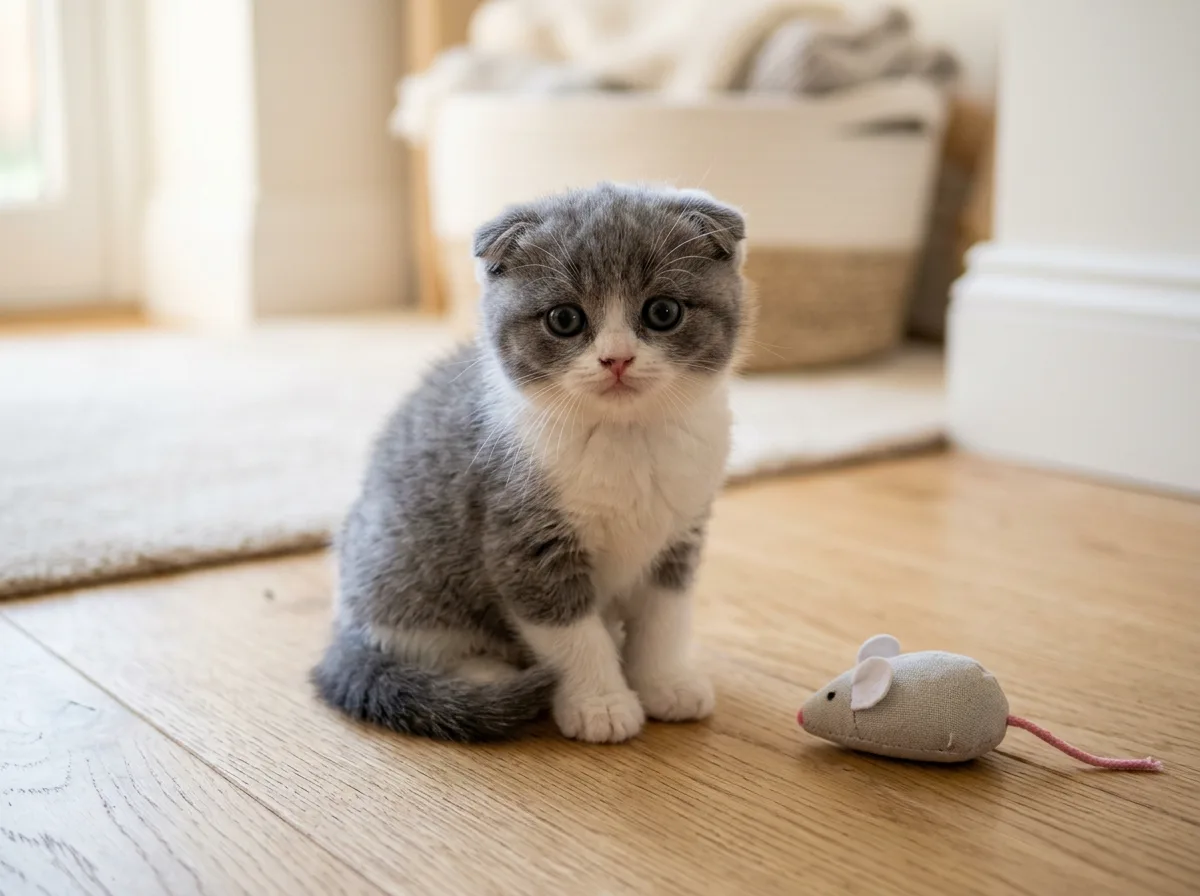
Catching trouble early is how you protect both lifespan and comfort. What to look for shifts as your Fold ages.
SponsoredVet care that's always there
Unlimited video calls and messaging with licensed vets for less than a typical vet visit. One membership covers up to five pets.
Use code Pets60
Plans start at $12/month · covers up to 5 pets
- Licensed vets in most states
- Rx for 150+ conditions
- 4.7 on Trustpilot
Kitten (birth to 1 year)
Folded ears appear at about three to four weeks. Watch how the kitten moves: a healthy kitten is bouncy and loose-limbed. Stiffness, a reluctance to jump or play, a short or thickened tail, or a stiff "bunny-hop" gait can be early signs of severe osteochondrodysplasia and warrant a vet exam right away. This is also the window for first vaccines and a baseline health check.
Young Adult (1 to 6 years)
Folds often look healthy here, but the disease is quietly progressing. Establish annual vet visits, keep the cat lean, and note any subtle change: less jumping, sleeping in easier-to-reach spots, or a new hesitation on stairs. Baseline X-rays during this stage help your vet track the joints over time.
Mature Adult (7 to 10 years)
Arthritis signs usually become more obvious now: stiffness after rest, reduced grooming (especially of the back half), irritability when handled, or accidents outside a high-sided litter box. This is the time to step up joint support and discuss longer-term pain management with your vet. Senior bloodwork should also begin screening for kidney (PKD) and heart (HCM) changes.
Senior (11+ years)
Most Folds reach their senior years carrying meaningful joint disease. ASPCA Pet Insurance notes that senior Folds are more likely to suffer complications of osteochondrodysplasia than the ordinary ailments of old age. Twice-yearly vet visits, diligent weight and pain management, kidney and heart monitoring, and a home set up for an achy cat are what keep these final years comfortable.

108-oz stainless steel pet fountain with quiet pump and water-level window. Bengals are notoriously water-obsessed; a flowing fountain encourages hydration and pulls them away from sinks and toilets.
Petful may earn a commission when you click through to Chewy, at no extra cost to you.
How to Help Your Scottish Fold Live a Long, Comfortable Life
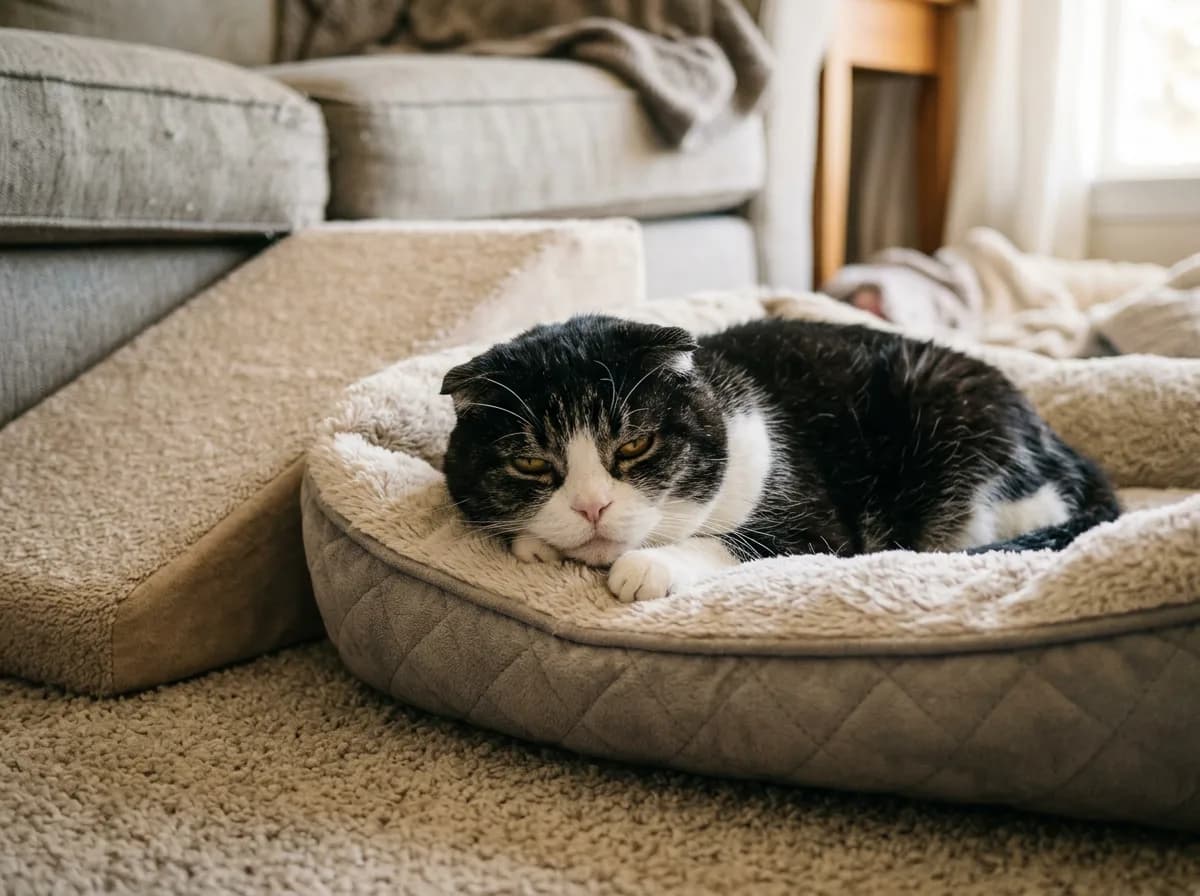
You cannot cure osteochondrodysplasia, but you have real power over how a Fold experiences it. The goal is a long life that is also a comfortable one.
- Keep your cat lean. Measured meals and a lean body condition take load off damaged joints and cut diabetes risk. This is the highest-impact habit on the list.
- Manage pain proactively with your vet. Do not wait for obvious limping. Veterinary-prescribed pain relief and vet-recommended joint supplements (often glucosamine, chondroitin, or omega-3 fatty acids) can keep an arthritic Fold mobile. Never give human pain medications: many, including ibuprofen and acetaminophen, are toxic to cats.
- Build a low-impact home. Provide pet stairs or ramps to favorite spots, discourage high jumps, and place everything a cat needs at floor level.
- Use soft, supportive bedding. Warm, padded, low-sided beds ease pressure on sore joints, and a litter box with a low entry spares the hips.
- Stay on top of dental and routine care. Dental disease is painful and shortens lives across all cats; brush the teeth and keep up annual cleanings.
- Monitor and screen. Annual exams (twice yearly for seniors), baseline and follow-up X-rays for the joints, and routine kidney and heart checks catch problems while they are still manageable.
- Keep them safely indoors. Indoor life adds years and protects a cat that cannot reliably climb or flee.
- A ramp to the couch, a heated low-sided bed, a litter box with a cut-down entrance, and food and water on the floor rather than up high can transform daily life for an arthritic Fold. None of it is expensive, and all of it adds comfortable years.
Senior Care and the Hard Decisions
For a Scottish Fold, senior care is largely joint care done well: weight kept down, pain kept controlled, and the home kept easy to navigate. Work closely with your vet on a pain-management plan and revisit it as the disease progresses. In the most severe cases, osteochondrodysplasia causes intractable pain that medication can no longer control, and the kindest choice is humane euthanasia to prevent suffering. It is heartbreaking, and it is also part of being honest about this breed. Most owners, though, with attentive care, get many good years before that point.
The Honest Bottom Line
A Scottish Fold can live 11 to 15 years, sometimes longer, and can be a sweet, devoted, deeply loving companion the entire time. But this is a breed born with a painful, progressive joint disease, and a long life is only a kind one if you manage that pain from the start. If you already share your home with a Fold, the message is hopeful: with weight control, vet-guided pain relief, and a comfortable low-impact home, you can give your cat a full and happy life. If you are still choosing, the honest, compassionate route is to adopt rather than fuel demand, or to choose a straight-eared cat that carries the charm without the built-in suffering.
On average, 11 to 15 years, the figure listed by Purina and ASPCA Pet Insurance, with some healthy, well-cared-for cats reaching 16 or 17. WebMD and Catster cite a slightly higher 14 to 16 for an otherwise healthy Fold. Quality of joint care, weight, and indoor living all shift where an individual cat lands.
Like most cats they can die of age-related kidney disease, heart disease, and cancer, but the Scottish Fold has breed-specific risks: severe osteochondrodysplasia (often leading to euthanasia for uncontrollable joint pain), polycystic kidney disease (PKD), and hypertrophic cardiomyopathy (HCM). Catster notes a higher-than-average share of Folds are euthanized young for joint disease.
Their textbook range of 11 to 15 years is normal for a medium-sized cat, but in the real world many Folds fall short of it because severe osteochondrodysplasia leads to early euthanasia. So while the breed is not inherently short-lived, its built-in joint disease pulls the practical average down. Diligent care helps a Fold reach the upper end.
Keep your cat lean with measured meals, manage joint pain proactively with vet-prescribed relief and vet-recommended supplements, build a low-jump home with ramps and soft low-sided bedding, keep up dental and routine care, screen for kidney and heart disease, and keep your cat safely indoors. Never give human pain medications, as many are toxic to cats.
Yes. Indoor cats avoid traffic, predators, fights, and many infectious diseases, and generally live several years longer than cats with outdoor access. For a Fold it matters even more, because a cat with stiff, arthritic joints cannot reliably climb, run, or escape danger, so indoor life is both safer and kinder.
Osteochondrodysplasia (SFOCD) is the bone-and-cartilage disease caused by the same gene that folds the ears, so every Scottish Fold has it to some degree. It causes progressive, painful arthritis in the tail, ankles, and knees, often starting young, with no cure. It is the breed's defining welfare issue and the main reason its real-world lifespan and quality of life depend so heavily on careful, lifelong management.

Coreen Saito is a pet writer and longtime shelter volunteer with more than a decade in animal rescue. She covers cat behavior, breed care, and the small, ordinary science of sharing a life with companion animals, with a particular focus on honest takes about the products and decisions that actually matter. At home in Arizona, she's outranked by Mac (a dog with the loudest opinion in the house), Rebel (a cat who governs by quiet authority), and Meri (an orange tabby who runs the late shift and the laundry basket). She writes about all three, plus the rescues that keep coming through her life, at LifeWithMinty.com.
Sign up for expert-backed reviews and safety alerts all in one place.