Russian Blue Lifespan: How Long Do These Cats Live?
Russian Blues average 12 to 15 years and commonly live 15 to 20, among the longest-lived pedigreed cats. Here is what affects their lifespan, the health risks to know (obesity first), and how to help yours live longer.
Petful is reader supported. As an affiliate of platforms like Amazon and Chewy, we may earn a commission when you buy through links on this page. There is no extra cost to you.
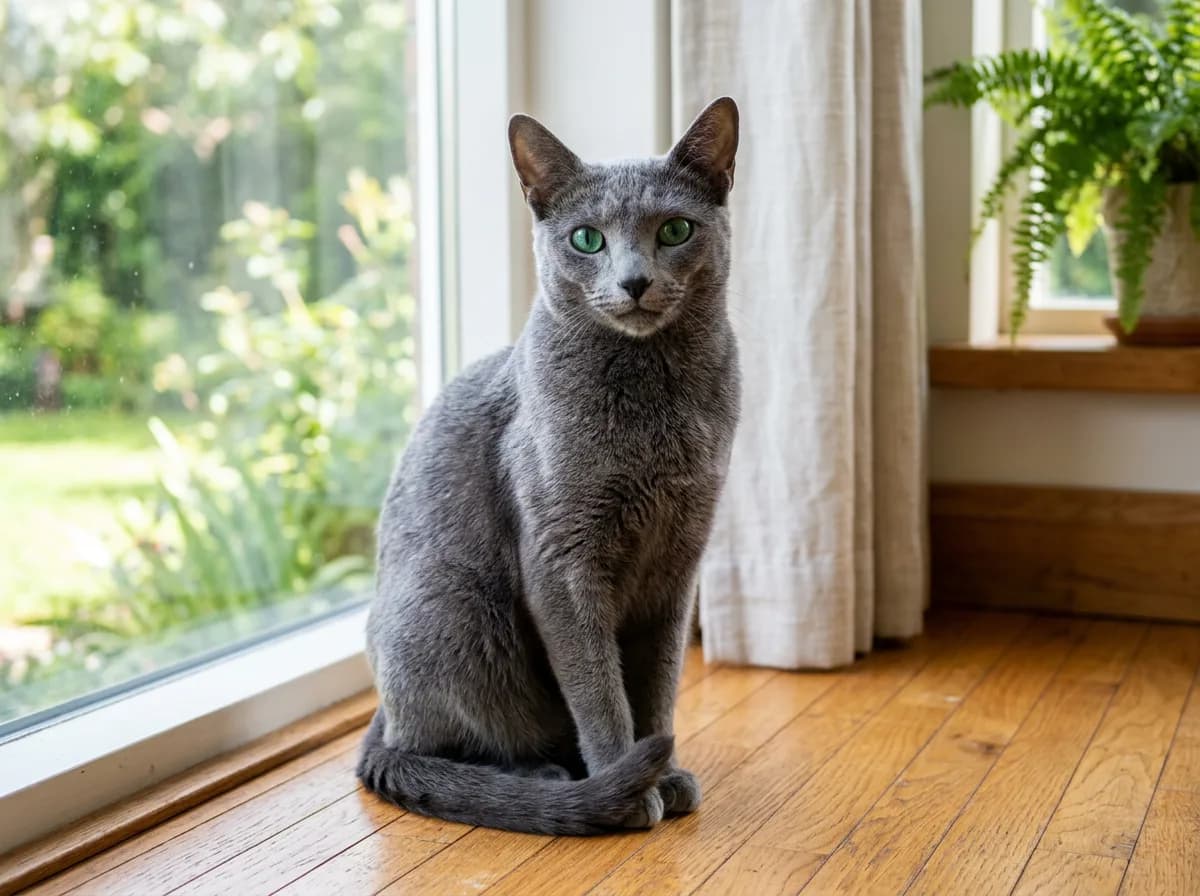
The Russian Blue lifespan averages 12 to 15 years and very commonly reaches 15 to 20, with veterinary sources including PetMD and the Cornell Feline Health Center placing well-cared-for cats squarely in that 15-to-20-year window and rare, exceptionally healthy individuals reported living into their early-to-mid twenties. This is one of the longer-lived pedigreed cat breeds, and the reason is simple: the Russian Blue is a naturally occurring breed, not a heavily engineered one, so it carries fewer inherited health problems than many fancy breeds. With good weight management, indoor living, and routine veterinary care, your odds of sharing a long life with a Russian Blue are excellent.
- 1Russian Blues average 12 to 15 years and commonly live 15 to 20, among the longest-lived pedigreed cats
- 2They are a hardy, naturally bred breed with few inherited diseases
- 3The single biggest threat to lifespan is obesity, because this breed is intensely food-motivated
- 4Weight and portion control, indoor living, dental care, and routine vet visits are what add the years

Sign up for expert-backed reviews and safety alerts all in one place.
How Long Do Russian Blue Cats Live?
Most Russian Blues live somewhere between 12 and 20 years, and where an individual cat lands in that range depends far more on care than on luck. The breadth of the published numbers reflects different study populations rather than disagreement: WebMD cites an average of 12 to 15 years (with some cats living past 25), while PetMD, Nationwide Pet Insurance, Embrace, and TICA all report a typical 15-to-20-year span for cats kept indoors and well fed.

The vet-favorite enzymatic toothpaste. Its dual-enzyme system keeps working between brushings to control plaque and freshen breath, and the poultry flavor makes daily brushing easy.
Petful may earn a commission when you click through to Chewy, at no extra cost to you.
The honest, evidence-based way to frame it: 15 to 20 years is a realistic expectation for a Russian Blue that is kept at a healthy weight, lives indoors, and sees a vet regularly. Twelve to fifteen is closer to the all-comers average once you include cats that became overweight or had less consistent care. And yes, the early-twenties cats are real, just uncommon, the feline equivalent of a person living to 100. By comparison, flat-faced pedigreed breeds often have shorter spans; see how this stacks up against the Persian cat lifespan, which trends a few years lower.
- The Russian Blue is frequently named among the longest-living pedigreed cats alongside the Siamese and the Burmese. Its longevity is tied to being a naturally occurring breed that was never bred toward extreme physical features, so it inherited fewer of the structural and genetic problems that shorten some purebred lives.
 Sponsored
Have a health question about your cat?
Talk to a licensed vet at Dutch over video or message, including nights and weekends.
Use code Pets30
Plans start at $11/month · covers up to 5 pets
- Licensed vets in most states
- Rx for 150+ conditions
- 4.7 on Trustpilot
Russian Blue lifespan: male vs. female
Owners often ask whether male or female Russian Blues live longer. In cats generally, spayed and neutered animals tend to live longer than intact ones because sterilization removes the risk of reproductive cancers and curbs roaming behavior. Across the breed there is no strong, consistent sex difference in Russian Blue longevity once cats are spayed or neutered and kept indoors. A neutered male and a spayed female from healthy lines have very similar life expectancies, so weight and lifestyle matter far more than sex.

Never Scoop Again® with the Whisker Litter-Robot, the smart self-cleaning automatic litter box. Monitor visits and track weights for better overall care in the Whisker® app. Multi-cat friendly.
Petful may earn a commission when you click through to Whisker, at no extra cost to you.
Why Do Russian Blues Live So Long?
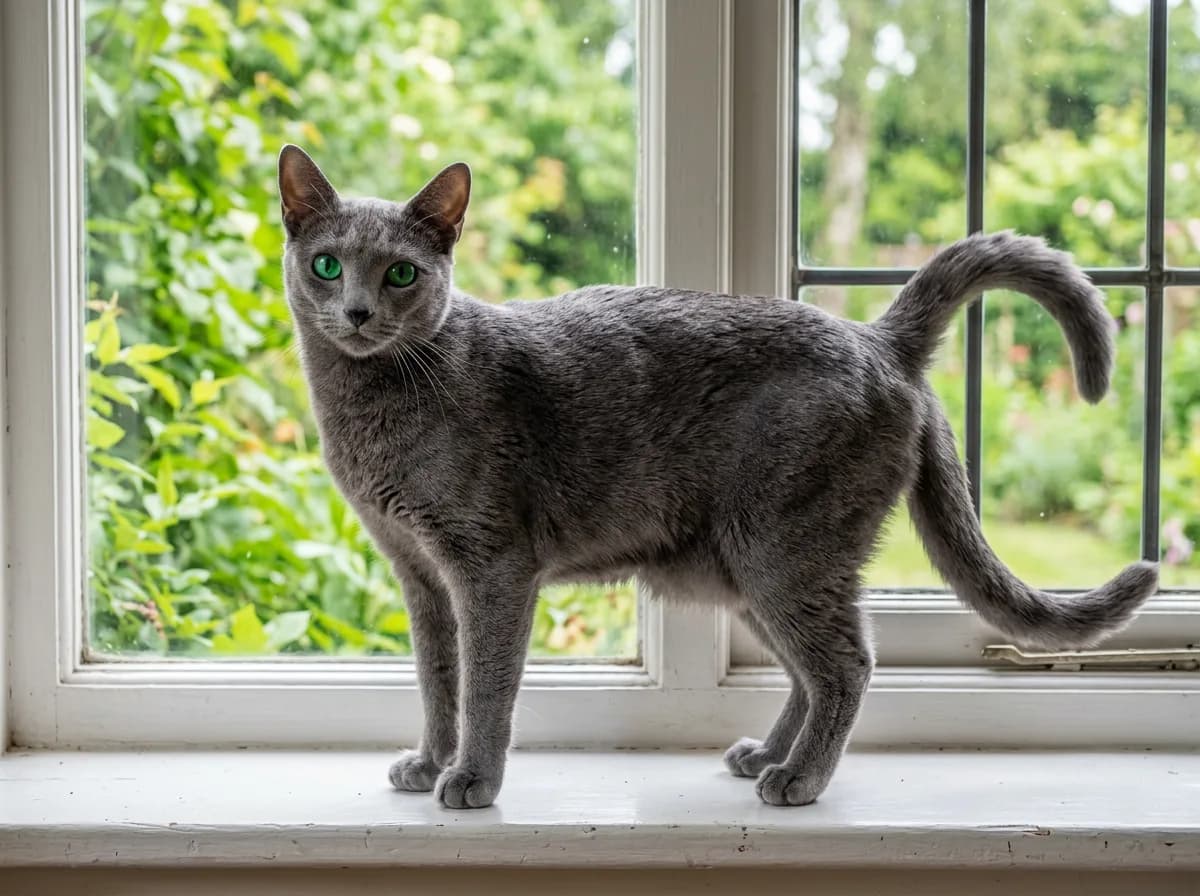
Three things stack in this breed's favor.
First, it is a naturally occurring breed. The Russian Blue developed on its own in northern Russia (around the port of Arkhangelsk, which is why it is nicknamed the "Archangel cat") rather than being created by aggressive selective breeding. Breeds shaped toward extreme looks often inherit the health costs of those features; the Russian Blue did not. This is a trait it shares with other robust natural breeds such as the Siberian cat, which is also known for hardiness and long life.
Second, the breed has a small, well-screened gene pool in the hands of responsible breeders. Reputable Russian Blue breeders test their lines and breed away from the few heritable conditions that exist, which keeps serious inherited disease rare.
Third, the temperament suits a long life. Russian Blues are quiet, indoor-loving homebodies that bond tightly to one household. They are not escape artists or fence-jumpers, so they avoid many of the accidents, fights, and infectious diseases that cut outdoor cats' lives short.
- Genetics set the ceiling, but day-to-day choices decide whether your cat reaches it. The four levers with the biggest payoff are: keeping the cat lean, keeping it indoors, brushing its teeth, and not skipping annual (then twice-yearly senior) vet exams.
The Russian Blue Health Profile: What Affects Lifespan
For a pedigreed cat, the Russian Blue is remarkably hardy, and most live their whole lives without a serious breed-specific illness. But a few conditions are worth knowing, and one of them, obesity, is by far the most important because it is common, it is preventable, and it drives several of the others.
- Russian Blues are famously food-obsessed and will beg, scavenge, and overeat given the chance. Carrying extra weight is the single biggest controllable risk to this breed's lifespan: it strains the joints and, as PetMD's Cornell veterinary source notes, raises the risk of diabetes, heart and respiratory disease, and some cancers. Measure every meal, skip free-feeding, and weigh your cat regularly.
The table below summarizes the conditions most often linked to the breed and how each is screened for or managed. Most are uncommon; obesity is the one nearly every owner must actively prevent.
| Condition | What it is | Screening or management |
|---|---|---|
| Obesity | Excess body weight from overeating, the breed's biggest practical risk and a driver of other diseases | Measured portions, no free-feeding, daily play, regular weigh-ins, vet-guided diet |
| Bladder and urinary stones | Mineral crystals or stones in the urinary tract that can cause painful, dangerous blockages | Fresh water always available, wet food for moisture, prompt vet visit for any litter box change |
| Diabetes mellitus | Often weight-linked; inability to regulate blood sugar | Keep the cat lean (prevention), watch for increased thirst and urination, vet bloodwork |
| Progressive retinal atrophy (PRA) | An uncommon inherited eye disease that gradually reduces vision | Responsible breeders screen breeding lines; watch for night blindness |
| Polycystic kidney disease (PKD) | An uncommon inherited condition forming cysts in the kidneys | Breeder screening of parent lines; senior kidney bloodwork and urine testing |
| Dental (periodontal) disease | Gum and tooth disease that becomes common with age in all cats | Tooth brushing with cat toothpaste, professional cleanings, dental checks at every exam |
- If your Russian Blue is straining in the litter box, crying out, producing little or no urine, or repeatedly visiting the box with nothing to show, treat it as a medical emergency and get to a vet immediately. A urinary blockage can become fatal within a day, and males are at higher risk. Do not wait to "see if it passes."
What do Russian Blues usually die of?
There is no single breed-specific disease that defines how Russian Blues die. Because they are so long-lived, most pass away from the ordinary conditions of old age that affect all senior cats: chronic kidney disease, cancer, and heart disease, typically in the mid-to-late teens or beyond. The preventable tragedy is the cat that dies younger from complications of obesity (diabetes, organ strain) or from an untreated urinary blockage, which is exactly why weight control and fast action on litter box changes matter so much.

63-inch multi-level cat tree with scratch posts, hammock, plush perches, and dangling toys. Vertical territory is non-negotiable for high-energy climbing breeds like the Bengal.
Petful may earn a commission when you click through to Chewy, at no extra cost to you.
How Responsible Breeders Protect Lifespan
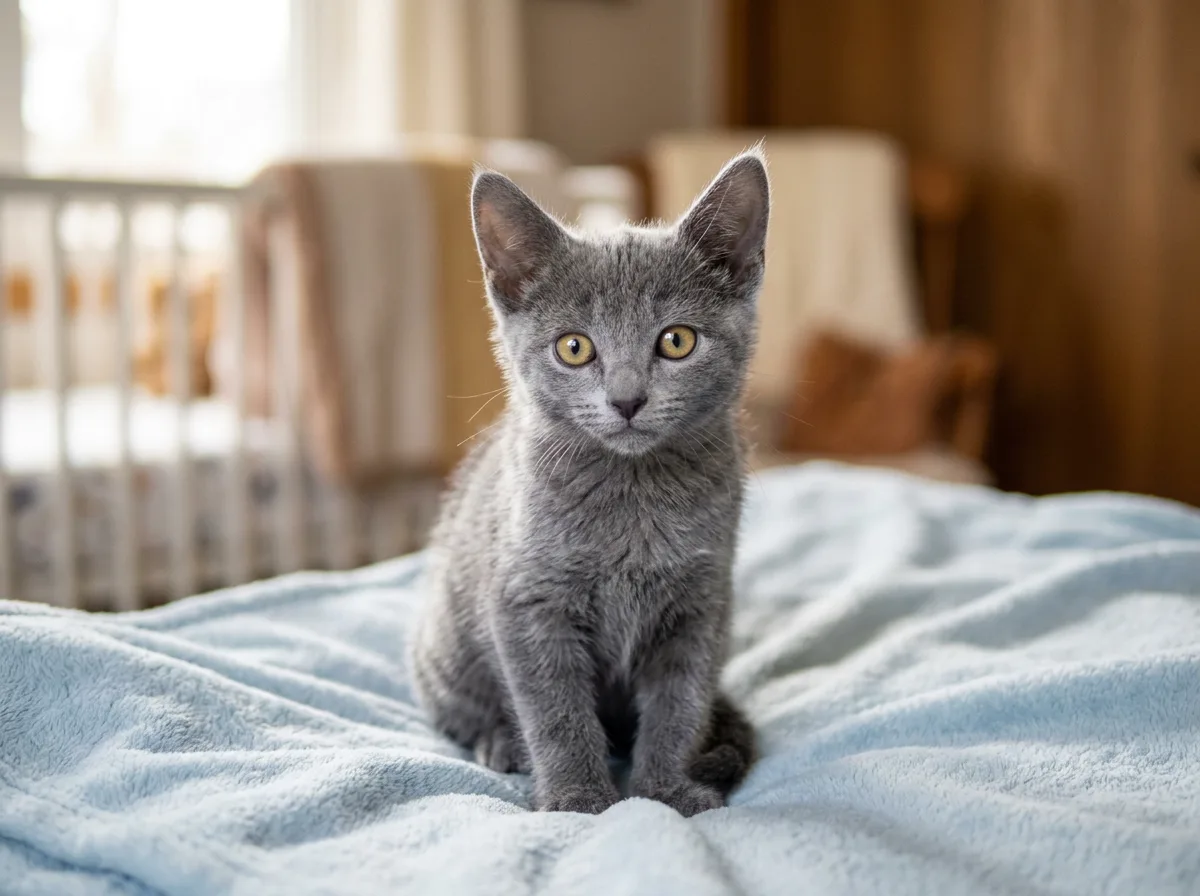
A long-lived kitten starts with a healthy pairing. Ethical Russian Blue breeders screen their breeding cats for the heritable conditions that exist in the breed, primarily progressive retinal atrophy and polycystic kidney disease, and remove affected animals from their programs. They also raise kittens in clean, socialized home environments and provide documented vaccination and veterinary records. That screening is one reason well-bred kittens command a premium, much like the price difference you see in other pedigreed breeds (for a sense of how purebred pricing works, see our breakdown of Persian cat price and cost).
When you are choosing a Russian Blue, ask the breeder directly what health testing the parents have had and request to see the results. A breeder who screens is selling you years of life, not just a kitten. This is also part of why a true, well-bred Russian Blue carries a real premium over the many grey domestic cats mistaken for the breed. Plenty of those look-alikes are actually other blue-grey breeds, such as the stockier British Shorthair or the French Chartreux, each of which has its own health and lifespan profile.
- A grey shelter cat or a Russian Blue mix can be every bit as healthy and long-lived as a purebred, and adopting one is a wonderful choice. The same lifespan rules apply: keep the cat lean, indoors, and current on veterinary care. You simply will not have a breeder's screening history, so lean on routine wellness exams to catch any issues early.
SponsoredVet care that's always there
Unlimited video calls and messaging with licensed vets for less than a typical vet visit. One membership covers up to five pets.
Use code Pets30
Plans start at $11/month · covers up to 5 pets
- Licensed vets in most states
- Rx for 150+ conditions
- 4.7 on Trustpilot
Signs to Watch by Life Stage
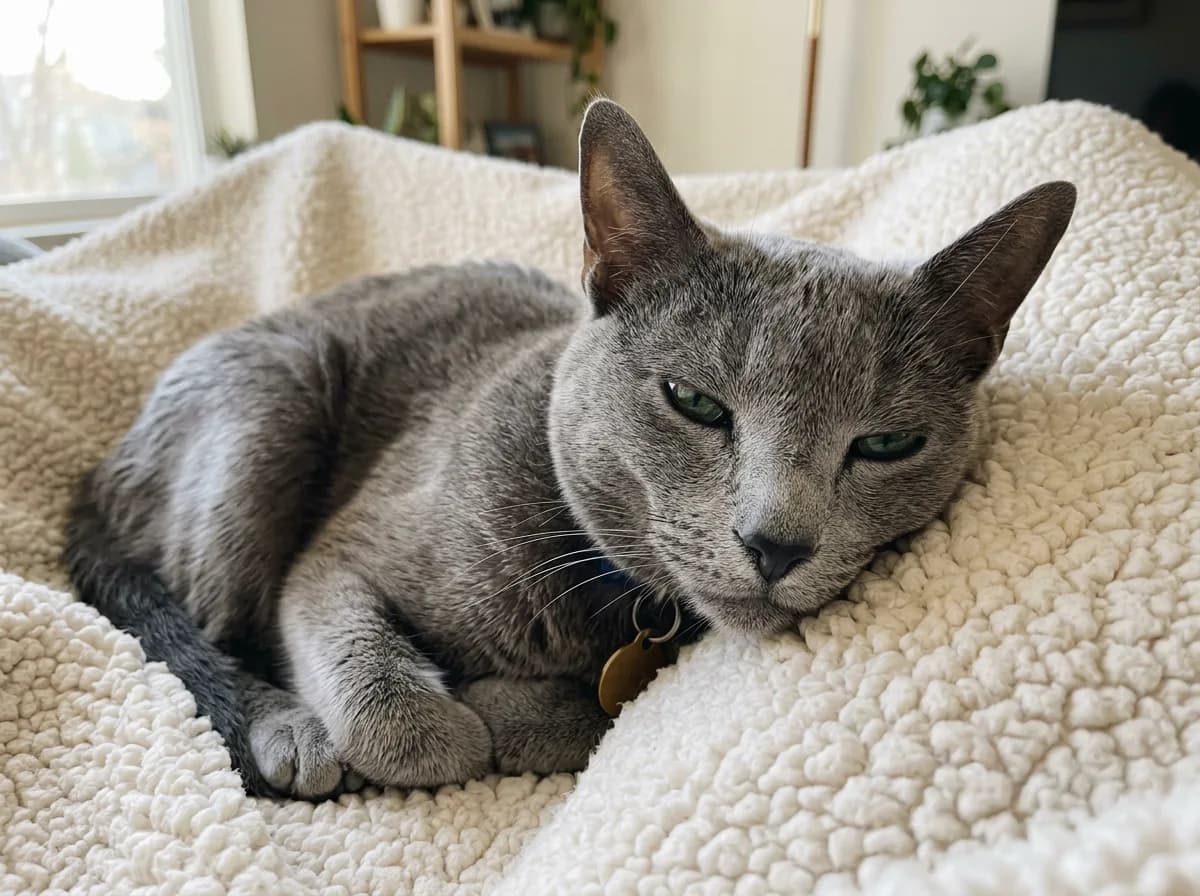
Catching problems early is one of the most powerful things you can do for your cat's lifespan. What you watch for shifts as a Russian Blue moves through life. Use the stages below as a checklist for vet visits and at-home observation.
| Life stage | Age | What to focus on |
|---|---|---|
| Kitten | 0 to 12 months | Complete vaccinations, spay or neuter, establish measured feeding habits early, watch eyes turn from yellow to green |
| Young adult | 1 to 6 years | Annual wellness exams, prevent weight creep, start tooth brushing, plenty of play to burn energy |
| Mature adult | 7 to 10 years | Watch for early weight gain and dental disease, baseline senior bloodwork, monitor thirst and litter box habits |
| Senior | 10 years and up | Twice-yearly vet exams, kidney and thyroid screening, watch for weight loss, stiffness, appetite or behavior changes |
How to Help Your Russian Blue Live Longer
Genetics give this breed a head start; your daily routine cashes it in. Here is what makes the biggest difference, in order of impact.

108-oz stainless steel pet fountain with quiet pump and water-level window. Bengals are notoriously water-obsessed; a flowing fountain encourages hydration and pulls them away from sinks and toilets.
Petful may earn a commission when you click through to Chewy, at no extra cost to you.
1. Keep your cat lean (this is the big one)
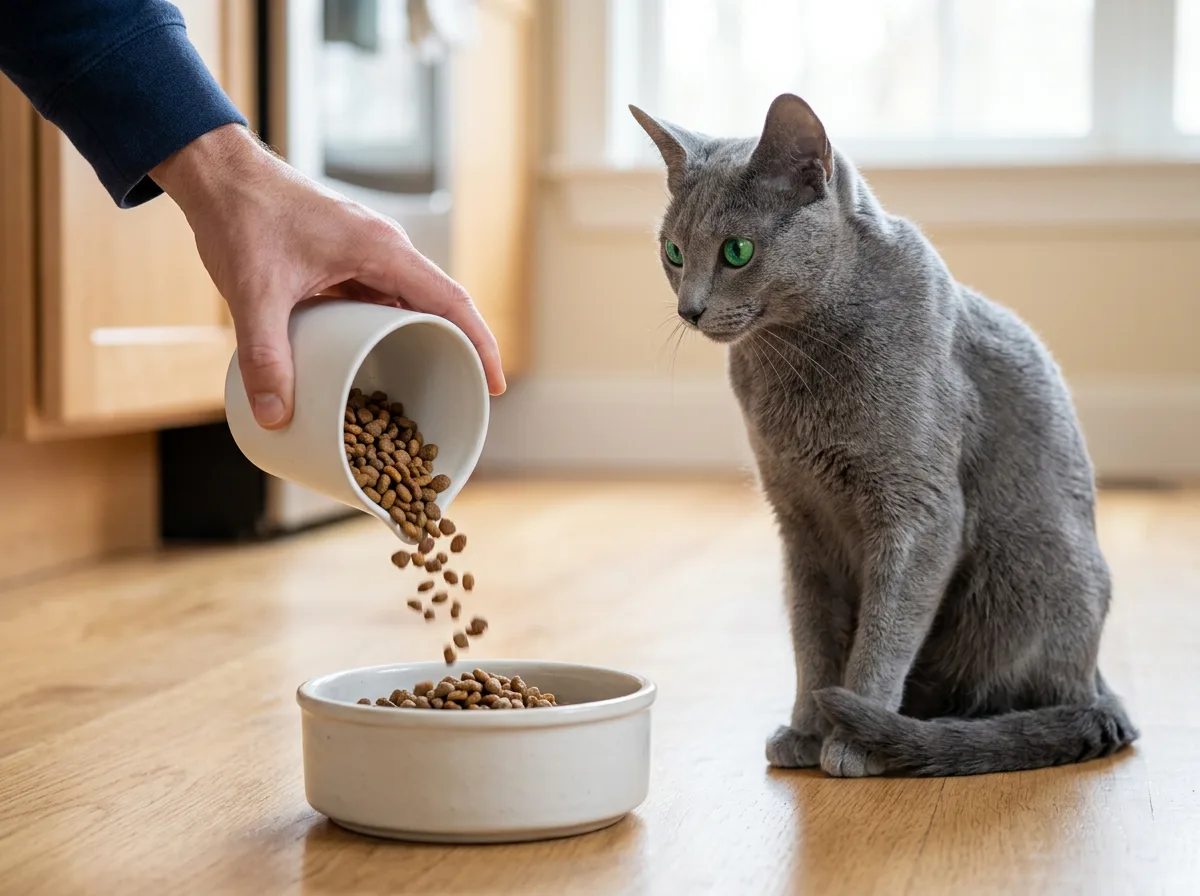
Weight control is the most important single thing you can do for a Russian Blue. Feed measured meals rather than leaving a full bowl out, follow your vet's portion guidance for your cat's ideal weight, and resist the begging (this breed is a master manipulator at the food bowl). A lean Russian Blue sidesteps diabetes, joint strain, and a long list of weight-driven diseases.
2. Keep your cat indoors
Indoor Russian Blues live substantially longer than outdoor cats as a rule, because staying inside removes the leading causes of early death in cats: traffic, predators, fights, poisons, and infectious disease. The breed's quiet, people-bonded nature makes it well suited to indoor life, especially with enough vertical space, scratching posts, and interactive play to stay stimulated.
3. Brush the teeth and book the cleanings
Dental disease is one of the most common and most overlooked problems in aging cats, and it does more than cause bad breath: chronic oral infection burdens the whole body. Brush your cat's teeth with cat-specific toothpaste, and let your vet perform professional cleanings when needed.
4. Don't skip the vet
Annual wellness exams for adults, moving to twice yearly once your cat is a senior, catch kidney disease, thyroid disease, dental problems, and weight changes while they are still manageable. Keep vaccinations and parasite prevention current. Routine veterinary care is quietly responsible for a large share of the extra years long-lived cats enjoy.
- Russian Blues love predictability and dislike chaos and change. A steady daily rhythm of measured meals, play, and rest is not just enrichment, it supports the consistent feeding and observation that keep a cat lean and let you spot problems early.
Caring for a Senior Russian Blue
Once your Russian Blue passes ten, small adjustments keep the senior years comfortable and long. Move to twice-yearly veterinary visits with senior bloodwork and urine testing so kidney and thyroid changes are caught early. Watch for unexplained weight loss (the opposite problem from earlier life and often a red flag in older cats), stiffness, changes in appetite or thirst, and shifts in litter box habits. Keep litter boxes easy to step into, provide warm and easy-to-reach resting spots, and maintain the gentle, predictable routine this sensitive breed relies on. Many Russian Blues stay playful and engaged well into their later years, so keep the toys out.
Russian Blues average 12 to 15 years and very commonly live 15 to 20 with good care, making them one of the longest-lived pedigreed breeds. Rare, exceptionally healthy individuals have been reported into their early-to-mid twenties.
Indoor Russian Blues live substantially longer than outdoor cats, typically reaching the upper 15-to-20-year range, because staying inside removes the leading causes of early feline death: traffic, predators, fights, poisons, and infectious disease.
Yes. Indoor living is one of the biggest controllable factors in a cat's lifespan. The breed's quiet, people-bonded temperament suits indoor life well, and keeping a Russian Blue inside meaningfully extends its expected years.
There is no single breed-specific cause. As a long-lived breed, most die of the ordinary conditions of old age in cats: chronic kidney disease, cancer, and heart disease, usually in the mid-to-late teens or beyond. Preventable early deaths trace mostly to obesity-related disease or untreated urinary blockages.
The breed is hardy, but the conditions to know are obesity (by far the most important and preventable), bladder and urinary stones, weight-linked diabetes, and the uncommon inherited conditions progressive retinal atrophy (PRA) and polycystic kidney disease (PKD). Dental disease becomes common with age.
Yes, the Russian Blue is one of the healthiest and hardiest pedigreed breeds, largely because it is a naturally occurring breed with few inherited diseases. Most live long lives without a serious breed-specific illness, provided they are kept at a healthy weight.
Russian Blues are intensely food-motivated and will beg and overeat whenever food is available, so they gain weight easily if fed free-choice. Their calm, indoor lifestyle also means they burn fewer calories, so measured portions and daily play are essential.
In order of impact: keep the cat lean with measured meals (this is the single biggest factor), keep it indoors, brush its teeth and get professional dental cleanings, and never skip routine vet visits (annual for adults, twice yearly for seniors) with vaccinations and parasite prevention.
A pet-quality Russian Blue from a reputable breeder typically runs about 500 to 1,500 dollars, with show or breeding-quality kittens from health-screened lines reaching 1,500 to 3,000 dollars; adoption is usually 75 to 200 dollars. Health-tested lines justify the premium with better lifespan odds.
Russian Blues are reserved with strangers but deeply devoted to their own family, and they often bond hardest with one particular person, earning a "velcro cat" reputation at home even while staying shy with visitors.
The 3-3-3 rule is a rough adjustment timeline for a newly adopted cat: about 3 days to decompress and feel safe, 3 weeks to settle into a routine, and 3 months to feel fully at home. It is especially useful for a reserved breed like the Russian Blue, which is slow to warm up.

Coreen Saito is a pet writer and longtime shelter volunteer with more than a decade in animal rescue. She covers cat behavior, breed care, and the small, ordinary science of sharing a life with companion animals, with a particular focus on honest takes about the products and decisions that actually matter. At home in Arizona, she's outranked by Mac (a dog with the loudest opinion in the house), Rebel (a cat who governs by quiet authority), and Meri (an orange tabby who runs the late shift and the laundry basket). She writes about all three, plus the rescues that keep coming through her life, at LifeWithMinty.com.
Sign up for expert-backed reviews and safety alerts all in one place.