Russian Blue Cat Price: What a Real One Costs in 2026
A Russian Blue cat costs about $500 to $1,500 from a reputable breeder, $75 to $200 to adopt, and $1,500 to $3,000 for show quality. Here is what drives the price, plus first-year setup and yearly cost of ownership.
Petful is reader supported. As an affiliate of platforms like Amazon and Chewy, we may earn a commission when you buy through links on this page. There is no extra cost to you.
The russian blue cat price runs about $500 to $1,500 for a pet-quality kitten from a reputable, registered breeder, while adoption through a shelter or breed rescue costs roughly $75 to $200, and show or breeding-quality kittens from proven, health-screened lines reach $1,500 to $3,000. Those figures track the Cat Fanciers' Association (CFA) recognized breed market and match what most ethical catteries quote, though asking prices on kitten marketplaces often run hotter. The number you actually pay depends on lineage, the breeder's health testing, where you live, and whether you are buying a genuine purebred or one of the many grey domestic cats mistaken for this breed.
- 1Pet-quality kitten from a registered breeder: about $500 to $1,500
- 2Adoption or breed rescue: about $75 to $200
- 3Show or breeding-quality from health-tested lines: $1,500 to $3,000
- 4The biggest price drivers are pedigree, health screening, rarity, and location
- 5True purebreds are far less common than the grey look-alikes that get called "Russian Blue"

Sign up for expert-backed reviews and safety alerts all in one place.
How Much Does a Russian Blue Cat Cost?
For a healthy, registered Russian Blue kitten from an ethical breeder, expect to pay $500 to $1,500. That is the everyday pet-quality range: a sound, well-socialized cat with papers, first vaccinations, and a health guarantee, but not necessarily one bred for the show ring. If you adopt instead, a shelter or a dedicated Russian Blue rescue will usually charge $75 to $200, which typically already covers spay or neuter, vaccines, and a microchip. At the top end, a show or breeding-quality kitten from a champion bloodline with full health screening can run $1,500 to $3,000.

Compare coverage choices for your pet, then request a quote directly on Lemonade.
- Check a price for your pet
- Review available coverage choices
- See the terms before you decide
Eligibility, waiting periods, limits and exclusions apply.
Petful may earn a commission when you click through to Lemonade, at no extra cost to you.
It helps to see the tiers side by side. The table below sets the realistic 2026 ranges against what each option actually gets you.
Never Scoop Again® with the Whisker Litter-Robot, the smart self-cleaning automatic litter box. Monitor visits and track weights for better overall care in the Whisker® app. Multi-cat friendly.
Petful may earn a commission when you click through to Whisker, at no extra cost to you.
| Source | Typical Price | What You Get |
|---|---|---|
| Shelter or breed rescue | $75 to $200 | An adult or older kitten, usually already spayed/neutered, vaccinated, and microchipped; pedigree rarely documented |
| Pet-quality breeder kitten | $500 to $1,500 | A registered purebred with papers, first shots, vet check, and a health guarantee; companion, not show-bred |
| Show or breeding-quality kitten | $1,500 to $3,000 | A kitten from proven, health-screened champion lines that conforms closely to the breed standard, often with a waitlist |
- Kitten marketplaces and individual catteries frequently list Russian Blues at $2,000 to $3,300. Those are asking prices that fold in shipping, reservation deposits, and high local demand. The $500 to $1,500 pet-quality band reflects the broader breed market and what an ethical breeder near you is more likely to charge.
Why Are Russian Blue Cats Expensive?
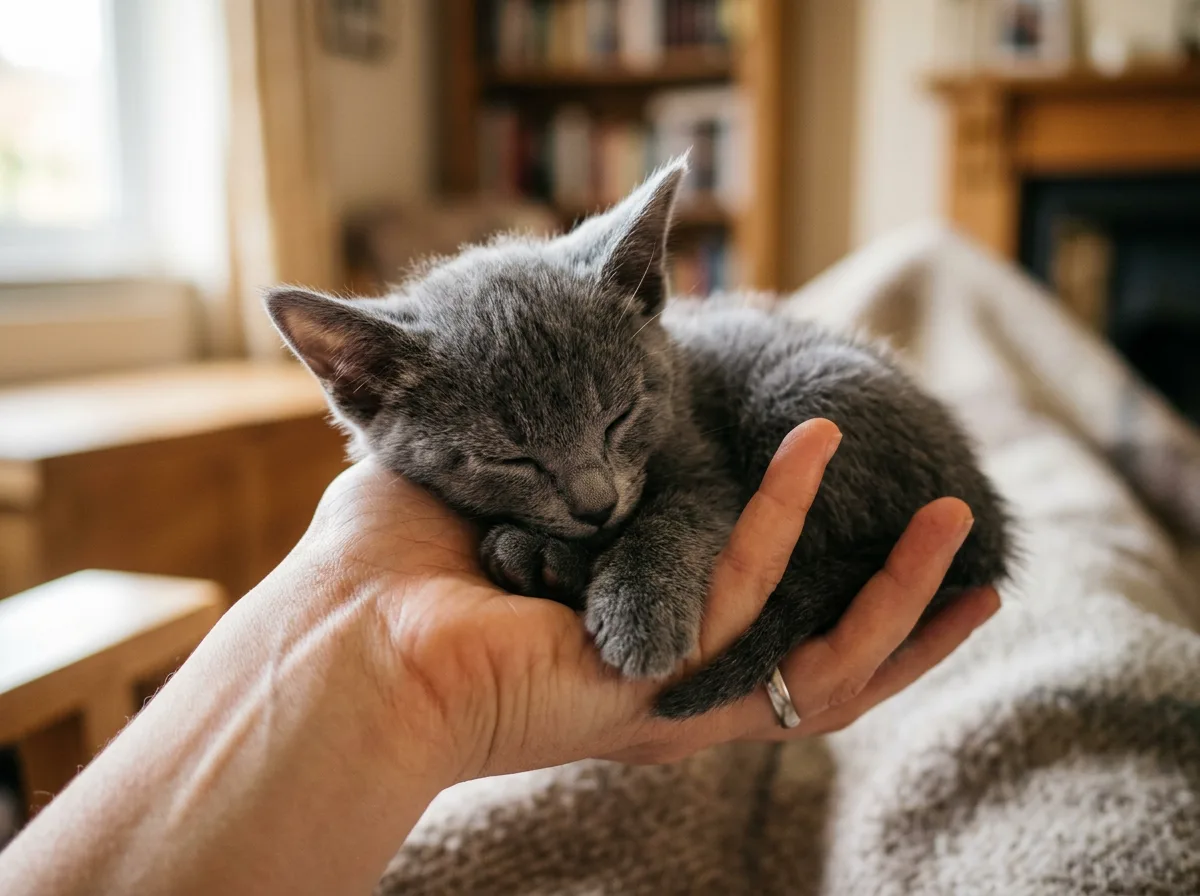
A well-bred Russian Blue carries a premium for reasons that go beyond the coat. First is genuine rarity. Most grey or "blue" cats people meet are domestic shorthairs or mixes, not registered purebreds, so the supply of true Russian Blue kittens from CFA or TICA breeders is genuinely limited, and limited supply with steady demand pushes prices up and creates waitlists. Second is the cost of doing it right. Responsible breeders pay for genetic screening, a high-quality diet for the queen, prenatal and postnatal veterinary care, vaccinations, and early socialization, and that investment is built into the kitten price.
Lineage is the single biggest lever. A kitten from a champion show line with documented wins costs far more than a pet-quality kitten from the same breeder, even from the same litter. The Persian breed shows the same pattern, where show pedigree separates a companion-priced cat from a several-thousand-dollar one, as our Persian cat price and cost guide breaks down in detail.

63-inch multi-level cat tree with scratch posts, hammock, plush perches, and dangling toys. Vertical territory is non-negotiable for high-energy climbing breeds like the Bengal.
Petful may earn a commission when you click through to Chewy, at no extra cost to you.
What Drives the Price Up or Down
- Pedigree and show quality. Champion bloodlines and conformation to the breed standard (the dense double coat, silver tipping, emerald eyes, wedge head) command the most.
- Health testing. Breeders who screen for issues such as polycystic kidney disease (PKD) and progressive retinal atrophy (PRA) price that work in. It is money well spent.
- Breeder reputation. Established, registered catteries with health guarantees and waitlists charge more than backyard or hobby sellers.
- Location. Regional demand and any transport or shipping costs move the final number, sometimes by several hundred dollars.
- Rarity of a true purebred. Because authentic Russian Blues are far less common than the grey domestic cats confused with them, verified kittens carry a real scarcity premium.
- Age. Kittens cost the most. Retired breeding adults or older cats are usually far cheaper, and rescues cheaper still.
- A Russian Blue or a Russian Blue mix through a breed-specific rescue or shelter is by far the most affordable route, typically $75 to $200, and it gives an adult cat a home. Petfinder and regional Russian Blue rescue groups are the places to start.
How Much Is a Russian Blue Kitten Versus an Adult?
Age is one of the clearest price dividers. Kittens are in the highest demand and require the most early care, so a registered kitten sits at the top of the breeder range, $500 to $1,500 for pet quality and up to $3,000 for show lines. Adult Russian Blues almost always cost less. A breeder rehoming a retired breeding cat, or a rescue placing a surrendered adult, will charge a fraction of kitten prices, often in the low hundreds. If budget matters more than getting a kitten, an adult is the smart buy, and you also get to see the cat's full coat, eye color, and temperament rather than guessing how a kitten will turn out.
- A purebred Russian Blue kitten advertised for $100 to $300 with no papers, no health records, and no chance to see the parents is a red flag. It is almost certainly a grey domestic shorthair, a mix, or a kitten-mill cat. A genuine, healthy purebred at that price essentially does not exist.
First-Year Setup Costs
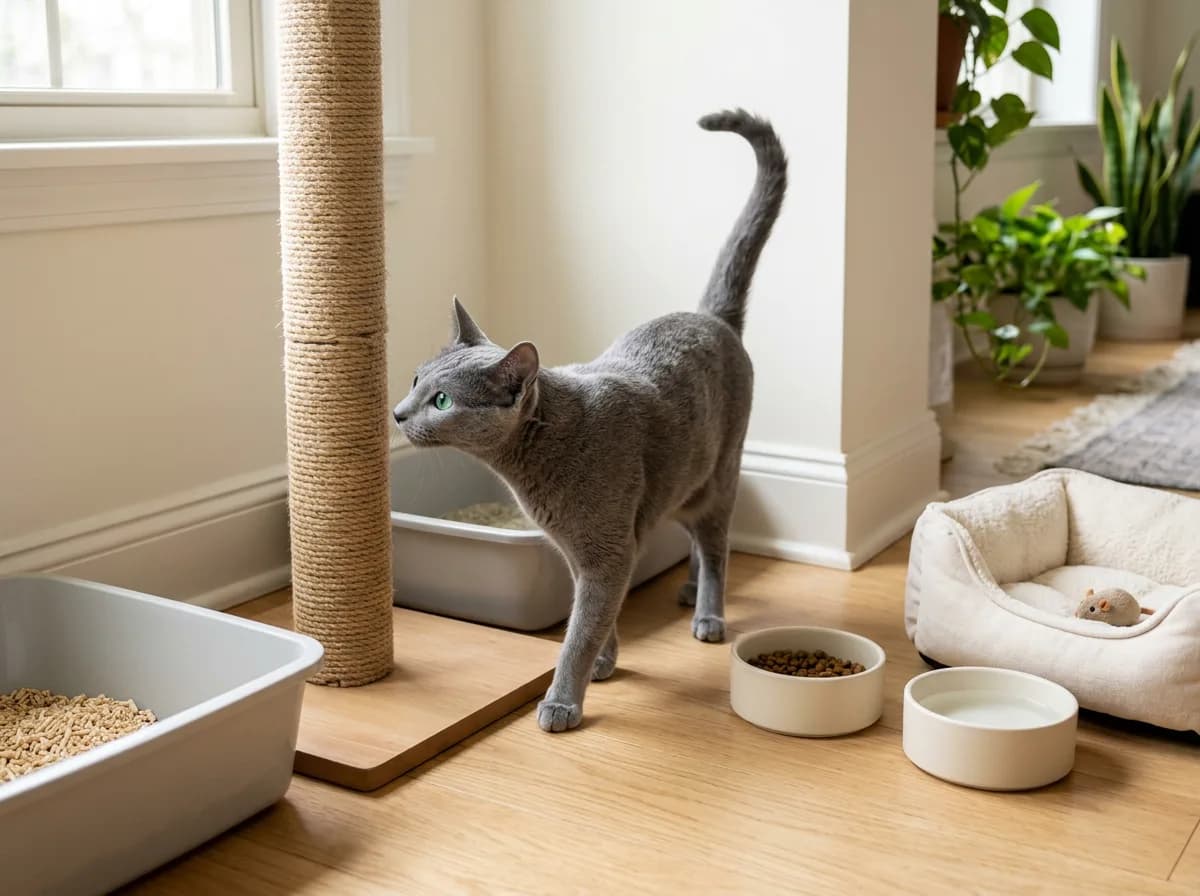
The purchase price is only the entry fee. Plan for a round of one-time setup costs in year one on top of the cat itself. A sensible first-year setup budget runs roughly $300 to $700 and covers the gear and the early vet work that turns a new kitten into a settled house cat.
| Item | Typical Cost |
|---|---|
| Litter box, litter, and scoop | $30 to $80 |
| Food and water bowls, starter food | $40 to $100 |
| Scratching post and a few toys | $30 to $80 |
| Carrier and a cat bed | $40 to $90 |
| Initial vet exam, remaining vaccines, deworming | $100 to $250 |
| Spay or neuter (if not already done) | $50 to $200 |
| Microchip (if not already done) | $25 to $50 |
Adopting from a rescue often trims this list because the spay or neuter, vaccines, and microchip are usually already done and folded into the adoption fee. That is part of why the all-in first-year cost of an adopted Russian Blue can land well below that of a breeder kitten.

108-oz stainless steel pet fountain with quiet pump and water-level window. Bengals are notoriously water-obsessed; a flowing fountain encourages hydration and pulls them away from sinks and toilets.
Petful may earn a commission when you click through to Chewy, at no extra cost to you.
Ongoing Cost of Owning a Russian Blue Per Year
After the first year, a Russian Blue is an average-cost cat to keep, with one budget quirk owners should plan around. Realistic annual ongoing costs run about $700 to $1,500 depending on the food you buy, your insurance choice, and your region. The big recurring lines are food, litter, routine veterinary care, and optional pet insurance, which for cats commonly runs $15 to $40 a month.
The breed-specific catch is weight. Russian Blues are famously food-motivated and prone to obesity, and an overweight cat is an expensive cat: excess weight drives diabetes, joint strain, and urinary problems, all of which add veterinary bills over a lifetime. Measured portions, not free-feeding, are the single most cost-effective thing you can do for this breed. The payoff is real, because a healthy-weight Russian Blue is one of the longer-lived pedigreed cats and stays cheaper to care for year over year.
- Russian Blues will happily overeat. Free-feeding a food-obsessed cat is the fastest route to obesity-linked diabetes and urinary disease, which are among the priciest chronic conditions to manage. A kitchen scale and a measured daily ration protect both the cat and your wallet.
Where to Buy or Adopt a Russian Blue Safely
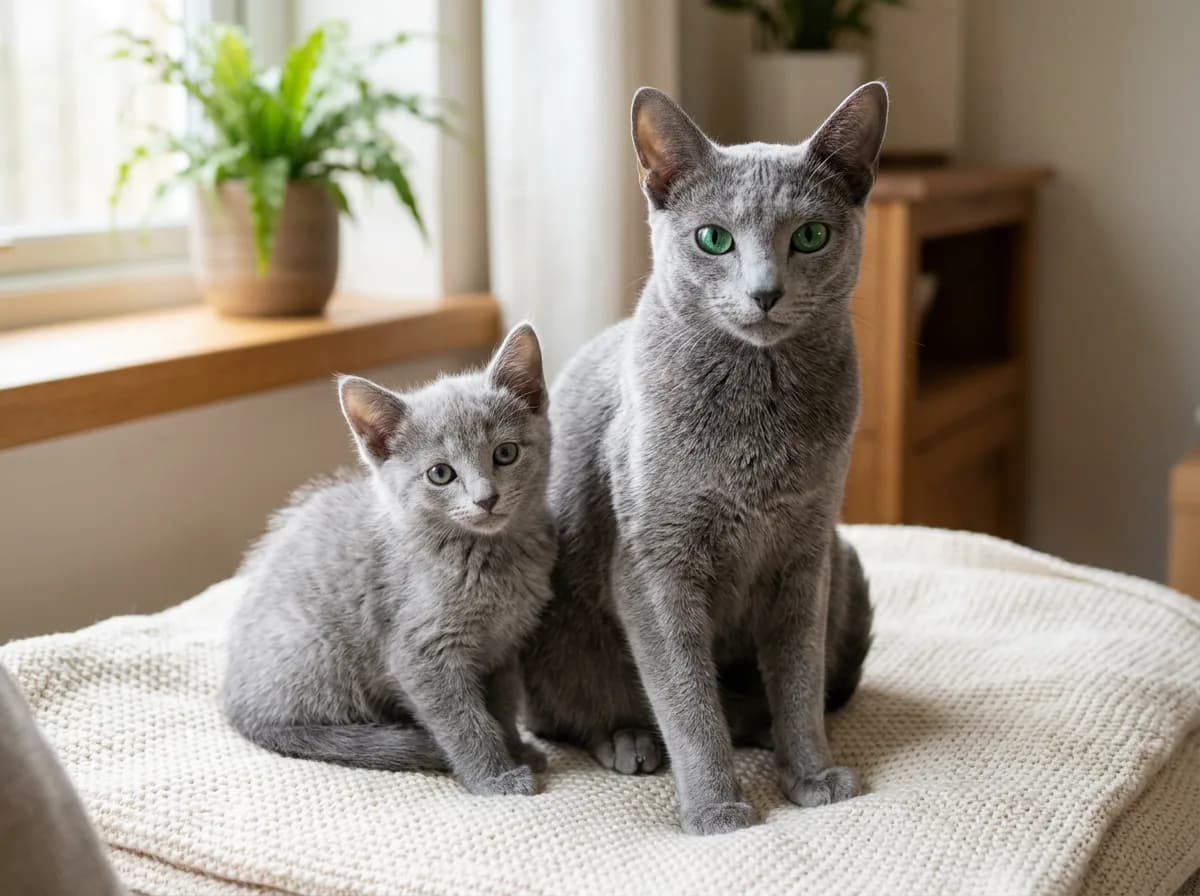
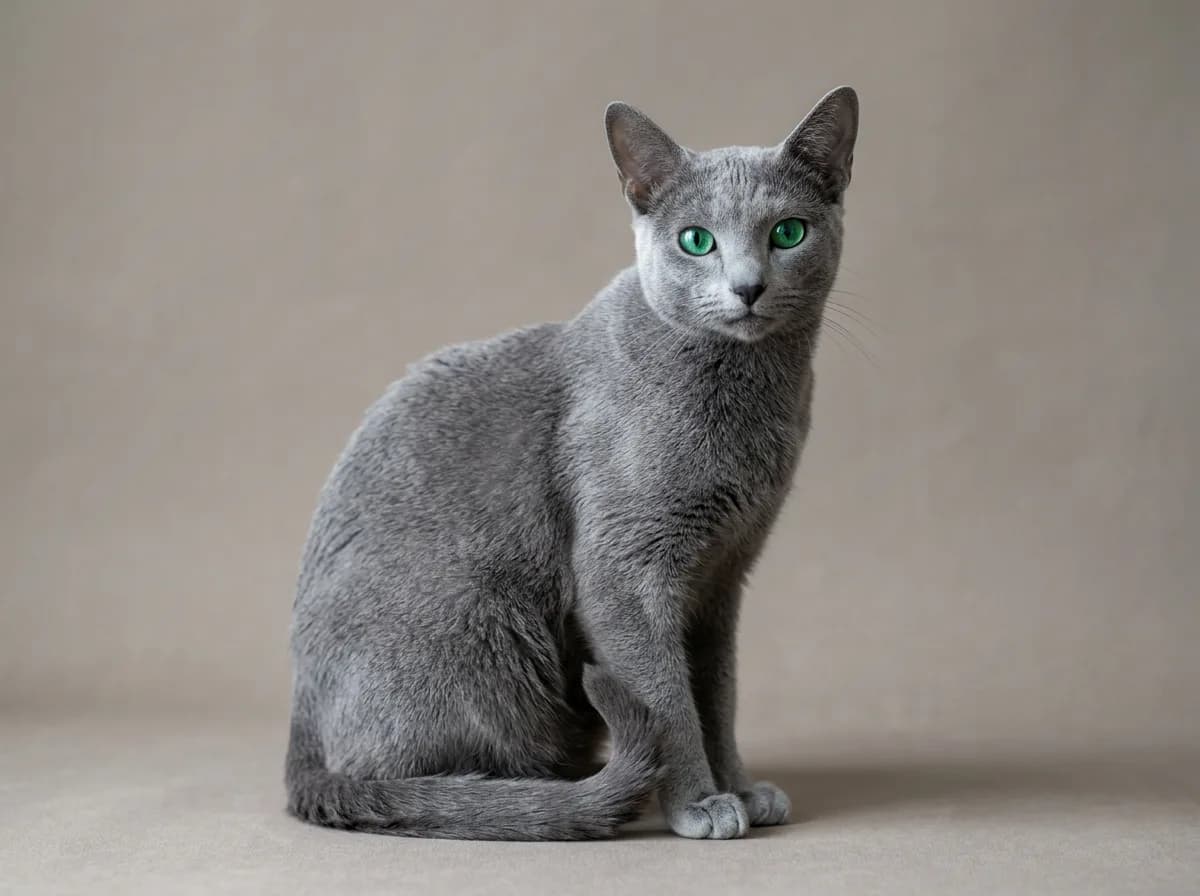
Whether you buy or adopt, the goal is the same: a healthy cat from someone who is honest about its background. For a kitten, choose a breeder registered with the CFA or TICA, ask to see the registration papers, and insist on meeting the kitten with at least one parent in person. Look at the parents yourself: a true Russian Blue shows vivid emerald green eyes (not gold or copper), the short dense double coat with a silvery sheen, and mauve paw pads. A breeder who will not show you the parents or provide papers is one to walk away from.
If you would rather adopt, start with Petfinder and regional Russian Blue rescue groups. Be realistic that many "Russian Blue" shelter cats are actually grey domestic shorthairs or mixes, which is wonderful if you want a grey cat and not a registered pedigree. If a genuine purebred is the goal, the breeder route with papers is the only way to be sure.
- Several breeds and plenty of plain grey cats get sold as "Russian Blue." The British Shorthair blue is the most common mix-up; it is stockier with copper eyes, not emerald. The Chartreux is another blue-grey look-alike with gold eyes. If eye color and body type do not match the standard, you may be paying purebred money for a different cat.
Look-Alike Breeds and How They Compare on Price
Part of buying smart is knowing what you are looking at, because the breeds confused with the Russian Blue carry their own price tags. The stocky, copper-eyed British Shorthair is the cat most often mistaken for a Russian Blue and ranks among the pricier pedigreed breeds in its own right. The French Chartreux, with its woolly coat and gold eyes, is another blue-grey breed that commands breeder prices. Knowing these tells keeps you from overpaying for a look-alike, and it is the same due diligence smart buyers apply across pedigreed cats, much like comparing a companion Persian against its longevity and care profile before committing.
Frequently Asked Questions
A pet-quality Russian Blue kitten from a registered breeder costs about $500 to $1,500. Adoption through a shelter or breed rescue runs about $75 to $200, and a show or breeding-quality kitten from health-tested champion lines costs $1,500 to $3,000.
They are expensive because true purebreds are relatively rare compared with the many grey domestic cats mistaken for them, and because responsible breeders build the cost of genetic health screening, veterinary care, vaccinations, and early socialization into the kitten price. Champion show lineage raises the price the most.
A registered Russian Blue kitten typically costs $500 to $1,500 for pet quality, rising to $1,500 to $3,000 for show or breeding-quality kittens from proven, health-screened bloodlines. Kittens cost more than adults because demand and early-care needs are highest.
Genuine purebred Russian Blues are uncommon because most grey or "blue" cats are domestic shorthairs or mixes rather than registered pedigrees. That scarcity, combined with steady demand, is why verified kittens from CFA or TICA breeders carry a premium and often have waitlists.
Adoption is by far the cheapest route, about $75 to $200 through a shelter or a Russian Blue breed rescue, and the fee usually already covers spay or neuter, vaccines, and a microchip. Many rescue cats will be Russian Blue mixes rather than registered purebreds.
Plan for roughly $700 to $1,500 a year in ongoing costs for food, litter, routine veterinary care, and optional pet insurance (commonly $15 to $40 a month for cats). Because the breed is prone to obesity, portion control and weight management are the biggest factors in keeping lifetime veterinary costs down.

Coreen Saito is a pet writer and longtime shelter volunteer with more than a decade in animal rescue. She covers cat behavior, breed care, and the small, ordinary science of sharing a life with companion animals, with a particular focus on honest takes about the products and decisions that actually matter. At home in Arizona, she's outranked by Mac (a dog with the loudest opinion in the house), Rebel (a cat who governs by quiet authority), and Meri (an orange tabby who runs the late shift and the laundry basket). She writes about all three, plus the rescues that keep coming through her life, at LifeWithMinty.com.
Sign up for expert-backed reviews and safety alerts all in one place.