Norwegian Forest Cat Price: What a Wegie Really Costs in 2026
A Norwegian Forest cat costs $800 to $1,800 from a reputable breeder, $100 to $300 to adopt, and up to $3,000+ for show lines. Here is the full price-tier breakdown, what drives the cost, first-year setup, and yearly expenses.
Petful is reader supported. As an affiliate of platforms like Amazon and Chewy, we may earn a commission when you buy through links on this page. There is no extra cost to you.
The typical Norwegian Forest cat price runs $800 to $1,800 for a pet-quality kitten from a reputable, health-testing breeder, while adoption through a rescue costs roughly $100 to $300 and show or breeding-quality kittens from proven lines climb to $1,800 to $3,000 and up. Those figures track the breed registries that govern the cat: both the Cat Fanciers' Association (CFA) and The International Cat Association (TICA) register Norwegian Forest cat breeders, and the price you pay reflects how much genetic screening and pedigree work sits behind the kitten. The sticker price is only the start, though. A Wegie is a large, double-coated cat that lives 12 to 16 years, so the lifetime cost matters far more than the day-one number.
- 1A pet-quality Norwegian Forest cat costs $800 to $1,800 from a reputable breeder; adoption runs $100 to $300.
- 2Show or breeding-quality kittens from health-screened lines run $1,800 to $3,000 and up.
- 3Price is driven mostly by lineage, breeder reputation, and genetic health testing for GSD IV and HCM, not by coat color.
- 4Plan for $450 to $1,200 in first-year setup and roughly $50 to $100 a month in ongoing care.
- 5The single most important thing your money buys is a breeder who DNA-tests for Glycogen Storage Disease Type IV.

Sign up for expert-backed reviews and safety alerts all in one place.
How Much Does a Norwegian Forest Cat Cost?
Here is the answer-first version: most people pay $800 to $1,800 for a pet-quality Norwegian Forest kitten from a registered breeder. Adopting from a rescue or shelter costs far less, usually $100 to $300, but purebred Wegies are genuinely rare in shelters, so adoption is more a matter of luck and patience than a reliable plan. At the top end, a kitten from a proven, show-winning, fully health-screened line can run $1,800 to $3,000 or more.

Compare coverage choices for your pet, then request a quote directly on Lemonade.
- Check a price for your pet
- Review available coverage choices
- See the terms before you decide
Eligibility, waiting periods, limits and exclusions apply.
Petful may earn a commission when you click through to Lemonade, at no extra cost to you.
That spread is wide on purpose. A Norwegian Forest cat is not a commodity, and the price is a proxy for the work behind the kitten: genetic disease testing, heart screening, championship pedigrees, early socialization, and a written health guarantee. The breeders who do all of that cannot sell at the bottom of the range, and the ones selling cheaply have usually skipped something that matters.
- For a healthy pet from a responsible breeder, budget $800 to $1,800 for the kitten itself. Anything advertised well below that, especially with no health testing mentioned, is a red flag, not a bargain.
Norwegian Forest cat price by source
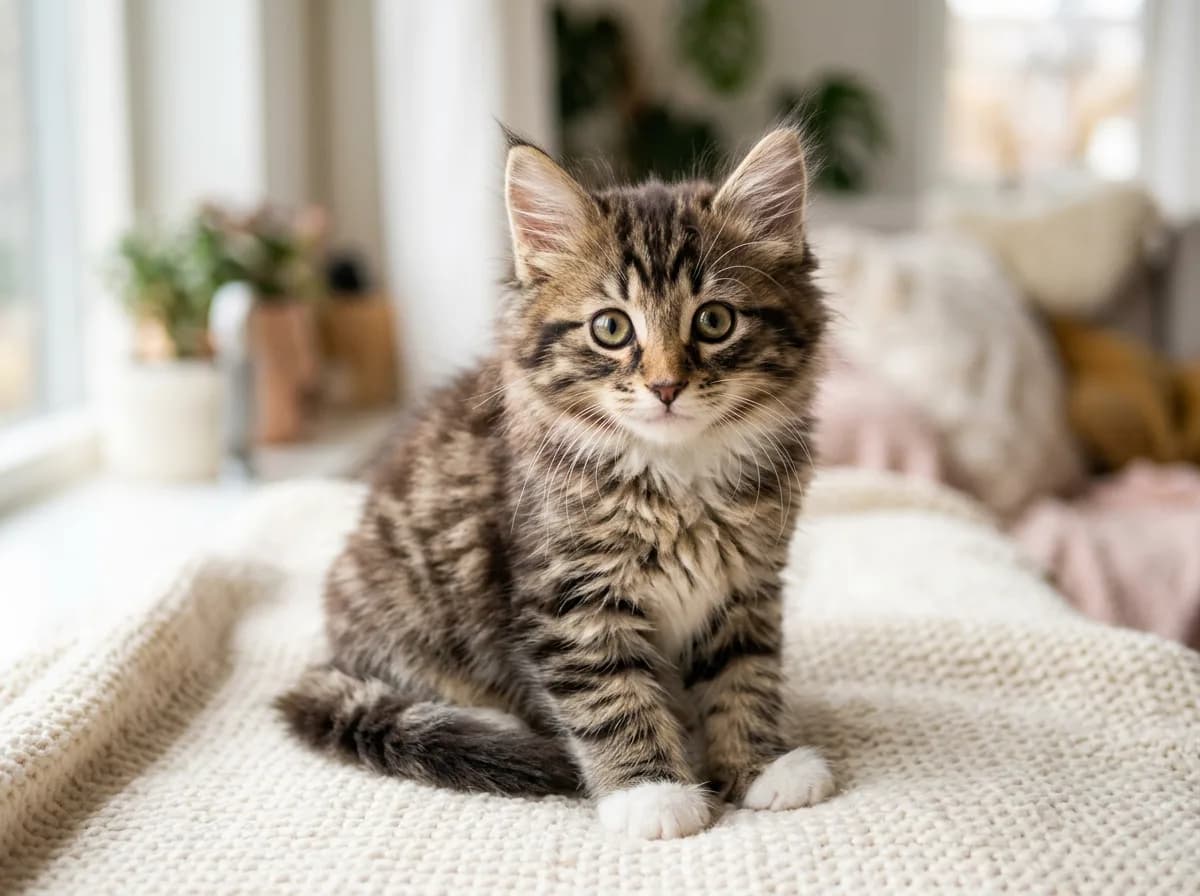
The clearest way to think about cost is by where the cat comes from and what that price actually includes. The tiers below reflect the U.S. market for 2026.
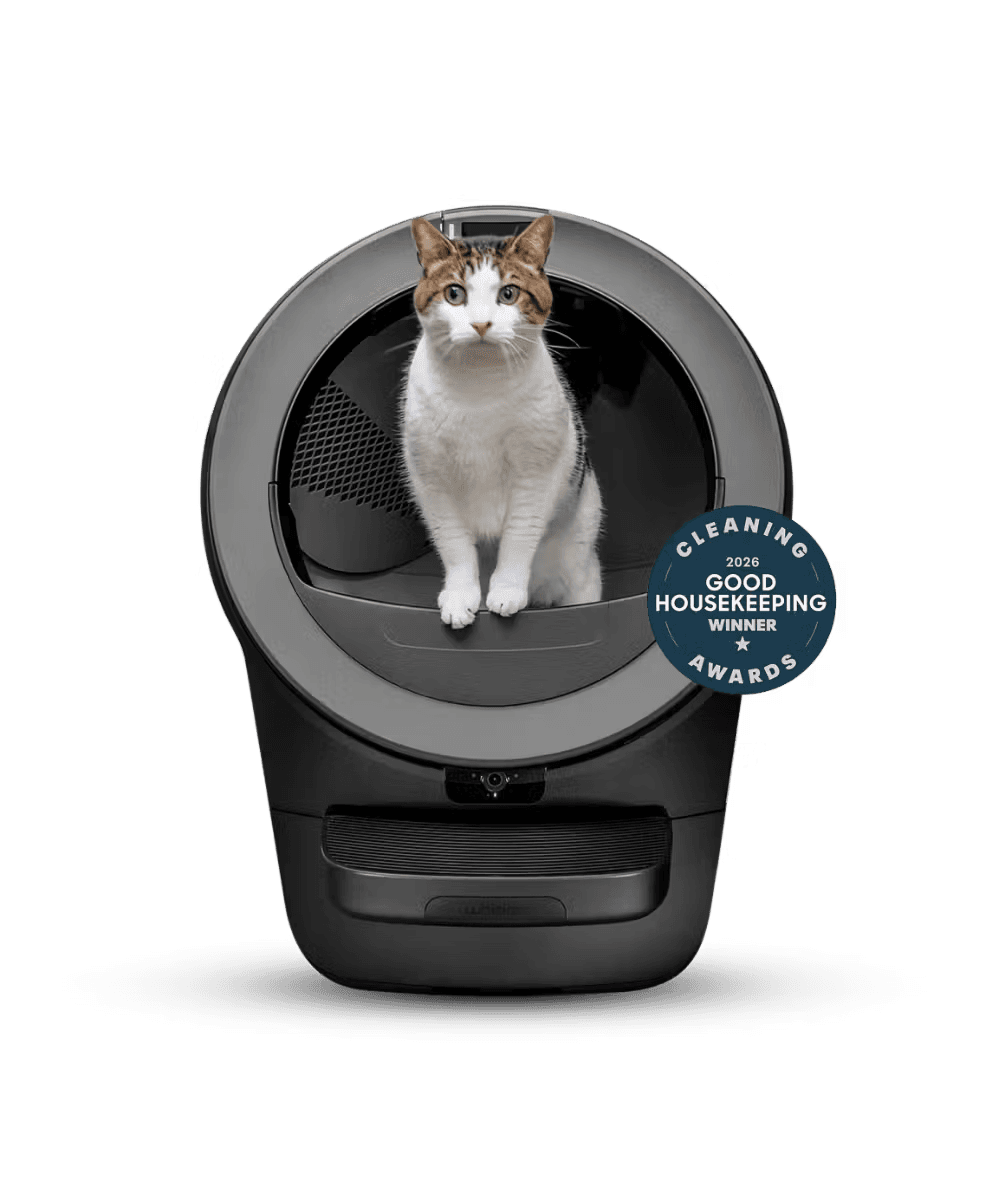
Never Scoop Again® with the Whisker Litter-Robot, the smart self-cleaning automatic litter box. Monitor visits and track weights for better overall care in the Whisker® app. Multi-cat friendly.
Petful may earn a commission when you click through to Whisker, at no extra cost to you.
| Source / Tier | Price range | What you get |
|---|---|---|
| Adoption or rescue | $100 to $300 | A vetted, often spayed/neutered and vaccinated cat (frequently an adult or mix); purebred kittens are rare in shelters |
| Pet-quality from a reputable breeder | $800 to $1,800 | A registered kitten from health-tested parents, vaccinated, dewormed, microchipped, with a spay/neuter agreement and a written health guarantee |
| Show or breeding-quality | $1,800 to $3,000 and up | A kitten from proven, championship and fully health-screened lines with breeding rights or top conformation to the breed standard |
Why Are Norwegian Forest Cats Expensive?
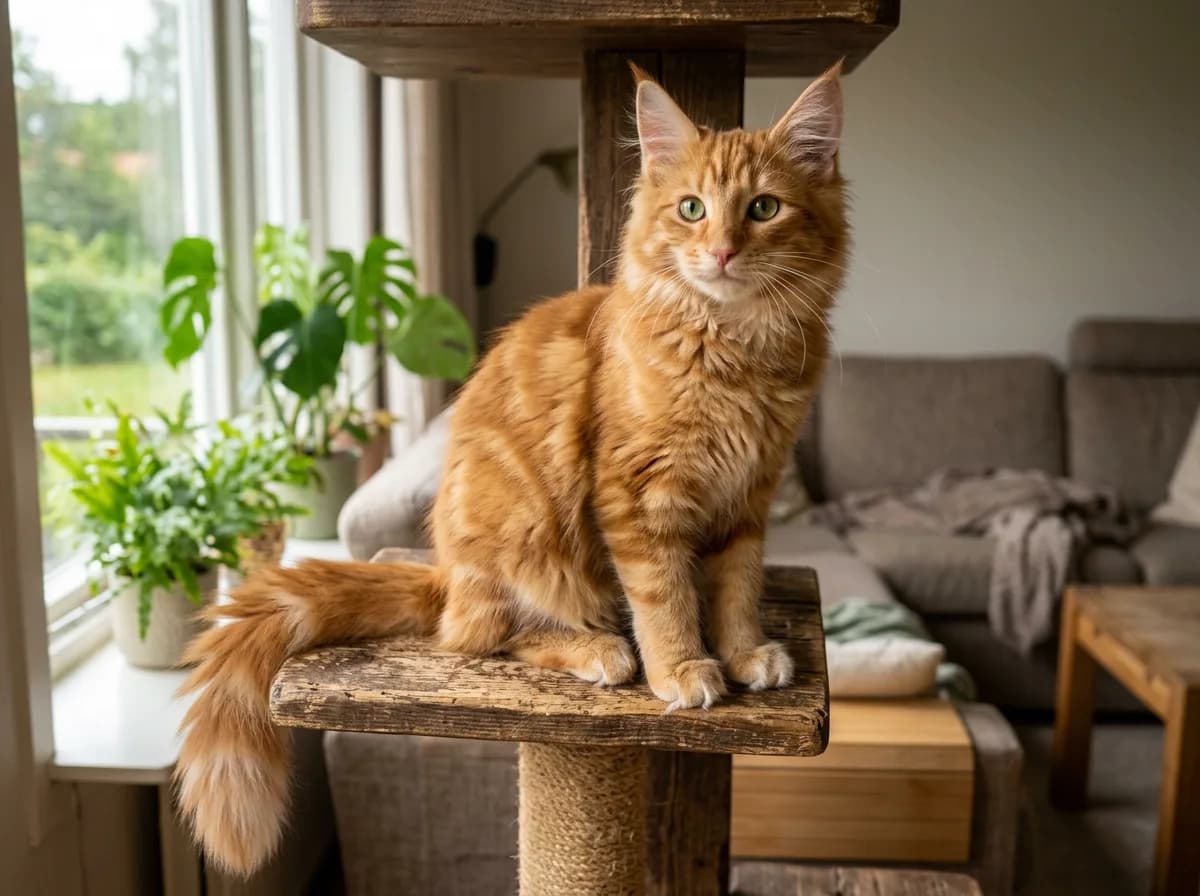
The price reflects what goes into producing a sound kitten, not markup for the name. Five things drive where a given kitten lands in the range.
Lineage and show quality. Kittens descended from championship cats that closely match the CFA or TICA breed standard cost more. Breeding rights, a documented pedigree, and proven conformation all push the price up.
Breeder reputation and health testing. This is the big one. Responsible breeders DNA-test for Glycogen Storage Disease Type IV (GSD IV), screen for hypertrophic cardiomyopathy (HCM) by echocardiogram, and check hips. That testing costs real money per breeding cat, and it is folded into the kitten price. It is also the single thing most worth paying for.
Color and pattern. Some colors are simply in higher demand. The breed's distinctive amber color (a recessive trait that gradually warms a genetically black cat to a glowing amber as it matures) and crisp silver or white kittens can carry a premium because buyers ask for them, not because they are healthier. Color does not change the cat's health or temperament.
Location. Prices run higher in regions with few breeders and high demand, and you may pay to ship a kitten or travel to collect one if no local breeder has a litter.
- A higher price is worth it when it buys documented GSD IV and HCM screening. A higher price for a "rare" color alone buys you nothing medical. Ask which one you are actually paying for.
Are Norwegian Forest cats rare, and does that raise the price?
In the United States, yes, somewhat. The Norwegian Forest cat nearly went extinct in its native Norway in the mid-20th century and was saved by a dedicated breeding program; it only left Norway in the 1970s and was not accepted for CFA championship until 1993. There are far fewer Wegie breeders here than there are, say, Maine Coon or Persian breeders, so litters are limited and waiting lists are common. That scarcity does nudge prices toward the higher end and is a big reason you rarely find one in a shelter. It does not, however, justify $4,000-plus pet kittens; genuine show-line cats top out around $3,000 for most reputable breeders.
Kitten vs Adult: How Price Changes With Age
Kittens command the highest prices because demand for them is highest. Expect to pay the full $800 to $1,800 (or more for show lines) for a young pet-quality kitten.
Adults and retired breeding cats are often a smarter value. A breeder retiring a cat from their program may rehome a stunning, fully health-tested adult for a few hundred dollars, sometimes essentially the spay/neuter cost. These cats are already past the destructive-kitten stage, are litter-trained, and come with a known health history. If you are open to an older cat, ask breeders directly whether they have any retirees looking for a home.

63-inch multi-level cat tree with scratch posts, hammock, plush perches, and dangling toys. Vertical territory is non-negotiable for high-energy climbing breeds like the Bengal.
Petful may earn a commission when you click through to Chewy, at no extra cost to you.
- Retired breeder cats and rescue adults are the most affordable route to a purebred Wegie. You trade the kitten experience for a calmer cat, a lower price, and a known health background.
First-Year Setup Costs
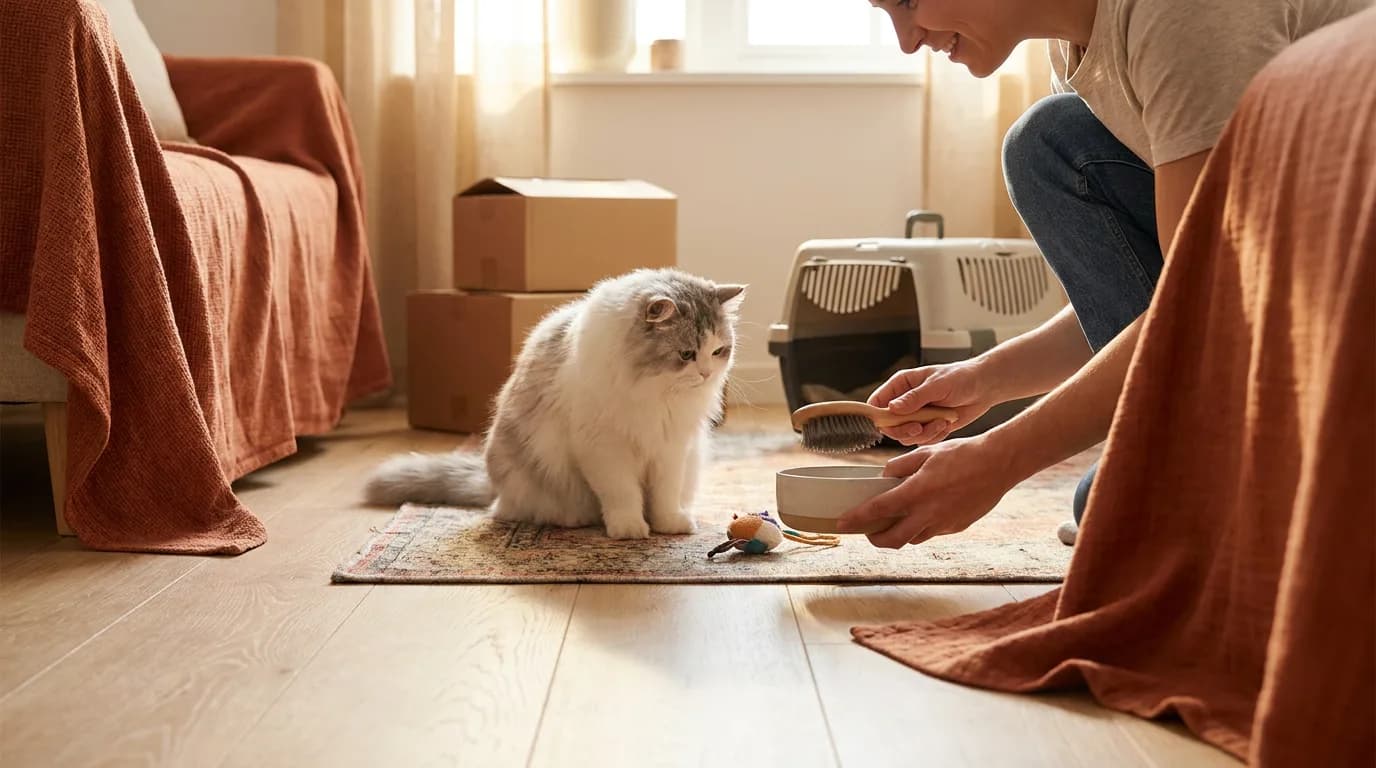
The kitten is only part of year one. New-owner setup (the carrier, litter boxes, a sturdy cat tree this big breed will actually use, food and water bowls, grooming tools, and the first round of vet care) typically runs $450 to $1,200 on top of the purchase price. A Norwegian Forest cat's size and dense double coat mean a few items, especially a large carrier and a stainless steel comb for the molt, need to be bought for the breed rather than for an average cat.
| Item | Typical cost | Notes |
|---|---|---|
| Large carrier | $30 to $60 | Size up; a Wegie outgrows a standard small carrier |
| Cat tree and scratching post | $40 to $150 | Sturdy and tall; this is a big, enthusiastic climber |
| Litter box and starter litter | $25 to $90 | A large or jumbo box suits the breed's size |
| Food and water bowls | $10 to $40 | Wide, shallow bowls or a fountain |
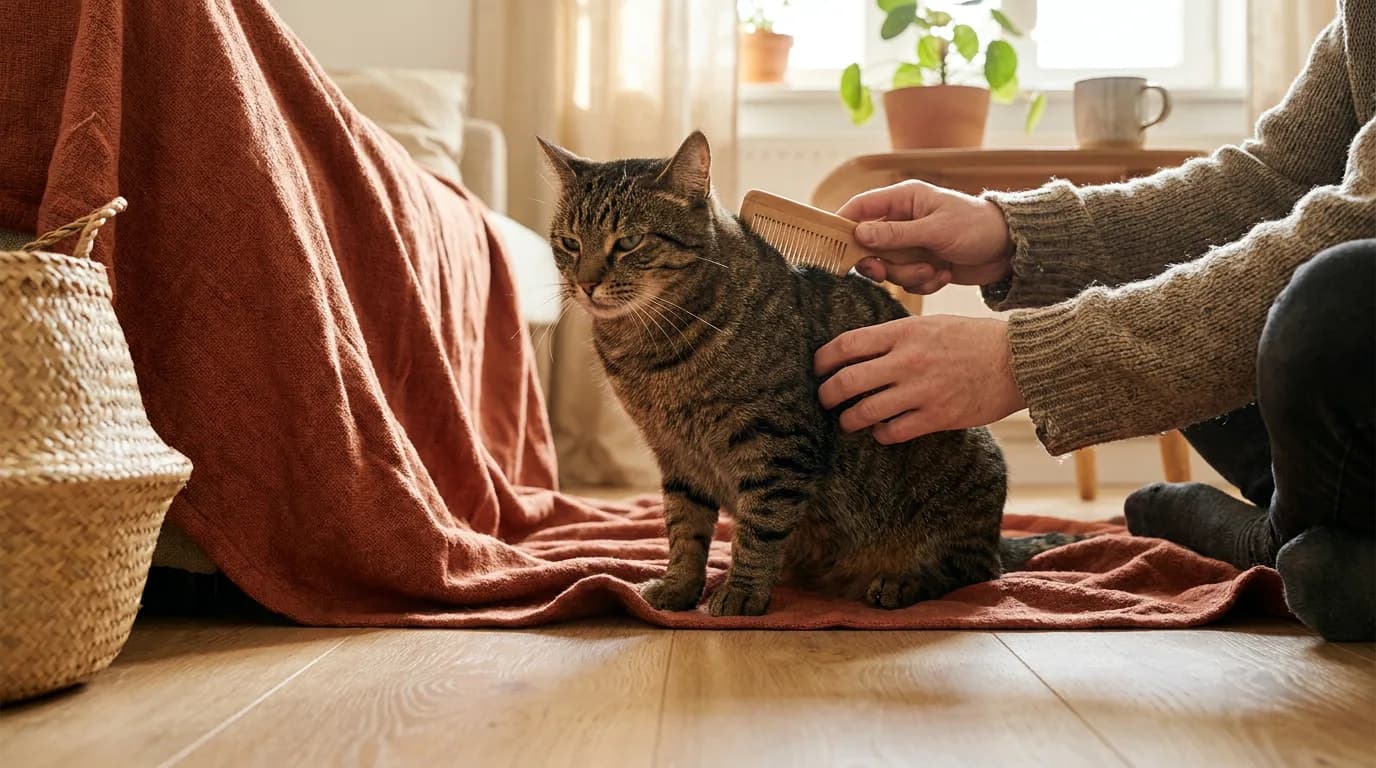
| Grooming tools (comb, slicker, nail clippers) | $20 to $50 | A steel comb is essential for the spring molt |
| Bed and toys | $30 to $80 | Optional but typical |
| Initial vet visit, vaccines, microchip | $100 to $300 | Often partly covered by the breeder fee |
Ongoing Monthly and Annual Cost
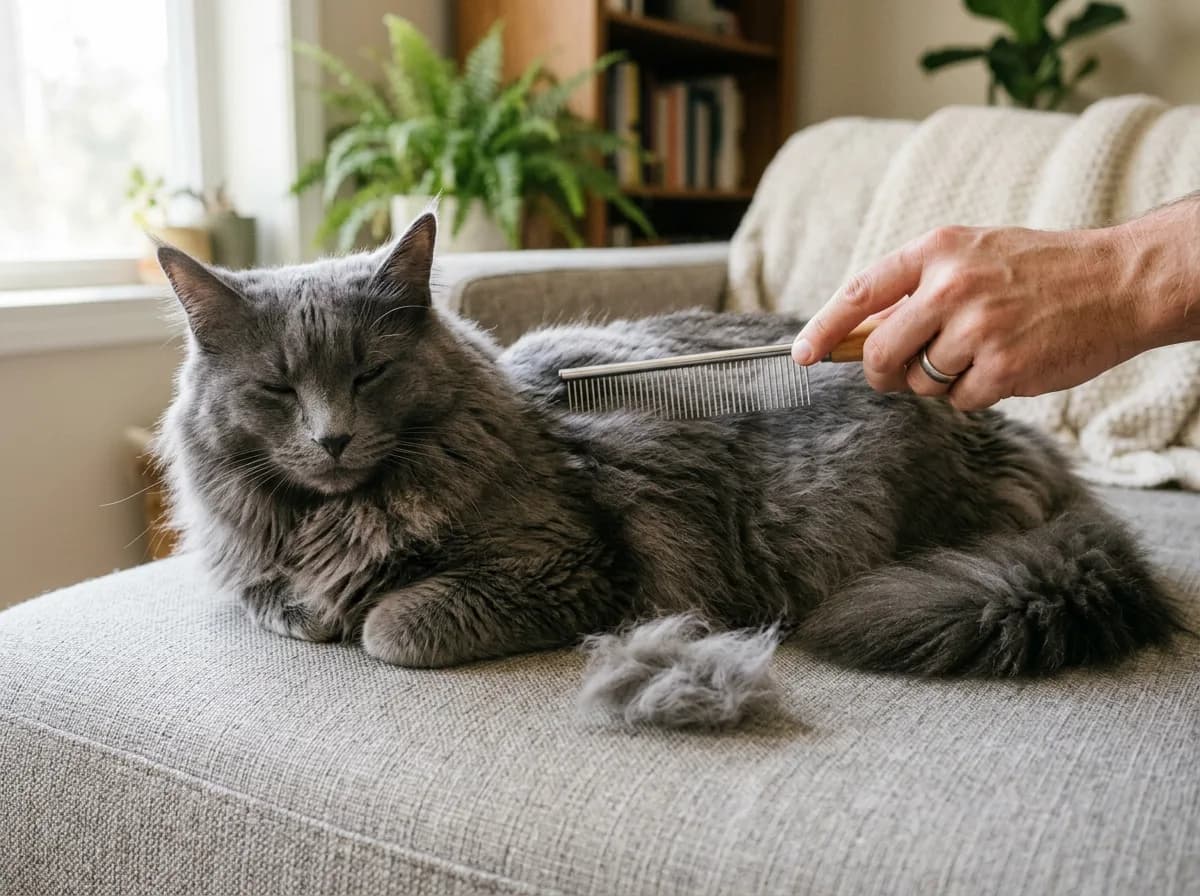
After year one, the recurring cost of a Norwegian Forest cat is in line with other large cats: roughly $50 to $100 a month for most owners, or about $600 to $1,200 a year, before any major medical event. Food is the biggest line item because a 13-to-22-pound cat eats more than an average house cat, and quality matters for a large, active breed. Routine costs include food, litter, preventive vet care, and replacement grooming tools.
The variable that swings the budget is veterinary care. Routine wellness visits are predictable, but the breed's inherited risks (HCM in particular) can mean periodic cardiac monitoring, and any cat can face an unexpected illness or injury. Many Wegie owners carry pet insurance, which commonly runs around $20 to $50 a month and turns a rare large bill into a manageable monthly cost.
- Budget the most for quality food (a big cat eats like one) and for vet care. Grooming a Wegie is mostly DIY: a weekly comb-through, more during the spring molt, so professional grooming is usually optional.
Where to Buy or Adopt a Norwegian Forest Cat Safely
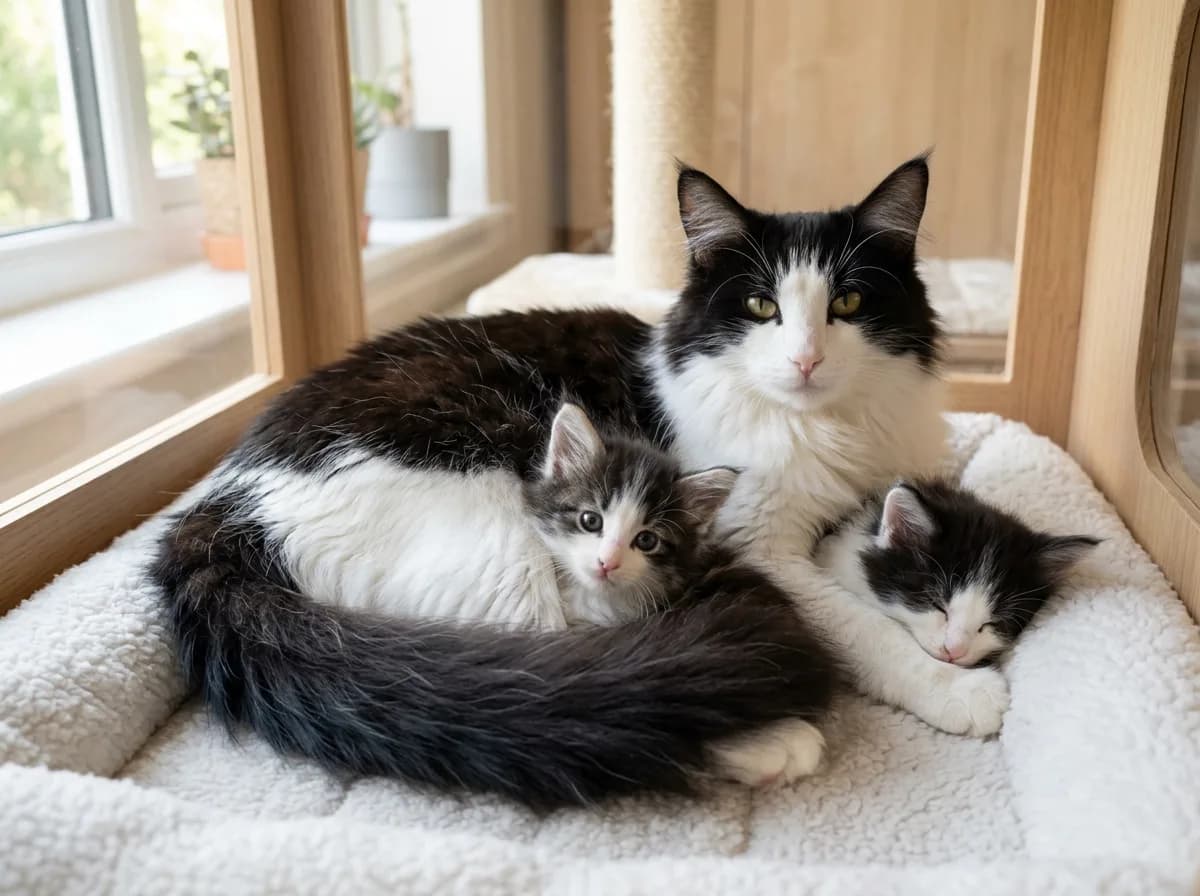
Whether you buy or adopt, the goal is the same: a healthy, well-socialized cat from someone who screens for the breed's known problems. Here is how to do it without getting burned.

108-oz stainless steel pet fountain with quiet pump and water-level window. Bengals are notoriously water-obsessed; a flowing fountain encourages hydration and pulls them away from sinks and toilets.
Petful may earn a commission when you click through to Chewy, at no extra cost to you.
Buying from a reputable breeder
Start with the CFA or TICA breeder directories rather than a classified ad or social media listing. A responsible breeder will welcome questions and will volunteer health information before you ask. The non-negotiable question is genetic testing.
- Glycogen Storage Disease Type IV is the signature Norwegian Forest cat genetic disease and is usually fatal in affected kittens. It is DNA-testable, so there is no excuse for skipping it. Ask the breeder to show you the GSD IV results for both parents in writing. A breeder who cannot or will not is a hard pass.
Beyond GSD IV, ask whether the parents have been screened for HCM (the most common feline heart disease) and for hip dysplasia, which large-breed cats can develop. A good breeder also raises kittens underfoot in the home, does not release them before about 12 to 14 weeks, registers the litter with CFA or TICA, and provides a written health guarantee and a spay/neuter agreement for pet kittens.
- Walk away from anyone who has kittens always available with no waiting list, will not show health testing, offers to ship a very young kitten with no questions asked, has no registration paperwork, or prices a "purebred" kitten suspiciously far below the going range. Cheap up front often means expensive at the vet.
Adopting a Norwegian Forest cat
Purebred Wegies are uncommon in shelters, but they do turn up, and breed-specific rescues exist. Check Petfinder and Adopt a Pet for the breed, ask local breeders whether they know of a cat needing rehoming, and look for Norwegian Forest cat or general purebred-cat rescue groups. Adoption fees of $100 to $300 typically include spay/neuter, vaccinations, and a vet check, which makes a rescue cat an excellent value when one is available. Be patient: the right cat may take time, but it is the kindest and cheapest path to a Wegie.
The cheapest way to get a Norwegian Forest cat
If budget is the deciding factor, the lowest-cost routes, in order, are: adopt from a rescue or shelter ($100 to $300), take in a retired breeding adult from a reputable breeder (often a few hundred dollars), or join a breeder's waiting list for a pet-quality (non-show) kitten and skip any color premium. What you should not do is chase a too-cheap kitten from an untested backyard litter; the savings tend to evaporate at the first cardiac or metabolic problem. And because Wegies are pricey and scarce, some sellers pass off a fluffy domestic longhair as the real thing, so registration paperwork and health testing are what separate a true Wegie from a lookalike.
Is a Norwegian Forest Cat Worth the Cost?
For a cat that lives well over a decade, the purchase price spreads out to a small fraction of what you will spend on food and care over its lifetime, so it is worth paying for a healthy, well-bred start. The premium for a tested breeder is essentially pre-paid insurance against the breed's known genetic problems. Spend your effort finding a breeder who DNA-tests for GSD IV and screens for HCM, or an adult who needs a home, and the price takes care of itself.
If you are still comparing breeds, it helps to see how the Wegie stacks up against the other large, plush cats people shop alongside it. Our guides to the Maine Coon, the Siberian, and the Ragdoll walk through the size, coat, and temperament differences, and if you want a sense of how purebred pricing works on another popular long-haired breed, the Persian cat price guide breaks down the same tiers. The British Shorthair is another plush double-coated option worth a look.
A pet-quality Norwegian Forest kitten from a reputable breeder typically costs $800 to $1,800. Adoption from a rescue runs about $100 to $300, and show or breeding-quality kittens from health-screened lines run $1,800 to $3,000 and up.
The price reflects genetic health testing (GSD IV DNA tests and HCM heart screening), championship pedigrees, early socialization, registration, and a health guarantee, plus the fact that there are relatively few breeders in the U.S. You are paying for a sound, well-screened kitten, not just the name.
A pet-quality kitten generally costs $800 to $1,800. Kittens with exceptional show bloodlines or in-demand colors can run $1,800 to $3,000 or more. Kittens cost more than adults because demand for them is highest.
Yes. The breed nearly went extinct in Norway and only reached the U.S. in the 1970s, so there are far fewer breeders than for Maine Coons or Persians. That scarcity creates waiting lists and pushes prices toward the higher end, and it is why Wegies are rarely found in shelters.
Adopting from a rescue or shelter ($100 to $300) is cheapest, followed by taking in a retired breeding adult from a reputable breeder, or joining a waiting list for a pet-quality kitten without paying a color premium. Avoid bargain kittens from untested backyard litters, since hidden health costs usually erase the savings.
After the first year, expect roughly $600 to $1,200 a year, or about $50 to $100 a month, covering quality food, litter, routine vet care, and grooming supplies. First-year setup adds $450 to $1,200 on top of the purchase price, and optional pet insurance commonly runs $20 to $50 a month.

Coreen Saito is a pet writer and longtime shelter volunteer with more than a decade in animal rescue. She covers cat behavior, breed care, and the small, ordinary science of sharing a life with companion animals, with a particular focus on honest takes about the products and decisions that actually matter. At home in Arizona, she's outranked by Mac (a dog with the loudest opinion in the house), Rebel (a cat who governs by quiet authority), and Meri (an orange tabby who runs the late shift and the laundry basket). She writes about all three, plus the rescues that keep coming through her life, at LifeWithMinty.com.
Sign up for expert-backed reviews and safety alerts all in one place.