Norwegian Forest Cat Lifespan: How Long Wegies Live and Stay Healthy
Norwegian forest cats typically live 12 to 16 years, with many reaching their mid-to-late teens. A vet-reviewed look at what affects the Wegie's lifespan, the inherited health issues to know (GSD IV and HCM), and how to help yours live longer.
Petful is reader supported. As an affiliate of platforms like Amazon and Chewy, we may earn a commission when you buy through links on this page. There is no extra cost to you.
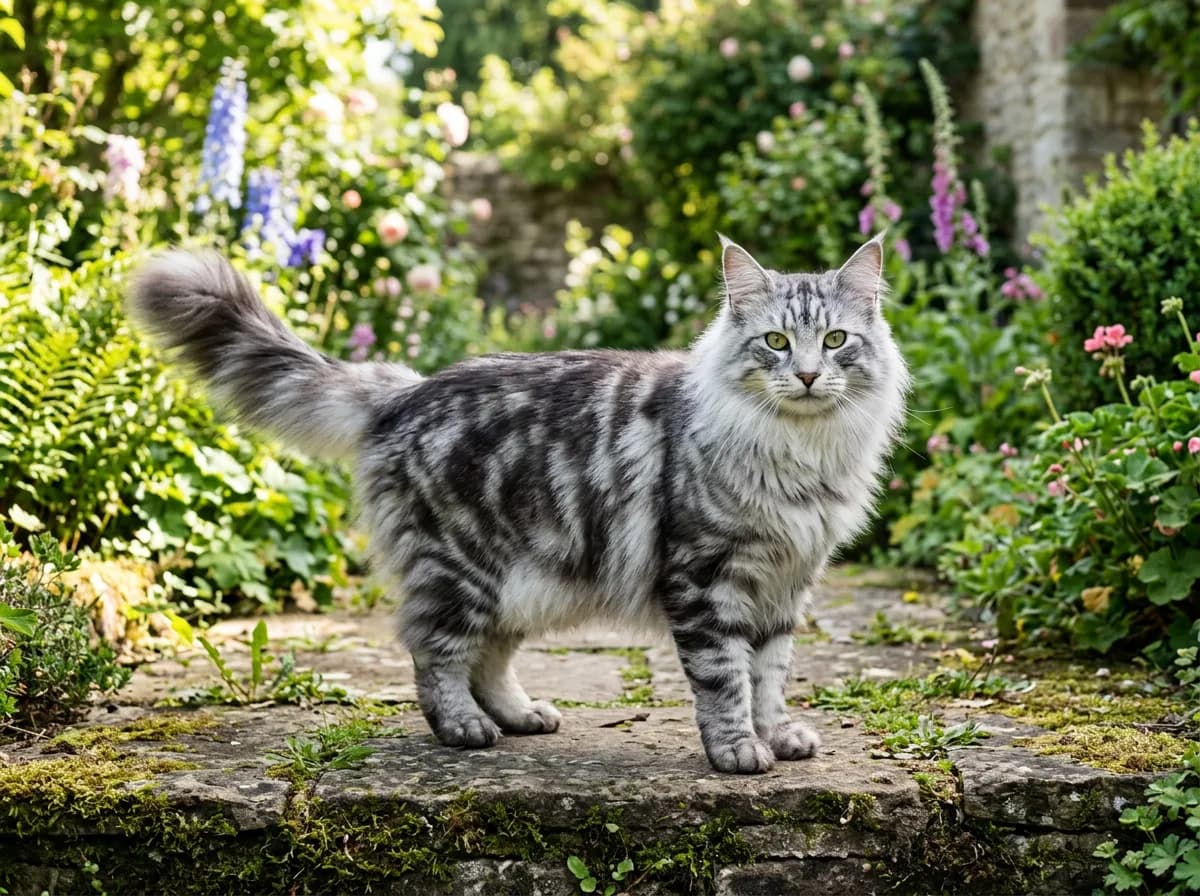
The typical Norwegian forest cat lifespan is 12 to 16 years, and with attentive care plenty of these hardy Scandinavian cats reach their mid-to-late teens. The Cat Fanciers' Association and TICA both describe the breed (known in Norway as the "skogkatt," or forest cat) as a robust natural landrace, and TICA lists a life expectancy of 13 or more years. A small number of well-cared-for Wegies have been reported to live close to 20 years. The honest picture is reassuring: most Norwegian forest cats are healthy, long-lived companions, and a handful of largely preventable or screenable health issues account for most of the cases that fall short of that range. There is more on this in Petful’s guide to Norwegian Forest Cat price.
- 1Norwegian forest cats typically live 12 to 16 years, and many reach their mid-to-late teens.
- 2The signature inherited disease of the breed is glycogen storage disease type IV (GSD IV), a usually fatal but fully DNA-testable genetic disorder.
- 3Buying from a breeder who DNA-tests for GSD IV and screens for hypertrophic cardiomyopathy (HCM) and hips is the single biggest lever on longevity.
- 4Indoor living, a healthy weight, dental care, and regular vet checkups add years for the average pet Wegie.

Sign up for expert-backed reviews and safety alerts all in one place.
How long do Norwegian forest cats live?
Most Norwegian forest cats live 12 to 16 years. That range is consistent across the major breed and veterinary references: TICA cites 13 or more years, Purina lists 12 to 15, and several veterinary breed guides put the average at 14 to 16. Reports of individual cats living to 18, 19, or even 20 are real but uncommon, and they almost always describe an indoor cat kept at a healthy weight with consistent veterinary care.
The Wegie is a slow-maturing breed. Unlike most domestic cats that finish growing by 12 months, a Norwegian forest cat does not reach full adult size until around 5 years of age. That long, gradual development is one reason the breed is generally sturdy and ages well: these are big-boned, muscular cats built for harsh winters, not delicate animals.
- Because the Norwegian forest cat developed as a free-living landrace in Scandinavia rather than through heavy selective breeding, its gene pool is comparatively broad and the breed carries relatively few inherited diseases compared with some pedigreed cats. That natural resilience is part of why the typical lifespan sits in the mid-teens.
Do male and female Norwegian forest cats live the same length of time?
There is no meaningful, well-documented difference in lifespan between male and female Norwegian forest cats. Males are substantially larger (roughly 13 to 22 pounds versus 8 to 12 pounds for females), but size within the breed does not predict how long an individual lives. What does matter for both sexes is spaying or neutering: altered cats avoid reproductive cancers and uterine infections, are far less likely to roam or fight, and as a group tend to live longer than intact cats.
 Sponsored
Have a health question about your cat?
Talk to a licensed vet at Dutch over video or message, including nights and weekends.
Use code Pets30
Plans start at $11/month · covers up to 5 pets
- Licensed vets in most states
- Rx for 150+ conditions
- 4.7 on Trustpilot
What affects a Norwegian forest cat's lifespan?
A Wegie's longevity is set by a combination of factors, most of which an owner can influence:
Never Scoop Again® with the Whisker Litter-Robot, the smart self-cleaning automatic litter box. Monitor visits and track weights for better overall care in the Whisker® app. Multi-cat friendly.
Petful may earn a commission when you click through to Whisker, at no extra cost to you.
- Genetics and breeder screening. The biggest single factor is whether the cat inherited a serious genetic disease. Responsible breeders DNA-test and screen to keep those out of their lines (more on this below).
- Indoor versus outdoor living. Indoor cats are protected from traffic, predators, fights, infectious disease, and poisons. This is the largest lifestyle lever an owner controls.
- Body weight. Obesity drives diabetes, arthritis, and heart strain. Keeping a Wegie lean is one of the most powerful longevity moves available.
- Diet and dental care. Complete, life-stage-appropriate nutrition and routine dental care prevent problems that quietly shorten lives.
- Preventive veterinary care. Annual (or twice-yearly for seniors) exams catch heart disease, kidney disease, and dental issues while they are still treatable.
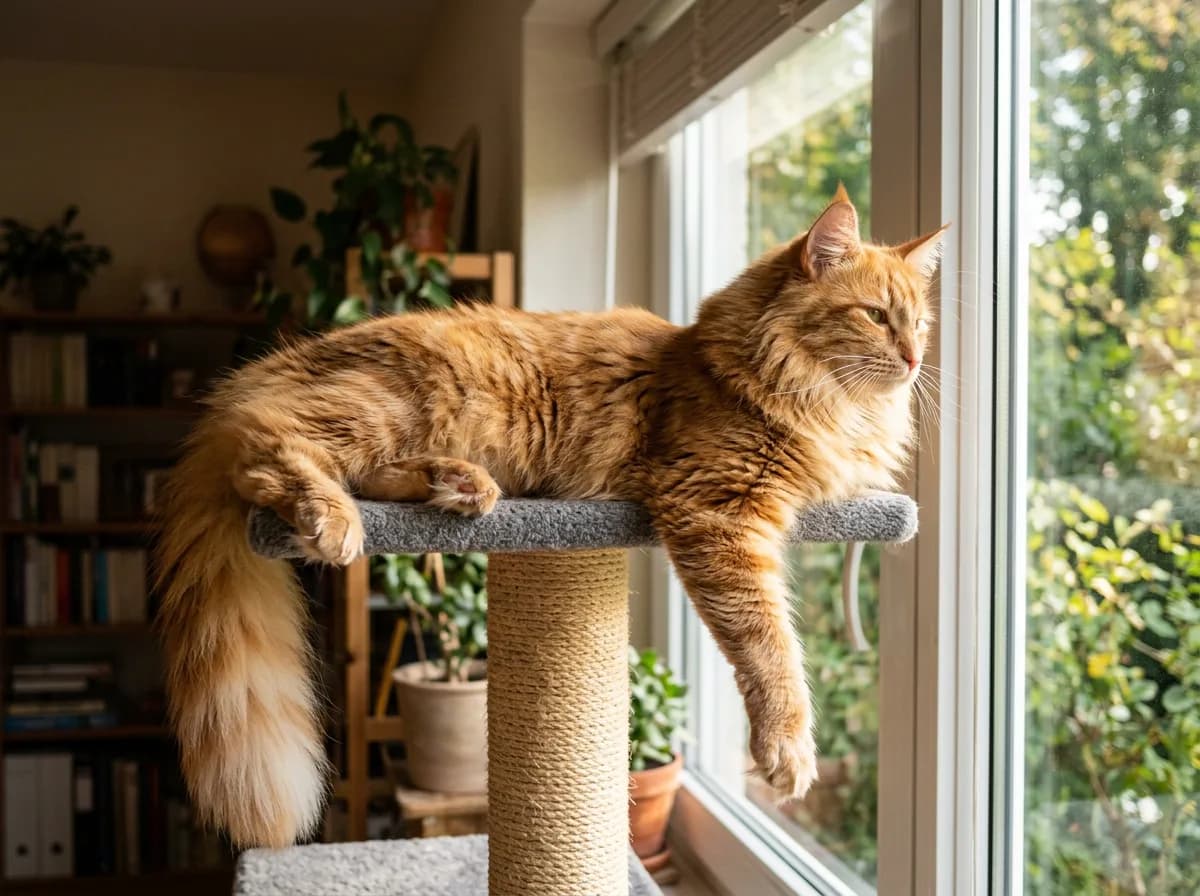
- The Norwegian forest cat is a strong, enthusiastic climber that is happy indoors when given vertical space (tall cat trees, shelves, and window perches). Keeping your Wegie inside removes the biggest external threats to its lifespan while still satisfying its instinct to climb and survey its territory.
What health problems do Norwegian forest cats have?
The breed is generally hardy, but it carries a short list of inherited conditions that conscientious breeders screen for. Knowing them helps you choose a kitten wisely and watch for early signs in an adult cat.
| Condition | What it is | Screening or management |
|---|---|---|
| Glycogen storage disease type IV (GSD IV) | Inherited inability to store and use glycogen properly; the breed's signature genetic disease, usually fatal in affected kittens | DNA test before breeding so no two carriers are paired; ask any breeder for results |
| Hypertrophic cardiomyopathy (HCM) | The most common feline heart disease; the heart muscle thickens and pumps less efficiently | Screening echocardiogram (heart ultrasound) by a cardiologist; vet listens for murmurs at checkups |
| Hip dysplasia | Malformed hip joint that can lead to arthritis, seen in larger-boned cats | Keep the cat lean; joint support, pain control, or surgery for severe cases |
| Polycystic kidney disease (PKD) | Fluid-filled cysts that can gradually impair the kidneys; less common in this breed | Ultrasound or DNA screening in breeding lines; monitor kidney values in older cats |
| Retinal dysplasia | An inherited eye/retina abnormality that can affect vision | Eye exam; responsible breeders avoid affected lines |
Glycogen storage disease type IV (GSD IV): the breed's signature disease
If you read about one Norwegian forest cat health issue, make it this one. Glycogen storage disease type IV is the genetic disease most closely associated with the breed. It is caused by a deficiency of the glycogen branching enzyme (GBE1), and it is inherited in an autosomal recessive pattern, which means a kitten must receive a faulty copy of the gene from both parents to be affected. A cat with just one copy is a healthy "carrier" that shows no symptoms but can pass the gene on.
In affected kittens the disease disrupts the body's ability to store and release energy from glycogen. Many affected kittens are stillborn or collapse from low blood sugar within hours of birth; those that survive the newborn period typically develop a progressive neuromuscular decline later in their first year, and the condition is usually fatal. Affected cats that live past infancy generally do not reach more than a few years of age.
The crucial, hopeful point is that GSD IV is completely preventable through DNA testing. A simple genetic test (offered by veterinary genetics labs such as the UC Davis Veterinary Genetics Laboratory) identifies whether a cat is normal, a carrier, or affected. Responsible breeders test their breeding cats and never pair two carriers, so no affected kittens are produced. A healthy kitten from tested parents is at no risk of developing GSD IV later in life.
- Before you buy a Norwegian forest cat kitten, ask the breeder to show GSD IV DNA test results for both parents. A reputable breeder will have them and will share them without hesitation. If a breeder cannot or will not provide GSD IV testing documentation, walk away. This single question is the most important health step you can take when choosing a Wegie.
Hypertrophic cardiomyopathy (HCM)
Hypertrophic cardiomyopathy is the most common heart disease in cats, and according to the Cornell Feline Health Center the Norwegian forest cat is among the breeds with higher prevalence (a list that also includes the Maine Coon, Ragdoll, British Shorthair, Sphynx, and Siberian). In HCM the muscular walls of the heart thicken, which reduces how efficiently the heart pumps blood.
Many cats with HCM show no outward signs for a long time. When the disease progresses, owners may notice labored or rapid breathing, open-mouthed breathing, lethargy, or loss of appetite. Cornell notes that the most serious complications are congestive heart failure and blood clots (thromboembolism), which most often lodge in and block circulation to the hind legs and cause sudden pain or weakness. HCM is diagnosed by echocardiography (a heart ultrasound), and cats that show no clinical signs often live for years with monitoring and, when needed, medication.
- Get to a veterinarian or emergency clinic immediately if your Norwegian forest cat shows open-mouthed or heavily labored breathing, sudden hind-leg weakness or dragging of the back legs, collapse, a distended or painful belly, or has not urinated in a day. These can signal heart failure, a blood clot, or a urinary blockage, and minutes matter.
Hip dysplasia, PKD, and retinal dysplasia
As a larger, heavier-boned breed, the Norwegian forest cat can develop hip dysplasia, a malformation of the hip joint that may lead to arthritis, stiffness, or reluctance to jump. It is partially hereditary; keeping your cat at a lean body weight, providing easy-access steps to favorite perches, and using veterinary-recommended joint support or pain control all help an affected cat stay comfortable. Severe cases can be addressed surgically.
Two less common concerns round out the list. Polycystic kidney disease (PKD) causes fluid-filled cysts that can slowly reduce kidney function; it is screenable in breeding lines and worth monitoring through bloodwork as a cat ages. Retinal dysplasia is an inherited abnormality of the retina that can affect vision, which responsible breeders avoid by not breeding affected cats. Neither is as strongly associated with the breed as GSD IV or HCM.

63-inch multi-level cat tree with scratch posts, hammock, plush perches, and dangling toys. Vertical territory is non-negotiable for high-energy climbing breeds like the Bengal.
Petful may earn a commission when you click through to Chewy, at no extra cost to you.
How responsible breeders protect the breed's lifespan
The length and quality of a Wegie's life often start before you bring the kitten home. A responsible Norwegian forest cat breeder:
- DNA-tests for GSD IV and pairs cats so no affected kittens can be produced.
- Screens breeding cats for HCM with periodic echocardiograms by a veterinary cardiologist.
- Considers hip and eye screening for breeding stock, especially in larger lines.
- Provides a health guarantee and a written record of the kitten's and parents' testing.
- Raises kittens in a clean, social home environment and does not release them too young.
- You do not have to buy from a breeder to give a Norwegian forest cat a long life. Breed-specific rescues and shelters place wonderful Wegies and Wegie mixes. An adopted adult of unknown lineage can absolutely live a full lifespan; you simply lean a little harder on regular veterinary checkups to catch anything inherited early.
SponsoredVet care that's always there
Unlimited video calls and messaging with licensed vets for less than a typical vet visit. One membership covers up to five pets.
Use code Pets30
Plans start at $11/month · covers up to 5 pets
- Licensed vets in most states
- Rx for 150+ conditions
- 4.7 on Trustpilot
Signs to watch for by life stage
Catching problems early is what turns a treatable issue into a long life. What to watch shifts as your Wegie ages.
Kitten (0 to 1 year)
The newborn and early-kitten window is when GSD IV reveals itself, which is why parental DNA testing matters so much. In a kitten from tested parents, focus on normal milestones: steady weight gain, good appetite and energy, and completing the core vaccine and deworming schedule. Report any persistent weakness, tremors, or failure to thrive to your vet right away.

108-oz stainless steel pet fountain with quiet pump and water-level window. Bengals are notoriously water-obsessed; a flowing fountain encourages hydration and pulls them away from sinks and toilets.
Petful may earn a commission when you click through to Chewy, at no extra cost to you.
Adult (1 to 10 years)
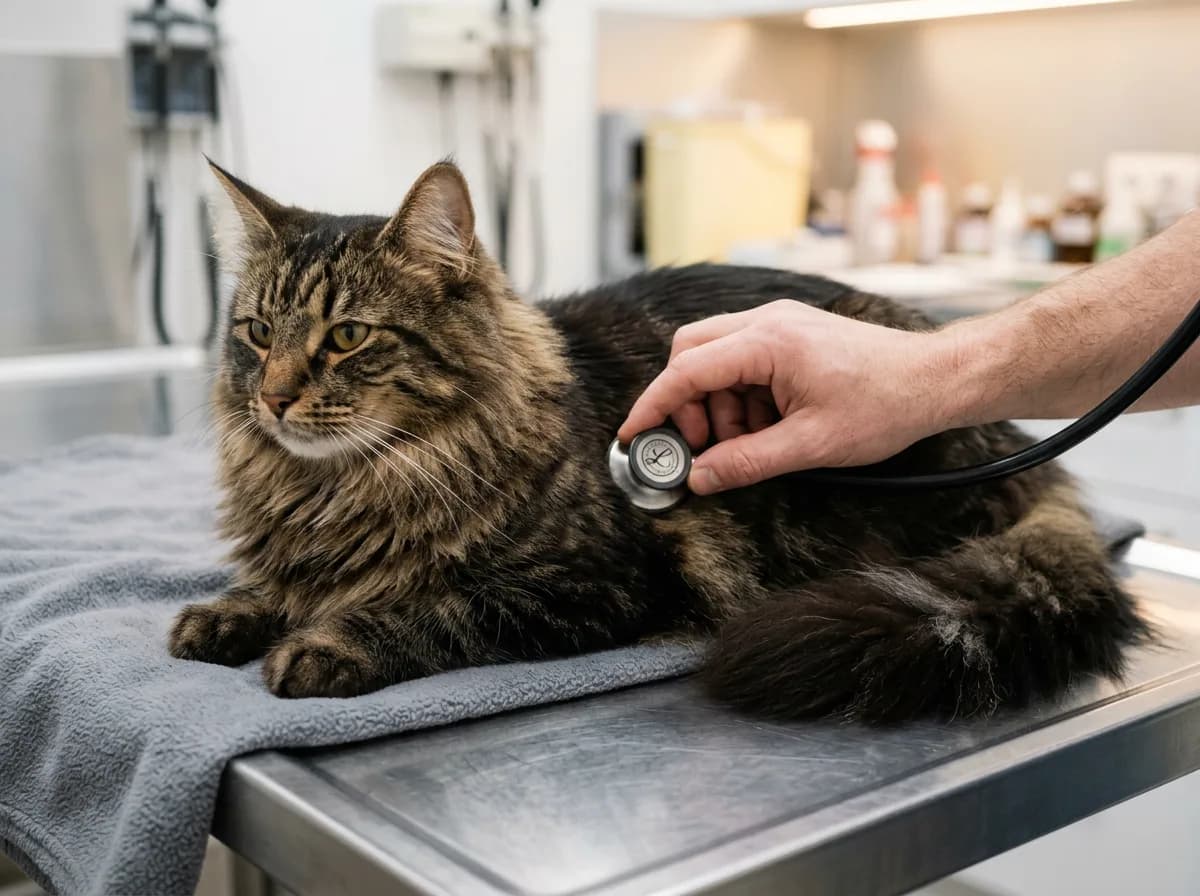
This is the long, healthy stretch for most Norwegian forest cats. Maintain annual wellness exams, keep the cat lean as it slowly grows into its full size around age 5, and stay current on dental care. Ask your vet to listen carefully for heart murmurs or gallop rhythms at each visit, since HCM can be silent in its early stages.
Senior (10 years and older)
Older Wegies benefit from twice-yearly vet visits with bloodwork to catch kidney disease, thyroid changes, and heart disease early. Watch for increased thirst or urination, weight loss, reduced grooming or matting (common as arthritis makes self-grooming harder), changes in appetite, stiffness, or new lumps. Most of these are manageable when caught early.
- The Norwegian forest cat's dense, water-resistant double coat is harder for an arthritic senior to maintain. Step up your own brushing to a few times a week in the later years to prevent painful mats, and check the "knickerbocker" britches on the hind legs and the area around the tail, where tangles form first.
How can I help my Norwegian forest cat live longer?
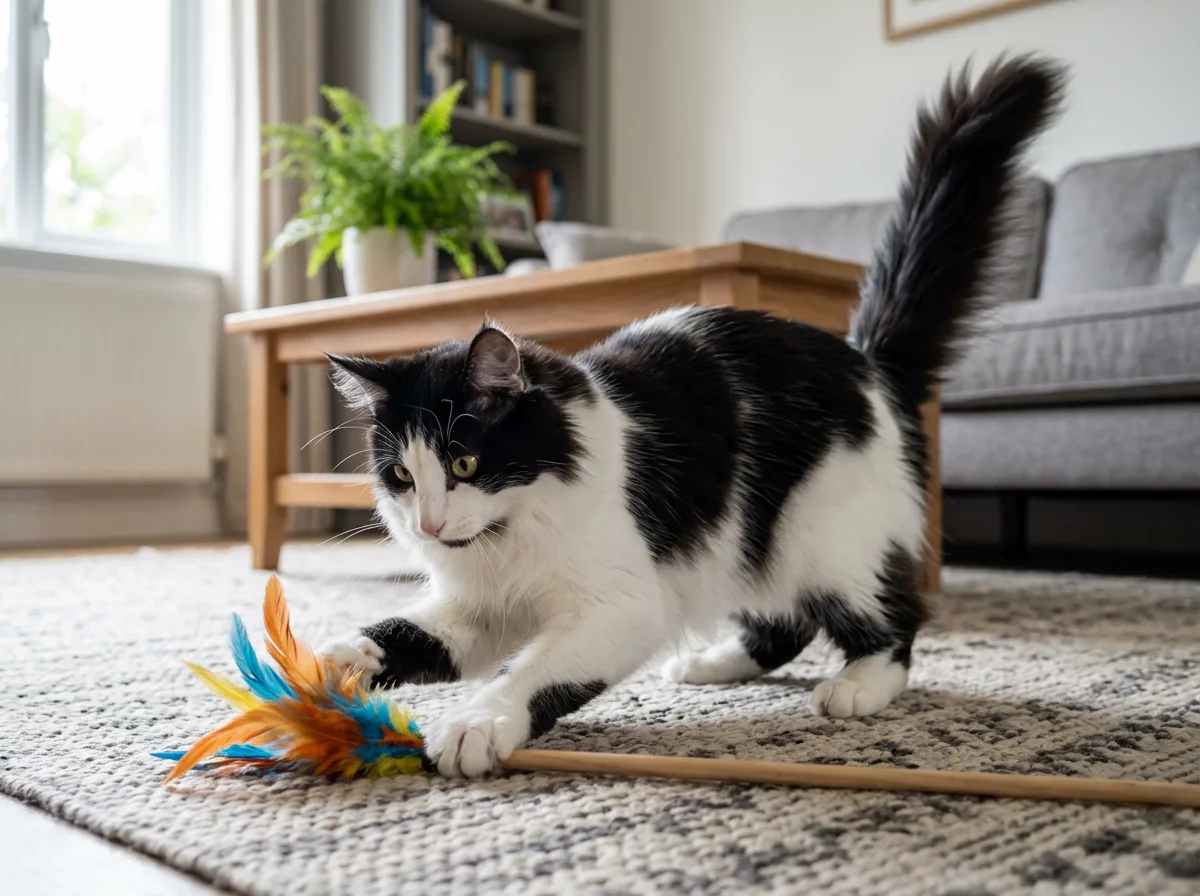
You cannot change your cat's genes, but everyday choices add up to real years. The highest-impact habits:
- Keep your Wegie at a healthy weight. Lean cats outlive overweight cats. Measure food, limit treats, and ask your vet for an ideal target weight given your cat's frame.
- Feed a complete, life-stage diet. Choose a quality food formulated to meet AAFCO standards for your cat's life stage; fresh water should always be available (many Wegies love to play in it).
- Keep them indoors (or supervised). Indoor living removes the biggest external risks to lifespan.
- Stay on top of dental care. Dental disease is common, painful, and linked to other health problems; brushing and veterinary cleanings help.
- Never skip the vet. Yearly exams for adults and twice-yearly for seniors catch heart, kidney, and dental issues while they are still treatable.
- Provide enrichment and climbing. A mentally engaged, physically active cat that can climb and explore stays healthier in body and mind.
Norwegian forest cats typically live 12 to 16 years, and many reach their mid-to-late teens with good care. TICA lists a life expectancy of 13 or more years, and a small number of indoor, well-cared-for cats have been reported to approach 20.
Most Wegies live out a normal lifespan and pass from age-related causes such as kidney disease, cancer, or heart disease. The breed-specific conditions that can shorten a life are glycogen storage disease type IV (GSD IV) in affected kittens and hypertrophic cardiomyopathy (HCM) in adults. Both are screenable, which is why buying from a testing breeder matters.
The main inherited concerns are glycogen storage disease type IV (GSD IV), hypertrophic cardiomyopathy (HCM), hip dysplasia, and less commonly polycystic kidney disease (PKD) and retinal dysplasia. Most individual cats never develop any of them, especially when they come from health-tested parents.
GSD IV (glycogen storage disease type IV) is the breed's signature genetic disease, caused by a deficiency of the glycogen branching enzyme (GBE1). It is inherited recessively, so a kitten must get a faulty gene copy from both parents to be affected. It is usually fatal in affected kittens but completely preventable, because a DNA test lets breeders avoid pairing two carriers.
Yes. As a natural landrace breed, the Norwegian forest cat is generally robust and long-lived, with a relatively short list of inherited diseases. Choosing a kitten from a breeder who DNA-tests for GSD IV and screens for HCM, then keeping the cat lean, indoors, and up to date on vet care, gives most Wegies a full, healthy life.
Keep your cat at a healthy weight, feed a complete life-stage diet, keep it indoors, stay on top of dental care, and never skip annual (or twice-yearly senior) vet exams. Starting with a health-tested kitten removes the biggest genetic risks before they ever appear.
Yes. Indoor cats avoid traffic, predators, fights, infectious disease, and poisons, so they generally live longer than cats with unsupervised outdoor access. The Norwegian forest cat is a happy indoor cat as long as it has tall cat trees, shelves, and perches to satisfy its love of climbing.
The bottom line on Norwegian forest cat longevity
A Norwegian forest cat lifespan of 12 to 16 years is the realistic, well-supported expectation, and the mid-to-late teens are very achievable. The story is mostly a good one: this is a naturally hardy breed, and the conditions that can cut a life short are largely avoidable. Start with a kitten from a breeder who DNA-tests for GSD IV and screens for HCM, keep your Wegie lean and indoors, stay current on dental and veterinary care, and you give your gentle, climbing companion every chance to be with you well into its teens.
For more on the breeds people most often compare with the Wegie, see our profiles of the Maine Coon, the Siberian cat, and the Ragdoll. You can also compare longevity across breeds with our guide to the Persian cat lifespan.

Coreen Saito is a pet writer and longtime shelter volunteer with more than a decade in animal rescue. She covers cat behavior, breed care, and the small, ordinary science of sharing a life with companion animals, with a particular focus on honest takes about the products and decisions that actually matter. At home in Arizona, she's outranked by Mac (a dog with the loudest opinion in the house), Rebel (a cat who governs by quiet authority), and Meri (an orange tabby who runs the late shift and the laundry basket). She writes about all three, plus the rescues that keep coming through her life, at LifeWithMinty.com.
Sign up for expert-backed reviews and safety alerts all in one place.