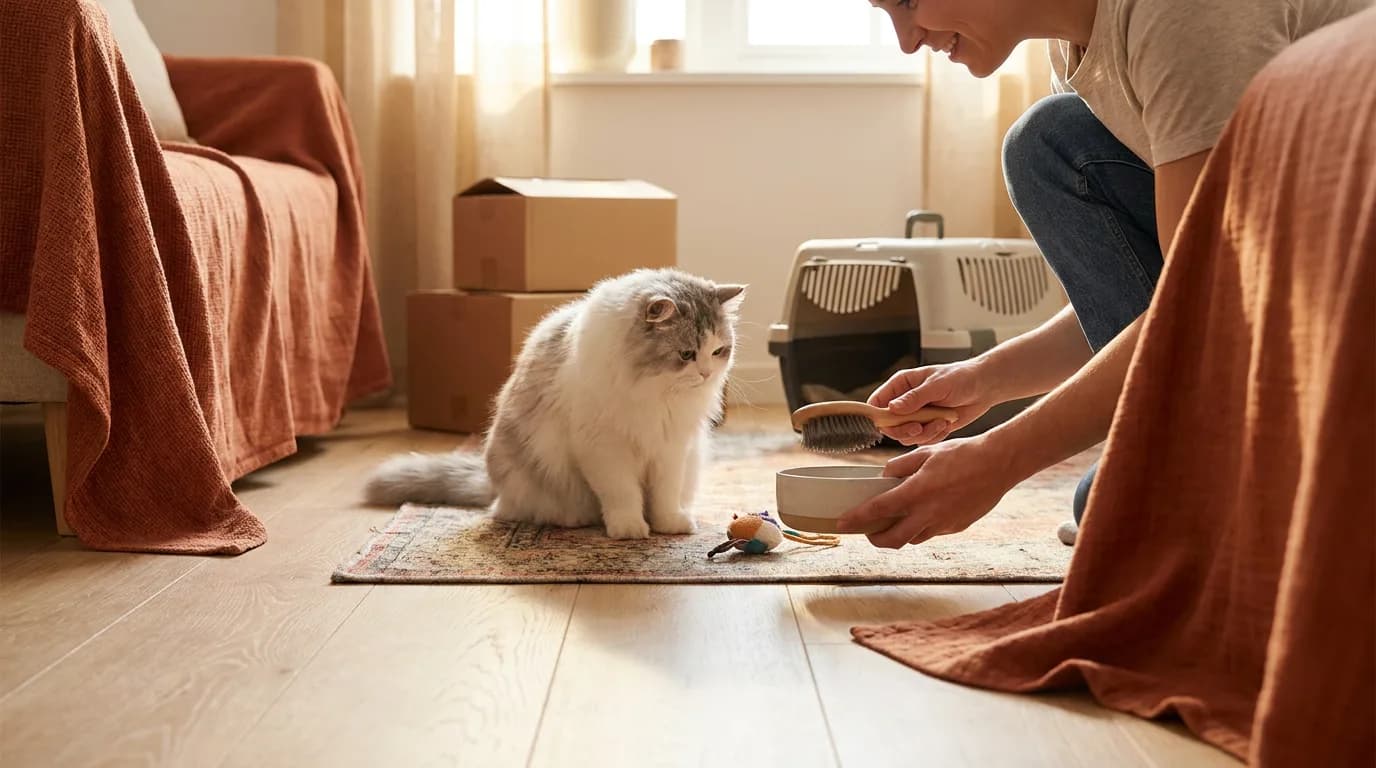
Exotic Shorthair Price: Cost and Lifetime Budget
Exotic Shorthair price is only the opening cost. Compare an adoption fee or breeder quote, then budget setup, recurring supplies, grooming, veterinary care, insurance and emergencies.

Petful is reader supported. As an affiliate of platforms like Amazon and Chewy, we may earn a commission when you buy through links on this page. There is no extra cost to you.
The Exotic Shorthair price is only the first line in a much larger ownership budget. In U.S. search results captured in August 2026, Adopt a Pet cited roughly $800 to $2,500 or more for a breeder kitten and about $75 to $150 for adoption. Other current listings and guides extended the breeder range higher. These are dated planning references, not quotes, quality scores, or guarantees.
A useful budget has separate lines for acquisition, first-year setup, recurring care, grooming, preventive veterinary care, insurance choices, and emergencies. It also asks what each seller or rescue fee includes. A high price does not prove ethical practices, health, temperament, or pedigree, while a low fee does not make lifetime care inexpensive.

Sign up for expert-backed reviews and safety alerts all in one place.
Exotic Shorthair Price at a glance
Exotic Shorthair price and exotic Shorthair cat price searches often begin with one acquisition number, but the useful answer is a layered budget. Start with the dated U.S. planning range, confirm a current itemized local quote, and record any adoption fee, deposit, registration transfer, transport charge, and included veterinary care separately. Then add first-year setup, recurring supplies, grooming, preventive medicine, insurance choices, and emergency cash.
Ranking pages understate ongoing care and uncertainty. A responsible comparison therefore treats price as evidence about a transaction, not evidence about health, ethics, pedigree, personality, or future veterinary needs. The household should be able to replace every national estimate with its own local source, document what each line includes, and understand which amounts are predictable, optional, recurring, or genuinely uncertain.
- 1Answer-first breed guidance starts with the dated acquisition range, then separates setup, recurring care, preventive medicine, and emergency planning
- 2Individual cats can vary in care needs and lifetime cost
- 3Compare included records and care before comparing price alone
- 4Replace national planning references with current itemized local quotes
Exotic Shorthair price at a glance
Use the August 2026 ranges as a starting point, then replace them with current itemized local quotes. The exact exotic shorthair price and exotic shorthair cat price can change with geography, age, pedigree, registration, veterinary work, transportation, seller practices, and intended placement. An adoption fee also varies according to the organization and documented included care.
One purchase range without a cash-flow plan hides the ownership decision. This guide uses clear decision labels and source-aware breed distinctions so acquisition, recurring supplies, preventive medicine, and lifetime scenarios remain separate rather than appearing to be one dependable total.
Keep these four cost groups separate:
- Acquisition: Purchase price, adoption fee, deposit, registration transfer, and transport.
- Initial setup: Carrier, litter setup, feeding station, resting area, scratcher, grooming supplies, and home safety changes.
- Recurring care: Food, litter, routine face and coat care, preventive veterinary services, dental care, insurance, and replacement supplies.
- Unpredictable care: Urgent visits, emergency treatment, chronic disease, major dentistry, medications, boarding changes, and equipment failure.

| Clear decision labels | Source-aware breed distinctions to verify |
|---|---|
| Acquisition | Current written price or adoption fee, deposit terms, identity records, included care, pickup, and transport |
| First-year setup | Carrier, litter system, feeding and water stations, bed, scratcher, grooming supplies, and intake care |
| Recurring supplies | Food, litter, routine veterinary and dental care, grooming supplies, insurance, and replacement parts |
| Breed-relevant planning | Routine eye-area and coat care, heat-safe housing, veterinary assessment, and health-screening records |
| Contingency | Cash available for a deductible, urgent examination, emergency care, medication, and follow-up before reimbursement |
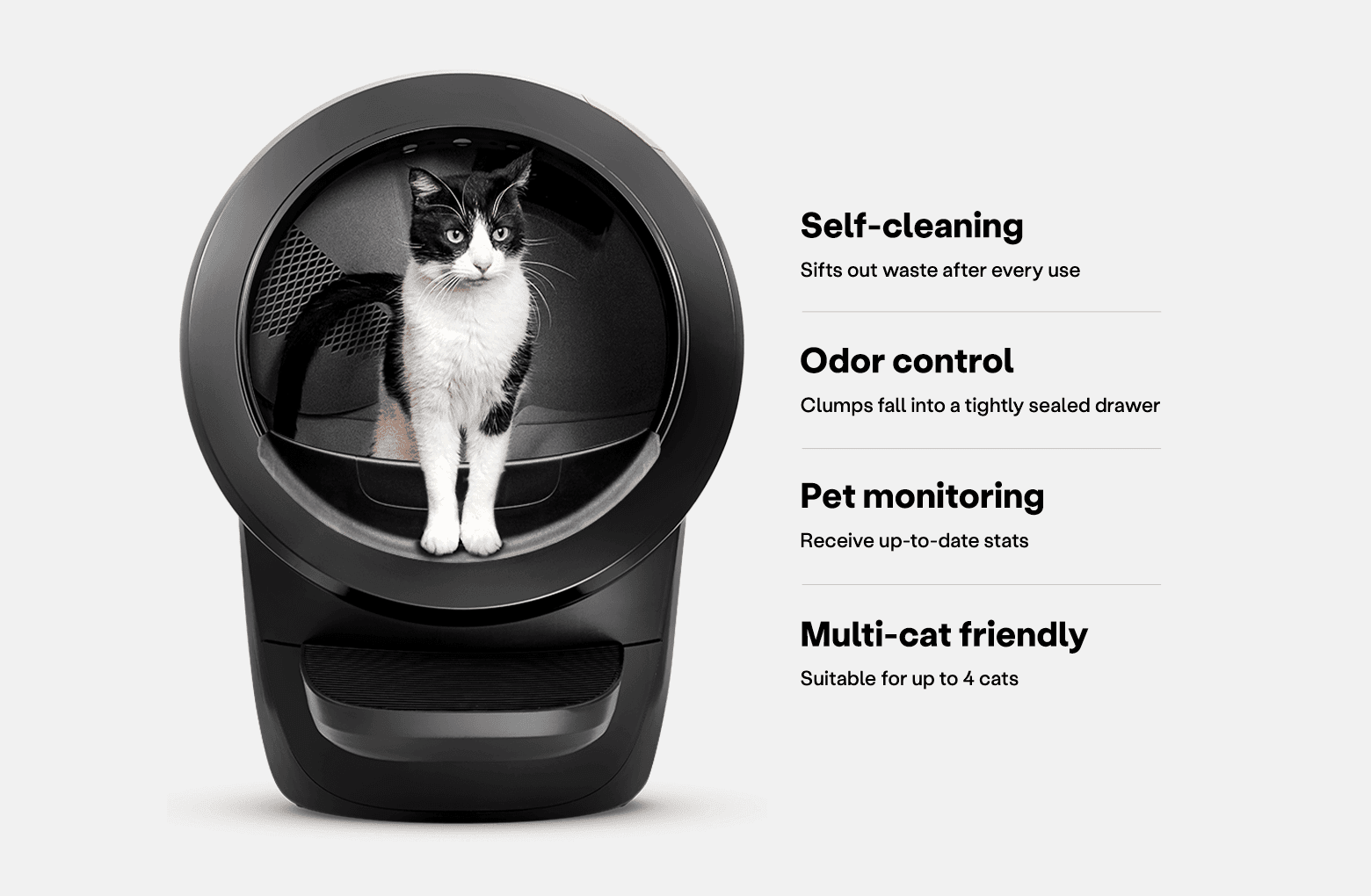
The proven Litter-Robot trusted by 1.8M+ households, with real-time litter and waste tracking in the Whisker app. The established pick if you want Litter-Robot reliability for less.
Petful may earn a commission when you click through to Whisker, at no extra cost to you.
Why Exotic Shorthair prices vary
An Exotic Shorthair kitten cost can change with region, age, pedigree, registry documents, included veterinary care, transportation, and contract terms. Some sellers also price by color, markings, or show potential. None of those pricing choices proves that a kitten is healthier or better suited to your household.
Ask for an itemized quote that names:
- The full price and deposit amount.
- When the deposit is refundable or transferable.
- Which pedigree and registration documents transfer with the cat.
- Which veterinary examination, vaccinations, microchip, and sterilization services are complete.
- Which health-screening records belong to the parents and which records belong to the kitten.
- Pickup, health certificate, carrier, delivery, or travel charges.
- Return terms and support after placement.
The TICA Pet Buyers Guide and CFA guide to buying a pedigreed cat provide useful verification questions. Registry affiliation is a starting point, not a blanket endorsement of every transaction. Independently confirm the breeder, records, kitten, and payment terms.
Compare complete packages, not headline numbers
Two identical prices may describe different packages. One could include a traceable pedigree, registration transfer, microchip, age-appropriate veterinary care, written contract, and clear return terms. Another could include none of them. Put each quote into the same worksheet before deciding which is less expensive.
The Exotic Shorthair breed guide explains the breed's body, coat, personality tendencies, and care context. Use the full breed picture when deciding whether a quoted cat and the expected routine fit your household. Do not pay a pedigree premium based on a short coat, round head, or flat-faced appearance alone.
Turn every quote into the same worksheet
Create one row for the amount due now and another for every later obligation. A deposit, balance, transport charge, health certificate, registration transfer, sterilization agreement, pickup deadline, and required return condition should not be hidden inside a single package label. Mark an item as included only when the written quote or contract actually says so.
Then compare documentation quality separately from price. Record which named cat appears on each veterinary or laboratory report, whether microchip details transfer, and whether the contract explains refunds, returns, and unexpected illness. This process cannot certify a seller, but it makes missing evidence visible before payment.
Color and popularity are not evidence
A currently popular orange, calico, blue, silver, or pointed coat may carry a higher asking price. That is a seller's market decision, not proof of ancestry, ethics, health, or future temperament. Ask for the same documentary evidence no matter which coat you prefer.
If a listing claims that one color is healthier, calmer, rarer, or more valuable, request the source and separate appearance from the actual record. Petful's Exotic Shorthair colors guide owns the complete color map and explains why coat appearance cannot prove breed identity.
Adoption and retired-adult costs
An Exotic Shorthair adoption fee may be lower than a breeder price, but the fee is not the complete first-year budget. Ask which examination, vaccination, microchip, sterilization, parasite, and dental services are documented. A rescue or shelter label may describe resemblance when pedigree history is unavailable.
Compare four possible routes:
- Shelter or rescue: Often a lower acquisition fee and useful observed behavior, with pedigree history that may be unknown.
- Retired adult from a breeder: Potentially deeper ancestry and medical records, plus a need to understand prior living conditions and transition needs.
- Owner rehoming: Highly variable records and cost; verify identity, veterinary history, microchip transfer, and authority to place the cat.
- Pedigreed kitten: Usually a higher fee and more opportunity to assess the breeding program before placement, while future personality and health remain individual.
Free does not mean cost-free. An informal rehoming may need an immediate examination, vaccinations, microchip, parasite care, dentistry, sterilization, or other services. Build the budget from the documented medical history rather than subtracting assumed care from the first-year total.
Price the transition, not only the transfer
An adult cat may arrive with a carrier, food, litter preference, bed, or medication, but those supplies do not eliminate transition costs. Confirm what can safely continue, what needs veterinary review, and what must be replaced. Include a quiet room setup, several weeks of familiar food when available, microchip transfer, and any recommended follow-up.
Behavior information can also affect the plan. A cat that has not lived with other pets may need separated resources and a slower introduction. A cat with limited handling tolerance may need a carrier with a different opening or a grooming plan built around short cooperative sessions. These are household-planning questions, not reasons to assign a lower value to the cat.

Petful may earn a commission when you click through to Chewy, at no extra cost to you.
First-year Exotic Shorthair budget
The Exotic Shorthair first-year cost combines acquisition, home setup, intake care, recurring supplies, grooming, and a contingency reserve. Start with safety and care needs before shopping for convenience.
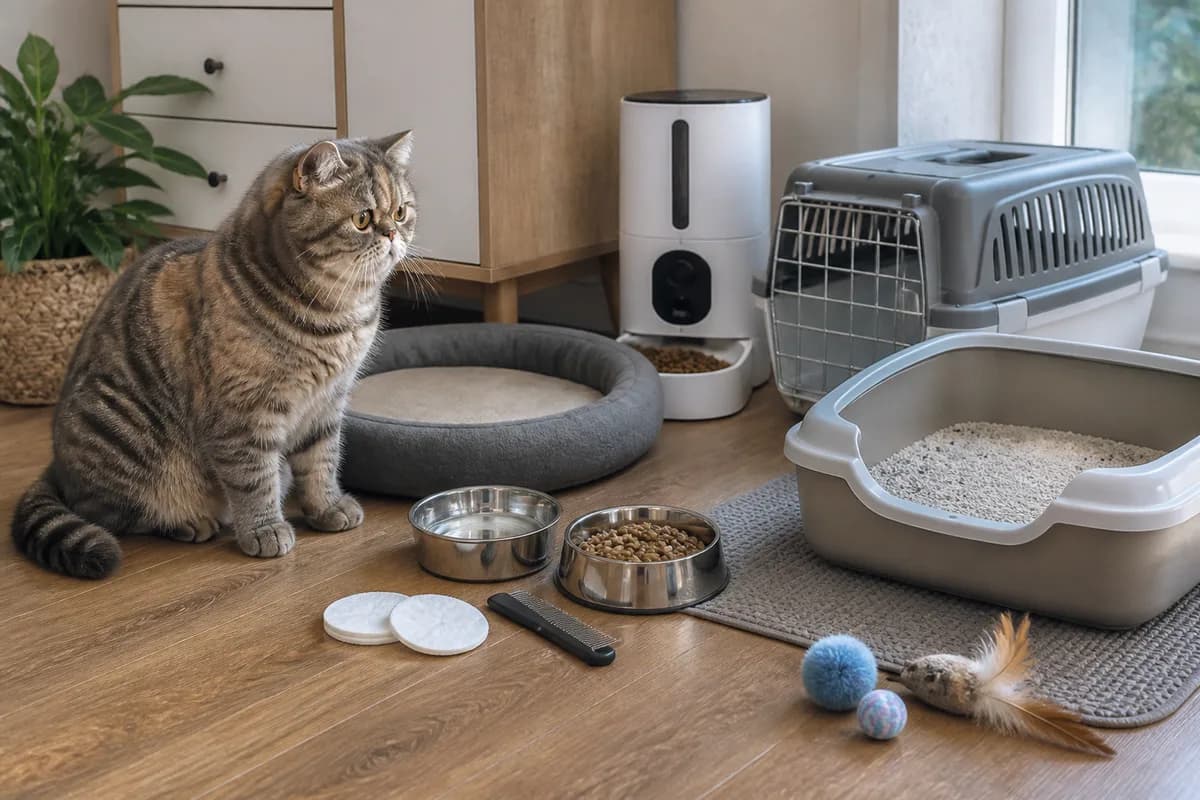
Create a cash-flow calendar rather than one undifferentiated total:
- Put the balance, transport, and carrier in the placement month.
- Add the intake examination on the veterinarian's recommended timeline.
- Add only the vaccines, microchip, sterilization, or other services that are not already documented as complete.
- Put food, litter, insurance, and replacement supplies on monthly lines.
- Add routine eye-area and coat-care supplies as small recurring lines.
- Keep an emergency reserve outside the shopping total.
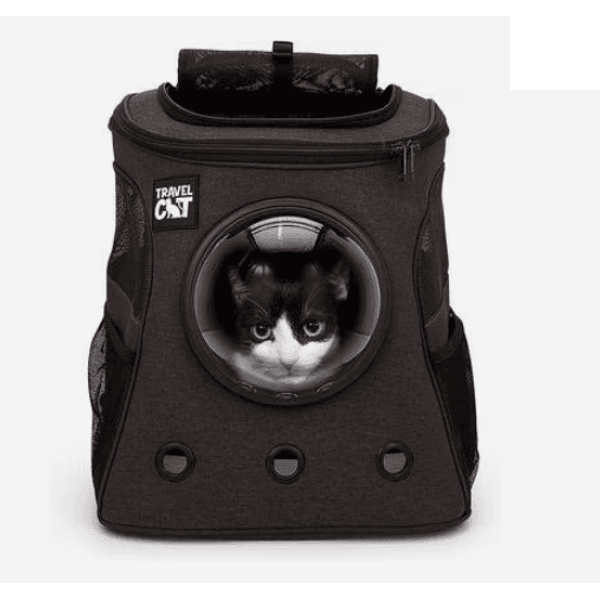
A Travel Cat Fat Cat backpack carrier can fill the transport line only if its interior dimensions, ventilation, closures, and weight rating fit the individual cat. A secure hard-sided carrier may be more appropriate for some cats and trips. The safety category matters more than the product name.
The Petlibro Granary WIFI automatic feeder can support scheduled dry-food portions when automation solves a real routine need. It does not choose the correct diet or calorie target, confirm consumption in a multi-cat home, or safely dispense wet food for long periods.
Minimum setup versus convenience
Label every purchase as essential, optional, recurring, or unpredictable:
- Essential: Safe carrier, appropriate litter boxes, food and water dishes, scratcher, resting places, grooming basics, and veterinary care.
- Optional convenience: Automatic feeder, self-cleaning litter box, app-connected devices, decorative furniture, and subscriptions.
- Recurring: Food, litter, filters, liners, grooming supplies, routine care, medication, and insurance premiums.
- Unpredictable: Emergency care, replacement equipment, boarding disruption, behavior support, and chronic treatment.
The Whisker Litter-Robot 4 belongs in the convenience category, not the minimum setup. Budget for the unit, compatible litter, liners or bags, cleaning, possible replacement parts, and a conventional backup box. Automated scooping does not replace daily observation of urine, stool, and litter-box use.
A Best Friends by Sheri covered cat bed can provide a protected resting option, but some cats prefer open beds, elevated perches, or familiar blankets. Offer choices before buying multiples. A bed should be easy to enter, clean, and place away from conflict or heavy traffic.
For lower-cost enrichment ideas, WebVet's interactive cat toys guide and kitten toys guide can help distinguish active play from passive product collecting. Rotate a small safe toy set instead of treating every new toy as a recurring obligation.
Build the first-year calendar month by month
The placement month often has the largest cash demand, but later expenses deserve dates too. Put food and litter on monthly lines, preventive refills on their expected schedule, insurance premiums on the actual billing cadence, and examinations on the veterinarian's recommended timeline. Add a replacement line for filters, grooming supplies, and worn equipment instead of treating them as surprises.
Keep the emergency reserve outside the shopping balance. A household that spends the reserve on optional equipment still has no reserve. If an insurance policy reimburses eligible expenses, record the deductible, co-insurance, limits, exclusions, and time between payment and reimbursement so the available cash amount is realistic.
Petful may earn a commission when you click through to Chewy, at no extra cost to you.
Annual and lifetime ownership cost
Lifetime cost is a scenario, not a forecast. The model below uses a 15-year planning horizon from placement, shows amounts in today's dollars, excludes acquisition and initial setup, and assumes no inflation. Replace every input with local quotes and actual spending.
Three-scenario lifetime cost bridge
This three-scenario lifetime cost bridge includes recurring supplies, routine face care, preventive medicine, and emergency reserves. It is designed to expose assumptions, not to state an average Exotic Shorthair lifetime cost:
- Lean planning case: $110 per month for recurring supplies plus $600 per year for routine and irregular care equals $1,920 per year, or $28,800 over 15 years.
- Middle planning case: $190 per month plus $1,000 per year for routine and irregular care equals $3,280 per year, or $49,200 over 15 years.
- High-support planning case: $320 per month plus $2,000 per year for routine and irregular care equals $5,840 per year, or $87,600 over 15 years.
- Add separately: Acquisition, initial setup, inflation, a major emergency or chronic treatment, insurance reimbursements, financing, boarding, and end-of-life care.
These are Petful planning assumptions, not market averages. The middle case is not a prediction. One household may spend more on insurance and less on equipment, while another self-funds medical risk. One significant illness can exceed an annual reserve, and a healthy year may use little of it.
The scenarios use identical arithmetic so readers can replace one input at a time. Update the monthly line with actual food, litter, grooming, and insurance spending. Update the annual line with local preventive-care estimates and a separately chosen irregular-care reserve. Do not reduce one category merely to make the final lifetime number feel comfortable.
Include routine face and coat care honestly
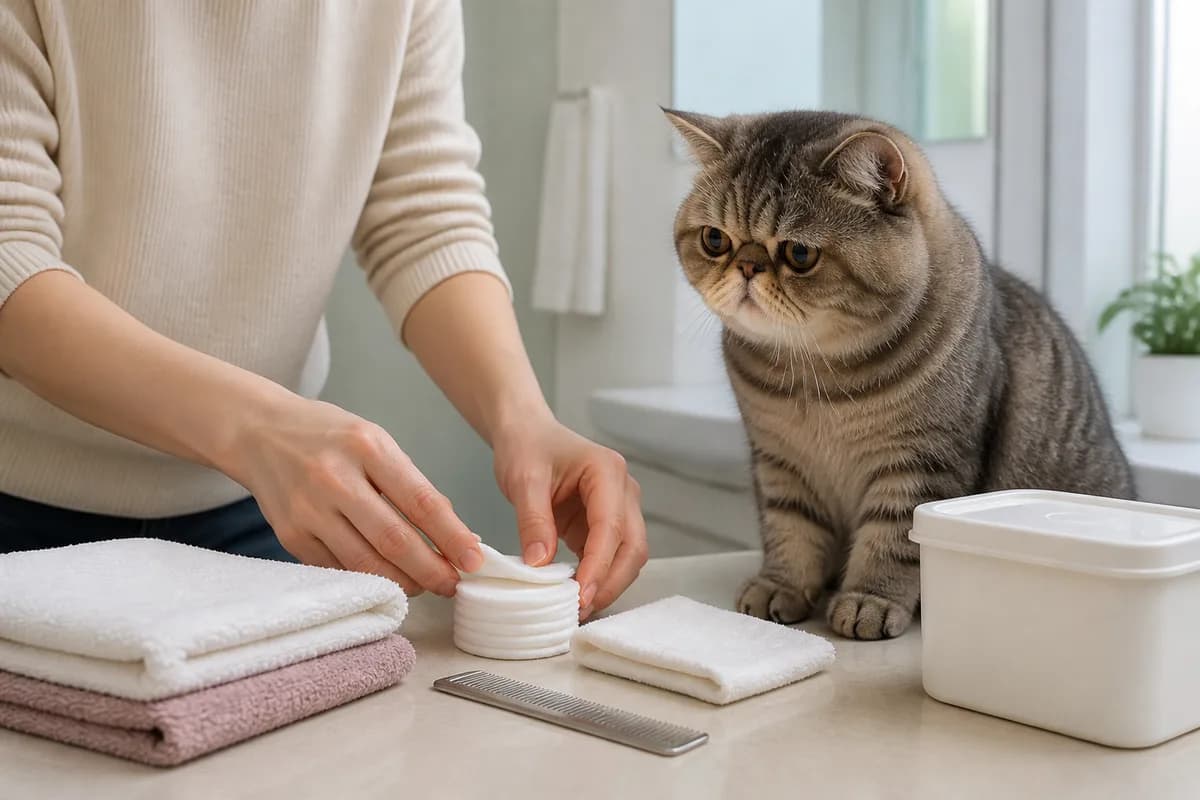
Exotic Shorthairs have short coats, but short does not mean care-free. Some individuals need regular combing and gentle cleaning around the eyes or facial folds as directed by their veterinarian. Include soft pads or cloths, grooming tools, laundry, and time without turning routine care into a home treatment plan.
Do not buy medicated wipes, eye products, or supplements solely from a breed label. Discharge, redness, squinting, odor, pain, skin changes, or a sudden increase in tearing deserves veterinary guidance. The Exotic Shorthair health and lifespan guide owns the deeper medical context.
Recalculate instead of relying on one lifetime total
Review the model at least annually. Replace estimates with receipts, remove genuinely one-time purchases, and raise lines that were consistently understated. Recalculate after a move, diet change, insurance renewal, diagnosis, medication, dental recommendation, or change in travel needs.
Extending the middle case from 15 to 20 years adds five years of its annual assumption. That exercise is useful preparation, not a statement that one cat will live exactly 20 years. A lifespan range describes a population, not an individual deadline.
Stress-test the assumptions
Run the model once with no insurance reimbursement and once with the policy terms you are considering. Then test a year with higher dental or diagnostic spending, a change in food price, and an equipment replacement. The point is not to predict which event will happen. It is to learn whether the household has enough flexible cash when several ordinary costs rise together.
Also separate time from money. Face care, combing, equipment cleaning, clinic travel, medication, and record keeping require labor even when the supplies are inexpensive. A household should identify who can perform those tasks during travel, illness, or a change in work schedule.
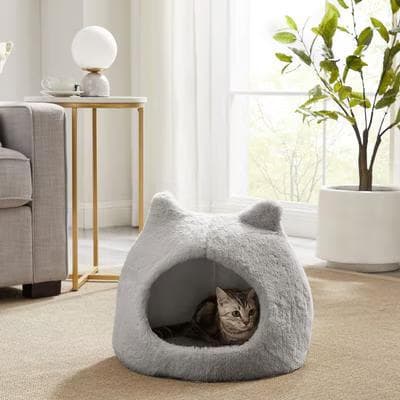
Covered, igloo-style cat bed in soft plush with a water-resistant bottom, giving cats a cozy enclosed spot to curl up. Grey.
Petful may earn a commission when you click through to Chewy, at no extra cost to you.
Food, litter and equipment costs
Food cost depends on calorie needs, format, clinical requirements, waste, and local prices. Compare complete-and-balanced suitability, feeding amount, veterinary guidance, and cost per day rather than package price alone.
A second Petlibro automatic feeder reference is useful when pricing convenience across several years. Include replacement desiccant bags, cleaning, power or connectivity limitations, and a manual feeding plan. Timed dispensing does not prove that the intended cat ate the meal.
Replacement and backup costs
Litter spending includes boxes, litter, mats, waste bags, cleaning supplies, and replacement. When considering a second Litter-Robot 4 link in the budget, compare the full ownership cost with conventional boxes. Keep enough appropriate boxes and at least one reliable backup during introduction or service interruptions.
Inspect equipment over time. A cracked carrier, damaged cord, unstable bed, or unreliable feeder can turn a sunk cost into a safety problem. Replacement should follow condition and need, not fashion.
Veterinary, insurance and emergency planning
Routine veterinary cost depends on location, age, examination findings, dental health, and preventive needs. Insurance cost depends on age at enrollment, region, deductible, reimbursement percentage, annual limit, exclusions, waiting periods, and premium changes.

Build the cash plan around policy terms. Even insured owners may need to pay the full invoice before reimbursement. Keep the deductible, co-insurance, excluded services, and expected processing delay in the emergency reserve calculation.
The same Travel Cat carrier belongs in the veterinary plan because secure transport is necessary long after adoption. Practice voluntary entry, keep current clinic details with the carrier, and confirm that another household member can use it if the primary caregiver is unavailable.
The second covered cat bed link fits the budget only when a protected low-entry rest area serves the individual. A bed is not a treatment for illness or stress. Sudden withdrawal, pain, breathing change, appetite loss, or reduced mobility needs appropriate veterinary assessment.
Assign financial responsibility
If several people share the cat's care, write down who pays premiums, routine invoices, emergency deposits, food orders, litter, grooming supplies, and pet sitting. Confirm who can authorize urgent care and how that person can access the reserve.
Ask for written estimates for non-urgent recommended care. An estimate can separate diagnostics, treatment, medication, follow-up, and monitoring without encouraging a cost article to predict a diagnosis.
What to verify before paying
The FTC's 2026 pet-scam guidance advises buyers to research the seller and be cautious about pressure and unusual payment demands. Independently locate contact information, insist on live interaction, match records to the actual kitten, and read the contract before sending money.
Pause the transaction when any of these conditions appear:
- The seller pressures immediate payment or refuses a live visit or video.
- Pedigree, registration, veterinary, or identity records conflict.
- Surprise transport charges appear after the initial quote.
- Payment is demanded through gift cards, cryptocurrency, wire transfer, or an app without ordinary safeguards.
Petful's Exotic Shorthair kitten and buying-safely guide owns seller verification in depth. Use it before paying a deposit for a cat advertised for sale. This price page does not endorse any breeder, rescue, listing, or payment method.
What to verify before you decide
- Verify documentary records tied to the same named cat, including pedigree, registration, veterinary, screening, microchip, and contract information. Population estimates are not guarantees of one cat's purchase price, health, behavior, or lifetime cost. Pause when a seller will not provide normal access, consistent records, and safe payment terms.
Match names, dates, identification numbers, and parent information across every document. Ask which records concern the parents, which concern the kitten, and which services remain the buyer's responsibility. A neat packet is not enough if the identifiers do not connect the evidence to the cat being offered.
Is this the right choice for your household?
An acquisition budget is ready only when the household can support daily care, time, routine veterinary services, grooming, and unexpected expenses. A lower purchase fee cannot compensate for a care routine that does not fit the home.
- Household fit factors become visible when acquisition, time, routine care, and emergency cash are budgeted separately
- Adoption and retired-adult routes may reduce acquisition cost
- Itemized quotes make seller packages comparable
- Explicit scenarios make assumptions easy to replace
- Individual behavior can vary regardless of price or seller description
- No price guarantees health, ethics, pedigree, or household fit
- Convenience equipment can add replacement and maintenance costs
- Emergencies can exceed any routine annual estimate
Choose the actual cat and documented package, not a price tier. Recheck housing, time, transportation, caregiving backup, and emergency cash before committing.
Run a 30-day budget test before placement
For one month, move the estimated recurring amount into a separate savings account while continuing ordinary household expenses. Add a simulated insurance deductible or emergency contribution. This does not reproduce the work of caring for a cat, but it shows whether the planned cash flow survives groceries, housing, transportation, and irregular bills.
During the test, price the exact food format, litter, clinic, insurance policy, grooming supplies, and travel needs you would use. Do not fill the worksheet with the cheapest national estimate if those options are unavailable locally. If the full contribution cannot be sustained, adjust the timeline, equipment plan, or acquisition route before a cat depends on the budget.
Keep the saved amount as part of the reserve rather than spending it on upgraded setup items. A plain safe carrier, conventional litter box, washable blanket, and small toy rotation can serve well. Financial resilience has more value than a launch-day room filled with convenience products.
Exotic Shorthair Price FAQs
An Exotic Shorthair can cost very different amounts depending on location, age, pedigree, registration, included veterinary care, seller practices, and transportation. Adoption fees may follow a different structure from breeder prices. Published ranges can help with early planning, but they become dated and cannot replace current itemized quotes. Compare what each price includes, verify the cat and records, and never assume that a higher price proves health or ethical breeding.
A useful lifetime plan compares three scenarios for lower, typical, and higher care needs. Each should include the purchase or adoption fee, first-year supplies, food, litter, grooming tools, routine face care, preventive medicine, dental care, medications, insurance if chosen, pet sitting, replacement equipment, and emergency reserves. Costs change with age, health, location, and household choices, so review the plan annually instead of relying on one fixed estimate.
Ask for an itemized quote that identifies the cat, total price, deposit, payment schedule, transportation charges, included veterinary care, registration or pedigree documents, microchip information, screening records, contract terms, refund conditions, and return policy. Confirm the seller's identity and arrange live access to the kitten and environment when possible. A clear quote helps you compare transactions, but the supporting records still need independent verification.

Coreen Saito is a pet writer and longtime shelter volunteer with more than a decade in animal rescue. She covers cat behavior, breed care, and the small, ordinary science of sharing a life with companion animals, with a particular focus on honest takes about the products and decisions that actually matter. At home in Arizona, she's outranked by Mac (a dog with the loudest opinion in the house), Rebel (a cat who governs by quiet authority), and Meri (an orange tabby who runs the late shift and the laundry basket). She writes about all three, plus the rescues that keep coming through her life, at LifeWithMinty.com.
Sign up for expert-backed reviews and safety alerts all in one place.