European Shorthair vs American Shorthair: Breed, Coat and Care
Compare European, American and domestic shorthair labels using records, individual care needs and a practical household-fit framework.
Compare the individual cat’s needs as well as its documented ancestry.
Petful is reader supported. As an affiliate of platforms like Amazon and Chewy, we may earn a commission when you buy through links on this page. There is no extra cost to you.
Comparing European Shorthair vs American Shorthair starts with two separate breed names. Domestic shorthair is a broader description for shorthaired cats without a documented breed pedigree. All three labels can describe appealing companions, and similar-looking cats can fall into different categories.
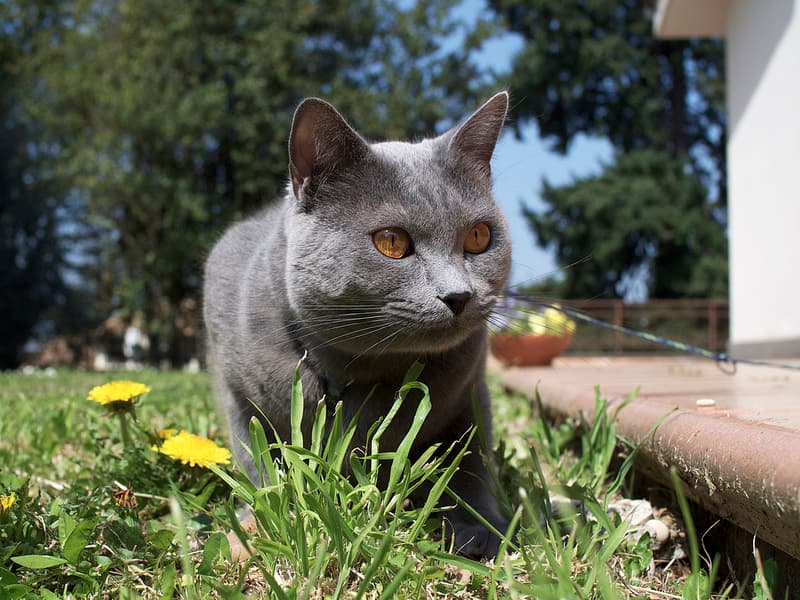
Both breeds have muscular bodies and working-cat roots. The clearest described differences are in their regional history, head and eye details, and coat texture. Here is what the registries actually describe before we turn to choosing and caring for an individual cat.

Sign up for expert-backed reviews and safety alerts all in one place.
European and American Shorthair differences at a glance
This comparison draws on FIFe’s European breed profile and CFA’s American Shorthair introduction. It summarizes breed descriptions; personality and physical details still vary between individual cats.
| Feature | European Shorthair | American Shorthair |
|---|---|---|
| Breed history | Organized preservation of Nordic cats began in the early 20th century | Developed from North American working cats descended from cats accompanying settlers |
| Build | Medium-to-large, muscular and supple | Medium-to-large, strong and muscular |
| Head | Large head, developed cheeks and a gently rounded forehead | Oval head, slightly longer than wide, with a strong jaw |
| Eyes | Large, rounded and slightly slanted | Upper contour gently oval; lower contour more rounded |
| Coat texture | Short, glossy, dense and springy | Thick coat with a comparatively firm, weather-resistant texture |
| Temperament described by the registry | Curious, playful, adaptable and moderately active | Affectionate, easygoing and independent, with an appetite for hunting games |
Ask your veterinarian about body and muscle condition, especially if the cat’s size is one of your reasons for choosing it. Measuring the individual also matters when buying equipment. A medium cat carrier is useful only if the cat fits comfortably within its actual dimensions and the product’s limitations. Breed-average weight is not a substitute for checking that fit.

Soft-sided travel safety carrier that keeps a stressed cat secure and well-ventilated on the way to the vet, with mesh panels for airflow and a seat-belt loop.
Petful may earn a commission when you click through to Chewy, at no extra cost to you.
The texture distinction is more useful than assuming one is simply “fluffier.” Both are shorthaired, substantial cats, so a dramatic size or grooming divide would be misleading. If your priority is an easygoing playmate, both descriptions are compatible with that goal: meeting the cat and asking about its normal routine will narrow the choice more than the breed name alone.
European, American and domestic: what the labels prove
The European is a recognized breed described by FIFe. The American Shorthair has its own CFA breed description and history. Those registry records are the starting point for discussing pedigree identity. A cat does not become an American Shorthair merely because it was born in America, or a European Shorthair because it came from Europe.
Domestic shorthair usually describes a shorthaired cat whose ancestry is mixed or not documented as a particular breed. A shelter may use the label alongside a color, pattern, approximate age and observed temperament. Those are useful descriptions; they do not claim the same thing as a registered pedigree.
The historical wording can cause confusion. CFA’s breed history describes the change from Domestic Shorthair to American Shorthair in the mid-1960s to distinguish the pedigreed breed. That history does not mean every cat described as a domestic shorthair today belongs to the American Shorthair breed.
| Label | What it describes | Best evidence to request | What not to assume |
|---|---|---|---|
| Registered European | A cat with documented European breed ancestry | Verifiable pedigree linked to the cat | That a European birthplace or tabby coat proves the breed |
| Registered American Shorthair | A cat with documented American Shorthair ancestry | Verifiable pedigree linked to the cat | That every US-born shorthaired cat is this breed |
| Domestic shorthair | A broad description of shorthaired cats without a documented breed pedigree | Veterinary, shelter or foster history for the individual | That the label predicts a uniform appearance or personality |
A registered breed is an ancestry claim supported by pedigree documentation. Domestic shorthair is a descriptive label. Evaluate the cat’s documented history and current needs without treating either label as a quality score.
Cat nail clippers are one practical handling tool to plan for with either breed. Introduce paw handling gradually and ask a veterinary professional to demonstrate where to trim if you are unsure. A relaxed cat should be allowed breaks; physical restraint through escalating fear is not a sensible shortcut to finishing every claw at once.

Compact spring-loaded scissor clippers sized for cats and small dogs, with rounded, easy-grip handles.
Petful may earn a commission when you click through to Chewy, at no extra cost to you.
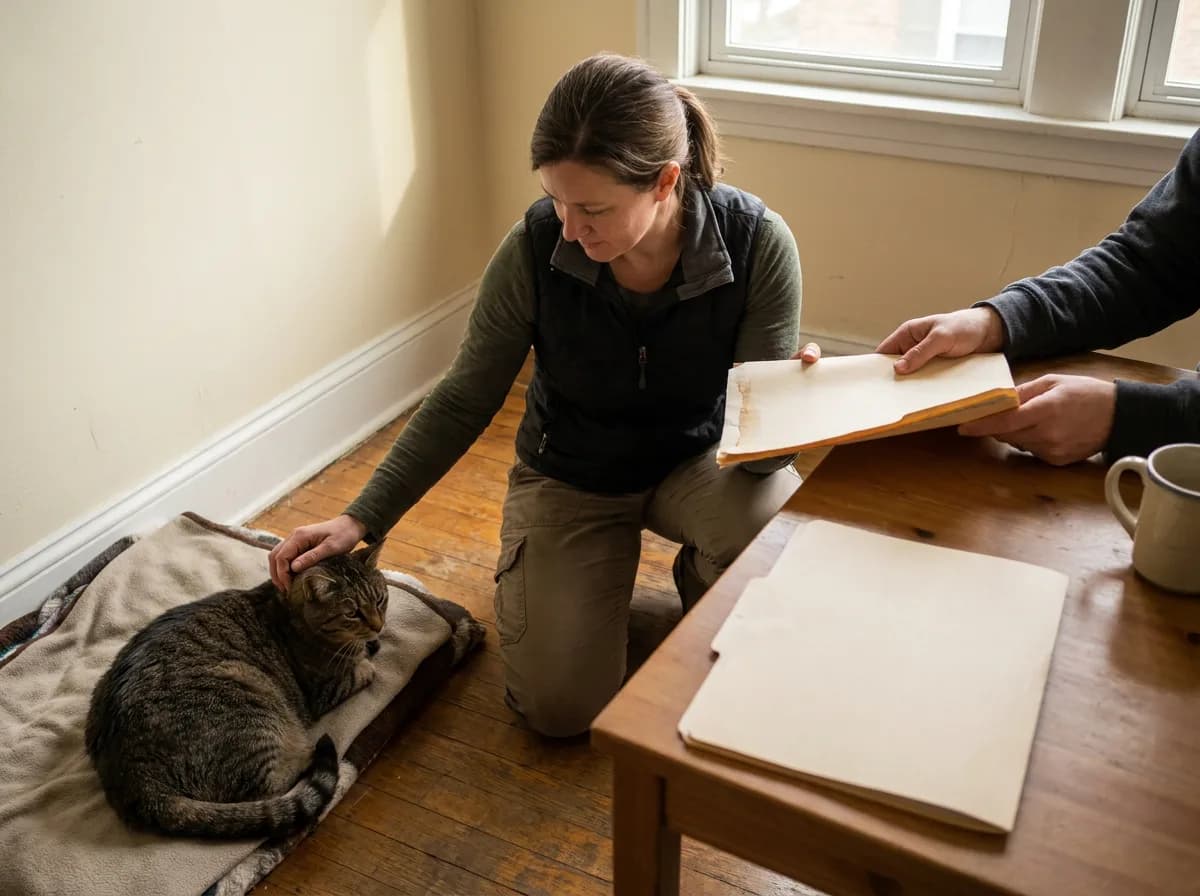
When records are offered, check that the names, identifying details and registration information connect to the actual cat. Ask the seller or organization to explain unfamiliar terms. A vaccination record is important, but it is not a pedigree. A microchip can support individual identification without establishing ancestry on its own.
Petful’s American Shorthair versus domestic shorthair guide covers that two-way distinction in more detail. Here, the additional European breed makes it especially important not to turn a geographic word into proof.
Coat care and household fit
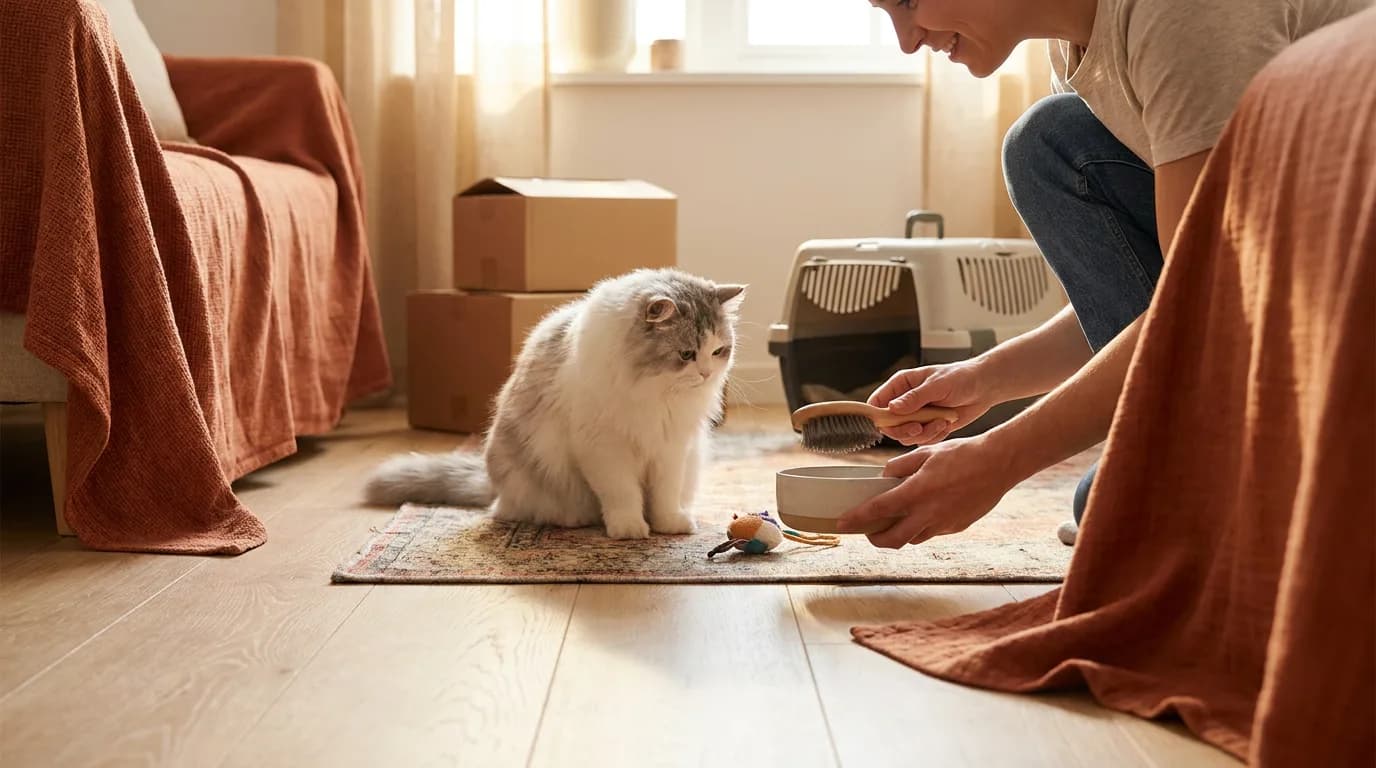
The care overlap is greater than a dramatic “which is better?” comparison might suggest. Both cats need a suitable complete diet, clean litter access, opportunities for scratching and play, comfortable resting places and individual veterinary care. A domestic shorthair needs those same foundations, with adjustments for its actual coat and health.
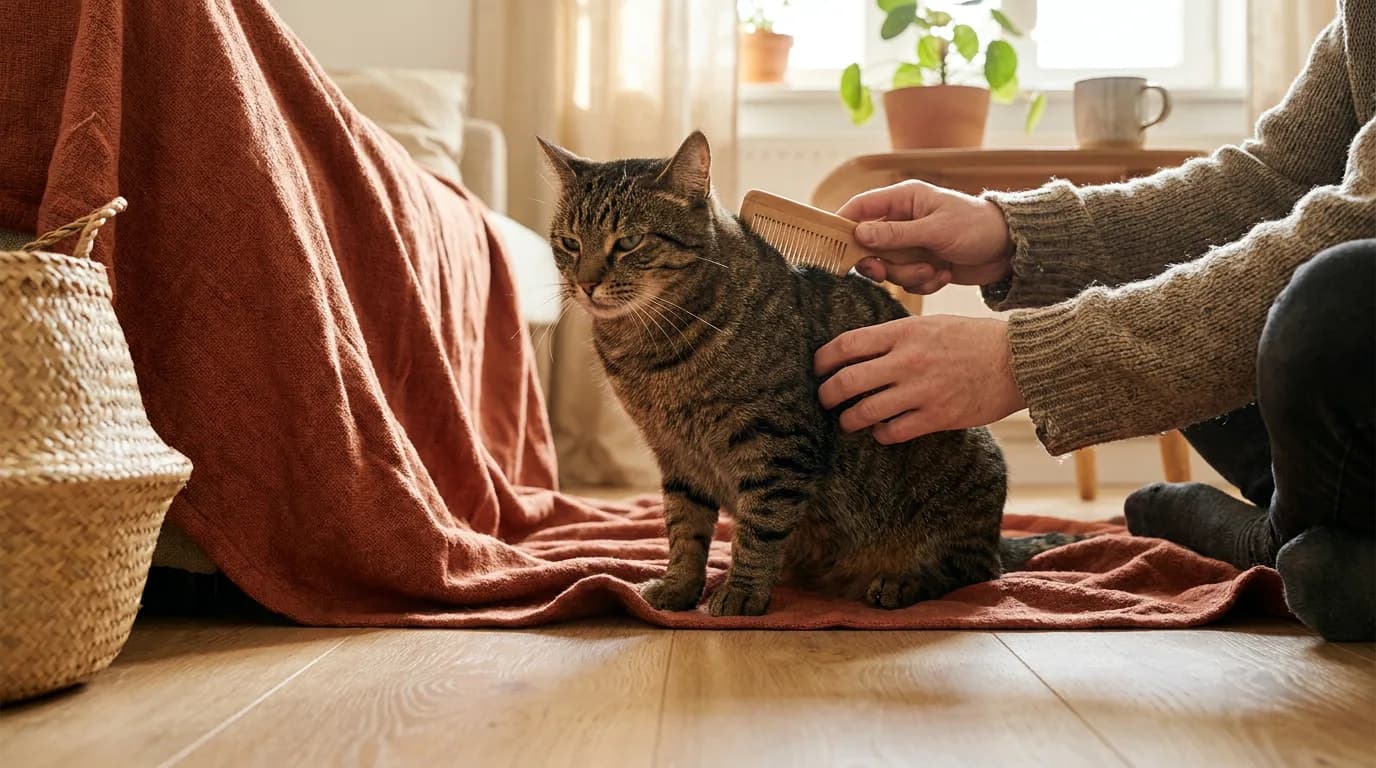
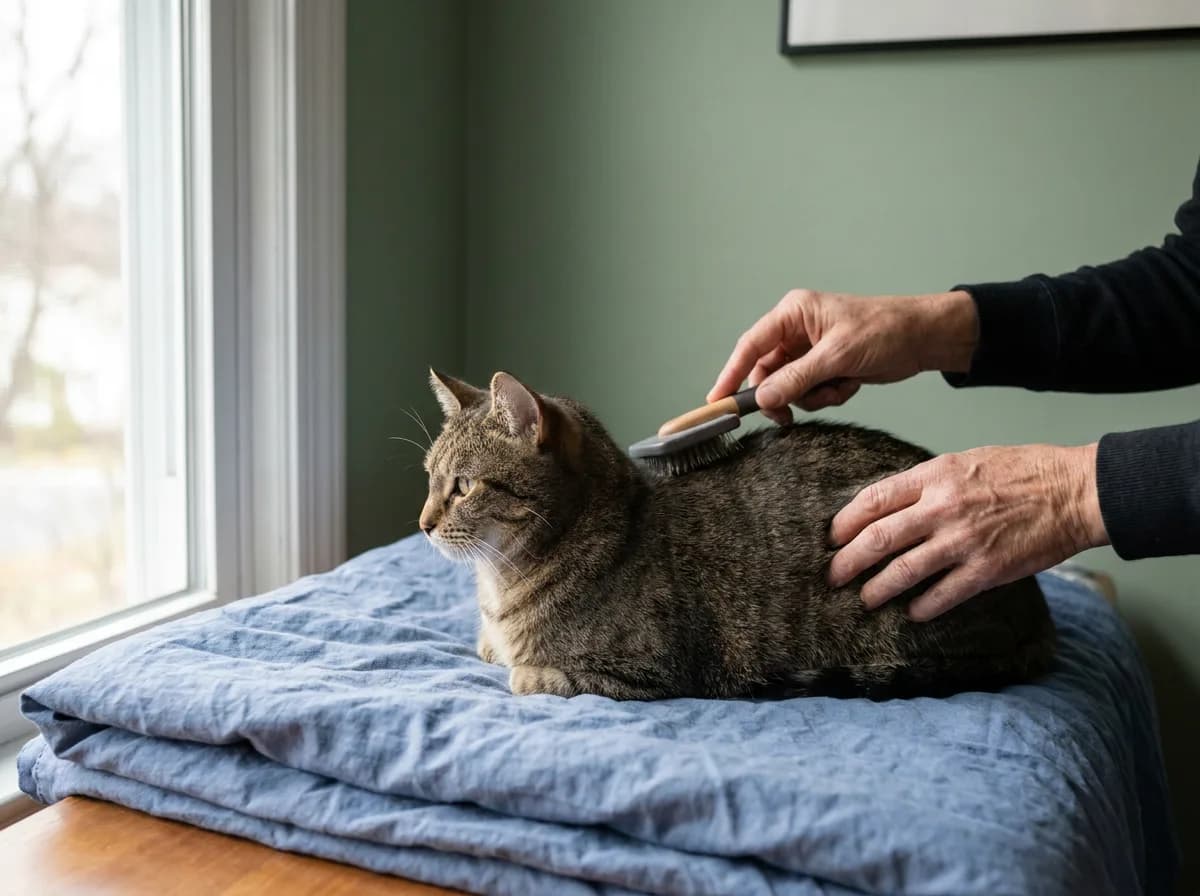
Start coat care with gentle brushing and observation. A denser coat may release more loose hair during some periods, but grooming effort varies between individuals and seasons. Do not promise that one breed will shed a specific amount less than the other. The cat you bring home is the one whose comfort and coat you must manage.
| Decision | What to compare in the individual cats | Why the label is not enough |
|---|---|---|
| Grooming time | Dense coat, loose hair, comfort with brushing and skin condition | A short coat does not eliminate shedding or handling needs |
| Family interaction | Response to noise, touch, visitors and opportunities to retreat | Individual temperament varies within a breed |
| Daily activity | Play preferences, mobility and ability to settle | “Active” does not prescribe an identical exercise quota |
| Other pets | Known experience and reactions during controlled introductions | A sociable reputation does not guarantee compatibility |
| Veterinary planning | Records, current examination and age-related needs | Registration is not a health guarantee |
A short-hair deshedding tool may suit some coats when used gently according to its directions. It is not an automatic requirement for either breed. Start with brief sessions, avoid sore skin and seek help for tight mats rather than pulling. The best routine is one you can maintain without making the cat dread being handled.
Temperament: meet the cat before choosing the stereotype
Both breeds can enjoy interactive hunting-style play. A feather teaser wand lets an owner vary speed, pauses and distance to suit the cat. Allow catches and breaks instead of making the toy permanently unreachable. Put string toys away after supervised play and replace damaged pieces before they become a swallowing risk.

Feathered teaser wand with catnip-stuffed bird. Pairs perfectly with the no-bite training policy: redirect Bengal play drive into a 10-minute interactive session with the wand.
Petful may earn a commission when you click through to Chewy, at no extra cost to you.
The European profile emphasizes curiosity and moderate activity; CFA describes the American as easygoing but enthusiastic about hunting games. Those descriptions overlap more than they divide. Look for the particular interaction you want: a cat that follows you around may still dislike being carried, while a lap-seeker may prefer a quieter home.
Ask what happens during an ordinary day. Does the cat settle after play? How does it react when a child runs past or a doorbell rings? What does it do when someone stops petting it? A foster carer’s repeated observations can be more informative than a single exciting meeting in an unfamiliar room.
For children, teach quiet approaches and respect for eating, sleeping and hiding places. Give the cat a way to leave rather than asking it to tolerate handling because it is supposedly a family breed. With other animals, use gradual introductions and separate resources. The right pace is determined by the animals’ behavior, not the description on an adoption listing.
Indoor activity and feeding
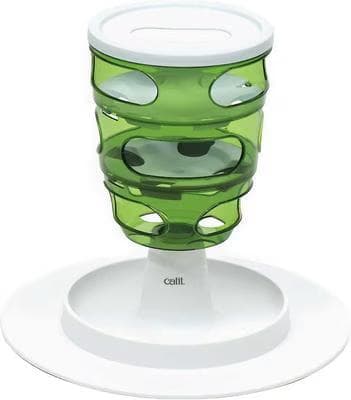
Food enrichment is another way to vary an indoor day. A Catit food tree can hold part of a measured meal. Start at an easy setting and make sure the cat actually eats; persistent frustration is a reason to simplify the puzzle. Its purpose is engagement, not a promise to treat obesity or behavior problems.
Petful may earn a commission when you click through to Chewy, at no extra cost to you.
Include treats and puzzle food in the daily allowance. Discuss the diet and portion with your veterinarian rather than choosing a food solely because it is advertised for an active breed. Changes in appetite, drinking or body weight deserve attention regardless of which breed name appears on the records.
WebVet’s indoor-cat boredom guide offers further environmental considerations. Enrichment changes are useful, but do not assume a sudden behavior change is boredom before considering illness, pain or conflict with another animal.
European versus American breed standards
The opening table explains the breed-standard differences. When evaluating a kitten intended for showing, compare its documentation with the current standard for its registry and ask the breeder to explain the relevant features. For a companion cat, translate those descriptions into practical questions about handling, coat maintenance and body condition.
Coat color is not a third breed category
Tabby refers to a pattern. Solid black, white, orange and gray describe colors; black and white and other bicolor combinations describe color distribution. Calico, tortoiseshell and tuxedo are also coat descriptions. They do not compete with European Shorthair, American Shorthair or domestic shorthair as equivalent pedigree labels.
For a prospective show cat, consult the current standard of the registry in which the animal is registered. Do not assume that a color accepted by one organization is accepted in every breed or registry. For a companion adoption, the more useful question is whether you understand the cat’s grooming needs and health history.
Size does not settle identity
For a concrete European reference, PetMD’s profile gives 12–15 pounds and 9–11 inches at the shoulder. Compare the individual American Shorthair’s measurements rather than assuming all cats of either breed occupy the same range. A larger frame, excess body fat and muscle mass affect weight differently. A kitten also changes markedly as it grows, so a “full grown” prediction should not become a target to achieve through feeding.
For European-specific size, lifespan and care context, use the European Shorthair guide. This comparison should help you choose and interpret labels, while the breed guide provides the deeper everyday-care reference.
Before a deposit, collect three forms of evidence:
- Verifiable pedigree documentation when a registered breed is claimed.
- Veterinary records linked to the individual animal.
- A complete written quote and agreement explaining included services.
- Documented ancestry, veterinary records and an individual assessment answer different questions. None should be replaced by a photograph or a breed stereotype.
Availability, costs and the decision before a deposit
Your location may make one documented breed easier to find than the other. In the United States, do not mistake numerous domestic-shorthair listings for plentiful registered European Shorthairs. Ask what records support a seller’s label and whether you can verify the source of the kitten or adult cat.
Compare actual written quotes on the same basis. Registration, veterinary services, sterilization, microchipping, transport and contract conditions can affect what is included. An advertised price without those details is not a complete comparison, and one seller’s figure cannot establish a national breed average.
Adoption fees for domestic cats are a different purchasing context. You may be paying for an organization’s care and rehoming work rather than documented ancestry. Ask which services have been completed and what care remains. A known adult’s behavior and medical history may reduce some uncertainty without eliminating the need for a settling-in period and follow-up care.
Compare the commitment with your routine
Before making a commitment, write down the routine you can provide: daily interaction, quiet space, grooming, litter maintenance and a realistic veterinary budget. Then compare that routine with the needs of the actual cats available to you. A pedigree preference can be part of the decision, but it should not overwhelm evidence about compatibility.
Related breed decisions
Choose the European Shorthair guide for questions about European Shorthair rarity, estimated lifespan, allergy limitations and breed-specific availability. Choose the established American-versus-domestic guide when your main uncertainty is whether an American cat’s label refers to a pedigree or an ordinary shorthaired companion. Those resources answer the deeper questions without making this comparison repeat two full breed profiles.
Neither option guarantees low veterinary costs, an allergy-safe home or a particular personality. A careful examination, transparent records and a realistic introduction plan provide better grounds for the commitment than a claim that one shorthair breed is universally calmer, friendlier or healthier.
Frequently asked questions
You cannot establish that reliably from appearance alone. A cat may resemble pictures of the breed while being a domestic shorthair with unknown ancestry. Verifiable pedigree records linked to the individual are the relevant evidence for a registered European identity. If records are unavailable, use an honest descriptive label and the cat’s known history. Its coat, behavior and medical needs still deserve individual attention without turning an uncertain identification into a fact.

Coreen Saito is a pet writer and longtime shelter volunteer with more than a decade in animal rescue. She covers cat behavior, breed care, and the small, ordinary science of sharing a life with companion animals, with a particular focus on honest takes about the products and decisions that actually matter. At home in Arizona, she's outranked by Mac (a dog with the loudest opinion in the house), Rebel (a cat who governs by quiet authority), and Meri (an orange tabby who runs the late shift and the laundry basket). She writes about all three, plus the rescues that keep coming through her life, at LifeWithMinty.com.
Sign up for expert-backed reviews and safety alerts all in one place.