Bombay Cat Price: 2026 Cost Guide (Kitten to Lifetime)
How much does a Bombay cat cost? This 2026 price guide breaks down breeder, show-line and adoption pricing, plus first-year setup, monthly care, lifetime cost and HCM heart-screening vet bills before you bring one home.
Petful is reader supported. As an affiliate of platforms like Amazon and Chewy, we may earn a commission when you buy through links on this page. There is no extra cost to you.
The bombay cat price typically runs $500 to $2,000 for a kitten from a reputable breeder, with premium show-quality lines climbing past $2,500. Adopting a Bombay from a shelter or rescue is far cheaper at $50 to $300. Those numbers are just the entry fee, though. Once your sleek little panther is home, plan on roughly $60 to $460 a month in care, plus the one-time setup costs that catch many first-time owners off guard.
This guide breaks down exactly what a Bombay costs at every stage: breeder versus show line versus adoption, the first-year total, monthly and lifetime spending, and the vet bills (including heart screening) that the popular price roundups tend to skip. Bombays are rare, demand outstrips supply, and that scarcity is the single biggest reason kittens carry the prices they do.
A Bombay kitten costs $500 to $2,000 from a reputable breeder ($2,000 to $2,500+ for show lines), or $50 to $300 to adopt. Budget about $1,300 to $3,500 for the first year including purchase, then $60 to $460 per month. Over a 12 to 18 year lifespan, expect a lifetime cost of roughly $15,000 to $25,000.

Sign up for expert-backed reviews and safety alerts all in one place.
How Much Does a Bombay Cat Cost?
How much is a Bombay cat? The short answer: between $500 and $2,000 for a pedigreed kitten from a responsible breeder. The Bombay cat cost swings inside that range based on lineage, the breeder's reputation, geographic location, and whether the kitten is sold as a pet or with show and breeding rights.
Walnut shell clumping cat litter that excels at odor control, lasts up to 3x longer than clay, and is a top pick for multi-cat households.
Petful may earn a commission when you click through to Chewy, at no extra cost to you.
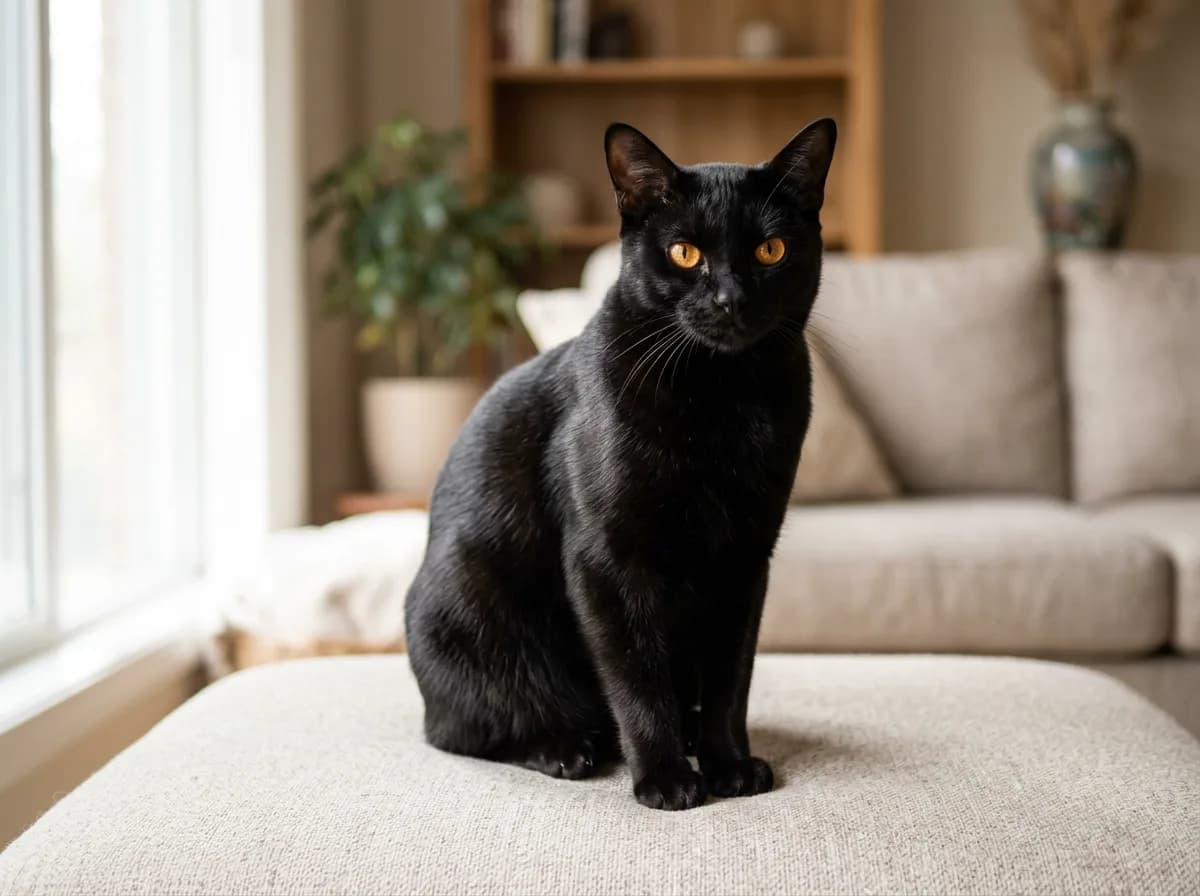
Bombays are not a high-volume breed. There are relatively few active, ethical Bombay breeders in the United States, litters are small, and the all-black coat with copper eyes that defines the breed is harder to produce consistently than you might think. Low supply paired with steady demand is what holds the price up. Compared with a random-bred black domestic shorthair you can adopt for next to nothing, a true pedigreed Bombay is a deliberate, planned purchase.
If you are weighing a Bombay against other affectionate, dog-like breeds, it helps to see where the price lands in context. A Persian cat or a Bengal often costs more, while many domestic breeds cost less, so a Bombay sits in the affordable-to-mid pedigree tier.
Bombay Cat Price by Source: Breeder vs. Show Line vs. Adoption
Where you get your Bombay matters more than almost anything else for the final bombay kitten price. Here is how the four common sources compare, from a budget shelter adoption to a top show-quality kitten reserved months in advance.
| Source | Typical Price | What You Get |
|---|---|---|
| Shelter or rescue adoption | $50 to $300 | A vetted cat, usually spayed or neutered, vaccinated, and microchipped. Rarely a verified pedigree. |
| Pet-quality breeder kitten | $800 to $2,000 | A registered Bombay kitten on a spay/neuter contract, health-screened parents, early socialization. |
| Show-quality (show lines) | $2,000 to $2,500+ | A kitten meeting the breed standard with show or breeding rights and championship-line parentage. |
| Free rehoming | $0 | An owner-surrender or rehome. No paperwork, unknown health history, verify the cat is actually a Bombay. |
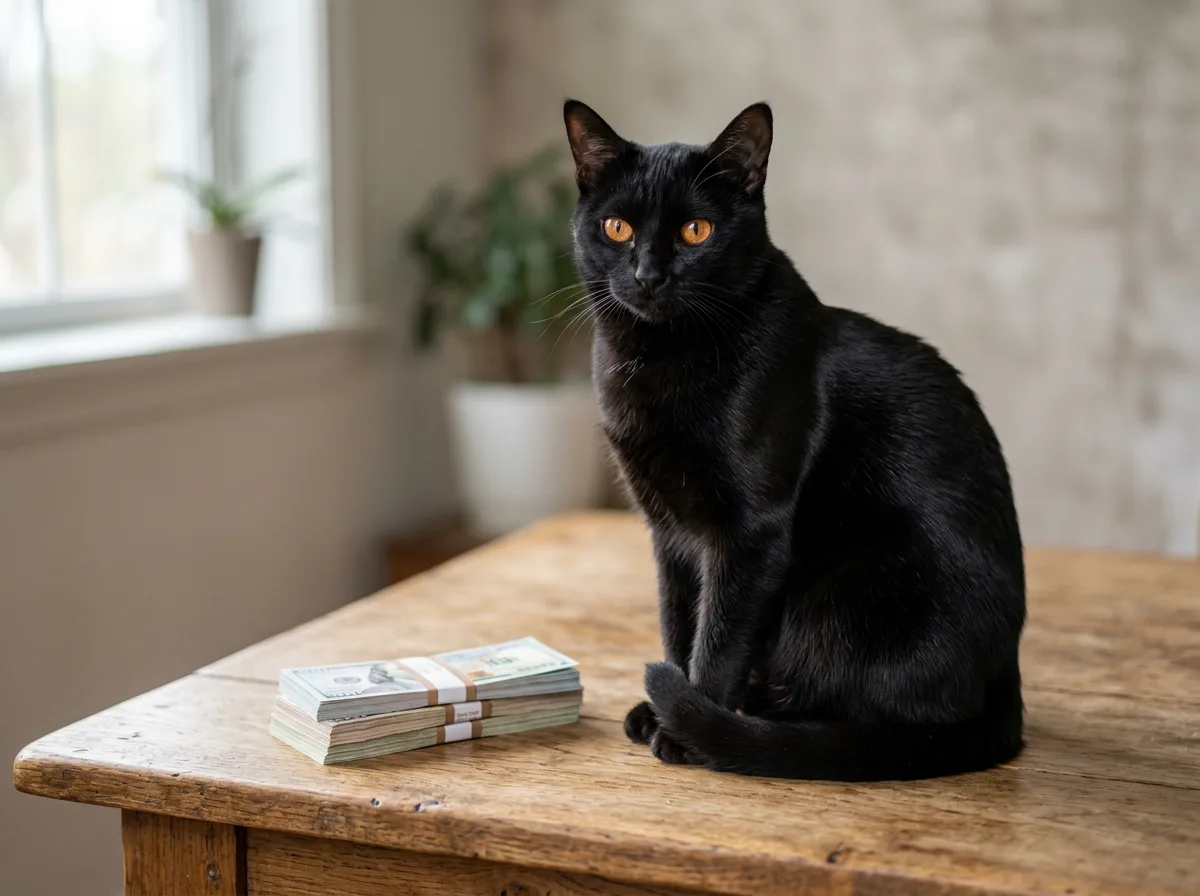
A few things to flag in that table. Bombay cat breeders who charge at the lower end of the pet range are not automatically cutting corners, and ones who charge at the top are not automatically better. What you are paying for is health testing, a clean cattery, registration with TICA or CFA, and a breeder who will take the cat back at any point in its life. Bombay cat for sale listings on classified sites and marketplaces that skip all of that are where most heartbreak and surprise vet bills come from.
- Plenty of black domestic shorthairs get sold as Bombays at a premium. A genuine Bombay has a uniformly black coat to the roots, copper to gold eyes, and registration papers. If a black kitten has green eyes, white hairs, or faint tabby ghost markings in bright light, you are likely paying a pedigree price for a beautiful black moggy.
Never Scoop Again® with the Whisker Litter-Robot, the smart self-cleaning automatic litter box. Monitor visits and track weights for better overall care in the Whisker® app. Multi-cat friendly.
Petful may earn a commission when you click through to Whisker, at no extra cost to you.
Why Are Bombay Cats So Expensive? Rarity, Waitlists and Demand
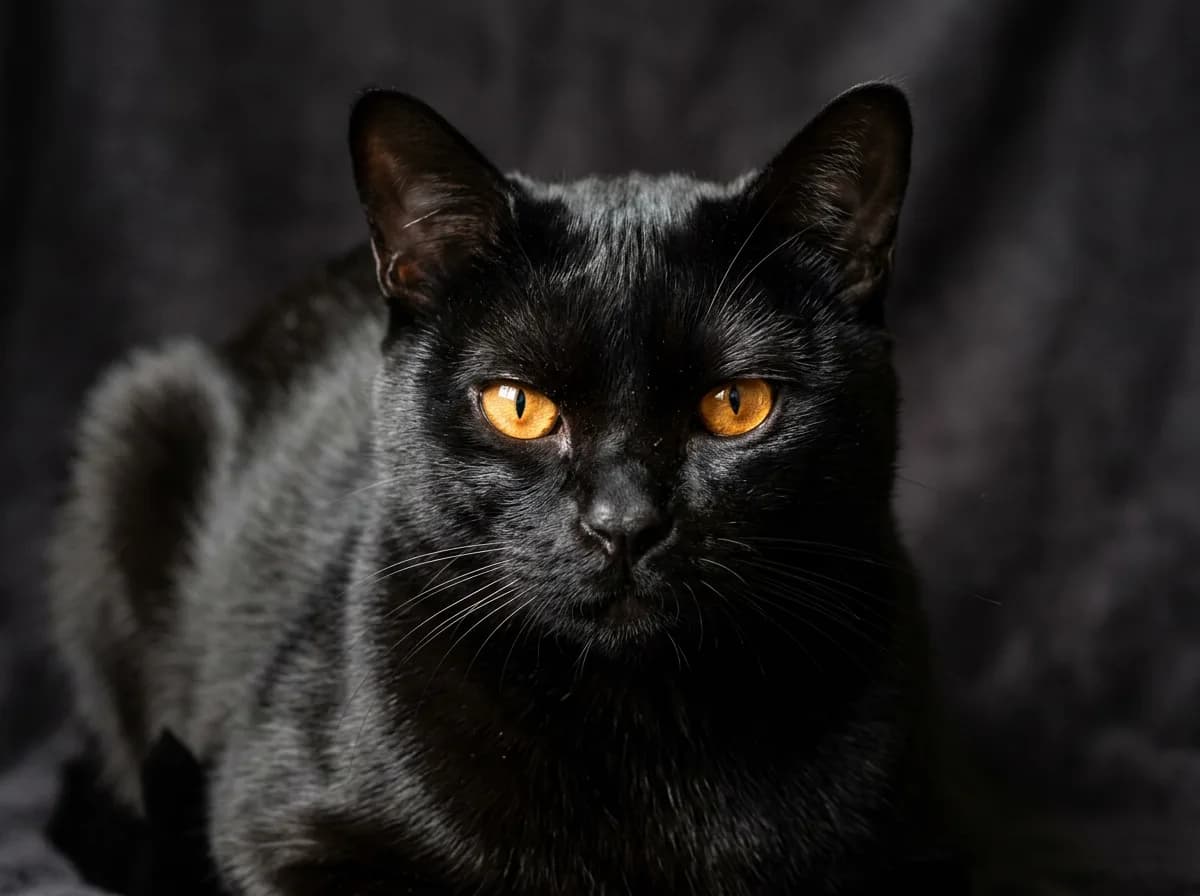
Bombays are not the priciest pedigreed cat out there, but they cost real money for a clear reason: they are genuinely rare. The breed was created in the 1950s by crossing sable Burmese with black American Shorthairs to mimic a miniature black panther. Maintaining that look across generations takes careful, selective breeding, and only a small number of catteries do it well.
Are Bombay cats rare? Yes, relatively. You will not find a litter at every local breeder, and serious buyers often join a waitlist months before kittens are even born. A deposit of $200 to $500 to hold a spot is normal, and it usually rolls into the final price rather than adding to it. When supply is thin and a breed has the affectionate, velcro-cat personality Bombays are famous for, demand stays high and prices hold firm.
That dog-like, people-first temperament is a big part of the appeal and a big part of the demand. If you like that trait, it shows up in a handful of breeds: the Snowshoe and the Bombay are both known for shadowing their humans from room to room.
The Bombay's price also reflects its lineage. It traces straight back to the Burmese, and Burmese pricing follows a similar rarity-driven curve, so the two breeds tend to cost in the same neighborhood.
First-Year Cost of Owning a Bombay Cat
The purchase price is the headline, but the first twelve months carry the heaviest extra spending of any year you will own the cat. You are buying gear from scratch and front-loading the vet work. Here is a realistic first-year breakdown, assuming a mid-range breeder kitten.
| Expense | Typical Cost |
|---|---|
| Kitten purchase (pet-quality breeder) | $800 to $2,000 |
| Initial supplies (litter box, tree, carrier, bowls, bed) | $200 to $600 |
| Spay or neuter (if not done by breeder) | $70 to $500 |
| Microchip | $45 |
| First vaccines and wellness exam | $130 to $300 |
| First-year food and litter | $400 to $700 |
| Pet insurance (optional, first year) | $200 to $400 |
| First-year total (including purchase) | $1,300 to $3,500+ |
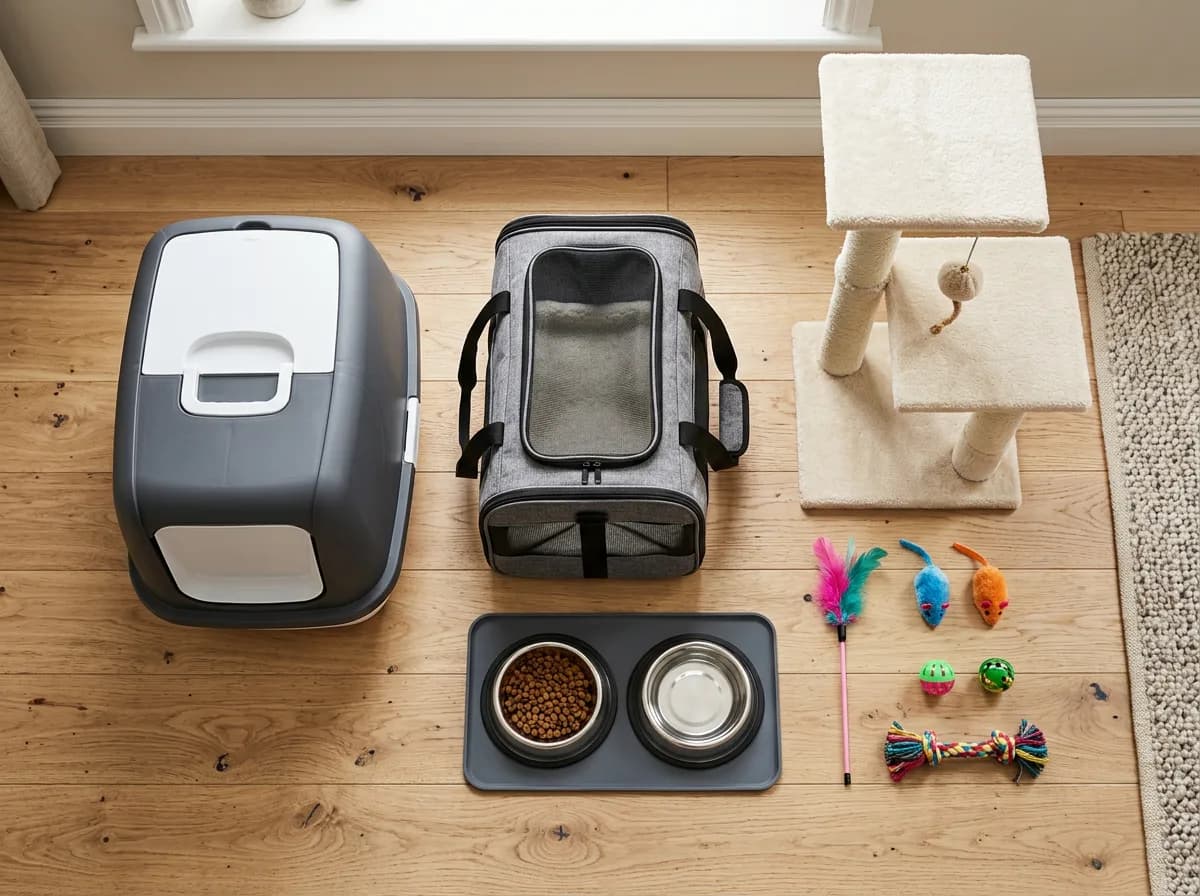
If you adopt instead of buying from a breeder, the top line shrinks dramatically and so does the vet work, since most shelters send cats home already spayed, vaccinated, and chipped. That can pull a first-year adoption total down toward $700 to $1,200 all-in, which is the single biggest money-saving lever available to you.
- A sturdy cat tree, a good carrier, and a quality litter setup are one-time buys that last the cat's whole life. Spending a little more up front on durable gear beats replacing flimsy versions every couple of years, and your Bombay will use a tall tree daily.

63-inch multi-level cat tree with scratch posts, hammock, plush perches, and dangling toys. Vertical territory is non-negotiable for high-energy climbing breeds like the Bengal.
Petful may earn a commission when you click through to Chewy, at no extra cost to you.
Monthly and Lifetime Cost of a Bombay Cat
Once the first-year setup is behind you, a Bombay settles into a fairly predictable monthly rhythm. The bombay cat cost per month runs about $60 to $460 depending on the food you buy, your litter choice, and whether you carry pet insurance. Most owners land somewhere in the $80 to $150 range for a healthy adult cat.
| Monthly Expense | Typical Cost |
|---|---|
| Food (quality wet and dry) | $30 to $90 |
| Litter | $15 to $40 |
| Pet insurance | $15 to $50 |
| Routine and preventive care (averaged) | $15 to $40 |
| Treats, toys, and replacements | $10 to $40 |
Litter is one of the few monthly costs you can genuinely optimize without shortchanging the cat. The right odor-control litter keeps a single-cat home fresh and stretches longer between full changes, which trims the monthly spend over a 12 to 18 year lifespan.
Stretch that monthly figure across a Bombay's long life and the lifetime cost comes into focus. At a conservative $100 a month over 15 years, you are looking at roughly $18,000 in care alone, and a fuller estimate that includes the purchase, occasional larger vet bills, and inflation pushes the lifetime cost of a Bombay cat into the $15,000 to $25,000 range. It is a long, rewarding commitment, not an impulse buy.
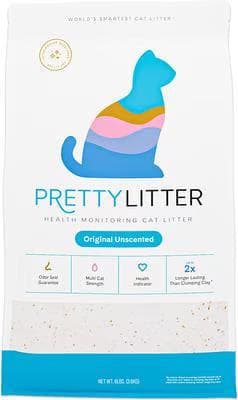
Color-changing crystal litter that flags pH shifts in your cat's urine, an early warning sign of UTIs, kidney issues, and more.
Petful may earn a commission when you click through to Chewy, at no extra cost to you.
Bombay Cat Health Costs: HCM Screening and Vet Care
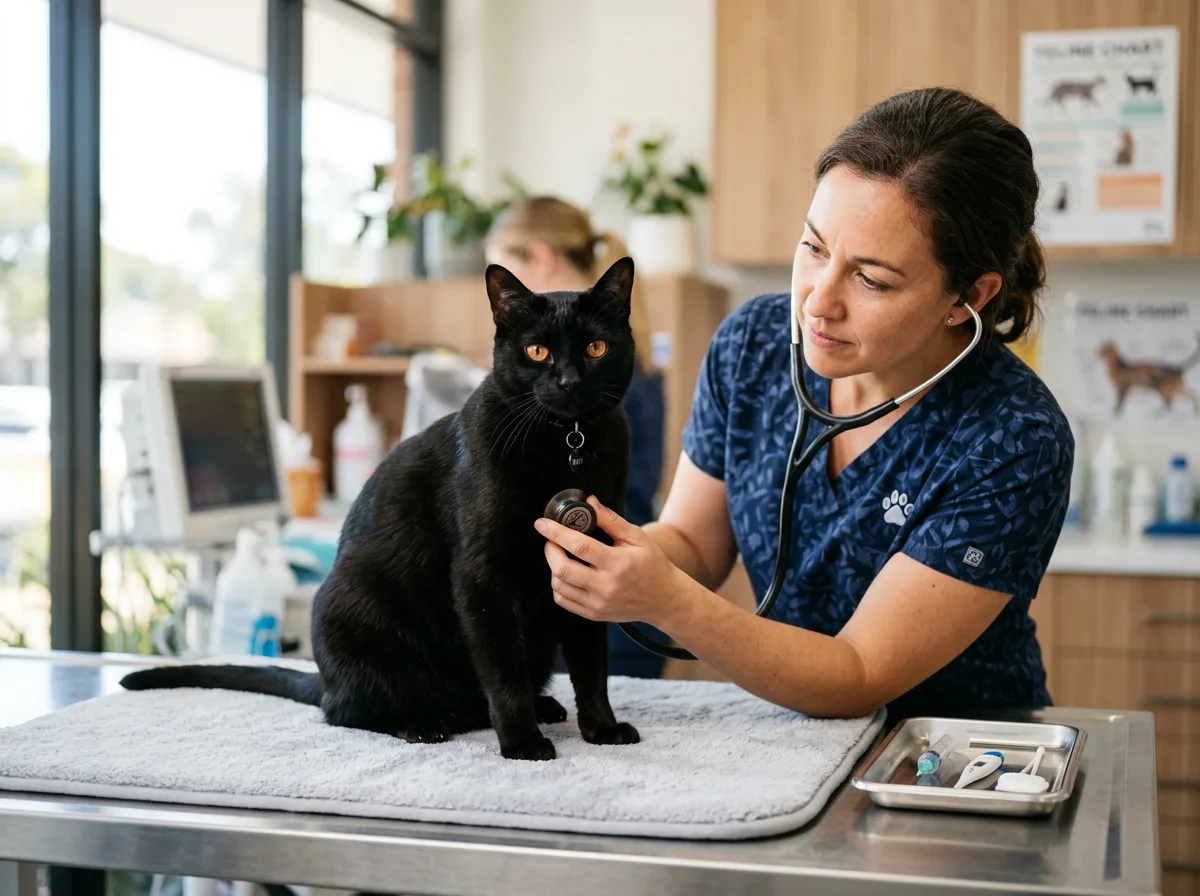
This is the line item the popular Bombay cost roundups leave out, and it matters. Bombays, like their Burmese ancestors, can be predisposed to hypertrophic cardiomyopathy (HCM), the most common heart condition in cats. You should treat cardiac screening as a planned cost, not a surprise.
An echocardiogram (a heart ultrasound) performed by a veterinary cardiologist is the gold-standard screen, and it typically costs $300 to $600 per visit. Responsible Bombay breeders screen their breeding cats, which is part of what you are paying for in a higher-priced kitten, and it is reasonable to ask to see those results. For your own cat, periodic screening as it ages is a worthwhile budget line.
| Vet Service | Typical Cost |
|---|---|
| Annual wellness exam | $50 to $100 |
| Core vaccine boosters (yearly) | $50 to $130 |
| HCM echocardiogram screening | $300 to $600 |
| Dental cleaning (every 1 to 3 years) | $200 to $600 |
| Emergency or unexpected vet visit | $200 to $1,500+ |
- Pet insurance at roughly $15 to $50 a month will not pay for routine screening, but it cushions the genuinely expensive events, an emergency, a chronic diagnosis, or cardiac treatment. For an HCM-prone breed, enrolling while the cat is young and healthy locks in lower premiums before any condition is on record.
How to Save Money on a Bombay Cat
You can own a Bombay, or a Bombay-type black cat, for far less than the headline breeder price if you are flexible on a few things. None of these mean compromising on the cat's care.
Adopt instead of buying. Bombays and Bombay mixes do land in shelters and breed-specific rescues. Adoption at $50 to $300 includes spay/neuter, vaccines, and a microchip, which alone is worth several hundred dollars.
Consider a black domestic shorthair. If you love the look more than the pedigree, a sleek black cat from a shelter delivers the same mini-panther charm for an adoption fee, and black cats are famously the last to be adopted, so you are giving a hard-to-place pet a home.
Buy supplies once and buy them well. A durable cat tree, carrier, and litter system are lifetime purchases. Skip the cheap versions you will replace yearly.
Time your adoption search. Kitten season floods shelters with young cats in spring and summer, which is when adoption fees are most often discounted and the selection is widest.
Insure early, screen on schedule. Catching a heart issue early through routine screening is far cheaper than treating an emergency, and young-and-healthy insurance premiums stay low for the life of the policy.
Bombay cat resources and related breeds
Before you commit, read the full Bombay cat breed profile to understand the personality and care behind the price, dig into the Bombay cat personality if a velcro lap cat is what you want, and see how the breed stacks up against a look-alike in Bombay vs. black cat.
Bombay Cat Price FAQ
Yes, Bombays are considered a relatively rare breed. Few catteries breed them, litters are small, and the uniform black coat with copper eyes is hard to produce consistently. That scarcity, paired with steady demand for the breed's affectionate personality, is the main reason kittens cost $500 to $2,000 and buyers often wait months on a breeder's list.
Bombay cats are special for their striking miniature-panther look, a glossy all-black coat and copper to gold eyes, combined with an unusually dog-like personality. They follow their owners around, learn to fetch, ride on shoulders, and crave constant company. That mix of exotic appearance and velcro-cat affection makes them stand out among domestic breeds.
Yes, Bombays make excellent house pets, especially for families who are home often. They are affectionate, social, and adaptable, getting along with children, dogs, and other cats. Their short coat sheds lightly and needs little grooming. The one caveat: they hate being left alone for long stretches, so a busy household or a second pet suits them best.
A pet-quality Bombay kitten from a reputable breeder costs $800 to $2,000, while show-quality kittens from championship lines can exceed $2,500. The price reflects health screening of the parents, registration with TICA or CFA, early socialization, and the breed's rarity. Many breeders also take a $200 to $500 deposit to reserve a kitten from a waitlist.
Adopting a Bombay or Bombay mix from a shelter or rescue costs $50 to $300. That fee usually covers spaying or neutering, core vaccines, and a microchip, services worth several hundred dollars on their own. True purebred Bombays are uncommon in shelters, but black domestic shorthairs with the same mini-panther look are plentiful and even cheaper to adopt.
The first year of owning a Bombay typically costs $1,300 to $3,500 including the purchase price. That covers the kitten, initial supplies like a cat tree and litter box ($200 to $600), spay or neuter, microchip, first vaccines, and a year of food and litter. Adopting instead of buying can pull the first-year total down to roughly $700 to $1,200.
Bombays can be predisposed to hypertrophic cardiomyopathy (HCM), a heart condition inherited from their Burmese ancestry. An echocardiogram screening by a veterinary cardiologist costs about $300 to $600 per visit. Reputable breeders screen their breeding cats, and budgeting for periodic screening plus pet insurance ($15 to $50 a month) is the smart way to manage the potential cost.

Coreen Saito is a pet writer and longtime shelter volunteer with more than a decade in animal rescue. She covers cat behavior, breed care, and the small, ordinary science of sharing a life with companion animals, with a particular focus on honest takes about the products and decisions that actually matter. At home in Arizona, she's outranked by Mac (a dog with the loudest opinion in the house), Rebel (a cat who governs by quiet authority), and Meri (an orange tabby who runs the late shift and the laundry basket). She writes about all three, plus the rescues that keep coming through her life, at LifeWithMinty.com.
Sign up for expert-backed reviews and safety alerts all in one place.