American Wirehair: Coat, Personality, Care, and Cost
The American Wirehair has a distinctive coat, but appearance alone cannot prove ancestry. Learn how to evaluate records, plan gentle care and choose a cat whose everyday needs fit your home.

BVMS, MRCVS
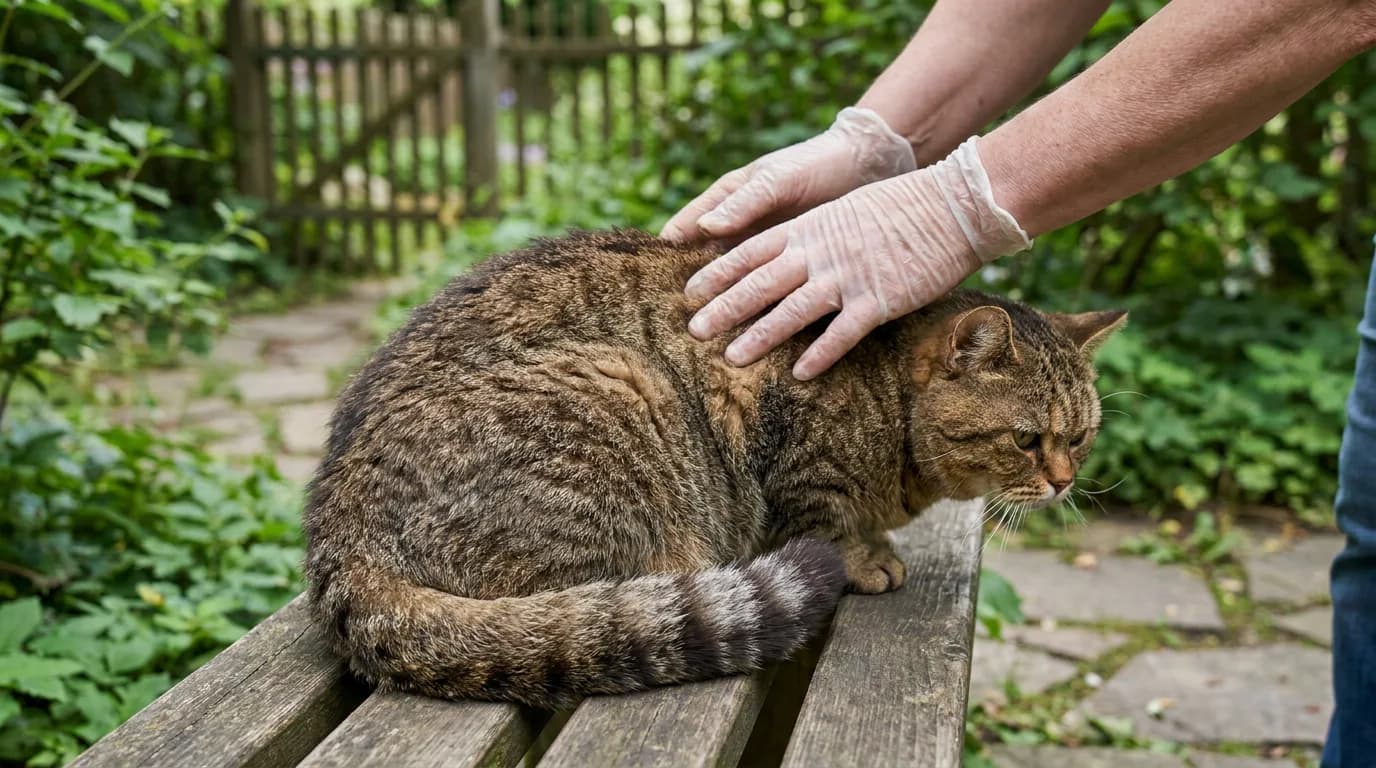
Brown tabby American Wirehair with a textured coat on a wooden bench.
Petful is reader supported. As an affiliate of platforms like Amazon and Chewy, we may earn a commission when you buy through links on this page. There is no extra cost to you.
The American Wirehair is a pedigreed cat best known for a springy, crimped coat. Its distinctive texture can make a familiar tabby pattern look quite different, but texture and ancestry are separate questions: an unusual coat alone cannot establish that a cat belongs to this breed.
For a prospective owner, the more useful questions concern gentle coat care, everyday companionship and finding a documented cat. Start with the individual’s behavior and records, then plan the home around climbing, play, rest and routine care. The Wirehair’s appearance is only one part of living with one.

Sign up for expert-backed reviews and safety alerts all in one place.
How can you identify an American Wirehair?
To tell if a cat is an American Wirehair, combine coat observations with pedigree records tied to that individual. Orange-and-white, black-and-white, or grey-and-white coloring cannot establish the breed. An ordinary domestic cat may have the same color arrangement; texture and documented ancestry are the useful distinctions.
- 1The characteristic wired coat contains bent or crimped hairs and can include curled whiskers.
- 2Coat color does not establish breed ancestry; pedigree records matter.
- 3A current breed standard also recognizes a straight-coat variation, making appearance alone an incomplete identification method.
The Cat Fanciers’ Association standard describes a dense, resilient wired coat with individual hairs that bend, hook or crimp. Curled whiskers can accompany that texture. The current standard also includes a straight-coat variation. That detail matters: a simple “curly means Wirehair, straight means not Wirehair” checklist would mislead readers.
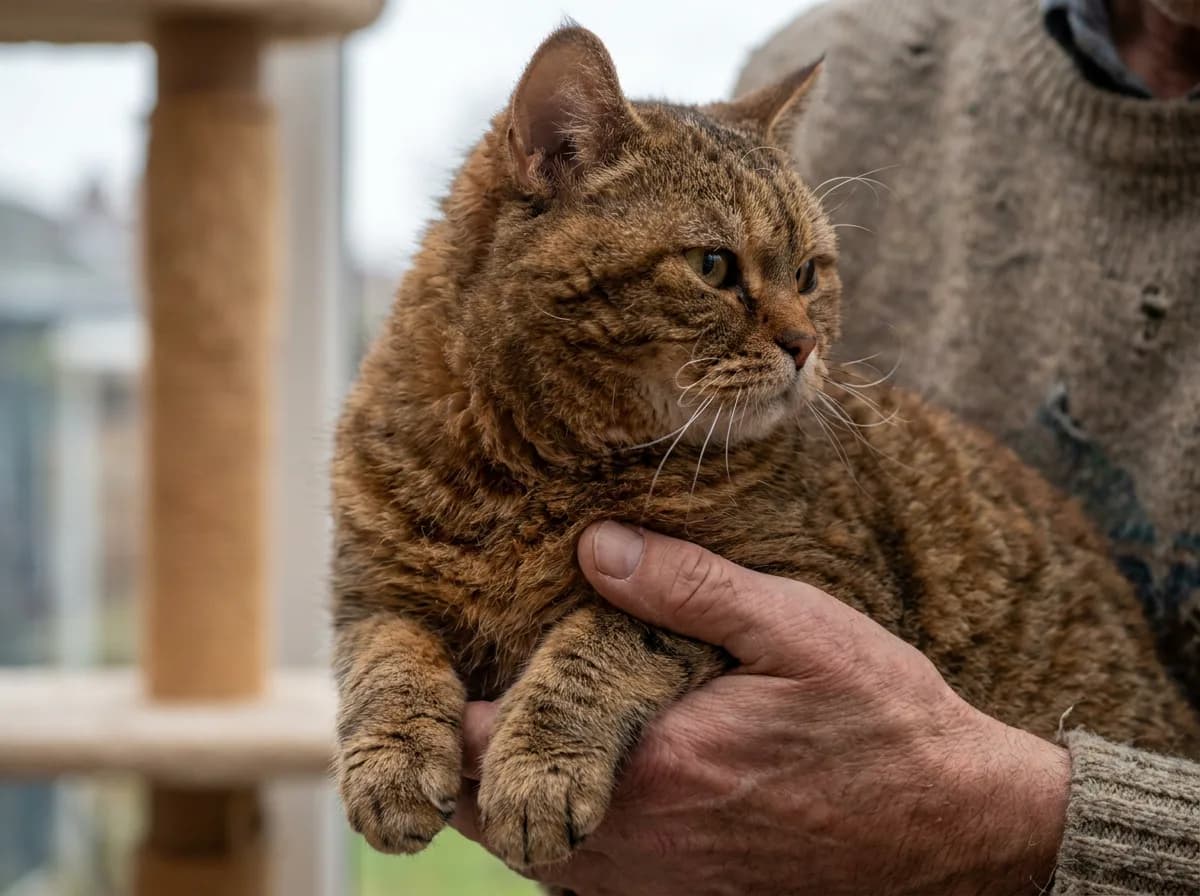
Use the coat as an observation, then ask what documents support the breed claim. A phone photograph can show a tabby pattern and some texture, but lighting, grooming and image quality change what you see. It cannot connect a cat to named parents or a registration record.

63-inch multi-level cat tree with scratch posts, hammock, plush perches, and dangling toys. Vertical territory is non-negotiable for high-energy climbing breeds like the Bengal.
Petful may earn a commission when you click through to Chewy, at no extra cost to you.
| What you can check | What it tells you | What it cannot establish |
|---|---|---|
| Crimped hairs and springy texture | Compatibility with the characteristic wired coat | Pedigree by themselves |
| Whisker shape | Another potentially relevant visible feature | A definitive identification |
| Tabby, solid or multicolored markings | Coat color and pattern | Breed identity |
| Pedigree records tied to the cat | Documented ancestry to investigate | Every future personality or health trait |
| Current carer’s observations | The individual’s habits and handling preferences | A guarantee about every Wirehair |
Tabby, orange and calico describe color or pattern, not ancestry
An American Wirehair tabby has a pattern as well as a coat texture; the two descriptions are not alternatives. Orange, calico or silver coloring can occur on cats with very different ancestry. For a cat advertised as a Wirehair mix, ask whether parentage is known or whether the label was assigned from appearance. If no history is available, record the observed coat and leave the ancestry unconfirmed.
Look at the coat in profile as well as from above. Springiness, bent hairs and whisker shape are more relevant to the wired appearance than the arrangement of stripes. Do not tug hairs or repeatedly brush the coat to test it. The CFA standard linked above also recognizes a straight-coat variation, so records remain necessary even when the visible texture seems convincing.
A climbing and resting area is a practical early purchase once you have assessed the cat’s needs. The Yaheetech 63-inch multi-level cat tree offers several levels, but check its footprint, platform dimensions and anchoring instructions against your room. A shorter, accessible structure can be a better choice for an individual who cannot comfortably use a tall one.
American Wirehair and American Shorthair
American Wirehairs and American Shorthairs have a breeding connection; CFA permits American Shorthairs as an outcross for the Wirehair. They are still separate breed identities. “Domestic shorthair,” meanwhile, usually describes a short-coated domestic cat without specifying American Shorthair pedigree.
If you are comparing the two, focus on the actual coat and the individual cat rather than assuming a texture predicts personality. Our American Wirehair vs. American Shorthair comparison explores the grooming distinction and shared household needs. Registration and parentage records remain more useful than trying to settle the question from a tabby photograph.
If the name American Shorthair is being used loosely, first check our American Shorthair vs. Domestic Shorthair guide. A coat description and a documented breed identity answer different questions.
Are American Wirehairs good pets?
An American Wirehair can be a good companion in a home that provides play, comfortable resting places and respectful handling. Whether a particular cat is a good match depends on its experience, temperament and your routine. Ask the current carer how it reacts to visitors, noise, children and other animals, then compare those observations with your home.
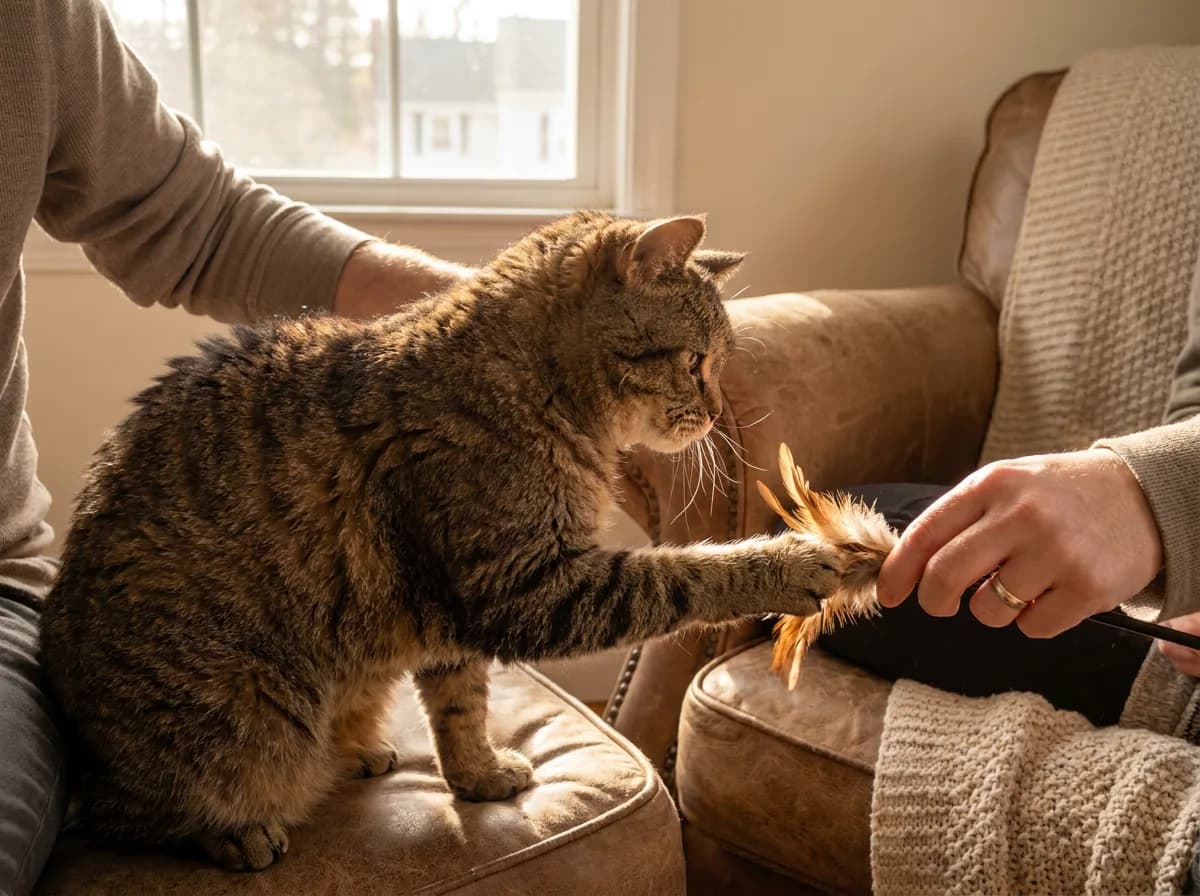
A useful meeting allows the cat to approach or withdraw. Watch whether it investigates, plays, settles nearby or seeks a retreat. A cat that needs time to warm up is not automatically unfriendly; a cat that approaches quickly is not automatically comfortable being picked up. Those are different behaviors to discuss.
Before bringing the cat home, arrange:
- A quiet starting room with a hiding place and predictable access to resources.
- Stable scratching surfaces and climbing options suited to the cat’s mobility.
- Separate resting and feeding opportunities if other pets live there.
- Daily time for interaction, with gradual introductions to household activity.
A carrier such as the Sherpa Original Deluxe carrier belongs in that plan. Select the size using the individual cat’s measurements and the product’s usable interior space. Leave it open with familiar bedding when appropriate, so its first appearance does not always predict an unfamiliar journey.
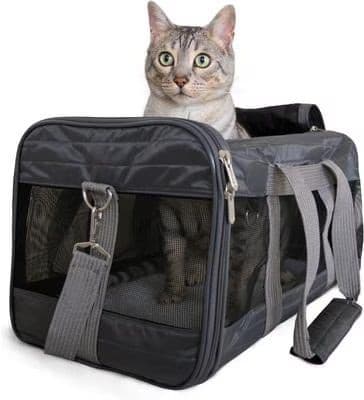
An airline-approved soft-sided carrier with mesh ventilation windows, a top-rated travel pick for cats and small dogs.
Petful may earn a commission when you click through to Chewy, at no extra cost to you.
Are American Wirehair cats cuddly?
Yes, many American Wirehairs enjoy close contact: TICA describes many as lap cats, while noting that some prefer simply being nearby. That is a useful breed tendency, not a promise about being carried or sleeping next to you. Ask the current carer about those behaviors separately instead of treating “cuddly” as a single trait.
Offer contact while the cat can leave. Pause your hand and see whether the cat approaches again; do not keep holding it in place to test whether it will tolerate more. Children need help recognizing that a cat can enjoy company while declining a hug. A comfortable relationship often grows from predictable, voluntary interactions rather than repeated handling.
Coat care and daily routines
Start with a light touch and instructions specific to the cat’s coat. Purina’s Wirehair grooming guidance cautions that excessive grooming can damage its texture. This is not a reason to ignore tangles, debris or skin changes; it is a reason to avoid repeatedly raking the coat simply to make it look smoother.
Ask the breeder or current carer to demonstrate the established routine and tool. A brief coat check can also help you notice a change in grooming behavior. If the coat becomes persistently greasy, patchy or uncomfortable, seek veterinary advice rather than increasing brushing pressure or adding products without knowing the cause.
Make play part of the routine
An indoor cat needs opportunities to investigate and work for small rewards. The Catit Senses 2.0 Food Tree can hold part of an appropriate meal for a cat that enjoys manipulating food puzzles. Begin with an easy task and keep food readily accessible while the cat learns; difficulty should not prevent adequate eating.
WebVet’s cat puzzle-feeder guide helps compare designs and introduce them. Watch how your cat uses the toy, then adjust. Repeatedly walking away can mean the task is too difficult or simply uninteresting, not that the cat needs to become hungrier to participate.
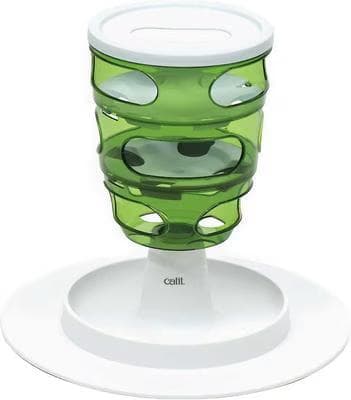
Petful may earn a commission when you click through to Chewy, at no extra cost to you.
Alternate food activities with movement and shared play. A Frisco feather teaser wand lets you vary direction and allow occasional catches. Keep the toy away from the cat’s face, end while the interaction is still comfortable and put strings and loose feather attachments away afterward. Supervision matters more than the breed label on a shopping list.
Shedding and allergy expectations
American Wirehairs do shed; a wiry coat does not mean hair is never released. The practical distinction is how gently that coat should be handled. Ask the current carer what amount of loose hair is usual for this cat, and seek advice about patchiness or a sudden change instead of increasing brushing pressure.
An American Wirehair is not an allergy-free cat. The American College of Allergy, Asthma and Immunology explains that all cats produce allergens and that hair length does not establish allergen levels. Coat texture and shedding are therefore separate from whether a person will react. If allergies affect the household, discuss the decision with an allergist before bringing a cat home.
How rare is the American Wirehair?
An American Wirehair kitten-for-sale listing is only a starting point. Confirm the breeder’s identity, the particular kitten, registration records, included care and transfer terms. Do not infer present availability from a photograph that may represent a previous litter.
The American Wirehair is an uncommon pedigreed breed, so a local search may offer fewer choices than a search for domestic shorthairs. That does not establish an exact worldwide population or make a particular advertisement trustworthy. A seller’s claim that only a handful remain needs current evidence before it should influence a purchase.
Start with recognized registry breed information and current breeder contacts, then verify each individual arrangement. Ask whether a listed cat is actually available, part of a planned litter or being placed through a waiting list. Those situations involve different timelines. Rarity should never replace checking the cat’s records, living arrangements and written transfer terms.

Feathered teaser wand with catnip-stuffed bird. Pairs perfectly with the no-bite training policy: redirect Bengal play drive into a 10-minute interactive session with the wand.
Petful may earn a commission when you click through to Chewy, at no extra cost to you.
Check an individual listing
If you find an American Wirehair cat for sale, ask whether the seller has an identified cat available now, an expected litter or only a waiting list. Confirm the cat's registration details, age, location, included care and written transfer terms. This guide does not verify a currently available litter; rarity and an attractive photograph do not establish that a particular seller can supply the claimed cat.
How much does an American Wirehair cost?
American Wirehair cats can be expensive: Adopt a Pet publishes an estimated breeder price of $800–$1,200. Treat that as an indicative figure from an adoption platform, not a current breeder quote or a representative US market survey. Age, location, placement terms, included veterinary care and transport can all change what two actual quotes cover. Confirm the specific cat’s price before budgeting around that range.
Ask for the total acquisition fee and how the deposit counts toward it. Then budget separately for transport, equipment, food, litter, routine veterinary care and unexpected expenses. A lower initial fee may make little difference if it excludes items included in another arrangement. Compare the complete first-year commitment, not only the number beside the photograph.
Questions before paying
Useful questions before paying include:
- Which cat and registration records does the agreement cover?
- What care has been completed, and what records will transfer with the cat?
- Which collection, transport or other charges remain to be paid?
- What happens if the placement is delayed or cannot proceed?
For equipment, buy to fit your home and cat. Reuse a suitable carrier or stable climbing structure if you already have one, and replace worn or unsuitable items. A pedigreed cat does not need a more expensive version of every everyday supply.
Size, lifespan and health planning
Plan around the cat in front of you. Weight, body condition, mobility and age answer different questions; no single number can substitute for all four. Keep a simple record of the individual’s normal appetite, activity and routines, and bring meaningful changes to the veterinary practice’s attention.
For a new cat, request previous health records and arrange an initial care discussion. That helps establish what is due and avoids relying on a seller’s broad claim that a breed is “healthy.” The absence of a named inherited disorder in a breed description is not proof that an individual will never become ill.
What is the lifespan of an American Wirehair?
Published American Wirehair cat lifespan estimates differ substantially: Hill’s lists 7–12 years, while Zoetis lists 13–17 years. These are breed-profile ranges, not a validated breed-specific survival study, so averaging them would create false precision. An individual may live outside either estimate. Plan for a long commitment and care needs that change with age rather than treating one range as a deadline.
Planning care across the years
Ask about the cat’s age and health history, keep routine care current and reassess feeding, mobility and comfort over time. For an older cat, an accessible resting place and easy routes to everyday resources may matter more than buying another tall tree. Discuss changes with the veterinarian rather than assuming they are inevitable aging.
How big does an American Wirehair get?
An American Wirehair cat grows into a medium-to-large, proportionate adult according to the CFA standard, with males generally larger than females. As a rough size reference, Hill’s lists females at 8–12 pounds and males above 12 pounds. These are profile categories, not a target weight for every individual. A small female and a larger male should not be fed toward the same number simply to match a breed chart.
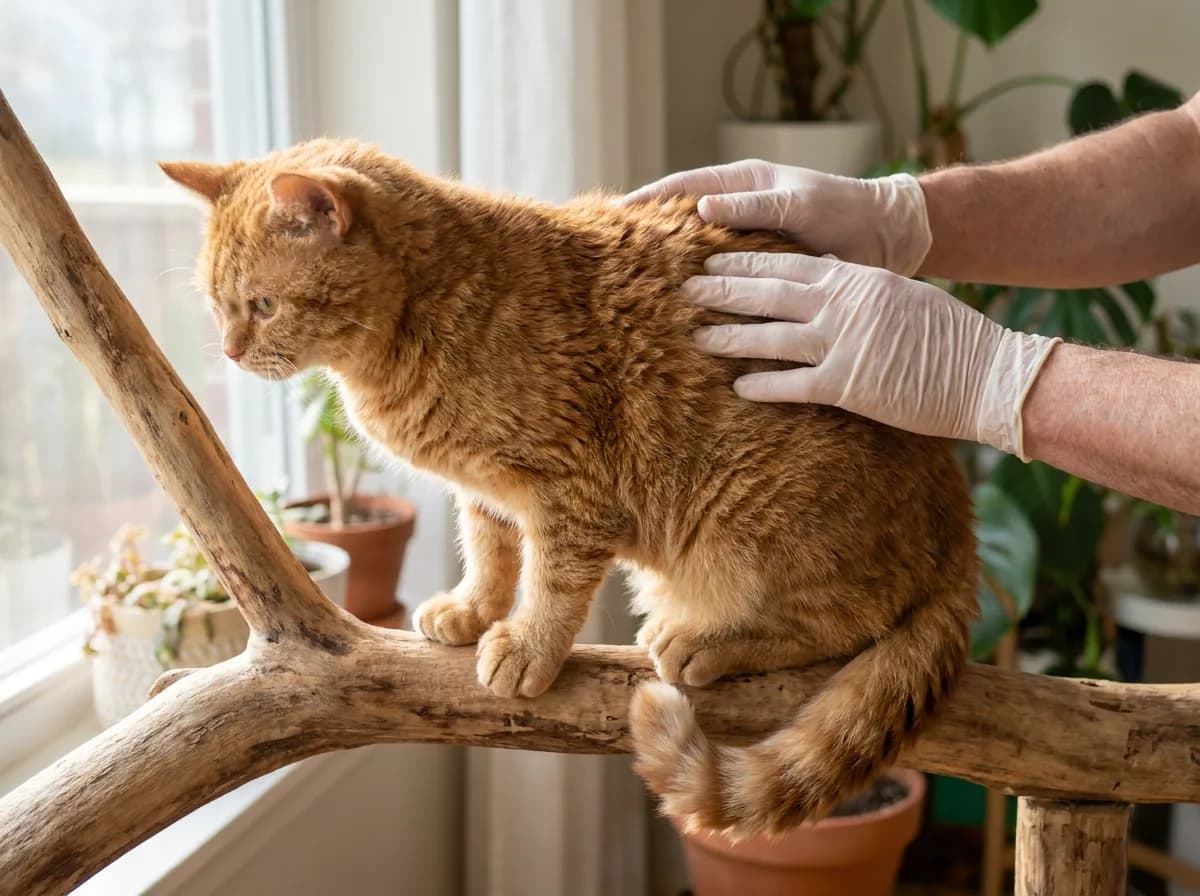
For a carrier or bed, measure the actual cat and inspect the product’s interior dimensions. For feeding decisions, ask the veterinary team to assess body condition alongside weight. A dense coat can make visual estimates less reliable, and a rounded outline alone does not tell you whether the cat is at an appropriate weight.
What health questions should you ask?
For health issues that American Wirehairs may be prone to, CFA reports no problem characteristic of the breed, while noting that some breeders use genetic testing and heart ultrasound screening for hypertrophic cardiomyopathy. That does not mean every Wirehair is free of disease, or establish how common that heart condition is in Wirehairs. Ask about actual screening records instead of assuming that a possible concern is a proven breed predisposition.
Ask what health assessments the parents and kitten or adult cat have received, what those assessments can establish and which written results are available. A phrase such as “health tested” is incomplete without the names of the tests, the animals tested and the dates. Your veterinarian can help interpret records and identify useful follow-up questions.
Everyday health observations
Also ask about everyday observations: appetite, litter habits, handling, previous medication and any recurring problems. No screening program rules out every future illness. The goal is to understand the individual’s documented history and ongoing needs, not to turn a breed reputation into a health guarantee.
Separate a source's breed summary from an individual assessment
Breed summaries do not always agree. Purina's Wirehair profile also mentions progressive retinal atrophy, whereas CFA's description does not identify a characteristic breed problem. That disagreement is a reason to ask which findings or screening records apply to the actual parents and cat. It does not establish a measured Wirehair risk rate, and neither summary can clear an individual cat of future disease.
American Wirehair questions
No. Wirehair describes a coat texture, while color and pattern are separate features. A Wirehair may have tabby markings or another recognized color arrangement. A tabby pattern by itself does not prove Wirehair ancestry; ask for pedigree records when a documented breed identity matters.
Do not assume daily intensive brushing is necessary. Use a gentle routine suited to the individual coat and ask the current carer to demonstrate it. Excessive grooming can damage the distinctive texture. Coat condition, comfort and changes in self-grooming are more useful guides than trying to make the hair lie perfectly smooth.
Yes. The current CFA standard recognizes a straight-coat variation. Coat texture alone therefore cannot settle ancestry. Ask for the registration and parent records for the individual kitten rather than assuming that every Wirehair must have the same visible curl.
BVMS, MRCVS
Dr. Pippa Elliott, BVMS, MRCVS, is a veterinarian with nearly 30 years of experience in companion animal practice. Dr. Elliott earned her Bachelor of Veterinary Medicine and Surgery from the University of Glasgow. She was also designated a Member of the Royal College of Veterinary Surgeons. Married with 2 grown-up kids, Dr. Elliott has a naughty Puggle named Poggle, 3 cats and a bearded dragon.
Sign up for expert-backed reviews and safety alerts all in one place.