Abyssinian Kittens for Sale: Breeders, Adoption and Buying Safely
Use a records-first process to find Abyssinian kittens or adults safely, compare breeder and adoption routes, verify sellers, and prepare for pickup and the first week.
Petful is reader supported. As an affiliate of platforms like Amazon and Chewy, we may earn a commission when you buy through links on this page. There is no extra cost to you.
Searching for Abyssinian kittens for sale should begin with evidence, not a photograph, price, color, or seller promise. A responsible search verifies that the kitten exists, the person or organization is real, breed records connect to the individual, veterinary documents are usable, living conditions can be observed, and every payment term appears in a written agreement.
This guide does not endorse breeders, rescues, directories, marketplaces, or listings. It gives prospective owners a repeatable process for comparing Abyssinian kittens, adult placements, and adoption routes without treating search rank as proof.
Petful's Abyssinian cat breed guide explains the activity, personality, size, grooming, and household-fit questions to consider before beginning a seller search.

Sign up for expert-backed reviews and safety alerts all in one place.
Abyssinian Kittens for Sale at a glance
An Abyssinian kitten search produces breeder websites, registry listings, social posts, marketplace pages, rescue profiles, and copied content. Each is a lead, not a completed verification. The TICA pet buyer's guide and CFA guidance on getting a new pedigreed cat provide useful questions about records, care, contracts, and placement. This answer-first breed guidance keeps the first decision simple: verify the individual kitten and transaction before comparing conveniences.
Before contacting anyone, write down what you need to verify. Individual cats can vary in confidence, activity, handling tolerance, and household fit, so neither a breed label nor a seller's personality promise replaces observation.
Petful may earn a commission when you click through to Chewy, at no extra cost to you.
- 1Use answer-first breed guidance: verify the kitten, seller, records, environment, and contract before sending money
- 2A registry listing or pedigree can support breed identity but does not guarantee responsible seller practices
- 3Live visits or live video should show the current kitten moving naturally in the current environment
- 4Individual cats can vary, and payment pressure, inconsistent records, copied images, or surprise fees are reasons to stop
Abyssinian kittens for sale: start here
When comparing Abyssinian kittens for sale, use clear decision labels and source-aware breed distinctions. An Abyssinian kitten listing should be marked verified, unresolved, or contradicted claim by claim. Separate evidence about ancestry from evidence about current health and seller conduct, then record who issued every document and how it can be checked. A photo, color claim, price, directory position, or invented deadline should never replace that process. This mapped starting section owns the breeder-search decision before the guide branches into adoption, health, contracts, transport, and home preparation.
A second Abyssinian kitten may look similar while having different records, age, behavior, care history, or placement terms. Compare individuals with the same evidence matrix, not with impressions collected from different questions. If the current kitten cannot be observed live or the seller changes the subject when records are requested, keep the claim unresolved and do not reserve the cat.
| Decision | Stronger evidence |
|---|---|
| Kitten exists | Live visit or live video showing natural movement, current environment, and requested real-time actions |
| Breed identity | Pedigree and registry records matched to the individual kitten and independently confirmed when possible |
| Seller identity | Verifiable name, location, direct contact, consistent history, and willingness to answer documented questions |
| Veterinary care | Clinic-linked records with dates, kitten identifiers, treatments, vaccines, and relevant screening information |
| Placement terms | Written price, deposit, refund, pickup, return, registration, and support terms |
| Payment safety | Time for independent checks, a traceable method, itemized charges, and no invented emergency |
Compare breeder, adoption and adult-placement routes
Abyssinian breeders are one route to a documented pedigreed kitten. Adoption may involve a transferred pedigreed cat, a retired adult placed by a breeder, or a shelter cat labeled from resemblance. Breeder versus adoption paths can each lead to a valued companion, but the available evidence, timing, age, support, and transfer terms differ. Compare what is documented for the individual rather than assuming one path is automatically safer, healthier, or more ethical than another.
Use the same core questions for every route:
- What evidence supports the identity, age, and ownership of this cat?
- Can I see the cat live in the current environment?
- Which veterinary records are available, and can the clinic be verified independently?
- Which services, supplies, and transport costs are included?
- What happens if the placement cannot continue?
- When is money due, under what refund terms, and to whom?
Do not assume that “registered” proves seller conduct or that “rescue” proves a breed label. Confirm each claim at the evidence level it actually addresses.
How to verify an Abyssinian breeder
Start by verifying the human behind any Abyssinian cat breeder listing. A reputable Abyssinian breeder should tolerate independent checks rather than treating basic verification as distrust. Compare the name, phone number, email domain, physical location, registry information, and public history across independent sources. Contact a registry through the contact information on its own website, not through a number supplied in a message.
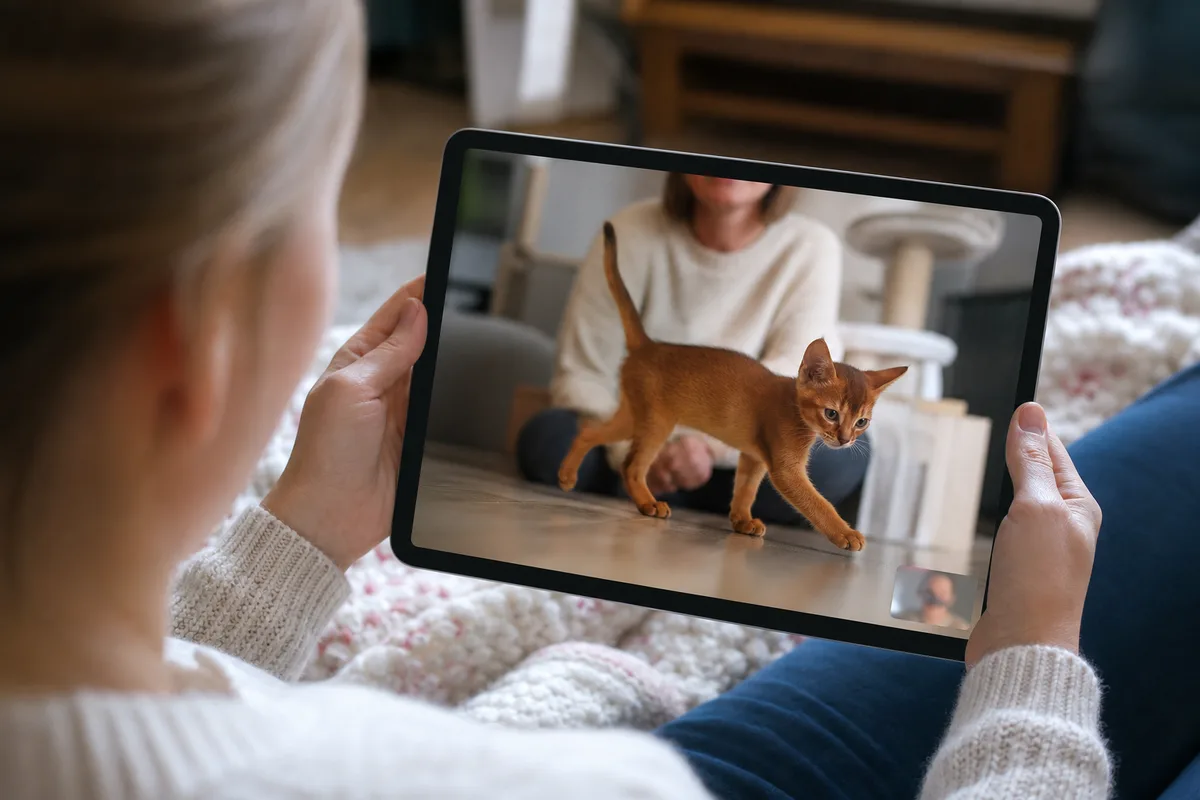
Ask for a live visit when practical. If distance makes that impossible, request a live video call that shows the kitten moving through the current space, interacting naturally, and appearing with a parent or littermates when the seller says they are present. Ask for simple real-time actions, such as showing a written date or moving to a different room, rather than accepting a polished prerecorded tour.
Use an independent verification sequence
Ranking seller pages lack an independent verification sequence, so verify the seller's identity first, contact the registry independently second, observe the kitten live third, compare records fourth, and read the contract before discussing payment. This independent verification sequence prevents a polished document or friendly video from carrying more weight than it should. Save dates, names, URLs, screenshots, and direct contact details so contradictions are visible instead of forgotten, and repeat a check through the issuer's own contact channel when a claim affects payment.
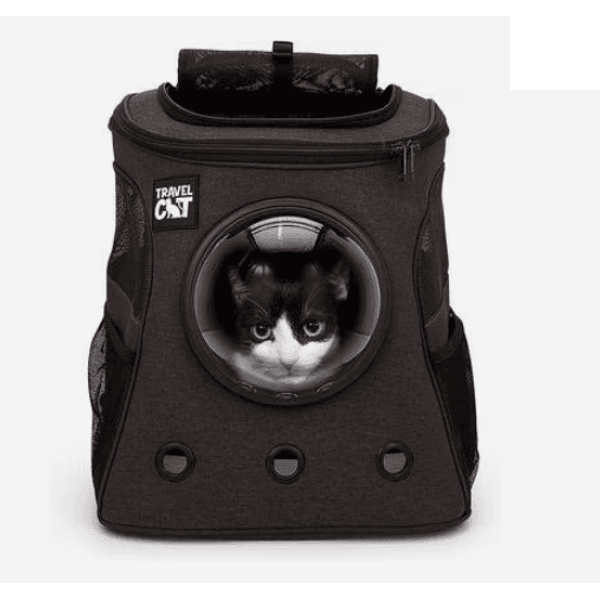
A familiar Travel Cat Fat Cat backpack carrier can support secure pickup and later veterinary travel when the dimensions, ventilation, closures, and weight rating fit the kitten and expected adult. Ask what carrier experience the kitten already has, then practice voluntary entry instead of using confinement as punishment.
Observe the environment without expecting one camera angle to prove everything. Look for clean food, water, litter, and rest areas; safe temperatures; normal breathing and movement; comfortable interaction; and opportunities to explore. Ask why a space is arranged a particular way and how kittens are handled, fed, socialized, and separated when needed. Price and color never substitute for health or identity evidence.
Petful may earn a commission when you click through to Chewy, at no extra cost to you.
Verify pedigree, registration and identity
The CFA Abyssinian profile can help a buyer understand the breed, but appearance remains a consistency check. A warm ticked coat, large ears, or athletic build cannot establish ancestry.
Ask for records that connect the kitten to a named litter and parents. Check names, dates, registration numbers, sex, color, microchip information, and seller identity for internal consistency. Confirm the issuing organization independently when the documentation affects the purchase.
Separate three decisions:
- Breed identity: Pedigree and registry documents connect the kitten to the registered population.
- Current health evidence: Veterinary records and an examination describe this kitten at particular dates.
- Seller practice: Live access, transparency, environment, contract, payment conduct, and post-placement terms show how the transaction is handled.
Strong evidence in one category does not erase missing evidence in another.
Health testing and veterinary records
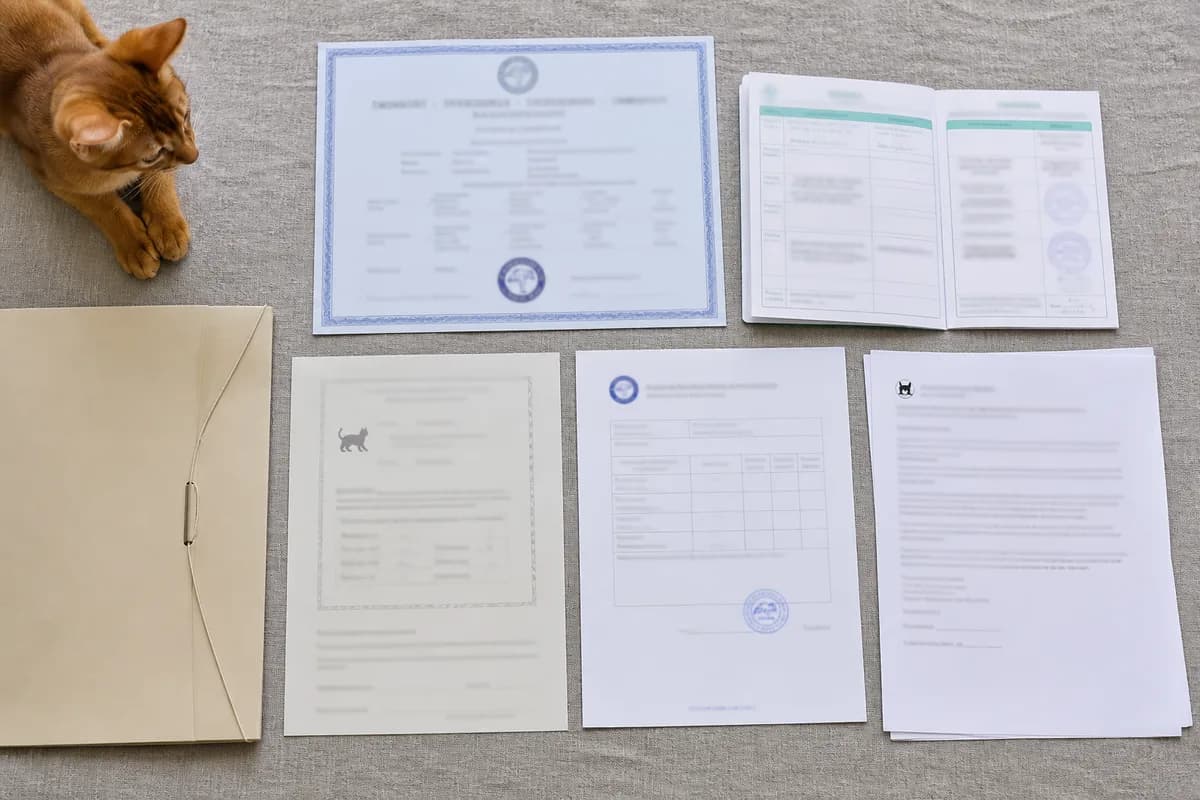
Request legible veterinary records tied to the individual kitten. Useful documents identify the clinic, date, kitten, examination or service, vaccine product when relevant, and follow-up plan. A cropped screenshot, handwritten list without a clinic, or claim that “everything is done” is not equivalent.
Ask which health information is available for the parents and which conditions or screening decisions were discussed. The dedicated Abyssinian health and lifespan guide owns the clinical detail. A test result can answer the specific question it was designed for, but no screening program guarantees lifetime health.
Plan the receiving examination
Arrange an independent veterinary appointment for soon after pickup. Ask the receiving clinic what records to bring, how to transport the kitten safely, and which symptoms require faster care. Do not delay veterinary attention while arguing with a seller about whether a change is “normal for the breed.”
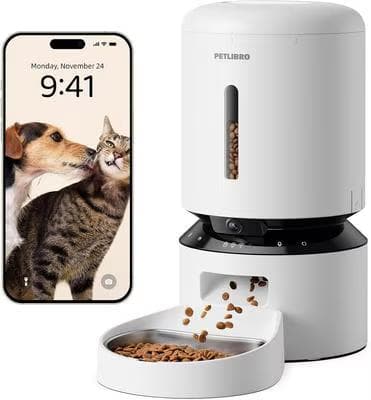
A timed Petlibro Granary WIFI automatic feeder may later help distribute measured dry-food meals, but it should not be used to change the kitten's food or schedule immediately without a transition plan. Confirm what, how much, and when the kitten currently eats before buying feeding equipment.
Abyssinian adoption and rescue
Abyssinian adoption searches may find adults, mixes, owner surrenders, or shorthaired ticked cats assigned a breed label from appearance. Lack of pedigree does not reduce a cat's value as a companion. It does change the confidence of an ancestry statement.
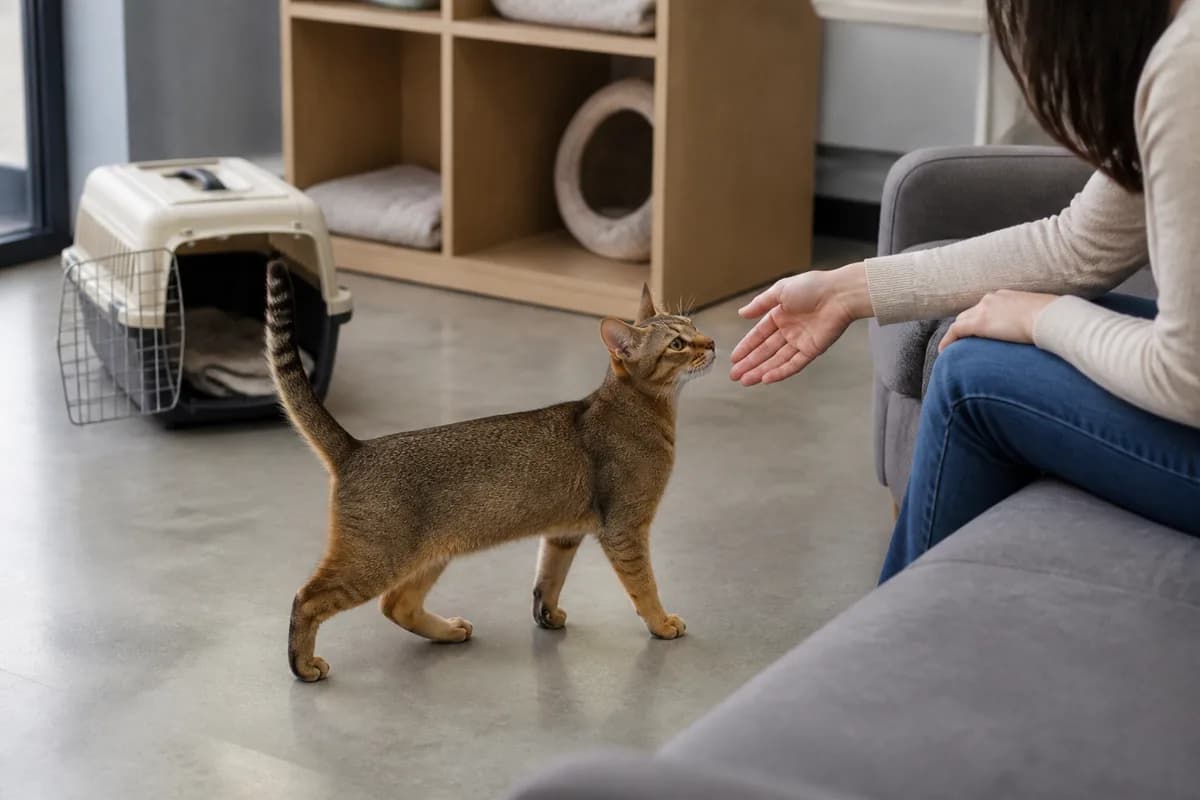
Ask what evidence supports the label and what history is known. A transferred pedigree, registration record, microchip trail, or prior owner record may provide documentary support. Without those items, describe the cat as Abyssinian-like or ticked rather than presenting the breed as confirmed.
Adult adoption can offer behavior information that is harder to predict in a young kitten. Ask about activity, handling, litter habits, food, medical needs, reactions to children or animals, and recovery after stress. Observations from one environment are helpful, not guarantees for a new home.
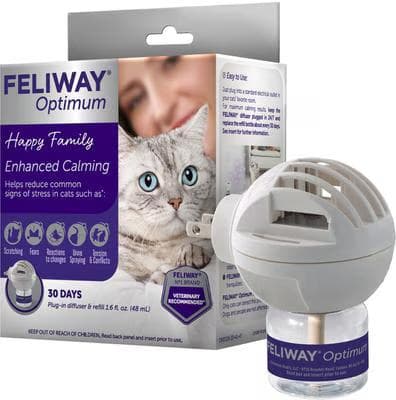
A Feliway Optimum diffuser starter kit may be one optional environmental support during a transition, but it cannot make a rushed introduction safe or treat illness. Follow product directions and continue using quiet space, distance, separate resources, and direct observation.
Petful may earn a commission when you click through to Chewy, at no extra cost to you.
Price, deposits and contracts
Petful's Abyssinian cat price guide owns purchase ranges, first-year setup, recurring care, and lifetime scenarios. On this sourcing page, the critical question is what the quote includes and whether the transaction is independently verifiable.
Request an itemized written quote. It should identify the kitten, total price, deposit, due dates, refundability, included veterinary care, registration, microchip, sterilization terms, pickup or transport, sales tax if applicable, return policy, and post-placement support. Do not send a “hold” payment before seeing the contract that governs it.
Read every payment term
Read the breeder contract before paying. Clarify ambiguous wording in writing. Save the listing, messages, invoice, payment receipt, live-video date, and copies of every record. A contract cannot make a dishonest seller safe, but unclear or missing terms create unnecessary risk.
The second Travel Cat backpack carrier link belongs in the pickup plan, not in a seller's mandatory bundle. Compare carrier size and safety separately. A seller should not pressure a buyer to overpay for unrelated supplies as a condition of releasing the kitten.
Spot Abyssinian kitten scams
The FTC's pet scam guidance emphasizes verifying the seller, resisting pressure, and recognizing invented fees. Scam red flags include copied identity, refusal of live contact, inconsistent records, untraceable payment requests, surprise shipping charges, and urgency that appears only when a buyer asks questions. Search the seller's name, phone, email, kennel or cattery name, and distinctive listing text, and reverse-search images when possible. A pet scam can use real breed information, copied photographs, and plausible paperwork, so no single familiar detail establishes legitimacy.
What to verify before you decide
- Verify documentary records through the organization or clinic that issued them. Walk away if the seller refuses live contact, provides inconsistent identity or records, requests gift cards or cryptocurrency, insists on secrecy, adds repeated shipping or crate fees, or says another buyer will take the kitten unless money is sent immediately. Population estimates and breed-wide statements are not guarantees about this kitten or transaction. Verification should become easier as the transaction progresses, not harder.
Use this stoplight seller-verification checklist:
- Green, proceed while checking: Identity is consistent, live access is available, documents can be independently confirmed, questions receive specific answers, and written terms arrive before payment.
- Yellow, pause: One record is missing, an answer changes, the video cannot happen at the agreed time, or payment terms are vague. Do not send money until the gap is resolved.
- Red, walk away: Copied identity, no live access, threats, gift-card or crypto demand, fabricated urgency, surprise logistics fees, or documents that cannot be connected to the kitten.
A low price is not automatically a scam, and a high price is not automatically safe. Evidence controls the decision.
Petful may earn a commission when you click through to Chewy, at no extra cost to you.
Pickup and transport
Agree in writing on who is authorized to transfer the kitten, the exact location, the pickup date, the records exchanged, and what happens if travel is disrupted. Avoid handing money to an unrelated courier or paying repeated “refundable” crate, insurance, or permit charges.
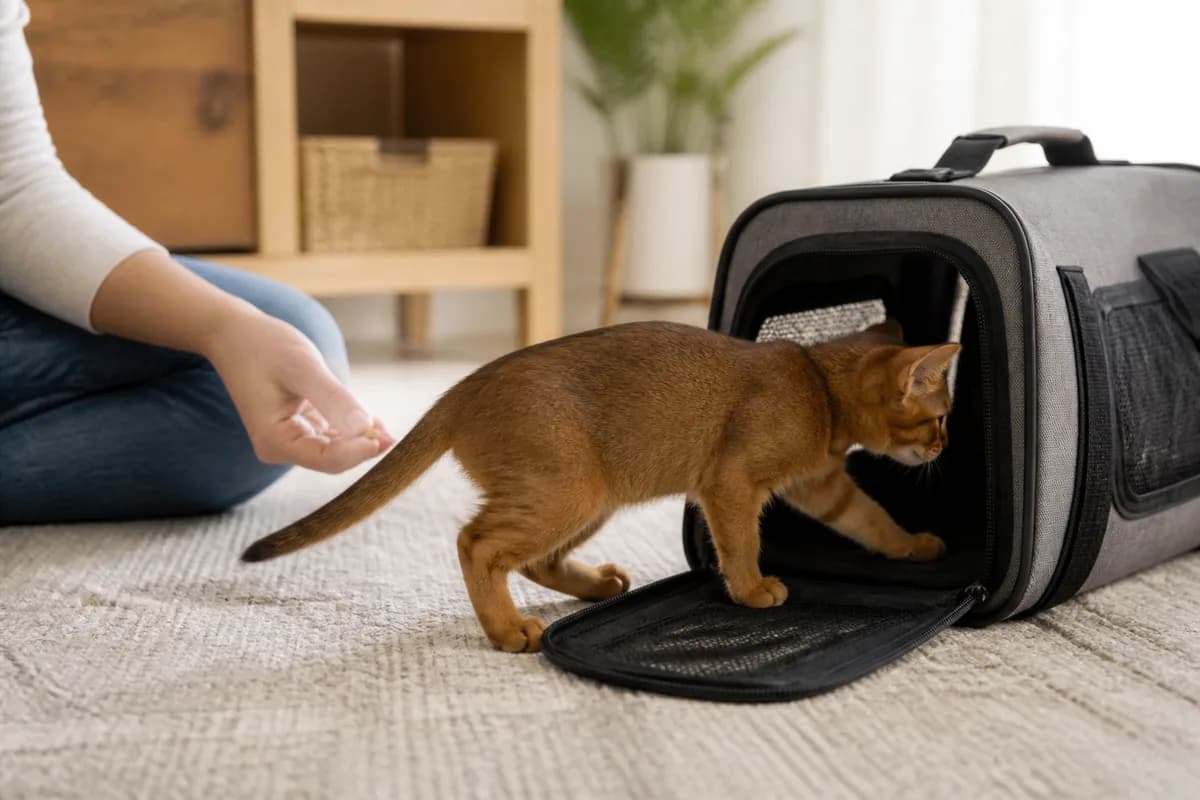
Bring a secure carrier, absorbent liner, spare bedding, cleaning supplies, current contact information, and the agreed documents. Keep the carrier closed during transit. Do not open it in a parking lot, airport, or roadside area.
The second Petlibro automatic feeder reference applies after arrival: match the known feeding routine first, and introduce automation only after confirming the kitten eats normally. An app schedule cannot substitute for watching appetite during a major transition.
Confirm age and pickup readiness
Do not choose a pickup date only because it is convenient or because the seller offers a discount. Confirm the kitten's documented birth date, current development, veterinary plan, food and litter routine, and ability to make the intended trip. The written agreement should identify who can release the kitten and which original or copied records transfer at pickup.
Prepare for the first week
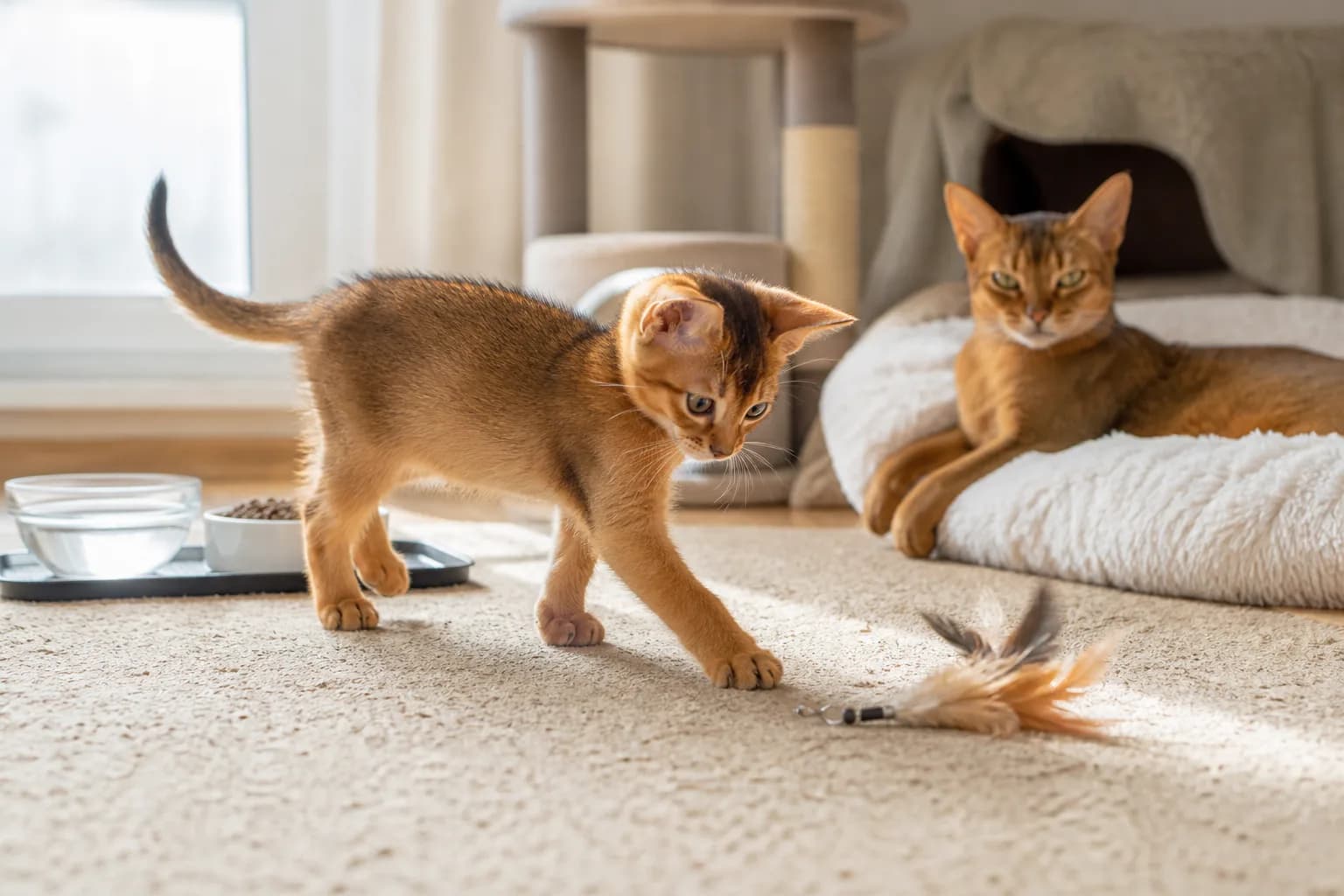
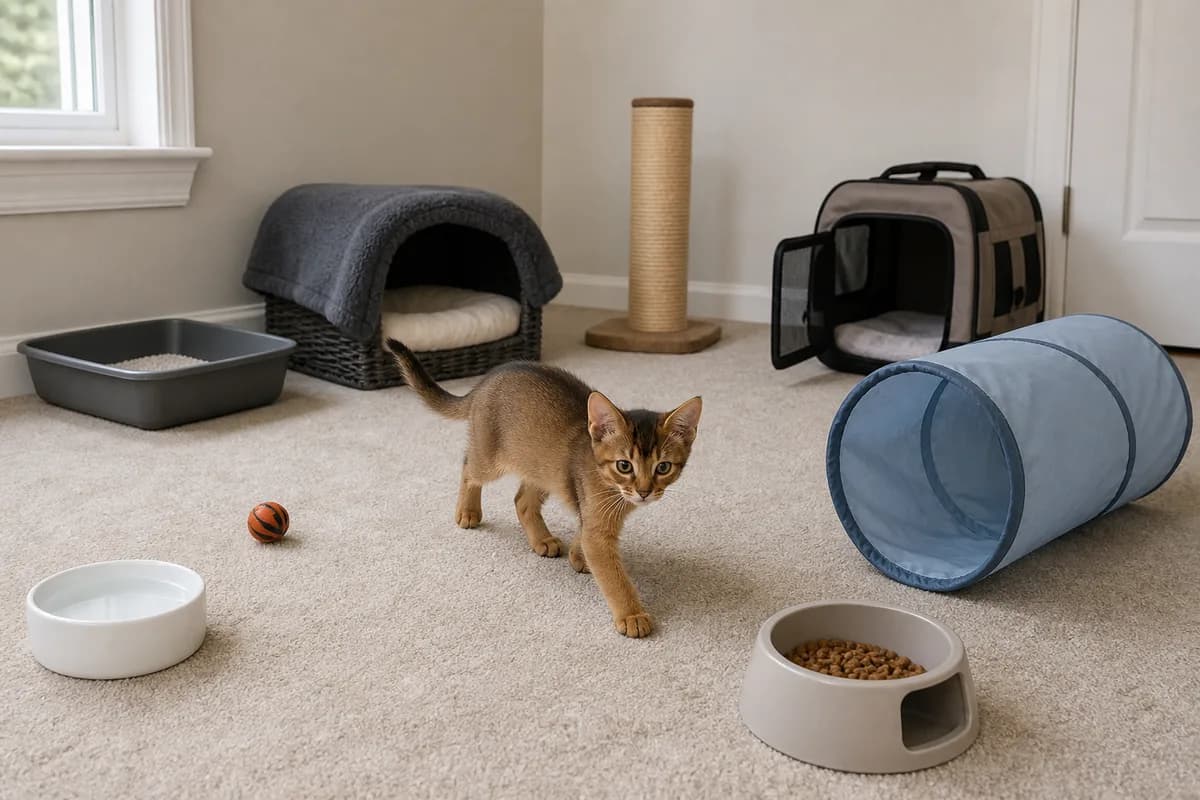
Set up one quiet starter room before the kitten arrives. Include familiar food and litter, water away from litter, an open carrier, a scratcher, safe rest options, and simple supervised play. Remove strings, exposed cords, toxic plants, recliner hazards, unstable furniture, and gaps where a kitten can become trapped.
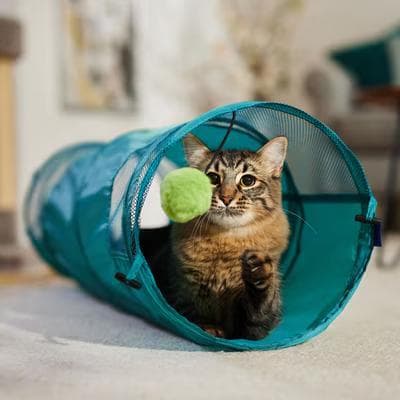
The Frisco foldable play tunnel can offer hiding and play when stable and intact. Keep it away from doors and stairs, supervise until the kitten's behavior is known, and retire it if mesh, wire, or seams are exposed.
WebVet's guide to kitten toys can help build a small, varied starter set without overwhelming the room. Store string, feathers, elastic, and small detachable pieces between supervised sessions.
Rotate enrichment without changing everything
The second Frisco play tunnel link is useful when rotating enrichment. Leave familiar safe items in place while changing only one or two objects. A kitten that hides, eats less, vomits, has diarrhea, strains in the litter box, breathes abnormally, or seems weak needs observation and appropriate veterinary guidance, not more novelty.
The second Feliway Optimum diffuser reference belongs within a broader adjustment plan. Provide distance, predictable care, gradual introductions, and an escape route. A pheromone product cannot override fear signals or replace medical assessment.
Build a first-week observation plan
Record normal eating, drinking, urination, stool, sleep, play, breathing, and social behavior without hovering over the kitten. Keep the first veterinary contact information visible and know the safest route to the clinic. Home preparation is not simply buying supplies: it is removing hazards, preserving a familiar routine, controlling introductions, and noticing meaningful change early.
Questions to ask before reserving a kitten
A good question produces a record, observation, or specific explanation. Avoid asking only, “Are the kittens healthy?” or “Are you reputable?” Those questions invite reassuring answers without usable evidence.
Ask instead:
- What are the kittens' birth date, identifiers, and current weights, and how are those details recorded?
- Which adult cats are the parents, and which pedigree or registration records connect them to this litter?
- Which veterinary clinic provided care, on what dates, and what follow-up remains?
- What health information or screening records are available for each parent, and what can each result actually establish?
- What food, litter, household sounds, people, animals, handling, grooming, and carrier experiences has the kitten had?
- When can the kitten leave, and what age and readiness factors control that decision?
- May I see the current environment live and meet the kitten without pressure to pay during the call?
- What happens if an independent veterinary examination finds a concern after placement?
- What return or rehoming support applies if the household cannot continue care?
Write the answers down and compare them with the contract and records. A detailed verbal answer that conflicts with a written term needs clarification before payment.
Evaluate the individual kitten
Breed tendency is not an individual assessment. During a live visit or video, observe whether the kitten can move normally, recover after a mild novelty, interact voluntarily, eat or play when appropriate, and rest without constant disturbance. One shy moment or one energetic burst does not define personality.
Ask how the kitten behaves at different times and around familiar people. Request examples rather than labels. “Confident” might mean the kitten explores a new box after a pause. “Cuddly” might mean the kitten rests beside one familiar caregiver but does not enjoy being held.
Preserve the kitten's ability to choose
Look for the ability to choose. A kitten repeatedly placed in front of the camera, awakened, restrained, or passed between people cannot show ordinary behavior. Ask to see the kitten in a normal part of the routine.
If children or resident animals are part of the household, do not ask for a guarantee. Ask what exposure has occurred, how it was managed, and what behavior was observed. Plan introductions from the beginning regardless of the answer.
Introduce resident pets gradually
Prepare a closed starter room before arrival and keep resident animals outside it. Begin with separate resources and scent exchange. Progress to controlled visual access only when all animals can eat, play, rest, and disengage without escalating fear or arousal.
Move at the pace of the least comfortable animal. Hissing, hiding, barking, stalking, blocking, chasing, appetite change, litter avoidance, or persistent vigilance can mean the plan needs more distance or professional guidance. Do not place animals nose to nose to “get it over with.”
For a resident dog, use secure barriers, leash control when appropriate, and cat-only vertical escape routes. For resident cats, distribute litter, food, water, scratching, and rest so one cat cannot guard the entire set. Supervise children and teach them not to follow the kitten into its safe room.
Records to keep after placement
Create one folder for the contract, invoice, payment receipt, pedigree, registration transfer, microchip, veterinary documents, food and medication instructions, seller or organization contact, and live-video or pickup notes. Preserve the original files rather than relying on message threads that may disappear.
Confirm the microchip registration and contact information through the relevant service. Send usable records to the receiving veterinary clinic and ask what remains due. Record the kitten's normal food, portions, litter, sleep, activity, and elimination during the first days so changes are easier to describe.
Contact a veterinarian promptly for breathing difficulty, collapse, repeated vomiting, severe diarrhea, straining without urine, major injury, seizures, suspected toxin exposure, or marked weakness. A seller's reassurance should never delay emergency care. For less urgent changes, call the clinic for triage guidance based on the kitten's age, history, and symptoms.
Is this the right choice for your household?
An Abyssinian kitten can suit a household prepared for daily activity, vertical space, close observation, training, and years of care. The breed may be a poor current fit if the home cannot separate animals safely, secure doors and windows, supervise children, provide veterinary access, or meet a highly active cat's needs.
- Household fit factors include time, safe space, activity, veterinary access, resident animals, and a sustainable care budget
- Early records can establish ancestry and care history
- Kittenhood offers time to build carrier, grooming, and handling skills gradually
- Adult adoption can provide more developed behavior information
- Individual behavior can vary and no seller, registry listing, price, color, or pedigree guarantees responsible practices
- Kitten behavior and adult personality cannot be predicted exactly
- Active kittens require substantial safety work and supervision
- Verification, travel, setup, veterinary care, and emergencies add time and cost
Choose the best-supported individual and placement, not the most persuasive listing.
Abyssinian Kittens for Sale FAQs
These answers resolve captured search questions without endorsing sellers or taking price and health depth from their owner pages.
To avoid an Abyssinian kitten scam, verify the seller's identity through independent sources, request a live visit or real-time video with the current kitten, and confirm records through the registry or veterinary clinic that issued them. Do not send money when a seller refuses live contact, changes identity details, creates sudden urgency, requests gift cards or cryptocurrency, or adds unexpected shipping, crate, insurance, or permit fees after a deposit.
Confirm that the kitten exists and can be observed live in its current environment. Check the seller or organization's identity, pedigree and registration claims, veterinary records, parent information when available, age, feeding routine, socialization, pickup arrangements, and return terms. Read the full contract before paying, compare every document for consistent names and dates, and arrange an independent veterinary examination soon after placement.
Ask for pedigree and registration information connected to the individual kitten, along with legible veterinary records showing the clinic, dates, kitten identifier, examinations, vaccines, treatments, and follow-up needs. The written contract should identify the kitten, total price, deposit and refund rules, included services, registration transfer, pickup or transport terms, return policy, and post-placement support. Confirm important records directly with their issuers.

Coreen Saito is a pet writer and longtime shelter volunteer with more than a decade in animal rescue. She covers cat behavior, breed care, and the small, ordinary science of sharing a life with companion animals, with a particular focus on honest takes about the products and decisions that actually matter. At home in Arizona, she's outranked by Mac (a dog with the loudest opinion in the house), Rebel (a cat who governs by quiet authority), and Meri (an orange tabby who runs the late shift and the laundry basket). She writes about all three, plus the rescues that keep coming through her life, at LifeWithMinty.com.
Sign up for expert-backed reviews and safety alerts all in one place.