Abyssinian Cat Lifespan and Health Problems
Abyssinian health planning combines breed-aware screening with ordinary feline preventive care. Learn what is inherited, what is general and when to call a veterinarian.

BVMS, MRCVS
Petful is reader supported. As an affiliate of platforms like Amazon and Chewy, we may earn a commission when you buy through links on this page. There is no extra cost to you.
The Abyssinian cat lifespan is estimated at about 9 to 13 years in a current veterinary-reviewed breed guide, but that range is a population estimate, not a deadline for one cat. Inherited risks reported in the breed include progressive retinal atrophy and pyruvate kinase deficiency, while renal amyloidosis is an important but more complicated concern. Ordinary feline issues, including dental disease, weight change, and age-related illness, still deserve just as much attention.
This guide separates three kinds of evidence: what a DNA test can answer, what a veterinarian can evaluate, and what an owner can observe at home. It cannot diagnose an illness or predict an individual Abyssinian's future. A new symptom should be assessed on its own merits rather than attributed to breed.

Sign up for expert-backed reviews and safety alerts all in one place.
Abyssinian Cat Lifespan and Health Problems at a glance
- 1Answer-first breed guidance starts with a boundary: a population lifespan range and inherited-risk list cannot predict one cat's future
- 2Individual cats can vary, so current symptoms, veterinary findings, family history, and verified laboratory records matter more than assumptions
- 3DNA tests can inform risk for specific inherited conditions such as PK deficiency and one form of PRA, but they do not replace veterinary care
- 4Breathing difficulty, collapse, inability to urinate, seizure, severe pain, toxin exposure, or rapid decline needs urgent veterinary triage
Abyssinian health at a glance
The most useful approach to Abyssinian cat health problems is breed-aware without becoming breed-obsessed. Know the inherited conditions for which documented testing exists, build a preventive plan with your veterinarian, and keep a simple record of the individual cat's normal appetite, activity, litter use, breathing, weight, coat, and behavior.
This screening-and-observation matrix uses clear decision labels and source-aware breed distinctions. Read each row from the health question to the strongest available evidence, then note what that evidence cannot establish. That sequence separates a DNA result from a veterinary assessment and an owner's observation, so readers can use each evidence level without treating any one level as a diagnosis or guarantee.
| Question | Best evidence | What it cannot prove |
|---|---|---|
| Progressive retinal atrophy risk | A laboratory result matched to the individual cat or breeding parent, plus veterinary eye care | A normal-looking eye today does not establish genetic status |
| Pyruvate kinase deficiency risk | A documented DNA result interpreted for the cat or breeding pair | Energy level, coat color, or a verbal claim cannot establish carrier status |
| Kidney and amyloidosis concerns | Family history, veterinary examination, and testing chosen for the individual cat | There is no appearance-based clearance and no lifespan estimate rules it out |
| Dental health | Regular oral examination and a veterinarian-guided home-care plan | Normal eating does not rule out oral pain |
| Everyday wellness | Trends in weight, muscle, appetite, water intake, urination, stool, activity, breathing, and behavior | A device or checklist cannot diagnose the cause of a change |
 Sponsored
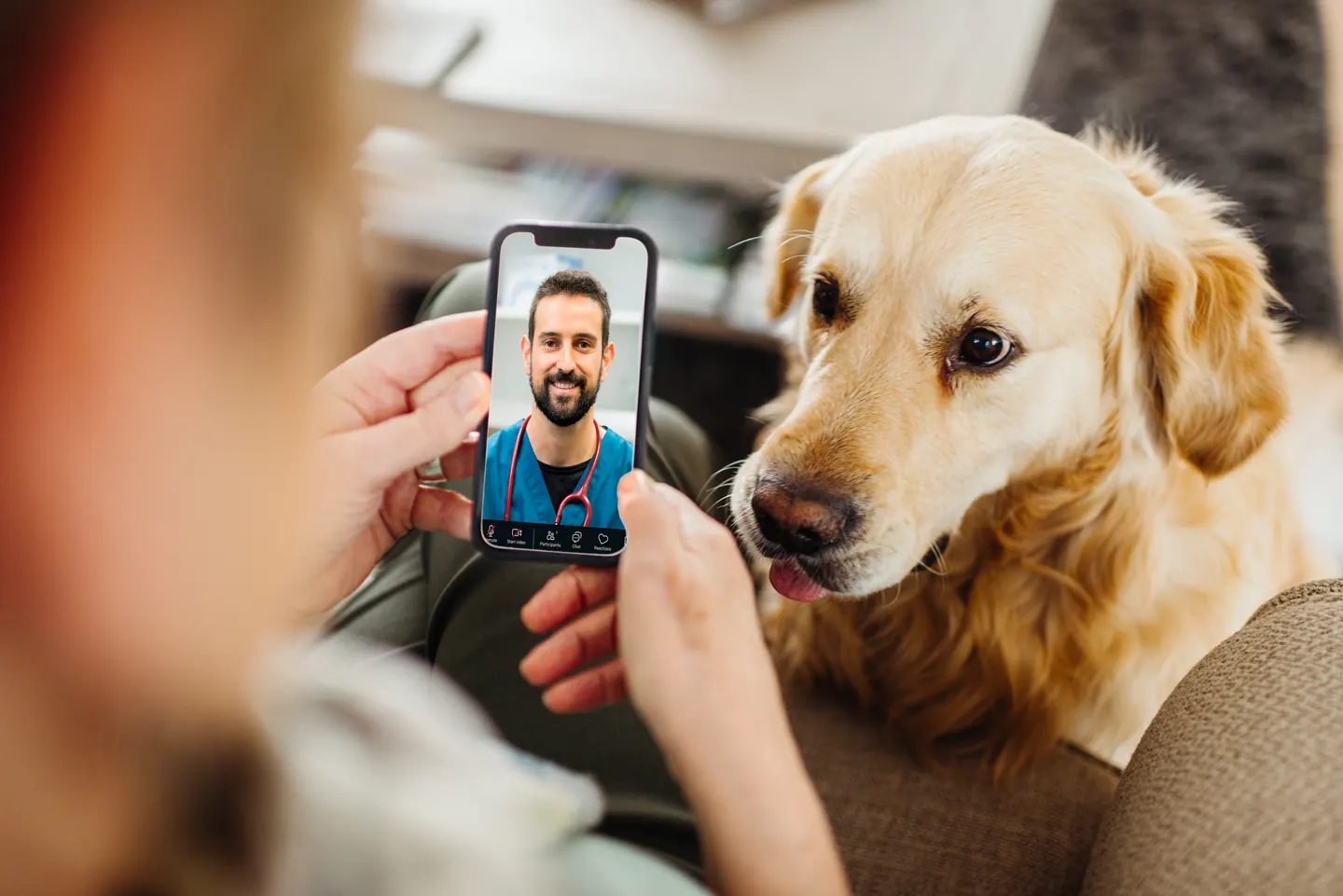
Have a health question about your pet?
Talk to a licensed vet at Dutch over video or message, including nights and weekends.
Use code Pets60
Plans start at $12/month · covers up to 5 pets
- Licensed vets in most states
- Rx for 150+ conditions
- 4.7 on Trustpilot
Warning signs that need veterinary attention
The safest order is to put emergency guidance before commercial content because a cat in distress needs triage, not a product suggestion. That order also protects against waiting for a delivery, trying an unproven remedy, or assuming a familiar breed risk explains the problem. Call a veterinary professional for guidance when the situation is uncertain, and seek urgent help for any of these signs:
- Open-mouth breathing or obvious breathing difficulty
- Collapse, seizure, sudden paralysis, or profound weakness
- Severe or rapidly increasing pain or major trauma
- Suspected toxin exposure
- Inability to urinate or repeated straining with little or no urine
- Any rapid decline, whether or not the sign appears on a breed-risk list
Contact a veterinarian promptly for a meaningful new change in appetite, thirst, urination, vomiting, diarrhea, weight, vision, balance, gum color, energy, grooming, or social behavior. Sudden refusal to eat deserves timely guidance, especially when paired with vomiting, pain, lethargy, or another illness.
Do not wait for several signs to accumulate before calling. A veterinarian or emergency clinic can help determine the safest timing and next step based on the complete situation.
- An Abyssinian's ancestry can help a veterinarian choose questions and tests, but it does not identify the cause of a current symptom. Treat breathing difficulty, collapse, urinary obstruction signs, severe pain, toxin exposure, seizure, sudden weakness, or rapid decline as urgent regardless of pedigree.
Keep your regular veterinarian's number, the nearest emergency clinic, transport plan, and current medication list easy to find. A secure carrier should be accessible rather than stored behind heavy boxes. If the cat is distressed, call the clinic for transport instructions and avoid forcing food, water, or medication unless a veterinarian directs it.
Petful may earn a commission when you click through to Chewy, at no extra cost to you.
Inherited conditions and screening
An inherited risk is not the same as a diagnosis. A predisposition means a condition occurs often enough in the breed to justify better questions and, where appropriate, documented testing. It does not mean every Abyssinian will be affected.

Progressive retinal atrophy
Progressive retinal atrophy, often shortened to PRA, describes inherited retinal degeneration that can lead to vision loss. The UC Davis Veterinary Genetics Laboratory Abyssinian PRA test addresses a specific variant associated with the breed. A laboratory result should identify the tested cat and be interpreted in the context of inheritance and breeding decisions.
A genetic result answers a narrow genetic question. It does not replace an eye examination, prove that every possible cause of vision change is absent, or diagnose why a cat is bumping into objects. New difficulty navigating, dilated pupils, reluctance to jump in familiar spaces, or apparent night-vision changes warrants veterinary assessment.
Pyruvate kinase deficiency
Pyruvate kinase deficiency is an inherited red-blood-cell disorder that can cause hemolytic anemia. The UC Davis Veterinary Genetics Laboratory PK deficiency test describes DNA testing and autosomal recessive inheritance for affected breeds, including Abyssinians.
For a kitten purchase, ask for the parents' actual laboratory reports rather than accepting the phrase "health tested." The names or identifiers on the reports should match the cats being represented. A breeding plan can use clear, carrier, and affected results differently, so the existence of a carrier result alone is not a complete explanation. Ask the seller to explain the pairing and have your veterinarian review documents you do not understand.
Weakness, pale gums, jaundice, poor exercise tolerance, or unusual lethargy can have many causes. Those signs need veterinary care, not home interpretation of a breed article.
Petful may earn a commission when you click through to Chewy, at no extra cost to you.
Renal amyloidosis
Amyloidosis involves abnormal protein deposits in tissues, and breed references report greater concern in Abyssinians than in many cats. The kidneys are often discussed in relation to the breed. The evidence boundary matters: do not treat a seller's statement, a normal-looking kitten, or a one-time basic check as proof that a cat will never develop disease.
Family history is useful when it is specific and documented, but it is not destiny. Ask what is known about close relatives, causes and ages of death, and any kidney-related diagnoses. A veterinarian can decide which examination findings, blood pressure measurements, urine tests, blood tests, or imaging are appropriate for the individual cat.
Increased thirst or urination, weight loss, vomiting, appetite change, dehydration, or lethargy can occur with many illnesses. Arrange veterinary assessment rather than assuming amyloidosis or waiting because the cat is young.
Abyssinian cat lifespan
The veterinary-reviewed PetMD Abyssinian breed guide gives an expected lifespan of 9 to 13 years. That is useful for planning a long commitment, not predicting a date. Some cats die younger because of disease or injury, while others live beyond the cited range. No responsible source can convert the average into an individual guarantee.
Longevity is shaped by many interacting factors, including genetics, family history, indoor safety, preventive care, nutrition, dental comfort, body and muscle condition, activity, exposure risk, disease, and access to timely treatment. An individual cat can also develop a health problem unrelated to the breed.
Use age to update care, not to dismiss change. A younger cat can have serious disease, and an older cat's weight loss, stiffness, confusion, or withdrawal should not be written off as normal aging. The AAFP feline life-stage guidance emphasizes age-appropriate observation and veterinary conversations across the cat's life.
Track trends instead of chasing a number
A monthly weight or body-condition trend, notes about appetite and toileting habits, and short videos of new movement or breathing changes can help a veterinarian understand what changed. Record enough to notice patterns without turning daily life into constant surveillance.
A simple record might include:
- Weight and body or muscle condition as advised by the veterinary team
- Normal food portions and appetite
- Water intake patterns, if they can be observed without guesswork
- Urine clump size or frequency and stool changes
- Play, jumping, sleep, and social behavior
- Dental care tolerance, breath changes, and chewing comfort
- Medications, test results, diagnoses, and follow-up dates
Weight and hydration trends are useful because change over time can be easier to recognize than one isolated measurement. They still require context: a full water bowl does not show which cat drank, and a single weight cannot explain whether a difference reflects hydration, body fat, muscle, measurement technique, or disease.
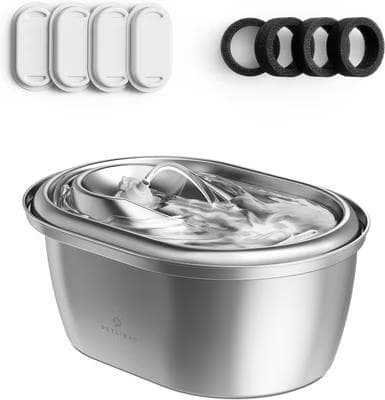
304 food-grade stainless steel pet water fountain, 101 oz. The circulating, filtered water encourages cats to drink more, which supports urinary tract and kidney health.
Petful may earn a commission when you click through to Chewy, at no extra cost to you.
What to verify before you decide
When evaluating a kitten or adult, records are stronger than reassuring language. The dedicated guide to Abyssinian kittens, breeders, adoption, and buying safely covers the transaction process. Health-specific questions include:
- Verify documentary records because "vet checked," "DNA clear," and "healthy lines" are summaries, not proof. Request dated reports tied to the represented cats, the kitten's veterinary paperwork, a written contract, and enough live access to confirm that the animal and seller exist. Population estimates are not guarantees, and neither a lifespan range nor a normal-looking kitten clears future health risk.
Health records to request for a kitten
Abyssinian kitten health testing should mean identifiable records, not a badge or a promise in an advertisement. Ask to see the reports before paying a deposit, confirm that they refer to the represented parents or kitten, and save copies for the kitten's first independent veterinary visit.
- Can the seller show the original PRA and PK deficiency reports and match them to each parent?
- What laboratory performed each test, and can the result be independently verified?
- What veterinary records come with the individual kitten or adult?
- What is known about kidney disease, amyloidosis, anemia, vision loss, and age at death in close relatives?
- Does the contract describe health disclosures, return terms, and what happens if a serious concern is found?
- Can you observe the kitten moving, eating, playing, resting, and breathing naturally during a live visit or live video?
The separate Abyssinian price and lifetime cost guide helps place testing, preventive visits, dental care, and emergency planning in the ownership budget. A high price does not prove health, and a low price does not prove fraud. The quality of the evidence matters.

63-inch multi-level cat tree with scratch posts, hammock, plush perches, and dangling toys. Vertical territory is non-negotiable for high-energy climbing breeds like the Bengal.
Petful may earn a commission when you click through to Chewy, at no extra cost to you.
Dental health
Dental disease is common in cats and deserves attention whether or not an Abyssinian has a specific breed association. Cats can continue eating despite oral pain, so appetite alone is not a reliable dental screen. Veterinary oral examinations and a home-care plan matched to the cat are more useful than waiting for obvious discomfort.
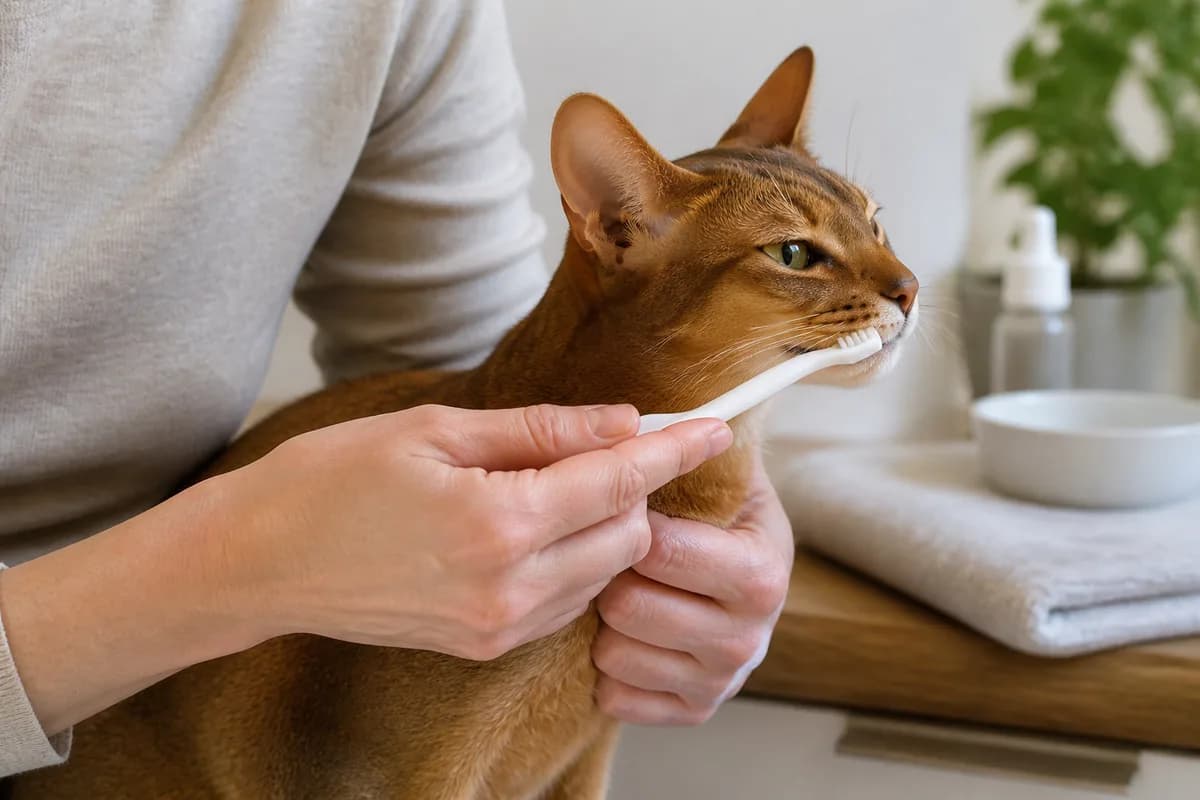
Start cooperative mouth handling gradually. Pair a brief lift of the lip with a reward, then stop before the cat struggles. Use only products recommended for cats, and ask the veterinary team to demonstrate technique. Never use human toothpaste. Bleeding, facial swelling, drooling, foul odor, dropping food, chewing on one side, or resistance to eating needs veterinary attention.
Build care around consent and comfort
A sustainable routine is short and predictable. One calm session is more useful than a forced cleaning that makes future handling harder. If home brushing is not possible, tell the veterinarian rather than substituting unproven products or assuming the coat's easy care means the mouth needs less attention.
 Sponsored
Vet care that's always there
Unlimited video calls and messaging with licensed vets for less than a typical vet visit. One membership covers up to five pets.
Use code Pets60
Plans start at $12/month · covers up to 5 pets
- Licensed vets in most states
- Rx for 150+ conditions
- 4.7 on Trustpilot
Preventive care by life stage
The AAFP life-stage framework supports adjusting veterinary conversations as a cat moves from kittenhood through young adult, mature adult, senior, and end-of-life stages. Preventive visits are opportunities to compare current findings with the cat's baseline, update risk-based care, and decide whether a new observation needs testing. The exact visit schedule should match the individual cat's age, health, medications, and veterinary findings.
Kitten and young adult planning
Confirm vaccination and parasite-control decisions for the cat's real exposure risk. Record a healthy baseline for weight, body condition, oral health, eyes, heart and lungs, mobility, behavior, and litter habits. Discuss sterilization timing, microchip details, nutrition, dental care, and the inherited test records supplied by the seller.
Abyssinian vet visits during this stage can also make cooperative handling easier. Ask the team to show you how to prepare the carrier, record weight consistently, inspect the mouth without force, and identify the clinic's after-hours plan. These are practical skills, not substitutes for an examination.
Mature adult planning
Watch for gradual weight or muscle change, reduced jumping, dental discomfort, altered sleep, louder or more frequent vocalization, and small shifts in thirst or litter use. Ask which screening conversations make sense for the individual's age and history instead of ordering a generic "breed panel."
Senior planning
Older cats may benefit from more frequent trend review as advised by their veterinarian. Make food, water, litter boxes, beds, and preferred perches easier to reach. A low-sided litter box or step can improve access, but a home adjustment should not replace assessment of pain, weakness, urinary change, or cognitive signs.
Questions to carry into each visit
Bring a current medication and supplement list, recent changes, home measurements requested by the clinic, and short videos when a movement or breathing difference is intermittent. Ask what should trigger an earlier recheck and which trends can wait for the next planned appointment. Clear thresholds make preventive care more useful without encouraging home diagnosis.
Daily health support
After urgent guidance and inherited-risk evidence are clear, everyday tools can support routine. They do not prevent or diagnose the conditions above.
Measured feeding routines
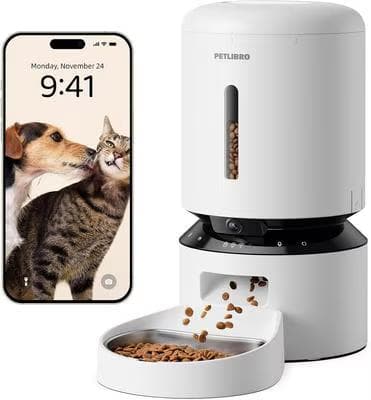
For portion consistency, the Petlibro Granary WIFI automatic feeder with camera can dispense scheduled dry-food portions and help a household see whether food was delivered. A measured feeder still needs regular cleaning, accurate setup, and backup plans. It cannot tell whether one cat in a multi-cat home ate the food or why appetite changed.
The same Petlibro automatic feeder may be useful when work schedules vary, but portions should come from the veterinarian-guided feeding plan. Check the bowl and the cat, not only the app.
Hydration stations
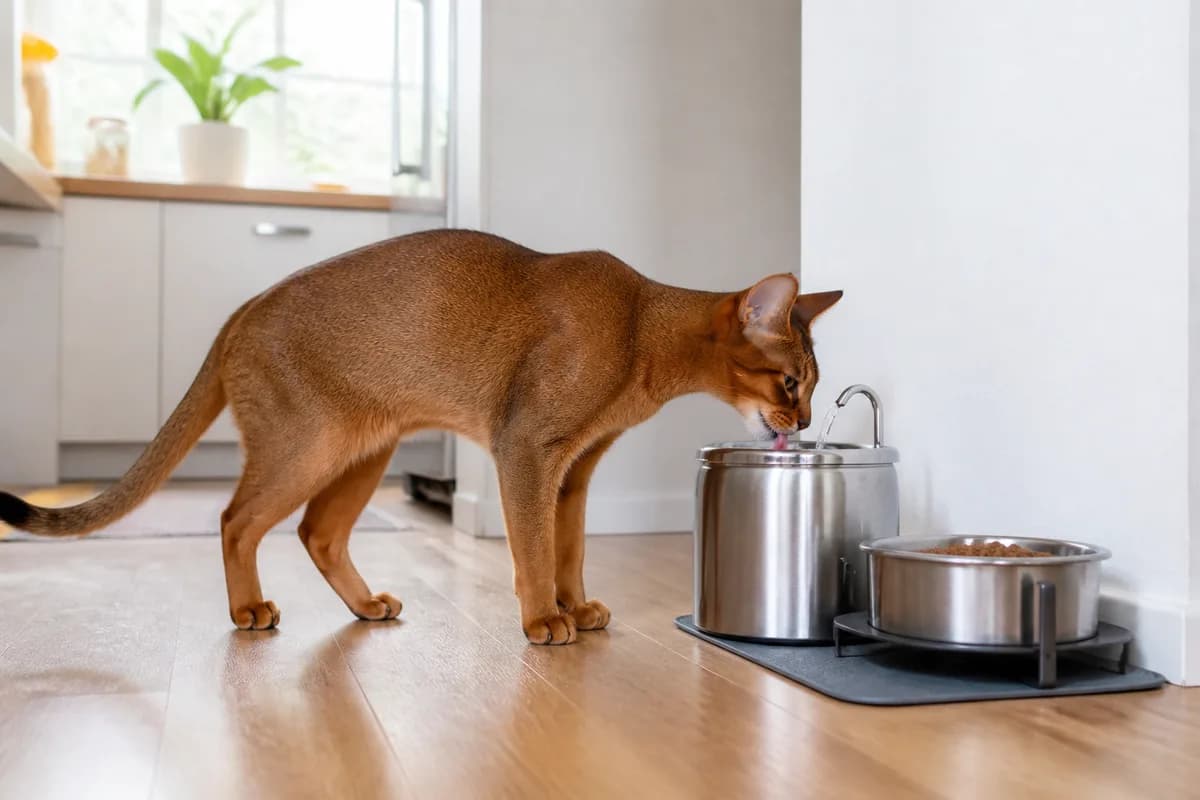
Hydration access matters to all cats. The Petlibro stainless steel cat fountain provides a moving-water option for cats that prefer it. Place it away from food and litter, clean it on schedule, and keep another water source available. A fountain does not treat kidney disease or make increased thirst normal.
If the cat likes moving water, the stainless steel Petlibro fountain can be one part of a multi-station setup. A sustained change in drinking or urination still needs veterinary guidance.
Climbing and enrichment
Abyssinians are often active and curious, so safe vertical movement and interactive play can make observation easier. The Yaheetech 63-inch cat tree offers several levels for climbing and resting when it is assembled securely and placed on a stable surface. Choose access that matches the individual cat's mobility.
For a healthy adult, the multi-level Yaheetech cat tree can support climbing choices. For a senior or a cat with pain or weakness, lower steps and floor-level options may be safer. The WebVet interactive cat toys guide offers additional ways to vary play without assuming one format suits every cat.
Carrier access
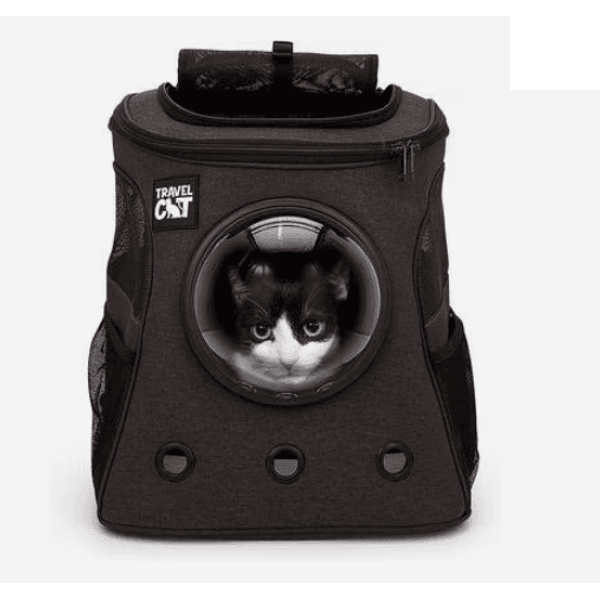
A secure carrier helps with preventive and urgent transport. The Travel Cat Fat Cat bubble backpack carrier is one ventilated option, but buyers should confirm dimensions, weight limits, airflow, closure security, and comfort for their specific cat. Acclimate the cat gradually with the carrier open at home.
The Travel Cat carrier should never be treated as an all-day resting space or left in heat. A rigid carrier may be more appropriate for some medical situations, so ask the veterinary team what transport format they prefer.
Make change visible
Keep food and water stations predictable enough that meaningful changes are noticeable. Use multiple resources in multi-cat homes to reduce competition. A camera, dispenser log, or fountain reservoir can add context, but direct observation remains essential.
Are Abyssinian cats hypoallergenic?
No cat breed is reliably allergen-free. The hypoallergenic myth often confuses visible shedding with exposure to allergens. Cat allergens include proteins carried in saliva, skin secretions, and dander, not only material attached to loose hair. A short coat or lower visible shedding does not make an Abyssinian hypoallergenic.
Anyone with allergies should spend time around the individual cat before making a commitment and consult a medical professional about personal risk. Reactions can differ among people, cats, homes, and levels of exposure, so a brief encounter is not a guarantee about long-term living.
The hypoallergenic myth and cat allergens
The practical answer to the hypoallergenic myth is to plan around real cat allergens and the affected person's health history. An Abyssinian's short coat may change grooming needs or the amount of loose hair seen in a room, but it does not remove allergenic proteins. Exposure can occur through direct contact and through material left on furnishings, clothing, and other household surfaces.
Cleaning, air filtration, bedroom boundaries, handwashing, and coat care may reduce exposure for some households, but no home routine can guarantee a reaction-free environment. Avoid choosing an Abyssinian solely because a listing claims the breed is hypoallergenic, and plan the decision with the affected person's clinician when symptoms could be serious.
Is this the right choice for your household?
The health decision is not whether an Abyssinian is a "healthy breed" or an "unhealthy breed." It is whether the household can verify the available evidence, fund preventive and unexpected care, notice change, provide activity and enrichment, and seek veterinary help without delay.
Household fit factors include access to routine and urgent veterinary care, tolerance for an active cat, a realistic care budget, and willingness to preserve records. Individual behavior can vary, so breed tendencies should guide questions without becoming promises about one cat.
- Household fit factors can include documented DNA testing for specific PRA and PK deficiency questions
- A short coat is generally straightforward to inspect and groom
- Active behavior can make changes in movement or engagement easier to notice
- A clear routine can support feeding, hydration, play, and transport
- DNA results do not predict every health outcome
- Renal amyloidosis and ordinary feline disease require broader veterinary context
- High activity and curiosity require safe environmental planning
- Individual behavior can vary, so breed assumptions can create false reassurance or unnecessary fear
The main Abyssinian cat breed guide covers personality, size, daily care, and household fit. Use this page for the health layer, then make decisions with the individual cat's records and veterinary team.
Supporting an older Abyssinian
An older Abyssinian may remain active, but aging can change jumping, balance, sleep, vision, hearing, grooming, and tolerance for environmental stress. Add access rather than abruptly taking familiar choices away.
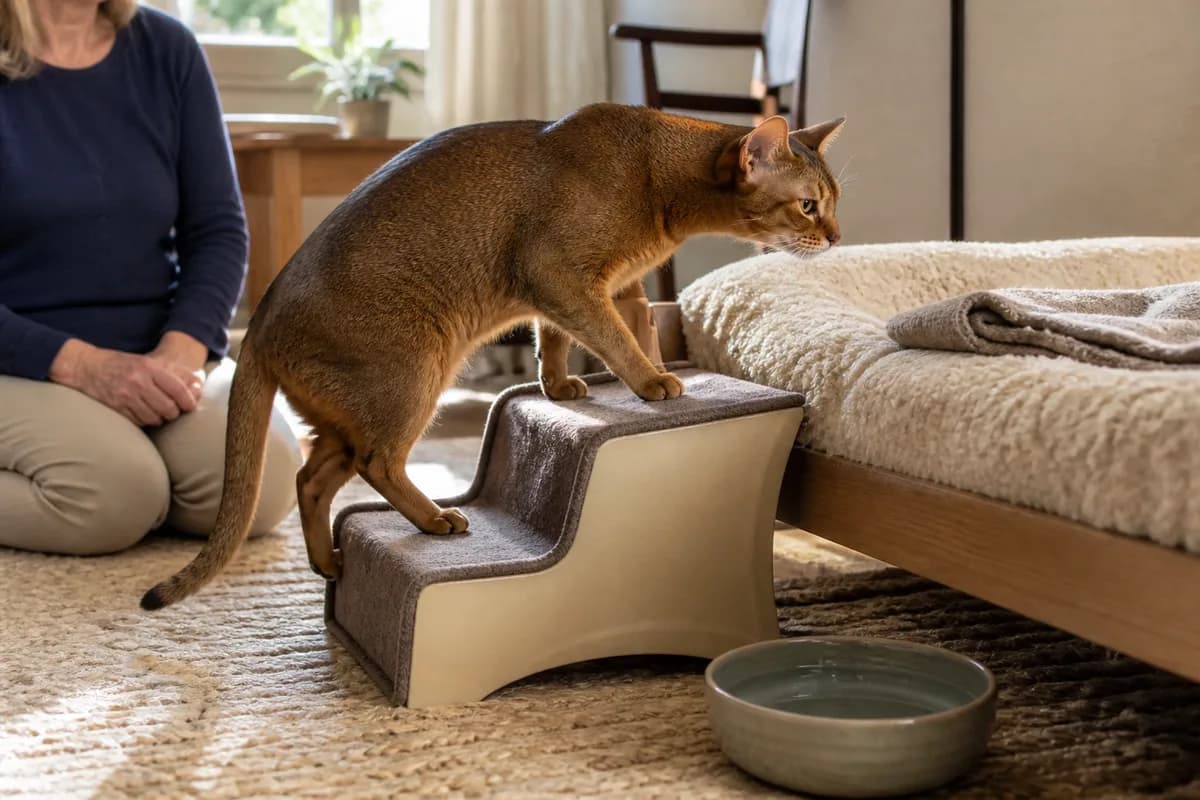
Useful adjustments can include:
- Low steps to a favorite window or bed
- Non-slip runners on common routes
- Warm, easy-to-enter resting places
- Night lights along familiar paths
- More than one water station
- Low-entry toileting trays
Keep one essential resource on every regularly used level of the home when possible.
Do not assume a senior cat is "slowing down" without considering pain or disease. Hesitation before jumping, missed landings, reduced grooming, hiding, irritability during touch, nighttime vocalization, or altered litter habits are useful observations to share with a veterinarian.
Quality of life is individual
Track comfort, appetite, hydration, mobility, hygiene, sleep, social interest, and engagement in favorite activities. The goal is not to force an old routine. It is to preserve safe choice and comfort while responding promptly when the balance changes.
Abyssinian Cat Lifespan and Health Problems FAQs
These answers resolve the captured lifespan question and two health-evidence decisions without turning a breed page into a diagnostic tool.
The average lifespan of an Abyssinian cat is estimated at about 9 to 13 years in a current veterinary-reviewed breed guide. That range describes a population, not a deadline for one cat. Genetics, disease, family history, indoor safety, body and dental condition, preventive care, nutrition, activity, and timely treatment all affect longevity. Use the range to plan for a long commitment while following your veterinarian's advice for the individual cat.
Abyssinian cats can be prone to reported inherited risks that include pyruvate kinase deficiency and a form of progressive retinal atrophy. Renal amyloidosis is also discussed in relation to the breed, although family history and veterinary assessment matter because appearance cannot confirm or exclude it. They can also develop general feline problems such as dental disease. A predisposition is not a diagnosis, and new symptoms should be evaluated by a veterinarian.
The health tests Abyssinian breeders should provide include the parents' original laboratory reports for pyruvate kinase deficiency and the Abyssinian-associated PRA variant, with names or identifiers that match the represented cats. Keep these inherited screening targets separate from general cat health risks, which are better assessed through the kitten's veterinary record, a specific family history that includes kidney disease and ages at death, and veterinary evaluation. Also review the written contract and health disclosures. Testing reduces uncertainty about defined risks but cannot promise lifelong health.
BVMS, MRCVS
Dr. Pippa Elliott, BVMS, MRCVS, is a veterinarian with nearly 30 years of experience in companion animal practice. Dr. Elliott earned her Bachelor of Veterinary Medicine and Surgery from the University of Glasgow. She was also designated a Member of the Royal College of Veterinary Surgeons. Married with 2 grown-up kids, Dr. Elliott has a naughty Puggle named Poggle, 3 cats and a bearded dragon.
Sign up for expert-backed reviews and safety alerts all in one place.