How to Catch a Stray Cat Without a Trap
Learn when a friendly stray cat can enter a carrier voluntarily, how to approach safely, and when kittens or frightened cats need experienced rescue help.
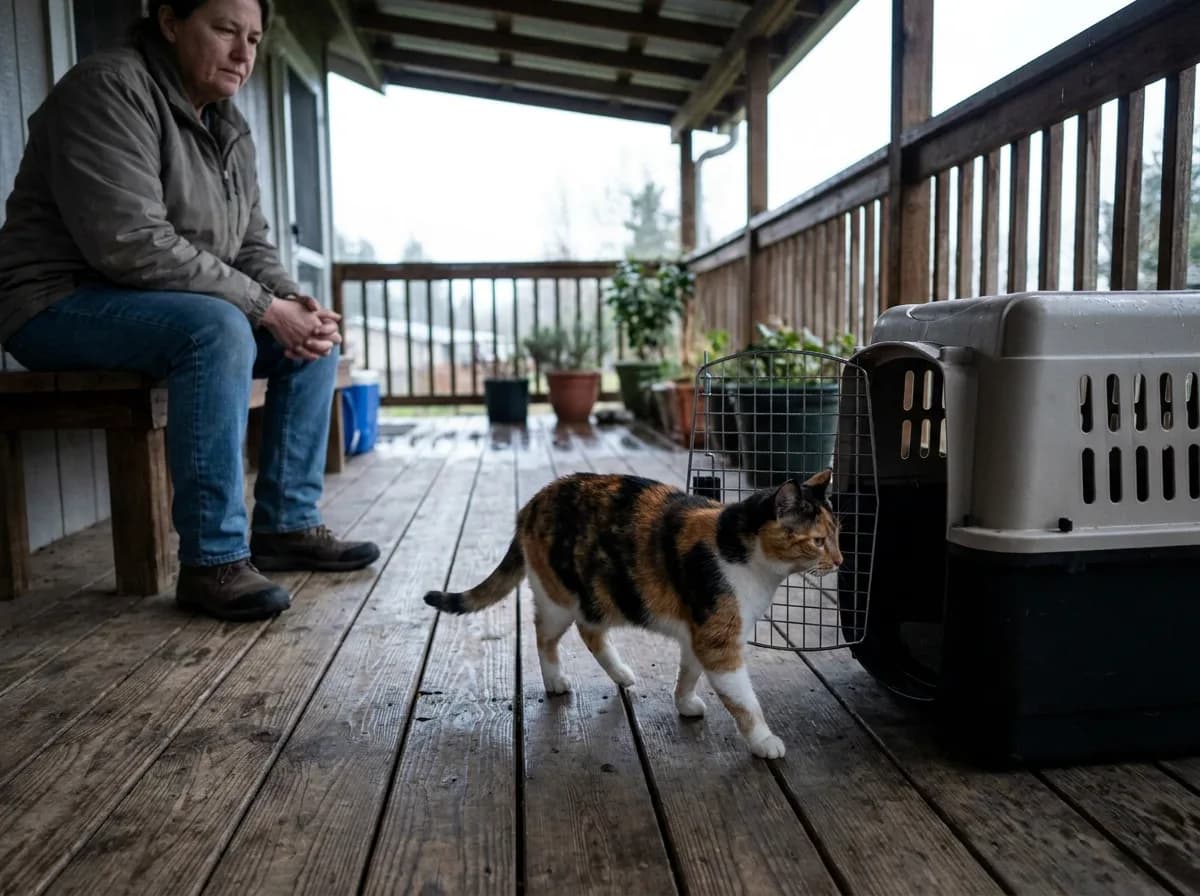
Calico cat beside an open carrier while a person sits nearby on a porch
Petful is reader supported. As an affiliate of platforms like Amazon and Chewy, we may earn a commission when you buy through links on this page. There is no extra cost to you.
If you are wondering how to catch a stray cat without a trap, start with voluntary entry: a friendly cat may walk into a carrier for food, or follow you into a quiet room where you can arrange transport. A cat who retreats, freezes or struggles needs more space, not a faster grab.
I once met Phoebe on a bitterly cold day. She followed me into a local antiques shop where I had stopped, and the woman behind the counter found a carrier. In my original account, Phoebe entered it with some struggle. That story is not a handling method to copy: another cat may panic, and the safer approach below relies on voluntary entry.
Before approaching, settle three practical questions:
- Where can you take the cat for identification or care?
- Can the carrier close securely and travel safely?
- Who can help if the cat is injured, in traffic or unable to move normally? Call a veterinarian, rescue or local animal-control service for a handling plan in those situations.
The Petmate two-door hard kennel is one option for a cooperative cat who fits its measurements. This 24-inch version is listed for pets up to 15 pounds; weight alone does not establish a comfortable fit. Its top opening can be useful for veterinary access later, but it is not a reason to drop an unfamiliar cat into it from above.
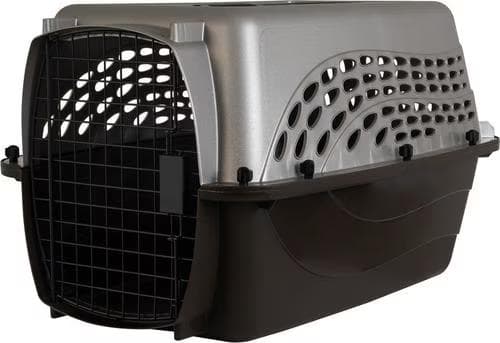
A hard-sided two-door carrier for a cooperative cat who fits the stated dimensions and 15-pound limit.
Petful may earn a commission when you click through to Chewy, at no extra cost to you.

Sign up for expert-backed reviews and safety alerts all in one place.
Read the Cat Before You Try to Catch Them
- 1Use voluntary entry into a sound carrier for a cooperative cat.
- 2Leave an escape route and stop if the cat retreats or struggles.
- 3Arrange identification and veterinary or rescue help before moving the cat.
A cat outside is not automatically lost or abandoned. Some belong to nearby households; others are community cats with regular caregivers. Look for a collar from a distance, ask neighbors and check local lost-pet notices. Photograph the cat without crowding them. A clean coat does not prove ownership, and a rough coat does not prove the cat has none.
A stray cat has lived with people but is now away from a home or caregiver; a feral cat is not socialized to close human contact. That difference affects the handling plan, but one frightened encounter cannot reliably distinguish them. A socialized stray may hide or hiss. Do not test which kind of cat you have by trying to pick them up.
Friendly and frightened are not opposites. Rubbing against your ankles is not permission to lift a cat. Watch the whole interaction: does the cat approach voluntarily, eat while you remain nearby and stay loose-bodied, or do they crouch, flatten their ears, stiffen and withdraw?
| What you observe | Useful next step | Stopping point |
|---|---|---|
| Approaches calmly and investigates food | Offer voluntary entry into an open carrier | Stop if closing the door would require grabbing |
| Hides, hisses or retreats | Give space and preserve an escape route | Do not corner or reach into hiding |
| Injured, weak or in immediate danger | Call for a veterinary or experienced rescue handling plan | Do not delay urgent help to keep trying a food lure |
| Kittens with no mother visible | Observe from a distance and consult a rescue | Do not assume abandonment after a brief absence |
Touching an Unfamiliar Cat
Do not test friendliness by reaching into a hiding place. Keep children and dogs away, turn slightly sideways and let the cat control the distance. Avoid staring, leaning over them or following every retreat. There is no universal “worst fear” shared by all cats, but being cornered, chased or handled by a stranger can make this encounter harder.
Our guide to handling an unfamiliar cat safely explains why even an apparently affectionate cat may panic during restraint. The distinction matters here: your goal is a safe route into a carrier, not proving that you can touch the cat.
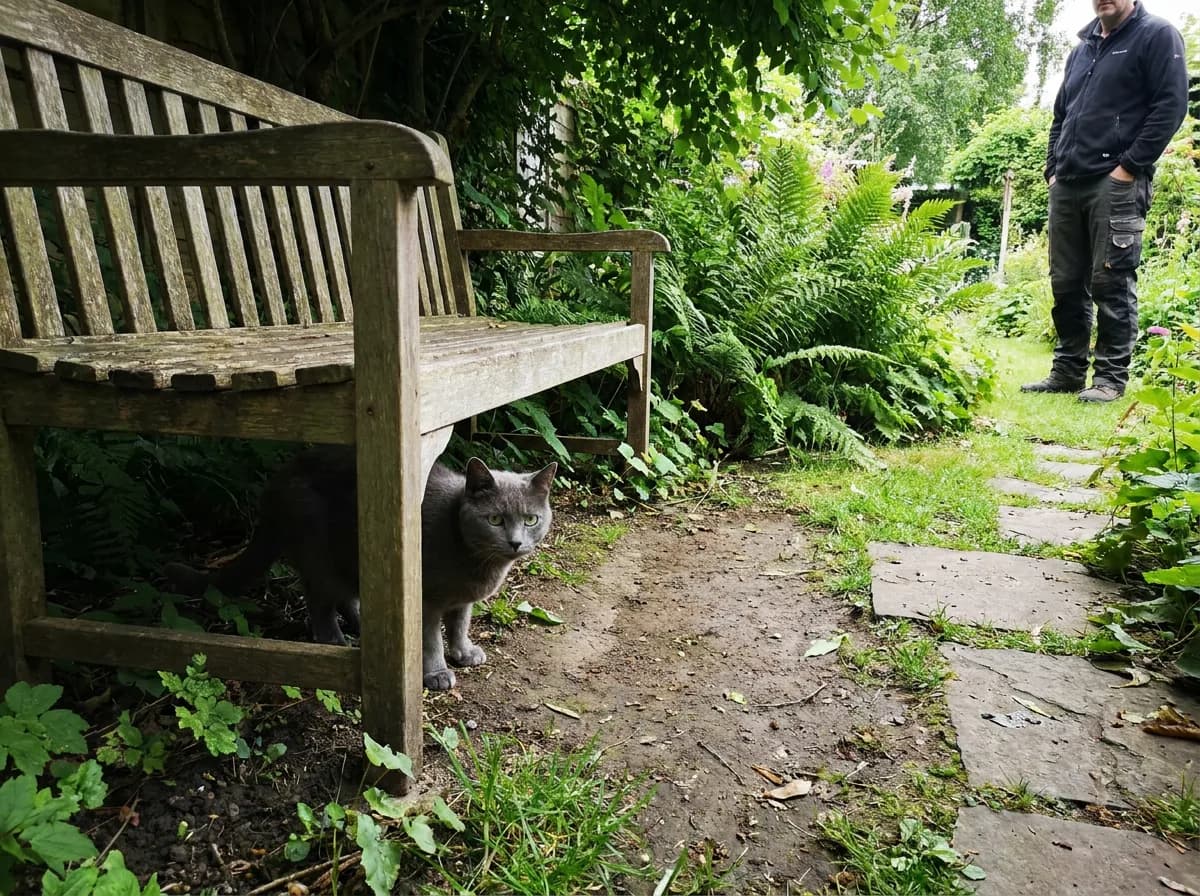
How to Catch a Stray Cat Without a Trap
For a friendly stray cat, the easiest safe option is often voluntary entry into an open carrier using a small food dish. An unwilling or frightened cat needs a different plan. Prepare the equipment and destination first, then stop if the approach depends on chasing or restraint.
Choose a Carrier Before Approaching
Use a sound, escape-resistant carrier with working latches and enough room for the cat to stand, turn and lie comfortably. A hard-sided carrier is easier to inspect and clean than an improvised bag or box. Check every fastener before the cat is inside. A door that swings loosely or a top that separates when lifted defeats the whole plan.
Set the carrier on a stable, level surface in a quiet location, away from traffic and other animals. Keep the entry door fully open so it cannot swing onto the cat as they investigate. A flat towel or washable liner can provide footing. Leave ventilation unobstructed, and make sure the carrier will not slide when the cat steps inside.
This setup works best for a cat already choosing to remain near you. If the cat will not approach, do not follow them around with the carrier. That can turn a neutral object into something to avoid. Pause, increase the distance and contact someone experienced with local outdoor cats if you cannot make progress without crowding them.
Use Food to Invite, Not Force
A little Delectables Bisque cat treat can also be offered on a dish for an adult cat who is eating normally. Keep your fingers away from the food and the cat’s mouth. A lickable treat is an optional invitation, not something to smear on the cat, force-feed or use instead of care for a weak animal.

A small amount of this cat treat can invite a willing cat toward a carrier; offer it on a dish rather than from your fingers.
Petful may earn a commission when you click through to Chewy, at no extra cost to you.
Place a small amount of appealing cat food in a shallow dish near the entrance. Step back. If the cat approaches comfortably, you can gradually position the dish farther inside during calm attempts. The aim is for the whole cat, including the tail, to enter before you consider closing the door. Never shut it against a half-entered body.
Moist cat food often has a noticeable smell, but there is no scent that every cat finds irresistible. A little warmed wet food or a familiar food supplied by the cat’s caregiver may interest them. Keep it comfortably warm rather than hot. Tuna may tempt some cats, but a small lure is different from choosing a balanced long-term diet.
- Stay quiet while the cat investigates; do not move the dish repeatedly under their nose or block the exit.
- Let the cat back out. Several calm approaches may work better than one rushed attempt that frightens them away.
- For a planned veterinary appointment, ask the clinic about feeding instructions rather than withholding food on your own.
Keep these limits in place:
- Do not deprive an unknown cat of food or water to make capture easier. They may be nursing, young, ill or receiving food elsewhere.
- Never use sedatives, alcohol or chemicals as bait. Medicines and chemical restraint require a veterinarian’s direct involvement.
- If the cat stops approaching willingly, pause and seek experienced help instead of escalating the lure.
If the Cat Will Come Indoors
Some friendly strays will follow food into a quiet room. Prepare that space first: close windows, secure screens, shut the toilet lid and remove cleaning products, loose cords and access behind appliances. Shut doors to the rest of the home and keep your pets elsewhere. An open garage full of hiding places is usually much harder to manage than a simple room.
Once the cat is fully inside, calmly close the room’s outside door without rushing toward them. Leave the carrier open and give the cat time to investigate it. Bringing a cat indoors does not make grabbing safe. If they hide, let them settle; do not dismantle the room around them or reach under furniture to pull them out.
For a scared cat already in your house, reduce noise and movement, provide a hiding option you can observe, and arrange experienced help if safe carrier entry is not possible. The same principle applies when catching your own lost cat after an escape: familiarity may help, but fear can temporarily change behavior. Do not assume a normally cuddly cat will tolerate being picked up during a chase.
Close and Check the Carrier Before Moving
Close the door only when the cat is completely inside and you can do so without putting your hands beside their face or catching a paw or tail. Secure the latch fully. Check the top, side clips and any secondary openings. If something is damaged or the cat is forcing their way out, stop and ask for help rather than trying to hold a broken door shut during transport.
Keep the carrier resting on the floor while you check it. An open top, a partly engaged latch or a loose base can allow an escape at exactly the moment you lift. Carry the carrier with support underneath as well as at its intended handle when practical, keeping it level and close to your body. Do not swing it or allow children to carry it.
Before picking up the carrier:
- Decide who will carry it and who will open doors.
- Clear the route and prepare its next resting place.
- Keep children, other pets and unnecessary helpers away.
- If you are working alone, have keys and transport ready before the cat enters.
A washable Pawtect blanket can serve as a flat resting liner if it fits without bunching around the cat. An ordinary clean towel can do the same job. If you cover part of the carrier to reduce visual stimulation, leave adequate airflow and watch temperature. A cover must not become a way to ignore an animal who is distressed or overheating.
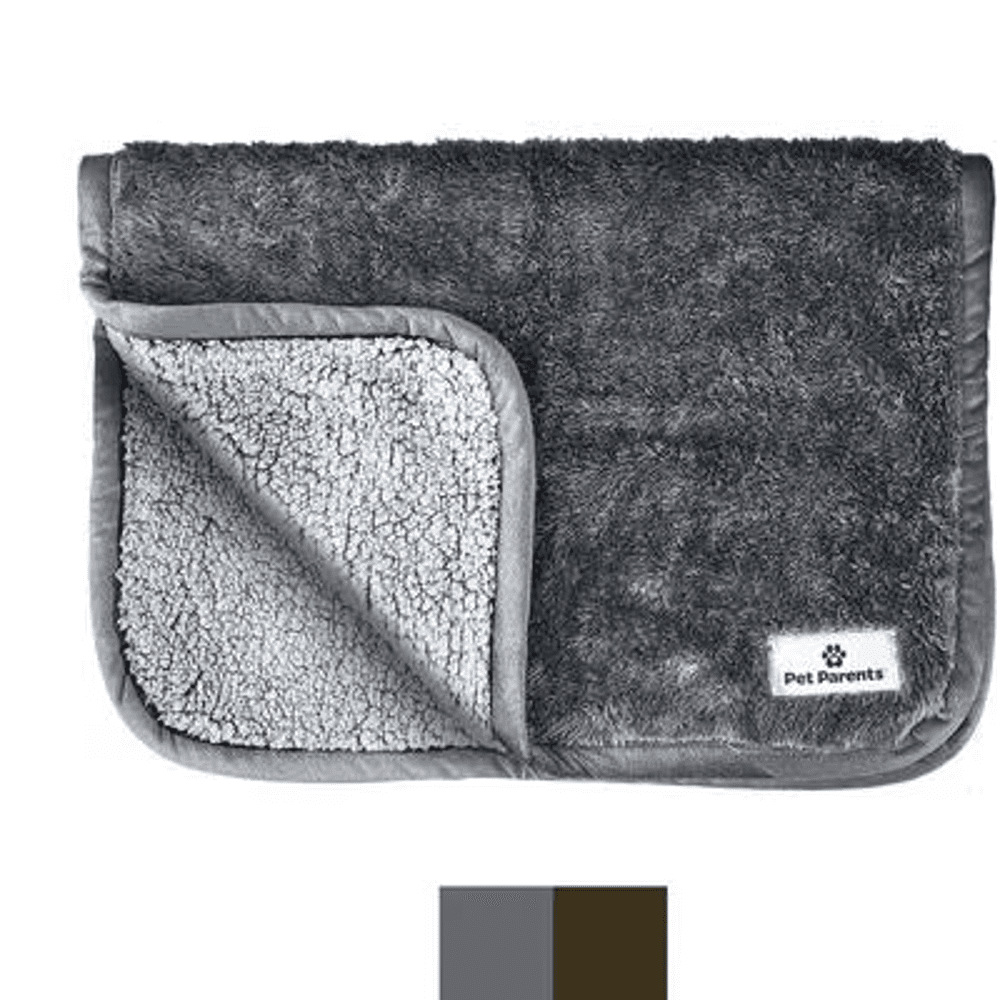
A washable liner for a secure carrier or temporary resting spot; keep the carrier vents clear.
Petful may earn a commission when you click through to Chewy, at no extra cost to you.
Arrange the destination before starting the drive. Call the clinic, shelter or rescue and explain that you have an unfamiliar cat in a carrier; ask whether they can scan for a microchip and whether an appointment is required. Practices differ in staffing, intake rules and capacity. Arriving without warning can leave you waiting with a stressed animal and no clear next step.
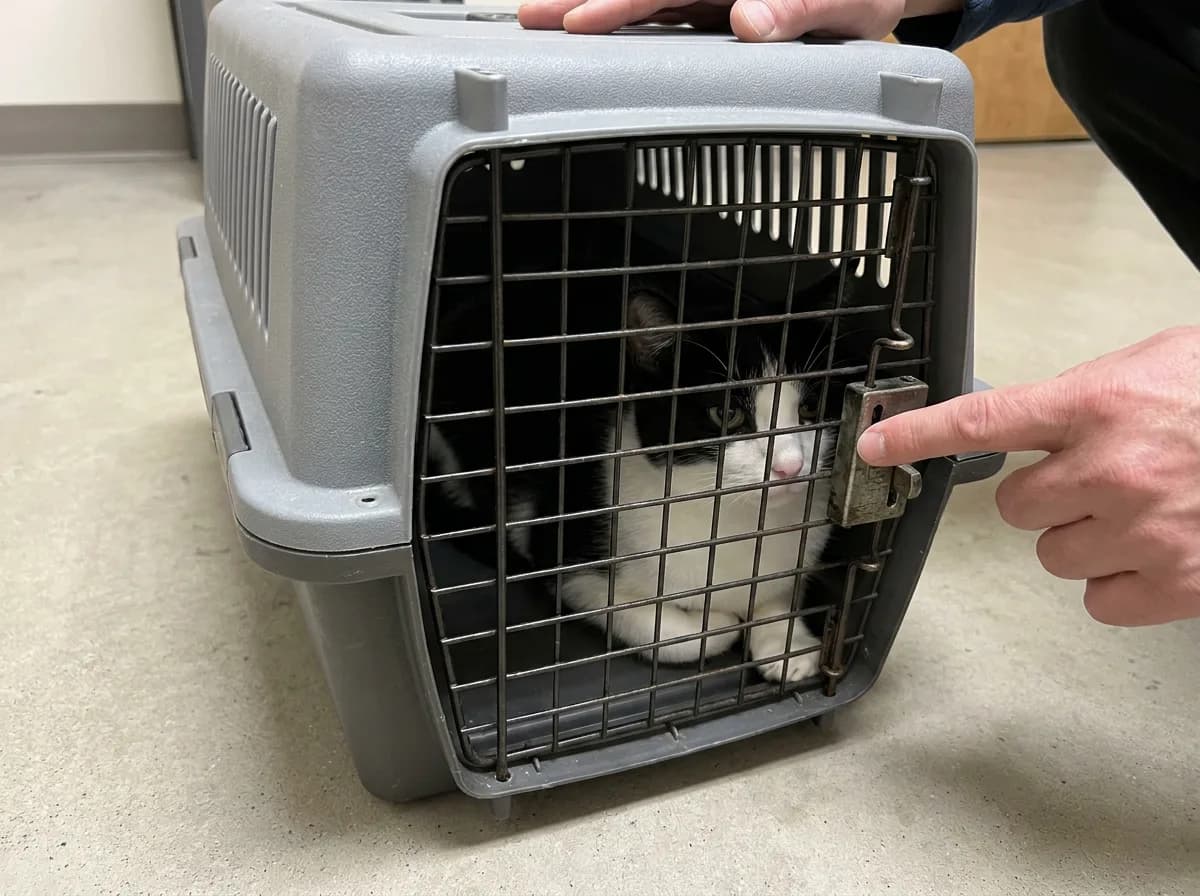
Secure the carrier in the vehicle according to its instructions so it cannot slide or tip. Keep the vehicle comfortably ventilated and never leave the cat in a parked car. Do not open the carrier in a parking lot to offer reassurance. Speak quietly, drive smoothly and let the receiving team decide where it is safe to open the door.
Keep Transfers Simple
The safest transfer is often no transfer at all. If the cat is in an intact carrier and the clinic can receive them that way, leave them there for the trip. Do not move an unfamiliar cat into a prettier carrier, onto a lap or into an open cardboard box. Every extra opening creates another opportunity for escape and another moment when someone may be tempted to grab.
If you are borrowing a carrier, ask how its closures work before using it. Some have sliding pins, screws, side clips or a top that needs to align in a particular way. Practice with the empty carrier. Confirm that the base and top belong together and that there are no cracks, missing screws or sharp edges. An improvised fastener is a poor substitute for equipment that closes properly.
For an appointment, bring the observations you already have: where the cat was found, whether they ate, any visible wound, how they walked and whether kittens may be involved. If another person regularly feeds the cat, share their contact information with permission. These details help the receiving team decide what to do next without asking you to examine the cat physically.
If Someone Is Bitten or Scratched
If a bite or scratch occurs, attend to the person as well as the cat. Wash the wound promptly and seek medical advice, especially for a puncture, hand injury or uncertain rabies exposure. VCA’s cat-bite guidance explains why a small-looking puncture can still be serious. Gloves do not turn a frightened cat into a safe animal to restrain.
After You Have Secured the Cat
Set Up a Separate Temporary Space
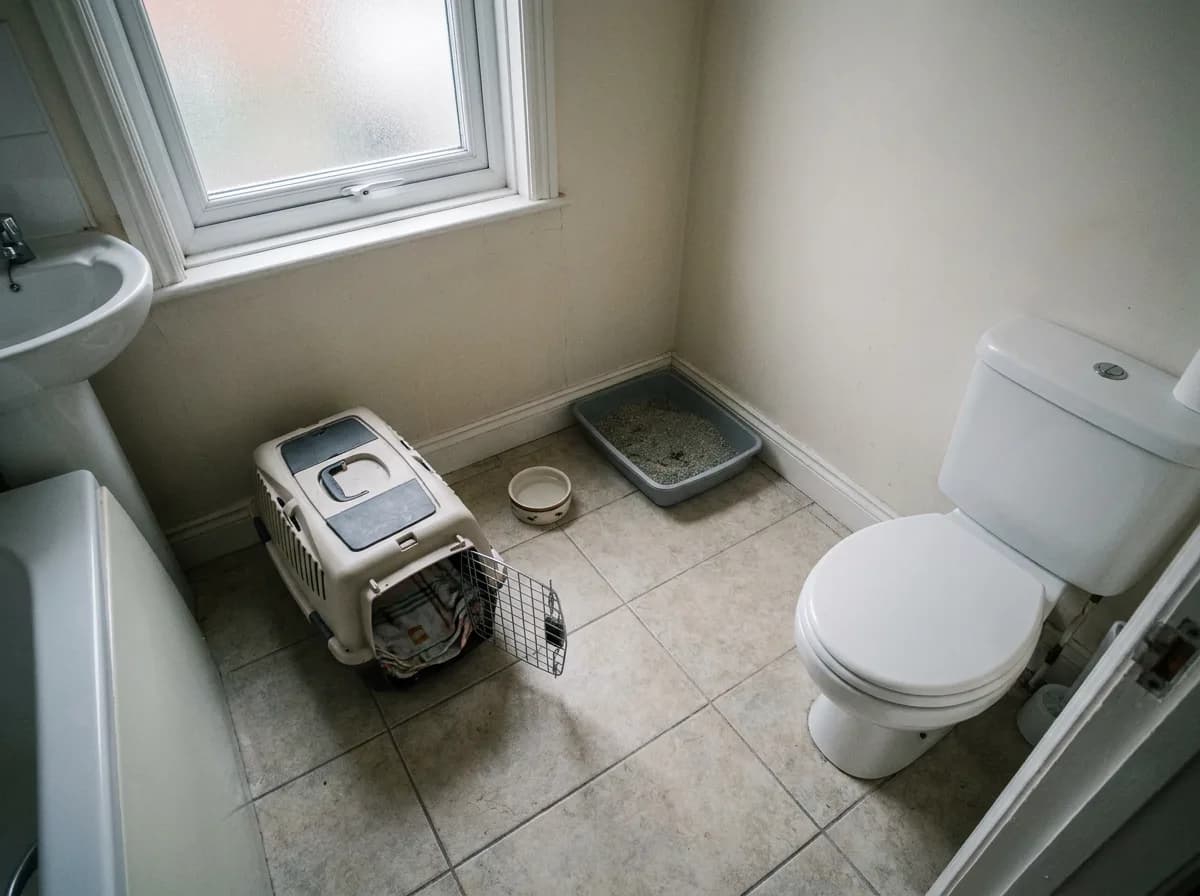
If you are keeping the cat briefly while arranging care, use a quiet, secure room separate from resident pets. Provide water, an appropriate food dish, a litter tray and a comfortable hiding place. Put food and water as far from the litter tray as the room allows. Keep the open carrier available as a resting option once the cat is safely contained indoors.
An unscented non-clumping paper litter, such as Fresh News, can be useful for a simple temporary tray. The tray needs a low enough entrance for the individual cat. If you suspect a very young kitten, injury or difficulty walking, ask the rescue or clinic about suitable bedding and toileting arrangements instead of expecting the kitten to use an adult setup.

Unscented non-clumping paper litter for a separate temporary litter tray while you arrange identification and veterinary care.
Petful may earn a commission when you click through to Chewy, at no extra cost to you.
For a cat who can eat solid food normally, offer a small amount of complete-and-balanced cat food and fresh water while arranging advice. Treats used as a lure are not a full diet. Ask the clinic about a very thin, weak or ill cat before making large changes to feeding.
Stray cats can have rabies, but being outdoors or acting frightened does not diagnose it. Keep the newcomer separate from pets, use separate bowls and bedding, and wash hands after handling supplies. After a bite or possible saliva exposure, obtain prompt medical and public-health advice; do not handle the cat to check for rabies.
Observe without repeatedly disturbing the cat:
- Appetite and water intake: note whether the cat eats or drinks voluntarily.
- Breathing and movement: difficulty breathing, collapse or severe pain needs urgent veterinary advice.
- Litter use and general activity: report unusual changes to the clinic.
- Wounds or significant bleeding: call ahead and describe exactly what you can see without handling the cat.
A withdrawn cat may be frightened, ill or both. A quiet response alone does not show that everything is fine.
Look for the Cat’s People
Humane World for Animals recommends checking identification and arranging a microchip scan when a found cat can be safely transported. Ask neighbors and local veterinary practices about missing cats, search recent notices and post a clear found-cat description through appropriate local channels. Follow local found-animal requirements rather than assuming possession immediately establishes ownership.
Keep a few identifying details private so a person claiming the cat can describe them. Record where and when you found the cat and any information about regular feeders. A microchip scan is valuable even when there is no collar. A negative scan does not prove the cat has never belonged to anyone, so continue the owner search with local advice.
The next medical step is more than a flea check. Veterinary care for a stray cat can uncover wounds, parasites or other problems that are not obvious at first glance. Ask the veterinarian to tailor examination, testing and prevention to the cat’s condition and your household; do not copy a treatment plan meant for another pet.
If You Cannot Keep the Cat Indoors
Tell the receiving organization what you can realistically provide. A household with no separate room, a person with a bite injury, or a caregiver who cannot transport the cat needs a different plan from someone able to provide temporary housing. Ask specifically about a microchip scan, short-term placement, transport help or a community-cat contact. These are different services; a group able to advise may not have space to take the cat.
Avoid promising a permanent home before you have checked for an owner and considered the cat’s needs. If a friend can help temporarily, share the same containment and separation plan with them. Do not hand over a carrier without confirming that the person knows the latch arrangement and where the cat will be housed. Keep the finder’s contact details and relevant observations with the cat so the next caregiver is not starting from scratch.
Catching Stray Kittens and Keeping Families Together
Finding kittens changes the plan. A mother may be nearby even when kittens appear alone. Alley Cat Allies’ kitten guidance explains why watching from a distance is often the right first step: your presence can keep the mother from returning. Do not remove healthy kittens simply because you did not see an adult during a short visit.
Call a rescue or veterinarian promptly if kittens are injured, cold, weak, having trouble breathing, in immediate danger or clearly not being cared for. Describe their approximate size, whether their eyes are open, how they move and whether a mother has been seen. Photos taken without excessive handling may help the receiving person advise you. Do not guess their age from size alone.
An older, mobile stray kitten who approaches food may enter a small suitable carrier voluntarily. Use the same quiet setup as for an adult, with secure openings and no escape-sized gaps. A frightened kitten can still bite, scratch and disappear into a tight space. “Fast” capture is not necessarily safe capture, and small size is not permission to grab with bare hands.
Avoid Improvised Kitten Capture
Do not make a homemade kitten trap or try to capture a feral kitten by hand. A small frightened kitten still needs a secure, humane plan from someone who can handle and transfer them safely.
Food lures are not appropriate for every age. Very young kittens may not be weaned and need a different care plan. Do not force-feed, offer cow’s milk or place a dish in a kitten’s face to make them move. Ask a qualified helper about feeding, warmth and safe transport, particularly if a kitten seems weak or has been separated from the mother.
If a mother and litter need to move, tell the rescue about the entire family before capturing one animal. Do not use kittens as unattended bait or carry them around to make the mother follow. Experienced teams can plan humane capture and transport together. A piecemeal attempt can separate dependent kittens from the adult who is feeding them.
If an Attempt Does Not Work
A cat who walks halfway into a carrier and backs out is telling you the current setup is not comfortable enough. Do not count that as a missed chance to slam the door. Restore the open, stable arrangement, step farther away and allow a quiet pause. If the location cannot remain safe while you wait, contact a rescue rather than repeatedly trying the same approach under pressure.
Avoid a crowd of helpers each trying a different technique. Choose one calm person to observe while another makes calls or keeps children and pets elsewhere. Write down where the cat goes and when they return. A predictable feeding place can help an experienced trapper plan, whereas repeated chasing may push the cat into traffic, another yard or an inaccessible hiding place.
If the cat disappears, return to looking and asking rather than setting increasingly elaborate devices. Keep a photo and the last-seen location ready for local helpers. Never leave an open carrier containing food in a place where you cannot monitor what enters it. Other animals may investigate, and an unattended setup cannot provide the careful door closure that makes a voluntary-carrier approach possible.
Coordinate With an Existing Caregiver
For a cat already being fed by a neighbor, agree on the plan with that caregiver. They may know the cat’s normal routine, veterinary history and whether the cat tolerates a carrier. Their knowledge can prevent an unnecessary relocation or a duplicate rescue attempt. It also helps distinguish a genuinely new arrival from a familiar community cat whose normal route includes your property.
When You Need a Humane Trap or Experienced Help
An unwilling cat should not be chased, cornered or grabbed to complete a trap-free capture. Stop and ask an experienced rescue or TNR group for a humane handling plan. For an unsocialized feral cat, “without a trap” may not be a safe or realistic goal. Food can help establish a routine but cannot guarantee voluntary confinement. Alley Cat Allies recommends experienced help and humane equipment when needed.
To borrow a humane cat trap near you, contact local shelters, rescues, TNR groups or animal-control services and ask what they offer. Availability, deposits and appointment requirements vary. Describe the cat’s behavior, feeding location, possible kittens and any injury. A trap loan also needs instructions, constant monitoring, safe holding space and a receiving clinic or rescue. Do not set a trap and leave the area.
Do not substitute a fishing net, soft capture net, blanket thrown over the cat, adhesive tape or a homemade box-and-string device. Those methods can injure the cat or the person and may leave you holding an animal you cannot transfer safely. A towel can line or partly cover a carrier; it is not a reliable capture method for an unfamiliar, resisting cat.
Keep Hazards Away While You Arrange Help
Stray cats can be poisoned by antifreeze; never offer it to drink or use it as bait. Keep containers sealed and prevent access to spills. Suspected exposure needs urgent veterinary care, even if the cat initially seems well. Do not wait for symptoms or attempt a home treatment.
If the cat refuses to emerge from a hiding place, protect the area from dogs, traffic and onlookers while you obtain advice. Do not spray water, poke with tools or seal the cat into a space. If there is an immediate hazard, explain it to local animal-control or emergency responders. Give the exact location and describe access problems so they can bring suitable equipment.
You do not have to turn a cautious outdoor cat into a pet to help them. The best outcome may be finding their caregiver, arranging medical care, or connecting them with a community-cat program. Stop a trap-free attempt when it depends on force. A calm handoff to someone equipped for the job is a successful decision, not a failed rescue.
Frequently Asked Questions
Do not throw a towel over an unfamiliar cat or attempt a grab-and-wrap capture. A carrier liner or partial visual cover is a different use. A frightened cat can escape, bite or struggle through fabric. If voluntary carrier entry is not working, seek experienced help with humane equipment.
Reduce noise, keep people and dogs away, and leave an unblocked route. A small food dish can encourage a willing cat to approach, but do not push it into the hiding place or follow every movement. Stop if the cat becomes more frightened; contact an experienced rescue rather than escalating.
There is no reliable universal distance for a cat to smell you or a food lure. Wind, barriers, odor strength and the individual cat all matter. Place a small food dish where the cat can approach safely instead of relying on an advertised scent range.

T.J. Banks is the author of several books, including Catsong, which received a Merial Human–Animal Bond Award. A contributing editor to laJoie, T.J. also has received writing awards from the Cat Writers’ Association (most recently a Certificate of Excellence in 2019), as well as from ByLine and The Writing Self. Her work has appeared in numerous anthologies, including Chicken Soup for the Single Parent’s Soul and A Cup of Comfort for Women in Love, and T.J. has worked as a stringer for the Associated Press, as an instructor for the Writer’s Digest School and as a columnist.
Sign up for expert-backed reviews and safety alerts all in one place.