What Can Dogs With Pancreatitis Eat? Safe Treats, Eggs, and Everyday Foods
What can dogs with pancreatitis eat? Lean, low-fat foods your vet approves, in small meals. Food-by-food verdicts for eggs, treats, fruits, vegetables, proteins, and the high-fat foods that can trigger a flare-up.

BVMS, MRCVS
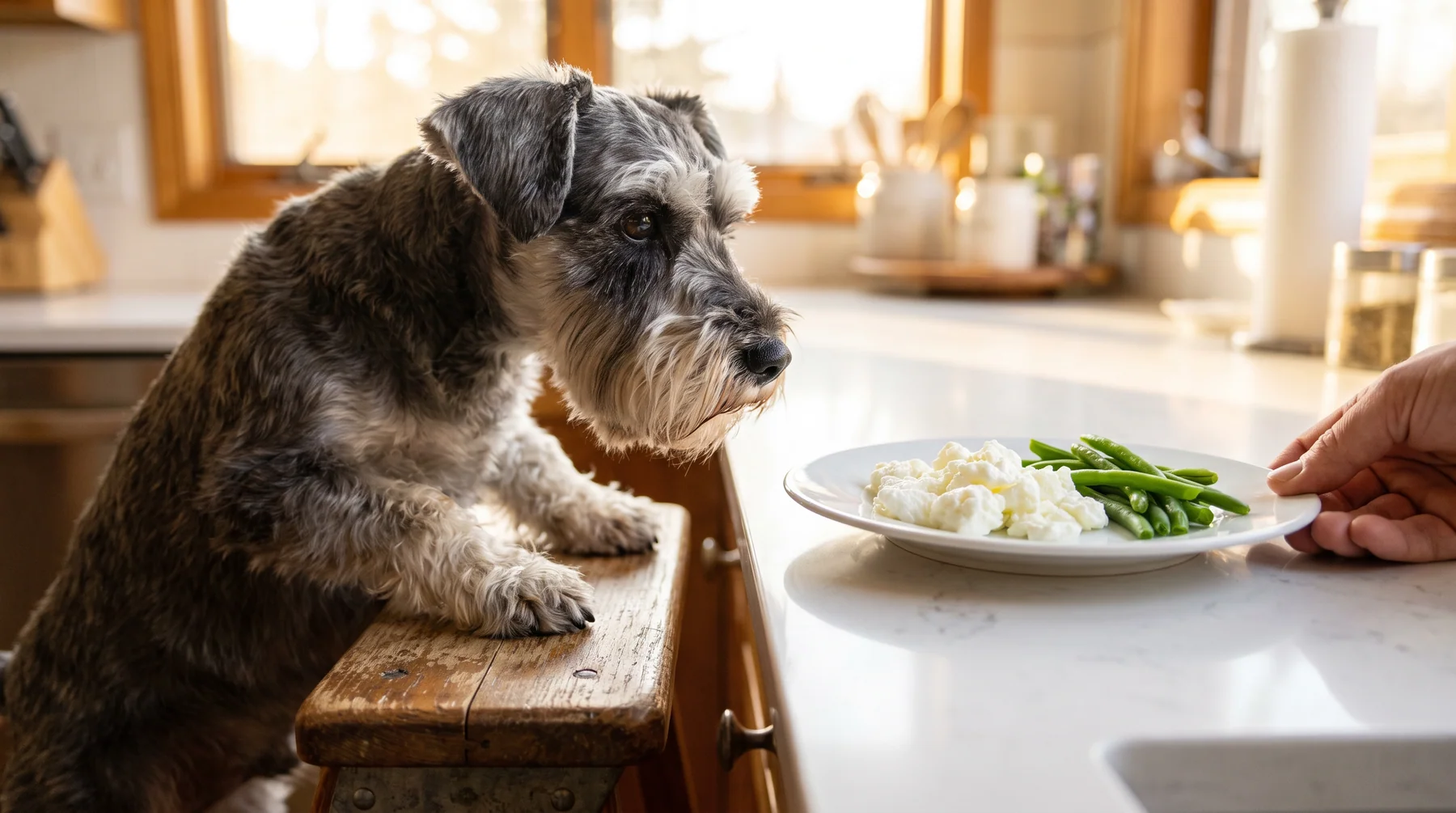
Plain egg whites and steamed green beans are low-fat foods many veterinarians allow during recovery.
Petful is reader supported. As an affiliate of platforms like Amazon and Chewy, we may earn a commission when you buy through links on this page. There is no extra cost to you.
Sponsored by JustFoodForDogs. This article draws on published veterinary and nutrition sources. Petful may earn a commission through links in this article.
What can dogs with pancreatitis eat? The short answer is lean, low-fat foods that the veterinarian has approved, fed in small meals: lean protein such as skinless chicken breast, white fish, or egg whites, simple carbohydrates such as plain rice, and small amounts of low-fat fruits and vegetables. Fat is the nutrient that matters most, because high-fat meals are a well-known trigger for flare-ups.
Most owners leave the clinic with a diet plan and then a dozen smaller questions about eggs, treats, apples, peanut butter, and leftovers. This guide answers those one food at a time. For the main meals, many veterinarians recommend a complete low-fat diet, and a gentle fresh recipe such as JustFoodForDogs Sensitive Stomach is one everyday option a veterinarian may suggest once a dog is eating normally again.

Sign up for expert-backed reviews and safety alerts all in one place.
What Can Dogs With Pancreatitis Eat?
What foods calm pancreatitis in dogs? No food calms an inflamed pancreas directly, but low-fat foods and lean protein ask the least of it, which is why they form the base of every recovery plan. Here is a short list of the foods most veterinarians are comfortable with once the dog is eating:
- 1The core rule is a veterinarian-approved diet that is low in fat, built on lean protein, and fed in small, regular meals.
- 2Egg whites, skinless chicken breast, white fish, plain rice, and most plain vegetables are usually safe in sensible amounts.
- 3Fatty table scraps, peanut butter, cheese, bacon, and rich chews are the foods most likely to set off a flare-up.
- 4Treats should stay within a small daily budget and be counted in the day's fat and calories.
- Lean protein: skinless chicken or turkey breast, 99% lean ground turkey, cod, tilapia, and other white fish, cooked plain
- Egg whites: cooked with no butter or oil
- Simple carbohydrates: plain white or brown rice, plain pasta, oatmeal cooked in water, boiled potato
- Low-fat vegetables: green beans, carrots, zucchini, cucumber, plain pumpkin
- Low-fat fruits in small amounts: blueberries, seedless apple slices, banana, cantaloupe
- A complete low-fat diet: the prescribed or vet-recommended food that makes up most of the day's calories
One caution before the details: if your dog is vomiting again, refusing food, or has a painful belly, call your veterinarian now rather than changing the menu.
What can I feed my dog with pancreatitis beyond that list? The rest of this guide gives a food-by-food verdict for the specific foods owners ask about, category by category. The long-term diet is the veterinarian's decision, because some dogs need strict fat limits for life while others can relax them after full recovery. Symptoms, causes, treatment, and outlook, including how long recovery takes and what can be mistaken for the condition, are covered in Petful's clinical guide to pancreatitis in dogs.
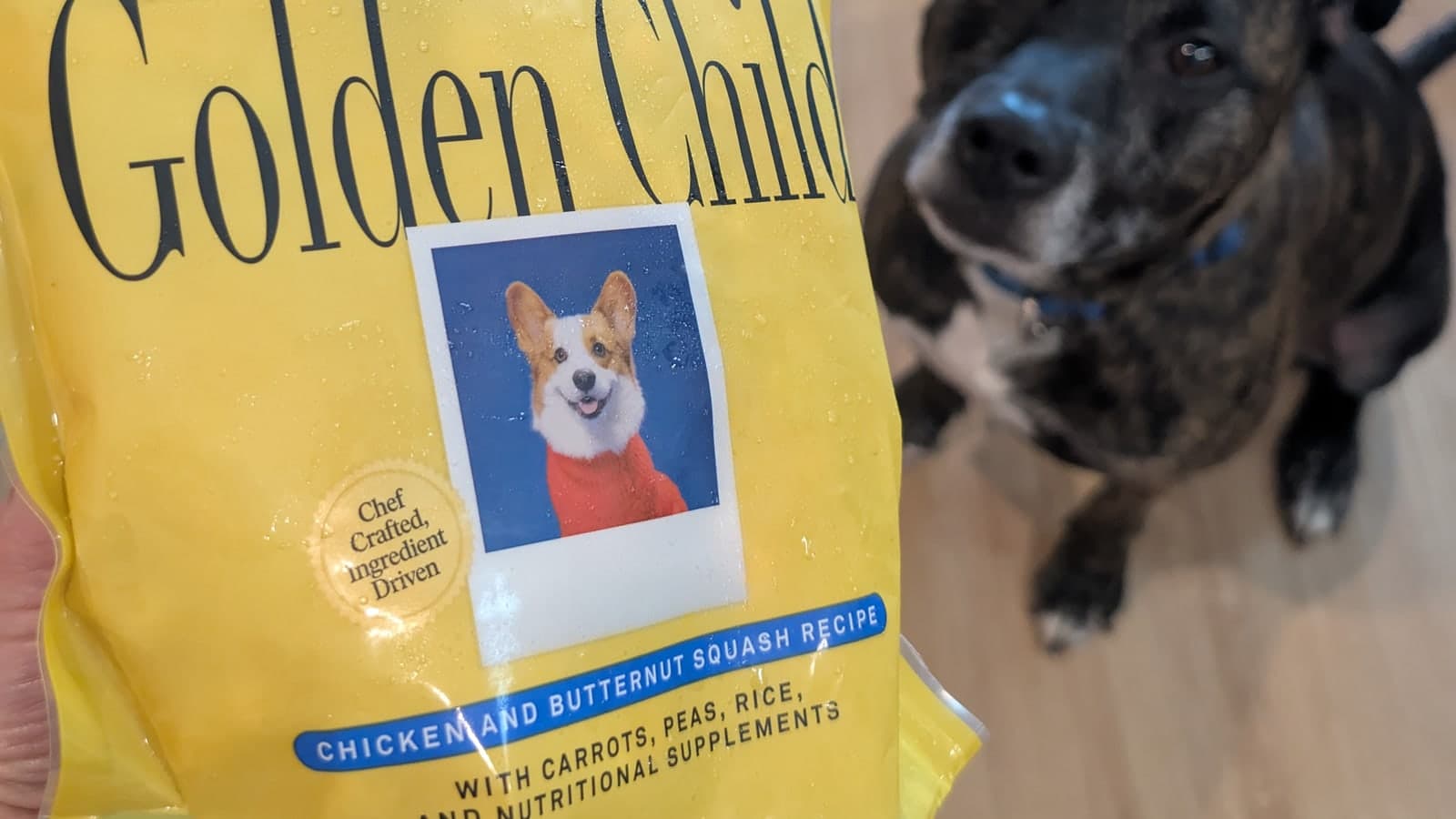
Among JustFoodForDogs low-fat recipes, two are most relevant after a pancreatitis diagnosis: Sensitive Stomach, an everyday low-fat turkey and rice recipe, and Digestive Care, a Vet Support diet. Both list a crude fat label maximum of 4.0%, and both are covered below as vet-guided options.
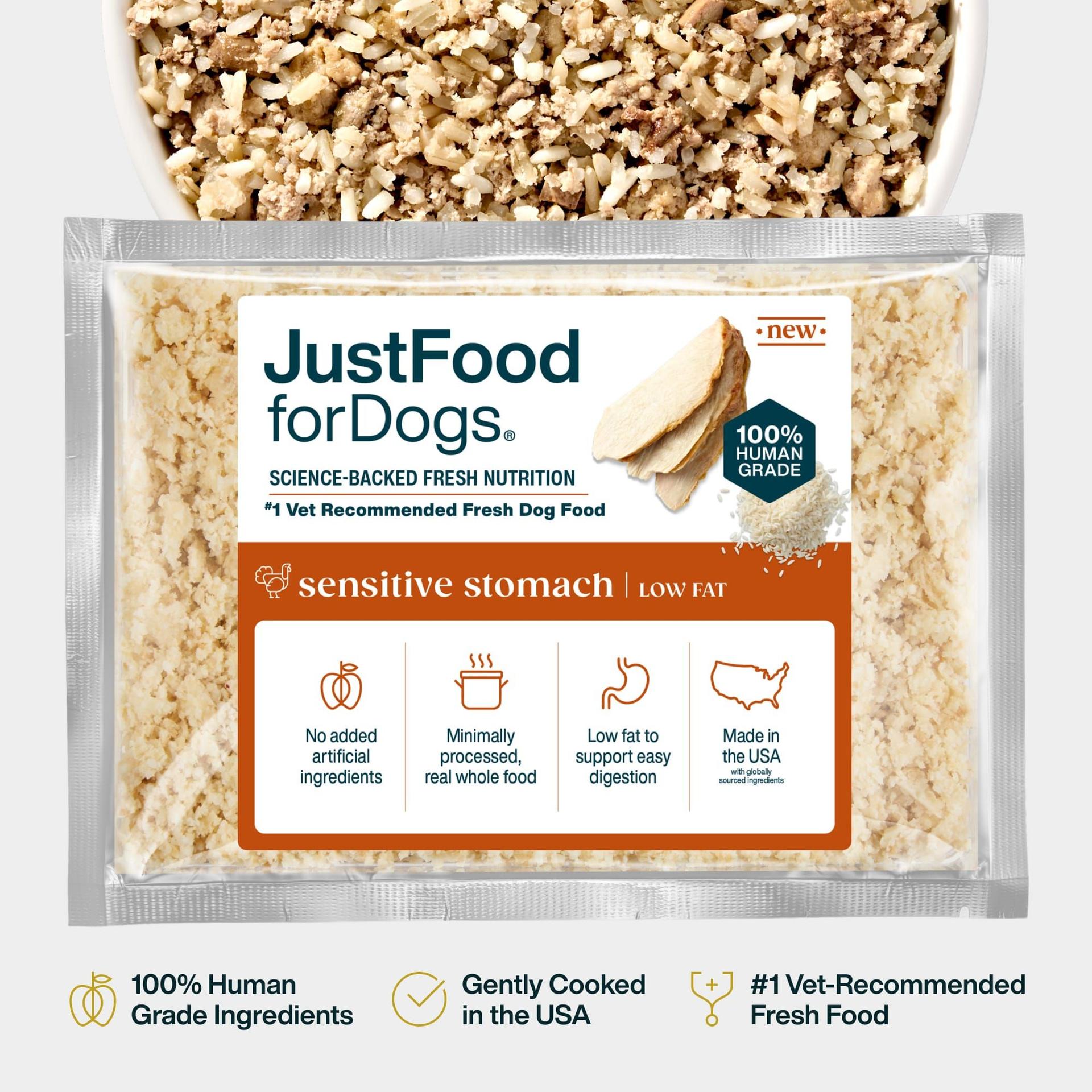
A low-fat turkey and rice recipe with natural prebiotics, made for sensitive stomachs. An everyday fresh option a veterinarian may recommend once a dog recovering from pancreatitis is eating normally.
Petful may earn a commission when you click through to JustFoodForDogs, at no extra cost to you.
How Much Fat Can a Dog With Pancreatitis Have?
The right amount of fat for a dog with pancreatitis is a number your veterinarian sets, and it depends on whether the episode was mild or severe, whether it keeps recurring, and whether the dog also has high blood triglycerides. The Merck Veterinary Manual advises choosing a diet with less than 20 grams of fat per 1,000 kcal for dogs with pancreatitis, and the low-fat targets your veterinarian sets for recovery will usually be built around that figure.
The confusing part is the label. On a bag or pack, fat is listed as crude fat on an as-fed basis, which includes the water in the food. That creates three common mix-ups:
- Fresh and canned foods look lower in fat than dry food because they are mostly water. On a dry matter basis, a fresh food at 4% crude fat and a kibble at 10% can be much closer than they look.
- Crude fat on a label is a minimum or maximum, not the exact amount in every batch.
- Fat per 1,000 kcal is the fairest comparison, because it reflects how much fat the dog actually eats to meet its calorie needs.
Is crude fat bad for dogs with pancreatitis? No. Dogs need some dietary fat for essential fatty acids and fat-soluble vitamins, and crude fat is simply the label term for total fat. The goal is a controlled amount, not zero. So how much fat should your dog's food contain? Ask your veterinarian for a target in grams per 1,000 kcal or as a dry matter percentage, then ask the food maker for that figure, since few labels print it.
For dogs whose veterinarian wants a strictly low-fat food, JustFoodForDogs makes Digestive Care, an ultra-low-fat Vet Support diet that JFFD says is formulated for dogs with food sensitivities, fat intolerance, and gastrointestinal health concerns. JFFD asks owners to check with their vet before ordering it.
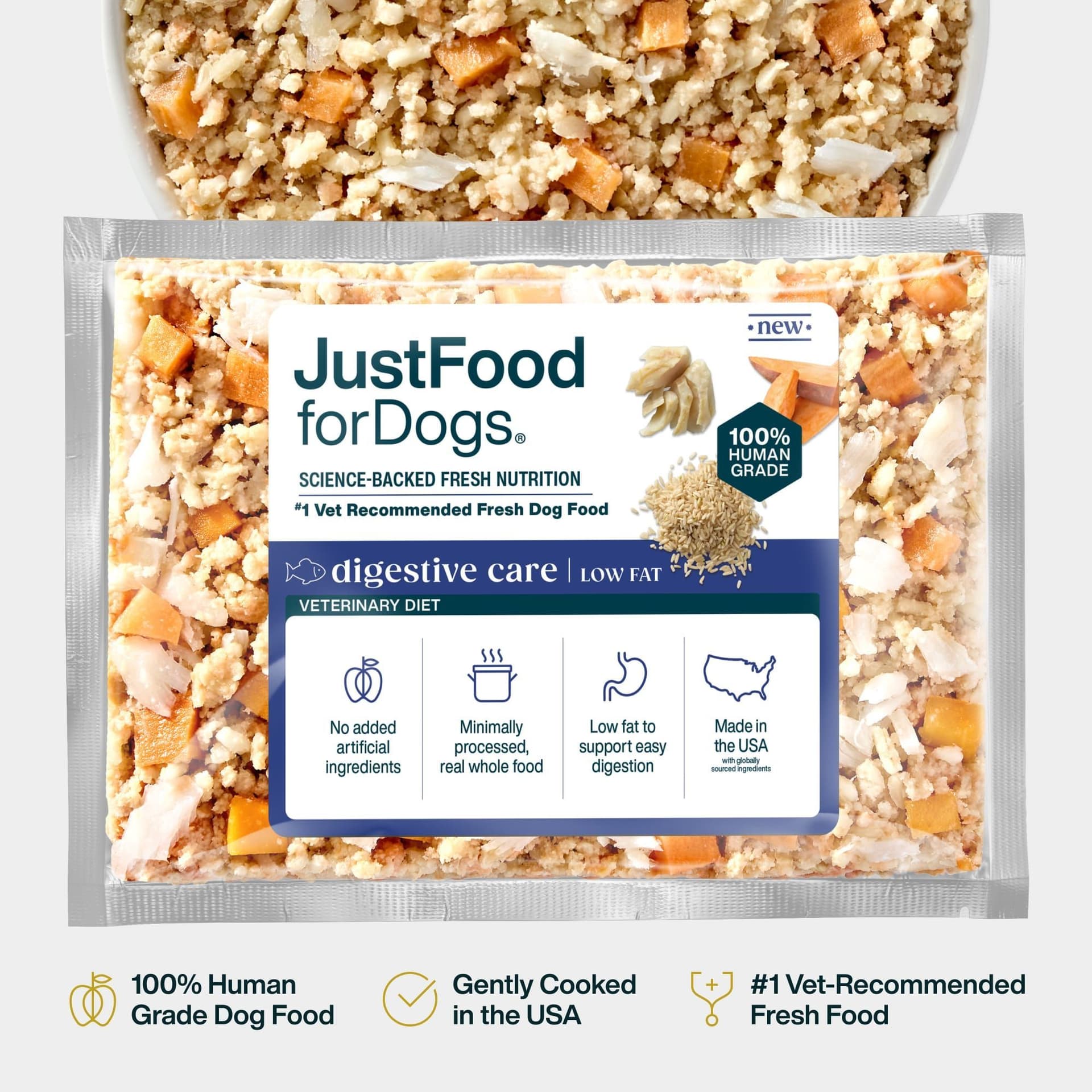
An ultra-low-fat Vet Support diet made with whitefish, brown rice, and sweet potatoes, formulated for dogs with fat intolerance and gastrointestinal health concerns. JFFD asks owners to check with their vet before ordering.
Petful may earn a commission when you click through to JustFoodForDogs, at no extra cost to you.
Can Dogs With Pancreatitis Eat Eggs?
Yes, with one important condition: egg whites are the low-fat part, and the yolk is where almost all the fat is. According to USDA FoodData Central, a large whole egg has about 4.8 grams of fat, while the white from that egg has nearly none and still supplies about 3.6 grams of protein. Plain cooked egg whites are one of the most useful lean protein options for recovery; whole eggs are best saved for when your veterinarian has relaxed the fat limit.
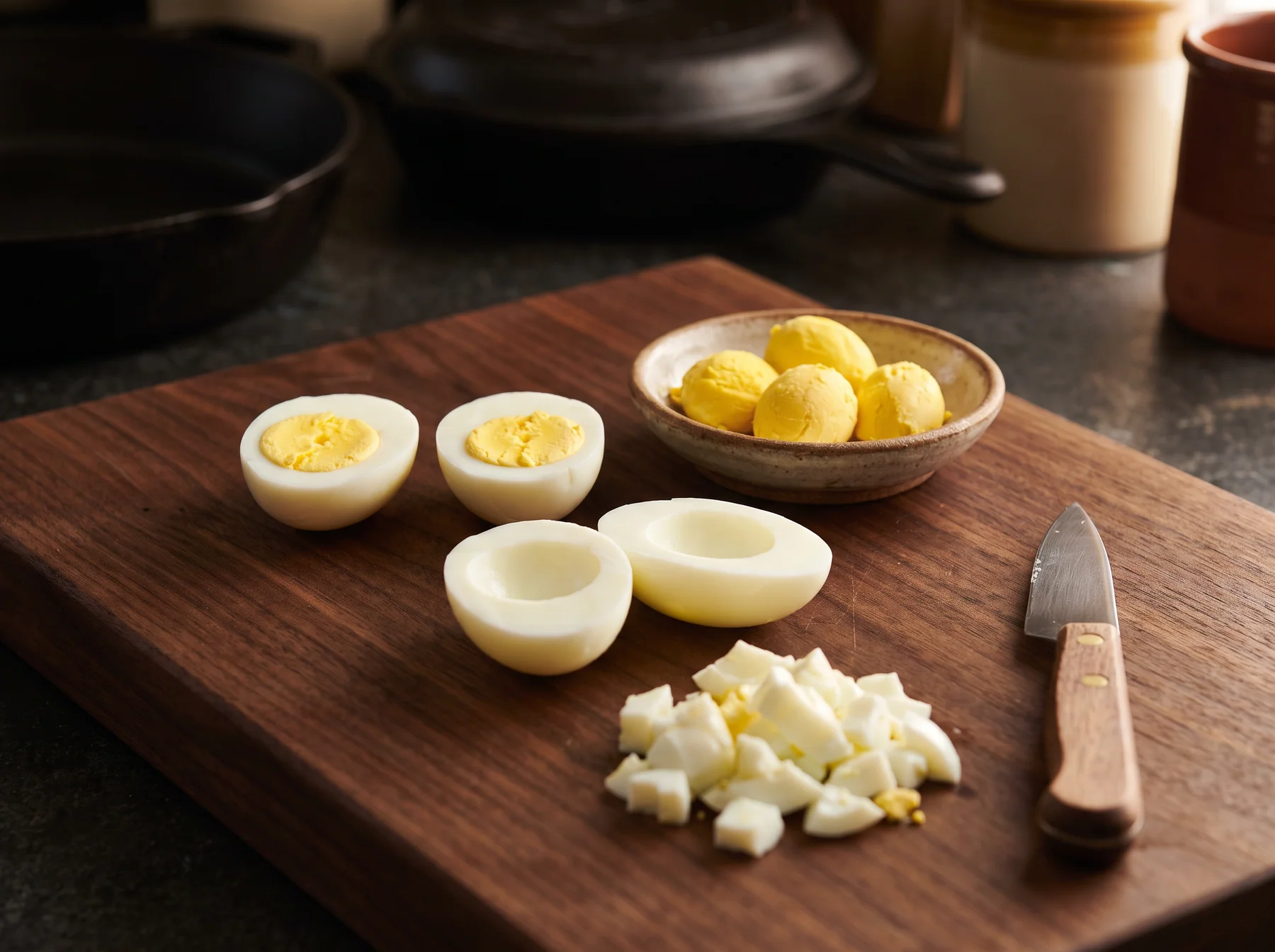
Are scrambled eggs good for a dog with pancreatitis? Scrambled egg whites are fine if they are cooked with no butter or oil, in a nonstick pan or with a splash of water. Scrambled whole eggs made with butter, milk, or cheese are a poor choice because they stack fat on fat. Whether an egg suits a recovering dog comes down to two things, the part of the egg (whites or whole eggs) and the preparation or cooking method:
- Boiled egg whites: the easiest option. Hard boil the egg, slice it, keep the plain cooked egg whites, and set the yolk aside. During recovery, hard boiled eggs are best served with the yolk removed.
- Scrambled egg whites: cooked with no butter or oil and no salt.
- Whole boiled eggs: occasionally, in small amounts, if your veterinarian approves after recovery.
- Raw eggs: skip them. They carry a Salmonella risk, and raw whites contain avidin, which interferes with biotin.
- Fried eggs or omelets: avoid, because of the cooking fat and add-ins.
A tablespoon or two of chopped egg white can be mixed into a meal or offered as a treat. Petful's guide to eggs for dogs covers general egg safety.
Safe Treats for Dogs With Pancreatitis
What treats can dogs with pancreatitis eat? The safest low-fat treats are simple whole foods: small pieces of cooked skinless chicken breast, plain cooked egg white, baby carrots, green beans, cucumber slices, apple slices without seeds, and blueberries. Many veterinarians also suggest setting aside a few pieces of the dog's regular low-fat food to use as rewards, which keeps the fat level of the day predictable.
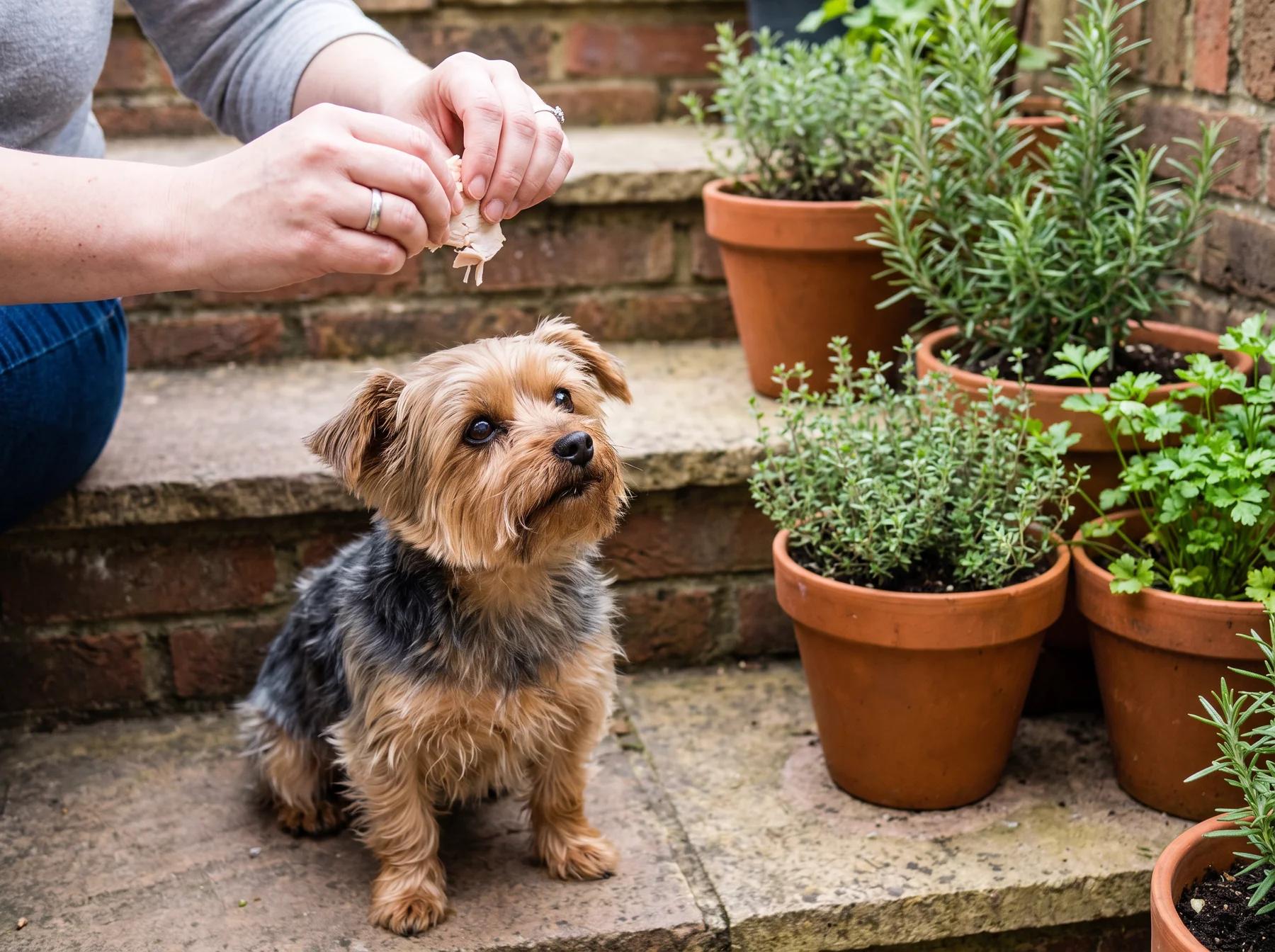
Safe low-fat treats and the daily treat budget go together. VCA advises keeping treats and toppers to no more than 10% of daily calories, and for a dog recovering from pancreatitis that budget should also respect the daily fat target. Break treats into small pieces so the same amount lasts through training.
Here is how common chews compare for a dog recovering from pancreatitis:
- Rawhide: low in fat but hard to digest, and swallowed pieces can cause blockages. It is not a fat trigger, but it is best skipped during recovery.
- Bully sticks: calorie dense and moderate in fat. Skip them during recovery and offer only small pieces later if your vet agrees.
- Yak chews: made from hardened milk, so they contain milk fat. Not a good choice for a dog with recurring flare-ups.
- Antlers: very low in fat, but hard enough to fracture teeth, so they are fine for fat but call for caution with teeth.
- Kangaroo jerky: a very lean single-ingredient jerky and a reasonable option in small pieces.
- Dental chews and biscuits: check the guaranteed analysis. Many are calorie dense and some are moderate in fat, so count them carefully or ask your vet for a lower-fat option.
- Bones: none are a good choice. Marrow bones are very fatty, and cooked bones splinter.
Fat-free treats are easy to make at home:
- Baked sweet potato slices, cooked until chewy
- Dehydrated chicken breast strips with all visible fat trimmed
- Frozen cubes of plain pumpkin blended with water
Use one lean protein or vegetable and leave out oil, butter, cheese, and peanut butter. These are snacks, not meals, so they still count toward the treat budget. A spoonful of the dog's regular food, such as JustFoodForDogs Sensitive Stomach, also works as a soft, low-fat reward.
Fruits and Vegetables Dogs With Pancreatitis Can Eat
Most fruits and vegetables that are low in fat are safe in small amounts for dogs with pancreatitis, because produce is naturally very low in fat. The limits come from sugar, fiber, gas, and a few toxic foods, not from fat. The table below gives a food-by-food verdict with the fat reason and the serving condition for each.
| Food | Verdict | Fat reason | Serving condition |
|---|---|---|---|
| Plain canned pumpkin | Yes | Almost no fat; soluble fiber | 1 teaspoon to 1 tablespoon, plain puree only, never pie filling |
| Green beans | Yes | Almost no fat | Plain, steamed or canned with no salt |
| Carrots | Yes | Almost no fat | Raw carrots cut small, or cooked |
| Zucchini and cucumbers | Yes | Almost no fat | Sliced, plain |
| Sweet potato and potato | Yes | Almost no fat | Cooked plain, no butter; never raw potato |
| Butternut squash | Yes | Almost no fat | Cooked plain, no seeds |
| Blueberries | Yes | Almost no fat | A few as a treat |
| Apples and applesauce | Yes | Almost no fat | Seedless slices; unsweetened applesauce with no xylitol |
| Bananas | Small amounts | Almost no fat but sugary | A few thin slices |
| Cantaloupe, pineapple, papaya | Small amounts | Almost no fat but sugary | Small peeled cubes, no rind or seeds |
| Broccoli and cauliflower | Small amounts | Almost no fat but gassy | Cooked florets, a few at a time |
| Spinach, lettuce, celery | Small amounts | Almost no fat | Chopped, plain |
| Peas, corn, beets | Small amounts | Low fat | Plain cooked; corn off the cob only |
| Lentils and black beans | Small amounts | Low fat but gassy | Plain cooked, unseasoned, no canned chili beans |
| Grapes, raisins, onions, garlic | Avoid | Toxic to dogs | Never feed |
Plain canned pumpkin is a good choice in small amounts: it is nearly fat-free and its soluble fiber can help firm stool. Use plain puree only, never pie filling with sugar and spices. Petful's guide to pumpkin for dogs covers portion sizes.
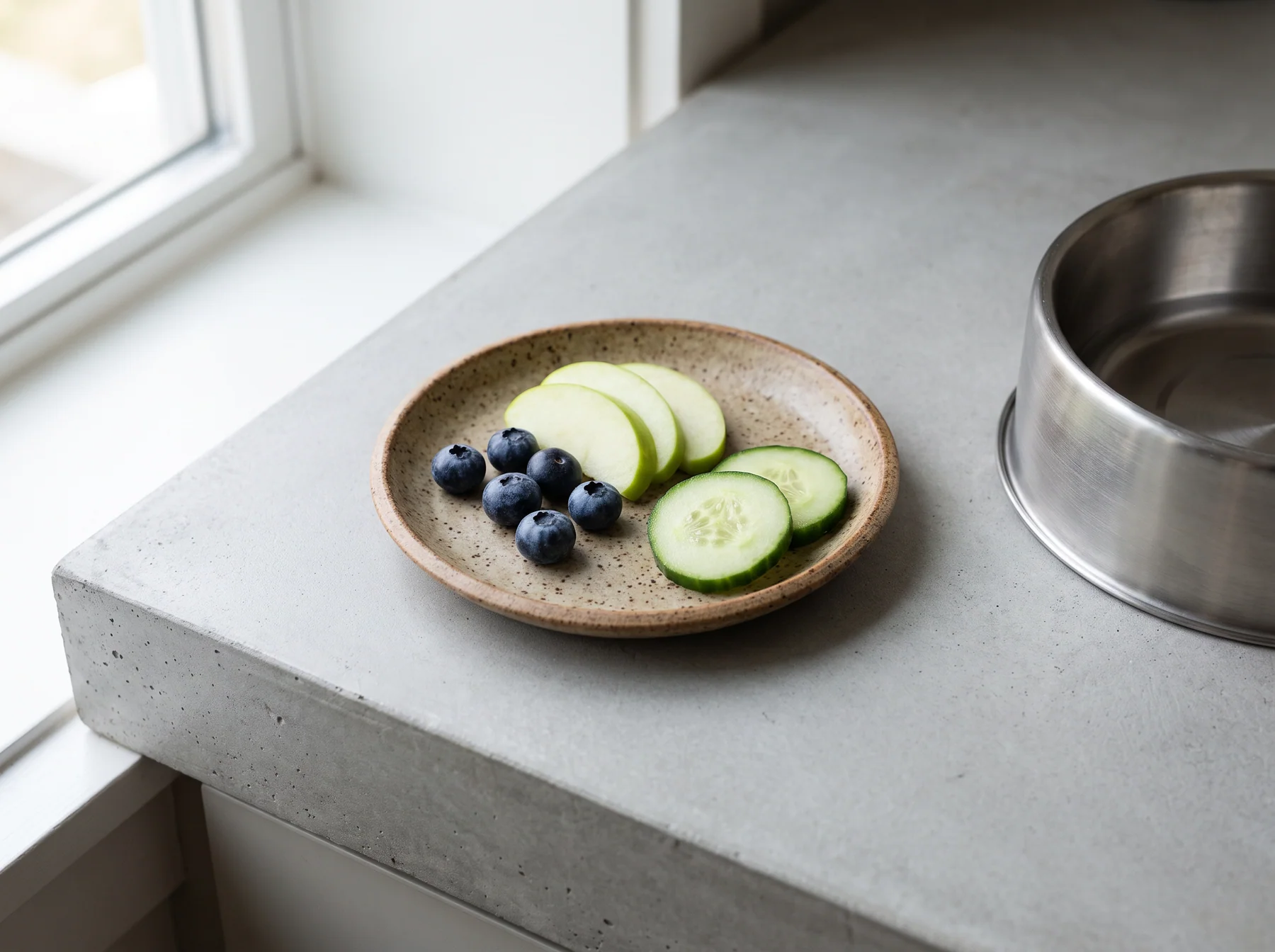
The easiest vegetables are green beans, carrots, and cucumbers, because they are low in calories as well as fat. A little fruit every day is fine; apples and bananas are a sugar and calorie question, so keep fruit inside the treat budget. Cruciferous vegetables and legumes can cause gas, which is uncomfortable for a dog with a sore belly.
Produce works best as a small extra on top of a complete low-fat base diet rather than a large part of the bowl, so the day's nutrition stays balanced while the pancreas recovers.
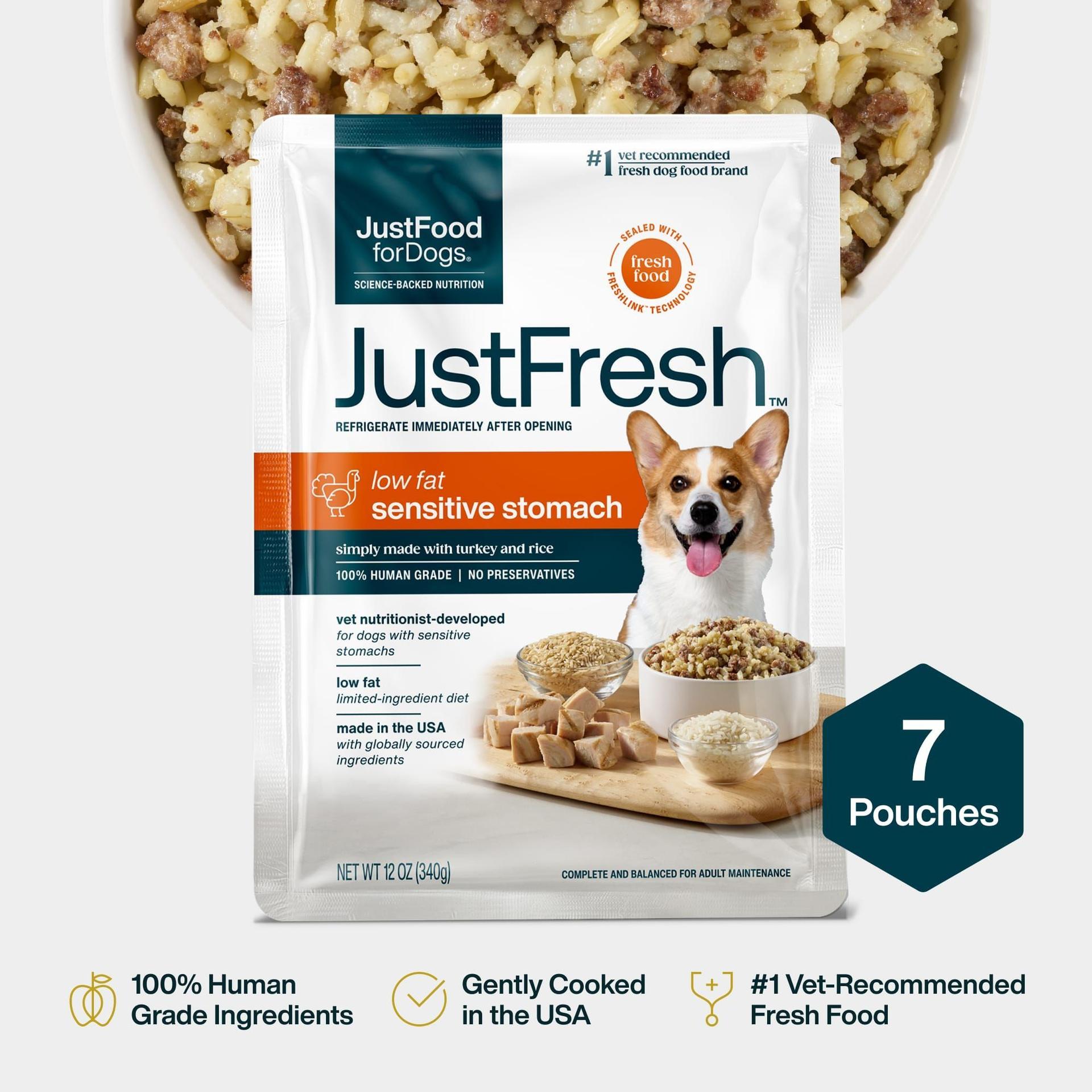
The shelf-stable version of the low-fat Sensitive Stomach recipe, pairing turkey with white and brown rice for balanced fiber and easy digestion. A consistent complete base to build small low-fat extras around.
Petful may earn a commission when you click through to JustFoodForDogs, at no extra cost to you.
Lean Proteins and Fish
Protein is where fat hides, so the cut and the cooking method matter more than the animal. Lean protein, cooked plain with the fat drained, is the backbone of recovery meals. This second food-by-food verdict table covers the proteins owners ask about most.
| Food | Verdict | Fat reason | Serving condition |
|---|---|---|---|
| Skinless chicken or turkey breast | Yes | Very lean | Boiled or baked plain, skin removed |
| Ground turkey, 99% lean | Yes | Very lean | Browned in water, fat drained |
| White fish (cod, tilapia, whitefish) | Yes | Very lean | Baked or poached, boneless, unseasoned |
| Canned tuna in water | Small amounts | Lean | Packed in water, occasional only (mercury) |
| Lean beef or boiled hamburger | Small amounts | Moderate fat even when lean | Extra-lean, boiled and drained |
| Venison, rabbit, kangaroo | Small amounts | Lean game meats | Plain cooked; vet approval first |
| Liver | Small amounts | Moderate fat, very rich | A few small pieces as a treat |
| Canned salmon | Small amounts | Oily fish, higher fat | Only if your vet allows; drain well |
| Sardines | Avoid during recovery | Oily fish, high fat | Only later and only with vet approval |
| Lamb | Avoid | Fatty meat | Choose a leaner protein |
| Duck | Avoid | Fatty meat and skin | Choose a leaner protein |
| Green tripe | Avoid | Variable fat, usually raw | Not recommended |
Lean white fish is the best choice. Cod, tilapia, and other whitefish are very low in fat and easy to digest when baked or poached without oil, and whitefish is the protein base of JustFoodForDogs Digestive Care, a recipe JFFD formulated for fat intolerance. Oily fish are a different story: sardines and canned salmon are rich in fish oil, so they add fat quickly and are best left out during recovery. Tuna packed in water is lean, but keep it occasional because of mercury.
For the meats owners ask about most:
- Ground turkey: yes, if it is the leanest kind, such as 99% lean, browned in water and drained.
- Beef: extra-lean beef or a boiled hamburger patty with the fat poured off, in small amounts; it is fattier than poultry breast.
- Lamb and duck: usually not, because both are fatty meats.
- Venison, rabbit, and kangaroo meat: lean options for dogs who need an alternative protein, with the vet's approval.
The turkey in JustFoodForDogs Sensitive Stomach is paired with white and brown rice, an example of how a complete low-fat recipe builds a lean protein into a balanced meal.
Cooking method matters as much as the cut. Remove skin before cooking rather than after, boil, bake, or poach without oil or butter, and leave out salt, onion, and garlic. For ground meat, brown it in a little water, then tip it into a strainer so the melted fat drains away; chilling cooked meat or broth makes any remaining fat easy to lift off. Weigh or measure protein portions so the day's fat stays close to the target your veterinarian set.
A whitefish-based, ultra-low-fat Vet Support diet with brown rice and sweet potatoes, formulated for dogs with fat intolerance and gastrointestinal health concerns. JFFD asks owners to check with their vet before ordering.
Petful may earn a commission when you click through to JustFoodForDogs, at no extra cost to you.
Grains, Dairy, and Pantry Staples
Pantry foods divide neatly: plain grains are fine, fatty spreads and most dairy are not.
- Rice: plain white rice is easy to digest and a staple of bland recovery meals. Brown rice is fine too, though its extra fiber makes it slightly harder to digest in the first days.
- Oatmeal: plain oats cooked in water are fine in small amounts; skip oatmeal made with milk, butter, or sugar.
- Pasta and bread: plain cooked pasta and a small piece of plain bread are low in fat. Bread is not a useful food, though, and should never contain raisins, garlic, or xylitol.
- Barley: plain cooked barley is low in fat and fine in small amounts.
- Cheerios: a few plain ones are low in fat and fine as tiny treats.
- Popcorn: plain air-popped popcorn is low in fat, but buttered or oiled popcorn is not. Skip it to be safe.
- Peanut butter: avoid. It is about half fat by weight, so skip it, even as a pill wrapper.
- Cheese: avoid regular cheese, which is high in fat.
- Cottage cheese: low-fat or nonfat cottage cheese in small amounts is one of the low-fat toppers VCA mentions.
- Yogurt and Greek yogurt: plain nonfat yogurt in a teaspoon or two is usually fine; full-fat or flavored yogurt is not.
- Baby food: meat baby foods often contain onion or garlic powder, so check the label carefully or skip it.
Shelf-stable foods can help when a dog needs a consistent diet away from home. JustFresh Sensitive Stomach is the shelf-stable version of the Sensitive Stomach recipe, with turkey paired with white and brown rice in resealable pouches. JFFD says it can be stored in a cupboard or pantry for up to two years and should be refrigerated and used within three days after opening.
Oils, Supplements, and Other Extras
Owners often reach for natural extras after a diagnosis. Most add fat or have no evidence behind them:
- Olive oil and coconut oil: pure fat, so leave both out.
- Fish oil and omega-3: it depends. Veterinarians sometimes prescribe fish oil for dogs with high blood triglycerides, but it adds fat, so never start it on your own.
- Honey: fat-free, but it is sugar, and it is unsuitable for dogs who also have diabetes. A small lick is the limit.
- Apple cider vinegar and turmeric: no good evidence of benefit for pancreatitis in dogs, and both can upset the stomach.
- Kefir and goat milk: dairy with milk fat. Skip them unless your vet approves a nonfat version.
- Coconut water: not needed and not a substitute for veterinary fluids in a dehydrated dog.
- Slippery elm: no good evidence, and it can affect how other medicines are absorbed. Ask first.
- Digestive enzymes: prescribed for exocrine pancreatic insufficiency, a different condition in which the pancreas stops producing enzymes. They are not a routine pancreatitis supplement.
The pattern is simple: anything oily or rich works against the low-fat plan, and anything sold as a natural remedy should be cleared with the veterinarian first.
Foods That Can Trigger a Flare-Up
What's the worst food for pancreatitis? High-fat table scraps and fatty meat trimmings top the list, followed by fried foods, gravy, and rich holiday leftovers. Eating something fatty is a classic trigger for an episode, and the Merck Veterinary Manual lists dietary indiscretion as a common risk factor. High-fat foods and table scraps to avoid:
- Bacon, bacon grease, sausage, and hot dogs: among the fattiest foods a dog can steal, and bacon grease is a frequent culprit.
- Butter, ice cream, and whipped cream: a dog that ate a stick of butter needs a call to the vet.
- Turkey and chicken skin, rotisserie chicken, and dark-meat leftovers: lean breast meat is not the problem, but holiday turkey with skin and drippings is a common trigger. Rotisserie chicken is seasoned and fatty; boiled skinless chicken breast is not a cause.
- Cheese and peanut butter: both are high in fat, so keep cheese to a crumb at most.
- Chocolate: toxic to dogs and fatty, so its fat can contribute to an episode on top of its toxicity.
- Coconut oil and heavy doses of fish oil or salmon oil: fish oil can add enough fat to matter in sensitive dogs.
- Buttered popcorn: plain popcorn is not the problem; the butter is.
- Bone broth with the fat layer left on: chill it and skim the fat first.
Some foods are blamed more than they deserve. Carrots, bread, and oatmeal do not cause pancreatitis. There is no good evidence that grain free dog food causes pancreatitis; the fat content matters more than the grain. A high-protein diet is not the issue in itself; fat is, and many high-protein foods are also high-fat. A raw diet can be a concern because raw food is often fattier than cooked lean diets. Ketogenic diets are, by design, very high in fat and are not appropriate for dogs with pancreatitis.
Homemade Meals for Dogs With Pancreatitis
A homemade low-fat diet is reasonable for a few days of bland feeding, and some owners want to cook long term. The two situations need different approaches.
For short-term bland feeding, a simple homemade meal is usually:
- Boiled skinless chicken breast or 99% lean ground turkey, drained
- Plain white rice, cooked soft
- Roughly one part protein to two or three parts rice, as your vet directs
- Fed in small portions several times a day
Cooking for longer is a different job. A long-term homemade diet needs a complete recipe, because chicken and rice alone lack calcium, essential fatty acids, and several vitamins and minerals. Low-fat recipes found online are rarely balanced. A board-certified veterinary nutritionist can formulate one. JustFoodForDogs also runs a custom diet service that works in partnership with your veterinarian; it lists digestive health among its focus areas and offers either fresh-frozen custom meals or a do-it-yourself recipe with a custom nutrient blend.
A crockpot works well for cooking lean protein in bulk: cook skinless breast meat with water, chill the broth, and skim off the fat before using it. Leave out onions, garlic, salt, and seasoning. For owners who would rather not cook, a complete fresh recipe such as JustFoodForDogs Sensitive Stomach offers the same lean turkey and rice foundation in a ready-made meal.
Feeding a Dog During Pancreatitis Recovery
What to feed a dog with a pancreatitis flare-up depends on how sick the dog is. Older advice was to rest the pancreas by withholding food for days, but current guidance favors early feeding. The Merck Veterinary Manual reserves withholding food for dogs with uncontrollable vomiting. Feeding after an episode follows small meals and gradual reintroduction:
- Start with the bland, low-fat meal or prescribed diet your veterinarian chooses.
- Offer small portions four to six times a day.
- Increase portion size slowly over several days as appetite returns.
- Move to the long-term low-fat diet gradually over 7 to 10 days, as VCA advises for diet changes.
- Repeated vomiting, refusing food and water for more than a day, a painful or swollen belly, weakness, or collapse need emergency veterinary care, not home feeding changes. A dog with diabetes and pancreatitis that will not eat needs a call to the vet before the next insulin dose.
My dog has pancreatitis and won't eat: what then? Many dogs will not eat for a day or two because of nausea. Offer small amounts of a warmed, aromatic bland food, and tell the vet if your dog refuses everything, because anti-nausea medication or an appetite stimulant often helps. Force feeding a dog with pancreatitis by syringe can cause choking or food aversion, so do not do it without veterinary guidance; dogs who will not eat for several days may need a feeding tube in the hospital. A dog with pancreatitis that won't drink water, or won't eat or drink at all, needs to be seen, since intravenous fluids are a mainstay of treatment.
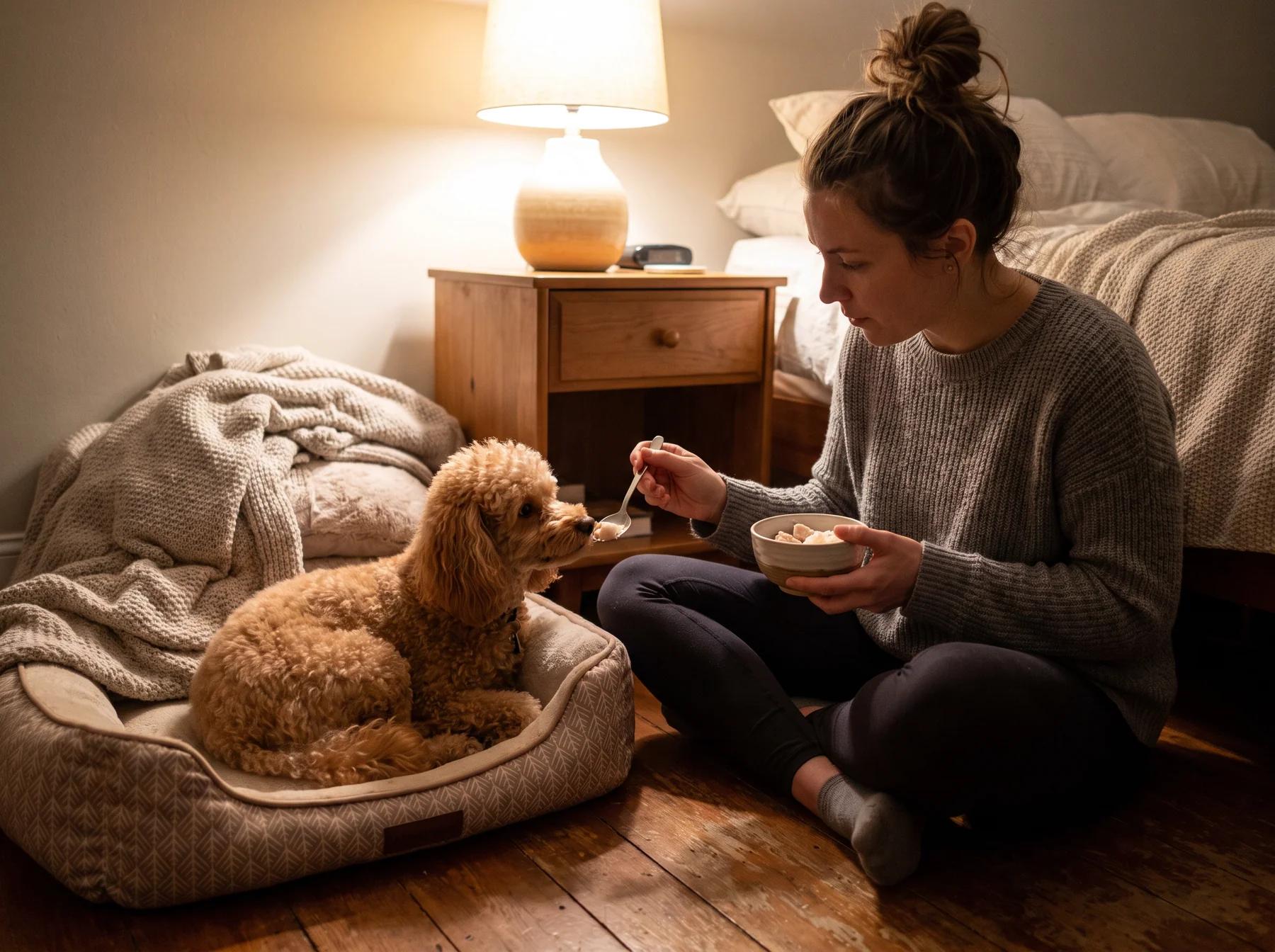
Nursing a dog with pancreatitis at home also means watching weight. Weight loss is common after an episode, and a dog that needs to gain weight needs more calories from the same low-fat diet, not added fat. The opposite also happens: a dog with pancreatitis that seems always hungry is often recovering well, but extra calories should come from larger low-fat meals rather than treats. How much do you feed a dog with pancreatitis? Use the amount your veterinarian calculates, or the JustFoodForDogs feeding calculator for a JFFD recipe, rather than a general chart, because recovering dogs vary widely.
How These Foods Fit a Complete Low-Fat Diet
The individual foods above are add-ons and recovery helpers. Most of a recovering dog's calories should come from one complete low-fat diet, whether that is a prescription food, a fresh recipe, a low fat dry food, or a homemade low fat recipe formulated by a veterinary nutritionist. Choosing among them is a separate decision: Petful's guide to choosing a low-fat dog food explains how to compare fat across fresh, wet, and dry foods and which dogs need one, and WebVet's guide to vet-recommended diets for dogs with pancreatitis and Vetstreet's look at JustFoodForDogs low-fat recipes compare low-fat options for different dogs.
JustFoodForDogs low-fat fresh recipes fit here as vet-guided options:
- JustFoodForDogs Sensitive Stomach: an everyday low-fat recipe with turkey, white and brown rice, and natural prebiotics, formulated to meet AAFCO nutrient profiles for adult maintenance. Petful's review of this gentle fresh food for sensitive stomachs covers it in depth.
- JustFresh Sensitive Stomach: the shelf-stable pouch version of the same recipe.
- Digestive Care: JustFoodForDogs Digestive Care is a whitefish-based, ultra-low-fat Vet Support diet that JFFD asks owners to review with their vet before ordering.
Many dogs with pancreatitis have other digestive issues, too. If your dog also has large-bowel diarrhea, Petful's guide to colitis in dogs covers feeding for that condition.
Questions Readers Ask
A bland low-fat meal, such as boiled skinless chicken breast with plain white rice, or the veterinary diet your vet prescribes, is the usual first food. Small portions several times a day are gentler than one large meal.
Good hydration supports recovery, so keep fresh water access constant. Water alone cannot correct the dehydration of a real episode, though; dogs that are vomiting or not drinking often need intravenous fluids at the clinic.
A high-fat meal is a common trigger, whether from table scraps, holiday leftovers, or garbage raiding. Very high blood triglycerides, Cushing's disease, and some medications can also raise the risk, so discuss them with your vet.
Yes, if the treats are low in fat and fit a daily treat budget of no more than 10 percent of calories. Pieces of chicken breast, egg white, or vegetables work better than biscuits or chews.
Use a gradual transition over 7 to 10 days, or longer for a sensitive dog, mixing a little more of the new food each few days. Keep small frequent meals during the switch and step back a stage if stool softens.
BVMS, MRCVS
Dr. Pippa Elliott, BVMS, MRCVS, is a veterinarian with nearly 30 years of experience in companion animal practice. Dr. Elliott earned her Bachelor of Veterinary Medicine and Surgery from the University of Glasgow. She was also designated a Member of the Royal College of Veterinary Surgeons. Married with 2 grown-up kids, Dr. Elliott has a naughty Puggle named Poggle, 3 cats and a bearded dragon.
Sign up for expert-backed reviews and safety alerts all in one place.
A Final Word (Disclaimer)
At Petful, our review integrity is paramount; we never exchange special treatment in our reviews for monetary or material rewards.
Nonetheless, when our readers click through to online merchants (including Chewy or Amazon), we receive a referral commission. This supports the running of our free blog, and we appreciate your backing.