Can Dogs Eat Eggs? Everything You Need To Know.
Can dogs eat eggs? Yes, when fully cooked and served plain, eggs are a protein-rich treat for most dogs. Raw eggs carry salmonella and biotin risks, and seasoned or greasy eggs should be skipped. Here is the full size-by-size safety breakdown.

Veterinarian · BVMS, MRCVS

Petful is reader supported. As an affiliate of platforms like Amazon and Chewy, we may earn a commission when you buy through links on this page. There is no extra cost to you.
- 1Yes, eggs are a nutritious treat for dogs, providing protein, vitamins, and healthy fats.
- 2Always serve them cooked and plain, raw eggs carry a risk of salmonella and can interfere with biotin absorption.
- 3Feed in moderation, as too many can add extra calories, and watch for any signs of allergies.

Sign up for expert-backed reviews and safety alerts all in one place.
Can Dogs Eat Eggs? The Short Answer
Can dogs eat eggs? Yes, as long as they are fully cooked and served plain, with no butter, oil, salt, or seasoning. Cooked eggs are a highly digestible source of protein and vitamins, and the American Kennel Club calls them safe in moderation. Skip raw eggs (salmonella and biotin risk) and keep eggs to 10 percent of daily calories.
Yes, dogs can eat eggs. In fact, eggs are a great source of protein for dogs, and they contain essential amino acids and fatty acids that can be good for a dog's health. Although they're a source of easily digestible riboflavin and selenium, you should keep a few things in mind when offering them to your pup.
Are Eggs Good for Dogs, or Are They Bad?
Yes, eggs can be good for dogs when given in moderation. They offer several nutritional and health benefits for canines:
- High-quality Protein: Eggs are a great source of high-quality protein, which is essential for dogs for muscle development and repair.
- Amino Acids: Eggs contain all the essential amino acids dogs need to function.
- Fatty Acids: They provide fatty acids that can be good for a dog's skin and coat.
- Vitamins: Eggs are a source of a variety of vitamins, including A, B2 (Riboflavin), B12, and D, all of which are beneficial to a dog's overall health.
- Minerals: They also contain iron and selenium, which are important for immune system function and thyroid health, respectively.
When feeding your dog eggs, it's important to do so in moderation as a complement to their regular diet, and it's generally recommended to cook the eggs to reduce the risk of salmonella and to aid in digestion. Raw eggs can also contain an enzyme called avidin, which can interfere with the absorption of biotin (a B vitamin) in the body. However, the amount of avidin in an egg is quite small, and a dog would need to eat large amounts of raw egg to cause a deficiency.
How Many Eggs Can a Dog Eat by Size?
When feeding dogs eggs, portion control is essential to prevent overfeeding and ensure that their diet remains balanced. It's important to note that the recommendations below are approximate and should be adjusted based on the dog's individual activity level, overall diet, and health status. Always consult with a veterinarian for the most accurate dietary advice for your pet. Here's a basic guideline:
- Extra Small Dogs (up to 10 lbs): about one-eighth of a medium-sized egg, scrambled and cooked.
- Small Dogs (10-25 lbs): about one-quarter of a medium-sized egg, scrambled and cooked.
- Medium Dogs (25 to 60 lbs): around one-half of a medium-sized egg, scrambled and cooked.
- Large Dogs (60 to 100 lbs): about three-quarters to one whole medium-sized egg, scrambled and cooked.
- Extra-Large Dogs (100+ lbs): about one medium-sized egg, scrambled and cooked.
Remember that these servings should not be daily but rather occasional treats or supplements. Eggs should not make up a significant portion of a dog's diet and should be factored into their total daily calorie intake to maintain a healthy weight.
Soft, real-beef burger bites with bison, grain-free and sized for occasional training-treat sharing.
Petful may earn a commission when you click through to Chewy, at no extra cost to you.
Nutritional Benefits of Eggs
Eggs are a nutrient-dense food for dogs, containing several important vitamins and minerals. Here's how the specific nutrients found in eggs can benefit a dog's health:
- Amino Acids: Amino acids are the building blocks of proteins, which are crucial for muscle development, repair, and maintaining a healthy coat and skin. They also play a vital role in various metabolic processes within a dog's body.
- Vitamin B12 (Cobalamin): This vitamin is important for maintaining healthy nerve cells, aiding in the production of DNA and RNA, and is essential for the functioning of the brain and nervous system. It also plays a key role in the formation of red blood cells.
- Vitamin B2 (Riboflavin): Riboflavin is important for energy production and cellular function, growth, and development. It also helps in the metabolism of fats and drugs.
- Vitamin A: This vitamin is crucial for dogs for various bodily functions, including vision health, immune function, fetal development, and the maintenance of healthy skin and coat.
- Vitamin D: Often referred to as the "sunshine vitamin," Vitamin D is important for dogs to maintain healthy bones and teeth by regulating the body's balance of calcium and phosphorous. It also has a role in nerve and muscle control.
- Iron: Iron is an essential component of hemoglobin in red blood cells, which is necessary for oxygen transport in the body. It also plays a role in various enzymatic processes.
- Selenium: This mineral has antioxidant properties that help protect cells from damage. It is also important for thyroid function and the immune system.
Eggs can be a valuable part of a dog's diet due to their nutritional content, but they should be given in moderation to maintain a balanced diet. The bioavailability of these nutrients can be better when dogs eat cooked eggs, as cooking helps reduce the risk of foodborne illness and can make some nutrients easier to digest.
How to Safely Cook and Serve Eggs for Dogs
Feeding eggs to most dogs can be a healthy supplement to their diet if done properly. Here’s the best way to incorporate eggs into your dog’s feeding routine:
- Cook the Eggs: The best way to feed eggs to dogs is to cook them. When you cook eggs, it kills any bacteria, such as Salmonella, which can be present in raw eggs. Cooking also denatures the avidin protein, allowing the dog to absorb biotin (a B vitamin) more effectively. You can serve a dog eggs boiled, poached, scrambled, or fried (without any butter, oil, or seasoning).
- Use Fresh Eggs: Always use fresh eggs to reduce the risk of bacterial contamination.
- Avoid Seasonings: Do not add salt, pepper, onions, garlic, or any other spices to the eggs, as many seasonings that are safe for humans can be harmful to dogs.
- Introduce Gradually: If your dog has never eaten eggs before, start with a small amount to ensure they do not have an allergic reaction or intolerance.
- Watch for Allergies: Just like humans, dogs can be allergic to any food. Watch for signs of an allergic reaction, such as itching, hives, swelling, or gastrointestinal upset.
- Consider Dog’s Diet: If your dog is on a special diet for health reasons or is overweight, consult your vet before adding eggs to their diet. Eggs are an additional source of calories and should be accounted for in the dog’s total daily intake.
- Shell: Some dog owners also crush the eggshell into a fine powder and add it to the dog’s food for a calcium boost. If you choose to do this, ensure the shell is cleaned and prepared properly to avoid any risk of contamination.
Always remember that while eggs can be a nutritious addition to your dog's diet, they should not replace a balanced commercial dog food that is specifically formulated to meet all of a dog’s nutritional needs. It's best to discuss any significant dietary changes or supplements with your veterinarian.
Can Dogs Be Allergic to Eggs?
Yes, dogs can be allergic to eggs, although egg allergies are not among the most common food allergies in dogs. Like humans, dogs can develop allergies to nearly any food item. If a dog is allergic to eggs, their immune system will overreact to the proteins present causing an allergic reaction when they eat eggs.
Symptoms of an egg allergy in dogs may include:
- Skin irritation, such as itching, redness, or a rash
- Gastrointestinal upset, like vomiting or diarrhea
- Ear infections in some cases, if the allergy leads to an overgrowth of yeast or bacteria in the ears
- Chronic gas or discomfort
If you suspect your dog is allergic to eggs, you should consult with your veterinarian. They may recommend an elimination diet, where you remove eggs from your dog's diet and then gradually reintroduce them to see if symptoms reappear. This process can help determine whether eggs are the cause of the allergic reaction.
It’s important to note that allergic reactions can vary in severity. While some dogs may only have mild symptoms, others can have more serious reactions. If your dog shows signs of a severe allergic reaction, like difficulty breathing or significant facial swelling, seek veterinary care immediately, as this can be a sign of anaphylaxis, a potentially life-threatening condition.
Can Dogs Eat Raw Eggs? The Salmonella and Biotin Risk
While some dog owners do safely feed raw eggs to their dogs, there are risks involved with doing so. Here are some considerations regarding feeding raw eggs to dogs:
- Salmonella: Uncooked eggs can contain Salmonella bacteria, which can lead to salmonellosis in both dogs and humans. Dogs may handle bacteria better than humans do, but they can still fall ill from a bacterial infection and can also become carriers, potentially infecting other animals or humans in the household.
- Biotin Deficiency: Raw egg whites contain avidin, an enzyme that can interfere with the absorption of biotin (a B vitamin) in the intestine. Biotin is important for maintaining healthy skin and coat. However, a dog would need to eat very large quantities of egg whites to become biotin deficient.
- Digestibility: Cooked eggs are generally considered more digestible than raw eggs, so cooking them can make the proteins in eggs more bioavailable for your dog.
If you are considering starting to feed your dog raw eggs, it’s important to weigh these risks and consult with your veterinarian first. They can provide guidance based on your dog’s specific health needs and dietary requirements.
For most pet owners, the safer choice is to serve dogs cooked eggs (boiled, scrambled, or poached eggs) without any added fats, seasonings, or spices, as these are safer in terms of reducing the risk of foodborne illness and ensuring that the nutrients in the eggs are fully available to your dog.
Can Dogs Eat Eggshells, and Are They a Choking Risk?
Dogs can eat eggshells, and in fact, they can be a good source of calcium and other minerals. However, there are some important considerations to take into account:
- Preparation: Eggshells should be thoroughly cleaned and dried to remove any residual egg white, which could contain bacteria like Salmonella. After cleaning, the shells can be baked to further sterilize them and then crushed or ground into a fine powder. This helps prevent any risk of injury from sharp edges.
- Digestibility: Grinding the shells into a fine powder is the best way to ensure they are easily digestible for your dog. Larger, sharp pieces of eggshell can potentially cause internal damage or become a choking hazard.
- Moderation: While eggshells are high in calcium, too much calcium can be harmful to dogs, particularly if they're already receiving a balanced diet. It’s important to balance their overall calcium intake with their phosphorus intake to maintain proper mineral balance. Feeding eggshells should be done in moderation and ideally under the guidance of a veterinarian.
- Source: The eggshells should come from eggs that are safe for human consumption to ensure they do not contain any contaminants.
- Dietary Needs: Some dogs may have specific dietary needs or health issues that could be complicated by the addition of eggshells to their diet. Always consult with your veterinarian before making significant changes to your dog’s diet.
If you choose to add eggshell powder to your dog's diet for calcium supplementation, it is important to do so in appropriate amounts and to be aware of the total dietary intake of calcium from all sources. A vet can help you determine the correct dosage based on your dog's size, age, and dietary needs.
Can Dogs Eat Scrambled Eggs?
Dogs can safely eat scrambled eggs in moderation, provided they are cooked without any added salt, butter, oil, or seasoning, which can be harmful to dogs. Scrambled eggs can be a nutritious treat for dogs, offering a good source of protein, amino acids, and essential vitamins and minerals.

Pumpkin-flavored probiotic soft chews that support healthy gut flora and digestion in dogs.
Petful may earn a commission when you click through to Chewy, at no extra cost to you.
Can Dogs Eat Boiled Eggs?
Yes, dogs can eat boiled eggs. Boiled eggs are a safe and healthy treat for dogs, as they are rich in protein, fatty acids, vitamins, and minerals that can be beneficial to a dog's diet. They should be offered in moderation and without any seasoning or additives.
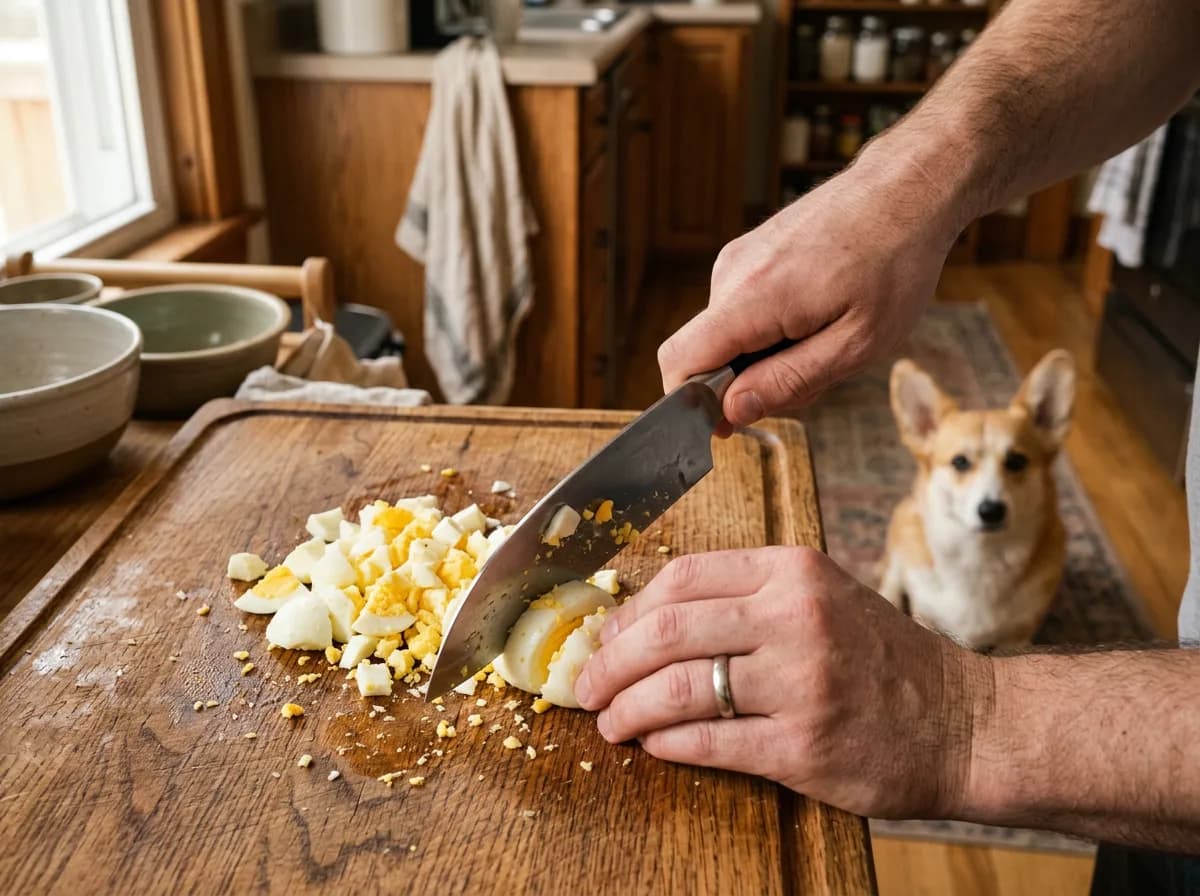
It's important to ensure the eggs are cooked thoroughly to avoid the risk of salmonella and to aid in digestibility. Be sure to break down any boiled egg into smaller pieces to prevent choking.
Can Dogs Eat Egg Yolk?
Dogs can eat egg yolk, and it's a part of the egg that is rich in nutrients, including vitamins like A, D, E, and B-complex, and minerals such as iron and selenium. Egg yolks also contain healthy fats and cholesterol, which, in reasonable amounts, can be good for a dog's skin and coat health. However, due to the high-fat content, yolks should be given in moderation, especially to dogs that are overweight or have conditions such as pancreatitis. It's also wise to cook the yolk, avoiding the risk of salmonella and improving digestibility, and to serve it plain without any additives or seasoning.
Can Puppies Eat Eggs?
Yes, puppies can eat eggs, but there are some important guidelines to follow. Eggs can be a nutritious supplement to a puppy's diet, offering protein, essential fatty acids, and vitamins. Here's how to safely include eggs in a puppy's diet:
- Cooked is Best: As with adult dogs, eggs should be fully cooked to avoid the risk of salmonella and to denature the avidin protein in raw egg whites, which can inhibit the absorption of biotin (a B vitamin).
- Start Small: Puppies have delicate digestive systems, so if you're introducing eggs, start with a small amount to see how your puppy reacts. A small bite of cooked egg is sufficient for a taste test.
- Moderation: If there are no adverse reactions, such as an upset stomach or allergies, you can offer eggs as a treat or part of a balanced meal occasionally, not as a staple of their diet. Puppies need a balanced diet that is appropriate for their age, size, and breed, which is usually provided by a high-quality puppy food.
- Consultation with a Vet: Always consult your veterinarian before adding new food to your puppy's diet, especially if the puppy is very young or has health concerns. The vet can provide guidance on proper serving sizes and frequency based on your puppy's specific dietary needs.
Remember that while eggs can provide beneficial nutrients, they should only be a small part of a puppy's diet to ensure they get a balanced intake of all the necessary nutrients to grow and develop properly.
Frequently Asked Questions (FAQ)
| Dog Size | Serving (cooked, plain egg) | How Often |
|---|---|---|
| Extra small (up to 10 lbs) | About 1/4 of a medium egg | A couple of times a week |
| Small (10 to 25 lbs) | About 1/4 to 1/2 of a medium egg | A couple of times a week |
| Medium (25 to 60 lbs) | About 1/2 of a medium egg | A few times a week |
| Large (60 to 100 lbs) | About 3/4 to 1 medium egg | Several times a week |
| Extra large (100+ lbs) | About 1 medium egg | Several times a week |
Are Eggs Bad for Dogs? The Risks to Know
For most healthy dogs, plain cooked eggs are not bad in small amounts, but there are real downsides to watch. Eggs are calorie-dense and relatively high in fat, so feeding too many can lead to weight gain or, in sensitive dogs, an upset stomach with vomiting or loose stools.
The fat content is the bigger concern for dogs prone to pancreatitis, and the cholesterol and calories matter for overweight or diabetic dogs. Eggs are also a possible food allergen, though egg allergies are far less common in dogs than chicken or beef allergies.
None of this makes eggs off-limits for a typical dog. It just means eggs are a treat, not a meal replacement, and the prep (fully cooked, plain, portioned) is what keeps them on the safe side.
- Eggs should never replace a complete, balanced dog food. Keep all treats, including eggs, to about 10 percent of your dog's daily calories so the rest of the diet stays nutritionally complete.
Can Dogs Eat Scrambled, Boiled, Fried, or Poached Eggs?
The cooking method matters less than what you add. Plain scrambled eggs and plain hard-boiled or soft-boiled eggs are both excellent choices, as long as they are cooked in a dry pan with no butter, oil, milk, salt, or seasoning. Chop boiled eggs into bite-sized pieces, especially for small dogs, to prevent choking.
Poached eggs are fine for dogs too, since they are cooked in water with nothing added. A plain omelette can be safe if it is just egg, but skip any cheese, onion, garlic, ham, or salt that usually goes into one. Onion and garlic are toxic to dogs in any amount.
Fried eggs are the form to be cautious with. A fried egg cooked in butter, oil, or bacon grease adds fat your dog does not need and can trigger stomach upset or, in prone dogs, a pancreatitis flare. If you do share a fried egg, cook it in a dry nonstick pan and keep the portion tiny.
- A plain scrambled or chopped hard-boiled egg makes an easy meal topper or pill pocket. Cook it ahead, let it cool, and portion it to your dog's size rather than serving a whole egg at once.

Multiple ridges and valleys slow eating, reduce gas and bloating, and turn mealtime into a fun puzzle. Non-skid base, dishwasher safe, 4-cup capacity.
Petful may earn a commission when you click through to Chewy, at no extra cost to you.
Can Dogs Eat Egg Whites or Just the Yolk?
Dogs can eat both the white and the yolk of a cooked egg. The white is nearly pure protein with very little fat, while the yolk carries most of the egg's vitamins, healthy fats, and minerals like iron and selenium. Together, cooked, they give your dog the full nutritional benefit.
The yolk is richer and higher in fat and cholesterol, so dogs that are overweight or have pancreatitis should get less of it. The white is the part to never feed raw: raw egg whites contain avidin, which can block biotin absorption, although a dog would need to eat a lot of raw white over time for that to matter.
Bottom line, cook the egg, then either part is fine. There is no need to separate the white and yolk for a healthy dog unless your veterinarian has advised a low-fat diet, in which case the leaner white is the better pick.
Can Dogs Eat Eggs With Cheese, Bacon, Rice, or Other Foods?
Plain egg mixed with a dog-safe food is usually fine, but the add-in is what makes or breaks it. A scrambled egg stirred into a little plain cooked rice is a gentle, vet-friendly combo often suggested for a mild stomach upset. Egg with a small sprinkle of plain cheese or cottage cheese is okay for dogs that tolerate dairy, just in moderation.
Egg with bacon, sausage, chorizo, or ham is a different story. Those meats are loaded with salt and fat, and processed pork can upset a dog's stomach or contribute to pancreatitis, so leave them out and serve the egg plain.
Steer clear of restaurant and deli egg preparations entirely. Deviled eggs (mayonnaise, mustard, paprika), pickled eggs (vinegar and salt), salted or century eggs, and scotch eggs (sausage-wrapped and fried) all carry seasonings, sodium, or fat that are not good for dogs.
- Never feed eggs cooked with onion or garlic, including most omelettes, fried rice, and breakfast scrambles. Both are toxic to dogs and can damage red blood cells even in small amounts. When in doubt, cook the egg separately and plain.
Can Dogs With Pancreatitis, Diabetes, or Kidney Disease Eat Eggs?
If your dog has a chronic health condition, talk to your veterinarian before adding eggs, because the answer depends on the diagnosis. For dogs prone to pancreatitis, the fat in a whole egg (especially the yolk) can be a problem, and a small amount of plain egg white is the safer option if your vet allows any at all.
Diabetic dogs can sometimes have a little plain egg because it is low in carbohydrates, but it has to be counted into their tightly managed daily calories and feeding schedule. Dogs with kidney disease are usually on a controlled-protein, controlled-phosphorus diet, so egg, which is high in both, is often limited and should only be fed with a vet's sign-off.
One useful note: dogs with a chicken or poultry-protein allergy are not automatically allergic to eggs, but eggs do come from chickens, so introduce them cautiously and watch for itching or digestive upset. When a dog is on a prescription diet, the safest rule is no treats outside that diet unless your vet says otherwise.
- Dogs on a prescription or therapeutic diet for pancreatitis, diabetes, kidney disease, or allergies should not get eggs or any other treat without explicit veterinary approval. Even a small off-diet addition can undo careful disease management.
Can Dogs Eat Quail or Duck Eggs?
Yes, dogs can eat quail and duck eggs, and the same rules apply as for chicken eggs: cook them fully and serve them plain. Quail eggs are much smaller, so they make a naturally portion-friendly treat for small dogs, while duck eggs are larger and richer, with more fat and cholesterol per egg, so feed less.
Some owners choose quail or duck eggs because a dog with a chicken-egg sensitivity may tolerate a different bird's egg, but introduce any new egg slowly and watch for a reaction. Whatever the bird, the safety basics do not change: cooked, unseasoned, and in moderation.
How Often Can Dogs Eat Eggs?
Eggs are a treat, not a daily staple, so frequency should follow the 10 percent rule: all treats combined, eggs included, should stay under about 10 percent of your dog's daily calories. For most dogs that means a few eggs spread across the week rather than one every single day.
As a rough guide, a small dog might have a fraction of an egg a couple of times a week, a medium dog up to half an egg a few times a week, and a large dog up to one egg several times a week, always adjusted to their size, activity, and the rest of their diet.
Feeding eggs every day is usually too much for a typical pet dog and can crowd out balanced nutrition or add unwanted calories. If you want to feed eggs more regularly, ask your veterinarian to help you fit them into your dog's overall calorie budget.
- Track eggs the same way you track any treat. If your dog gets an egg, trim a little from their kibble that day so the extra calories do not add up to weight gain over time.

Related Petful Guides
Match the amount to your dog's size and keep eggs to about 10 percent of daily calories. A small dog can have roughly a quarter of an egg, a medium dog about half, and a large dog up to one whole cooked egg, given a few times a week rather than daily. Always serve eggs fully cooked and plain, and count them as a treat, not a meal.
There is no single number, because it depends on the dog's size, weight, and overall diet. A practical guide is a few small servings a week, never enough to push treats past 10 percent of daily calories. A toy breed might have the equivalent of one egg across a week, while a large dog could have several. Ask your vet for a number tailored to your dog.
For most dogs, an egg every single day is too much. Eggs are calorie-dense and fairly high in fat, so daily feeding can add up to weight gain and crowd out balanced nutrition. Eggs are best as an occasional treat a few times a week. If you want to feed them more often, have your veterinarian help you fit them into your dog's calorie budget.
It is safer not to feed raw eggs. Raw eggs can carry salmonella, which can make both dogs and people in the home sick, and raw egg whites contain avidin, which can interfere with biotin absorption over time. Cooking eliminates the salmonella risk and makes the protein more digestible, so plain cooked eggs are the recommended choice.
Yes, dogs can eat scrambled eggs as long as they are cooked in a dry pan with no butter, oil, milk, salt, or seasoning. Plain scrambled eggs are a soft, protein-rich treat and an easy meal topper. Avoid adding cheese, onion, or garlic, and keep the portion sized to your dog so the extra calories do not add up.
Dogs can eat eggshells, and finely ground shell is sometimes used as a calcium supplement, but preparation matters. Clean and dry the shells, bake them briefly to sterilize, then grind them into a fine powder so there are no sharp pieces to cause choking or internal injury. Because too much calcium is harmful, only add eggshell with your veterinarian's guidance.
Yes, puppies can eat small amounts of fully cooked, plain egg. Cooking removes the salmonella risk and the avidin in raw whites, which matters more for a developing puppy. Start with a tiny portion to check for digestive upset, keep eggs occasional, and rely on a complete puppy food for balanced growth. Check with your vet before adding any new food.
A dog that ate one plain hard-boiled egg with the shell is usually fine, since cooked shell is digestible and the egg itself is safe. Watch for choking right after, then for vomiting, gagging, or loose stools over the next day. The bigger concern is any seasoning that was on it. If your dog ate many eggs, seasoned eggs, or shows distress, call your vet.
Recipes
Incorporating eggs into your dog’s diet can be a great way to provide them with extra protein and nutrients. Here are a few dog-friendly egg recipes that you can try. Keep in mind that these should be used as treats or supplements and not replace a balanced diet appropriate for your dog.
- Basic Scrambled Eggs for Dogs: Simply scramble an egg in a non-stick pan without any oil, butter, or seasoning. Let it cool and serve a portion appropriate for your dog's size.
- Boiled Egg Treats: Hard boil an egg, let it cool, peel it, and chop it into bite-sized pieces suitable for your dog. You can mix these into their regular dog food for added texture and flavor.
- Egg & Rice Meal Topper: Cook 1 scrambled egg and mix it with a cup of cooked brown rice (ensure the rice is plain, with no seasonings or additives). This can be used as a topper for your dog’s regular meal.
- Pumpkin & Egg Dog Pancakes: Mix 1 egg, a few tablespoons of pureed pumpkin (not pumpkin pie filling), and a bit of water to create a batter. Drop spoonfuls onto a non-stick pan and cook like regular pancakes. Make sure they are thoroughly cooked and cut them into bite-size pieces. For more, see Petful’s guide to can dogs eat pancakes.
- Eggshell Calcium Supplement: Clean and dry eggshells, then bake them for 10 minutes at 300°F to sterilize. Grind the shells into a fine powder and sprinkle a small amount over your dog’s food for a calcium boost. Consult with your vet for the correct dosage.
- Omelet for Dogs: Beat an egg and pour it into a hot non-stick skillet. Add in dog-safe vegetables like chopped spinach, carrots, or sweet potatoes. Cook without any oil or butter, flip to cook both sides, and serve in appropriate portions for your dog.
Dog-Friendly Egg Muffins: Whisk together eggs and any dog-safe veggies (like spinach, zucchini, or carrots). Pour the mixture into muffin tins and bake at 350°F until the eggs are set. Let them cool completely before serving.
Curious about what other foods dogs can eat? Check out these related articles below: Can Dogs Eat Butter? Can Dogs Eat Cottage Cheese? Can Dogs Eat Yogurt? Can Dogs Eat Scrambled Eggs?

Carol Bryant is the founder FidoseofReality.com and SmartDogCopy.com. A pet product expert, Carol is the Past President of the Dog Writers Association of America (DWAA) and winner of Best Dog Blog. A dog lover of the highest order is how Gayle King introduced Carol when she appeared with her Cocker Spaniel on Oprah Radio’s Gayle King Show to dish dogs. She helps pet, animal, and lifestyle brands achieve copywriting and content marketing success using well-trained words that work and is well-known in the pet industry.
Veterinarian · BVMS, MRCVS
Dr. Pippa Elliott, BVMS, MRCVS, is a veterinarian with nearly 30 years of experience in companion animal practice. Dr. Elliott earned her Bachelor of Veterinary Medicine and Surgery from the University of Glasgow. She was also designated a Member of the Royal College of Veterinary Surgeons. Married with 2 grown-up kids, Dr. Elliott has a naughty Puggle named Poggle, 3 cats and a bearded dragon.
Sign up for expert-backed reviews and safety alerts all in one place.