Herbs for Dogs: Which Ones Help, Which to Avoid, and How to Use Them Safely
Herbs for dogs range from simple food additions to concentrated supplements. Learn which options deserve a closer look, how to compare blends, and what to check before starting a routine.

BVMS, MRCVS
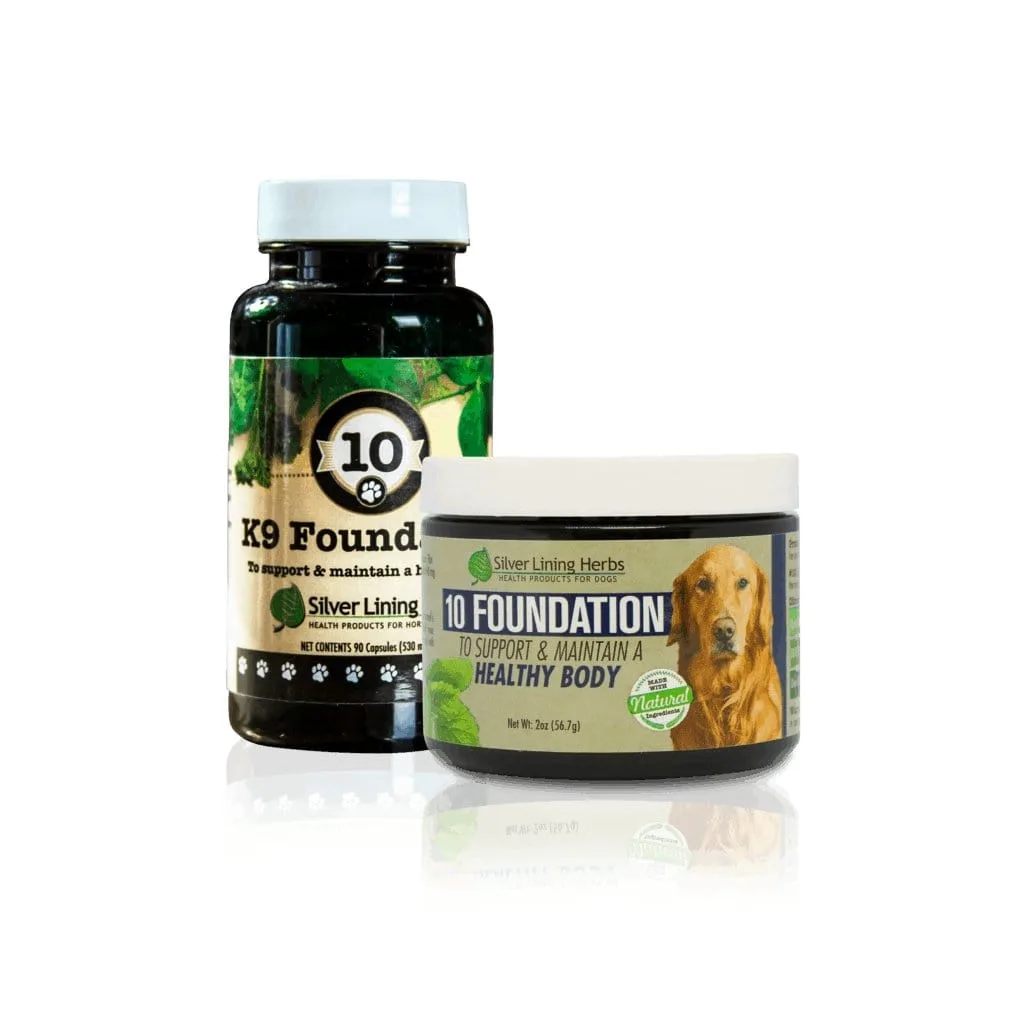
Silver Lining Herbs Foundation capsules and powder.
Petful is reader supported. As an affiliate of platforms like Amazon and Chewy, we may earn a commission when you buy through links on this page. There is no extra cost to you.
Herbs for dogs can add variety to meals or provide focused support for everyday wellness. Culinary herbs offer flavor, while formulated blends bring selected botanicals together for goals such as digestion, mobility, or a calm routine. Choosing well starts with the purpose and the preparation.
Silver Lining Herbs organizes its canine range around Foundation for Canines and targeted formulas for specific wellness goals. This guide explains the herbs you may encounter, what canine research tells us, and how to use the brand's product directions to build a practical routine.

Sign up for expert-backed reviews and safety alerts all in one place.
Food Herbs and Herbal Supplements Do Different Jobs
The most useful answer to “What herbs are good for dogs?” begins with purpose. Are you adding a little flavor to a healthy dog's meal, considering support for normal digestion, or discussing an adjunct for a diagnosed condition? Those decisions require different information.
Plant compounds and preparation help explain how herbal products differ. The Merck Veterinary Manual's herbal medicine overview describes the range of botanical preparations used in veterinary care.
- 1Choose herbs for a specific purpose and check the exact preparation
- 2Food herbs, whole-herb powders, extracts, and essential oils are not interchangeable
- 3Match an herbal supplement to your dog's health, medications, and existing routine
These are the main forms you may encounter:
- Culinary herbs: Fresh or dried ingredients used to add flavor and variety to food.
- Whole-herb powders: Ground plant material, sometimes combining several botanicals, with measured serving directions.
- Extracts: Preparations that concentrate selected constituents. A standardized extract may specify an amount of a particular compound, which helps identify it more precisely.
- Tinctures and other liquids: Products whose ingredients are carried in a liquid. The solvent, concentration, intended species, and delivery instructions all matter.
- Essential oils: Concentrated aromatic plant substances used in some formulated products. Follow the directions for the finished preparation.
Before comparing beneficial herbs for dogs, write down the question you need answered:
- Is this ingredient suitable as food?
- Does research support the intended health benefit in dogs?
- Is the exact formula appropriate alongside everything my dog already receives?
These questions connect the choice to your dog's diet, health, and everyday routine.
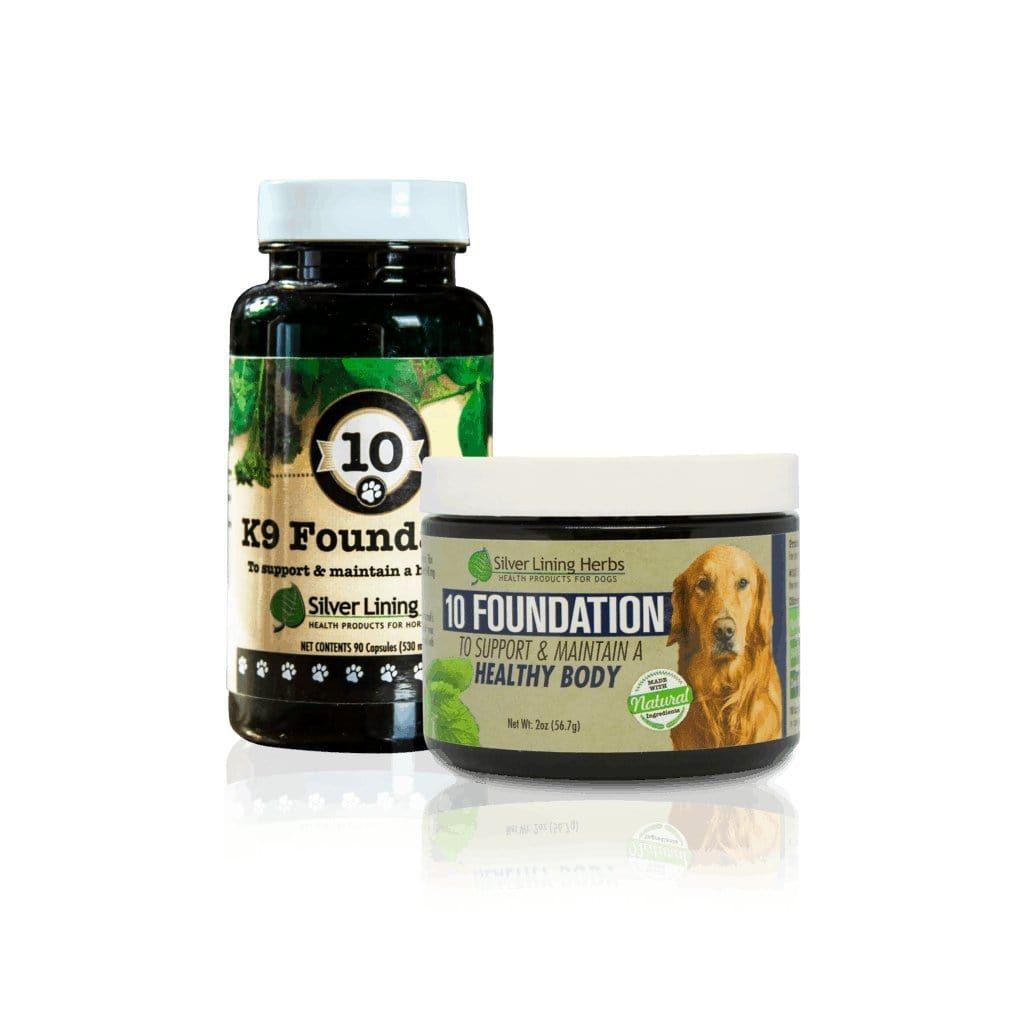
The daily whole-body wellness formula Silver Lining Herbs recommends as the starting point for every dog, and the base its targeted formulas build on.
Petful may earn a commission when you click through to Silver Lining Herbs, at no extra cost to you.
Which Herbs Can Dogs Eat?
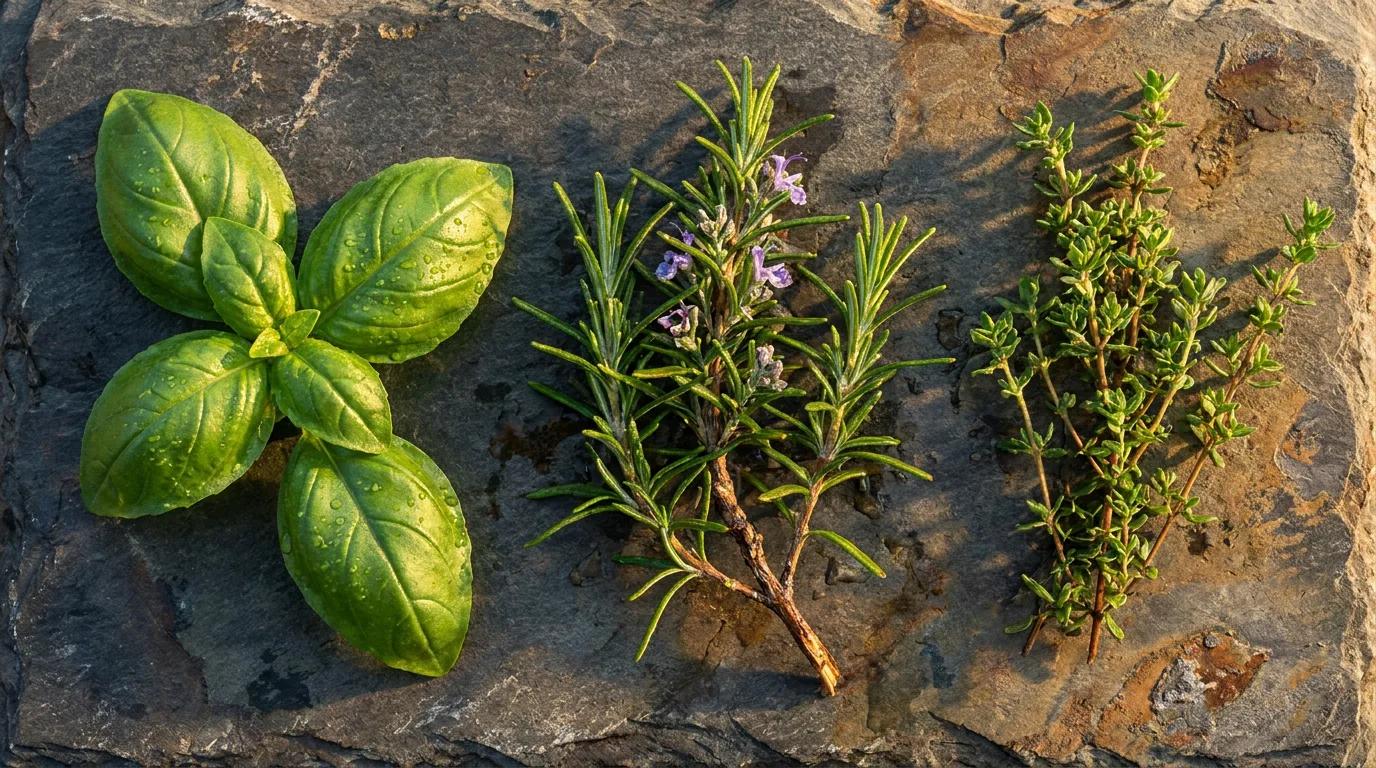
What herbs are safe for my dog? Dogs can eat small amounts of correctly identified culinary herbs such as sweet basil, cilantro, dill, rosemary, and common thyme. The ASPCA's dog plant list classifies these plants as non-toxic to dogs. Offer them plain, washed, and finely chopped, choosing an herb your dog enjoys within its usual feeding plan.
Botanical identity and preparation determine suitability. Confirm the plant species and the form you intend to use, rather than relying on a familiar name:
- Sweet basil: The culinary plant Ocimum basilicum.
- Cilantro: Coriandrum sativum, also called coriander.
- Dill: The familiar culinary dill used as a food herb.
- Rosemary: The culinary rosemary plant, rather than a concentrated oil preparation.
- Common thyme: Thymus vulgaris, whose identity should be confirmed before use.
Choose plain ingredients you can identify confidently. A basil leaf and a prepared pesto have different ingredient lists. A dill garnish and a heavily seasoned sauce do, too. Read the whole food label rather than approving a dish because its name includes a suitable herb.
For an owner deciding which herbs are okay for dogs to eat, a culinary addition can offer a different aroma or a little variety. Choose a plain herb your dog enjoys and keep additions small within the usual feeding plan.
Use the ASPCA reference to check plant identity, then consider the food and the individual dog:
- Keep additions plain and limited.
- Wash food herbs and remove unsuitable packaging or plant debris.
- Avoid unidentified plants collected outdoors.
- Stop offering an ingredient that appears to cause digestive upset.
Which Herbal Benefits Have Evidence in Dogs?
Canine research helps identify promising herbal approaches. Look at the preparation, the dogs studied, and the outcome measured. The studies below concern specific ingredients or formulations; they do not establish the efficacy of Silver Lining Herbs' finished blends.
Research covers several areas of interest, including joint comfort, digestion, and liver support. Here is how that evidence connects to common wellness goals.
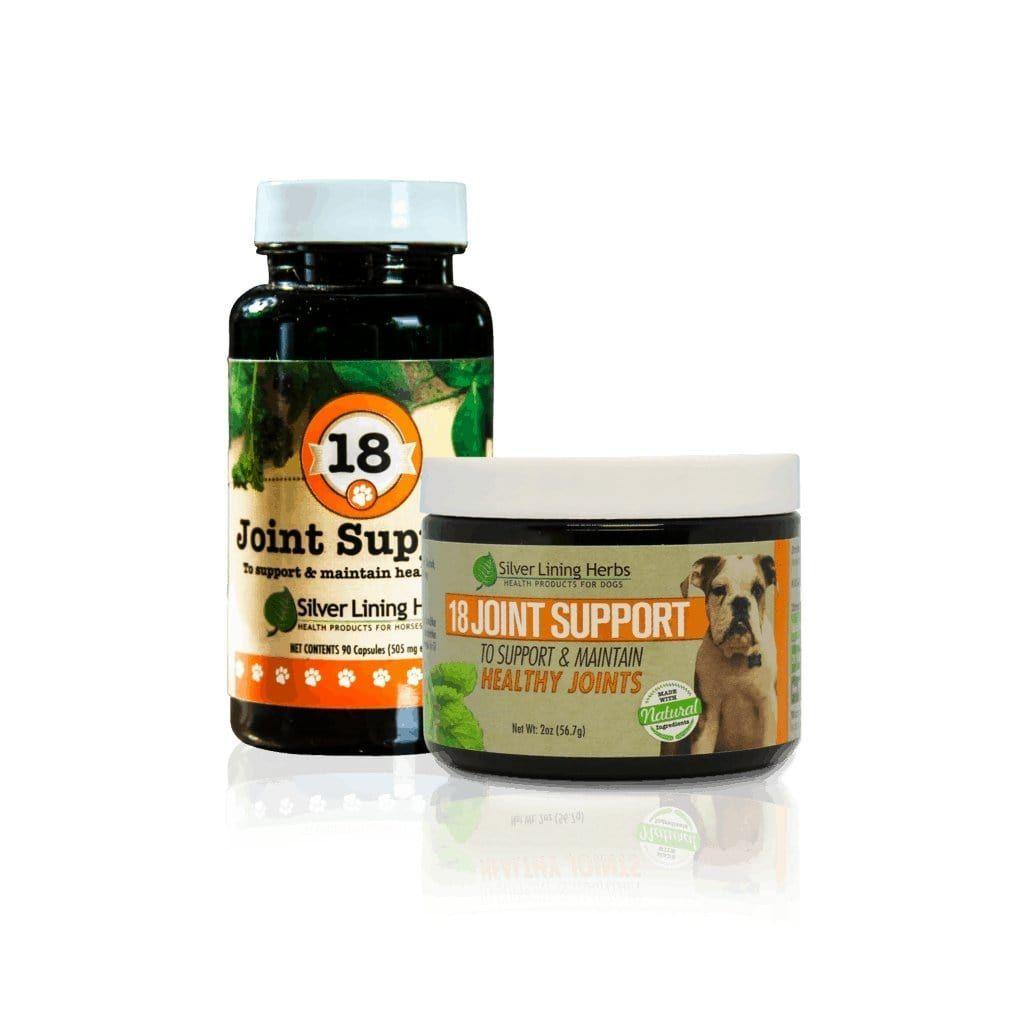
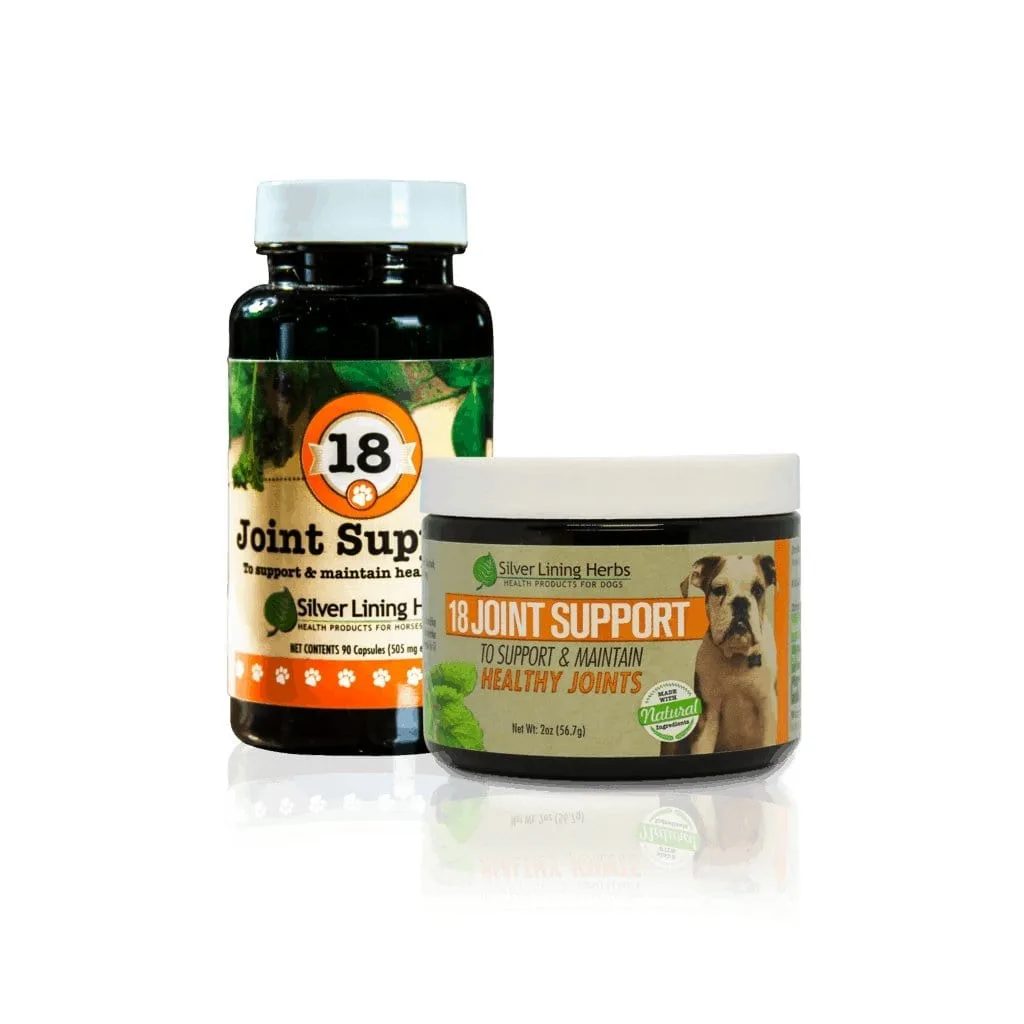
A targeted herbal formula for normal joint mobility and occasional stiffness after everyday activity. Available as capsules or powder.
Petful may earn a commission when you click through to Silver Lining Herbs, at no extra cost to you.
| Ingredient or category | Evidence to consider | Study context |
|---|---|---|
| Boswellia extract | Canine clinical research includes an uncontrolled study | Improvement without a control group does not isolate the treatment effect |
| Curcumin and Boswellia combination | A small trial compared two nutraceutical formulations | Findings concern the studied formulations, rather than all products containing either herb |
Joint Comfort and Mobility
Boswellia is one botanical with canine clinical research relevant to joint comfort. A 2004 veterinary study enrolled 29 dogs with chronic joint or spinal problems and followed their response to a particular Boswellia resin extract. Investigators reported improvement in several signs. However, the study compared dogs before and after use without a separate control group.
A later randomized, blinded study involving 20 dogs with osteoarthritis compared a conventional nutraceutical with a version that also included Boswellia and Curcuvet, a curcumin preparation. These studies offer useful leads for canine joint research. When choosing a joint supplement, consider:
- Which preparation was actually studied?
- Does the proposed product match it?
- What improvement will be monitored?
- How will it fit the existing pain-management plan?
Petful's guide to whether joint supplements are helpful or hype explains how supplements fit into a broader mobility plan.
Digestion and an Upset Stomach
Ginger is a familiar example of an herb considered for digestive support. VCA's ginger guidance discusses its use as an anti-nausea supplement, available preparations, side effects, and medication cautions. Petful also covers the food-specific question, can dogs eat ginger.
For owners considering herbs for a dog's upset stomach, ginger's use for nausea is one specific example. Everyday digestive support has a broader goal: maintaining normal function. Appetite, stool consistency, and comfort after meals provide useful observations when choosing and monitoring that routine.
Liver Support
Milk thistle is another example where the preparation matters. Silymarin refers to a group of constituents from milk thistle; products may use different formulations and combinations. VCA's milk thistle guidance describes its use in veterinary care and cautions about concurrent medications.
Milk thistle therefore has a distinct role in veterinary liver-support plans. The formulation and the dog's diagnosis guide that use, with follow-up testing providing information that an owner cannot obtain from appetite or energy alone.
Calm Behavior and Anxiety
Owners looking for calming herbs for anxious dogs should first identify the situation they want to improve. Settling during a familiar evening routine differs from panic during storms or severe distress when left alone.
Useful observations include:
- The event that triggers the behavior.
- How quickly the dog becomes distressed.
- Whether the dog can eat, rest, or respond to familiar cues.
- How long recovery takes.
- Any risk of escape, injury, or destructive behavior.
Those observations make a calming goal concrete, such as settling more easily during a familiar evening routine. For diagnosed anxiety, herbal support can be considered within a broader behavior and veterinary care plan.
Skin, Itching, and Immune Support
Skin-support blends are formulated around maintaining normal skin and coat condition, while immune-support blends have a broader wellness purpose. These are distinct goals: coat appearance, shedding, and scratching are more useful observations for a skin routine than a general impression of improved immunity. An ingredient's antioxidant activity alone does not establish that a finished product relieves allergic itching.
Dog allergy supplements versus veterinary allergy treatment
If you are deciding what to give your dog orally for itchy skin, start with the reason for the itching. A supplement choice depends on the diagnosis, the current treatment, and the dog's diet. Herbs are one category within that larger decision.
Petful's guide to the best allergy supplements for dogs with itchy skin explains the broader supplement categories and their relationship to veterinary allergy treatment. It provides a useful next step when comparing oral options alongside the dog's existing care.
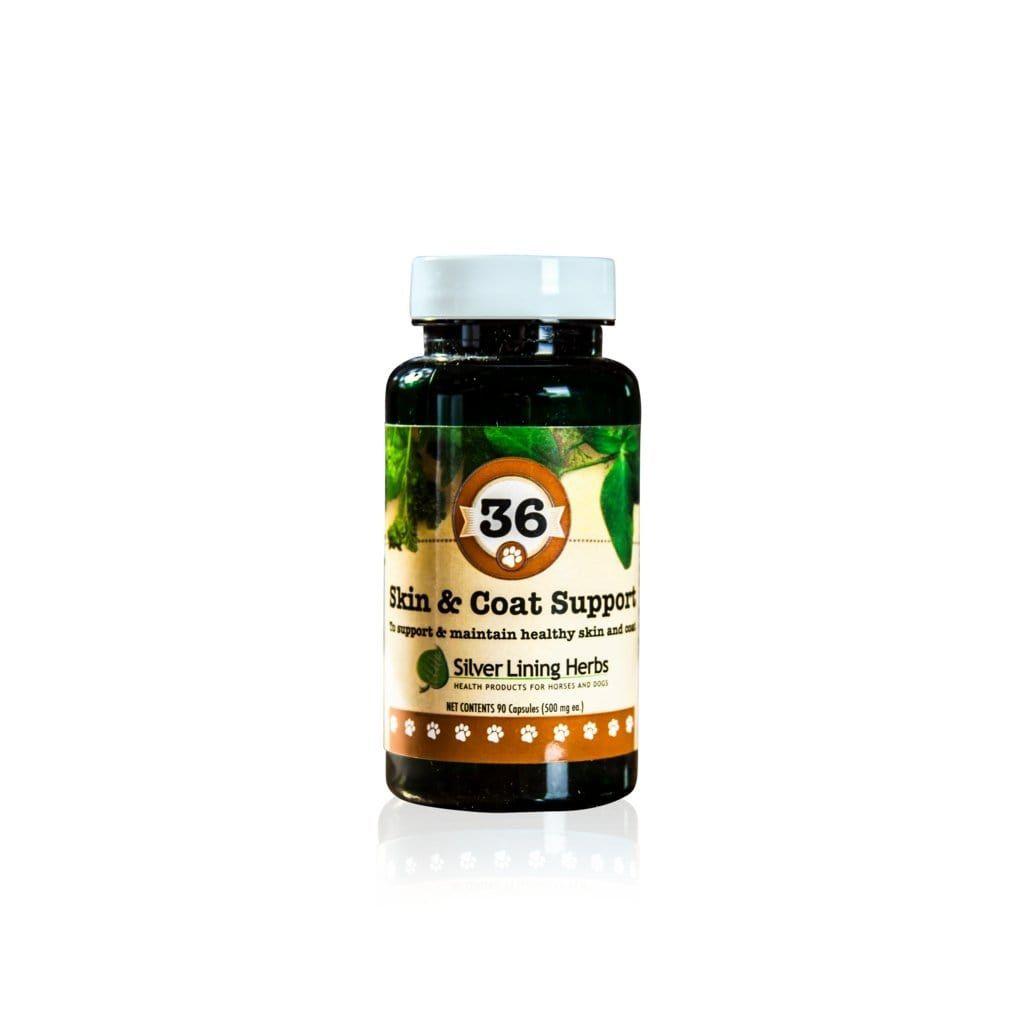
A capsule formula made to maintain normal, healthy skin and a naturally shiny coat, designed to pair with Foundation.
Petful may earn a commission when you click through to Silver Lining Herbs, at no extra cost to you.
Which Herbs and Preparations Should Dogs Avoid?
Are any herbs bad for dogs? Yes, but dose, preparation, and intended use matter. When choosing non toxic herbs for dogs, along with spices and seasonings, check the full ingredient list and distinguish a measured herbal supplement from kitchen foods, unidentified plants, and concentrated preparations.
- Garlic and dosage: Garlic has a long history in herbal practice, and Silver Lining Herbs includes it in Immune Support for Canines. A frequently cited 2000 canine study gave four dogs garlic extract equivalent to 5 grams of whole garlic per kilogram of body weight daily for seven days. That is 100 grams daily for a 20-kilogram dog, a high experimental exposure rather than a typical measured supplement serving. Researchers found red-blood-cell changes, although no dog developed hemolytic anemia. The study did not test SLH's formula at its labeled serving. Merck's Allium guidance explains why excessive garlic exposure warrants care; it should not be read as proof that every garlic-containing blend has the same risk. For herbal products, dosage and formulation belong at the center of the discussion: use the specific product's directions rather than adding kitchen garlic by guesswork.
- Pennyroyal: A dangerous botanical, especially in concentrated preparations. Do not select it as a home digestive or pest remedy.
- Concentrated essential oils: Do not add them to food or apply them directly simply because the source herb sounds familiar. Route of exposure and formulation matter.
- Unidentified plants: A common name, a photograph, or a resemblance to a culinary herb may not establish the species.
- Human combination products: These require review of every active and inactive ingredient, not just the botanical named on the front.
If a dog eats a potentially poisonous plant or preparation, contact a veterinarian promptly with the package, approximate amount, and time of exposure. Persistent vomiting, diarrhea, new lameness, or painful, irritated skin also needs assessment. After starting a supplement, stop and contact the veterinarian if an unexpected reaction develops; severe or rapidly worsening signs require urgent care.
- Seasoning blends, broths, sauces, and prepared foods may contain onion or garlic alongside otherwise suitable herbs. Check the full ingredient list.
Is an Herbal Supplement Right for Your Dog?
An herbal supplement may fit when you have a defined wellness goal and a product intended for that purpose. To decide which herbs are safe for your dog, match the complete formula and serving directions to its age, health, diet, and medications. A simple culinary addition and a concentrated supplement call for different choices.
Name the intended benefit in one sentence, such as supporting normal mobility during daily walks. A clear goal makes it easier to choose a formula and notice useful changes.
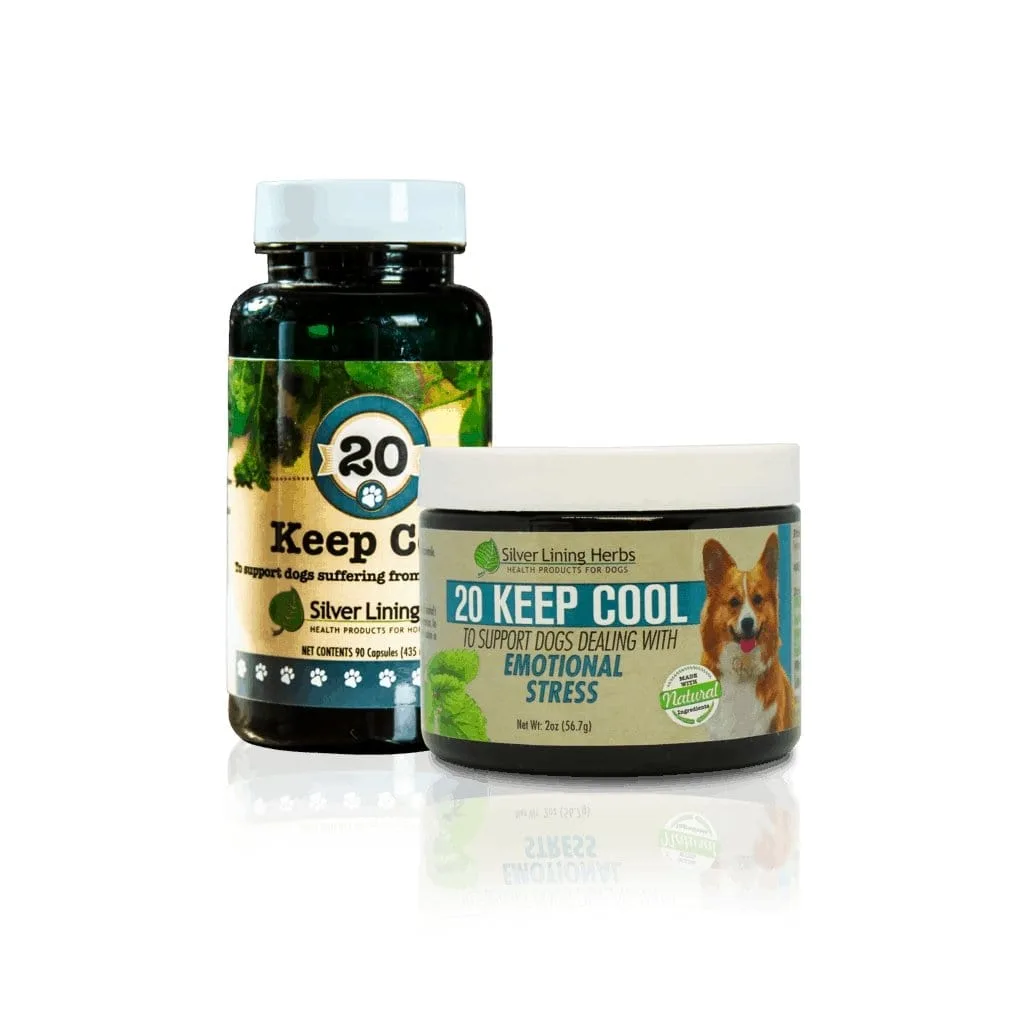
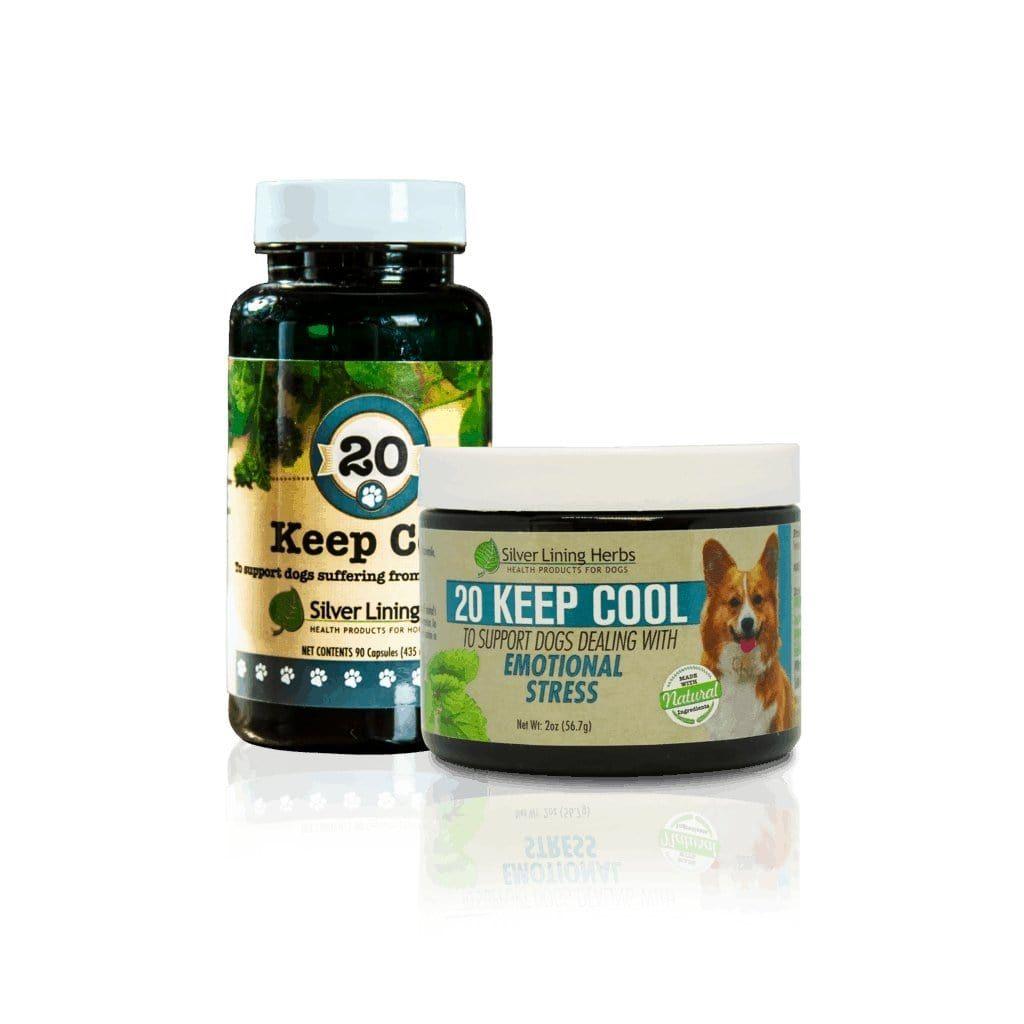
An herbal formula that supports a calm, relaxed demeanor during fireworks, storms, travel, and time alone. Used on its own rather than with Foundation.
Petful may earn a commission when you click through to Silver Lining Herbs, at no extra cost to you.
Prepare a complete list for the veterinary team:
- Prescription medicines and occasional medications.
- Food, treats, powders, oils, chews, and other supplements.
- Known ingredient sensitivities.
- Current symptoms and their duration.
- Upcoming procedures or changes in treatment.
- The exact herbal product and its current ingredient panel.
Review medications and duplicate ingredients before combining products. Merck describes potential interactions involving botanicals such as ginger and turmeric, including with NSAIDs; calming preparations also need review alongside sedating medicines.
For puppies, pregnant or nursing dogs, and dogs with chronic disease, confirm suitability with the veterinary team before starting. Their needs may differ from the adult dogs covered by a product's standard directions.
How to Introduce Herbs Safely
A useful list of herbs and spices for dogs begins with plain culinary ingredients that fit their diet and intended use. For a simple food addition, start with a small amount of basil or dill, washed and finely chopped. Fresh and dried herbs are not spoon-for-spoon equivalents because dried herbs contain more plant material in the same volume. Choose single-ingredient seasonings for dogs rather than salty blends, and keep the rest of the meal consistent. For a commercial herbal powder, use its measured serving; Foundation's capsule and powder directions appear below.
Use this sequence:
- Define the goal. Decide whether you want a food addition or a specific kind of herbal support. Avoid starting a product simply because several benefits sound appealing.
- Read the current package. Confirm the intended species, form, ingredients, serving directions, cautions, and storage instructions. Online images can lag behind formula changes.
- Measure the serving. Use the directions for the exact product and form, with an accurate measure for powders.
- Introduce one change. Keep the rest of the routine as consistent as practical so that a new reaction has fewer possible explanations.
- Record what happens. Note the start date, product, amount given, appetite, stool, behavior, and the outcome you intended to support.
Check that your dog consumes the intended serving. Powder remaining in the bowl or a capsule left behind means part of the serving was missed. Choosing a format that fits your normal feeding routine helps make administration consistent.
For routine monitoring, use observations you can repeat:
- A short note about the same daily walk.
- Stool observations using the same description each day.
- A record of a particular stress-triggering event.
- Photographs of a coat or skin change under similar lighting.
How Silver Lining Herbs Fits Into a Dog's Routine
Silver Lining Herbs organizes its canine range around Foundation for Canines and more targeted formulas. That structure can make the selection process easier: begin with the intended role, then decide whether a particular product belongs in the dog's routine.
Foundation for Canines
Foundation for Canines is the company's primary daily-wellness formula and the starting point it recommends for its canine supplement routine. The current product offering includes capsules and powder, giving owners a choice of administration format.
Foundation contains ashwagandha, dandelion, echinacea, flax seed, milk thistle, psyllium, slippery elm, and Panax ginseng. Silver Lining Herbs positions this combination for normal whole-body health and everyday vitality. The capsule format provides a counted serving, while the powder offers a measured option for the feeding routine.
The manufacturer's current Foundation directions specify these daily amounts:
- Dogs up to 30 pounds: 1 capsule or 1 scoop of powder (1/4 teaspoon).
- Dogs weighing 31–75 pounds: 2 capsules or 2 scoops of powder (1/2 teaspoon).
- Dogs over 75 pounds: 3 capsules or 3 scoops of powder (3/4 teaspoon).
- The manufacturer also recommends skipping herbs one day per week.
Matching Targeted Formulas to a Defined Goal
The targeted formulas address different goals. The descriptions below reflect the manufacturer's stated purposes and current ingredient lists:
- Joint Support for Canines: Intended to support normal joint mobility and occasional stiffness after everyday activity. Its ingredients include Boswellia, turmeric, ginger, yucca, and devil's claw. Available as capsules or powder, it offers a focused option within the range for owners prioritizing comfortable movement and activity.
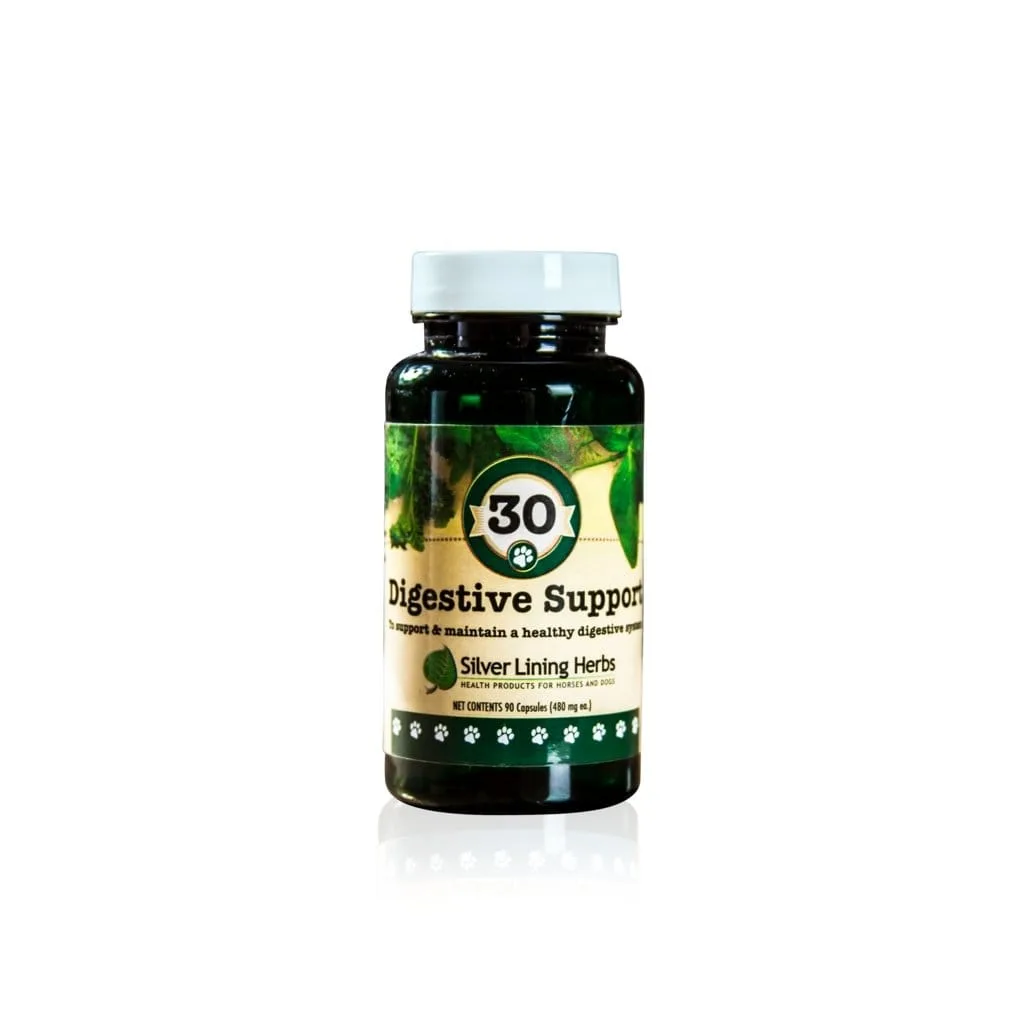
- Digestive Support for Canines: Intended to support normal digestive function. The capsule formula includes psyllium, slippery elm, ginger, chamomile, and other botanicals. Its digestive focus gives owners a more specific choice than a general wellness blend, with stool consistency and comfort around meals providing practical observations to record.
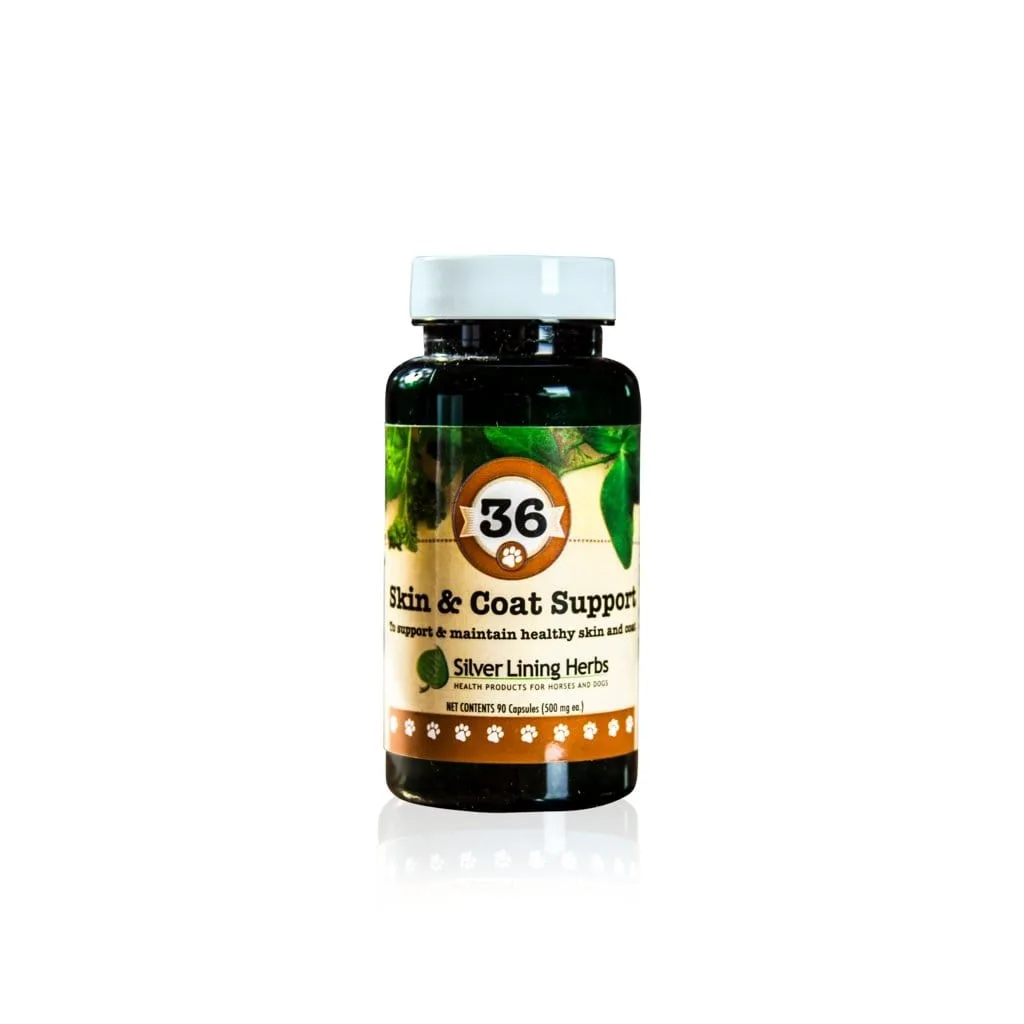
- Skin & Coat Support for Canines: Intended to maintain normal skin and a healthy coat. This capsule formula includes fenugreek, rehmannia, burdock, ginger, kelp, licorice, gentian, and red clover. Its place in the range is coat and skin maintenance, with coat appearance and shedding among the changes an owner can observe.
- Immune Support for Canines: Positioned as additional immune and vitality support alongside Foundation. Available as capsules or powder, its ingredient list includes astragalus, eleuthero, olive leaf, rose hips, garlic, and other botanicals. Garlic is included as one component of this multi-herb formula, reflecting SLH's approach to traditional herbal support and measured servings. The manufacturer presents it as a targeted addition for dogs needing support beyond the daily wellness formula.
- Keep Cool for Canines: Intended to support a calm, relaxed demeanor. Available as capsules or powder, its ingredient panel lists catnip, chamomile, hops, passion flower, skullcap, and valerian. It follows a separate routine: the manufacturer's directions explicitly say not to use Keep Cool with Foundation.
The current Foundation description recommends Foundation as the base for the other targeted canine formulas, with Keep Cool as the exception. Choose the targeted formula that matches the intended goal and follow its own directions; Foundation's serving instructions are specific to Foundation.
Frequently Asked Questions About Herbs for Dogs
Plain basil, cilantro, or dill can add flavor when your dog tolerates them and they fit the formulated recipe. Keep the recipe's specified ingredients and supplements so the meal remains complete and balanced. Petful's guide to homemade dog food supplements explains the nutritional role of those supplements.
The ASPCA lists culinary rosemary and common thyme, Thymus vulgaris, as non-toxic to dogs. Spanish thyme is a different plant listed as toxic, so plant identity matters. This classification concerns the plant and does not establish suitability for concentrated essential oils.
Either can be a practical food addition. Fresh herbs have more water content; dried herbs contain more plant material in a given spoonful, so their quantities are not interchangeable. Choose a plain, identified culinary herb and follow the instructions for the recipe or product you are using.
Organic describes a production attribute, not whether a formula suits a particular dog. Plant identity, preparation, ingredients, and serving directions still determine the product you are choosing. Compare those details first, then consider organic status as one preference among them.
An herbal wellness blend and a vitamin-mineral supplement serve different roles. Dogs eating a complete diet may not need extra vitamins, while a formulated homemade recipe may require a specific supplement to meet nutrient requirements. The UC Davis Nutrition Support Service's guidance explains why the amounts and proportions matter. Foundation is an herbal wellness product, not a replacement for a recipe's diet-balancing supplement.
BVMS, MRCVS
Dr. Pippa Elliott, BVMS, MRCVS, is a veterinarian with nearly 30 years of experience in companion animal practice. Dr. Elliott earned her Bachelor of Veterinary Medicine and Surgery from the University of Glasgow. She was also designated a Member of the Royal College of Veterinary Surgeons. Married with 2 grown-up kids, Dr. Elliott has a naughty Puggle named Poggle, 3 cats and a bearded dragon.
Sign up for expert-backed reviews and safety alerts all in one place.


A Final Word (Disclaimer)
At Petful, our review integrity is paramount; we never exchange special treatment in our reviews for monetary or material rewards.
Nonetheless, when our readers click through to online merchants (including Chewy or Amazon), we receive a referral commission. This supports the running of our free blog, and we appreciate your backing.