Yeast in Dog Paws: Signs, Causes, and Proactive Support
Yeast in dog paws can cause itching, odor and irritation, often alongside an underlying allergy. Learn what to notice, how vets confirm it, and where proactive gut and immune support may fit.
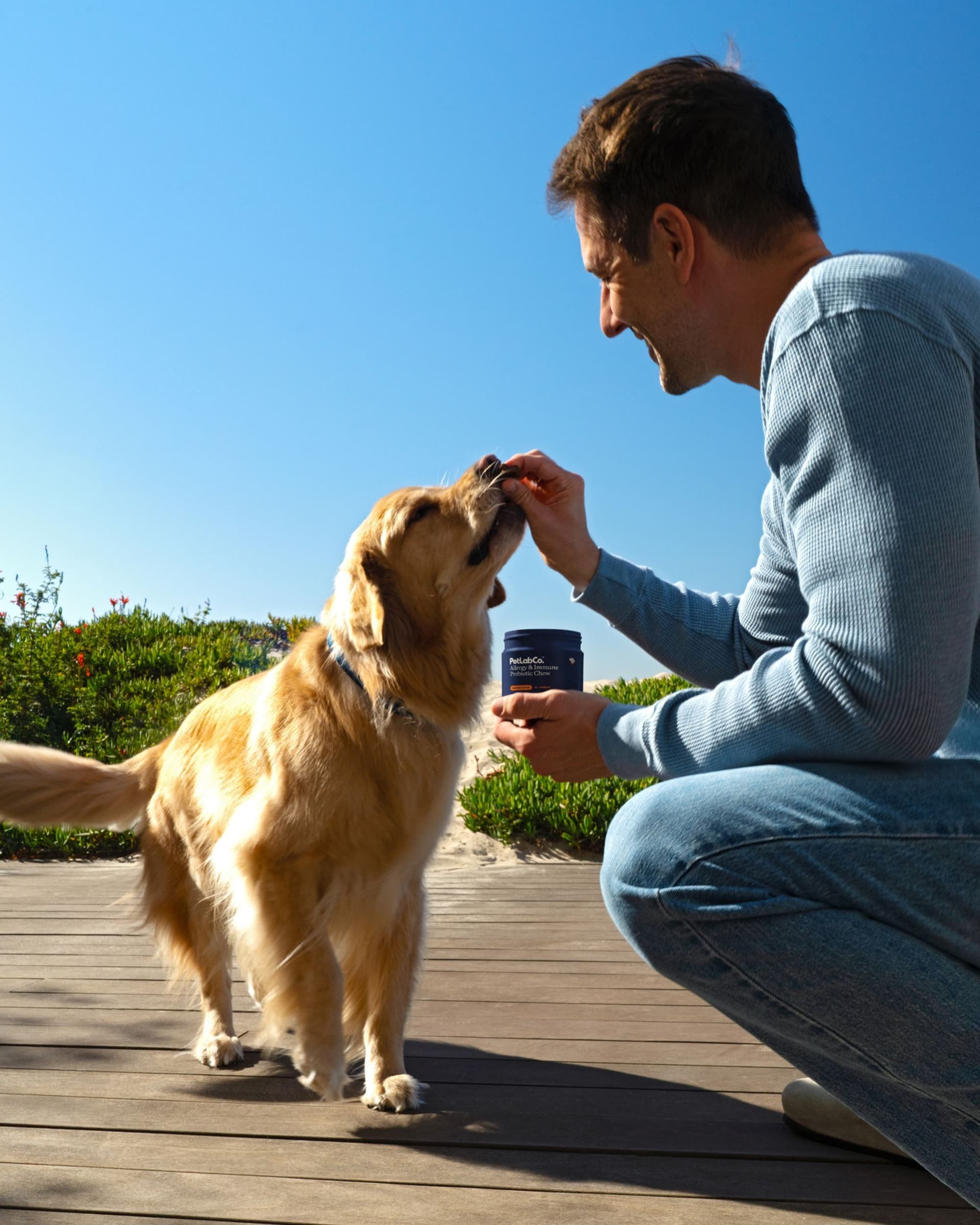
A man holding an Allergy & Immune tub offers a chew to a Golden Retriever outdoors.
Petful is reader supported. As an affiliate of platforms like Amazon and Chewy, we may earn a commission when you buy through links on this page. There is no extra cost to you.
Yeast in dog paws can cause persistent licking, itching, redness and an unpleasant odor. The yeast commonly involved, Malassezia, can live on normal skin; trouble develops when conditions allow it to overgrow. An underlying allergy is often part of the picture, so lasting care involves both the current paw problem and the reason it keeps returning.
A veterinarian can determine whether yeast, bacteria, an injury or another condition is responsible. Once active infection is being addressed, a proactive routine can include appropriate skin care, allergy management and support for gut and immune health. The useful goal is comfortable paws and a consistent care plan, rather than trying to solve every flare-up with the same home remedy.
Sponsored content: This article is sponsored by PetLabCo.®. Petful may earn a commission from purchases made through its affiliate links.

Sign up for expert-backed reviews and safety alerts all in one place.
💡Key Takeaways
While veterinarian-led treatment is vital for dogs with yeast-related health concerns, the use of a gut health-supporting daily supplement may be beneficial in promoting skin health and normal immune function where the formulation is appropriate.
- 1Paw odor and licking are clues, not a diagnosis.
- 2Active redness, swelling, discharge or persistent discomfort calls for veterinary diagnosis and appropriate treatment.
- 3Proactive gut and immune support can fit an ongoing care routine.
- 4A supplement does not replace antifungal treatment for an active infection.
What yeast in dog paws can look and smell like
Common paw yeast signs include increased licking or chewing, red or irritated skin between the toes, a greasy feel and an unusual smell. Some dogs have discoloration of the fur from repeated licking, while longer-standing skin problems may change the skin’s texture. These observations help your veterinarian decide what to examine; none confirms yeast on its own.
Check both the tops and undersides of the paws when your dog is comfortable being handled. The skin between the toes can be affected even when the main paw pads look fairly normal. A “paw pad yeast infection” search may therefore describe a problem in the surrounding skin rather than in the pad itself.
Look at the whole pattern
Useful details include:
- Whether one paw or several paws are affected.
- Whether licking is occasional, persistent or interrupting rest.
- New redness, swelling, discharge, broken skin or tenderness.
- A new odor together with irritation, rather than smell alone.
- Whether the ears or other areas of skin are also itchy.
- Changes after a walk, bath, food change or a seasonal shift.
That pattern is more informative than trying to match a paw to a single internet photograph. A dog licking one painful foot after a walk may need a different examination from a dog chewing all four feet during a recurring allergy season. Yeast, bacteria and irritation can also occur together, which is why an apparent visual match can be misleading.
For broader causes of licking, Petful’s guide to why dogs lick their paws explains the symptom-level decisions. This article focuses on the yeast-specific pathway and how proactive support fits after the cause has been assessed.
Is a yeasty smell enough to identify an infection?
No. An unusual paw smell becomes more concerning when it appears with itching, redness, swelling or discomfort, but a veterinary diagnosis still matters. Bacteria, moisture and other skin conditions can contribute to odor. Likewise, reddish-brown saliva staining shows that licking has occurred; it does not identify the microbe involved.
Describe the change in plain language when you contact the clinic. “She is chewing between two toes and the skin looks red” is more useful than stating that the dog definitely has a yeast infection. Mention whether there is a change in walking or whether touching the paw seems painful.
Know when the appointment should be prompt
Contact your veterinarian promptly for a swollen, painful or draining paw, persistent raw skin, limping or worsening signs. A dog who seems generally unwell needs an assessment beyond the paws. Avoid waiting through a supplement trial when an active problem is visible or your dog is uncomfortable.
Until you receive instructions, avoid repeatedly squeezing or scrubbing the area to inspect it. A brief, calm look and a clear description are enough. If your dog resists handling, tell the clinic; discomfort can change how an examination should be approached.
Why paw yeast keeps coming back
Yeast overgrowth often develops because something has changed the skin environment. Allergic inflammation is a common underlying contributor, and licking can add moisture and irritation. A dog can therefore improve with treatment for the current infection and still need a separate plan for the condition that made the paws vulnerable.
The 2023 AAHA allergic skin disease guidelines describe looking for secondary yeast and bacterial infections as part of evaluating allergic skin disease. The practical lesson is to address both layers: what is present on the skin now, and what is driving the recurring inflammation.
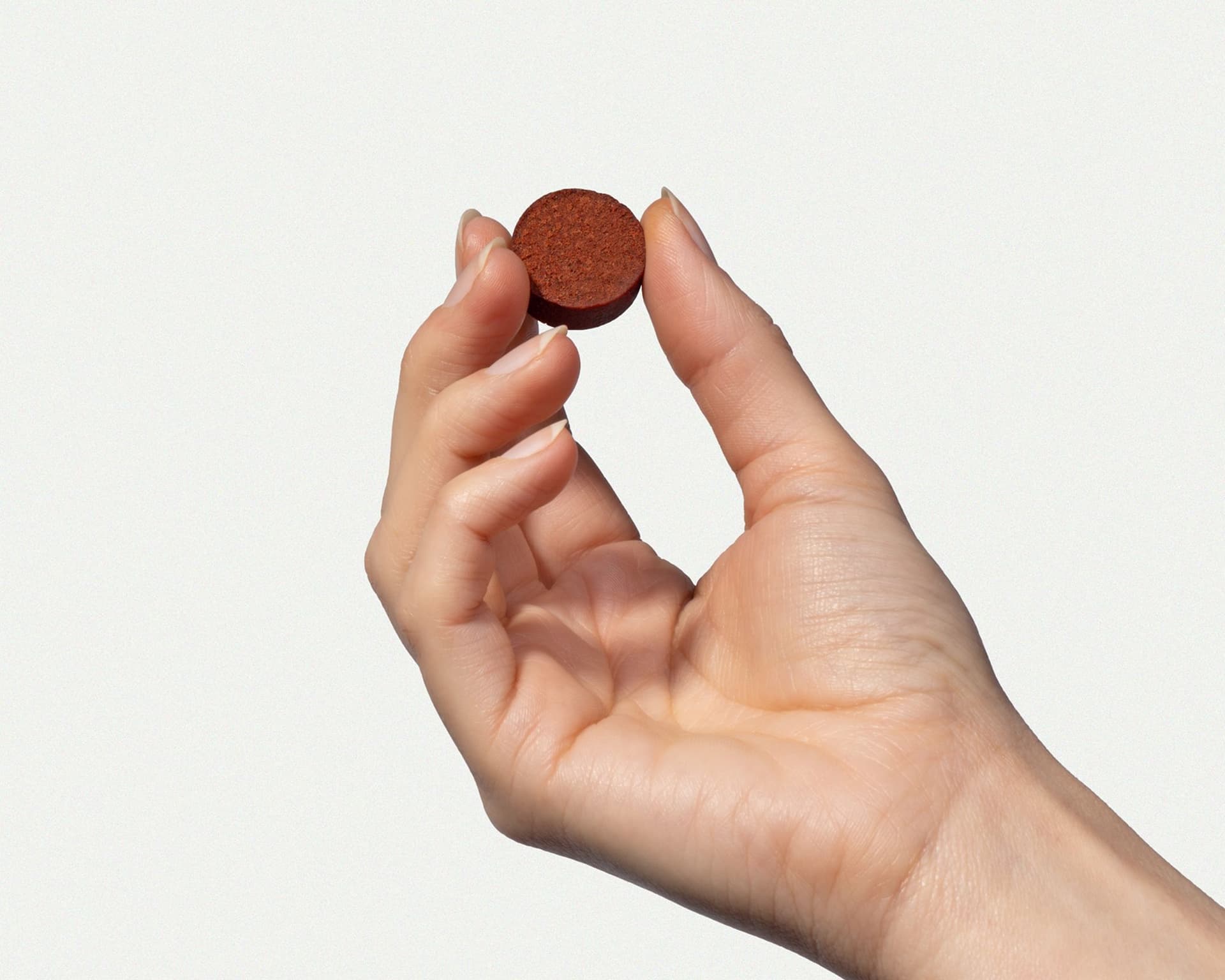
Common contributors worth discussing
Your veterinarian may consider:
- Environmental allergies: recurring itch may track a season or exposure pattern.
- Food-related allergy: a structured diet investigation may be appropriate in selected dogs.
- Moisture and repeated licking: damp, irritated skin can complicate an existing problem.
- Other skin disease or infection: the signs may involve more than yeast alone.
- Individual health factors: the wider examination and history help determine what needs investigation.
Breed can influence the questions a veterinarian asks, but it does not make a diagnosis. Yeast in a Bulldog’s paws still needs the same basic distinction between signs, confirmed infection and the underlying trigger. Do not assume that recurring discomfort is simply normal for your dog’s breed.
When the ears and paws flare together
Tell the veterinarian if your dog has ear odor, discharge or head shaking alongside paw licking. Ear and paw symptoms can be clues to a broader skin or allergy problem. They do not establish that an infection has simply moved from one body part to another, and an ear needs its own appropriate examination.
Use products only on the body area for which the veterinarian recommends them. A paw-care product is not automatically suitable for the ear canal, and leftover ear medication is not a general paw treatment. Keep the current ear and paw instructions separate in your home-care notes.
A flare-up history can reveal more than a new product
Write down when episodes occurred and what else changed at the time. Include recent grooming, wet weather, swimming, changes in food or treats, and medication use. You do not need to decide which event caused the problem. The purpose is to give the veterinarian a usable timeline rather than a series of guesses.
If the same pattern returns after treatment, bring the previous prescription details and the date symptoms improved. That helps distinguish incomplete resolution from a new episode. Reusing an old cream without checking the diagnosis can obscure that distinction, especially when bacteria and yeast have not played the same role each time.
For additional education, PetLabCo.®’s guide to yeast infections in dog paws discusses the signs and causes. It’s important to consult your veterinarian and have them determine your dog’s treatment.
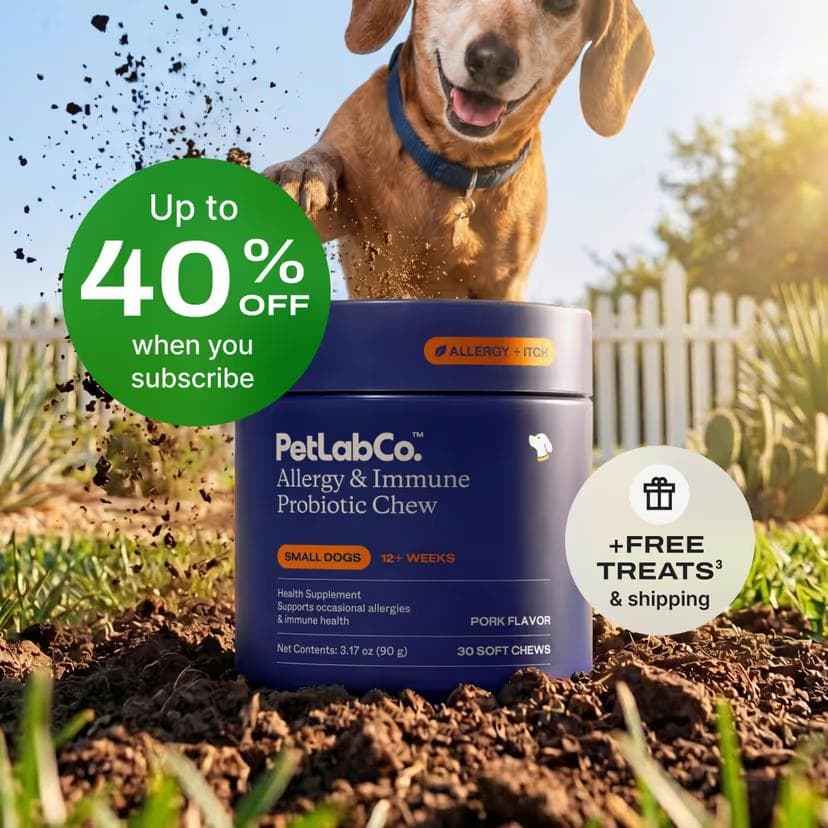
Probiotic soft chews that target seasonal allergy discomfort, occasional skin sensitivities, and paw licking with a blend of probiotics and skin-supporting ingredients.
Petful may earn a commission when you click through to PetLabCo.®, at no extra cost to you.
What veterinarians look for when identifying potential paw yeast issues
Veterinarians commonly use skin cytology to look for yeast and bacteria. Cytology involves examining material collected from the skin under a microscope. The result is interpreted alongside the paw’s appearance, symptoms and history, so finding yeast is considered in the context of whether it is contributing to disease.
Yeast is a type of fungus, so a confirmed paw yeast infection may be described as a fungal skin problem. That description still does not identify every cause of an irritated foot. The examination and sampling help determine whether antifungal treatment, treatment directed at bacteria, or another approach is needed.
If yeast is causing the active problem, treatment may involve an appropriate topical antifungal product, such as a veterinary shampoo, wipe or other formulation. Some cases need additional treatment or investigation. The right choice depends on the extent of disease, the dog’s tolerance and the underlying cause, rather than the strength of a product advertised online.
Separate active care from maintenance
| Situation | Main decision | Where supportive care fits |
|---|---|---|
| Active infection with irritation, odor or discharge | Veterinary diagnosis and an appropriate antifungal treatment plan | Keep the prescribed care consistent; supplements do not replace treatment |
| Repeated episodes after improvement | Reassess the diagnosis, application routine and underlying trigger | Build a maintenance routine around the identified allergy or other contributor |
| Comfortable paws with an established allergy-care plan | Continue the veterinarian’s follow-up and prevention advice | Discuss appropriate daily gut and immune support as one part of that routine |
This active-care and maintenance distinction connects infection treatment, supportive product selection and a monitoring routine. First confirm and treat an active infection; then choose a supportive product for the identified maintenance need and track paw comfort, odor and licking during follow-up. If the paws are sore now, a chew is not the intervention that directly treats the yeast on the skin. If the immediate problem is controlled, there is more room to consider the daily habits and supportive products that make the overall routine easier to maintain.
Before leaving the appointment, ask:
- Which exact product goes on which area?
- Does the skin need to be cleaned or dried first?
- How long should the product remain in contact with the skin?
- Should it be rinsed, and how should licking be managed afterward?
- When is the follow-up, and what change should prompt an earlier call?
These are practical questions, not minor details. A wipe, rinse and shampoo may have different instructions even when their labels mention similar ingredients. Do not copy the application schedule from one product to another or assume that more frequent application necessarily works better.
If your dog cannot tolerate a recommended treatment, contact the clinic instead of quietly abandoning it. Explain what happens: fear of the bath, discomfort when the paw is touched, difficulty reaching between the toes or immediate licking afterward. The clinician can help adjust the plan or technique while preserving its purpose.
Bring the details that change a care plan
At a first visit, bring the names or photographs of products already used on the paws. Include household mixtures and wipes as well as medications. “An antifungal cream” can describe different ingredients, and the veterinarian needs the actual label to understand what has been applied.
For a recurring problem, a short written history is especially helpful:
- The approximate date the current episode started.
- Which feet were affected first and whether the pattern spread.
- The previous treatment name, application frequency and end date.
- Whether discomfort, odor and visible redness improved together.
- Any food, supplement or medication changes around the same time.
Do not stop a prescribed medicine just to make the appointment history simpler. Ask the clinic if you are unsure what to continue before the examination. The aim is an accurate account of the current routine, including steps that were difficult to complete, so that the next plan can work in your actual household.
Plan the recheck before the smell disappears
Improvement is welcome, but it is not a reason to independently shorten the prescribed course. Your veterinarian may want to reassess the skin or repeat cytology, particularly with recurrent problems. Follow-up can show whether the infection has resolved and whether an underlying allergy still needs attention.
A dog who is still chewing despite less odor may have ongoing itch or another contributing problem. Report that difference rather than assuming the treatment has completely worked or completely failed. Clear observations help the veterinarian decide what to change.
Home care: what helps and what to avoid
The most useful home care supports the veterinary plan and avoids adding irritation. Keep paws reasonably clean and dry, follow the prescribed product directions, and ask how to reduce self-trauma from licking. A home remedy for yeast in dog paws should never delay care for a sore, swollen or draining foot.
There is an important difference between removing surface dirt and treating an infection. A gentle rinse after a muddy walk may help with cleanliness; it does not provide an antifungal treatment. If your veterinarian has given specific skin-care instructions, use those as the starting point rather than layering several household mixtures on top.
- Plain water can remove surface dirt when gentle rinsing is appropriate. It is not an antifungal treatment. Ask your veterinarian before adding a household ingredient or changing a prescribed wash.
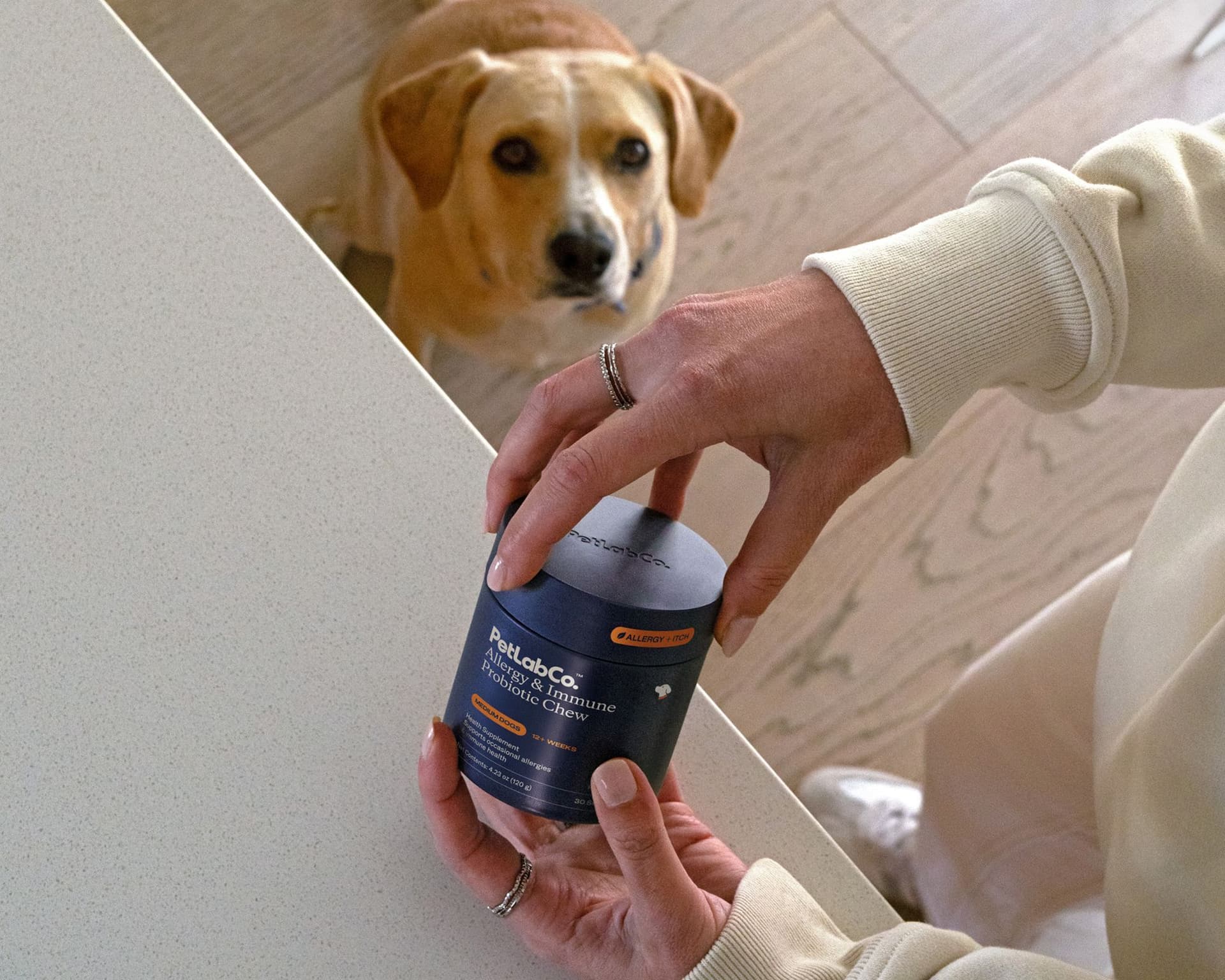
What can I soak my dog’s feet in?
Ask the veterinarian whether a soak is needed and, if so, which exact product and dilution to use. There is no universal paw-soak recipe for every irritated foot. A prescribed antifungal wash may have a defined contact time, while plain water is a cleaning step and does not treat yeast overgrowth.
Do not improvise a soak because an ingredient is described as natural. Broken or inflamed skin may react differently from normal skin, and your dog may lick the residue. The diagnosis, product formulation and application instructions are more important than the popularity of an online recipe.
Apple cider vinegar, peroxide and other home remedies
While apple cider vinegar, hydrogen peroxide, baking soda and coconut oil are sometimes considered as potential supportive products for dogs with yeasty paws, these household items are not interchangeable with a veterinary antifungal formulation. . Avoid applying mixtures to raw or inflamed paws without veterinary guidance, particularly when the dog is licking the area or the exact diagnosis is uncertain.
Combining coconut oil and apple cider vinegar does not turn two familiar kitchen ingredients into a tested treatment. Nor does a stronger-smelling mixture prove that it is killing the organisms responsible. If you have already applied something, tell the veterinarian what it was, its concentration if known, and when it was used.
The same caution applies to treatment creams sold for people. Do not use a human antifungal cream, leftover prescription or medicated skin product on your dog. Human medications are not formulated or dosed for dogs, some ingredients are harmful if licked, and the correct canine medication comes from your veterinarian. If an exposure has already happened, keep the container and tell the clinic what was used and when.
Make drying and handling comfortable
After the cleaning your veterinarian recommends, dry the paws gently, including between the toes if your dog allows it. Avoid forceful rubbing on sore skin. If drying seems painful or your dog suddenly objects to paw handling, report that change rather than continuing to manipulate the area.
Do not leave damp coverings in place as an improvised solution to licking. Ask whether a protective collar or another approach is appropriate, and follow any instructions for coverings your veterinarian provides. The aim is to reduce self-trauma while keeping the actual skin-care plan workable.
Keep a useful paw-observation log
You can help a dog with a yeast problem by making the next veterinary decision easier. Once daily, briefly record licking, comfort when walking, visible irritation and whether the prescribed care was completed. Use the same simple terms each day so that an improvement or setback is recognizable.
For example, a log might say “slept without chewing, walking normally, redness still present” rather than “better.” A short dated photo can support that record if your dog is comfortable, but it does not replace examination or cytology. Bring the log to the recheck, especially if the appearance and the dog’s comfort are changing at different rates.
Food choices when a dog has paw yeast
Food decisions should be connected to the dog’s nutritional needs and any properly investigated allergy. There is no single “worst dog food for yeast infection” that applies to every dog. A complete and balanced food that suits one dog may be unsuitable for another with a specific food allergy, but a paw infection alone does not identify which ingredient is responsible.
Avoid making several major diet changes while also starting skin treatment and new supplements. When everything changes at once, it becomes harder to interpret what helped or what caused a new problem. Discuss the order of changes with your veterinarian, particularly if the dog already has a sensitive digestive system.
What not to feed your dog with a yeast infection?
If your veterinarian is investigating a food allergy through an elimination diet, avoid foods, treats, chews and flavored products that are outside that plan. Even a small addition can complicate the interpretation. Ask which rewards and supplements are compatible before introducing them; do not assume a skin-support chew is automatically appropriate during a diet trial.
Outside a prescribed trial, focus on the whole diet rather than an internet list of supposedly forbidden foods. Tell the veterinarian about table scraps, flavored medications and supplements as well as the main food. Those details make a discussion about what to feed a dog with a yeast infection much more specific and useful.
What foods starve yeast in dogs?
There is no established household-food strategy that selectively starves the yeast on a dog’s paws and replaces diagnosis or antifungal care. Malassezia overgrowth is a skin problem influenced by the skin environment and underlying disease. Removing a food group because of a general “starve yeast” claim can distract from the actual cause.
If a particular ingredient is implicated through veterinary investigation, avoiding that ingredient can be part of allergy management. That is a different decision from broadly restricting carbohydrates or changing to an unbalanced homemade diet. Keep the nutritional plan complete, and use a veterinarian or veterinary nutrition specialist when a more substantial diet change is needed.
Account for the ingredients in supportive chews
A supplement is part of the diet history even when it is given for skin or gut support. Flavors, animal proteins and other ingredients may matter to a dog with a documented sensitivity or an active elimination trial. Bring the current full label rather than relying on a front-of-pack claim.
Allergy & Immune Chews include ingredients such as pork liver, bovine colostrum and krill. Probiotic Chews are pork flavored and also list pork liver. Those details do not make either product inappropriate for every allergic dog; they help the veterinarian decide whether the exact product fits this dog’s known sensitivities and care plan.
Proactive gut and immune support
Gut health and immune function are connected, which provides a reasonable foundation for discussing proactive support alongside an allergy-care routine. That connection does not mean all paw yeast originates in the intestine, or that changing gut microbes automatically clears yeast from the skin. Keep the role specific: support a balanced gut environment and normal immune function while the veterinarian manages the diagnosed skin problem.
Probiotic soft chews that target seasonal allergy discomfort, occasional skin sensitivities, and paw licking with a blend of probiotics and skin-supporting ingredients.
Petful may earn a commission when you click through to PetLabCo.®, at no extra cost to you.
Probiotics contain living microorganisms, and the evidence depends on the organisms, amount, formula and dog population studied. A result from one formulation cannot automatically be transferred to another. The AKC’s guide to probiotics for dogs provides background on formats and selection, while the exact product label helps determine whether it fits your routine. Related reading: WebVet’s guide to human versus canine probiotics.
Allergy-focused support
Allergy & Immune Chews provide a daily option for dogs whose care plan includes occasional or seasonal allergy support. The formula combines probiotics, prebiotics and postbiotics with bovine colostrum, fatty acids and vitamin E to support gut health and normal immune function.
Probiotic soft chews that target seasonal allergy discomfort, occasional skin sensitivities, and paw licking with a blend of probiotics and skin-supporting ingredients.
Petful may earn a commission when you click through to PetLabCo.®, at no extra cost to you.
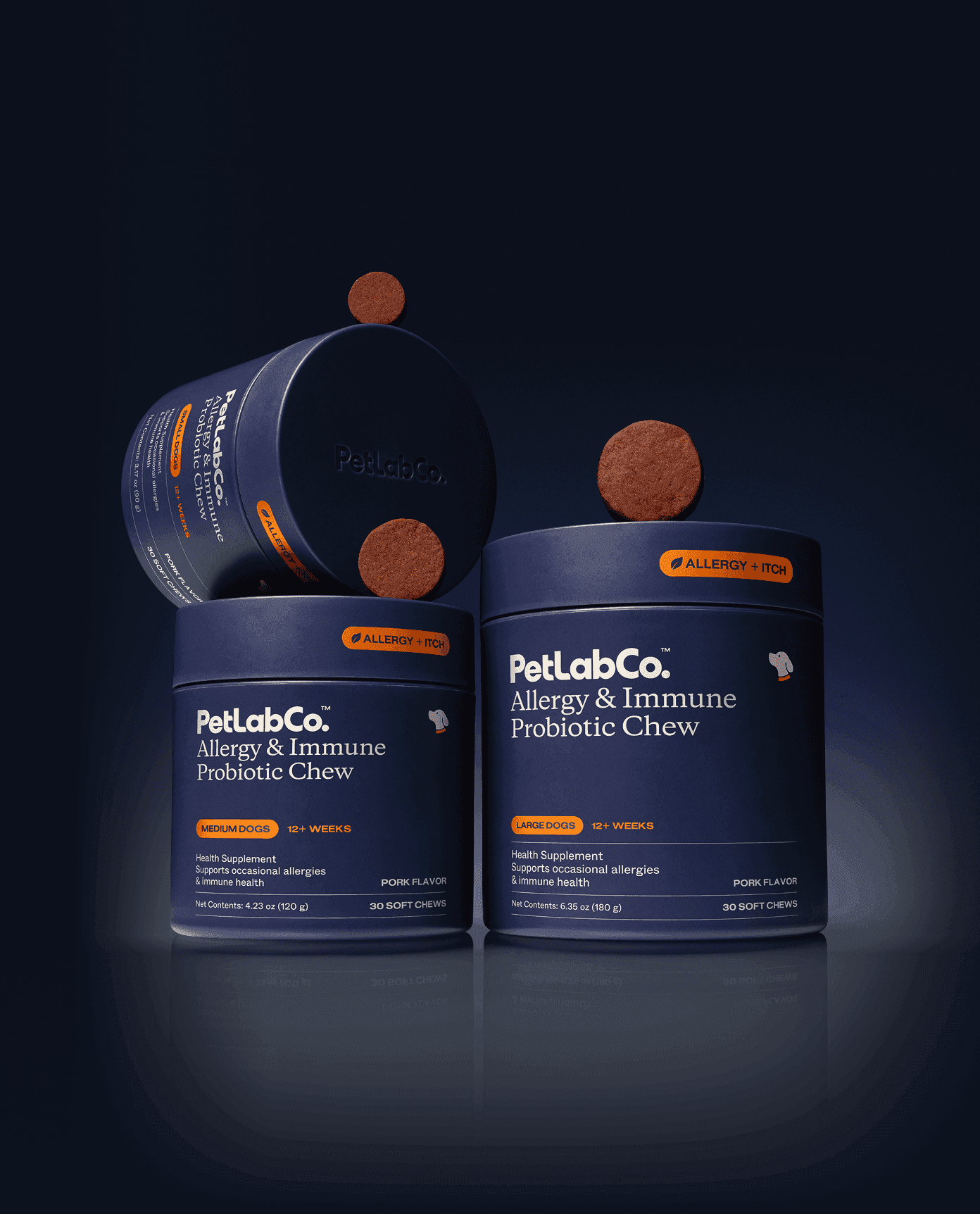
The product has size-specific formulas. The current directions are one Small chew daily for dogs under 25 pounds, one Medium chew for dogs from 25 to 75 pounds, and one Large chew for dogs over 75 pounds. The corresponding probiotic amounts are 1, 2 and 3 billion CFU per chew. Check the tub size as well as your dog’s weight; “one soft chew” does not mean the formulas are identical.
The label is for dogs from 12 weeks of age. It advises a veterinary examination before use and states that safety in pregnant animals or animals intended for breeding has not been proven. It also includes a drug-absorption caution, so dogs taking medication need an individual discussion about the finished formula and routine.
A general daily gut-support alternative
When the veterinarian has not identified a clear allergy-related reason to choose the allergy-focused formula, Probiotic Chews are the general daily gut-health alternative. They are a different product with different serving instructions. Selecting the simpler daily gut-support role does not change the need to treat an active paw infection.
Probiotic Chews contain a 3-billion-CFU blend per 4-gram chew, along with prebiotics and a yeast-derived postbiotic ingredient. The daily directions are one soft chew for dogs under 25 pounds, two for dogs from 25 to 75 pounds, and three for dogs over 75 pounds. They are for dogs from 12 weeks of age. Do not apply the size-specific formula directions from Allergy & Immune Chews to this product.
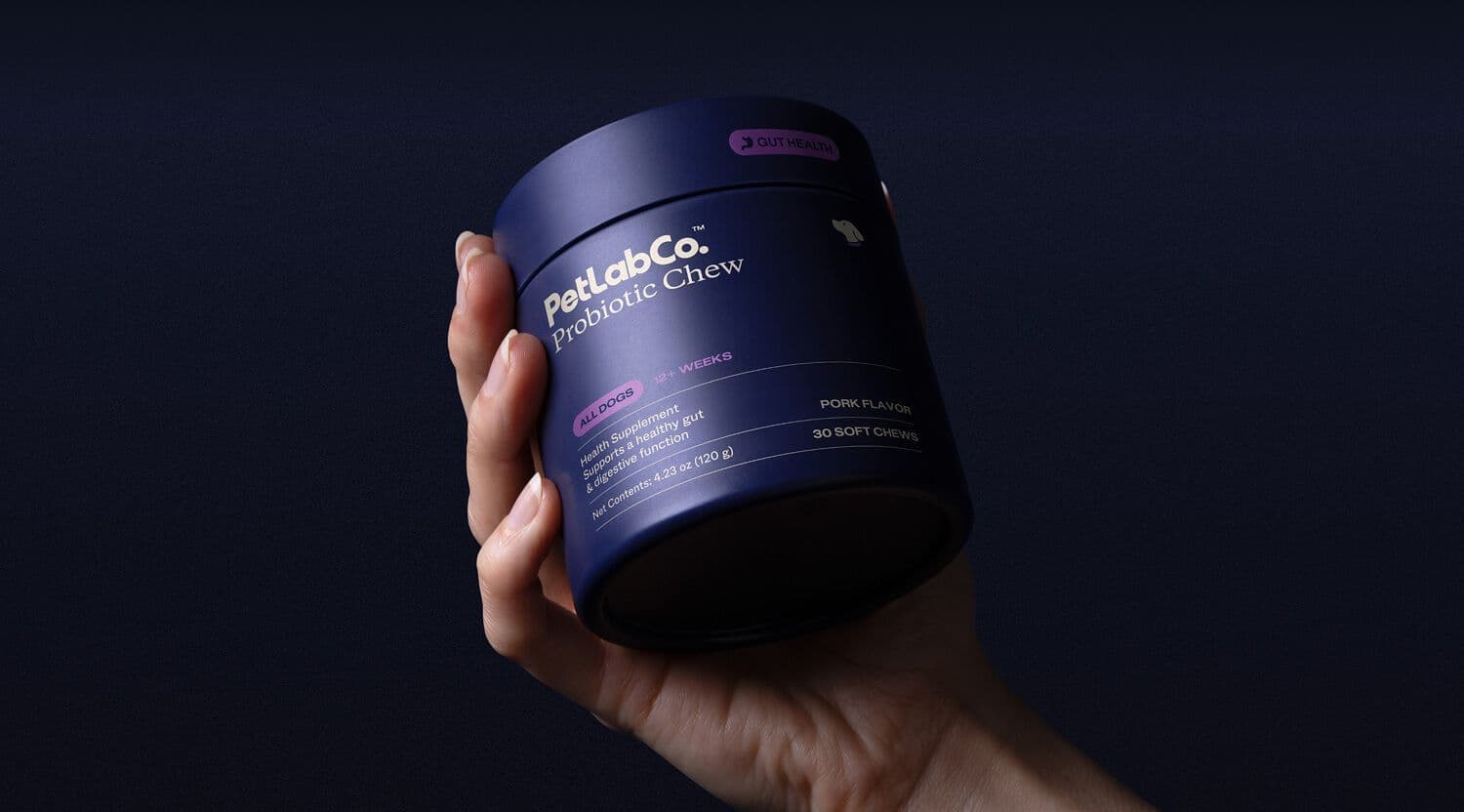
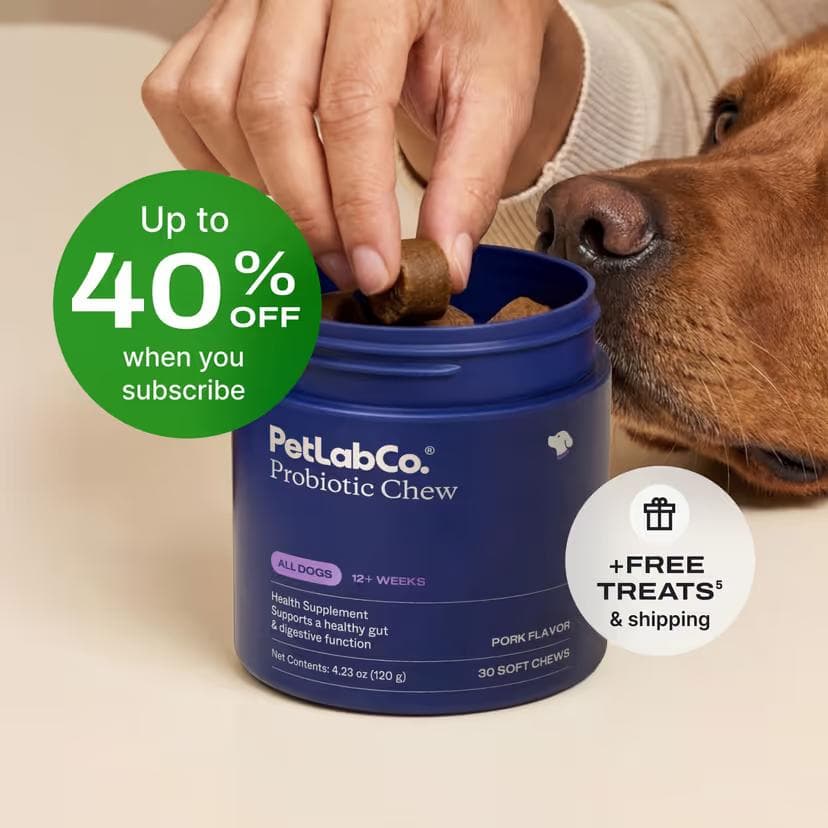
Clinically studied probiotic soft chews that support your dog's gut health while targeting occasional loose stools and seasonal allergies. Pork flavor, 30 chews per tub.
Petful may earn a commission when you click through to PetLabCo.®, at no extra cost to you.
Petful’s PetLabCo.® Probiotic Chews review takes a closer look at that daily gut-support option. For the paw-yeast reader, the main choice is the role: an allergy-focused formula when it suits the established care plan, or a general gut-support chew when that is the more appropriate goal. Related reading: Vetstreet’s PetLabCo. product guide.
Why the highest CFU number is not the decision
CFU describes colony-forming units, a measure of viable microorganisms. It does not act as a simple strength score for skin care. For example, a 40-pound dog’s labeled Allergy & Immune serving is one Medium chew containing 2 billion CFU. The same dog’s labeled serving of Probiotic Chews is two soft chews, totaling 6 billion CFU. Those figures describe two different formulas and directions, not a finding that one is three times more useful for that dog.
Compare the intended role, full ingredients and label directions first. The allergy-focused formula includes other components relevant to its gut and immune-support purpose, while the product has a general daily gut-support role. A veterinarian can help decide which, if either, fits the dog’s needs.
There is no reason to automatically combine the two to reach a larger number. That would also combine their other ingredients and change the planned daily routine. Start with the exact product selected for the dog and reassess its fit rather than treating the CFU total as a target to maximize.
Set a realistic maintenance goal
Discuss Allergy & Immune Chews as an addition to the maintenance routine, with a clear understanding of what else continues. That may include prescribed allergy management, the veterinarian’s skin-care advice and follow-up appointments. Do not replace those steps or stop medication because you have started a soft chew.
Choose one new supportive product at a time unless the veterinarian recommends a different approach. Record the start date and serving, then watch overall tolerance, appetite and stool as well as the established paw-care observations. A calm, consistent routine makes changes easier to discuss and helps avoid unintentionally combining overlapping products.
Useful questions for the next check-in include:
- Is the active skin problem controlled according to the veterinarian’s assessment?
- Is the current allergy plan still appropriate for this season and exposure pattern?
- Does the supplement fit the dog’s diet, medications and tolerance?
- Is it practical to give consistently without adding confusion to the routine?
The desired outcome is a care plan you can maintain, with comfortable paws assessed in context. Fewer episodes over time would be welcome, but this product-specific evidence does not establish a guarantee that either chew prevents yeast recurrence. If the paws flare again, return to the diagnostic plan rather than simply increasing the amount.
PetLabCo.® offers both formulas so that gut-support routines can be matched to different needs. Here, their role is supportive and proactive: an appropriate addition after the veterinarian has addressed the active paw problem and considered the underlying trigger.
Frequently Asked Questions
Do not rely on spontaneous improvement when your dog has persistent irritation, odor, discharge or discomfort. Those signs need an appropriate diagnosis, and an underlying cause may remain even if the appearance temporarily improves. Follow the prescribed plan and attend the follow-up examination. If your dog is worsening or the care cannot be applied comfortably, contact the veterinarian sooner rather than waiting for a maintenance supplement to resolve the episode.
Malassezia is a normal skin resident, and paw overgrowth is not usually approached like a readily contagious infection. Good hand washing after handling affected paws remains sensible. Rare human infections have been documented, particularly in vulnerable medical settings, so anyone with significant immune compromise should ask their clinician about individual precautions. The veterinary dermatology consensus guidelines discuss that distinction; a dog’s paw diagnosis alone is not a reason to assume household illness.
Use the schedule for the prescribed product and your dog’s actual skin condition. Bathing frequency, contact time and whether a product should be rinsed can vary. Ask the veterinarian to write those directions down, including how to handle the paws between baths. More frequent washing is not automatically better, and a whole-body bath may not be the only treatment option. Report irritation or difficulty following the plan so it can be adjusted appropriately.
Sources
This guide uses the linked veterinary guidance and current manufacturer labels. Product descriptions reflect those sources and do not claim first-hand testing or a clinical trial of paw-yeast treatment.
PetLabCo.® products are not intended to diagnose, treat, cure, or prevent any disease. Consult your veterinarian before starting a new supplement regimen.

DVM
Athena Gaffud, DVM, is a board-certified veterinarian and writer based in the Cagayan Valley of the northern Philippines. She runs the website countryvetmom.com Dr. Gaffud earned her Doctor of Veterinary Medicine degree from the University of the Philippines Los Baños in 2011, ranking in the top 10 and receiving the Best Undergraduate Thesis Award in Large Animals. With over a decade of experience, she has worked as a researcher, a practitioner for small and large animals, and in veterinary technical sales, marketing, and pet insurance. A published author, Dr. Gaffud promotes responsible pet ownership and combats misinformation on animal care through her platforms, including the DocAthena Facebook Page and DocAthena YouTube channel. She is a writer and editor for various pet-related websites such as Total Vet, Honest Paws, PangoVet, Dogster, Catster, My Best PH, Paw Origins, Bully Max, Not a Bully, Paws and Claws CBD, many others. She was also cited in different pet-related media articles such as The Dog People, USA Today, Newsweek, New York Post, Reader’s Digest, Smithsonian Magazine, Woman’s World, Dog Time, Patch, Kinship, Martha Stewart, and many others. Moreover, she is also a published fiction author on Kindle.
Sign up for expert-backed reviews and safety alerts all in one place.

A Final Word (Disclaimer)
At Petful, our review integrity is paramount; we never exchange special treatment in our reviews for monetary or material rewards.
Nonetheless, when our readers click through to online merchants (including Chewy or Amazon), we receive a referral commission. This supports the running of our free blog, and we appreciate your backing.