Worms in Cats: How to Identify, Treat, and Prevent Them
Worms in cats are usually roundworms or rice-like tapeworms. A vet shows what each worm looks like, how to tell worms from maggots in cat poop, which dewormers work, and how to deworm a kitten.
Petful is reader supported. As an affiliate of platforms like Amazon and Chewy, we may earn a commission when you buy through links on this page. There is no extra cost to you.
This pet health content was written by a veterinarian, Dr. Debora Lichtenberg, VMD. If you have questions or concerns, call your vet, who is best equipped to ensure the health and well-being of your pet. This article is for informational purposes only and is not a substitute for professional veterinary advice.
Worms in cats are common, and most of them are easy to treat once you know which worm you are dealing with. The big four are roundworms, tapeworms, hookworms and, much less often, whipworms. Cats pick them up from their mother's milk, from swallowing fleas while grooming, from hunting mice, or from eggs in soil and litter.
The trick is that each worm needs the right drug. A tapeworm pill will not touch roundworms, and a roundworm liquid will not clear tapeworms. This guide shows you what each worm looks like, how to tell worms from maggots in cat poop, which active ingredients kill which worm, what you can buy over the counter, and how to deworm a kitten on schedule.

Sign up for expert-backed reviews and safety alerts all in one place.
Types of Worms in Cats
- 1Roundworms and tapeworms are the worms owners actually see; hookworms and whipworms are tiny and found on a fecal test.
- 2Kittens usually get roundworms from their mother; adult cats get tapeworms from swallowing fleas and eating mice.
- 3Rice-like segments near the tail mean tapeworms; spaghetti-like worms in poop or vomit mean roundworms.
- 4Match the drug to the worm: praziquantel for tapeworms, pyrantel for roundworms and hookworms.
- 5Heartworm in cats has no approved treatment, so prevention is the only protection.
According to the Cornell Feline Health Center, roundworms infect somewhere between 25 and 75 percent of cats, with the highest rates in kittens. Finding worms in your cat's litter box usually means roundworms or tapeworm segments. Here are the different kinds of worms in cats and how each type behaves.
Roundworms
Roundworms (Toxocara cati and Toxascaris leonina) are the most common intestinal worms in cats. Adults are cream colored, 3 to 5 inches long and look like cooked spaghetti. They live free in the intestine without attaching, and a heavily infected cat or kitten may vomit them or pass them in stool. Toxocara cati is the one that matters most, because kittens get it through their mother's milk and it can infect people.
If you notice slime or a jelly-like coating with the stool, our guide to mucus in cat poop explains what it can mean and when to call your veterinarian.
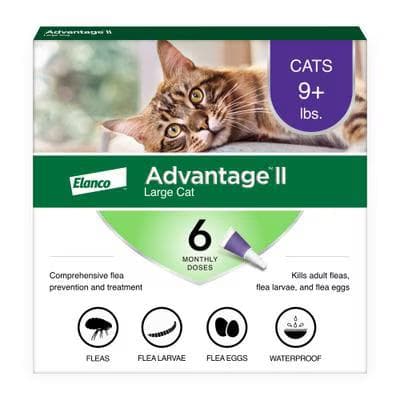
Monthly OTC spot-on that kills adult fleas, flea larvae, and flea eggs, and stays effective when wet.
Petful may earn a commission when you click through to Chewy, at no extra cost to you.
Tapeworms
Tapeworms are flat, segmented worms that anchor to the intestinal wall. Two tapeworm species cause nearly all tape worms in cats. Dipylidium caninum comes from swallowing an infected flea while grooming, and Taenia taeniaeformis comes from eating infected mice or rats. You rarely see the whole worm. What you see are the segments, which break off and pass out of the anus.
Hookworms
Hookworms (Ancylostoma tubaeforme and related species) are thread-thin worms less than half an inch long that bite into the gut lining and feed on blood. They are not usually visible in poop. Heavy infections cause anemia and black, tarry stool, and they can be fatal in kittens.
 Sponsored
Need flea, tick, or parasite care for your cat?
A licensed vet at Dutch can recommend the right preventive and prescribe it when it's appropriate. Annual members get 20% off their first flea and tick order.
Use code Pets60
Plans start at $12/month · covers up to 5 pets
- Licensed vets in most states
- Rx for 150+ conditions
- 4.7 on Trustpilot
Whipworms, lungworms and stomach worms
These intestinal worms and their relatives are less common, but your vet may mention them:
- Whipworms live in the large intestine and are rare in North American cats. Heavy infections can cause diarrhea.
- Lungworms (Aelurostrongylus abstrusus) live in the lungs, not the gut. Cats get them by eating snails, slugs, or birds and rodents that ate them. Signs are coughing and fast or labored breathing.
- Stomach worms (Ollulanus and Physaloptera) cause chronic vomiting. Ollulanus spreads when cats eat another cat's vomit.
Do cats get heartworms or pinworms?
Yes, cats get heartworms, and no, cats do not get pinworms. Heart worms in cats (Dirofilaria immitis) spread through mosquito bites and lodge in the heart and lung vessels. Even one or two worms can trigger severe lung disease or sudden death. The American Heartworm Society notes there is no approved heartworm treatment for cats, so monthly prevention is the only protection, and indoor cats are not immune because mosquitoes come inside. Pinworms are a human and primate parasite; a cat cannot give a child pinworms.
How Do Cats Get Worms?
How do cats get worms? Each worm has its own route, and knowing the route tells you how to stop reinfection:

The fastest over-the-counter knockdown: nitenpyram tablets start killing adult fleas within 30 minutes, no prescription needed.
Petful may earn a commission when you click through to Chewy, at no extra cost to you.
- Nursing: Kittens get roundworms from their mother's milk, which is why so many kittens have worms.
- Fleas: Cats get tapeworms by swallowing fleas carrying tapeworm larvae while grooming. This is the most common cause of tapeworms, and worms in cats from fleas keep coming back until the fleas are gone.
- Hunting: Mice, rats, birds, insects and snails carry roundworm larvae, Taenia tapeworms and lungworms.
- Soil and litter: Roundworm eggs and hookworm larvae live in soil, sandboxes, potting soil and dirty litter. Hookworm larvae can burrow through the skin of the paws.
- Other cats: A shared litter box spreads eggs between cats in a multi-cat home.
How does an indoor cat get worms? Usually from fleas that hitch a ride inside on people or dogs, from a mouse or insect that gets into the house, or from potting soil. Worms in a cat's food or water bowl are almost always something else, such as insect larvae, and commercial cat food does not carry worms. Raw meat diets and prey can.
Worms do not cause hair loss or eye problems on their own; a cat with patchy fur and worms most likely has fleas causing both. If tapeworms keep coming back, the real job is flea treatment for cats on every pet in the home. Can cats die from worms? Untreated kittens can, from anemia or a blockage of roundworms, which is why the schedule below matters.
Symptoms of Worms in Cats
Many adult cats with worms show no signs at all. When signs and symptoms of worms in cats do appear, they depend on the worm and how many there are:
- Worms or rice-like segments in poop, on the fur under the tail, or on bedding
- Vomiting, sometimes with worms in the vomit
- Diarrhea, sometimes with mucus or blood in the stool
- A pot-bellied look, especially in kittens
- Weight loss or poor growth even though the cat eats well
- A dull, greasy or unkempt coat
- Scooting or licking under the tail (tapeworms)
- Pale gums and weakness from blood loss (hookworms)
- Coughing or labored breathing (lungworms or heartworm)
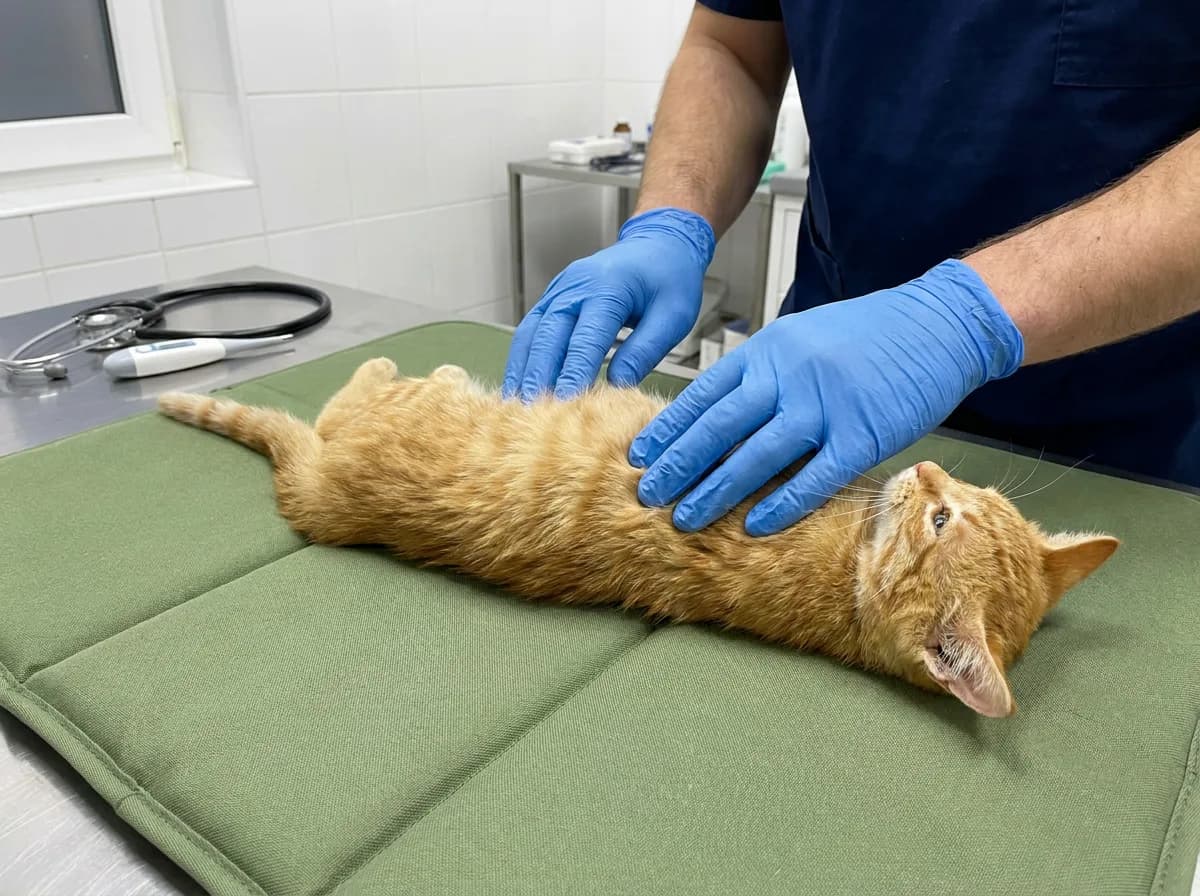
Symptoms by type of worm
How do you know if your cat has tapeworms? Look for small white segments around the anus or in fresh stool; tapeworms in cats rarely cause other symptoms. Roundworms cause the pot belly, vomiting and diarrhea, and stunted growth in kittens. Hookworms cause anemia and black, tarry stool. Intestinal worms in cats of any kind can cause diarrhea, so loose stool alone does not tell you which worm it is. Stomach worms in cats mainly cause vomiting and weight loss.
My cat is throwing up worms
A cat throwing up worms almost always has roundworms. Do cats throw up worms often? Only with a heavy load, when adult roundworms move up into the stomach. It means there are many more worms in the intestine, so the cat needs a dewormer now and a repeat dose in 2 to 3 weeks. Save the worm in a sealed bag for your vet if you can.
If your cat has worms, you can clean your house without going overboard. Scoop the litter box daily, wash bedding in hot water, vacuum where your cat sleeps, and treat fleas on every pet.
What Do Worms Look Like in Cat Poop?
What do worms look like in cat poop? Two worms are visible to the naked eye, and they look nothing alike. Small white worms in cats that look like rice are tapeworm segments. Long white worms in cat poop that look like spaghetti are roundworms. Tiny white worms in cats that wiggle under the tail are usually fresh tapeworm segments too. This identification table maps what you see, from spaghetti and rice grains to sesame seeds, threads and moving larvae, to the likely worm and the right drug:
| What you see | Where | Likely worm | Next step |
|---|---|---|---|
| Long, round, cream worms like spaghetti, 3 to 5 inches | Poop or vomit | Roundworms | Pyrantel dewormer, repeat in 2 to 3 weeks |
| Flat white segments like grains of rice that stretch and move | Fresh stool, fur under the tail | Tapeworms | Praziquantel dewormer plus flea control |
| Dry, hard, yellowish specks like sesame seeds | Fur, bedding, litter | Dried tapeworm segments | Praziquantel dewormer plus flea control |
| Nothing visible, but black, tarry stool or pale gums | Poop, gums | Hookworms | Vet visit and fecal test |
| Many small, tapered, cream larvae crawling fast | Poop left outside or in an old litter pile | Fly maggots | Not a worm infection; see the maggot section |
| Thin red or black wigglers in the water bowl | Water bowl | Insect larvae | Clean the bowl; not worms from your cat |
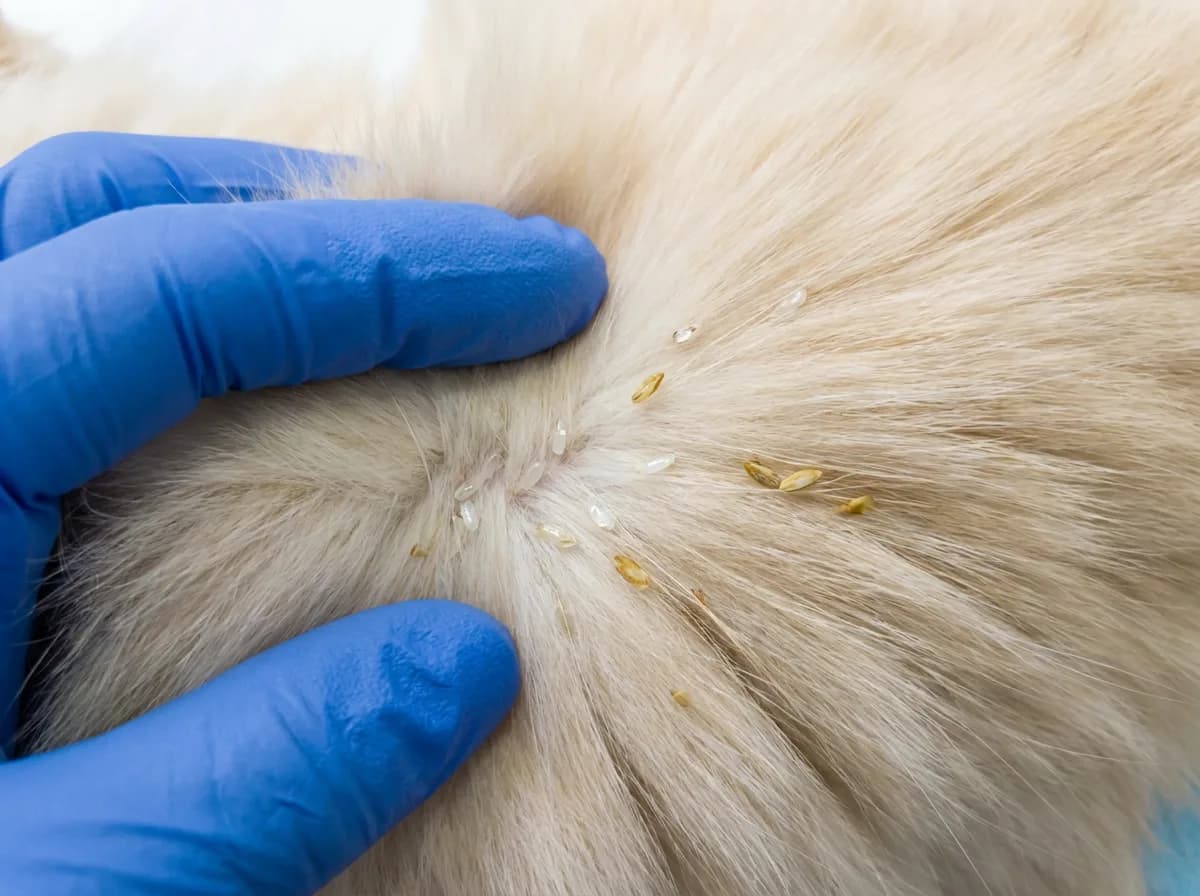
Worms coming out of a cat's anus are almost always tapeworm segments, which is why most pictures of worms in a cat's anus show small white rice shapes. If you are comparing pictures of worms in cat feces or other photos to identify cat worms, remember that most images of intestinal worms in cats show only roundworms and tapeworms. Hookworms, whipworms and stomach worms rarely appear in pictures because they are too small to see in stool.
How do I tell what kind of worms my cat has? Look at shape and movement first. Roundworms are round, long and coiled. Tapeworm segments are flat, short and rectangular and creep like an inchworm before they dry. If you find worms in your cat's poop but cannot tell which, put a sample in a sealed bag and take it and a fresh stool sample to your vet. Black worms in cat poop or the litter box are almost never cat worms; they are usually insect larvae or debris.
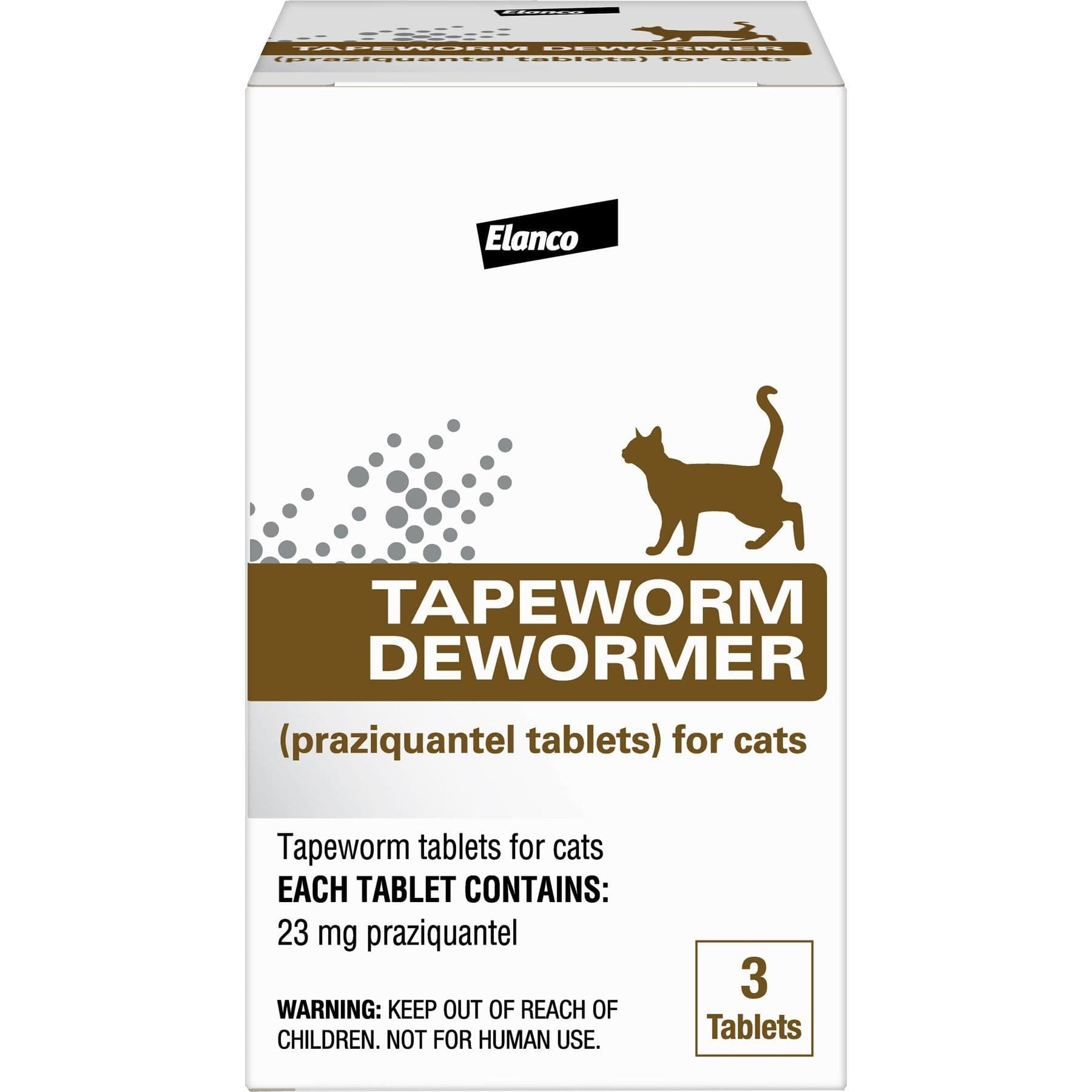
Elanco's praziquantel tablets are the over-the-counter tapeworm dewormer for cats, one dose for cats over six weeks and over 1.5 pounds; pair it with flea control or the tapeworms come back.
Petful may earn a commission when you click through to Chewy, at no extra cost to you.
A Note on Maggots
Maggots top tapeworms on the gross-out scale, in my opinion. People often confuse maggots and tapeworms in cat poop, but they look and behave very differently, and the difference tells you whether your cat even has worms.
So how do you tell maggots vs. worms in cat poop? A timing test is the clearest tell: fresh stool versus stool left out. Maggots are fly larvae. Flies lay eggs on poop that sits outside or in an uncleaned litter box, and the eggs hatch within hours in warm weather. That is why maggots in cat poop show up on old stool, never inside stool your cat just passed. Here is how maggots compare with worms:
- Fresh or old stool: Tapeworm segments and roundworms are in or on fresh stool. Maggots appear later, on stool left sitting.
- Shape: Maggots are plump, tapered at one end, often with a dark spot at the pointed head. Tapeworm segments are flat rectangles; roundworms are long and smooth.
- Number: Maggots usually come in a crowd. You might see a few tapeworm segments.
- Movement: Maggots crawl quickly and burrow. Tapeworm segments stretch and contract slowly, then dry into sesame-like specks.
- Maggot looking worms in cat poop from an outdoor pile are a cleanup job, not an infection. Maggots on your cat are different. Check a fresh stool sample to be sure, then look at the fur. Flystrike (myiasis) happens when flies lay eggs in a wound, a sore, or matted, soiled fur around the tail. If you see maggots on your cat's skin or coat, see your vet right away; your cat will need professional wound care and often antibiotics.
Diagnosing Worms in Cats
Although you can spot roundworms and tapeworms yourself, a stool sample is how your vet confirms worms in cats and finds the ones you cannot see. A small amount of fresh poop is all you need to bring. Think sample size, no super-sizing please.
In a routine fecal flotation, we mix the poop in a solution that makes parasite eggs float to the top, then look at a drop under the microscope. We identify the parasite by the shape of its eggs, then prescribe the right dewormer. Some parasites shed eggs on and off, so your vet may ask for samples on 3 days in a row.
Here is the catch: tapeworms are often missed on fecal diagnosis, because their eggs are packed inside the segments and rarely float free. Telling your vet you saw rice-like segments is a real diagnostic clue. Lungworms need a different test called a Baermann, and heartworm needs a blood test plus X-rays or an ultrasound.
SponsoredVet care that's always there
Unlimited video calls and messaging with licensed vets for less than a typical vet visit. One membership covers up to five pets.
Use code Pets60
Plans start at $12/month · covers up to 5 pets
- Licensed vets in most states
- Rx for 150+ conditions
- 4.7 on Trustpilot
Treatment for Worms in Cats
Treatment for worms in cats comes down to one rule: the medication has to match the worm. Dewormers kill adult worms in the gut but not every larval stage, so most worms need a repeat dose. This treatment table goes worm by worm, names the active ingredient, and shows whether each one is sold OTC or by prescription:
| Worm | Active ingredient | Example products | OTC or prescription |
|---|---|---|---|
| Tapeworms | Praziquantel | Elanco Dewormer for Tapeworms for Cats | OTC |
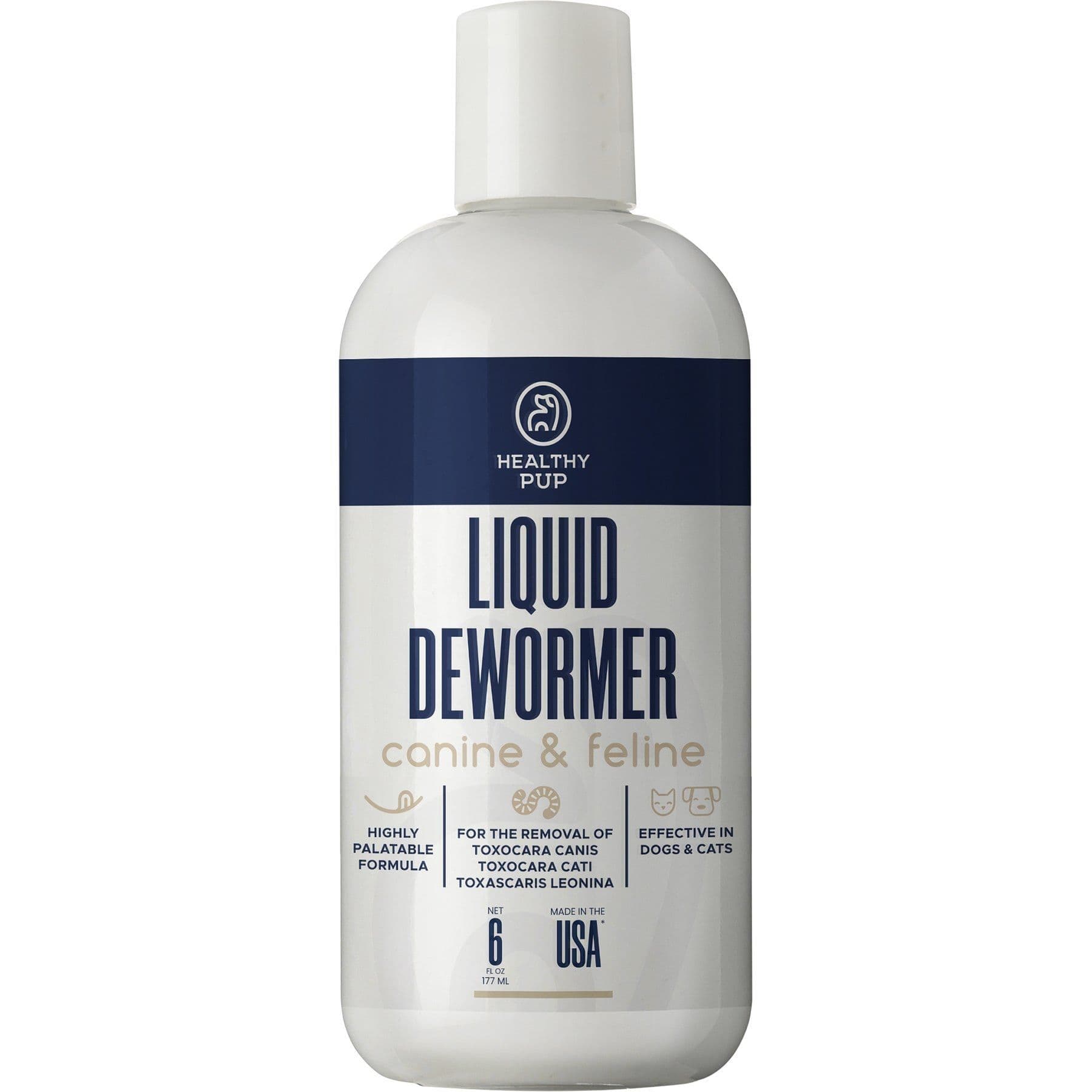
| Roundworms only | Piperazine | Healthy Pup Liquid Dewormer for Dogs & Cats | OTC |
| Roundworms, hookworms, tapeworms | Emodepside plus praziquantel | Profender topical | Prescription |
| Roundworms, hookworms, tapeworms | Praziquantel plus pyrantel | Drontal for cats | Prescription |
| Roundworms, hookworms, heartworm prevention, fleas | Selamectin | Revolution, Revolution Plus | Prescription |
| Roundworms, hookworms, tapeworms, heartworm prevention | Eprinomectin plus praziquantel | Centragard | Prescription |
| Roundworms, hookworms, whipworms, lungworms, Taenia tapeworms | Fenbendazole | Used off label by vets | Prescription guidance |
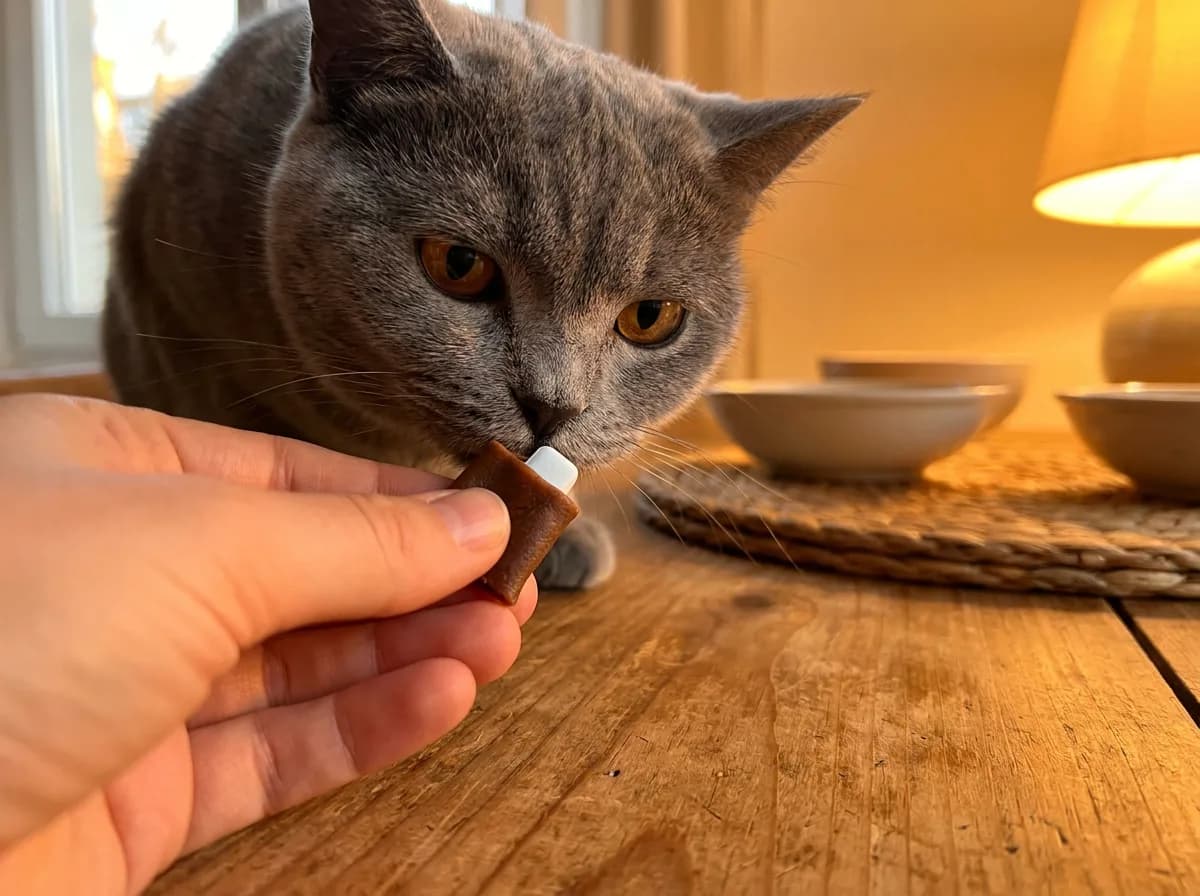
How to treat each worm
- Tapeworms: One dose of praziquantel clears tapeworms in cats. Treat fleas at the same time or the tapeworms come back within weeks.
- Roundworms: Pyrantel kills adult roundworms. Repeat in 2 to 3 weeks to catch larvae that matured after the first dose.
- Hookworms: Pyrantel or a prescription product, plus a vet check for anemia in kittens.
- Whipworms and lungworms: These need a vet. Fenbendazole for several days or a prescription topical is typical.
- Heartworm: No cure for cats. Vets manage the lung inflammation and protect the cat with monthly prevention.
How long after deworming a cat are the worms gone? Most dewormers kill worms within a day or two, and you may see dead or dying worms in stool for 2 to 3 days. Seeing worms after a dose usually means the drug is working. Can worms go away on their own in cats? No. Worms in cats do not go away on their own; without a dewormer they keep laying eggs and reinfecting your cat. Plan on the repeat dose your vet or the label calls for.
Natural remedies and home treatment
What can I feed my cat to help get rid of worms? No food will. Pumpkin seeds, diatomaceous earth, apple cider vinegar and herbal "dewormers" have no good evidence against worms in cats, and garlic is toxic to cats. Treating worms in cats at home is fine, but with a real dewormer: the OTC products below are the safe way to do it.
A pyrantel pamoate liquid treats roundworms and hookworms, the two worms kittens and outdoor cats pick up most. Dose by weight and repeat in two to three weeks.
Petful may earn a commission when you click through to Chewy, at no extra cost to you.
Best OTC Dewormers for Cats
Can cats get rid of worms without going to the vet? For tapeworms and roundworms, yes. Over the counter medicine for worms in cats contains praziquantel (tapeworms), pyrantel pamoate (roundworms and hookworms) or piperazine (roundworms only); check the active ingredient on the label. No single OTC product is a cat dewormer for all worms; for broad coverage in one product you need a prescription. Here is how the OTC options compare:
- Elanco Dewormer for Tapeworms for Cats (praziquantel): The best OTC dewormer for cats with rice-like segments. One dose treats both common tapeworm species in cats over 6 weeks old and 1.5 pounds. Pair it with flea control.
- Healthy Pup Liquid Dewormer for Dogs & Cats (piperazine): A budget liquid for roundworms only that you give by mouth or mix into food. Check the label's cat dosing by weight, and plan a repeat dose in 2 to 3 weeks. It does not kill tapeworms.
- A flea product for every pet: Not a dewormer, but the step that stops tapeworm reinfection. Fast options like Capstar for cats kill adult fleas within hours, and a monthly topical such as Advantage II for cats keeps them away.
Does praziquantel kill all worms in cats? No, only tapeworms. Does Drontal kill all worms in cats? Drontal kills roundworms, hookworms and tapeworms, but it is prescription only in the U.S. Does Revolution kill worms in cats? Revolution and Revolution Plus treat roundworms and hookworms and prevent heartworm, but not tapeworms. For a topical treatment for worms in cats that covers tapeworms too, ask your vet about Profender or Centragard.
Always dose by your cat's current weight, check the label's minimum age, and never use a dog dewormer on a cat. If your cat is a kitten, pregnant, sick or older, call your vet first. Our guide to flea medicine for cats without a vet prescription covers the flea side of the same decision, and WebVet compares more dewormers for cats with tapeworms.
Kitten Deworming Schedule
When can I deworm my kitten? The Companion Animal Parasite Council recommends starting at 2 weeks of age, because worms in kittens are so common that vets assume every kitten has them. Do all kittens have worms? Most are born with or quickly pick up roundworms from their mother. Signs a kitten has worms include a pot belly, diarrhea and poor growth, but many look healthy.
| Kitten age | Deworming step |
|---|---|
| 2 weeks | First dose of a pyrantel dewormer |
| 4, 6 and 8 weeks | Repeat every 2 weeks |
| 2 to 6 months | Monthly, ideally a broad-spectrum preventive that also covers heartworm and fleas |
| After 6 months | Year-round monthly prevention, or deworming 4 times a year with fecal tests |
| Mother cat | Deworm the queen along with her kittens |
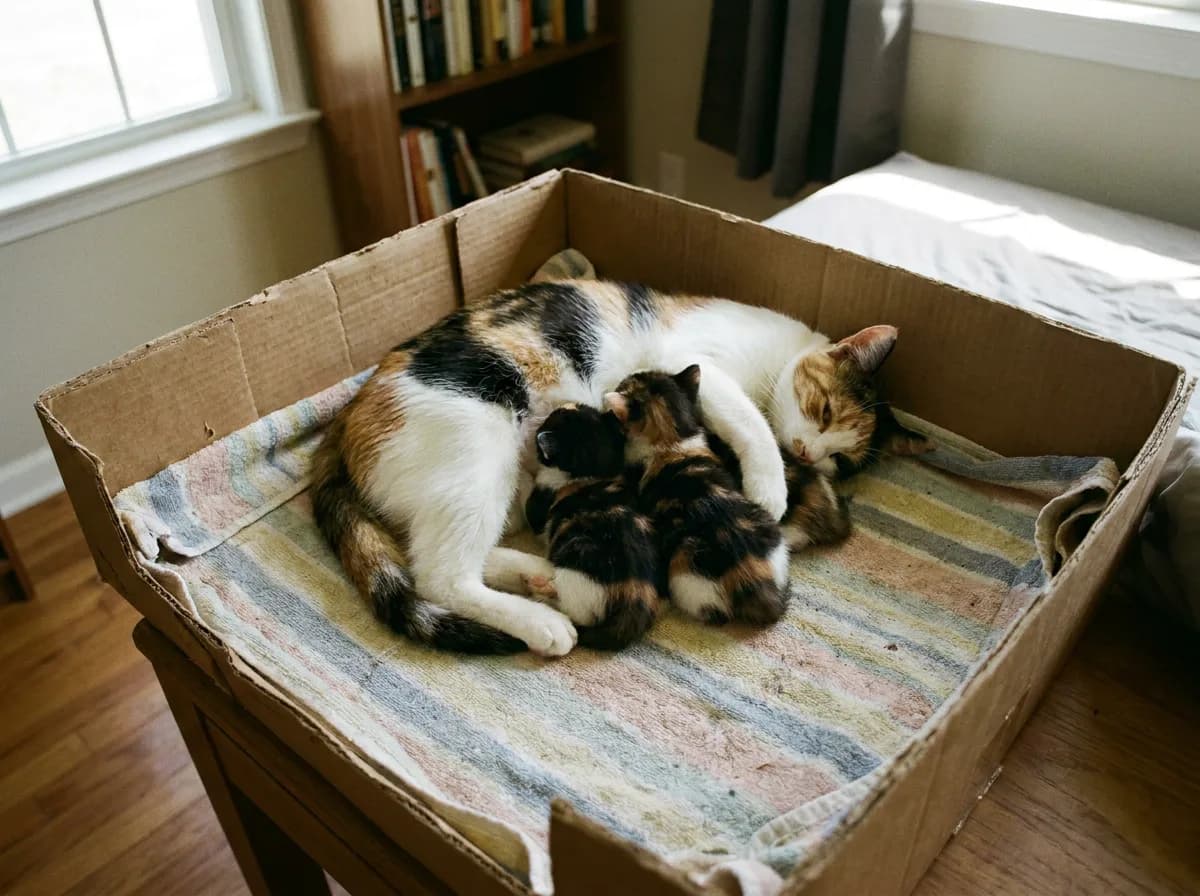
Use only products labeled for kittens at that age and weight. If you adopt an older kitten with an unknown history, start the 2-week cycle at your first vet visit and bring a stool sample.
Preventing Worms in Cats
You can prevent worms in cats with a few habits:
- Use a year-round monthly preventive that covers heartworm and intestinal worms, as CAPC recommends.
- Treat every pet in the home for fleas, every month, to stop tapeworms. A weekly pass with a fine-toothed Safari flea comb for cats shows whether fleas are back before tapeworm segments do.
- Scoop the litter box at least daily, before eggs become infective. Our guide on how to clean a litter box covers the routine.
- Keep cats indoors or limit hunting, and keep mice out of the house.
- Feed commercial food rather than raw meat or prey.
- Have a fecal test done 1 to 4 times a year depending on lifestyle.
Preventing worms is cheaper and kinder than treating repeat infections, especially in multi-cat homes and homes with young children.
Can Humans Get Worms From Cats?
Yes, people can get some worms from cats, but human transmission is uncommon and good hygiene prevents most of it. Can humans get worms from a cat by petting it? Very unlikely. Roundworm eggs need 2 to 4 weeks in soil or litter before they can infect anyone, so the risk comes from swallowing old eggs from dirt or a neglected litter box, not from fresh poop or the cat itself.
- Roundworms: Toxocara can cause visceral or ocular larva migrans, a rare but serious problem, mostly in young children who put dirty hands or sand in their mouths. Read more on roundworms and kids.
- Hookworms: Larvae in soil can burrow into bare skin and cause itchy red tracks called cutaneous larva migrans.
- Tapeworms: People, usually toddlers, can get Dipylidium only by swallowing an infected flea.
Can I cuddle my cat if he has worms? Yes. Wash your hands after handling your cat or the litter, scoop daily, wear gloves when gardening, cover sandboxes, and start the dewormer. Are worms in cats contagious to other pets? Yes, through shared litter and fleas, so treat every cat in the house.
When to See the Vet
An OTC dewormer is fine for an otherwise healthy adult cat with obvious tapeworm segments or roundworms. For everything else, worms in cats are a vet job, and some signs cannot wait.
- Pale gums, black, tarry or bloody stool, a weak or very lethargic kitten, repeated vomiting, a swollen painful belly, coughing or trouble breathing, or maggots on your cat's skin all need same-day veterinary care, not a home dewormer.
Book a regular visit if worms come back after treatment, if your cat has diarrhea that lasts more than 2 days, or if you are unsure what you found. WebVet's cat diarrhea symptom checker can help you decide how urgent loose stool is. What happens if a cat goes untreated for worms? Kittens can become anemic, malnourished or blocked, and adult cats lose weight and condition over time.
Worms in Cats FAQs
Look at shape. Long, round worms like spaghetti in poop or vomit are roundworms. Flat white segments like grains of rice under the tail are tapeworms. Hookworms and whipworms are too small to see, so your vet needs a fecal test to find them.
Vets deworm kittens from 2 weeks of age with a pyrantel product labeled for kittens, then every 2 weeks until 8 weeks, then monthly until 6 months. That kitten deworming plan follows CAPC guidelines.
Most worms die within a day or two, and you may see them pass for 2 to 3 days. Roundworms and hookworms need a repeat dose in 2 to 3 weeks to clear worms that were still larvae the first time.
Vomited worms are almost always roundworms, and they mean a heavy infection. Start a pyrantel dewormer or see your vet, and plan a repeat dose in 2 to 3 weeks.
Yes, for tapeworms and roundworms. OTC praziquantel treats tapeworms and OTC pyrantel treats roundworms and hookworms. Kittens, sick cats and cats with other worms should see a vet.
No. Commercial wet and dry cat food is cooked and does not carry worms. Raw meat, prey and fleas are the real sources.
There is no food that kills worms. Pumpkin seeds and other home remedies do not work, and garlic is toxic to cats. Use a dewormer that matches the worm.
Yes. Petting your cat is very low risk. Wash your hands after handling your cat or the litter box, scoop daily, and finish the full course of dewormer.
Usually from fleas brought in on people or other pets, from catching a mouse or insect indoors, or from potting soil. Kittens may have had roundworms since nursing.
Untreated worms can cause anemia, weight loss, poor growth and, in kittens, intestinal blockage or death. Heartworm can cause sudden lung disease.
References
- Cornell Feline Health Center. Gastrointestinal Parasites of Cats. https://www.vet.cornell.edu/departments-centers-and-institutes/cornell-feline-health-center
- Companion Animal Parasite Council. General Guidelines. https://capcvet.org/guidelines/
- Merck Veterinary Manual. Gastrointestinal Parasites of Cats. https://www.merckvetmanual.com/cat-owners
- American Heartworm Society. Heartworm in Cats. https://www.heartwormsociety.org/
- Bowman, Dwight, PhD. Georgis' Parasitology for Veterinarians, 10th ed. Saunders. 2013.
- Zajac, Anne, et al. Veterinary Clinical Parasitology, 8th ed. Wiley-Blackwell. 2012.

VMD
Dr. Debora Lichtenberg, VMD, is a small animal and exotics veterinarian who has been practicing medicine for over 30 years. A graduate of the University of Pennsylvania School of Veterinary Medicine, Dr. Lichtenberg also trained at the Philadelphia Zoo. She now practices in the New York City area and lives in the West Village with her husband and her rescued pets, Cocoa and OG. Dr. Lichtenberg has been writing for Petful for many years, and she has been recognized with Certificates of Excellence from both the Dog Writers Association of America and the Cat Writers Association of America.
Sign up for expert-backed reviews and safety alerts all in one place.