How Climate Change Affects Our Pets
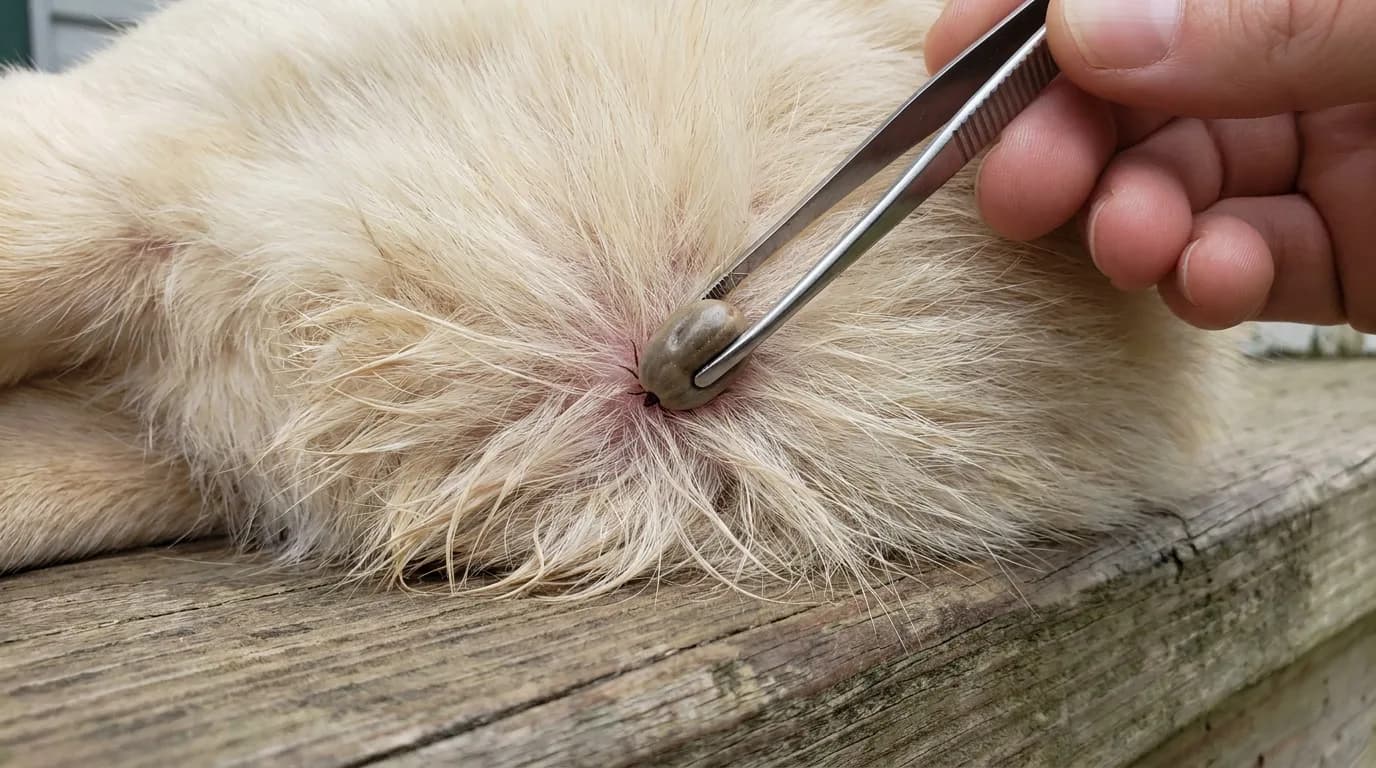
Climate change is already affecting our pets, putting them at higher risk of nasty mosquito- and tick-borne diseases like heartworm and Lyme disease.

Climate change affects our pets, plain and simple.
And the news gets worse: Higher temperatures and fiercer weather patterns will bring more suffering.
In other words, our animals will endure the same hotter weather, hurricanes and floods that afflict humans. But unseen dangers, like parasites and diseases they cause, are also a huge cause for concern.
The evidence about parasites becoming more dangerous is real:
- These horrible pests are on the move because of warmer and wetter weather. Current climate conditions are now more favorable than ever for these parasites to be infective for longer times.
- In fact, the Companion Animal Parasite Council (CAPC) released a report this year stating that climate change has a direct impact on the life cycle of ticks, mosquitoes, fleas, intestinal and respiratory parasites.
Often, the pet-loving public and even veterinarians don't know that certain parasitic diseases -- like heartworm or Lyme disease-- have invaded their region.
Many pets don't get any or adequate prevention, particularly when a parasite is new to the neighborhood.
In other words, climate change is putting our pets at higher risk for: Heartworm Tick-borne diseases Flea infestations and associated diseases GI and respiratory parasitic disease
Some parasites also cause zoonotic diseases that are transmitted from pets to humans.
Parasites Are Migrating North
Here's one clear example of how climate change affects our pets: Parasites are increasing their territories. They're on the move, getting greedy about real estate!
Heartworm, spread by mosquitoes, is prevalent in the warmer southeastern United States. But it's now found in all 50 states.
Hotter and wetter weather -- particularly over the past 2 years -- has created ideal mosquito breeding conditions in many more areas. The prevalence in the lower Mississippi River region will be the worst it’s ever been, but people in northern states should also be increasingly vigilant.
Lyme disease was once endemic in (or native to) only the northeastern states. But it's been widening its territory every year. Spread by deer ticks, it's moving into the Dakotas, Iowa, Missouri, southern Illinois, Ohio, Kentucky, Tennessee and North Carolina.
Other tick-borne diseases, like anaplasmosisand ehrlichiosis, are harder to predict. Ehrlichiosis, for instance, is popping up in pockets across the country.
This unpredictability should be the biggest warning of all.
Do not assume your pet is safe now, even if you've never been told to use tick prevention before.

Fleas and Disease
Fleas have always been a problem, since they can survive indoors.
Many parts of the country with cold winters could treat their pets in the warm “flea season.” Warmer temps in the fall and spring, however, means year-round flea treatment is necessary.
Dogs and cats suffer directly from flea bite dermatitis, but fleas also carry disease, particularly in cats.
Tularemia
Tularemia is transmitted through a flea, tick or deer fly bite. It's seen in cats more than dogs.
This is a zoonotic disease, so humans can get it, too.
Signs typically include fever and swollen glands, and the disease is treated with antibiotics.
Unfortunately, tularemia isn't easy to diagnose. The disease may progress in pets and humans before it's properly diagnosed and treated.
Bartonella
Cats can contract Bartonella, a bacteria, from fleas and ticks.
Although most cats remain asymptomatic, Bartonella causes cat scratch fever in humans.
Hemoplasmosis
Hemoplasmosis is a red blood cell parasite of cats, and fleas are to blame for it.
Although many infections respond to antibiotics, some cats can become extremely anemic. This requires intensive care and blood transfusions.

Intestinal Parasites
Roundworms, hookworms, whipworms and coccidia are the most common parasites affecting cats and dogs.
Climate change affects the prevalence, intensity and distribution of these parasites.
The parasites' hosts, like insects or small mammals, are also affected. These critters help pesky parasites complete their life cycle -- and then infect your pets.
Warming trends are also making very cold climates -- like the sub-Arctic and Arctic -- hospitable to some parasites never seen there before.
Unfortunately, parasitic infections are more of a threat in under- or undeveloped countries. These are places with generally poor parasite prevention and treatment for both animals and humans.
Threat to Humans and Zoonotic Disease
Some parasites directly harm humans as well as animals, such as a tick carrying Lyme disease or a flea bite.
Of course, the larger the reservoir of fleas and ticks on our pets, the greater the danger to us.
Other parasites cause zoonotic disease that can pass from pets to humans. Roundworm infection and hookworms, which invade the skin of humans, are 2 examples of zoonotic disease.
The greater the amount of roundworms or hookworms in our pets caused by warmer climates, the greater the risk to us.
Parasite Prevention
Heartworm preventive, deworming for other parasites, and flea and tick prevention are commonplace these days.
The spread of these diseases, however, can catch even a well-meaning pet lover off guard. Too often, people don’t believe there's a threat in their location yet. Or they think there's still “a season” to use protection and then stop.
These ideas are quickly becoming a thing of the past. Year-round protection is the rule rather than the exception in many parts of the country.
It drives me nuts when people put their pets at risk. They either don’t want to believe what their vet is telling them -- or they don't want to pay for prevention.
I still hear people think
vets are “pushing” monthly protection for financial gain. This is an outdated notion — most vets are thinking of the pet’s health, not the bottom line.
Treatment Is Not Always Easy or Successful
No vet enjoys treating a heartworm infection or giving the bad news that someone’s beloved 2-year-old Lab has devastating Lyme nephritis. Heartworm treatment can be risky even when done correctly.
Lyme and other tick-borne diseases may not respond to treatment, unfortunately.
Parasite Resistance
Anti-parasitic medications have never been better.
But parasites are tricky. Their goal is to survive in a wider range of climates, invade more hosts and develop resistance against the drugs trying to fight them.
We're already seeing some resistance in the first generation of groundbreaking flea and tick products.
The heavier burden of parasites, the more likely our drugs will not be as effective.
An increase in zoonotic diseases is just another example of how climate change affects our pets -- and us. Watch this video to learn more about them:
Extreme Weather Events
Need more evidence that climate change affects our pets?
Just look at the many recent extreme weather events.
Obviously, the destruction of homes and displacement of families affect pets' well-being. While pets can be lost or killed in a severe hurricane, storm, flood or fire, they may also become homeless.
Create an evacuation plan that considers your pet’s needsas well as your own in the case of an impending severe weather event.
Climate Change Affects Our Cat Populations
Longer, warmer weather means longer heat cycles for cats. This means more feral, homeless kittens.
Feline rescue groups have made great strides in controlling feline populations, but climate change creates a greater challenge for them:
- Anyone associated with cat rescue is aware of “kitten season" in warmer weather.
- Longer mild weather means more mating -- and more kittens.
All of us are (hopefully) aware of climate change and do what we can to be greener to limit our carbon footprint as much as possible.
Although the 2018 White House report on global climate changeis bad news indeed, at least we can protect our pets from a less obvious disaster -- the parasite invasion.
Being aware of how climate change affects pets means you'll know what parasitic diseases to watch out for. And then you can help protect your pets before they become sick.
References
- Traversa, Donato, DVM, PhD, DipEVPC. "Pet Roundworms and Hookworms: A Continuing Need for Global Worming." Parasites and Vectors (2012): 5–91.
- Jenkins, Emily J., DVM, PhD, B.Sc. (Hons.), et al. "Old Problems on a New Playing Field: Helminth Zoonoses Transmitted Among Dogs, Wildlife, and People in a Changing Northern Climate." Veterinary Parasitology 182, no. 1 (November 2011).
- James, Katie. "Is Climate Change Affecting Parasite Prevalence?" DVM360. May 8, 2018. http://veterinarymedicine.dvm360.com/climate-change-affecting-parasite-prevalence.
- "CAPC Predicts Spread of Heartworm and Lyme Disease in 2018." DVM360. April 27, 2018. http://veterinarynews.dvm360.com/capc-predicts-spread-heartworm-and-lyme-disease-2018.
This pet health content was written by a veterinarian, Dr. Debora Lichtenberg, VMD. It was last reviewed Dec. 4, 2018.
If you have questions or concerns, call your vet, who is best equipped to ensure the health and well-being of your pet. This article is for informational purposes only and is not a substitute for professional medical advice, diagnosis or treatment. See additional information.

Sign up for expert-backed reviews and safety alerts all in one place.

VMD
Dr. Debora Lichtenberg, VMD, is a small animal and exotics veterinarian who has been practicing medicine for over 30 years. A graduate of the University of Pennsylvania School of Veterinary Medicine, Dr. Lichtenberg also trained at the Philadelphia Zoo. She now practices in the New York City area and lives in the West Village with her husband and her rescued pets, Cocoa and OG. Dr. Lichtenberg has been writing for Petful for many years, and she has been recognized with Certificates of Excellence from both the Dog Writers Association of America and the Cat Writers Association of America.
Sign up for expert-backed reviews and safety alerts all in one place.